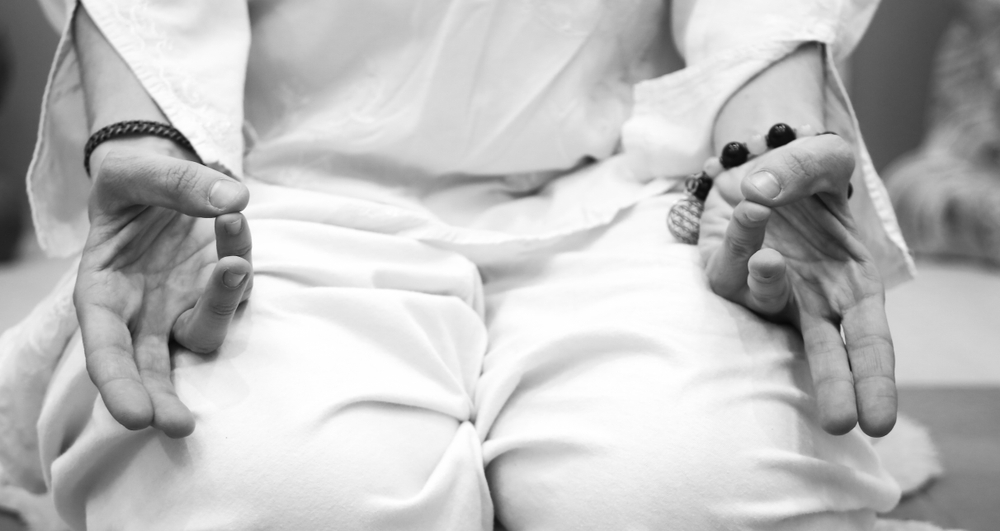
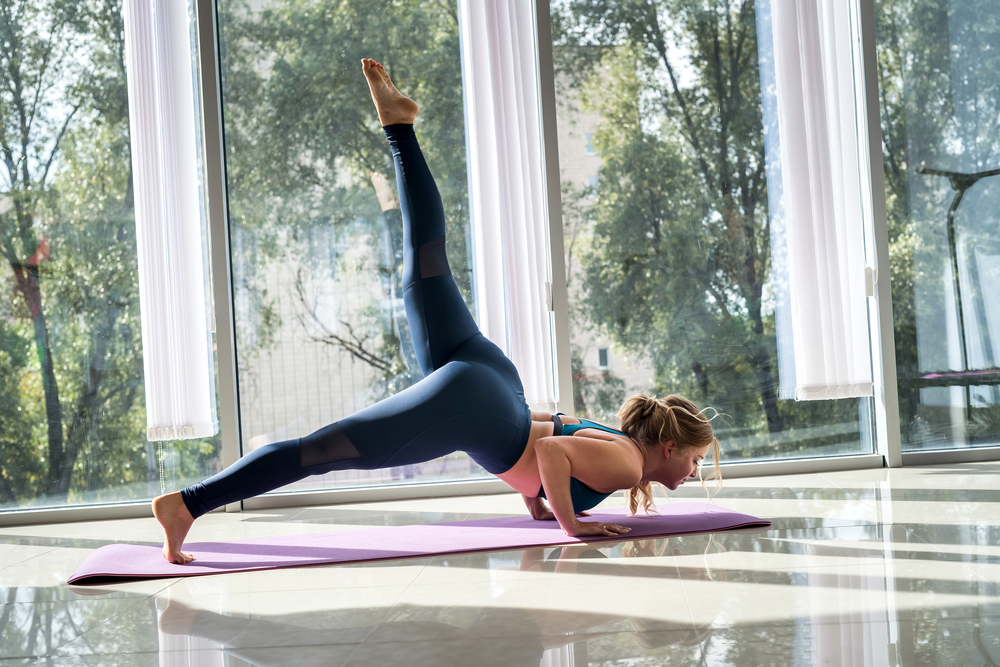
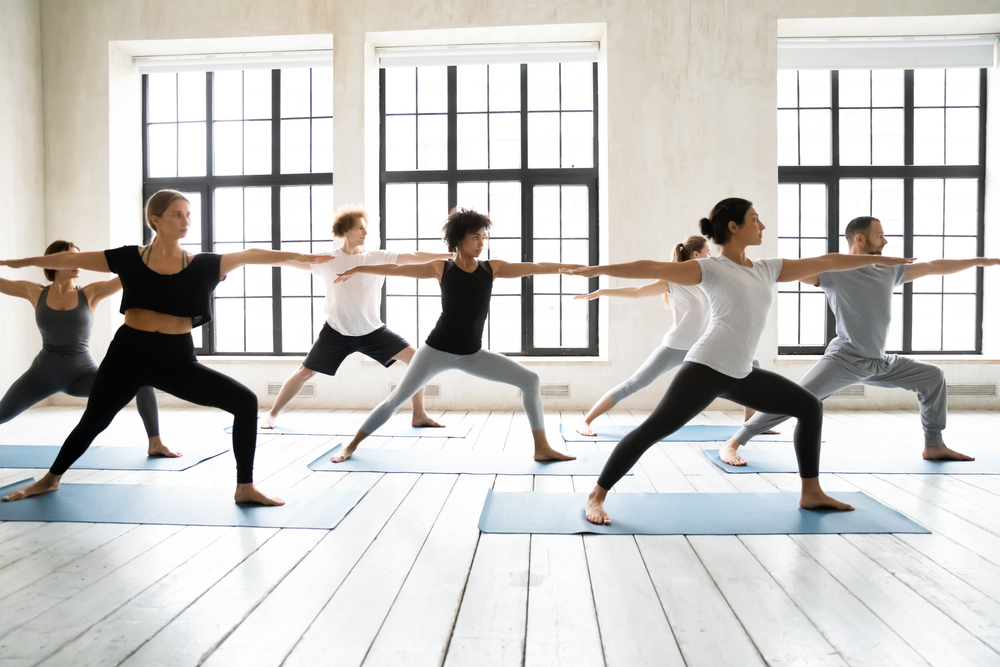
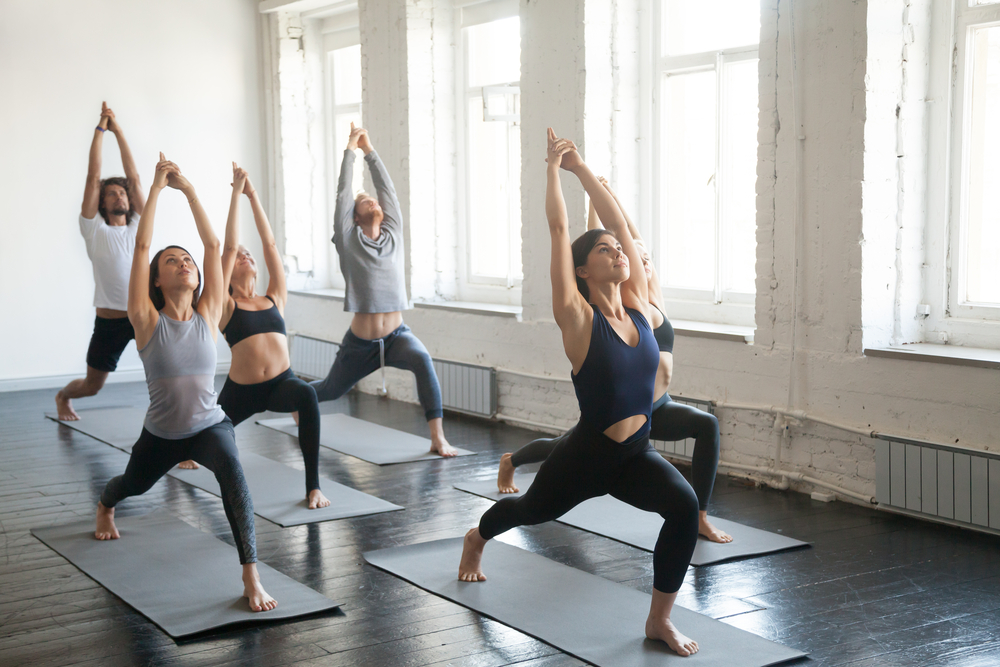
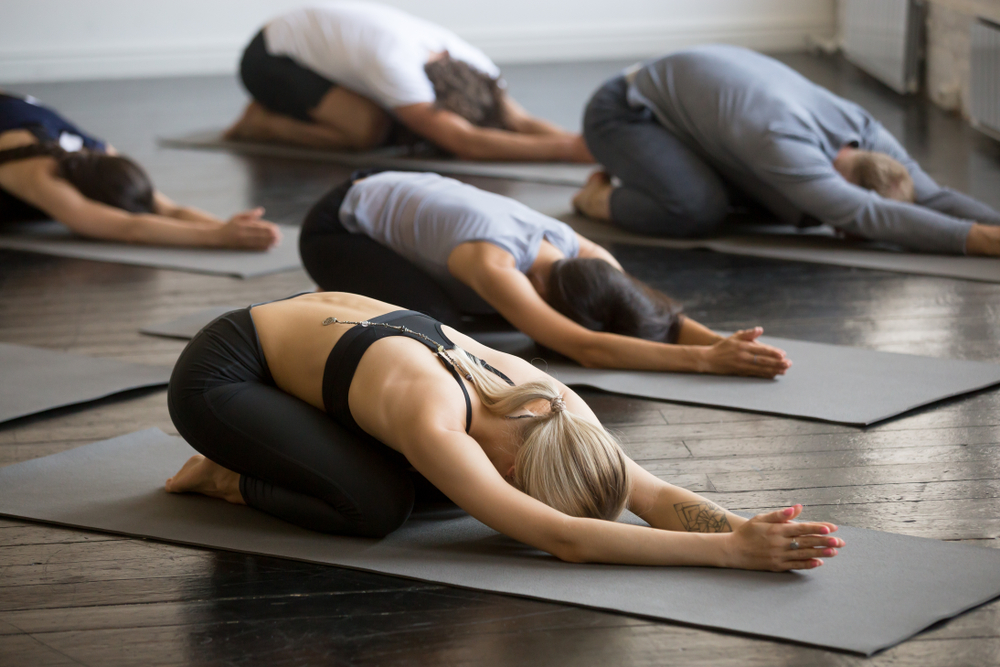
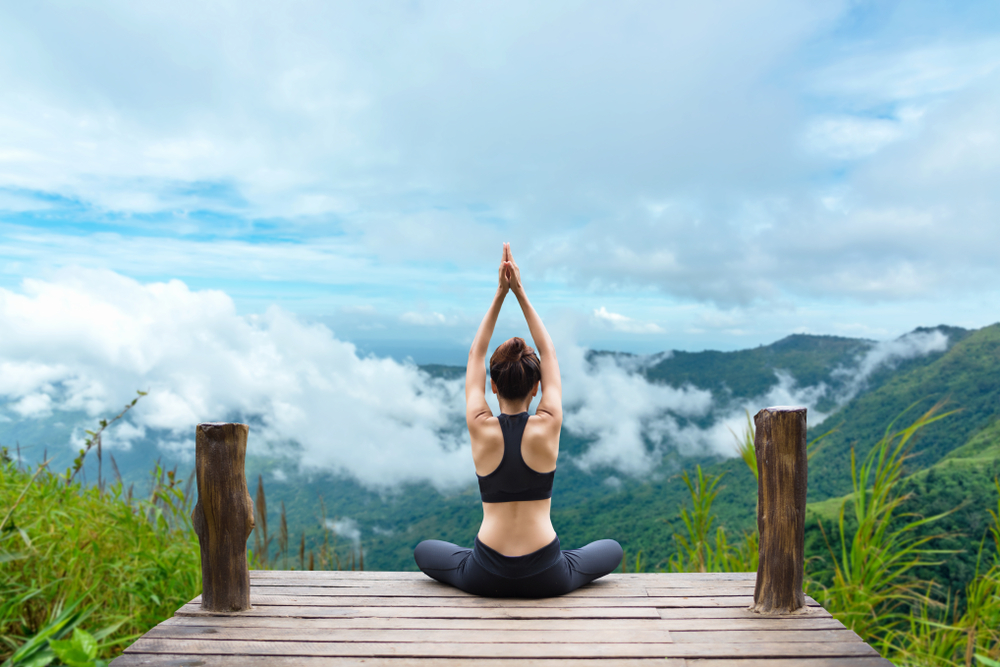
This is where retreats like THOR stand out. Instead of focusing only on stretching, you’re guided through a complete approach to midlife health that includes strength, mobility, and recovery.
6. The Food Supports Your Body (Without Being Restrictive)
Another common fear: “Am I going to be eating salad and green juice all week?”
People have some interesting ideas about retreats. That everyone is extremely flexible.
That the food is only green juice. That everyone else already knows each other.
After four years of hosting retreats, I can tell you something honestly… most of those assumptions aren’t actually true.
And more importantly those assumptions are often the exact thing that stops someone from going… when a retreat might be exactly what they need.
So let’s clear the air. Because what people think a retreat is… and what it actually feels like when you’re there… are usually two very different experiences.
Why Yoga Retreats Feel So Intimidating (Before You Go)
Before we get into the myths, it’s important to understand why these assumptions exist in the first place.
Our brains are wired to anticipate uncertainty as risk.
When something is unfamiliar for example: traveling alone, being around new people, trying something like yoga for the first time, your nervous system fills in the blanks with worst-case scenarios.
This is called predictive processing, a well-established concept in neuroscience where the brain uses past experiences and assumptions to “predict” future outcomes.
So if you’ve never been on a retreat before, your brain creates a story.
And that story often sounds like: “I won’t fit in.”
“Everyone else will be better than me.” “It’s going to feel awkward”.
But once you’re actually there? That story usually dissolves within the first 24 hours.
Myth #1: Everyone Else Will Know What They’re Doing
Reality: Most people are figuring it out as they go.
You can always tell on the first day.
People quietly watching where others leave their shoes.
Looking around before rolling out their mat.
Wondering if they’re in the right place.
And then someone asks a question… and suddenly everyone exhales.
Because the truth is: no one arrives as an expert.
Retreats are one of the few environments where not knowing is actually the norm.
Myth #2: You Have to Be “Good at Yoga”
Reality: There is no such thing—and many people are complete beginners.
Let’s clear this up right now. “Good at yoga” isn’t a thing.
Yoga is not performance-based. It’s awareness-based.
In fact, research shows that yoga improves flexibility, strength, and balance over time, regardless of starting level (Field, 2016).
Translation? You don’t need experience. You just need a willingness to show up.
And yes—someone will always whisper:
“Am I doing this right?”
And the answer will always be:
“You’re doing great.”
Myth #3: Everyone Already Knows Each Other
Reality: Most people arrive alone.
This is one of the biggest fears and one of the biggest surprises.
The first dinner? A little quiet. A little unsure.
By the third? Inside jokes. Shared stories. People saving seats for each other.
There’s something powerful about a group of people choosing to step outside of their normal lives at the same time.
It creates connection faster than almost anything else.
Research on shared novel experiences shows they accelerate bonding and increase feelings of closeness even among strangers .
Which is why retreat friendships often feel deeper, faster.
Myth #4: Retreats Are Only for “Spiritual” People
Reality: Most people just want a break.
Not everyone is coming for a spiritual awakening. Many people come because they are:
Tired
Burned out
Overstimulated
Constantly “on”
And they want something simple.
Sleep.
Quiet mornings.
A few days without constant notifications.
There’s actual science behind why this matters.
Chronic stress keeps the body in a sympathetic (fight-or-flight) state, increasing cortisol and disrupting sleep, digestion, and mood.
Retreat environments that include nature, slower pace, reduced input, help shift the body into a parasympathetic (rest-and-digest) state, which supports recovery and healing.
In simple terms?
You don’t need to be spiritual.
You just need to be human.
Myth #5: You Have to Join Every Activity
Reality: The best retreats are flexible.
Someone always skips sunrise yoga.
Someone always finds the hammock.
And someone always takes a nap instead of going on the group hike.
And all of that is completely normal.
In fact, autonomy and the ability to choose how you spend your time, is strongly linked to well-being and motivation. So we encourage that.
Which means forcing yourself to do everything? Actually defeats the purpose.
Frequently Asked Questions About Yoga Retreats for Women Over 50
Do I need to be flexible to attend a yoga retreat for women over 50?
No. Flexibility is not a requirement. In fact, many women attend our yoga retreats specifically to improve mobility and reduce stiffness. Yoga meets you where you are.
Am I too old to go on a yoga retreat?
Not at all. Many women attend their first retreat in their 50s, 60s, and beyond. Our retreats are designed to support your body not push it beyond its limits.
Are yoga retreats for women over 50 beginner-friendly?
Yes. Our yoga retreats are intentionally designed for mixed levels, including complete beginners and women returning after years away from movement.
What if I haven’t exercised in years?
That’s more common than you think. Our retreats offer women a safe and supportive environment to ease back into movement without pressure or judgment.
Is it awkward to go on a yoga retreat alone?
It might feel that way before you arrive but most of our guests attend solo. Shared experiences create connection quickly, and many people leave with meaningful friendships.
What is a typical day like at a yoga retreat?
A typical day may include morning movement (like yoga or walking), meals, optional activities, and free time. The pace is slower and more flexible than a traditional vacation.
Will I have free time to rest?
Yes. The best retreats are not rigid. You can participate in as much or as little as you’d like, including taking time to rest, nap, or simply be still.
What are the benefits of yoga retreats for women over 50?
Research shows retreats can improve stress levels, sleep quality, mood, and overall well-being. These benefits are especially important during midlife hormonal changes.
Can yoga help with menopause symptoms?
Yes. Studies suggest yoga may help reduce symptoms like stress, sleep disturbances, and mood fluctuations during menopause by supporting nervous system regulation.
Do I have to participate in every activity?
No. Participation is always optional. Choosing what your body needs in the moment is part of the experience.
What kind of yoga is practiced at retreats?
Our retreats offer accessible and adaptive styles such as gentle yoga, vinyasa or restorative practices. Our classes are typically adaptable for different levels and needs.
Will I be the least fit person there?
Highly unlikely. Retreat groups are diverse, with a mix of fitness levels, ages, and backgrounds. There is no “standard” level you need to meet.
Are yoga retreats only for spiritual people?
No. Many women attend retreats simply to relax, reset, and step away from daily stress—not for spiritual reasons.
What should I bring to a yoga retreat?
Comfortable clothing, walking or hiking shoes, personal essentials, and anything that helps you feel relaxed. Our retreats provide all the yoga equipment you need.
Will I be disconnected from my phone the entire time?
No. At our retreats, we encourage reduced screen time but of course provide you ample time and space to check in with family or handle important matters if needed. We also have free WiFi.
Are meals included, and will they meet my dietary needs?
Our retreats include 3 meals per day – breakfast, lunch and dinner as well as snacks and we can accommodate dietary preferences such as gluten-free, dairy-free, or vegetarian options.
Is a yoga retreat worth the cost?
For many women, the structured environment, support, and ability to fully disconnect from daily stress provide long-lasting mental and physical benefits.
How long does it take to feel comfortable at a retreat?
For most people, the initial discomfort fades within the first 24 hours as routines settle and connections begin to form.
What if I feel anxious before going?
That’s completely normal. Anticipation and uncertainty are common, especially when trying something new. Most people feel significantly more at ease once they arrive.
Will I see results after attending a retreat?
Many of our guests report improved sleep, reduced stress, increased clarity, and a stronger connection to their body even after just a few days. Many also continue their yoga practice and fitness journey once they are home.
For more content like this, subscribe to our newsletter.
In 2023, yoga retreats continue to resonate as sanctuaries of holistic wellness where tranquility, rejuvenation, and personal growth flourish in abundance. These serene getaways, often nestled in beautiful locales, serve as portals to a world of mindfulness, healthful living, and personal transformation.
Amid these transformative experiences, the role of a serene shelter is indeed paramount. Thus, the accommodations at these retreats provide not just comfort and privacy but also the much-needed personal space for reflection, rest, and rejuvenation.
As guests delve deeper into their transformative journey, the culinary aspect takes center stage. The dining options in these settings present a delightful play of flavors, textures, and nutritional value. This fusion of taste and health nourishes both body and soul, mirroring the overall emphasis on wellbeing.
Beyond hospitality and cuisine, retreats feature a mosaic of activities that captivate, delight, and enlighten. Be it swaying to the beat of indigenous dances or surrendering to the thrill of outdoor activities, monotony is a stranger here. This cultural immersion and adventurous exploration are facets of retreats that seek to broaden the horizons of the participants.
Not to forget, after the flurry of excitement and exploration, retreats serve as gateways to tranquility and self-care. An array of therapeutic treatments awaits guests, aimed at restoring balance, alleviating discomfort, and rejuvenating the body. The holistic offerings range from soothing massages to specialized therapies, all set in an ambient atmosphere that is enhanced by the scents of essential oils and warmth.
Going beyond simple treatments and activities, wellness retreats offer a more comprehensive and encompassing approach to health. They don’t just nurture the body but also cater to the well-being of the mind and spirit. Immersive programs guide guests through a variety of wellness activities, from yoga and meditation to creative workshops and nature exploration, which foster a balanced journey towards self-discovery and personal growth.
By engaging guests in a variety of mindful activities, retreats create an environment that encourages reflection, introspection, and connection, helping guests to cultivate mindfulness and a deeper sense of inner peace. By also nurturing the symbiotic relationship between physical health and mental serenity, retreats offer an integrated approach to holistic wellness, emphasizing the interconnectedness of all facets of wellbeing.
Anamaya, Costa Rica: Ocean Panoramas and Wellness
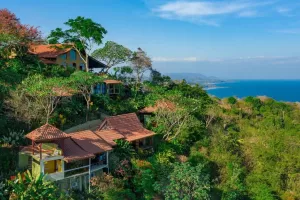
Nestled within the captivating coastal town of Montezuma, Costa Rica, Anamaya presents itself as a charming health resort and retreat center. Set amidst lush jungle surroundings, the center offers a panoramic view of the ocean, creating an atmosphere of peace and tranquility.
Embracing the serenity of its location, Anamaya focuses on fostering well-being and personal growth. The center provides an array of engaging workshops, relaxing spa services, organic meals, and excursions that reveal the beauty of Costa Rica’s heart.
Tranquil Accommodations at Amaya
Carefully crafted with a commitment to environmental preservation, the private cabins at Anamaya feature locally crafted furnishings, organic fabrics, and non-toxic materials. This thoughtful design creates a tastefully crafted living space that blends with the natural surroundings.
Sunset to Supper: A Flavorful Dining Journey
Guests at Anamaya can look forward to a delightful culinary experience at the in-house restaurant of the resort, where a welcoming ambience awaits. The restaurant excels in crafting wholesome, flavorful meals inspired by the creative minds of chefs, staff, and guests.
The rotating menu offers diverse breakfasts, lunches, and dinners, catering to dietary preferences such as vegetarian, vegan, and gluten-free. The meals also incorporate superfoods like broccoli, spinach, sweet potatoes, and avocados, known for their nutritional richness. The ingredients used are predominantly organic and locally sourced, with many being procured from the resort’s own farm and neighboring organic farms.
Cultural and Adventurous Experiences
Immersed in the vibrant culture of Costa Rica, Anamaya presents a myriad of engaging activities for its guests. The experiences start with rhythm and flavor as guests immerse themselves in an oceanfront salsa class or learn to cook traditional Costa Rican meals with a unique Anamaya twist.
Beyond the cultural experiences, a world of activities awaits. Guests can embark on a boat tour to Tortuga Island, featuring a snorkeling excursion and a leisurely time soaking in the sun. Additionally, retreat goers can join a sunset beach trip to Santa Teresa, which also includes a tour of Anamaya’s organic farm. This beach excursion is a guest favorite and provides a captivating end to a day full of exploration.
Adventurous souls can explore the surrounding wilderness with a thrilling zipline canopy tour, situated in close proximity to Anamaya. This high-flying adventure showcases the jungle and its inhabitants from a unique perspective and includes a refreshing stop at the upper Montezuma waterfall pools.
Healing SPA Treatments
After a day filled with exhilarating activities, guests can unwind through a wide array of therapeutic treatments designed to restore balance and rejuvenate the body. The diverse offerings include focused therapeutic massages to address injuries and discomfort and deep tissue massages for muscle strain and distress. The spa also offers relaxing massages to ease tension and promote circulation and eastern massages that target stress relief and facial radiance. Further, Anamaya presents specialized methods like Shiatsu, a pressure-intensive therapy for releasing tension and discomfort, and Chi Nei Tsang, an age-old abdominal massage technique for detoxification and enhancing organ performance. With all massages, a harmony of essential oils, warm towels, and versatile techniques converge to foster a healing atmosphere and ensure guests depart feeling enlivened.
Tailored Retreats for Mindful Relaxation
Anamaya offers exclusive private retreats designed to provide a holistic experience. Each day of the retreat is thoughtfully curated, beginning with a morning ritual of gentle movement and meditation that awakens the senses. This peaceful start to the day is complemented by breakfast rich in local produce. As the day unfolds, retreat guests can partake in strength practices and invigorating dance, carefully crafted to enhance strength and stimulate mental agility.
The afternoons during the retreat offer a flexible, personal space for relaxation and self-exploration. Retreat-goers have the liberty to spend these hours as they wish – they could meander to the nearby beach, enjoy a siesta in a hammock amidst the rustling trees, delve into a long-postponed book, engage in conversations with fellow guests, or pen down thoughts in their journal.
Evenings at the retreat are marked by a sense of closure, introspection, and a dedicated focus on yoga. To ease into the tranquility of the night, guests are offered a session of gentle yoga, designed to unwind the body and mind. This mindful practice serves as the perfect transition into the evening, leading up to a communal dinner where the flavors of Costa Rican cuisine can be savored in good company.
COMO Shambhala Estate: Holistic Wellness in Bali
Nestled on the Ayung riverbank, near Ubud, Bali’s cultural heart, you’ll find the renowned COMO Shambhala Estate. Reflecting COMO Shambhala’s philosophy, the estate offers a comprehensive approach to holistic wellbeing, inviting guests on a transformative journey. It combines nourishing cuisine, cutting-edge wellness facilities, and a team of knowledgeable guides and fitness experts to provide a truly immersive and rejuvenating experience.
Accommodation: Blending Contemporary Chic and Balinese Tradition
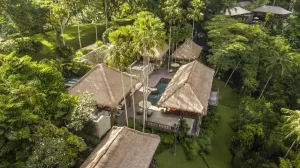
Designed by acclaimed architects Koichiro Ikebuchi and Cheong Yew Kuan, the accommodations merge contemporary sophistication and traditional Balinese aesthetics. Elements such as traditional alang-alang roofing and locally sourced wood and stone are elegantly incorporated, paying homage to the elemental forces. Moreover, the suites, villas, and residences are strategically situated amidst lush greenery, offering guests an immersive experience in nature.
The estate’s garden rooms, integrated into dwellings that harmonize with nature, provide an inviting accommodation option for guests. Equipped with queen or king-size beds, these rooms allow access to shared facilities such as the dining spaces, relaxation lounge, and swimming pool.
The terrace suites come with the added luxury of personal outdoor spaces, including a garden or scenic terrace. In the pool villas, modern aesthetics blends with Balinese architecture, an experience complemented by the vistas of the adjacent forest.
Dining: A Journey of Taste and Wellness
Dining at COMO Shambhala is as enjoyable as the accommodations. The retreat provides visitors with an engaging exploration of Indonesian cuisine, along with the balanced, yet refined offerings of the COMO Shambhala Cuisine.
Set in an ex-Javanese home, Kudus House offers guests a scenic setting to experience the varied tastes and spices from across Indonesia. With service during breakfast and dinner, this restaurant delivers a close-knit and culturally immersive dining experience.
Alternatively, Glow provides meals all day long, emphasizing the health-conscious COMO Shambhala Cuisine. The menu includes dishes that are simple, nourishing, and full of flavor, like nutrient-dense blends, juices, and salads.Guests can expect to find choices like their daily special of gluten-free or wholegrain pasta, the indulgent Grilled Stockyard gold beef sirloin, or wok-fried fresh egg noodles teeming with a variety of ocean delights. These selections reflect Glow’s focus on offering tasty and health-friendly meals.
Wellness Programs: A Tailored Journey toward Renewal
Beyond the realm of exquisite dining, COMO Shambhala promises a holistic experience tailored to each guest’s unique needs and preferences. The emphasis extends beyond mere relaxation and revitalization to embrace a comprehensive approach that includes numerous health goals.
Each journey begins with an initial assessment by a seasoned wellness practitioner. The result is an individualized plan that outlines a wholesome eating schedule, wellness activities, and therapy treatments.
Following this thorough assessment, guests are invited to partake in a myriad of activities like meditation, yoga, and Pilates. For those seeking physical rejuvenation, massage and wellness treatments await, all administered by skilled therapists.
As part of the program, guests will enjoy serene accommodations accompanied by nourishing meals. The thoughtful inclusion of a dedicated personal assistant enhances the overall wellness journey, providing a seamless and immersive experience throughout the stay.
Activities: Enhanced Wellbeing through Local Culture and Nature
Building upon the wellness program, COMO Shambhala Estate presents an array of activities that contribute to a holistic sense of wellbeing. These carefully curated experiences capture the essence of the retreat, incorporating elements of the local culture and the beautiful natural surroundings.
One standout offering is the COMO Shambhala Serenity Ritual, an immersive journey featuring a flower bath, massage tailored to the retreat’s philosophy, and a foot bath. As a perfect finale, guests are treated to an afternoon tea in the tranquil setting of a dedicated pavilion.
Guests can also join the Water Purification Ceremony at the Tirta Empul water temple. By participating in this ritual, they can tap into the ancient wisdom and sacred energy that resonate throughout the site.
Beyond spiritual experiences, there is a world of adventure, culture, and cuisine that awaits exploration. Just a short distance from the peaceful estate, a journey unfolds down the Ayung River. Here, surrounded by the lush greenery, guests are invited to participate in an adventure of white-water rafting. The magnificent vistas, the rush of the wild waters, and the thrill of navigating the tumultuous rapids all contribute to a unique experience.
The peaceful journey along the Tjampuhan Ridge offers a welcome contrast to the invigorating Ayung River. Starting from the historically significant Gunung Lebah temple, this pathway leads guests toward the heart of Ubud’s origins. It is at the confluence of the Wos rivers where the birthplace of the town lies. As guests experience this spot, they connect with Ubud’s rich historical narrative, thereby deepening their understanding and appreciation of this remarkable location.
The Rice Field Walk also offers a unique and different kind of learning experience. Wandering through rice fields, guests are provided with insights into the importance of these agricultural practices for Balinese life.Concluding this immersive journey into Balinese life is the Ubud Essential Tour. Here, guests are invited to browse through bustling shops, visit ancient temples, explore art galleries, and enjoy Ubud’s rice terraces.
After these enriching experiences, a return to the estate promises a unique gastronomic adventure. Within the confines of the main kitchen, guests have the opportunity to craft their own menu, guided by the estate’s master chefs. Whether their preference lies in exploring the nourishing Shambala cuisine or creating a traditional Indonesian delicacy, the choice is entirely theirs. After the culinary journey, guests can enjoy their creations in the cozy and inviting atmosphere of Glow.
Ashiyana, Goa, India: A Tranquil Retreat Amidst the Vibrant Tropics
Amidst the tropical biodiversity of North Goa’s pristine Mandrem Beach, Ashiyana emerges as a serene retreat and a second home for those in search of solace and rejuvenation. Crafted as a sanctuary of tranquility, Ashiyana subtly persuades visitors to retreat from the hum of digital life and find inner harmony through yoga. Through the art of this timeless practice, Ashiyana invites guests to embark on a soulful exploration and cultivate a sense of inner belonging that is universal and enduring.
Accommodation: Luxury, Simplicity, and Indigenous Charm
Setting our sights on accommodation, Ashiyana presents a variety of options, each uniquely crafted to create an aura of tranquility. With its walls in soothing shades of blue, the Jodhpur room stands as an icon of serenity. This tranquil place is furnished with plush comforts and adorned with antiques, creating an atmosphere of timeless elegance. For those seeking a more opulent experience, the Shahi Suite offers unparalleled luxury. The suite’s sprawling living area, decorated with Rajasthani finery, along with an exquisite balcony view, ensures a majestic experience.
Adding to the assortment of accommodations are the Eco Lodges, designed with an Indonesian-inspired aesthetic. With views of the palm grove, extensive use of wood, and Moroccan-inspired bathrooms, these lodges possess a distinctive allure. Further, Ashiyana’s range of Palm Grove rooms offer simple luxury amidst serene surroundings. With ensuite bathrooms, mosquito nets, and fans, these rooms ensure a comfortable and soothing retreat amid nature’s serenity.
Dining: A Multicultural Gastronomic Adventure
As well as tranquil accommodations, Ashiyana presents a dining experience that blends flavors from around the world, ensuring a memorable gastronomic expedition. Helmed by acclaimed chefs Tek and Rathi, the Ashiyana Goa restaurant serves dishes that marry the robust flavors of Indian, Nepalese, and Thai cuisines with the subtleties of western gastronomy. The restaurant serves two exquisite meals daily – a post-yoga brunch to replenish energy and a sumptuous dinner.
The buffet menu mostly features vegetarian selections, brimming with seasonally sourced vegetables and fruit. Twice a week, seafood specialties are incorporated into the spread. Every meal is thoughtfully curated to cater to a wide range of palates and dietary requirements, prioritizing balanced nutrition.
The dining environment further enriches the experience as guests, therapists, instructors, and staff convene as a family. The expansive dining table acts as a convivial space for discussions and forming new bonds.
Throughout the day, guests are welcome to help themselves to an array of refreshments, including herbal teas, hot ginger lemon, masala chai, and triple-filtered drinking water.
Mindful Engagements and Soothing Treatments
In the realm of activities, Ashiyana offers a variety of pursuits which promote holistic wellness and introspection. The assortment ranges from Satsang, yoga Nitra, chanting, and guided meditations to Qi Gong, ensuring a mix of dynamic and restorative experiences throughout the week. Within the tranquil premises of Ashiyana Spa, guests can indulge in personalized yoga sessions, massages, and other wellness treatments. With a focus on signature lifestyle coaching and Ayurvedic practices, the spa ensures a holistic approach to well-being.
Holistic Wellness Journeys and Detox Programs
Moving further into the Ashiyana experience, guests are presented with ample opportunities to customize their wellness journey. They can choose to partake in open classes, delve into personalized yoga therapy, or enroll in the distinctive Holistic Elixir Program. This integrated program blends pranayama, meditation, massage, and yoga therapy, creating an ideal balance for optimal wellness. The program commences with a thorough evaluation of the guest’s emotional, mental, and physical health. Drawing from this assessment, the therapist tailors a wellness program that incorporates holistic practices and lifestyle alterations to enhance each guest’s overall well-being.
As guests continue their wellness journey, they encounter the distinctive Panchakarma – Virechana detoxification program. A harmonious blend of age-old Ayurvedic methodologies and other therapeutic techniques, Virechana is renowned for its methodical purging process. This therapy meticulously cleanses the gastrointestinal tract and dispels entrenched toxins, helping to revitalize metabolism, enhance digestive efficiency, and instill a newfound zest.
As part of the therapeutic regimen, guests are invited to experience an introductory session on the foundational principles of Ayurveda, along with a one-on-one consultation with an Ayurvedic doctor. The wellness journey is further enriched by immersive therapeutic experiences, including sessions of Abhyanga, classic massage, and Ayur Balance massage.
The Farm at San Benito, Philippines: Embracing Holistic Wellness Amidst Nature
Situated in the charming environs of Lipa, Batangas, The Farm at San Benito captivates with its fusion of refined elegance and untouched natural beauty. This tranquil sanctuary, merely a 90-minute commute from Manila, is spread across 52 hectares of fertile terrain. A glance over the panoramic landscape reveals majestic mountain peaks, offering guests a rejuvenating escape and connection to the bountiful surroundings.
Cocooned in nature’s embrace, guests immerse themselves in a serene sanctuary, where personalized care, nourishing meals, and rejuvenating retreats combine to create a transformative journey towards wellbeing.
Luxurious Living in Tropical Elegance
The Farm at San Benito offers an eclectic mix of lodgings that combine contemporary tropical aesthetics with a hint of tradition.
A marvel of design, the Palmera Suites feature towering 12-foot-high ceilings and generous semi-private gardens and lanais. The suites are thoughtfully created to encompass both indoor baths and alfresco showers, further solidifying the guests’ connection to nature.
A step further into nature’s embrace, the Bamboo villas provide a view of verdant forests that melt into the horizon. Each of these villas is thoughtfully equipped with a cozy living area, a breakfast nook, and a capacious lanai. These comfortable furnishings create a relaxing and serene atmosphere that is conducive to reflection, relaxation, and revitalization. The villas are also furnished with spacious walk-in closets and indulgent bath facilities, both indoor and open-air, enhancing the guests’ daily routines with a touch of luxury.
For those seeking a premium experience, the Lakan sets the gold standard in lavishness. This esteemed accommodation hosts two spacious bedrooms, each equipped with an ensuite bathroom. The central living area offers a space for relaxation while the enclosed gardens, adorned with koi ponds, provide a serene oasis. Further enhancing the luxury, the Lakan is furnished with dedicated quarters for housekeeping staff, a bar area, and a handy kitchenette. A private swimming pool completes this opulent offering, creating an ultimate sanctuary of comfort and privacy.
Dining Experience with a Wellness Focus
Dining at The Farm at San Benito is an exceptional experience that blends taste with health, underpinned by a farm-to-table philosophy. The wellness cuisine emphasizes organic, locally grown foods, each dish reflecting a commitment to nourishment and sustainability.
ALIVE!, the retreat’s vegan restaurant, serves living foods cuisine abundant in key enzymes and phytonutrients that support overall health and contribute to the body’s resilience. Every dish is created using fresh produce harvested from the retreat’s own gardens.
Drawing inspiration from the wisdom of Ayurveda, their vegetarian restaurant PRANA showcases Indian cuisine infused with aromatic spices and herbs. Each dish pays homage to a heritage of flavors and traditions, providing a delightful and nourishing experience.
PESCE, their pescetarian restaurant, embraces the essence of the Mediterranean Blue Zone diet. The menu at PESCE comprises organic living foods like fish, vegetables and fruit, and whole grains. This balanced mix creates protein-rich meals that support health and longevity.
Treatments: A Blend of Tradition and Innovation
An integral part of The Farm’s wellness experience is their Healing Sanctuary Spa. As a resort committed to holistic approaches, their spa draws inspiration from the time-honored healing traditions of the Philippines. This distinctive approach blends with the use of eco-friendly elements, including a variety of medicinal herbs, 100% virgin coconut oil, and therapeutic-grade essential oils. These components work together to enrich the healing process and provide a rejuvenating experience for guests.
Adding to the holistic experience, the Acqua Hydrotherapy Sanctuary further elevates the concept of optimum health. The sanctuary exemplifies a fusion between evidence-informed treatments and the power of scientific knowledge. Building upon this foundation, guests are invited to participate in a comprehensive multi-step hydrotherapy program designed to promote overall well being. This unique approach goes beyond traditional treatments to achieve holistic wellness that rejuvenates the self.
Retreats for an Immersive Wellness Journey
Yoga and Raw Food Retreat: A Journey toward Holistic Wellness
With a welcoming approach that caters to both seasoned yogis and beginners, the yoga and raw food retreat guides individuals at every stage of their mindfulness path.
Here each day begins with invigorating yoga and meditation designed to balance the body and mind. The journey continues at the dining table, where guests are introduced to the nourishing world of vegan cuisine. Furthermore, a unique workshop on vegan food preparation gives participants the opportunity to explore and understand the intricacies of plant-based cooking.
Alongside these experiences, visitors benefit from nutritional assessments, fitness evaluations, and holistic health consultations. Delving deeper into health, a cellular screening provides microscopic insights into one’s well-being while a therapeutic session of myotherapy rounds off these comprehensive offerings.
Beyond the realm of healing treatments, the retreat invites guests to partake in a variety of wellness activities. These offerings include serene nature strolls, functional fitness sessions, sound healing, mandala flower meditation, and organic farm tours.
Menopause Retreat: Empowering with through Holistic Wellness
The essence of this retreat lies in its masterful approach to the complexities of menopause. Their team employs a careful analysis of the needs of each woman while providing an assortment of treatments to bolster guests at each juncture.
Embarking on the retreat, participants are greeted with a holistic health consultation guided by an integrative doctor. This comprehensive analysis utilizes a personalized assessment of symptoms and systems to uncover discord among the spiritual, psycho-emotional, and physical dimensions.
A nutritional consultation then follows, which consists of an evaluation of the guest’s lifestyle background and dietary habits. This information allows the nutritionist to devise a meal blueprint tailored to the guest’s dietary requirements. Retreat-goers also receive guidance and support to ensure that the meal plan accommodates their lifestyle.
A cellular health screening is also conducted to offer guests a glimpse into health-consciousness. The screening utilizes a dark field microscope to analyze live blood cells and uncover toxins and nutritional imbalances. It also identifies signs of homeostasis disruptions, oxidative load, and heightened immune activity.
A cutting-edge diagnostic tool further aids in gauging the levels of minerals, vitamins, and heavy metals. This assessment helps identify potential causes of illness such as deficiencies in essential vitamins, imbalances in mineral levels, and heavy metal toxicity.
Lastly, the retreat places a special emphasis on detoxification with treatments like kidney cleansing and liver compress. The kidney cleansing procedure uses selected botanicals to eliminate harmful toxins and reduce the load on the kidneys. The liver compress employs healing herbs such as bitter ground and yarrow to rejuvenate this vital organ. It is particularly beneficial for those dealing with high levels of stress or taking multiple medications.
Tia Wellness Resort, Vietnam: Unwind and Rejuvenate at a Tranquil Wellness Sanctuary
Nestled on a stretch of beach in Da Nang, the Tia Wellness Resort is a sanctuary for guests seeking a holistic wellness experience. The resort boasts private pool villas that radiate grace, carefully curated meals, and individualized spa services and yoga sessions. Guests are offered the opportunity to enhance their dietary choices, harness the power of breath for inner equilibrium, and master yoga movements for efficient stress management. A sojourn at the resort promises a rejuvenating return home.
Accommodation: Pool Villas for Comfort and Relaxation
Accommodation at the Tia Wellness Resort is nothing short of luxurious. Their one-bedroom pool villa is a perfect blend of style and comfort. The villa is composed of a bedroom, modern open-plan living room, and bathroom, all connected to a private garden courtyard featuring a swimming pool. Guests can enjoy an array of amenities, including high-quality bath products, a wellness mini bar replenished daily, an extra-large bathtub paired with a double vanity, and a rain shower.
The two-bedroom pool villa presents an even more spacious setting, making it ideal for families or larger groups. It includes two bedrooms, a bar, and an open-plan living room connected to a garden complete with a swimming pool. The amenities in this villa mirror those in the one-bedroom variant, offering guests an enhanced level of comfort and luxury.
Dining: A Blend of Wellness and Flavorful Creations
Dining at the Tia Wellness Resort is an experience rooted in health and wellness. Their culinary philosophy, aptly named “Eat Light, Feel Bright,” steers guests towards dietary selections that promote holistic wellness. To further facilitate this, the resort uses a unique scale, where dishes that score five points or less are categorized as light. This innovative approach motivates guests to integrate healthier eating habits into their lifestyle.
The resort’s flagship restaurant, The Dining Room, is a visually engaging locale where the interplay of light and dark incites sensory delight. Furthermore, the restaurant offers an eclectic mix of dining experiences, from contemporary a la carte selections to tasting platters infused with local flavors. The restaurant’s open kitchen allows guests to witness firsthand the artistry involved in the preparation of each culinary masterpiece.
Positioned between the resort’s pool and the expanse of the ocean, The Ocean Bistro offers guests a more casual dining experience. It tempts guests with an array of uncomplicated meals, from crisp salads and light bites to fresh seafood. Guests can savor their chosen dishes within the bistro’s cozy ambiance or opt for a more laid-back dining in the serene surroundings of the resort.
Transforming as the sun moves across the sky, the Art Lounge is a dynamic and lively venue within the resort. During daylight hours, it serves as a café where guests can try dense superfood snacks, rejuvenating lattes, and Vietnamese coffees. As twilight approaches, the lounge morphs into a cozy bar where guests can unwind with a selection of beverages infused with local flavors.
Signature dishes at these restaurants include the Pork Belly Clay Pot, a traditional dish with rich flavors; the Chicken Coconut Curry, a perfect blend of creamy and spicy; and the Lemongrass Beef, offering a burst of lemongrass aroma with every bite.
Spa Treatments for Relaxation and Restoration
At the Tia Wellness Resort, an extensive array of wellness treatments awaits guests in an ambiance of relaxation and revitalization. Traditional spa therapies and aesthetic services combine with innovative wellness practices, including a blend of acupressure, aromatherapy, and Reiki.
One more traditional treatment is the Bamboo Roll-Out where guests experience the application of warmed Vietnamese bamboo. It is skillfully rolled to stimulate the blood flow and invigorate the deeper tissues, particularly in the leg and back regions. In the Lymphatic Detox therapy, guests are treated to light, rhythmic strokes concentrated around the lymph nodes. This aids lymph movement and stimulates the body’s inherent cleaning mechanisms, with specific attention to the facial, abdomen, and leg areas.
Drawing inspiration from the art of Thai massage, Stretch and Release involves careful stretching to enhance joint mobility, harmonize the energy flow, and promote optimal circulation.Narrowing its focus to the feet, the Crystal Wand Foot Reflexology therapy deploys the healing power of acupressure and crystals to foster inner equilibrium.
Also adding to the repertoire of unique offerings, the Himalayan Heart Stone therapy introduces guests to an immersive, calming experience. Using warm salt stones, this full-body massage melts away tension and invites deep relaxation. The stones, hewn from Himalayan salt, are packed with beneficial minerals that not only promote skin wellness but nurture a sense of overall harmony.
Harnessing the healing power of touch, the Warm Body Flow therapy is a holistic full-body massage. This targeted treatment alleviates muscle tightness, deepens breathwork, and encourages the heart to open up to a sense of tranquil submission. With a careful composition of various elements, this treatment stands as a well-crafted journey towards tranquility and revitalization.
Retreat Inclusive Program: Wellness, Creativity, and Personal Growth
The Tia Retreat Inclusive program invites participants on a four-day journey where every moment is an opportunity for self-discovery, wellness, and personal growth. Each day of the program is aptly woven with activities and experiences that celebrate both the energy of life and the tranquility of relaxation.
Each morning begins with a yoga flow that is not your regular stretching routine. Drawing from the Vinyasa and Hatha traditions, this practice strengthens the body, enhances flexibility, and invigorates energy levels. As participants breathe and move with the morning sun, they set a vibrant tone for the activities that lay ahead.
After this invigorating start, participants are welcomed to a leisurely breakfast. This meal isn’t just about satisfying hunger but is a time to reflect and appreciate the morning’s yoga session.
Next in the day’s journey is a masterclass centered around breathwork. This isn’t just about breathing in and out. It is an intentional, heart-driven exercise that allows participants to decelerate, reconnect with their core, and cultivate inner peace. It’s like finding a quiet corner within one’s mind where the heart reigns supreme, away from the usual clutter of thoughts.
By the time lunch hour arrives, a spread of plant-based delicacies is laid out. The meals are not only delicious but thoughtfully curated to resonate with the retreat’s ethos of holistic wellbeing.
The afternoon unspools into a creative workshop where participants engage with a palette of hues and textures. They immerse themselves in pursuits such as painting, drawing, and the creation of collages. This artistic exploration is less about the resulting artwork and more about cultivating profound self-understanding and embracing an authentic essence.
As the sky paints itself with the colors of dusk, participants are introduced to lifestyle Tai Chi. Drawing from the wellspring of Qigong and Shibashi Tai Chi, this practice involves 18 easily replicable movements that participants can carry back home. Each movement, performed in sync with breathwork, helps bring about deep relaxation, readying participants for the evening’s tranquility.
The day comes to a close with a hearty plant-based dinner, followed by a retreat therapy session. It’s a time to reflect on the day’s journey and prepare for the fresh experiences that the next day brings.
Wrapping Up
In a world filled with busyness and constant digital presence, escaping to a wellness retreat provides a much-needed break. Combining the tranquil elegance of accommodations, the mindful practice of dining, revitalizing treatments, and wellness programs with a holistic focus, retreats create a sanctuary for the weary soul and a transformative journey towards wellbeing.
In the refuge of these retreats, guests find solace in accommodations designed to facilitate their transformative journey. Each element, from the architectural design to the interior decor, is carefully crafted to encourage tranquility, introspection, and connection with the natural world.
At wellness retreats, the culinary journey also plays a transformative role in the guests’ experience. By combining delicious flavors with wholesome ingredients, these retreats offer guests the opportunity to enjoy great food while boosting their health and energy.
Furthermore, these retreats offer guests a blend of traditional and innovative treatments. Combining various healing traditions and the power of nature, these therapeutic offerings promote holistic wellness and enrich the healing process for guests.
While the physical aspect of wellness is vital, retreats go beyond that by nurturing the mind and spirit as well. The comprehensive programs they offer include a variety of activities, including yoga, meditation, and creative outlets, all designed to foster personal growth and self-awareness. By engaging in these holistic practices, guests are able to nurture their mind, body, and spirit, leading to a deeper sense of wellbeing and self-discovery.
DISCLAIMER:Always consult with a healthcare professional before starting any new routines, programs, or nutrition plans to ensure you receive the best medical advice and strategy for your specific individual needs.
Yoga is in vogue today and there are plenty of reasons why. In today’s busy and hectic world that we live in, people have time for everything, from work commitments to household responsibilities but not for themselves. It is becoming harder and harder to find time to get some exercise, relax, and focus on self-care. And here, precisely, lies the purpose of yoga practice, teaching us to be more mindful and present and more connected to ourselves, at least for a while.
The enthusiasm for a balanced and healthy lifestyle and meeting one’s personal needs are high and practicing yoga offers a way into achieving those goals. The practice is so popular, and accessible (a wide variety of YouTube videos, DVDs, books, studio classes, podcasts, and apps are available), that people have ample opportunity to give yoga a go.
Yet, with so much information out there, there is always a risk it could be misinterpreted. Some people associate yoga with challenging poses and contortions while others think of it in terms of fitness and weight loss. Still, others associate yoga with religion, sages and hermits, and new-age mysticism.
So, what is yoga really about, how did it originate and change through the centuries, and what are the different styles you might experience today? Here are the answers to get you started with a mind-body practice that can support your emotional, cognitive, spiritual, and physical health.
What Is Yoga
Yoga is a Hindu mind-body practice, which combines a variety of activities, including meditation, breathing techniques, and physical postures. Postures or asanas are performed to strengthen and stretch the body’s muscles, ligaments, and joints. The regular practice aims to improve balance, strength, flexibility, range of motion, and mobility.
While yoga poses range from simple backbends and stretch to more complex balancing postures, they are always performed in sync with breath control. Deep, conscious, controlled breathing which matches the rhythm of exercise is at the heart of yoga practice. Deep breathing calms the body, soothes the nervous system, improves blood circulation and blood flow, and supports the function of vital organs.
Focusing on each aspect of breathing also enables yogis to stay present, at the moment, and aware of the here and now. As such, conscious breathing is a form of meditation. And at the core of meditation is present moment awareness – stillness in thought that heightens our connection to sensations, sounds, and sights, enabling us to observe here and now.
Combining physical postures, conscious breathing, and meditation, yoga brings physical wellness and mental clarity. The body responds favorably and with regularity, the practice results in muscle toning, lower blood sugar, balanced insulin levels, improved spinal health, increased blood flow, lubricated joints, increased lung capacity, and regulated blood pressure.
The bonus of conscious breathing and meditation leaves the mind feeling peaceful, deeply relaxed, and more centered in the present moment, letting go of the future and past.
The Remarkable History of Yoga
Before moving on to explore the different types of yoga, here is how it evolved to be what it is today, from the early oral tradition to the diverse styles of yoga that we now have.
The history of yoga dates back to 2,500 BC and its origins can be traced to Northern India and the Indus Valley civilization. The first mentions of the word yoga are found in the Vedic scriptures – religious texts with rituals, mantras, and songs used by the Brahman priests.
While the original practice involved diverse and often contradictory techniques and beliefs, the Yoga Sutras of Patanjali, written by Sage Patanjali around 400 CE, outlined the key elements of yoga philosophy and practice, systematizing them into sutras or aphorisms.
It was only in the late 1800s that yoga teachers began to travel to America and Europe to share their teachings. Yoga and meditation exploded in popularity in the U.S. in the 1960s and since then it has become a way of life for millions of people.
Today, there are many different types of yoga, from more relaxed and gentle to fast-paced and more physically demanding.
Types of Yoga: How to Choose the One for Yourself
If you’ve been considering starting your yoga journey you must be wondering which style of yoga to choose. Here’s a little breakdown of each of the most popular styles.
Hatha Yoga
Hatha yoga focuses on practicing asanas or physical postures and syncing them up with breath control. The focus is on proper alignment and doing each pose correctly, holding asanas for at least one minute. In comparison to slow-paced Hatha, yoga styles like Ashtanga are more dynamic, and poses are held just briefly.
Ashtanga Yoga
Ashtanga is more rigorous, structured, and routine based than Hatha and Vinyasa which are more flexible and freestyle. The same poses are performed in the same order each time, with mantra chanting at the beginning and end of a yoga practice. Combining inverted postures, core strengthening, and deep stretches, Ashtanga is also more physically demanding and requires a level of endurance, flexibility, and physical strength.
Vinyasa Yoga
Vinyasa is also more strict, fast-paced, and physically challenging than Hatha, with poses flowing from one to the other. Breath and transitions, which are essentially postures themselves, connect one pose to the next.
While Vinyasa is less structured than Ashtanga, the Sun Salutation sequence is at the core of the practice, moving from Downward Facing Dog to Plank to Four-Limbed Staff Pose to Upward Facing Dog. Yoga beginners may find the Sun Salutation physically demanding at first, but Sun Salutation has its place in the practice as it warms up the muscles and prepare them for more challenging postures.
Kundalini Yoga
Kundalini yoga involves a combination of postures, breathing exercises, singing, and chanting. Unlike Hatha yoga where the main focus is on asanas or physical postures, meditation, mantras, and breathing are at the heart of the Kundalini practice. Yoga students practice different types of breathing such as Dog Breath, alternate nostril breathing, and Breath of Fire.
Kundalini yoga also incorporates a number of mantras to set the energetic vibration for the practice. In essence, while other styles of yoga are more physical, Kundalini places a strong emphasis on mudras /symbolic gestures/, kryas /breath control techniques/, bandhas /energy flow locks/, meditation, and mantras.
Iyengar Yoga
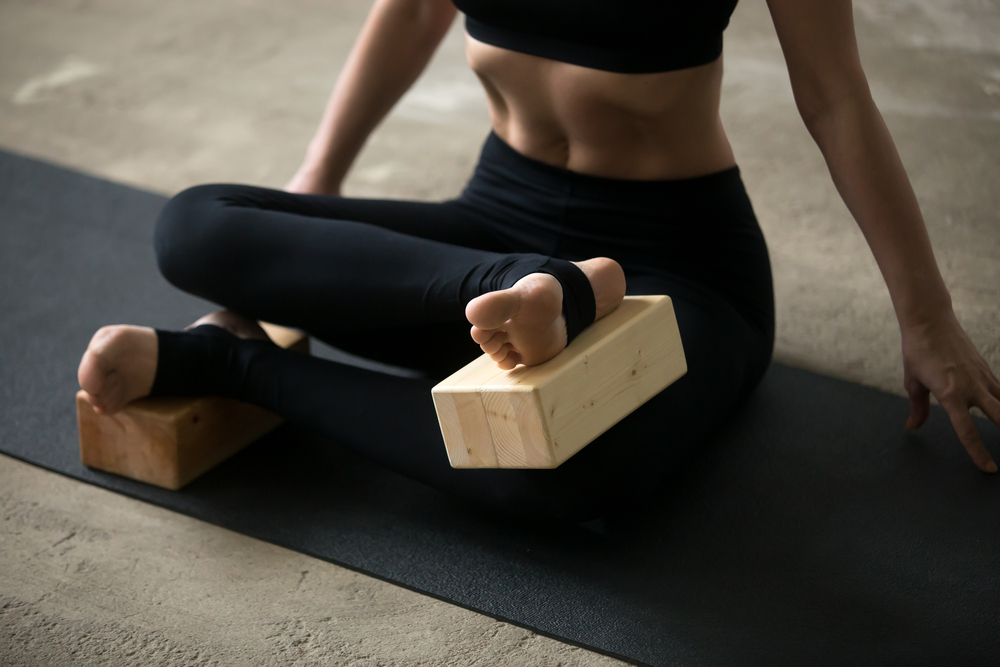
One of the newest styles of yoga – Iyengar was developed by yoga master B.K.S. Iyengar yoga about 75 years ago. Here the main focus is on sequencing, alignment, precision, and the use of props like pillow-like bolsters, blocks, and belts. It is also common to see chairs, straps, and blankets in yoga studios, helping practitioners to get into poses with the best possible alignment.
Anusara yoga, which is a version of Iyengar, also emphasizes correct alignment but is more fluid and integrates spiritual techniques into every practice. Classes start with the Anusara invocation to enable practitioners to connect physical postures with feelings of devotion, grace, love, and self-honor.
Aerial Yoga
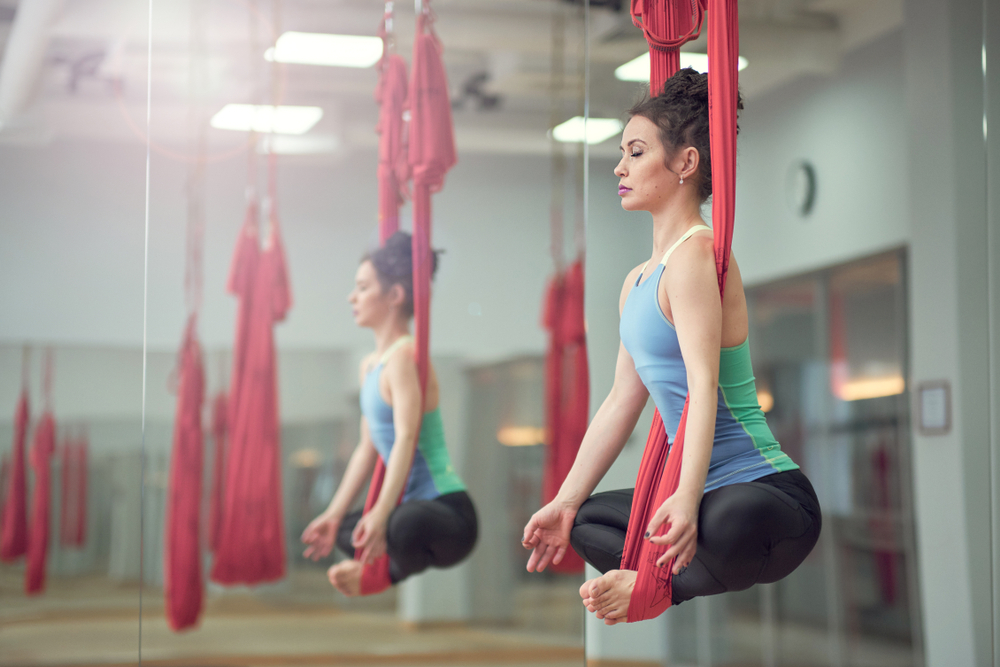
Also called suspension and anti-gravity yoga, this style combines Pilates, asanas, and the use of a swing or hammock. Students practice some of the yoga postures found in Hatha, Iyengar, and Vinyasa yoga while floating above the ground.
As asanas are performed in a hammock, this allows practitioners to do yoga poses without adding pressure on their spine, shoulders, and neck. While it might look a bit technical at a first glance, Aerial yoga is suitable for everyone who is fit and has good core muscles.
Wrapping Up
Yoga is a body of knowledge, mind and body practice, and a process of self-discovery through meditation, observation, and exploration. Owing to its thousands of years of history, it has evolved as a practice with a variety of techniques and styles.
From more traditional like Hatha and Ashtanga to newer ones like Iyengar and Aerial yoga, some practices are gentle and restorative while others are more demanding and physically challenging. For beginning practitioners, some of the vital questions when it comes to yoga are whether the newfound style matches their goals, personality, and fitness level. And most importantly, whether it feels right.
Choose the one style that best serves your goals, and practice with care and mindfulness.
DISCLAIMER:Always consult with a healthcare professional before starting any new routines, programs, or nutrition plans to ensure you receive the best medical advice and strategy for your specific individual needs.
By clicking “Submit” you agree to receive emails from The House of Rose and accept our web terms of use and privacy and cookie policy.
Your Privacy, our Priority.
In accordance with the current EU data protection laws, pelase take a minute to review the terms & conditions for using our services. Our terms describe how we use data and the options available to you.