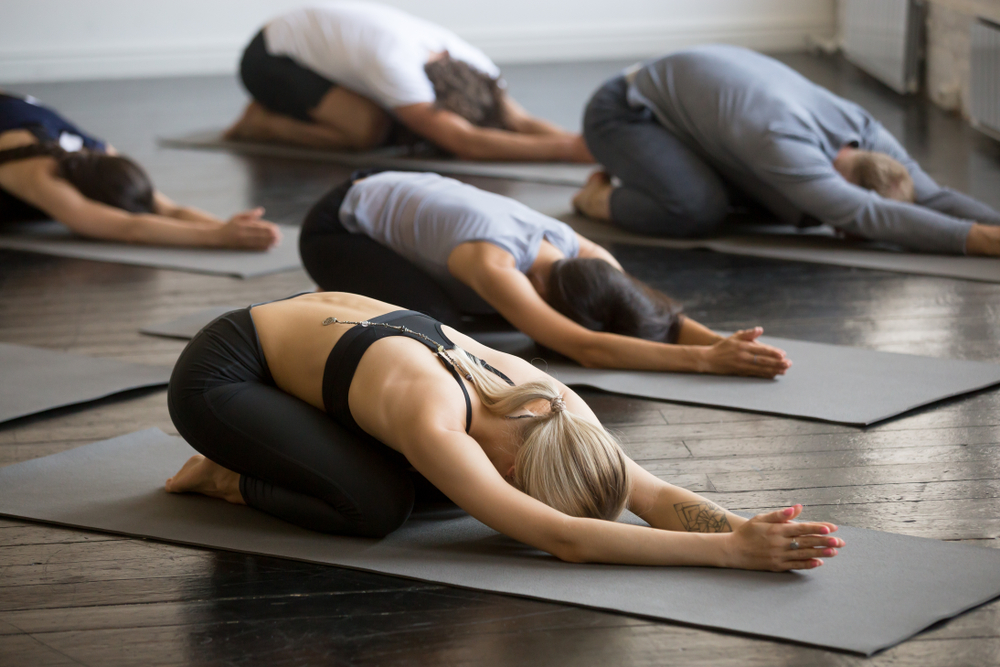
In the quiet of the night or the brightness of day, creatures of all kinds give in to sleep. Mammals curl up in nests and burrows, birds tuck their heads beneath their wings, fish slow their movements in the depths, and even some invertebrates slip into a state of rest. People, too, surrender to sleep and, in fact, spend a third of their lives in its grasp. And while sleep is universal, we have been trying to make sense of it for thousands of years. Thinkers like the ancient Greek physician Alcmaeon believed that sleep came when blood ceased to circulate from the heart to the brain. Aristotle, in turn, saw it as a way to restore the body’s delicate balance of heat and moisture. In their time, such theories held weight.

Today, our quest for knowledge delves deeper, spanning biology, neuroscience, and evolutionary theory. Yet, the essence of our curiosity remains: How did sleep evolve, why do its practices vary across cultures and epochs, why do we sleep, and what happens when we do? Gaining even a glimpse into the answers to these questions can deepen our understanding of our nightly journey into rest.

Evolution of Sleep

Sleep, when considered from a functional viewpoint, might appear disadvantageous. An organism that could remain awake continuously would be constantly active and better able to compete for vital resources. Additionally, this uninterrupted alertness could improve predator detection and evasion which might increase survival rates. The absence of sleep would also extend opportunities for social interaction and mating which could boost reproductive success. Moreover, more time awake could lead to greater learning experiences and help with skill development and quicker adaptation.

So, why do we sleep from evolutionary perspective? There is extensive research on this topic, broadly categorized into studies that examine proximate causes, focusing on immediate processes, and ultimate causes which provide evolutionary explanations. Proximate causes focus on the physiological, genetic, and biochemical processes that regulate sleep. For example, these theories investigate functions of sleep such as reducing the accumulation of adenosine and other metabolites in the brain. These are the focus of much of current research. Ultimate causes of sleep, conversely, provide explanations based on evolutionary benefits like boosting immune response, consolidating what we have learned while awake, facilitating dreaming, and conserving energy.

Conserving energy, for example, allows organisms to survive longer periods in environments where food resources are scarce or unpredictable. An enhanced immune response, in turn, reduces the likelihood of infections and increases the chances of survival. Additionally, consolidating what we have learned allows organisms to learn from past experiences such as identifying safe food sources or recognizing predators which directly impacts survival. Dreaming also offers an evolutionary advantage as it enables the simulation of various scenarios. This promotes creative problem-solving that can be applied in real-life situations.

Indeed, all these explanations appear convincing initially but they falter upon close examination. Take energy conservation, for instance—it is not a universal benefit of sleep. While it is clear that sleep lowers the metabolic rate in terrestrial mammals and birds, many aquatic creatures such as sharks and dolphins exhibit sleep-like states without experiencing the same degree of metabolic slowdown. Similarly, while the immune-boosting role of sleep appears significant in mammals and birds, it is less pronounced in certain species of insects and marine organisms. For example, insects such as ants and bees may rely more on organized group behaviors like maintaining clean nests or removing sick members to prevent disease spread, rather than on immune enhancements facilitated by sleep. In contrast, marine organisms like jellyfish use passive immune defenses such as mucus production to trap and neutralize pathogens, and these are not influenced by sleep cycles.

Furthermore, if sleep is necessary for learning, why would it occur in less complex entities like plants and unicellular organisms? Similarly, while the function of dreaming may be important among people, broader primates, or even all mammalian species, suggesting that it applies to creatures like slugs and ferns stretches credibility.

As these functions of sleep are not universally applicable and hence do not fully explain its evolutionary persistence, researchers have examined the distinction between day and night and how this cycle made sleep an adaptive trait.

As organisms adapted exclusively to daytime or nighttime environments, they tended to develop specialized functions and structures suited to those conditions. The challenge of evolving to thrive in both environments simultaneously could lead to compromises where an organism might not optimally fit into either setting. Continuous wakefulness across day and night would require adaptations to both light and dark conditions and the diverse species that inhabit each which would limit the effectiveness in any single environment.

Given that the day/night cycle predates life on Earth, it would be embedded in the biology of all species except for those isolated from these cycles like deep-sea creatures, cave-dwelling species, or microorganisms residing within other organisms. Therefore, adapting to either a diurnal or nocturnal environment is likely deeply encoded in our DNA, evidenced by the presence of sleep-wake cycles in all living beings.

Sleeping Patterns across History and Societies

Throughout history and across various cultures, sleep practices have varied. In feudal Japan, for example, samurai were required to wake up multiple times during the night to check their surroundings, especially when stationed at a camp or during times of war. For common people, however, the cultural expectations around sleep were more relaxed. There was no stigma associated with a tired craftsman sleeping on his mat or a boatman napping by his ferry post while waiting for passengers. In Japan, this practical approach to sleep prevailed: sleep wherever and whenever possible, as life allows.

In pre-industrial Scandinavia’s far north where winter nights were long, people often overslept to pass the time. During short summer nights, they slept less and made the most of every hour of daylight for work and leisure. When fatigue set in from long workdays and short nights, people would compensate with brief naps during the day or catch up on rest on cloudy and rainy days.

In Medieval Western and Central Europe, in contrast, segmented night sleep known as the watch was common. People would go to bed between 9 pm and 10 pm and wake up a few hours later. This period of nighttime wakefulness, lasting from around 11:00 pm to about 1:00 am, was used to tend the hearth, use the toilet, breastfeed infants, or check on farm animals. The watch also served as a time for religious activities, with prayers needing to be completed. For families, this was a chance to talk and connect, activities that daytime busyness often precluded. This time also allowed for intimate moments between husbands and wives and children resulting from these private encounters.

By the early 19th century, Europe had largely moved away from the two-sleep system. This change came with the Industrial Revolution which reshaped economic structures and work practices. Factories needed everyone to work at the same time so sleep schedules got tighter to accommodate the new work hours and staying awake at night became unfeasible.

The Role of Sleep across Life Stages

After we are born, we sleep quite a bit and it is for a good reason. By sleeping between 12 to 16 hours each day, our bodies are able to produce more growth hormone which is mainly synthesized during rest periods. This intense production of GH results in significant bone growth as this hormone is tasked with stimulating bone formation. As GH also promotes protein synthesis in the muscle tissues, large amounts of it lead to intense muscle development. Lastly, heightened GH levels due to long sleeping hours support more intense brain development as this hormone helps build complex neural networks.

In middle childhood, ages 6 to 12, we typically sleep 9 to 12 hours a day. During this period, when we sleep, the brain strengthens connections for developing new skills, such as understanding complex stories, while pruning away those no longer needed like early academic skills. This is known as neuroplasticity. While it is a lifelong process, its impact is particularly pronounced during middle childhood. During these years, children are adapting to increasingly complex academic subjects and social environments. They must process more information, solve more difficult problems, and interact in more nuanced social situations which requires them to learn at an accelerated pace. Heightened neural plasticity enables their brains to quickly and efficiently create pathways for new, more advanced skills and modify those that support previously learned abilities.

For teenagers, the optimal amount of sleep is 8 to 10 hours per night, with many experts recommending about 9 hours. During these years, the prefrontal cortex matures which improves capabilities in decision-making, planning, and problem-solving. This allows teenagers to weigh consequences when making decisions, anticipate scenarios and outcomes when planning, and devise strategies when solving problems. Sleep plays a key role in refining these abilities because it is during rest that the brain strengthens the neural connections associated with these cognitive tasks.

Additionally, during this period, adolescents encounter a wider range of social dynamics. Their social circles expand, and they are faced with a greater number of interactions, each distinct due to the different personalities involved. As adolescents interact more, their ability to interpret feedback from others improves which allows them to incorporate what they find beneficial and disregard what they deem irrelevant. This helps develop a more stable self-identity that is more aligned with their personal values and beliefs and less influenced by external pressure and superficial societal expectations.

Sleep plays an important role in this developmental process as when at rest, the brain processes the day’s social experiences. This helps strengthen the neural pathways involved in the cognitive understanding of social cues which enables teenagers to navigate their interpersonal environments more effectively.

As adolescents transition into adulthood, they generally require 7 to 9 hours of sleep per night. During this stage of life, the role of sleep shifts from growth and developmental refinement to maintaining peak cognitive efficiency. When at rest, the brain filters and organizes daily information which allows it to retain only knowledge essential for work, personal responsibilities, and lifelong learning.

With advancing age, people typically need 7 to 8 hours of sleep per night, although changes in sleep architecture like lighter sleep and more frequent awakenings reduce the efficiency of rest. Despite these changes, sleep remains essential for seniors as it helps mitigate the progression of cognitive decline and manage age-related physiological changes. Among these, sleep facilitates the clearing of metabolic waste harmful to brain neurons which helps reduce neurodegeneration. Waste such as beta-amyloid and tau proteins, if left uncleared, forms plaques and tangles that disrupt communication between neurons and contribute to the onset and progression of Alzheimer’s disease. The accumulation of alpha-synuclein, in turn, leads to the formation of toxic clumps which promote neuronal dysfunction and death in Parkinson’s disease and Lewy body dementia.

Additionally, in older adults, sleep becomes important for managing age-related challenges. During night sleep, for example, parathyroid hormone levels are higher, and this sends a stronger signal to the kidneys to maximize calcium conservation instead of excreting it. Without this sleep-associated mechanism, calcium loss would increase over time and contribute to bone weakening and worsening of conditions such as osteoporosis and osteopenia which are common among seniors.

What Happens When We Sleep?

At rest, our body cycles through two distinct types of sleep: non-REM and REM. Non-REM sleep is marked by slowed muscle activity, heart rate, and breathing, alongside slow brain waves and infrequent dreaming. This phase primarily serves to restore the body. In contrast, REM sleep features rapid eye movements, an active cortex, and vivid dreams. As this stage is characterized by dreaming, it is thought to support cognitive functions like learning and memory, alongside emotional regulation. Because dreams often replay recent experiences, they help consolidate new knowledge and form memories. Additionally, by presenting emotional scenarios, they assist in processing and making sense of emotions in a safe context.

Having important yet distinct functions, these two types unfold throughout the sleep cycle. This cycle begins with three non-REM phases known as N1, N2, and N3. N1 marks the onset of sleep and usually spans 1 to 7 minutes. During this phase, the body begins to relax but has not yet fully settled. Muscle tone decreases, though sporadic movements and muscle twitches still occur. Similarly, brain activity slows down but remains a blend of wakefulness and sleep.

As the body and mind have not yet fully transitioned to sleep, waking someone is straightforward. If undisturbed, however, they can swiftly progress to the next stage, N2. In this phase, the body achieves a calmer state with a slower heart rate and breathing, loosened muscles, and a decrease in temperature, along with reduced brain activity.

This second stage may continue for anywhere between 10 and 25 minutes in the initial cycle, with its duration extending as the night progresses. Altogether, this phase accounts for nearly half of the entire sleeping period.

The third stage, N3, represents deep sleep, and waking up from it becomes much more difficult. In this phase, the body becomes even more at ease as breathing, heart rate, and muscle tone slow further. Meanwhile, brain activity shifts to a distinct slow-wave pattern which is described as delta waves.

The duration of this stage also changes throughout the night. In the first few sleep cycles, it typically spans 20 to 40 minutes. As the night progresses, these phases reduce in duration, and a greater portion of the night is devoted to REM sleep.

Following these three stages, the body moves into a REM stage during which brain activity intensifies to levels akin to being awake. Simultaneously, muscle activity decreases, except in the respiratory and eye areas. Limb movement is inhibited and the postural muscles become almost entirely inactive to prevent any actions from dreams and thus protect the body from accidental harm.

In the early sleep cycles, this stage lasts for about 10 minutes. As the night continues, it becomes progressively longer and can extend up to an hour.

Factors That Affect the Sleep Cycle

A number of factors can influence the sleep cycle, including age, physical health, environment, caffeine and alcohol, and food.

Age and Physical Health

Age affects the duration spent in the different sleep stages, and this is especially evident in newborns. They enter REM almost immediately and spend a greater portion of their sleep in this stage. As children grow, their sleep patterns begin to resemble those of adults, with less time in REM sleep. This trend continues, with elderly persons experiencing even shorter REM periods.

Physical health also influences sleep architecture and the duration spent in both stages. Various conditions can lead to changes in duration, including chronic pain, cardiovascular issues, and others. Specifically, persons with chronic pain conditions like arthritis or fibromyalgia often experience frequent awakenings. These interruptions can prevent them from sustaining the deeper phases of non-REM sleep where the body undergoes most of its restoration. Likewise, poor cardiovascular health can disrupt the heart’s ability to maintain a steady, lower rate needed for non-REM sleep. This can shorten the duration of these deeper, restorative sleep phases.

Our Environment

The environment where we sleep impacts the body’s ability to transition through different sleep stages. Light or darkness in the room, in particular, play a key role in this cycling process. When it is dark, the pineal gland in the brain produces melatonin which signals to the body that it is time to sleep. However, in the presence of light, especially from screens, streetlights, and electronic devices, melatonin production is suppressed and the onset of sleepiness is delayed. As our bodies tend to follow a somewhat fixed schedule to complete all phases of sleep, such delays compress the available time for each sleep cycle.

In addition to light, temperature also affects the sleep cycle. In a room that is too warm, the body struggles to release heat which leads to discomfort and more frequent awakenings. This shortens deep sleep duration because after each awakening, the process of falling back asleep involves a period of light sleep before deeper stages are achieved again.

Noise levels also impact sleep quality, as sudden or continuous sounds can fragment sleep and reduce the time spent in deeper phases. Even if noise exposure does not fully awaken a person, short interruptions are likely to occur and shift brain activity toward a lighter sleep stage. This response is part of the body’s natural alerting mechanism, designed to prepare you for potential threats.

Additionally, poor air quality such as inadequate ventilation and uncomfortable humidity levels affect sleep. Insufficient ventilation results in low oxygen levels, and the body wakes up to increase the respiratory rate and intake of oxygen. Similarly, high humidity can make the air feel denser and more suffocating which triggers awakenings to increase the rate of breathing and airflow. These awakenings, in turn, disrupt restorative sleep.

Caffeine & Alcohol Before Bedtime

Caffeine and alcohol can significantly interfere with your sleep cycle.

Caffeine, found in coffee, tea, and many soft drinks, blocks adenosine, a brain chemical that promotes sleep. With this sleep-inducing effect inhibited, the onset of rest is delayed and the cycle and its stages shortened. Alcohol, which is depressant, disrupts sleep differently.  Initially, it acts as a sedative which can make falling asleep easier. However, as the body begins to metabolize the alcohol, this sedative effect wears off and your brain activity starts to increase again. This increase in activity can cause you to wake more often and disrupt the continuity of deep sleep.

Meals Late in the Evening

When you eat a meal, several major systems in your body spring into action. The digestive system works on breaking down food and absorbing nutrients. Meanwhile, the endocrine system increases its production of insulin which signals cells to absorb glucose from the consumed food. The circulatory system is also engaged to supply blood rich in nutrients to the stomach and intestines so that they function effectively. With so many systems involved, the body struggles to reach the relaxed state needed to fall asleep which can delay the onset of sleep and shorten the overall cycle.

Exercising before Bedtime

Exercising stimulates the sympathetic nervous system which prepares the body to handle exertion. It does so by raising the respiratory rate to increase oxygen supply and elevating blood pressure to push blood more quickly and transport oxygen to the muscles which need it to generate energy for sustained activity.

With such heightened demands on these systems, the body struggles to reach a restful state which is necessary for sleep to occur. As with late meals, this postponement of sleep shortens the sleep cycle.

Tips to Improve Sleep Quality

Among the factors mentioned, some, like age, are beyond our control while others such as physical health may or may not be improved through our efforts. Other factors that we can control to improve sleep quality include creating a conducive environment, steering clear of caffeine, alcohol, and large meals before bedtime, and avoiding exercise prior to sleep. Beyond these measures, there are further steps you can take to ensure restful sleep.

Improving Sleep Quality through Your Evening Meal

Ideally, you should consume dinner about three hours before bedtime to allow for digestion. Beyond timing, the foods to include in your evening meal should be rich in nutrients that increase the production of sleep-inducing hormones such as melatonin and serotonin. Examples of such foods are turkey and chicken which are rich in tryptophan, an amino acid that the body converts to serotonin and then melatonin. Therefore, you may want to consume a moderate serving of these, about the size of a deck of cards. Combine them with complex carbohydrates like whole grains to improve the absorption of tryptophan. A good example would be having a small turkey sandwich on whole-grain bread or a portion of grilled chicken with quinoa.

With your meal, consider including a small glass of warm milk or a cup of yogurt, both rich in tryptophan. These dairy products also contain calcium which helps convert tryptophan into melatonin.

Additionally, you can eat magnesium-rich foods to support muscle relaxation and nerve function. Good options are one cup of cooked spinach or a handful of almonds.

Supplements

Nutritional supplements, including mixes and  CBD gummies, can help improve the quality of sleep. Among these, hot chocolate mixes enriched with magnesium, L-theanine, melatonin, apigenin, and Reishi mushroom are particularly effective due to their sleep-enhancing properties. These supplements, with their magnesium content help relax the muscles and nervous system which can make it easier to fall and stay asleep. L-theanine, an amino acid, increases the levels of GABA, serotonin, and dopamine in the brain which slows its activity and prepares it for sleep. Reishi mushroom, another valuable ingredient, contains compounds known as triterpenes. These help soothe the nervous system and lower stress hormone levels such as cortisol which smooths the transition to sleep. Apigenin, a compound found in many plants, binds to and activates GABA receptors in the brain. These receptors help reduce neuronal activity which leads to relaxation and facilitates sleep. Lastly, melatonin in these supplements mimics the body’s natural hormone that signals it is time to sleep.

The Right Bed for Good Sleep

A bed that promotes restful sleep is sturdy enough to minimize shifts throughout the night. This stability is especially important for those sharing a bed since one person’s movement can disturb the other’s sleep. Ideally, it also features a mattress of medium firmness that is neither too hard nor too soft. A mattress that is too soft can let the body sink excessively which creates pressure points. On the other hand, a mattress that is too firm can be uncomfortable because it does not adequately cushion these pressure points. A medium-firm mattress, in contrast, strikes the right balance between cushioning to minimize discomfort and support to prevent sinking. Moreover, a mattress of medium firmness aligns the spine properly which helps reduce back pain and improve sleep quality, a fact supported by research.

One study, for example, looked at whether a medium-firm mattress could reduce musculoskeletal pain and improve sleep among 40 older adults in a nursing home, all of whom experiencing chronic pain. Their pain levels were measured using the Pain Visual Analog Scale and sleep quality was assessed through actigraphy over a course of 4 weeks. The findings showed a notable reduction in symptoms, with lower back discomfort decreasing by 56%, neck stiffness by 58%, and upper back strain by 67%. Moreover, the medium-firm mattresses were found to shorten the time it took to fall asleep by an average of 46 minutes compared to a high firm mattress.

In addition to firmness, a mattress that absorbs heat and cools the body, known as a high-heat-capacity mattress, can help improve sleep. Research has confirmed these benefits for both women and men. One study involving 24 women who were in menopause, for example, found that those who used a high-heat-capacity mattress experienced a 2.1% increase in deep sleep compared to a low-heat-capacity model. The women also showed improved slow brain wave activity during the first sleep cycle which is associated with feeling more rested.

Another study involving 32 healthy men also examined the impact of a high-heat-capacity mattress on deep sleep compared to a conventional one. The results showed that the temperature-regulating mattress led to a noticeable increase in deep sleep (stage N3) and an improvement in slow wave energy.

Calming Your Mind

A helpful way to fall asleep more easily is to establish calming bedtime practices that signal to your brain it is time to wind down. These could include reading a book or listening to an audiobook that promotes calm, journaling to capture lingering thoughts and clear your mind, or creating a gratitude list to highlight positive moments and shift your focus away from stress.

Other techniques to try could be listening to soft music or a guided sleep story and using an adult coloring book for its repetitive movements that ease mental tension and promote relaxation. You can also engage in creative activities such as knitting, crocheting, or simple crafts that focus attention on the task at hand and divert it from distracting thoughts.

To further calm the mind and promote relaxation, you can try various meditation techniques, including mindfulness, body scan, mantra, and guided meditation and self-hypnosis.

Mindfulness meditation is one effective technique where you focus your attention on your breath, bodily sensations, or immediate surroundings. This anchors the mind in the present and breaks the constant cycle of analyzing the past or anticipating the future. As a result, mental tension decreases which allows the nervous system to shift into a state of relaxation.  Body scan meditation, another useful approach, involves focusing on each part of the body, from head to toe. This practice helps you to spot areas of tension and consciously relax them.

While body scan targets sensations, mantra meditation centers on mental repetition.  In this practice, you concentrate on repeating a specific word or phrase which gives you a single point of focus. This prevents the mind from wandering to intrusive thoughts which often carry emotional weight and can provoke stress responses.

Another method that relies on repetition is self-hypnosis which involves repeating affirmations or consistently visualizing peaceful scenarios. This technique also helps focus attention toward a single stimulus and blocks out irrelevant thoughts. As a result, the conscious mind quiets which fosters a state of calm.

Unlike these techniques which rely on conscious effort, guided meditation shifts responsibility to external direction. A recorded voice leads you through relaxation exercises, visualization, or controlled breathing and you follow along. This guidance acts as a structured anchor for your attention and prevents the mind from drifting into worry or anxiety.

Relaxing Your Body

To enhance physical relaxation, consider enjoying a warm bath with soothing scents, soaking your feet in water with Epsom salts, or applying a compress or a heating pad to tense areas like the neck or shoulders.

Additionally, you can explore different breathing techniques that allow you to manage the speed of your breath to set a deliberately slow rhythm that signals your body it is time to shift from activity to rest.

One such method is diaphragmatic breathing where you inhale slowly through your nose so that your abdomen expands and then exhale gently through your mouth so that it contracts.

Another technique is 4-7-8 which involves taking a slow, deep breath through your nose for 4 seconds, holding your breath for 7 seconds, and then slowly exhaling through your mouth for 8 seconds. Box breathing, a third method, establishes a different rhythmic pattern where you use a consistent four-second count for each step: inhaling, holding the breath, exhaling, and holding again.

Also a rhythmic method, coherent breathing consists of inhaling and exhaling for six seconds each which adjusts your breathing rate to about five cycles per minute. Lastly, pursed lip breathing is a technique that requires you to inhale slowly through your nose for two counts and then exhale steadily through pursed lips for four counts.

Along with controlled breathing, gentle exercise can be an effective way to signal the body to slow down. Exercise performed at a slow pace allows the body to gradually ease from a state of high activity to one that is more relaxed and ready for rest. Examples of such exercises include tai chi, static stretching, and gentle yoga.

Tai chi, for example, is characterized by slow, controlled movements such as gradually shifting your weight from one leg to the other, slowly extending the arms, and gently rotating the torso.

Static stretching, in turn, involves gentle motions such as side leans where the upper body gradually shifts to one side, neck tilts that slowly move the head to one side, and controlled chest openings in which the arms are drawn outward and back in a fluid, continuous movement.

Similarly, gentle yoga focuses on slow movements in poses such as cat-cow, dynamic seated side bends, standing forward folds, and butterfly stretches. The cat-cow pose, for example, involves gently arching your back, lifting your head, and pushing your stomach downward. Then you slowly round your spine, tuck your chin, and bring your tailbone down. Another fluid pose, dynamic seated side bends require sitting with legs crossed or extended, slowly reaching one arm overhead, and leaning to the opposite side. The standing forward fold, also done at a slow pace, involves hinging at the hips and gradually lowering the upper body toward the legs while letting the hands rest on the floor, ankles, or shins.

With the same gradual focus, the dynamic butterfly stretch consists of sitting with the soles together and your knees dropped outward. From this position, you press down on your thighs to deepen the stretch and then lift and lower your knees in a smooth, controlled motion that mimics the fluttering of butterfly wings.

What Are Sleep Chronotypes and How Discovering Yours Can Benefit You?

We all have certain times of the day when we prefer to do certain things. Some people start their day early with a vigorous workout and dive into high-focus tasks while others might still be hitting the snooze button, slowly waking up to a more relaxed start. In the afternoon, those who wake up with the sun often spend their energy on getting through their to-do lists or handling quick, administrative tasks that require less creative input. Meanwhile, those who rise later plunge into more demanding, creative tasks as their energy peaks. As evening approaches, the early starters might unwind with a good book or some calming music. Those who thrive at night, however, are just hitting their stride, perhaps going out for a lively night on the town or starting a new venture to make the most of their peak energy times.

This variance in energy throughout the day is not random but is influenced by our chronotype. These patterns, which determine when we are most alert and productive and when we need to rest, can be categorized in different ways. One useful classification is Dr. Michael Breus’s system which divides people into four categories: lion, bear, wolf, and dolphin.

Lion

The lion chronotype, a morning type, typically wakes up around 6 am and reaches peak productivity before noon during which they focus on more intense tasks. From noon to 4 pm, they shift focus to lighter, less demanding activities that require less concentration. The evening, from 4 pm to 9 pm, is their time to ease down, and they go to bed between 9 pm and 10 pm.

For those identifying with the lion type who feel a slump in energy in the early afternoon, a break around 1:00 pm to 2:00 pm can help recharge and refresh you. This way, you will stay sharp and productive for the rest of the afternoon while still getting to bed early. Additionally, considering your schedule of early waking, breakfast, and an earlier lunch, the foods you choose for your lunch should provide sustained energy to counter the early afternoon energy dip. Good options include complex carbohydrates like whole grains and oats and lean proteins such as chicken, turkey, or tofu.

Bear

The bear chronotype also wakes up early, between 7 am and 8 am, and is most productive between 10 am and 2 pm. Early afternoon, from 2 pm to 4 pm, is reserved for light tasks such as responding to emails and planning the next day’s schedule. From 4 pm to 10 pm is the time for relaxing activities like reading, enjoying leisurely walks, or having dinner with family. The typical sleep hours for this chronotype are from 11 pm to 7 am, and insufficient rest can lead to a sluggish feeling during the day.

To make the most of this natural rhythm, if you are a bear, try adding a few short breaks between 10 am and 2 pm, your most productive hours. This can help keep your energy up and prevent you from feeling too drained by the evening.

Your diet could also benefit from some minor adjustments. As a bear, you likely wake up and go to bed at times that align with the typical 9-to-5 schedule and follow standard meal times that are sufficient to sustain you throughout most of the day. Thus, to combat the energy dip you experience in the early afternoon, you can just have a snack which is more about providing a light but effective pick-me-up. Good options for an afternoon snack could include a handful of almonds, Greek yogurt with a sprinkle of chia seeds, a hard-boiled egg, or a slice of turkey breast wrapped around some cheese.

Wolf

The wolf chronotype is next, with wake-up times between 7:30 am and 9 am. Unlike the other two groups, the time before lunch, 10 am–12 pm, is for lighter tasks like reviewing daily agendas and preparing briefs. Early afternoon, 12 pm–2 pm, is when their first creative burst occurs, a time suited for intensive or creative tasks such as developing strategies or crafting detailed reports. Then between 2 pm and 5 pm, they typically work on less intense tasks like data analysis or scheduling meetings. From 5 pm to 9 pm comes their second burst of energy, ideal for engaging in creative projects like graphic design or composing music. Between 9 pm and 10 pm, wolves relax from the day. Bedtime preparations are between 10 pm and 12 am, and sleep time is from 12 am to 7:30 am.

This daily energy pattern, if you are a wolf, would benefit from taking breaks before your most productive phases in the early afternoon and evening. This ensures you have the energy to fully engage during those peak times.

Furthermore, as a wolf, you tend to wake up and have breakfast later, around 9:00 to 9:30 am. This breakfast at a later than usual time should be able to sustain you through your productivity peak from noon to 2 pm, especially if it is hearty. Suitable options for a satiating breakfast include oatmeal with nuts and berries or eggs paired with whole-grain toast and avocado. Then you can have lunch right after your productivity peak to replenish your energy.

Dolphin

The dolphin chronotype is the last group which only sleeps around 6 hours a night. They are sensitive to noise, easily awakened, and experience fragmented sleep which is why they often struggle with daily tiredness.

Despite their lack of restful sleep, dolphins wake up between 6:30 am and 7:30 am. From 8 am to 10 am, they engage with easy to-dos such as reviewing light paperwork and mapping out key objectives. From 10 am to 12 pm is the only window when dolphins can concentrate on demanding tasks such as strategic planning and complex analyses. Between 12 pm and 4 pm, they handle routine tasks such as updating project statuses or organizing files. From 4 pm to 10 pm, they typically engage in relaxing activities such as simple home DIY projects or light gardening. They begin to wind down from 10 pm to 11:30 pm and sleep between 12 am and 6:30 am.

Given this tendency for short, disrupted sleep in the dolphin chronotype, if this describes you, you might want to take a short, restorative break after your peak concentration later in the morning, as energy levels often dip following an intense focus period.

Additionally, for a dolphin, an effective dieting strategy would involve well-timed lunch and afternoon snacks. As you are most productive between 10 am and noon and then the lack of restorative sleep might catch up with you, you may face an energy dip. So, scheduling lunch around 12:00 pm to 12:30 pm can help replenish your energy levels to counteract afternoon fatigue. A balanced meal for this time of the day could include a brown rice bowl with salmon and mixed vegetables or a whole-grain wrap filled with turkey, spinach, and a spread of hummus. Additionally, an afternoon snack between 3:00 pm and 3:30 pm can offer a boost to sustain you until dinner and prevent further energy slumps. Suitable snack options for this time include a few slices of cheese with whole-grain crackers, a banana with peanut butter, or carrot sticks with guacamole.

Can You Alter Your Chronotype?

Since you, like all of us, tend to align more closely with one chronotype than the others, you may wonder whether you can change it to better fit your schedule or other needs or you should work around it as suggested.

Research increasingly addresses this question, particularly the role genetics play in our sleep pattern. For instance, one large-scale study with over 128,000 participants from the UK Biobank sought to identify genetic variants that influence whether we are morning or evening types. This research identified sixteen genetic variants, including ones near circadian rhythm genes like RGS16 and PER2, linked to a preference for morningness. Additional validation came from analyzing data from 89,283 participants which confirmed these genetic associations.

Another study investigating the genetic influence on chronotype analyzed DNA samples from persons who were either extreme morning or extreme evening types. Researchers focused on 19 genes known to be linked to sleep patterns and examined thousands of small genetic variations within them. They identified 83 variations that appeared to predict whether a person was more inclined toward a morning or evening chronotype. Some of these genetic markers had been previously recognized while others were newly discovered, including variations that may influence how the body processes sleep signals.

In addition to hereditary factors, another area of research suggests that variations in chronotype may have evolved as a survival strategy among hunter-gatherers. This idea was first proposed by Frederick Snyder in his Sentinel Hypothesis. He suggests that in early societies, persons with different sleep-wake cycles—some staying awake later and others waking earlier– provided continuous vigilance against potential threats such as predators or rival groups.

To test the validity of this hypothesis, one study investigated sleep patterns at a group level in an environment similar to that of early humans: the Hadza hunter-gatherers. The study aimed to explore if it was uncommon for all group members to be asleep simultaneously at night. They used actigraphy, a method that tracks sleep by detecting movement–less movement indicates sleep while more movement suggests wakefulness or light sleep.

The study revealed that the Hadza people often remained awake during the night. On average, about 60% of group members were found to be asleep at any point during the night while approximately 40% remained awake. Specifically, the number of persons awake at once during the night varied from 5 to 12 out of a maximum of 22 people, with a typical count being about eight people awake. Over the course of 20 nights, there were only 18 instances, each lasting one minute, where all members were asleep at the same time. This was extremely rare and happened in just 0.002% of the time measured.

Given these patterns, these findings support the idea that variations in chronotype could indeed serve as a survival mechanism which allows groups to maintain vigilance around the clock. Thus, a staggered sleep-wake cycle ensures that someone is always awake to monitor for dangers which enhances the group’s overall safety.

With studies suggesting that biology and evolutionary adaptation have influenced chronotypes, switching your own to fit your schedule or needs may not be straightforward. Instead of attempting a change, you can work around your rhythm to minimize its drawbacks, as with the strategies for scheduling breaks and adjusting diet for each type.

What Are the Effects of Not Getting Enough Sleep?

Compromised Coordination and Balance

If you don’t get enough sleep, you might find yourself literally tripping as you go about your day, and studies have indeed shown this to be true. One study, in particular, looked at how lack of good-quality sleep affects balance. The study involved 30 healthy adults who wore a wrist actigraph to monitor their daily activities and sleep patterns. Then participants underwent various tests to assess their stability under different conditions, including balancing on a tilting platform and standing still with eyes open and closed. The results revealed that participants with poorer sleep quality, especially those who often woke up at night or had inefficient sleep, struggled with both dynamic balance tasks and static standing stability. This was especially pronounced in tests where they couldn’t rely on their vision, like with eyes closed.

Another study examined the effects of sleep deprivation on gait. This research included 30 young participants who had no known sleep disorders, sensory, cognitive, or motor deficiencies, or prior familiarity with the testing procedures used. As part of the study, the researchers aimed to evaluate how effectively participants synchronized their steps with sound cues after experiencing varying levels of sleep loss (acute, chronic, and no sleep loss as a control). The findings showed that after one night of sleep deprivation, participants struggled to keep pace with the sound, made more timing errors, and missed cues more often. Those who regularly got too little sleep also struggled, typically being slower to step in time with the sound compared to the control group. However, they performed slightly better than those deprived for just one night which suggests that the body might have a way of adjusting to less sleep over time.

Weakened Immune System

Missing out on sleep regularly could increase your risk of developing various health issues, as recent research suggests. One 2023 study, for instance, explored how chronic sleeplessness impacts the immune system and the likelihood of infections. The researchers compared 42 patients with long-term insomnia to 47 individuals without sleep problems. In doing so, they examined various health indicators such as blood counts, immune cell types, and protein levels in the blood.

The results showed that those with chronic insomnia had significant differences in several health markers. These included decreased red blood cell counts, lower hemoglobin levels, and reduced numbers of specific immune cells such as CD4+ T-lymphocytes and CD19-lymphocytes which suggest compromised immune function. The ratios of different immune cell types also showed variation which indicated that participants’ immune systems were functioning abnormally. Additionally, they experienced more clinical infections which further suggests that poor sleep might weaken the body’s ability to fight off illness.

Anxiety and Depression

While everyone knows that a restless night can leave you on edge the next morning, continuous lack of sleep can evolve into serious mental health issues. Indeed, research suggests that sleep deficits can lead to the development of anxiety and depression.

One study, for example, reviewed findings from various large databases to explore the connection between insomnia and depression. Researchers analyzed data from 34 studies that included over 172,000 people who were followed for an average of about 5 years. Their analysis found that people with insomnia were more than twice as likely to suffer from depression compared to those without sleep problems.

Another study looked into how insomnia might lead to anxiety and depression. Researchers tracked over 19,000 people with insomnia alongside over 38,500 participants without sleep disorders for four years. The results revealed that those suffering from insomnia had nearly nine times the risk of experiencing anxiety and a similar risk for depression. However, the analysis also uncovered variations in risk among different subtypes of chronic sleeplessness. Persons with recurring insomnia faced the highest risk, followed by those with persistent symptoms, and finally those whose symptoms had subsided over time.

Furthermore, the study found that persons with sleep disturbances were nearly 18 times more likely to develop both mental health conditions simultaneously.

Cardiovascular Disease

Not getting enough sleep can raise your blood pressure and harm your heart health. Research supports this as well, with studies suggesting that insomnia is linked to an increased risk of hypertension. In line with this research, one study drew on data from large US hospital databases. The researchers focused on patients diagnosed with sleep deprivation and compared them to those who didn’t have sleep issues. The analysis showed that of over 28 million patients studied, about 2.1% were identified with sleep deprivation. These patients had a 30% higher chance of developing hypertensive heart disease—a condition related to high blood pressure causing heart problems—compared to those without sleep issues.

A second study examined persons with insomnia marked by psychological hyperarousal. Unlike typical insomnia sufferers who often feel drowsy during the day and can fall asleep easily, this group remains unusually alert and struggles to fall asleep even when fatigued.

In this research, 219 persons with long-term insomnia (lasting six months or more) and 96 people who slept normally were examined. They all spent a night in a lab for sleep observation and then took a sleepiness and alertness test. The findings showed that people who took longer to enter sleep during the test were significantly more likely to have high blood pressure. Specifically, persons who took more than 14 minutes to fall asleep were three times more likely to develop hypertension while those who took longer than 17 minutes had a fourfold increased risk.

Diabetes

Chronic sleeplessness has been linked to an increased risk of diabetes, according to research. Studies indicate that people who struggle to fall or stay asleep often have higher blood sugar levels which can lead to the development of diabetes.

One such study looked at the effects of various sleep traits on blood sugar levels. The traits the researchers focused on included napping, feeling drowsy during the day, sleep duration, symptoms of insomnia, and whether a person is a morning or evening type. Across participants with these five patterns, the researchers measured the concentration of a marker known as glycated hemoglobin which increases as blood sugar levels rise. The results showed that persons who frequently experienced insomnia tended to have higher glycated hemoglobin levels. This finding led researchers to conclude that chronic sleeplessness may play a role in the development of type 2 diabetes.

Weight Gain

Even just a few nights of poor sleep can increase cravings for snacks and sugary foods. It is not surprising then that consistently missing out on sleep can lead to extra weight gain.

This relationship between sleep deprivation and weight gain has sparked curiosity among researchers as well. One study, for example, explored how the amount of sleep people get might affect their chances of being overweight or obese. Researchers looked at three sleep patterns, specifically – short (less than 7 hours), normal (7 – 9 hours), and long sleep duration (more than 9 hours). They used statistical models, including logistic regression to analyze whether these sleep patterns increased the likelihood of being overweight or obese. The findings revealed that those who slept for long durations had a 37% higher prevalence of obesity compared to the normal sleep group. Even more striking, persons who slept less than 7 hours experienced an 82.5% increase in overweight incidence.

Stress

Sleep deprivation has been found to raise cortisol levels, with plenty of research supporting this.

One recent study, for instance, examined how cortisol levels vary during sleep in persons with chronic insomnia compared to those who sleep well. The study involved 33 participants from whom researchers collected blood samples at various times throughout the night and early morning. They discovered that while cortisol was the highest in the morning for both groups, in people with insomnia, cortisol levels were significantly higher during periods of wakefulness at night.

Another study investigated how severe insomnia impacts cortisol levels in the morning, as opposed to at night. Researchers enlisted adults between 25 and 60 years old who had been diagnosed with chronic insomnia. The participants underwent overnight monitoring in a sleep laboratory where their sleep patterns were observed. Blood samples were also collected the following morning to measure their cortisol levels. The results showed that persons identified with severe insomnia through tracking of sleep patterns also had elevated cortisol levels in their morning blood samples.

Neurodegenerative Disorders

There is extensive body of research linking ongoing lack of sleep with diseases like dementia, Alzheimer’s, and Parkinson’s. One such longitudinal study looked at whether having insomnia could increase the risk of developing dementia. The study tracked 22,078 participants who initially showed no signs of cognitive decline or stroke. Over an average of 19.2 years, the researchers tracked the onset of dementia through national registers and assessed sleep patterns using the Karolinska Sleep Questionnaire. They found that participants with insomnia symptoms were 18% more likely to experience cognitive decline compared to those without, after considering factors like age, sex, education, and health habits. Additionally, difficulty initiating sleep was associated with a 24% increased risk of cognitive decline.

Besides dementia, researchers have also investigated how insomnia may influence the risk of developing Alzheimer’s. In particular, one longitudinal study over three years examined whether interrupted sleep patterns could be linked to the onset of Alzheimer’s disease. The study followed 737 older adults without dementia over this period. The researchers used an actigraphy device to monitor their sleep for up to ten days and assessed the participants’ mental functions annually through 19 different tests. They discovered that persons with more frequent interruptions had a higher risk of Alzheimer’s. Specifically, those with the most fragmented sleep had a 1.5 times higher risk compared to those with the least interrupted. Additionally, increases in disruption were linked to a faster decline in cognitive abilities each year.

Lastly, research has investigated the link between non-apnea sleep disorders such as insomnia and the risk of developing Parkinson’s disease later in life. One notable large-scale study involved 91,273 adult patients who had non-apnea sleep disorders but no pre-existing Parkinson’s disease. These patients were compared with an equal number of people without sleep disorders, matched by gender, age, overall health condition, urbanization, and income. During the follow-up period, it was found that patients with non-apnea sleep disorders had an 18% higher likelihood of developing Parkinson’s disease. Notably, those with chronic insomnia had a 37% higher risk compared to those without sleep problems.

Wrapping Up

Sleep takes up a good portion of our lives, hours that could be spent working, eating, or exploring. Yet no one—those long gone, walking among us, and yet to be born—can escape its pull. It is not a choice, not a habit but something built into us from the start. Fight it all you want, delay it with excitement, drown it in noise, push through with sheer will but eventually, it takes its turn, as it always has and always will.

FAQ’s

How long can you survive without sleep?

The exact duration you can survive without sleep isn’t precisely known and can vary widely from person to person. In documented cases, people have stayed awake for 8 to 11 days without lethal consequences but they experienced significant cognitive deficits, hallucinations, and physical symptoms during that time.

Randy Gardner, who went through one of the longest documented periods of intentional sleep deprivation without using stimulants, stayed awake for 264 hours (11 days). He experienced mood changes, slurred speech, problems with concentration and short-term memory, paranoia, and hallucinations.

What are the warning signs of severe sleep deprivation that should not be ignored?

Serious sleep deprivation can lead to more concerning symptoms beyond general tiredness and moodiness. One such warning sign is microsleeps—brief, involuntary episodes of sleep that occur while a person is awake. These can be particularly dangerous while driving or operating machinery, as they can impair reaction times and awareness.

Another serious indication of severe sleep deprivation is hallucinations in which the brain struggles to differentiate between sleep and wakefulness and blends dream-like images with reality. This can cause people to see or hear things that are not there which is not only distressing but can lead to poor decision-making and a higher risk of accidents or injuries.

Serious memory lapses also occur due to a lack of sleep and can manifest in startling and often alarming ways. For instance, a person who is severely sleep-deprived might forget their address and how to navigate back home from a familiar location. Or they might forget to pick up a child from school, leave a baby unattended in a car, neglect to take important medication, or miss a medical appointment or test. All of these can have dire consequences for health and safety.

Furthermore, a severely sleep-deprived person may experience muscle weakness throughout the body. This is because the brain struggles to send signals to the muscles which causes delayed contractions and a loss of strength. As a result, a person can experience hand tremors with serious consequences. For example, they may find it difficult to maintain control of the steering wheel or bicycle handlebars which can lead to accidents. They might also be unable to administer medication properly, with this resulting in overdoses or missed doses. Additionally, they might struggle to hold utensils or cups steadily which can cause choking. Furthermore, weak leg muscles from sleep deprivation can cause falls, impair the safe handling of heavy weights, and limit the ability to escape or help others during emergencies.

Lastly, slurred speech can also result from extreme sleep deprivation. Lack of rest  affects the brain’s ability to regulate the timing and coordination of muscles necessary for clear speech. This, in turn, causes speech to become garbled and difficult to understand which can have serious consequences. For example, miscommunication while giving safety instructions at work or in a medical emergency can led to errors with potentially grave outcomes. Slurred speech also increases public safety risks when professionals like firefighters, air traffic controllers, emergency responders, and law enforcement officers are unable to communicate clearly during crises.

What is the right amount of sleep for you?

Most adults should aim for 7 to 9 hours of sleep each night, although the exact amount can vary based on factors such as age, genes, lifestyle choices, and overall health.

Whether you sleep for 7 or 9 hours, the quality of your sleep matters. This involves sleeping through the night without interruptions, and if you do wake up, whether you can fall back asleep easily. Also, if you wake up feeling rejuvenated and ready to start your day in the morning, the exact hours of sleep you got might not be as important.

How does setting a regular bedtime improve sleep quality?

Adopting a fixed bedtime signals the body to prepare for sleep at the same time each night. This ensures that processes that facilitate sleep such as a drop in body temperature and the secretion of hormones that induce sleepiness occur at consistent times. Moreover, this regular bedtime schedule trains the body to initiate the process of waking up at a set time each day. This involves a rise in body temperature and increase in hormones that promote wakefulness like orexin and cortisol.

In addition to setting a regular bedtime, managing the timing of daytime naps can improve sleep quality. While short power naps can refresh and boost alertness, those exceeding 20 to 30 minutes, particularly in the late afternoon or early evening, may cause difficulty falling asleep at night. This occurs because extended napping reduces the accumulation of adenosine, a sleep-inducing chemical that builds up in the brain throughout the day to promote sleepiness in the evening.

How important is a regular sleep schedule, what are the effects of disrupting it, and how can it be improved?

A regular sleep schedule improves your overall health and daily effectiveness. This benefit of consistent sleep routines was confirmed by experts assembled by the National Sleep Foundation who reviewed extensive research and formed a consensus through a voting process. The experts concluded that maintaining a regular sleep schedule is key for optimal health, performance, and safety. In line with these conclusions, the scientific community has established that irregular sleep poses health risks.

A growing body of research indicates that people who frequently alter their bedtime or wake-up time may be more prone to issues like heart disease, diabetes, and obesity.

The negative impact of irregular sleep schedules on heart health, in particular, has been the subject of many studies. One of these studies specifically focused on how having irregular sleep schedules might increase the risk of serious problems such as heart attacks, strokes, and heart failure. The researchers tracked the sleep habits of over 72,000 adults for about eight years and found that people with highly erratic sleep patterns had a 26% higher risk. Meanwhile, those with moderately inconsistent sleep schedules had an 8% higher risk compared to people who maintained a regular sleep routine. Even getting enough total sleep each night did not fully protect people who had extremely inconsistent routines.

In addition to heart disease, research has examined the connection between inconsistent sleep schedules and diabetes. One such study involved 73,000 participants whose sleep patterns were monitored over 8 years. The results indicate that adults with irregular schedules faced a 38% greater chance of developing type 2 diabetes while those with moderately inconsistent habits had a 35% higher likelihood compared to adults with regular sleep routines. Even participants who regularly got at least seven hours of sleep each night still faced this increased diabetes risk if their sleep timing varied greatly.

Alongside diabetes, inconsistent sleep has also been linked to an increased risk of obesity. One of the studies examining this relationship involved over 6,000 older adults and found that variability in nightly sleep duration and daytime napping habits affect obesity risk. Specifically, each hour of variation increased the likelihood of obesity by 63% in men and 22% in women. Additionally, each extra hour of napping raised obesity odds by 23% in men and 29% in women.

In addition to physical health problems, research has linked irregular sleep with mental health issues like anxiety and depression. One study that investigated this link looked at data from over 3,000 people to see if changes in how long, how well, and when they slept were linked to symptoms of anxiety and depression. The researchers found that people whose sleep duration varied a lot from day to day reported more symptoms of depression. Interestingly, more variability in how efficiently people slept was associated with fewer symptoms of anxiety.

Given these health risks, establishing consistent bedtime and wakeup time might be beneficial. To do this, first determine how many hours of sleep you need and then choose a bedtime that lets you wake up when you need to each morning. For example, if you find that you function best with eight hours of sleep and you need to be up by 6 am, plan to go to bed by 10 pm.

While this schedule may be manageable during the workweek when most activities wind down in the evening, weekends might tempt you to break it completely to enjoy some leisure time. However, you can still maintain a balance between your social life and your routine without drastic changes. If you have plans for a night out, it is okay to go to bed an hour later than usual but try to wake up close to your regular time the next morning. For instance, if you typically wake up at 7 am, allowing yourself to sleep until 8 am is reasonable. You may find a short nap helpful to recharge but maintaining your usual wake-up time helps avoid the dreaded Monday morning slump.

How can I adjust my sleep schedule if I work night shifts?

To adjust your sleep schedule for daytime rest, you need to reduce exposure to light after finishing a shift. One thing you can do is wear dark sunglasses on the way home. This helps block bright light which signals the brain that it is daytime. Additionally, you can choose a route with less direct sunlight such as shaded streets or underground transportation, when possible, to further minimize light exposure. If commuting by car, you can use window tinting films to reduce brightness inside the vehicle. Avoid stopping for errands in well-lit environments like grocery stores or brightly lit gas stations as even brief exposure to strong artificial lighting can delay the body’s readiness for sleep.

Once home, standard advice applies—minimize sources of light with blackout curtains, use white noise machines or earplugs to mask daytime noise if needed, and set the room temperature between 60 and 67°F to support deeper sleep.

Additionally, you will need to structure sleep timing around your shift hours which can be done in two ways. For instance, some people sleep in one continuous block immediately after work, such as from 8 a.m. to 3 p.m. This schedule mimics a natural sleep pattern and allows for a complete progression through the sleep stages. This includes deeper sleep which aids recovery and REM which is associated with dreaming, learning, and memory.

Alternatively, some find it more effective to divide their sleep into two segments, like taking a nap before the shift and then sleeping again after work. For example, a person working from 10 pm to 6 am might take a three-hour nap in the evening and then sleep for four to five hours in the morning after returning home.

This sleep schedule is better suited to certain types of work and personal lifestyles. For instance, healthcare professionals who often work extended shifts could benefit from sleeping for a few hours before their shift starts. This helps ensure they can remain alert throughout a demanding 24-hour shift. Similarly, long-haul truck drivers might take a rest before starting a long drive to ensure they stay sharp and safe on the road. They can then take another period of sleep after completing their route.

Likewise, with planning around lifestyle needs, splitting sleep can be helpful. For example, parents who need to match their sleep schedules with childcare responsibilities might opt for split sleep. They may sleep for a few hours before their shift when the children have gone to bed. Then they could sleep again while the children are at school so they are active and available during their child’s after-school hours.

How does jet lag affect sleep and how can it be minimized?

With jet lag, the body remains tuned to the daylight and nighttime hours of the home location, despite these being different times at the new destination. This mismatch between the body’s internal clock and the local time can lead to feelings of alertness during nighttime and fatigue during the day at the new location.

To minimize these effects, you can gradually adjust your sleep schedule before your trip. For instance, if you are traveling east, you can go to bed and wake up an hour earlier each day, relative to the previous one, for several days before your departure. Conversely, if you are heading west, you should shift your bedtime and waking time later.

Upon reaching the destination, you should engage in outdoor activities during daylight hours as much as possible. Exposure to natural sunlight suppresses melatonin production which keeps you alert during the day. Then at night, you should stay in a dimly lit environment so that melatonin production increases at the right time.

What are sleep disorders?

Everyone experiences a restless night from time to time, perhaps due to stress, illness, or noise disturbances. However, a sleep disorder is more than just an occasional annoyance – it is a persistent issue that often gets in the way of getting good sleep.

And sleep disorders aren’t just one condition but include a variety of types. Insomnia, for example, involves regularly struggling to fall asleep or waking up in the middle of the night and not being able to go back to sleep. Sleep apnea is another common disorder where repeated pauses in breathing throughout the night lead to oxygen deprivation and frequent awakenings. In severe cases, these pauses can occur multiple times per hour, with some lasting for 10 seconds or longer.

Restless legs syndrome presents differently, with uncomfortable sensations in the legs and an irresistible urge to move them. This condition usually flares up in the evening or during periods of inactivity.

Lastly, narcolepsy involves extreme daytime drowsiness and sudden sleep attacks. People with this condition might experience sleep paralysis, hallucinations when falling asleep or waking up, and sudden muscle weakness.

How are sleep disorders treated?

Treatment for sleep disorders depends on the specific condition and its underlying causes. While lifestyle changes and sleep hygiene improvements can help in many cases, some disorders may require medical intervention or specialized therapies.

Specifically, when dealing with chronic sleeplessness, cognitive behavioral therapy for insomnia (CBT-I) often proves effective. This therapy helps people change negative thought patterns and habits that interfere with sleep. With thought patterns, it focuses on dysfunctional expectations and attitudes such as setting unrealistic standards for sleep duration and quality, stressing over previous sleepless nights, and fearing exhaustion or other effects of lost sleep. For instance, a person might worry that losing a few hours of sleep will ruin the entire next day. Or they might believe that sleep is only valuable if it is uninterrupted for a long period of time or that any break in sleep means a permanent problem.

Along with reshaping unhelpful thoughts, the therapy emphasizes adjusting habits that make it difficult to fall asleep. For example, some people use their bed for activities other than sleeping such as working or watching TV which can weaken the association between bed and rest. Others are overly focused on the clock and constantly check the time which increases anxiety about not falling asleep.

Insomnia benefits from such a holistic approach, yet other conditions like sleep apnea may need specific lifestyle changes and for more severe cases – medical treatments or more intensive interventions. For mild cases, especially if overweight is a factor, losing weight around the neck can help as it can obstruct the airway.

Additionally, avoiding sleeping on your back can make a difference as in this position gravity causes your tongue and soft tissues to collapse backward and block the airway. Sleeping on your side, on the other hand, will reduce the likelihood of the airway becoming obstructed.

For more severe cases, continuous positive airway pressure therapy may be necessary. This method forces air into the breathing passages to hold pressure steady and prevent them from collapsing. In some situations, oral appliances can be used to adjust the position of the jaw forward and increase the space at the back of the throat. In others, surgical procedures to remove airway obstructions might be needed, including blockages such as enlarged tonsils, excess soft tissue in the throat, or structural abnormalities that narrow the airway.

Similar to sleep apnea, conditions like restless leg syndrome are treated based on their severity. In mild cases, improving sleep quality can help as fragmented or insufficient sleep may heighten the brain’s sensitivity to discomfort and make sensations like the urge to move the legs feel more bothersome. Here, practicing good sleep hygiene can be effective, including sticking to a regular bedtime, avoiding screens before bed, and creating a comfortable sleep environment. In more severe cases, however, medications might be needed to reduce the symptoms as they might interfere with rest or daily activities.

For narcolepsy, treatment typically involves behavioral strategies for milder cases and medications for more severe ones. Behavioral strategies focus on maintaining consistent sleep times by going to bed and waking up at the same time every day. This regularity in habits ensures restful nights and helps avoid excessive daytime sleepiness and sudden sleep attacks. Additionally, short, scheduled naps during the day can help with wakefulness and reduce the likelihood of sudden sleep episodes. For more severe cases, therapy often includes medications that increase the levels of neurotransmitters like histamine and orexin which regulate sleep and wake cycles. In cases where cataplexy or sudden muscle weakness occurs, medications are used to improve muscle control and reduce the frequency and intensity of these episodes.
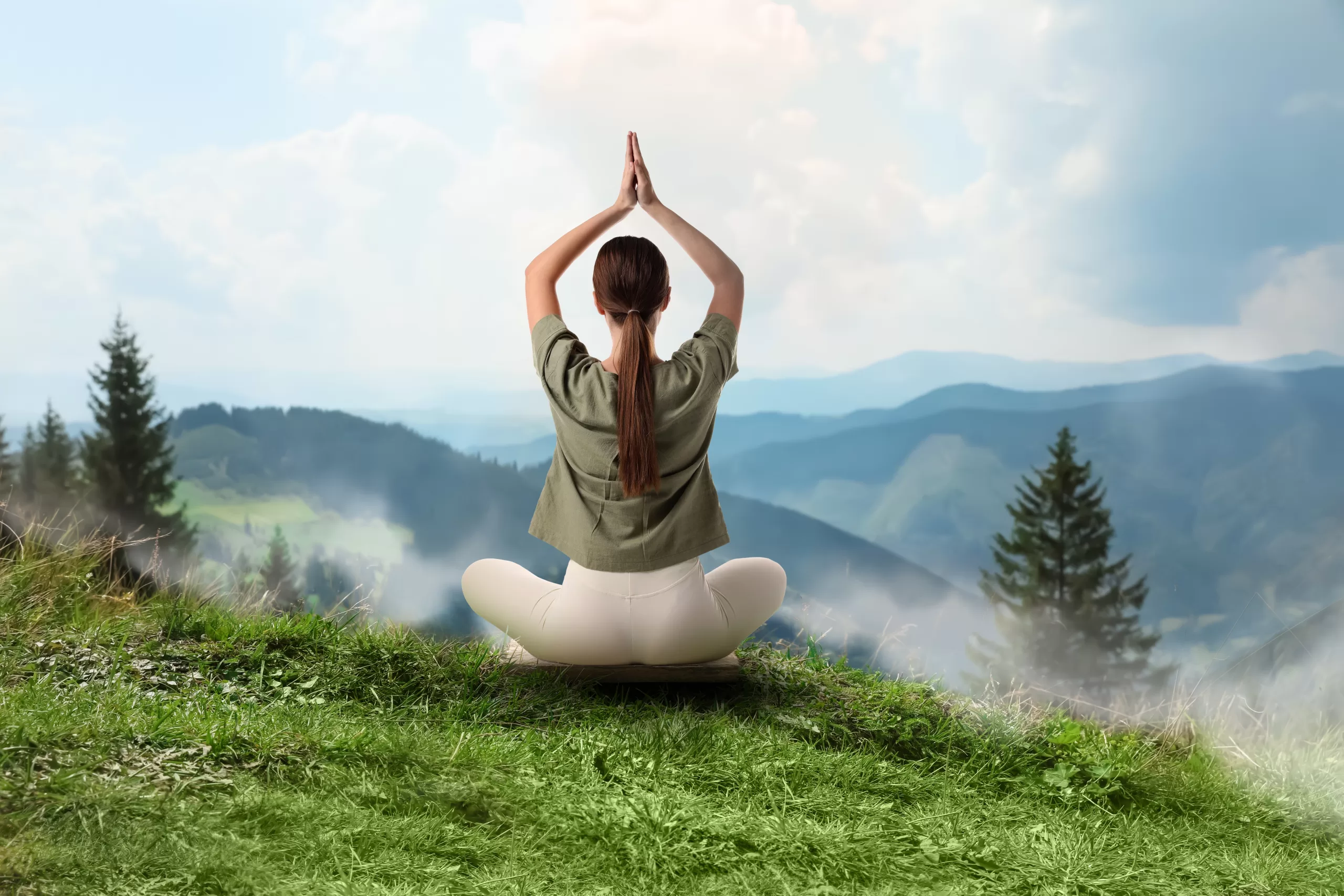
Stress and eating habits share a complex relationship. Stress depletes energy because the body uses up resources to handle the stressor. Consequently, the body seeks high-fat, high-sugar foods to replenish these depleted resources. With this energy boost, the body becomes more equipped to manage stress, and this results in a drop in cortisol levels. Yet, habitual reliance on these foods can evolve into comfort eating.

In this context, practicing yoga emerges as an alternative to disrupt this cycle and manage stress without resorting to comfort foods. Engaging in yoga reduces stress and cortisol levels, which lowers cravings for high-fat, high-sugar foods. We also become more relaxed, which leads to calmer emotions and less emotional volatility, and this, in turn, reduces the tendency for comfort eating. Additionally, reduced stress results in improved sleep, better digestive health, increased energy for physical activity, and heightened mindfulness, all of which contribute to diminishing the urge for emotional eating.

How Stress Triggers Emotional Eating

When stressed, the body releases cortisol as part of its ‘fight or flight’ response. This hormone acts as a natural alarm system which prepares us to either confront or flee from a threat.



Then the body reduces stress through various responses. One way is by releasing hormones like endorphins and serotonin, which counterbalance the effects of cortisol. Another way is by adjusting brain pathways in areas that play a role in controlling stress. Additionally, there seems to be a dietary response mechanism where, under stress, we consume more high-fat, high-sugar foods which in turn lowers cortisol levels. This connection between diet and cortisol levels has been demonstrated through research. One recent study, for instance, looked into whether eating foods high in fats and sugars could help reduce stress. In this study, 54 participants aged 18 to 49 were split into a high-sugar group and a control group, and each faced a stressful situation. Researchers then checked their saliva for cortisol to gauge their stress response. They found that those who ate more sugar had a less intense cortisol response, meaning that their cortisol increased less and peaked at lower levels. These findings suggest that high-calorie foods, especially sugary ones, might help dampen the body’s stress response.

This inclination to eat high-sugar foods under stress helps explain why we seek out these foods when feeling pressured or anxious. Over time, this behavior may turn into a habit where we consistently reach for sugary or fatty foods whenever we are stressed. As a result, emotional eating can become a common way to handle stress.

Practicing Yoga to Lower Stress: Insights from Research

There are various activities that help lower cortisol levels and mitigate stress response. Engaging in aerobic exercise, spending time in nature, pursuing creative arts, and socializing with friends or family are all effective in reducing stress. Yet, among the many options, yoga stands out as particularly beneficial, as shown by multiple research studies. One study, for example, involved a 3-month yoga and meditation retreat with 38 participants. After the yoga retreat, the participants not only reported reduced feelings of anxiety but also showed an improved cortisol awakening response (CAR). As CAR signals a more balanced stress response upon waking, this finding suggests that yoga and meditation have a positive impact on the body’s stress response system.

Another study followed 55 first-year medical students who were experiencing high stress levels due to academic pressure. They were divided into a yoga and a control group. The morning cortisol levels of both groups were measured at the beginning of the study. Then the yoga group was instructed to practice asanas for 1 hour a day over 12 weeks while the control group did not receive any specific instructions.

After the study, researchers used statistical analysis to measure morning cortisol levels. While the control group showed a slight increase in cortisol levels (3.4%), the yoga group experienced a significant drop (4.8%). This reduction was statistically significant, which makes it unlikely to be due to chance.

Another study focused on a specific type of yoga, laughter yoga where people pretend to laugh and do yoga breathing. In this study, researchers divided 35 participants into three groups: one engaged in laughter yoga, another did relaxing breathing exercises, and the last group didn’t do any special activity.  Following the sessions, all three groups underwent a stress test aimed at intensifying their stress levels. Their saliva levels of cortisol and alpha amylase, indicators of stress were also measured repeatedly.

Interestingly, the results showed a distinct pattern in the laughter yoga group. Only this group had lower cortisol levels after the stress test, which indicates they experienced a lesser stress response.

This is a significant finding, as it suggests that laughter yoga might have the ability to mitigate stress, in contrast to relaxation breathing or no activity. This points towards the potential of laughter yoga as a simple yet effective tool for managing stress.

Harnessing Postures, Breathing, and Meditation for Stress Relief

Yoga effectively combats stress through its three foundational practices: physical postures, controlled breathing, and meditation. Postures alleviate tension through stretching and promote relaxation through calming techniques. Controlled breathing activates respiratory receptors that signal to the brain to initiate relaxation and reduce stress response. Meditation, on the other hand, strengthens the prefrontal cortex, which is central to regulating the stress reactions.

Physical Postures

The physical postures in yoga, known broadly as asanas, play a key role in the process. They help lower stress levels by combining stretching and relaxation. The stretching component targets tension and tightness in the muscles and joints which are often a direct manifestation of stress. Furthermore, relaxation communicates to the nervous system that there are no immediate threats or stressors present. This triggers a reduction in the production of cortisol which reduces overall stress levels.

Vrksasana or the Tree Pose is a good example of this balance. The stretching aspect comes into play as you balance on one leg and place the other foot on the inner thigh or calf. This stretches the muscles in the standing leg and hip. The relaxation phase occurs when you release the pose, stand on both feet, and breathe deeply. This moment of grounding and stability signals the nervous system to enter a relaxed state, which aids in stress reduction.

Setu Bandhasana or the Bridge Pose, follows a similar pattern. While lying on your back and lifting your hips, you stretch the front body. This helps release tension in areas like the chest and thighs. Then, as you lower your hips back to the floor, this movement transitions you into relaxation. This gentle return to a resting position helps shift the body into a calmer state and reduces stress levels.

Controlled Breathing

Complementing the asanas, pranayama, or deep, controlled breathing, further enhances this relaxation process. When we practice it, this altered breathing pattern is recognized by specialized respiratory receptors which are sensitive to the rate and depth of our breaths. Once these receptors detect the slow, deep breaths typical of a relaxed state, they send signals to the brain to start the relaxation response. This involves activating the parasympathetic nervous system which acts to decrease heart rate and blood pressure and relax the muscles, leading to a state of relaxation.

Several breathing techniques effectively engage this natural mechanism for stress reduction. The 4-7-8 breathing technique is one such method. It involves inhaling quietly through the nose for four seconds, holding the breath for seven seconds, and exhaling forcefully through the mouth for eight seconds.

The effectiveness of this technique lies in the longer time spent on each phase compared to normal breathing. This extended duration helps stimulate the respiratory receptors more than usual.

Another method, alternate nostril breathing, involves alternating the flow of air through each nostril. You close one nostril while inhaling and then switch for the exhale.

With this method, the respiratory receptors are effectively activated due to their sensitivity to varied breathing patterns. These receptors are designed to detect changes in the rate and rhythm of breathing; so, when a pattern deviates from the norm, they become more alert and active.

A third technique worth mentioning is Bhramari Pranayama or Bee Breath. With this technique, you inhale through your nose and produce a humming sound like a bee while exhaling. Here, the effectiveness of activating the respiratory receptors comes from the vibrational humming sound. These receptors respond not only to the depth and rate of breathing but also to vibration. As the sensation of this vibration activates the receptors, this signals the brain to initiate relaxation response.

Meditation

Meditation, another core aspect of yoga, targets stress management by enhancing the function of the prefrontal cortex. This, in turn, improves its control over the body’s stress response.

The prefrontal cortex is a part of the brain responsible for high-level functions like rational thinking, decision-making, emotional regulation, and focus. Meditation, which mainly involves maintaining attention, enhances the brain’s focusing capabilities. Because all brain functions are interconnected, boosting focus improves other prefrontal cortex functions, including emotional regulation.

When the prefrontal cortex gets better at emotional regulation, it effectively moderates the amygdala’s responses, the brain’s primary center for emotional and stress reactions. When faced with situations that trigger an intense emotional response, a well-trained prefrontal cortex can send inhibitory signals to calm the amygdala down. This improved control leads to a more balanced and controlled emotional response to stress.

One practice that facilitates such brain training is mindfulness meditation. It achieves this by focusing on the present and observing immediate experiences without attachment to any of them. These experiences, such as your breath, bodily sensations, and thoughts, act as anchors to refocus attention on the present moment. This repeated refocusing improves the brain’s capacity for attention and concentration which in turn improves its ability to regulate emotions and respond to stress.

Focused attention meditation is another approach to enhancing brain function. This practice involves the focusing of attention on a single target, such as the breath, a sound, or a visual object. When attention drifts away, you consciously redirect focus back to the chosen object. This process strengthens the brain’s capacity for sustained attention, thereby improving its ability to manage stress responses. Moreover, singular concentration helps quiet the constant stream of thoughts and worries that often triggers stress and anxiety.

The Impact of Stress Reduction on Emotional Eating

When stress goes down and cortisol levels drop, our cravings for high-fat, high-sugar foods – the body’s mechanism to reduce cortisol – also diminish. With reduced cravings, we are less likely to turn to these foods for comfort. But there is more. With stress under control and a prevailing sense of calm, we experience milder emotions. This stability reduces the likelihood of mood swings and emotional volatility which often lead to comfort eating.

Furthermore, as stress levels drop, the quality of our sleep improves, and we enjoy deeper, more restorative rest. This improvement balances the hormones ghrelin and leptin, which regulate our appetite. Keeping appetite in check, in turn, reduces the likelihood of overeating in response to emotional triggers.

Stress reduction also leads to better digestive health. Under stress, we may experience gastrointestinal discomfort, which can be mistakenly interpreted as hunger. As stress diminishes and this discomfort subsides, we are left with only genuine hunger signals. This clarity ensures that we eat when we are truly hungry and not in response to misinterpreted physical cues.

Additionally, decreased stress results in increased energy levels. When stress is managed effectively, the body conserves energy that would otherwise be spent on maintaining a heightened state of alertness. With increased energy as a result of this conservation, we are more inclined to engage in physical activity. Regular exercise or participating in active hobbies can then serve as a distraction from the habits of emotional eating.

Also, as stress is reduced and the mind becomes less preoccupied with stressors, room is created for increased presence and awareness in each moment. This heightened mindfulness helps us to become more attuned to our body’s signals, including those related to hunger and fullness. We are better able to distinguish between physical hunger and emotional cravings and less likely to eat in response to emotions.

Lastly when stress diminishes, it frees up mental and emotional resources previously engaged in managing stressors. With these resources now at our disposal, we are more inclined to explore activities such as physical exercise, creative endeavors, or social engagements. These activities enrich our lives and provide the fulfillment and satisfaction previously sought through emotional eating.

Wrapping Up

Exploring the link between stress and our eating patterns reveals a clear path forward through the practice of yoga. By engaging in yoga’s three elements – physical movements, breathing, and focused meditation – we activate a natural counterbalance to stress. As yoga reduces cortisol, which often causes cravings for high-fat, high-sugar foods, the urge for such foods declines. Simultaneously, it leads to fewer emotional fluctuations which often compel us to seek solace in eating.

In 2023, yoga retreats continue to resonate as sanctuaries of holistic wellness where tranquility, rejuvenation, and personal growth flourish in abundance. These serene getaways, often nestled in beautiful locales, serve as portals to a world of mindfulness, healthful living, and personal transformation. 

Amid these transformative experiences, the role of a serene shelter is indeed paramount. Thus, the accommodations at these retreats provide not just comfort and privacy but also the much-needed personal space for reflection, rest, and rejuvenation.

As guests delve deeper into their transformative journey, the culinary aspect takes center stage. The dining options in these settings present a delightful play of flavors, textures, and nutritional value. This fusion of taste and health nourishes both body and soul, mirroring the overall emphasis on wellbeing. 

Beyond hospitality and cuisine, retreats feature a mosaic of activities that captivate, delight, and enlighten. Be it swaying to the beat of indigenous dances or surrendering to the thrill of outdoor activities, monotony is a stranger here. This cultural immersion and adventurous exploration are facets of retreats that seek to broaden the horizons of the participants.

Not to forget, after the flurry of excitement and exploration, retreats serve as gateways to tranquility and self-care. An array of therapeutic treatments awaits guests, aimed at restoring balance, alleviating discomfort, and rejuvenating the body. The holistic offerings range from soothing massages to specialized therapies, all set in an ambient atmosphere that is enhanced by the scents of essential oils and warmth.

Going beyond simple treatments and activities, wellness retreats offer a more comprehensive and encompassing approach to health. They don’t just nurture the body but also cater to the well-being of the mind and spirit. Immersive programs guide guests through a variety of wellness activities, from yoga and meditation to creative workshops and nature exploration, which foster a balanced journey towards self-discovery and personal growth. 

By engaging guests in a variety of mindful activities, retreats create an environment that encourages reflection, introspection, and connection, helping guests to cultivate mindfulness and a deeper sense of inner peace. By also nurturing the symbiotic relationship between physical health and mental serenity, retreats offer an integrated approach to holistic wellness, emphasizing the interconnectedness of all facets of wellbeing.

Anamaya, Costa Rica: Ocean Panoramas and Wellness

Nestled within the captivating coastal town of Montezuma, Costa Rica, Anamaya presents itself as a charming health resort and retreat center. Set amidst lush jungle surroundings, the center offers a panoramic view of the ocean, creating an atmosphere of peace and tranquility. 

Embracing the serenity of its location, Anamaya focuses on fostering well-being and personal growth. The center provides an array of engaging workshops, relaxing spa services, organic meals, and excursions that reveal the beauty of Costa Rica’s heart.

Tranquil Accommodations at Amaya 

Carefully crafted with a commitment to environmental preservation, the private cabins at Anamaya feature locally crafted furnishings, organic fabrics, and non-toxic materials. This thoughtful design creates a tastefully crafted living space that blends with the natural surroundings.

Sunset to Supper: A Flavorful Dining Journey

Guests at Anamaya can look forward to a delightful culinary experience at the in-house restaurant of the resort, where a welcoming ambience awaits. The restaurant excels in crafting wholesome, flavorful meals inspired by the creative minds of chefs, staff, and guests. 

The rotating menu offers diverse breakfasts, lunches, and dinners, catering to dietary preferences such as vegetarian, vegan, and gluten-free. The meals also incorporate superfoods like broccoli, spinach, sweet potatoes, and avocados, known for their nutritional richness. The ingredients used are predominantly organic and locally sourced, with many being procured from the resort’s own farm and neighboring organic farms.

Cultural and Adventurous Experiences

Immersed in the vibrant culture of Costa Rica, Anamaya presents a myriad of engaging activities for its guests. The experiences start with rhythm and flavor as guests immerse themselves in an oceanfront salsa class or learn to cook traditional Costa Rican meals with a unique Anamaya twist.

Beyond the cultural experiences, a world of activities awaits. Guests can embark on a boat tour to Tortuga Island, featuring a snorkeling excursion and a leisurely time soaking in the sun. Additionally, retreat goers can join a sunset beach trip to Santa Teresa, which also includes a tour of Anamaya’s organic farm. This beach excursion is a guest favorite and provides a captivating end to a day full of exploration.

Adventurous souls can explore the surrounding wilderness with a thrilling zipline canopy tour, situated in close proximity to Anamaya. This high-flying adventure showcases the jungle and its inhabitants from a unique perspective and includes a refreshing stop at the upper Montezuma waterfall pools.

Healing SPA Treatments

After a day filled with exhilarating activities, guests can unwind through a wide array of therapeutic treatments designed to restore balance and rejuvenate the body. The diverse offerings include focused therapeutic massages to address injuries and discomfort and deep tissue massages for muscle strain and distress. The spa also offers relaxing massages to ease tension and promote circulation and eastern massages that target stress relief and facial radiance. Further, Anamaya presents specialized methods like Shiatsu, a pressure-intensive therapy for releasing tension and discomfort, and Chi Nei Tsang, an age-old abdominal massage technique for detoxification and enhancing organ performance. With all massages, a harmony of essential oils, warm towels, and versatile techniques converge to foster a healing atmosphere and ensure guests depart feeling enlivened.

Tailored Retreats for Mindful Relaxation

Anamaya offers exclusive private retreats designed to provide a holistic experience. Each day of the retreat is thoughtfully curated, beginning with a morning ritual of gentle movement and meditation that awakens the senses. This peaceful start to the day is complemented by breakfast rich in local produce. As the day unfolds, retreat guests can partake in strength practices and invigorating dance, carefully crafted to enhance strength and stimulate mental agility. 

The afternoons during the retreat offer a flexible, personal space for relaxation and self-exploration. Retreat-goers have the liberty to spend these hours as they wish – they could meander to the nearby beach, enjoy a siesta in a hammock amidst the rustling trees, delve into a long-postponed book, engage in conversations with fellow guests, or pen down thoughts in their journal.

Evenings at the retreat are marked by a sense of closure, introspection, and a dedicated focus on yoga. To ease into the tranquility of the night, guests are offered a session of gentle yoga, designed to unwind the body and mind. This mindful practice serves as the perfect transition into the evening, leading up to a communal dinner where the flavors of Costa Rican cuisine can be savored in good company. 

COMO Shambhala Estate: Holistic Wellness in Bali

Nestled on the Ayung riverbank, near Ubud, Bali’s cultural heart, you’ll find the renowned COMO Shambhala Estate. Reflecting COMO Shambhala’s philosophy, the estate offers a comprehensive approach to holistic wellbeing, inviting guests on a transformative journey. It combines nourishing cuisine, cutting-edge wellness facilities, and a team of knowledgeable guides and fitness experts to provide a truly immersive and rejuvenating experience.

Accommodation: Blending Contemporary Chic and Balinese Tradition

Designed by acclaimed architects Koichiro Ikebuchi and Cheong Yew Kuan, the accommodations merge contemporary sophistication and traditional Balinese aesthetics. Elements such as traditional alang-alang roofing and locally sourced wood and stone are elegantly incorporated, paying homage to the elemental forces. Moreover, the suites, villas, and residences are strategically situated amidst lush greenery, offering guests an immersive experience in nature. 

The estate’s garden rooms, integrated into dwellings that harmonize with nature, provide an inviting accommodation option for guests. Equipped with queen or king-size beds, these rooms allow access to shared facilities such as the dining spaces, relaxation lounge, and swimming pool. 

The terrace suites come with the added luxury of personal outdoor spaces, including a garden or scenic terrace. In the pool villas, modern aesthetics blends with Balinese architecture, an experience complemented by the vistas of the adjacent forest. 

Dining: A Journey of Taste and Wellness

Dining at COMO Shambhala is as enjoyable as the accommodations. The retreat provides visitors with an engaging exploration of Indonesian cuisine, along with the balanced, yet refined offerings of the COMO Shambhala Cuisine.

Set in an ex-Javanese home, Kudus House offers guests a scenic setting to experience the varied tastes and spices from across Indonesia. With service during breakfast and dinner, this restaurant delivers a close-knit and culturally immersive dining experience.

Alternatively, Glow provides meals all day long, emphasizing the health-conscious COMO Shambhala Cuisine. The menu includes dishes that are simple, nourishing, and full of flavor, like nutrient-dense blends, juices, and salads. Guests can expect to find choices like their daily special of gluten-free or wholegrain pasta, the indulgent Grilled Stockyard gold beef sirloin, or wok-fried fresh egg noodles teeming with a variety of ocean delights. These selections reflect Glow’s focus on offering tasty and health-friendly meals. 

Wellness Programs: A Tailored Journey toward Renewal

Beyond the realm of exquisite dining, COMO Shambhala promises a holistic experience tailored to each guest’s unique needs and preferences. The emphasis extends beyond mere relaxation and revitalization to embrace a comprehensive approach that includes numerous health goals.

Each journey begins with an initial assessment by a seasoned wellness practitioner. The result is an individualized plan that outlines a wholesome eating schedule, wellness activities, and therapy treatments. 

Following this thorough assessment, guests are invited to partake in a myriad of activities like meditation, yoga, and Pilates. For those seeking physical rejuvenation, massage and wellness treatments await, all administered by skilled therapists. 

As part of the program, guests will enjoy serene accommodations accompanied by nourishing meals. The thoughtful inclusion of a dedicated personal assistant enhances the overall wellness journey, providing a seamless and immersive experience throughout the stay.

Activities: Enhanced Wellbeing through Local Culture and Nature

Building upon the wellness program, COMO Shambhala Estate presents an array of activities that contribute to a holistic sense of wellbeing. These carefully curated experiences capture the essence of the retreat, incorporating elements of the local culture and the beautiful natural surroundings. 

One standout offering is the COMO Shambhala Serenity Ritual, an immersive journey featuring a flower bath, massage tailored to the retreat’s philosophy, and a foot bath. As a perfect finale, guests are treated to an afternoon tea in the tranquil setting of a dedicated pavilion. 

Guests can also join the Water Purification Ceremony at the Tirta Empul water temple. By participating in this ritual, they can tap into the ancient wisdom and sacred energy that resonate throughout the site.

Beyond spiritual experiences, there is a world of adventure, culture, and cuisine that awaits exploration. Just a short distance from the peaceful estate, a journey unfolds down the Ayung River. Here, surrounded by the lush greenery, guests are invited to participate in an adventure of white-water rafting. The magnificent vistas, the rush of the wild waters, and the thrill of navigating the tumultuous rapids all contribute to a unique experience. 

The peaceful journey along the Tjampuhan Ridge offers a welcome contrast to the invigorating Ayung River. Starting from the historically significant Gunung Lebah temple, this pathway leads guests toward the heart of Ubud’s origins. It is at the confluence of the Wos rivers where the birthplace of the town lies. As guests experience this spot, they connect with Ubud’s rich historical narrative, thereby deepening their understanding and appreciation of this remarkable location.

The Rice Field Walk also offers a unique and different kind of learning experience. Wandering through rice fields, guests are provided with insights into the importance of these agricultural practices for Balinese life. Concluding this immersive journey into Balinese life is the Ubud Essential Tour. Here, guests are invited to browse through bustling shops, visit ancient temples, explore art galleries, and enjoy Ubud’s rice terraces. 

After these enriching experiences, a return to the estate promises a unique gastronomic adventure. Within the confines of the main kitchen, guests have the opportunity to craft their own menu, guided by the estate’s master chefs. Whether their preference lies in exploring the nourishing Shambala cuisine or creating a traditional Indonesian delicacy, the choice is entirely theirs. After the culinary journey, guests can enjoy their creations in the cozy and inviting atmosphere of Glow.

Ashiyana, Goa, India: A Tranquil Retreat Amidst the Vibrant Tropics

Amidst the tropical biodiversity of North Goa’s pristine Mandrem Beach, Ashiyana emerges as a serene retreat and a second home for those in search of solace and rejuvenation. Crafted as a sanctuary of tranquility, Ashiyana subtly persuades visitors to retreat from the hum of digital life and find inner harmony through yoga. Through the art of this timeless practice, Ashiyana invites guests to embark on a soulful exploration and cultivate a sense of inner belonging that is universal and enduring. 

Accommodation: Luxury, Simplicity, and Indigenous Charm

Setting our sights on accommodation, Ashiyana presents a variety of options, each uniquely crafted to create an aura of tranquility. With its walls in soothing shades of blue, the Jodhpur room stands as an icon of serenity. This tranquil place is furnished with plush comforts and adorned with antiques, creating an atmosphere of timeless elegance. For those seeking a more opulent experience, the Shahi Suite offers unparalleled luxury. The suite’s sprawling living area, decorated with Rajasthani finery, along with an exquisite balcony view, ensures a majestic experience.

Adding to the assortment of accommodations are the Eco Lodges, designed with an Indonesian-inspired aesthetic. With views of the palm grove, extensive use of wood, and Moroccan-inspired bathrooms, these lodges possess a distinctive allure. Further, Ashiyana’s range of Palm Grove rooms offer simple luxury amidst serene surroundings. With ensuite bathrooms, mosquito nets, and fans, these rooms ensure a comfortable and soothing retreat amid nature’s serenity.

Dining: A Multicultural Gastronomic Adventure

As well as tranquil accommodations, Ashiyana presents a dining experience that blends flavors from around the world, ensuring a memorable gastronomic expedition. Helmed by acclaimed chefs Tek and Rathi, the Ashiyana Goa restaurant serves dishes that marry the robust flavors of Indian, Nepalese, and Thai cuisines with the subtleties of western gastronomy. The restaurant serves two exquisite meals daily – a post-yoga brunch to replenish energy and a sumptuous dinner.

The buffet menu mostly features vegetarian selections, brimming with seasonally sourced vegetables and fruit. Twice a week, seafood specialties are incorporated into the spread. Every meal is thoughtfully curated to cater to a wide range of palates and dietary requirements, prioritizing balanced nutrition. 

The dining environment further enriches the experience as guests, therapists, instructors, and staff convene as a family. The expansive dining table acts as a convivial space for discussions and forming new bonds.

Throughout the day, guests are welcome to help themselves to an array of refreshments, including herbal teas, hot ginger lemon, masala chai, and triple-filtered drinking water. 

Mindful Engagements and Soothing Treatments

In the realm of activities, Ashiyana offers a variety of pursuits which promote holistic wellness and introspection. The assortment ranges from Satsang, yoga Nitra, chanting, and guided meditations to Qi Gong, ensuring a mix of dynamic and restorative experiences throughout the week. Within the tranquil premises of Ashiyana Spa, guests can indulge in personalized yoga sessions, massages, and other wellness treatments. With a focus on signature lifestyle coaching and Ayurvedic practices, the spa ensures a holistic approach to well-being.

Holistic Wellness Journeys and Detox Programs 

Moving further into the Ashiyana experience, guests are presented with ample opportunities to customize their wellness journey. They can choose to partake in open classes, delve into personalized yoga therapy, or enroll in the distinctive Holistic Elixir Program. This integrated program blends pranayama, meditation, massage, and yoga therapy, creating an ideal balance for optimal wellness. The program commences with a thorough evaluation of the guest’s emotional, mental, and physical health. Drawing from this assessment, the therapist tailors a wellness program that incorporates holistic practices and lifestyle alterations to enhance each guest’s overall well-being.

As guests continue their wellness journey, they encounter the distinctive Panchakarma – Virechana detoxification program. A harmonious blend of age-old Ayurvedic methodologies and other therapeutic techniques, Virechana is renowned for its methodical purging process. This therapy meticulously cleanses the gastrointestinal tract and dispels entrenched toxins, helping to revitalize metabolism, enhance digestive efficiency, and instill a newfound zest.

As part of the therapeutic regimen, guests are invited to experience an introductory session on the foundational principles of Ayurveda, along with a one-on-one consultation with an Ayurvedic doctor. The wellness journey is further enriched by immersive therapeutic experiences, including sessions of Abhyanga, classic massage, and Ayur Balance massage. 

The Farm at San Benito, Philippines: Embracing Holistic Wellness Amidst Nature

Situated in the charming environs of Lipa, Batangas, The Farm at San Benito captivates with its fusion of refined elegance and untouched natural beauty. This tranquil sanctuary, merely a 90-minute commute from Manila, is spread across 52 hectares of fertile terrain. A glance over the panoramic landscape reveals majestic mountain peaks, offering guests a rejuvenating escape and connection to the bountiful surroundings.

Cocooned in nature’s embrace, guests immerse themselves in a serene sanctuary, where personalized care, nourishing meals, and rejuvenating retreats combine to create a transformative journey towards wellbeing. 

Luxurious Living in Tropical Elegance 

The Farm at San Benito offers an eclectic mix of lodgings that combine contemporary tropical aesthetics with a hint of tradition.

A marvel of design, the Palmera Suites feature towering 12-foot-high ceilings and generous semi-private gardens and lanais. The suites are thoughtfully created to encompass both indoor baths and alfresco showers, further solidifying the guests’ connection to nature. 

A step further into nature’s embrace, the Bamboo villas provide a view of verdant forests that melt into the horizon. Each of these villas is thoughtfully equipped with a cozy living area, a breakfast nook, and a capacious lanai. These comfortable furnishings create a relaxing and serene atmosphere that is conducive to reflection, relaxation, and revitalization. The villas are also furnished with spacious walk-in closets and indulgent bath facilities, both indoor and open-air, enhancing the guests’ daily routines with a touch of luxury. 

For those seeking a premium experience, the Lakan sets the gold standard in lavishness. This esteemed accommodation hosts two spacious bedrooms, each equipped with an ensuite bathroom. The central living area offers a space for relaxation while the enclosed gardens, adorned with koi ponds, provide a serene oasis. Further enhancing the luxury, the Lakan is furnished with dedicated quarters for housekeeping staff, a bar area, and a handy kitchenette. A private swimming pool completes this opulent offering, creating an ultimate sanctuary of comfort and privacy. 

Dining Experience with a Wellness Focus 

Dining at The Farm at San Benito is an exceptional experience that blends taste with health, underpinned by a farm-to-table philosophy. The wellness cuisine emphasizes organic, locally grown foods, each dish reflecting a commitment to nourishment and sustainability.

ALIVE!, the retreat’s vegan restaurant, serves living foods cuisine abundant in key enzymes and phytonutrients that support overall health and contribute to the body’s resilience. Every dish is created using fresh produce harvested from the retreat’s own gardens. 

Drawing inspiration from the wisdom of Ayurveda, their vegetarian restaurant PRANA showcases Indian cuisine infused with aromatic spices and herbs. Each dish pays homage to a heritage of flavors and traditions, providing a delightful and nourishing experience.

PESCE, their pescetarian restaurant, embraces the essence of the Mediterranean Blue Zone diet. The menu at PESCE comprises organic living foods like fish, vegetables and fruit, and whole grains. This balanced mix creates protein-rich meals that support health and longevity. 

Treatments: A Blend of Tradition and Innovation

An integral part of The Farm’s wellness experience is their Healing Sanctuary Spa. As a resort committed to holistic approaches, their spa draws inspiration from the time-honored healing traditions of the Philippines. This distinctive approach blends with the use of eco-friendly elements, including a variety of medicinal herbs, 100% virgin coconut oil, and therapeutic-grade essential oils. These components work together to enrich the healing process and provide a rejuvenating experience for guests.  

Adding to the holistic experience, the Acqua Hydrotherapy Sanctuary further elevates the concept of optimum health. The sanctuary exemplifies a fusion between evidence-informed treatments and the power of scientific knowledge. Building upon this foundation, guests are invited to participate in a comprehensive multi-step hydrotherapy program designed to promote overall well being. This unique approach goes beyond traditional treatments to achieve holistic wellness that rejuvenates the self. 

Retreats for an Immersive Wellness Journey 

Yoga and Raw Food Retreat: A Journey toward Holistic Wellness

With a welcoming approach that caters to both seasoned yogis and beginners, the yoga and raw food retreat guides individuals at every stage of their mindfulness path. 

Here each day begins with invigorating yoga and meditation designed to balance the body and mind. The journey continues at the dining table, where guests are introduced to the nourishing world of vegan cuisine. Furthermore, a unique workshop on vegan food preparation gives participants the opportunity to explore and understand the intricacies of plant-based cooking.

Alongside these experiences, visitors benefit from nutritional assessments, fitness evaluations, and holistic health consultations. Delving deeper into health, a cellular screening provides microscopic insights into one’s well-being while a therapeutic session of myotherapy rounds off these comprehensive offerings.

Beyond the realm of healing treatments, the retreat invites guests to partake in a variety of wellness activities. These offerings include serene nature strolls, functional fitness sessions, sound healing, mandala flower meditation, and organic farm tours.

Menopause Retreat: Empowering with through Holistic Wellness

The essence of this retreat lies in its masterful approach to the complexities of menopause. Their team employs a careful analysis of the needs of each woman while providing an assortment of treatments to bolster guests at each juncture. 

Embarking on the retreat, participants are greeted with a holistic health consultation guided by an integrative doctor. This comprehensive analysis utilizes a personalized assessment of symptoms and systems to uncover discord among the spiritual, psycho-emotional, and physical dimensions.

A nutritional consultation then follows, which consists of an evaluation of the guest’s lifestyle background and dietary habits. This information allows the nutritionist to devise a meal blueprint tailored to the guest’s dietary requirements. Retreat-goers also receive guidance and support to ensure that the meal plan accommodates their lifestyle.

A cellular health screening is also conducted to offer guests a glimpse into health-consciousness. The screening utilizes a dark field microscope to analyze live blood cells and uncover toxins and nutritional imbalances. It also identifies signs of homeostasis disruptions, oxidative load, and heightened immune activity.

A cutting-edge diagnostic tool further aids in gauging the levels of minerals, vitamins, and heavy metals. This assessment helps identify potential causes of illness such as deficiencies in essential vitamins, imbalances in mineral levels, and heavy metal toxicity.

Lastly, the retreat places a special emphasis on detoxification with treatments like kidney cleansing and liver compress. The kidney cleansing procedure uses selected botanicals to eliminate harmful toxins and reduce the load on the kidneys. The liver compress employs healing herbs such as bitter ground and yarrow to rejuvenate this vital organ. It is particularly beneficial for those dealing with high levels of stress or taking multiple medications.

Tia Wellness Resort, Vietnam: Unwind and Rejuvenate at a Tranquil Wellness Sanctuary

Nestled on a stretch of beach in Da Nang, the Tia Wellness Resort is a sanctuary for guests seeking a holistic wellness experience. The resort boasts private pool villas that radiate grace, carefully curated meals, and individualized spa services and yoga sessions. Guests are offered the opportunity to enhance their dietary choices, harness the power of breath for inner equilibrium, and master yoga movements for efficient stress management. A sojourn at the resort promises a rejuvenating return home. 

Accommodation: Pool Villas for Comfort and Relaxation

Accommodation at the Tia Wellness Resort is nothing short of luxurious. Their one-bedroom pool villa is a perfect blend of style and comfort. The villa is composed of a bedroom, modern open-plan living room, and bathroom, all connected to a private garden courtyard featuring a swimming pool. Guests can enjoy an array of amenities, including high-quality bath products, a wellness mini bar replenished daily, an extra-large bathtub paired with a double vanity, and a rain shower. 

The two-bedroom pool villa presents an even more spacious setting, making it ideal for families or larger groups. It includes two bedrooms, a bar, and an open-plan living room connected to a garden complete with a swimming pool. The amenities in this villa mirror those in the one-bedroom variant, offering guests an enhanced level of comfort and luxury.

Dining: A Blend of Wellness and Flavorful Creations

Dining at the Tia Wellness Resort is an experience rooted in health and wellness. Their culinary philosophy, aptly named “Eat Light, Feel Bright,” steers guests towards dietary selections that promote holistic wellness. To further facilitate this, the resort uses a unique scale, where dishes that score five points or less are categorized as light. This innovative approach motivates guests to integrate healthier eating habits into their lifestyle.

The resort’s flagship restaurant, The Dining Room, is a visually engaging locale where the interplay of light and dark incites sensory delight. Furthermore, the restaurant offers an eclectic mix of dining experiences, from contemporary a la carte selections to tasting platters infused with local flavors. The restaurant’s open kitchen allows guests to witness firsthand the artistry involved in the preparation of each culinary masterpiece.

Positioned between the resort’s pool and the expanse of the ocean, The Ocean Bistro offers guests a more casual dining experience. It tempts guests with an array of uncomplicated meals, from crisp salads and light bites to fresh seafood. Guests can savor their chosen dishes within the bistro’s cozy ambiance or opt for a more laid-back dining in the serene surroundings of the resort.

Transforming as the sun moves across the sky, the Art Lounge is a dynamic and lively venue within the resort. During daylight hours, it serves as a café where guests can try dense superfood snacks, rejuvenating lattes, and Vietnamese coffees. As twilight approaches, the lounge morphs into a cozy bar where guests can unwind with a selection of beverages infused with local flavors.

Signature dishes at these restaurants include the Pork Belly Clay Pot, a traditional dish with rich flavors; the Chicken Coconut Curry, a perfect blend of creamy and spicy; and the Lemongrass Beef, offering a burst of lemongrass aroma with every bite.

Spa Treatments for Relaxation and Restoration

At the Tia Wellness Resort, an extensive array of wellness treatments awaits guests in an ambiance of relaxation and revitalization. Traditional spa therapies and aesthetic services combine with innovative wellness practices, including a blend of acupressure, aromatherapy, and Reiki. 

One more traditional treatment is the Bamboo Roll-Out where guests experience the application of warmed Vietnamese bamboo. It is skillfully rolled to stimulate the blood flow and invigorate the deeper tissues, particularly in the leg and back regions. In the Lymphatic Detox therapy, guests are treated to light, rhythmic strokes concentrated around the lymph nodes. This aids lymph movement and stimulates the body’s inherent cleaning mechanisms, with specific attention to the facial, abdomen, and leg areas. 

Drawing inspiration from the art of Thai massage, Stretch and Release involves careful stretching to enhance joint mobility, harmonize the energy flow, and promote optimal circulation. Narrowing its focus to the feet, the Crystal Wand Foot Reflexology therapy deploys the healing power of acupressure and crystals to foster inner equilibrium. 

Also adding to the repertoire of unique offerings, the Himalayan Heart Stone therapy introduces guests to an immersive, calming experience. Using warm salt stones, this full-body massage melts away tension and invites deep relaxation. The stones, hewn from Himalayan salt, are packed with beneficial minerals that not only promote skin wellness but nurture a sense of overall harmony.

Harnessing the healing power of touch, the Warm Body Flow therapy is a holistic full-body massage. This targeted treatment alleviates muscle tightness, deepens breathwork, and encourages the heart to open up to a sense of tranquil submission. With a careful composition of various elements, this treatment stands as a well-crafted journey towards tranquility and revitalization.

Retreat Inclusive Program: Wellness, Creativity, and Personal Growth

The Tia Retreat Inclusive program invites participants on a four-day journey where every moment is an opportunity for self-discovery, wellness, and personal growth. Each day of the program is aptly woven with activities and experiences that celebrate both the energy of life and the tranquility of relaxation. 

Each morning begins with a yoga flow that is not your regular stretching routine. Drawing from the Vinyasa and Hatha traditions, this practice strengthens the body, enhances flexibility, and invigorates energy levels. As participants breathe and move with the morning sun, they set a vibrant tone for the activities that lay ahead. 

After this invigorating start, participants are welcomed to a leisurely breakfast. This meal isn’t just about satisfying hunger but is a time to reflect and appreciate the morning’s yoga session. 

Next in the day’s journey is a masterclass centered around breathwork. This isn’t just about breathing in and out. It is an intentional, heart-driven exercise that allows participants to decelerate, reconnect with their core, and cultivate inner peace. It’s like finding a quiet corner within one’s mind where the heart reigns supreme, away from the usual clutter of thoughts.

By the time lunch hour arrives, a spread of plant-based delicacies is laid out. The meals are not only delicious but thoughtfully curated to resonate with the retreat’s ethos of holistic wellbeing.

The afternoon unspools into a creative workshop where participants engage with a palette of hues and textures. They immerse themselves in pursuits such as painting, drawing, and the creation of collages. This artistic exploration is less about the resulting artwork and more about cultivating profound self-understanding and embracing an authentic essence. 

As the sky paints itself with the colors of dusk, participants are introduced to lifestyle Tai Chi. Drawing from the wellspring of Qigong and Shibashi Tai Chi, this practice involves 18 easily replicable movements that participants can carry back home. Each movement, performed in sync with breathwork, helps bring about deep relaxation, readying participants for the evening’s tranquility.

The day comes to a close with a hearty plant-based dinner, followed by a retreat therapy session. It’s a time to reflect on the day’s journey and prepare for the fresh experiences that the next day brings.

Wrapping Up 

In a world filled with busyness and constant digital presence, escaping to a wellness retreat provides a much-needed break. Combining the tranquil elegance of accommodations, the mindful practice of dining, revitalizing treatments, and wellness programs with a holistic focus, retreats create a sanctuary for the weary soul and a transformative journey towards wellbeing. 

In the refuge of these retreats, guests find solace in accommodations designed to facilitate their transformative journey. Each element, from the architectural design to the interior decor, is carefully crafted to encourage tranquility, introspection, and connection with the natural world. 

At wellness retreats, the culinary journey also plays a transformative role in the guests’ experience. By combining delicious flavors with wholesome ingredients, these retreats offer guests the opportunity to enjoy great food while boosting their health and energy. 

Furthermore, these retreats offer guests a blend of traditional and innovative treatments. Combining various healing traditions and the power of nature, these therapeutic offerings promote holistic wellness and enrich the healing process for guests.

While the physical aspect of wellness is vital, retreats go beyond that by nurturing the mind and spirit as well. The comprehensive programs they offer include a variety of activities, including yoga, meditation, and creative outlets, all designed to foster personal growth and self-awareness. By engaging in these holistic practices, guests are able to nurture their mind, body, and spirit, leading to a deeper sense of wellbeing and self-discovery.

Our Summer Flash Sale is On!

Get the discount code below:

Wellness & Yoga Women’s Retreats Near Knoxville,TN and the Smoky Mountains: A Founder’s Insight Guide

If you have been searching for a wellness retreat near Knoxville or anywhere in the Smoky Mountains, you have already done the most important part of the work, which is recognizing that your body needs something more than a weekend off. This guide covers what makes the Knoxville and Smoky Mountain region one of the strongest wellness retreat destinations in the country, what separates a properly built midlife retreat from a softer weekend getaway, the geography that does half the healing work before you ever unroll a mat, and the full picture of what we built at The House of Rose for women in perimenopause, menopause, and post-menopause.

I am Terry Tateossian, founder of THOR. I built our retreat property in the Smoky Mountains specifically because I went through early-onset menopause at 41, lost 80 pounds in midlife, ran a global creative agency, raised two children, and could not find a single retreat in the United States that was actually built for the body I was in. The retreat I built is the one I wish had existed for me a decade ago.

This article is the founder’s honest guide. Read it as a comparison framework for any retreat you are considering, even if you decide THOR is not the right fit. The criteria below apply universally.

1. Why Knoxville and the Smoky Mountains Became a Top Wellness Retreat Destination

Womens Yoga Wellness Retreat Knoxville TN

Five years ago, if you searched for a wellness retreat near Knoxville, the results were sparse. The state was not on the wellness map. That has shifted, and the shift has happened for specific reasons that matter if you are choosing a retreat for the first time.

The first reason is geography.

The Smoky Mountains in the eastern part of Tennessee are the oldest mountain range in North America, with one of the densest forest canopies in the world. Published research on time spent in dense forest shows real biological effects on cortisol, autonomic nervous system balance, immune function, and sleep architecture. The Cherokee called this region the place of the blue smoke for the mist that rises from the trees in the mornings. For a body that has been operating in chronic sympathetic activation, the forest itself becomes part of the medicine.

The second reason is accessibility.

Knoxville (airport code TYS) sits within a 90-minute flight of roughly 70 percent of the United States population. You can land at TYS from most major cities without a connection, which matters when you are trying to do a five-day restorative reset without losing a full day at each end to travel.

The third reason is cost.

A five-night all-inclusive wellness retreat in East Tennessee typically runs about half of what an equivalent stay would cost in California or Sedona, with comparable or better food, slower service, and zero international travel risk.

The fourth reason is one of the most underrated advantages of the region.

East Tennessee is one of the few places in the United States where you can put a retreat in actual wilderness and still have a working hospital, ER, and pharmacy within 25 minutes. For women in their forties, fifties, and sixties, this is not a small consideration. Most of us have something going on, whether it is blood pressure, thyroid, autoimmune flare-ups, or perimenopause symptoms that can show up unexpectedly on day three of a trip. The wilderness-meets-infrastructure setup of the Knoxville region is a quiet selling point that almost no other retreat destination offers.

Smoky Mountains Women's Yoga Retreats in East Tennessee - Yoga, Pilates, Health, Fitness
Smoky Mountains Women’s Yoga Retreats in East Tennessee – Yoga, Pilates, Health, Fitness

2. What Makes a Wellness Retreat Near Knoxville Actually Worth the Trip

The Knoxville and Smoky Mountain region has a wide range of properties marketing themselves as wellness retreats. The differences between them are large, and the wrong choice can leave a midlife woman more depleted than when she arrived. Here is the comparison framework I use both as a founder and as a coach.

A properly built midlife wellness retreat should hit most or all of the following criteria. Use this as a checklist for any retreat you are considering, including ours.

Criteria

What to Look For

What to Avoid

Group size

Capped at 12 women per session

Open enrollment or groups of 20+

Food

30 to 40 grams of protein per meal, real vegetables, slow carbohydrates, healthy fats

Juice cleanses, smoothie bowls as main meals, intermittent fasting protocols, low-protein menus

Yoga style

Restorative and yin yoga as the foundation, with optional stronger sessions

Hot vinyasa or power yoga as the primary practice

Schedule

Flexible afternoon sessions, built-in rest time, optional rather than mandatory attendance

Back-to-back demanding sessions with no breaks

Recovery modalities

Massage, fascia work, lymphatic drainage, sauna, red light, cold water included or accessible

Recovery work sold only as expensive add-ons

Founder presence

Founder lives in the work and is on the property

Founder unreachable, never on site, or unnamed

Integration support

Post-retreat coaching access and a home practice you can keep

Drop-off at the airport with no follow-up

Published schedule

Day-by-day schedule available before you book

Vague marketing copy with no operational detail

Maximum group size disclosed

Yes, publicly

No cap published

Founder credentials

Named, with relevant certifications and lived experience

Anonymous or generic “expert team” framing


Insight from Terry Tateossian, founder of The House of Rose: “I built the criteria in that checklist after spending years comparing what worked for the women in my coaching practice against what most retreats actually deliver. The gap is wider than most people realize. A retreat marketed as ‘wellness’ can still be built for a 28-year-old yoga teacher’s body, and a midlife woman will pay full price to leave more depleted than she arrived. The single highest predictor of whether a retreat will work for a midlife body is whether the founder has lived inside that body herself.”

3. The Geography Advantage: Why the Smoky Mountains Heal the Nervous System

The geography of the Smoky Mountains is a meaningful part of what makes a retreat in this region different from a retreat anywhere else. The following points apply to any property in the East Tennessee mountain region, including ours.

Forest density.

The Great Smoky Mountains have one of the densest forest canopies in the world. Published research on shinrin-yoku (the Japanese practice of forest bathing) consistently shows reduced cortisol, reduced sympathetic nervous system activity, increased parasympathetic activity, and increased natural killer cell activity after time spent in dense forest. The biological effect is real and measurable.

Elevation.

The property elevations across the East Tennessee retreat region generally sit between 1,500 and 4,000 feet, which is the sweet spot for women in midlife. High enough to slightly boost red blood cell production and improve sleep quality. Low enough that altitude headaches and insomnia are not a problem.

Our Summer Flash Sale is On!

Get the discount code below:

Air quality.

The deep Smoky Mountain region has some of the cleanest air in the eastern United States. There is published research linking air quality to inflammation markers, sleep quality, and hot flash frequency in perimenopausal women.

Water.

The streams and springs of the East Tennessee mountains run cold and mineral-rich. Cold water on the face and neck has well-documented vagal effects.

Seasonality.

The Smoky Mountains have a particular sweet spot in late spring (mid-April through mid-June) and early fall (mid-September through October) when the weather is mild, the bug pressure is low, the forest is at peak activity, and the light is mood-elevating. These are the windows where wellness retreats in this region work the hardest for guests.

Spotlight: The Lived Experience of Forest Immersion

Most women who arrive at a Smoky Mountain retreat report a felt shift within the first 24 to 48 hours, where sleep gets noticeably deeper, the chest unclamps, and the mental looping that has been running for years quiets down. The biology behind this is real. Forest immersion shifts the autonomic nervous system into parasympathetic dominance within hours, not days. The five days of a properly built retreat compound this initial shift into something that the body actually remembers after the guest goes home.

4. Inside The House of Rose: The Deeply Restorative Yoga & Nature Retreat

“Our Deeply Restorative Yoga and Nature Retreat at THOR is the retreat I built because I needed it and could not find it. Below is the full picture of what is included and what makes the program different from a generic wellness weekend.” ~ Terry Tateossian

The retreat runs five days and four nights. The group is capped at 12 women per session. The property is approximately 75 minutes from Knoxville (TYS) airport, deep in the Smoky Mountains. All meals are included. Airport transport is available. The recovery and spa modalities are available to be added into the program.

The five practices the program is built around:

  1. Slow arrival on day one, with gentle transport from the airport, a low-key check-in, a real first meal, and an early lights-out. The first 24 hours are designed to let the body recognize it is somewhere different from home.
  2. Real whole food at every meal, with 30 to 40 grams of protein, real vegetables, slow carbohydrates, and healthy fats. No juice cleanses, no fasting protocols, no smoothie-bowls-as-main-meals.
  3. Body work that actually changes the tissue. Foam rolling, fascia release, lymphatic brushing, massage, red light therapy, and cold water exposure are integrated into the schedule.
  4. Community without performance. Twelve women per retreat is the ceiling. The group is small enough that everyone is seen, heard, and known by the end of day one.
  5. Integration support extending 30 days after the retreat. A daily home practice. The Macro Calculator framework. Follow-up coaching access. The option of joining our Monthly Personal Training and Nutrition Coaching Program or the sixteen-week Age With Strength Program for sustained 1:1 work afterward.

Insight from Terry Tateossian, founder of The House of Rose: “The first 48 hours of any retreat we run are designed around one principle. The body has to recognize it is safe before it will let go of anything. We slow the transport, the check-in, the first meal, the first yoga session, and the first night of sleep. By day three, the women in the group are sleeping through the night for the first time in years. That is the foundation everything else is built on, and it is the part most retreats skip because they are trying to look like they are delivering value through activity.”

5. The Schedule: A Day-by-Day Look at Five Days at THOR

The schedule is designed for midlife bodies. The pace is intentional. Each day has a different theme, and the cumulative effect of five days is what produces the reset.

Day

Morning

Midday

Afternoon

Evening

Day 1

Airport pickup from Knoxville (TYS). Slow arrival, check-in.

Welcome snack with introductions.

Optional gentle restorative post-travel yoga, property tour, forest walk.

Real dinner. Early lights-out.

Day 2

Diaphragmatic breathwork, gentle morning yoga, breakfast, mountain / nature walk.

Protein-forward lunch. Rest window.

Choose: fascia workshop, massage, lymphatic protocol, forest bathing, journaling workshop, macro nutrition workshop, midlife protocols workshops.

Yin-storative yoga & group dinner. Rest.

Day 3

Breakfast, Strength foundations session, breathwork, morning gentle Vinyasa yoga.

Lunch. Quiet hour.

Choose: red light therapy, Tai Chi class, cold water immersion in waterfall, hike.

Restorative yoga & dinner.

Day 4

Breakfast, morning gentle yoga, movement and nervous system integration.

Lunch. Rest window.

Spa block: massage, facial work, body therapies.

Group dinner, restorative yoga, integration conversation, early lights-out.

Day 5

Breakfast, closing yoga & pilates class, breathwork, integration practice.

Goodbyes.

Airport transport back to Knoxville (TYS).

Home with daily practice and follow-up access.


The schedule is built with the flexibility most midlife women need. Sessions are optional rather than mandatory. If a woman wakes up at 8 a.m. instead of 6 because she had hot flashes from 3 to 5 a.m., she sleeps until 10 and joins the group at lunch. The retreat is designed around the possibility that the body might need to override the schedule.

Our Summer Flash Sale is On!

Get the discount code below:

6. What Is Included & What Is Not

Here is the full picture of what comes with a five-night stay.

Included:

  • Five nights of accommodation in the main lodge
  • All meals (breakfast, lunch, dinner, snacks) and beverages (non-alcoholic)
  • All yoga, breathwork, and movement sessions
  • All fascia release, lymphatic, and integration sessions
  • One massage and one body work session
  • Forest walks and hiking with the team
  • Infrared sauna, red light therapy, and cold exposure access
  • Welcome packet, home practice guide, and integration coaching access for six weeks after

Not Included (available as add-ons):

  • Additional massages or extended spa work beyond the included sessions
  • Airport transport from Knoxville (TYS) and back
  • Personal training sessions one-on-one with the THOR team
  • Private nutrition consultation extending past the retreat
  • Extended stays at the property (one extra night, two extra nights)
  • Optional excursions outside the property (curated, when available)

Important: Always consult your healthcare provider before participating in any structured wellness program, especially if you have a chronic condition, are taking medications that interact with body temperature regulation, are on hormone replacement therapy, or have any cardiovascular concerns. We screen for these conditions during the application process and adapt the program when needed.

7. Recovery & Spa Modalities Built Into the Program

The recovery work at THOR is integrated into the retreat schedule rather than sold as luxury add-ons. The reason is simple. In a midlife body, the recovery is the medicine. The yoga, the food, and the forest provide the conditions. The recovery work is where the tissue actually changes.

The modalities we use:

Fascia release.

Self-myofascial release with rollers, balls, and structured stretching. Daily practice during the retreat and the home practice you take back with you.

Lymphatic drainage.

Dry brushing protocols, manual drainage techniques, and the lymphatic-friendly movement (rebounding, walking, breathwork) that supports fluid clearance from working tissues.

Massage.

One full session included, additional sessions available. Sports, deep tissue, Swedish, and restorative options.

Infrared sauna.

Daily access. Published research on infrared sauna supports cardiovascular health, inflammation reduction, and recovery from exertion.

Red light therapy.

Full-body panel sessions for mitochondrial support, skin health, and recovery.

Cold water exposure.

Optional cold plunge for women who tolerate it well. Vagal tone shift in minutes.

Body work and facial therapies.

Bentonite clay facials, herbal compresses, and the slower spa modalities that the body in midlife responds to better than aggressive treatments.

8. The Food: Built Around Midlife Metabolism

Every meal at THOR is calibrated for the midlife body. The kitchen is one of the hardest parts of the operation and one of the most important.

Protein anchors every meal in the 30 to 40 gram range. Real vegetables and fiber from leafy greens, cruciferous vegetables, peppers, mushrooms, and the slow carbohydrates the body in midlife responds best to (sweet potato, quinoa, brown rice, oats, sourdough). Healthy fats from extra virgin olive oil, avocado, nuts, seeds, and fatty fish. Fermented foods for gut microbiome support. Adequate hydration with mineral-rich spring water and herbal tea.

Sample three meals from the retreat:

Meal

Sample Dish

Calories

Protein

Breakfast

Greek yogurt parfait with berries, ground flax, chia, walnuts, raw honey

380

28g

Lunch

Wild salmon with quinoa, mixed greens, olive oil dressing, roasted vegetables

480

38g

Dinner

Grass-fed beef stir fry with broccoli, ginger, brown rice, side salad

510

42g


The framework underneath the food is the macro structure we send every guest home with. The free Macro Calculator is the tool. The Macro Miracle Mediterranean Cookbook is the kitchen-side companion for the meals after the retreat. The foundational supplement collection is the layer underneath the food.

Insight from Terry Tateossian: “The kitchen is where a midlife retreat lives or dies. I have seen women arrive after years of under-eating, hit the protein target at breakfast on day one, and start crying at lunch because they did not realize how hungry they had actually been. The food at a real menopause-aware retreat is restorative in a way that cannot be replicated by any other element of the program.”

9. Travel Logistics: Getting to THOR from Knoxville (TYS)

The Knoxville airport is the right gateway. Most major US cities have direct flights to TYS, and from the airport, the THOR property is approximately 45 minutes by car. Airport transport is included in your retreat package.

If you are driving from within a six-hour radius (Atlanta, Charlotte, Nashville, Cincinnati, Louisville, Birmingham, Lexington, Richmond), driving is often the better option. You arrive on your own schedule, decompress on the way in, and have a car for the integration day if you want to take a side trip on the way out.

Our Summer Flash Sale is On!

Get the discount code below:

Booking lead time: For peak seasons (spring and fall), book two to four months in advance. Small group retreats fill faster than people expect because the cap is real. Off-peak (summer, winter), six to eight weeks of lead time is usually sufficient.

Travel insurance: We recommend it. Mid-tier travel insurance with cancellation protection covers most of what could go wrong in the six to twelve weeks before your retreat date.

10. How to Compare Retreats (A Checklist You Can Use Anywhere)

The framework below is the one I would hand to any woman comparing retreat options, including comparing ours against others. The criteria are objective enough to apply to any retreat you are considering.

FAQ: Question

Why It Matters

Is there a published cap on group size?

Anything over 12 is too large for a real midlife reset.

Is the founder named and on the property?

Lived experience from inside a midlife body changes everything about the program.

Is the daily schedule published before you book?

Vague marketing copy without operational detail is a flag.

Does the food include 30+ grams of protein per meal?

Under-protein is the most common midlife retreat failure.

Are restorative and yin yoga on the schedule?

Hot vinyasa as primary practice signals the wrong audience.

Are recovery modalities included or sold as upsells?

Included signals the operator understands midlife needs.

Is there post-retreat integration support?

Without it, most of the retreat benefit fades in two weeks.

Is the property within 30 minutes of a hospital?

For midlife women, this matters more than it sounds.

Is the price between $2,500 and $4,500 for five nights?

Below this range, corners get cut. Above it, premium pricing without comparable program quality.

Are the testimonials specific and verifiable?

Generic praise is a flag. Specific stories with names and contexts are real.


If a retreat you are considering meets eight or more of these criteria, the operator is taking midlife seriously. If it meets fewer than six, look elsewhere or come to THOR. We meet all ten.

Your Next Steps

If the framework in this article resonates and you are ready to take action, here are the four next steps in order of friction.

  1. Read the philosophy. What The House of Rose Means is the founder note on the deeper meaning of THOR and the practice of self-love as a daily concrete framework.
  2. Start the nutrition foundation. The free Macro Calculator gives you your personalized starting numbers. The Macro Miracle Mediterranean Cookbook is the kitchen-side companion.
  3. Look at retreat dates. The Deeply Restorative Yoga and Nature Retreat page has current dates and pricing. Most retreats fill four to six months in advance for peak season.
  4. Schedule a call. If you want to talk through whether THOR is the right fit before booking, schedule a discovery call with our team. We will be honest with you about whether the program is right for where you are.

Frequently Asked Questions for Women’s Yoga & Wellness Retreat near Knoxville:

What is the closest wellness retreat to Knoxville?

The Deeply Restorative Yoga and Nature Retreat at The House of Rose sits approximately 75 minutes from Knoxville (TYS) airport, deep in the Smoky Mountains. The drive itself is part of the experience because you climb into the forest the entire way. Airport transport from TYS can be added with every retreat booking.

How much does a wellness retreat near Knoxville typically cost?

A five-night all-inclusive women’s wellness retreat in the Knoxville and Smoky Mountain region usually runs between $2,500 and $4,500 per person depending on accommodation level, group size, and inclusions.

What is the best time of year for a wellness retreat in East Tennessee?

Late spring (mid-March through mid-June) and early fall (mid-September through October) are the strongest windows. The weather is mild, bug pressure is low, the forest is at peak activity, and the light is mood-elevating.

What should I look for to confirm a wellness retreat is actually built for midlife women?

Look for a published group size cap of 12 or fewer, 30 to 40 grams of protein per meal, restorative and yin yoga on the schedule rather than only vinyasa or hot yoga, recovery modalities integrated into the program rather than sold as upsells, a named founder with lived experience in midlife, a published daily schedule on the website, and integration support extending past the retreat. See the comparison checklist in Section 10 above.

What is the difference between a wellness retreat and a yoga retreat near Knoxville?

A yoga retreat usually centers daily practice as the spine of the schedule. A wellness retreat often includes yoga but balances it more equally with movement, nutrition, spa work, and nervous system practices. For most women in perimenopause and menopause, a wellness retreat with yoga as one of several pillars is the better fit than a yoga-only retreat.

Our Summer Flash Sale is On!

Get the discount code below:

How do I know if a retreat is built for women over 40 versus women in their 20s and 30s?

The food is the fastest test. A retreat menu of smoothie bowls, juice cleanses, and 200 to 300 calorie lunches is built for a younger body. A retreat menu with 30 to 40 grams of protein at every meal, real vegetables, and slow carbohydrates is built for midlife metabolism. The yoga schedule is the second test. Hot vinyasa as the primary practice signals a younger audience. Restorative and yin yoga signal a midlife audience.

Can I do a wellness retreat near Knoxville if I am brand new to yoga?

Most quality retreats in this region welcome beginners, and the best midlife-focused programs do not assume prior yoga experience because the practice on the property is mostly restorative and slow. If you can walk for 20 to 30 minutes on uneven ground, you can do most of the program at the better retreats.

What should I pack for a wellness retreat in the Smoky Mountains?

Layered clothing for the mountain climate. Real walking shoes for the trails. A sleep kit (earplugs, eye mask, melatonin if you use it). A water bottle that holds at least 32 ounces. A real paper journal. Comfortable clothes for movement and rest. Your usual supplements in a labeled organizer. Leave expensive jewelry at home.

Is THOR the only women’s wellness retreat near Knoxville?

There are several retreat properties in the broader Knoxville and East Tennessee region. The criteria in Section 10 above will help you compare any of them. The Deeply Restorative Yoga and Nature Retreat at THOR is built specifically for women in perimenopause, menopause, and post-menopause, with a small group cap, integrated recovery work, a founder on the property, and integration support extending past the retreat itself. If those features match what you are looking for, THOR is likely the right fit.

How does THOR support women after the retreat ends?

Every guest goes home with a daily practice she can keep, the Macro Calculator framework, the foundational supplement stack recommendations, six weeks of follow-up access to our team, and the option of joining the Monthly Personal Training and Nutrition Coaching Program or the sixteen-week Age With Strength Program for sustained 1:1 work after the retreat.

Can I bring my partner, friend, sister, or daughter?

The Deeply Restorative Yoga and Nature Retreat at THOR is currently women-only because the work in the room benefits from the shared life-stage context. Many women come with a friend, sister, or adult daughter. Both formats (alone and with a companion) work. A good retreat creates community within the first 24 hours regardless.

How do I book a retreat at THOR?

Visit the Deeply Restorative Yoga and Nature Retreat product page to see current dates and pricing. Select a date that fits your calendar and complete the booking and intake forms. Our team reaches out within 24 hours to confirm and begin the pre-retreat onboarding.

Our Summer Flash Sale is On!

Get the discount code below:

References

  • Antonelli, M., Donelli, D., & Barbieri, G. (2019). Effects of forest bathing (shinrin-yoku) on levels of cortisol as a stress biomarker: a systematic review and meta-analysis. International Journal of Biometeorology, 63(8), 1117–1134.
  • Park, B. J., Tsunetsugu, Y., Kasetani, T., Kagawa, T., & Miyazaki, Y. (2010). The physiological effects of shinrin-yoku (taking in the forest atmosphere or forest bathing): evidence from field experiments in 24 forests across Japan. Environmental Health and Preventive Medicine, 15(1), 18–26.
  • Li, Q. (2010). Effect of forest bathing trips on human immune function. Environmental Health and Preventive Medicine, 15(1), 9–17.
  • Cramer, H., Lauche, R., Langhorst, J., & Dobos, G. (2018). Yoga for menopausal symptoms: a systematic review and meta-analysis. Maturitas, 109, 13–25.
  • Innes, K. E., Selfe, T. K., & Vishnu, A. (2010). Mind-body therapies for menopausal symptoms: a systematic review. Maturitas, 66(2), 135–149.
  • Newton, K. M., Reed, S. D., Guthrie, K. A., et al. (2014). Efficacy of yoga for vasomotor symptoms: a randomized controlled trial. Menopause, 21(4), 339–346.
  • Hopper, S. I., Murray, S. L., Ferrara, L. R., & Singleton, J. K. (2019). Effectiveness of diaphragmatic breathing for reducing physiological and psychological stress in adults: a quantitative systematic review. JBI Database of Systematic Reviews and Implementation Reports, 17(9), 1855–1876.
  • Phillips, S. M., & Van Loon, L. J. C. (2011). Dietary protein for athletes: from requirements to optimum adaptation. Journal of Sports Sciences, 29(Suppl 1), S29–S38.
  • Bauer, J., Biolo, G., Cederholm, T., et al. (2013). Evidence-based recommendations for optimal dietary protein intake in older people: a position paper from the PROT-AGE Study Group. Journal of the American Medical Directors Association, 14(8), 542–559.
  • Boyle, N. B., Lawton, C., & Dye, L. (2017). The effects of magnesium supplementation on subjective anxiety and stress: a systematic review. Nutrients, 9(5), 429.
  • Hannuksela, M. L., & Ellahham, S. (2001). Benefits and risks of sauna bathing. American Journal of Medicine, 110(2), 118–126.
  • Hamblin, M. R. (2017). Mechanisms and applications of the anti-inflammatory effects of photobiomodulation. AIMS Biophysics, 4(3), 337–361.
  • Maltais, M. L., Desroches, J., & Dionne, I. J. (2009). Changes in muscle mass and strength after menopause. Journal of Musculoskeletal and Neuronal Interactions, 9(4), 186–197.
  • Lovejoy, J. C., Champagne, C. M., de Jonge, L., Xie, H., & Smith, S. R. (2008). Increased visceral fat and decreased energy expenditure during the menopausal transition. International Journal of Obesity, 32(6), 949–958.
  • Maki, P. M., Kornstein, S. G., Joffe, H., et al. (2018). Guidelines for the evaluation and treatment of perimenopausal depression: summary and recommendations. Menopause, 25(10), 1069–1085.
  • Bondarev, D., Sipilä, S., Finni, T., et al. (2018). The role of physical activity in the link between menopausal status and mental well-being. Menopause, 25(7), 757–765.
  • Antonelli, M., Barbieri, G., & Donelli, D. (2019). Effects of forest bathing on physiological and psychological responses: a systematic review. Acta Bio-Medica, 90(3), 397–408.

Disclaimer: Always consult with a healthcare professional before starting any new routines, programs, or nutrition plans to ensure you receive the best medical advice and strategy for your specific individual needs.


DISCLAIMER: Always consult with a healthcare professional before starting any new routines, programs, or nutrition plans to ensure you receive the best medical advice and strategy for your specific individual needs.


Yoga is in vogue today and there are plenty of reasons why. In today’s busy and hectic world that we live in, people have time for everything, from work commitments to household responsibilities but not for themselves. It is becoming harder and harder to find time to get some exercise, relax, and focus on self-care. And here, precisely, lies the purpose of yoga practice, teaching us to be more mindful and present and more connected to ourselves, at least for a while.

The enthusiasm for a balanced and healthy lifestyle and meeting one’s personal needs are high and practicing yoga offers a way into achieving those goals. The practice is so popular, and accessible (a wide variety of YouTube videos, DVDs, books, studio classes, podcasts, and apps are available), that people have ample opportunity to give yoga a go.

Yet, with so much information out there, there is always a risk it could be misinterpreted. Some people associate yoga with challenging poses and contortions while others think of it in terms of fitness and weight loss. Still, others associate yoga with religion, sages and hermits, and new-age mysticism.

So, what is yoga really about, how did it originate and change through the centuries, and what are the different styles you might experience today? Here are the answers to get you started with a mind-body practice that can support your emotional, cognitive, spiritual, and physical health.

What Is Yoga

Yoga is a Hindu mind-body practice, which combines a variety of activities, including meditation, breathing techniques, and physical postures. Postures or asanas are performed to strengthen and stretch the body’s muscles, ligaments, and joints. The regular practice aims to improve balance, strength, flexibility, range of motion, and mobility.

While yoga poses range from simple backbends and stretch to more complex balancing postures, they are always performed in sync with breath control. Deep, conscious, controlled breathing which matches the rhythm of exercise is at the heart of yoga practice. Deep breathing calms the body, soothes the nervous system, improves blood circulation and blood flow, and supports the function of vital organs.

Focusing on each aspect of breathing also enables yogis to stay present, at the moment, and aware of the here and now. As such, conscious breathing is a form of meditation. And at the core of meditation is present moment awareness – stillness in thought that heightens our connection to sensations, sounds, and sights, enabling us to observe here and now.

Combining physical postures, conscious breathing, and meditation, yoga brings physical wellness and mental clarity. The body responds favorably and with regularity, the practice results in muscle toning, lower blood sugar, balanced insulin levels, improved spinal health, increased blood flow, lubricated joints, increased lung capacity, and regulated blood pressure.

The bonus of conscious breathing and meditation leaves the mind feeling peaceful, deeply relaxed, and more centered in the present moment, letting go of the future and past.

The Remarkable History of Yoga

Before moving on to explore the different types of yoga, here is how it evolved to be what it is today, from the early oral tradition to the diverse styles of yoga that we now have.

The history of yoga dates back to 2,500 BC and its origins can be traced to Northern India and the Indus Valley civilization. The first mentions of the word yoga are found in the Vedic scriptures – religious texts with rituals, mantras, and songs used by the Brahman priests.

While the original practice involved diverse and often contradictory techniques and beliefs, the Yoga Sutras of Patanjali, written by Sage Patanjali around 400 CE, outlined the key elements of yoga philosophy and practice, systematizing them into sutras or aphorisms.

It was only in the late 1800s that yoga teachers began to travel to America and Europe to share their teachings. Yoga and meditation exploded in popularity in the U.S. in the 1960s and since then it has become a way of life for millions of people.

Today, there are many different types of yoga, from more relaxed and gentle to fast-paced and more physically demanding.

Types of Yoga: How to Choose the One for Yourself

If you’ve been considering starting your yoga journey you must be wondering which style of yoga to choose. Here’s a little breakdown of each of the most popular styles.

Hatha Yoga

Hatha yoga focuses on practicing asanas or physical postures and syncing them up with breath control. The focus is on proper alignment and doing each pose correctly, holding asanas for at least one minute. In comparison to slow-paced Hatha, yoga styles like Ashtanga are more dynamic, and poses are held just briefly.

Ashtanga Yoga

Ashtanga is more rigorous, structured, and routine based than Hatha and Vinyasa which are more flexible and freestyle. The same poses are performed in the same order each time, with mantra chanting at the beginning and end of a yoga practice. Combining inverted postures, core strengthening, and deep stretches, Ashtanga is also more physically demanding and requires a level of endurance, flexibility, and physical strength.

Vinyasa Yoga

Vinyasa is also more strict, fast-paced, and physically challenging than Hatha, with poses flowing from one to the other. Breath and transitions, which are essentially postures themselves, connect one pose to the next.

While Vinyasa is less structured than Ashtanga, the Sun Salutation sequence is at the core of the practice, moving from Downward Facing Dog to Plank to Four-Limbed Staff Pose to Upward Facing Dog. Yoga beginners may find the Sun Salutation physically demanding at first, but Sun Salutation has its place in the practice as it warms up the muscles and prepare them for more challenging postures.

Kundalini Yoga

Kundalini yoga involves a combination of postures, breathing exercises, singing, and chanting. Unlike Hatha yoga where the main focus is on asanas or physical postures, meditation, mantras, and breathing are at the heart of the Kundalini practice. Yoga students practice different types of breathing such as Dog Breath, alternate nostril breathing, and Breath of Fire.

Kundalini yoga also incorporates a number of mantras to set the energetic vibration for the practice. In essence, while other styles of yoga are more physical, Kundalini places a strong emphasis on mudras /symbolic gestures/, kryas /breath control techniques/, bandhas /energy flow locks/, meditation, and mantras.

Iyengar Yoga

One of the newest styles of yoga – Iyengar was developed by yoga master B.K.S. Iyengar yoga about 75 years ago. Here the main focus is on sequencing, alignment, precision, and the use of props like pillow-like bolsters, blocks, and belts. It is also common to see chairs, straps, and blankets in yoga studios, helping practitioners to get into poses with the best possible alignment.

Anusara yoga, which is a version of Iyengar, also emphasizes correct alignment but is more fluid and integrates spiritual techniques into every practice. Classes start with the Anusara invocation to enable practitioners to connect physical postures with feelings of devotion, grace, love, and self-honor.

Aerial Yoga

Also called suspension and anti-gravity yoga, this style combines Pilates, asanas, and the use of a swing or hammock. Students practice some of the yoga postures found in Hatha, Iyengar, and Vinyasa yoga while floating above the ground.

As asanas are performed in a hammock, this allows practitioners to do yoga poses without adding pressure on their spine, shoulders, and neck. While it might look a bit technical at a first glance, Aerial yoga is suitable for everyone who is fit and has good core muscles.

Wrapping Up

Yoga is a body of knowledge, mind and body practice, and a process of self-discovery through meditation, observation, and exploration. Owing to its thousands of years of history, it has evolved as a practice with a variety of techniques and styles.

From more traditional like Hatha and Ashtanga to newer ones like Iyengar and Aerial yoga, some practices are gentle and restorative while others are more demanding and physically challenging. For beginning practitioners, some of the vital questions when it comes to yoga are whether the newfound style matches their goals, personality, and fitness level. And most importantly, whether it feels right.

Choose the one style that best serves your goals, and practice with care and mindfulness.


DISCLAIMER: Always consult with a healthcare professional before starting any new routines, programs, or nutrition plans to ensure you receive the best medical advice and strategy for your specific individual needs.