
 By Team THOR
DISCLAIMER: Always consult with a healthcare professional before starting any new routines, programs, or nutrition plans to ensure you receive the best medical advice and strategy for your specific individual needs.
Yoga comes in a variety of styles and types to suit different levels of ability, needs, and preferences. From high-intensity Vinyasa and Ashtanga to more relaxed Hatha and restorative yoga, there is a style that might just be right for you. Restorative yoga, in particular, is a slow-it-down type that focuses on body and mind relaxation and healing.
By definition, the word restore, as in restorative yoga, means to bring back and return to an original or former condition. That’s what many of us need as today’s busy and hectic life can leave us feeling overworked, overwhelmed, and far from our original condition. Toxic environments, traffic congestion, convenient foods, and competing demands often make us feel stressed and weighed down physically and mentally. We need time to disconnect, relax, and restore.
This is what restorative yoga is about, helping us slow down, relieve stress and tension, and find comfort in our body and mind. And sometimes you just need to get away from everything, switch off, and get a restorative break. A yoga retreat can help you do just that: recover, recharge, and nourish your mind and body. Whether it is a yoga retreat in Tennessee, Sri Lanka, Mexico, or Thailand, this is an opportunity to wind down, relax, build yourself back up, and just be.
What Is Restorative Yoga?
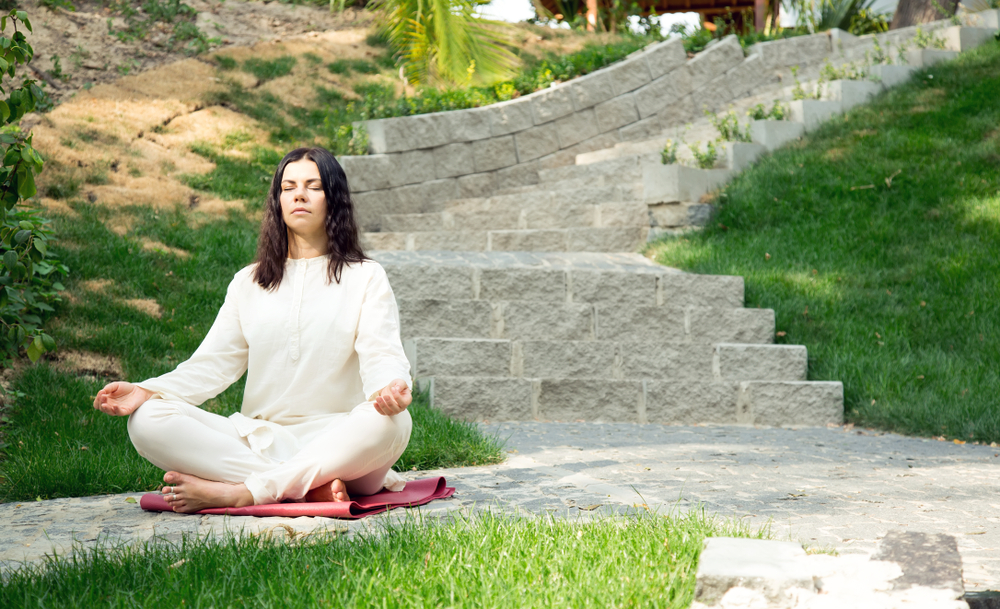
Restorative yoga is a more restful and slow-paced practice that’s meant to release tension and stress and unlock your body’s natural healing ability. The main focus is on emotional, mental, and physical relaxation to let your mind and body unwind.
Unlike some more vigorous styles, the intention is to relax into poses and put in as little effort as possible. Props like straps, blankets, bolsters, and blocks are often used so that you feel comfortable and supported in various poses. While maintaining a pose, you pause and pay close attention to your breath and your sensations. You follow your emotions as they come and go, without trying to make them change or disappear. It’s like dropping the storyline to connect with your emotions and taste and live them completely.
A healthy recipe for mental catharsis, deep release, and relaxation, this therapeutic yoga style promotes deep inner peace and healing. Creating deep ease in the mind and body, restorative yoga also benefits a whole range of conditions, from insomnia and anxiety to backaches, headaches, and chronic pain.
Why the Practice Lands Differently for Women Over 40
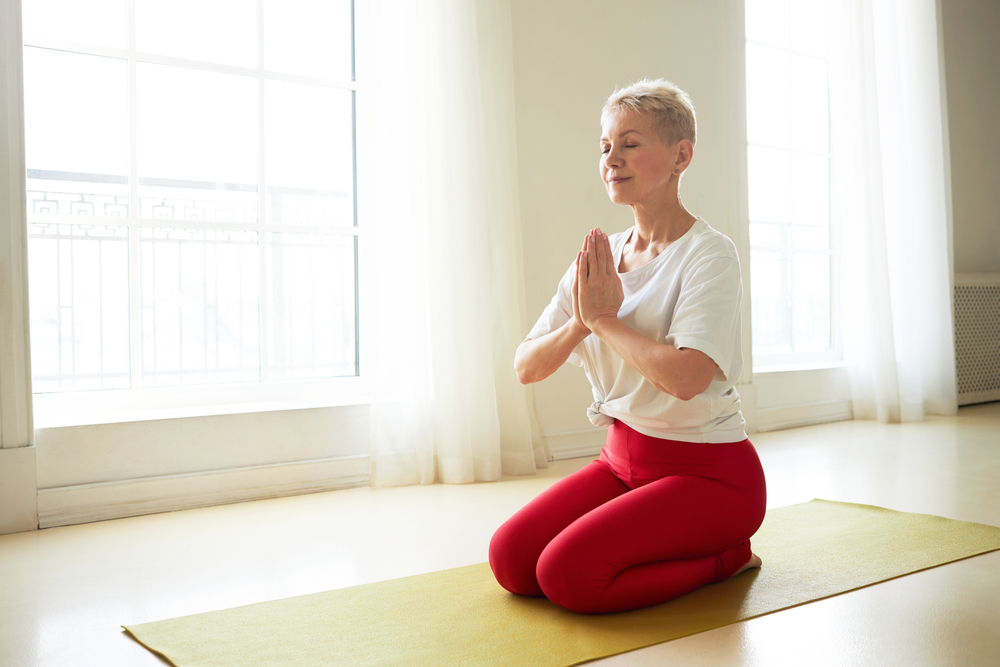
Restorative yoga is one of the most appropriate physical practices available for women in their forties, fifties, and sixties, and the reasons are specific.
The nervous system needs help. Decades of caring for other people, building careers, and running households leave most midlife women in a chronically sympathetic-dominant state. Cortisol stays elevated for too many hours of the day, sleep is shallower than it used to be, and the body has lost the ability to drop into a deep parasympathetic state without external support. Restorative yoga creates that support directly through the props, the time, and the breath.
The connective tissue has changed. With age and hormonal change, the tendons, ligaments, and fascia lose elasticity, become tighter, and need more time to lengthen. The conventional yoga approach of moving quickly from pose to pose does not give midlife tissue the time it actually needs to release. Restorative practice holds poses for five to twenty minutes, which is long enough for the connective tissue to soften and the fascia to hydrate. We covered this fascia dynamic in the article on unlocking tight fascia and lymphatic flow, and restorative yoga sits at the center of that work.
Perimenopause and menopause amplify everything. The hormonal shift of midlife affects sleep architecture, cortisol regulation, body temperature regulation, mood, and inflammation. Restorative yoga has documented benefits across all of these dimensions, and many of the women I work with find that the practice provides relief faster than any medication, supplement, or sleep aid they have tried. If you are noticing the 20 signs of perimenopause showing up in your life, restorative yoga is one of the most accessible practices to fold in early.
Recovery is the constraint. Most midlife women I coach are not under-trained. They are under-recovered. The practice they need most is the one that gives the body permission to recover, which is the entire point of restorative yoga. The general benefits of yoga overlap heavily with restorative practice, with one important difference. Restorative is the most recovery-focused style available, and it is the style I recommend most often as a foundation for women over 40.
The relationship with the body needs repair. After decades of putting the body last, many midlife women report feeling disconnected from physical sensation. The slow attention of restorative yoga rebuilds the felt sense in a way that few other practices do. The practice also supports a deeper understanding of your life’s purpose and quality of life by creating regular windows for inner listening.
The Specific Benefits Restorative Yoga Delivers in Midlife
The research literature on restorative yoga and adjacent slow-paced practices is substantial. Here is what shows up consistently across published studies.
Improved flexibility and joint mobility
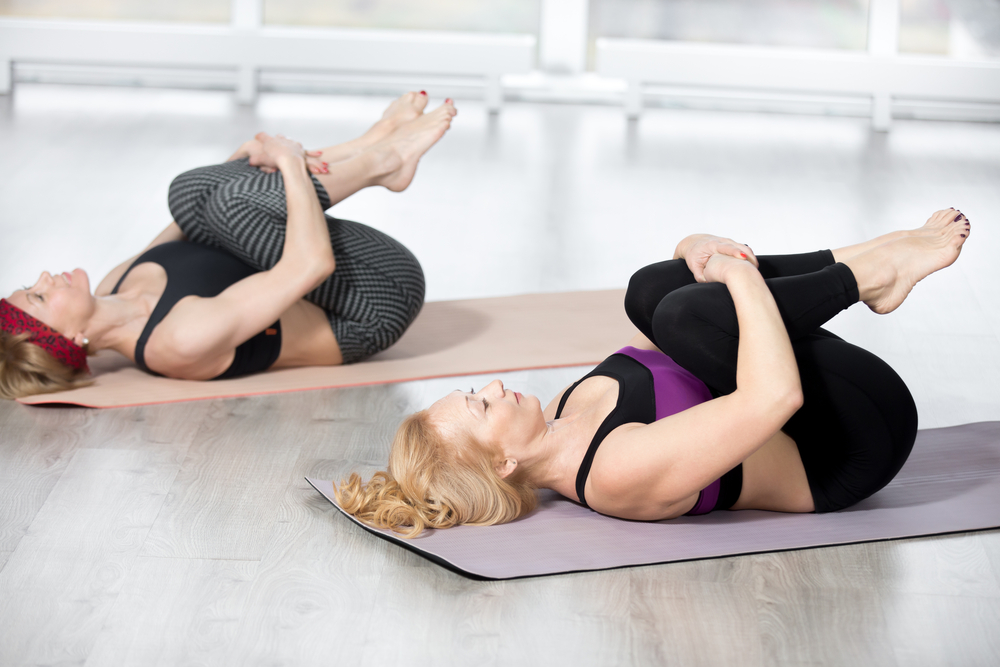
Flexibility training becomes essential as the body enters perimenopause and beyond. As estrogen drops, tendons and muscles lose elasticity, joints become stiffer, and the margin for safe range of motion narrows.
Restorative yoga holds poses for longer durations than most other styles, which allows muscle and fascia to lengthen gradually and gently. The goal is never to push into the deepest range possible. The goal is to release accumulated tension and let the body find its own natural range over time. This protects joints, supports posture, and keeps the spine more comfortable across decades.
Stress relief and nervous system recovery

Restorative yoga is one of the most effective practices for shifting the autonomic nervous system from sympathetic dominance into parasympathetic recovery. Research consistently documents reductions in cortisol, heart rate, and blood pressure during and after restorative practice, with effects that persist for hours after the session ends.
For midlife women dealing with chronic stress, the practice creates a window of actual physiological recovery that most modern daily life does not provide.
Better sleep
Sleep quality is one of the first things that improves when restorative yoga becomes a regular practice. Research on yoga interventions for menopausal sleep difficulties shows measurable improvements in sleep onset latency, total sleep time, and subjective sleep quality across multiple studies. The combination of nervous system down-regulation, breath training, and the muscle relaxation that comes from supported holds is well suited to address midlife sleep issues at their physiological root.
Reduced perimenopausal and menopausal symptoms
Mind-body practices including restorative yoga have been studied specifically for menopausal symptom relief. Meta-analyses across the last decade have documented reductions in hot flash frequency, sleep disturbances, mood symptoms, and overall symptom burden. The mechanisms are thought to involve cortisol regulation, parasympathetic activation, and improvements in body temperature regulation through breath-based interventions.
Better breath mechanics and respiratory function

Practiced alongside the postures, diaphragmatic breathing (also called belly breathing) recruits the diaphragm to do the work of respiration that most adults outsource to the upper chest muscles. Research has shown that diaphragmatic breathing reduces blood pressure, lowers heart rate, supports digestion, and improves lymphatic flow.
The technique is associated with reduced anxiety, reduced fatigue, and improved cognitive function across multiple study populations, including women in perimenopause and menopause.
Emotional release and trauma-aware healing

The combination of supported holds, breath attention, and the slow time inside each pose creates conditions where emotional material can move. Many women report that restorative practice surfaces grief, anger, or sadness they did not realize they had been holding. Done well, with appropriate guidance, this is healing work. The practice does not push the emotions to come up, and it does not require analyzing them when they do. The practice simply makes space for the body to release what it has been holding.
Reduced chronic pain
Restorative yoga has been studied as a complementary intervention for chronic pain conditions including lower back pain, fibromyalgia, and persistent tension headaches. The mechanism involves a combination of nervous system down-regulation (which reduces pain sensitivity), fascia release (which addresses tissue-level tension), and the development of a more skillful relationship with bodily sensation. Many women in midlife who have been dealing with chronic pain for years report meaningful relief after several weeks of consistent restorative practice.
How Does a Restorative Yoga Retreat Support Women’s Health?

Joining a restorative yoga retreat is a wonderful way to press the pause button, deeply restore, and find balance in your body and mind. The focus is on clearing out negative vibes and old energies while accessing your mind’s ability to transform so you can move forward with peace, strength, and clarity.
Sitting in a circle, sharing nutritious meals, practicing yoga, chanting, taking labyrinth walks, and exploring your connection with your source and yourself will help you rest, heal, recharge, and let go.
With themed retreat workshops, daily meditations, mindfulness classes, and wellness circles, a yoga retreat can be an empowering journey to self-love and self-care. Balancing the nervous system and rejuvenating the body, a restorative retreat helps reduce stress and tension, regulate digestive issues, balance hormones, and reduce menopause symptoms.
What to Look For in Any Restorative Yoga Retreat (If You Are Comparing Options)
Even if you are not booking with us, the framework below will help you choose a restorative yoga retreat that actually delivers on the promise. These are the markers of a properly built midlife restorative retreat.
The practice is genuinely restorative, not a softer version of vinyasa.
Look for explicit references to long-held poses, prop support, and breath-led practice. If the schedule includes hot vinyasa or power yoga as the primary practice, the retreat is built for a different audience.
The food is built around protein and real nutrition, not juice cleanses or smoothie bowls.
Midlife metabolism does not respond well to caloric restriction or extended fasting. The food should support the practice, not work against it.
The group is small.
Twelve women is the upper ceiling for a properly intimate retreat experience. More than that and you are at a wellness conference, not a retreat.
Recovery modalities are integrated.
Massage, fascia work, lymphatic drainage, sauna, and red light therapy belong in the program. Without them, the retreat is missing half of what makes the practice work in midlife.
The founder or lead teacher has lived experience in midlife.
The body in perimenopause and menopause is different from a younger body, and the teacher leading the retreat should understand the difference from the inside.
Integration support is part of the program.
A retreat that drops you off at the airport and disappears is missing the most important piece of the work.
A published schedule is on the website.
If the operator will not show you what the days look like, the experience is unclear by design.
How to Prepare for a Restorative Yoga Retreat
The preparation for a restorative yoga retreat is gentle by design.
In the two weeks before arrival, begin to slow down. Reduce caffeine intake, prioritize sleep, and let the body know that recovery is coming.
Hydrate well and eat protein-forward meals in the days leading up to travel. Arriving depleted makes the first 48 hours of the retreat harder than it needs to be.
Pack layered clothing for the trip. The Smoky Mountains have a true mountain climate, with cool mornings and warm afternoons even in summer.
Bring comfortable clothes you can move and rest in. Restorative yoga is done in soft, warm layers.
Bring your usual supplements in a labeled organizer. The foundational vitamin and supplement collection is the baseline most midlife women benefit from, and continuity through the retreat is helpful.
Bring an open mind about what the practice might surface. Restorative yoga often releases emotions that have been waiting for a safe environment to come out, and arriving expecting only physical relaxation can be a surprise.
Let your family or work team know you will be largely unreachable for five days. Building the boundary into the trip before you arrive makes the actual five days easier.
Integration After the Retreat
The first three to six weeks after a retreat determine whether the changes hold or fade. A few practices that consistently support integration:
- Keep a daily home practice of at least twenty minutes of restorative yoga or related slow practice. The schedule the retreat sends home is a starting point.
- Keep the nutrition framework alive. The protein math and the meal structure from the retreat should continue at home. The Macro Calculator and cookbook make this much easier.
- Maintain the morning and evening rituals. If you found a particular practice on the retreat that worked (a specific breath pattern, a specific evening pose, a specific morning sequence), keep it.
- Stay connected to other women from the retreat if community formed. Small group accountability after the retreat extends the felt sense for months.
- Consider 1:1 coaching for sustained support. The Monthly Coaching Program is the structure many women use to keep the work going.
How THOR Retreats Support Women’s Health Through Restorative Yoga
Our retreats are five days and four nights at our property in the Smoky Mountains of East Tennessee, capped at twelve women, all-inclusive, with airport transport from Knoxville (TYS) available.
Daily restorative yoga practices, scheduled across morning and evening with attention to the natural rhythm of cortisol across the day. Yin yoga and breathwork are integrated alongside the restorative work to complete the slow-practice spectrum.
All meals included, designed around midlife metabolism.
Protein at every meal in the 30 to 40 gram range, real vegetables and fiber, healthy fats, slow carbohydrates, and the kinds of meals that our Macro Miracle Mediterranean Cookbook is built around.
Recovery and body work are part of the experience.
Massage, fascia release, lymphatic drainage, red light therapy, and cold water exposure in nature as options. These are not luxury upsells. They are the medicine of the retreat alongside the yoga.
Forest time built into the daily schedule.
The Smoky Mountain property has direct access to the forest trails of the deepest canopy in the country, and the slow walking practice integrates the nervous system reset with the documented effects of shinrin-yoku.
Integration support extending past the retreat itself.
Guests go home with a daily home practice, the foundational supplement stack most midlife women benefit from, follow-up access to our team, and the option of joining the Monthly Personal Training and Nutrition Coaching Program or our sixteen-week Age With Strength Program for sustained 1:1 work after the retreat ends.
The whole experience is designed to deliver the deepest restorative reset a woman in midlife can access in five days, with the integration architecture to make sure the changes hold once she goes home.
THOR Women’s Yoga Retreats, Near Knoxville, Nashville & Chattanooga, Tennessee, USA

Nestled in the Smoky Mountains, THOR offers tailor-made wellness programs for women over 40. In addition to yoga and meditation, the programs cover healthy lifestyle behaviors, overcoming emotional eating, the challenges of menopause, and coping strategies for anxiety and depression in your 40s.
Employing expert coaches, THOR Retreats is a hub for exploration, learning, strengthening your emotional core, and becoming a stronger you. If you need some serious emotional, mental, and physical returning, you will find ample opportunities to recenter your body and mind. Plus, there is downtime to meditate, explore, see wildlife galore, and tune in with nature and yourself.
Wrapping Up
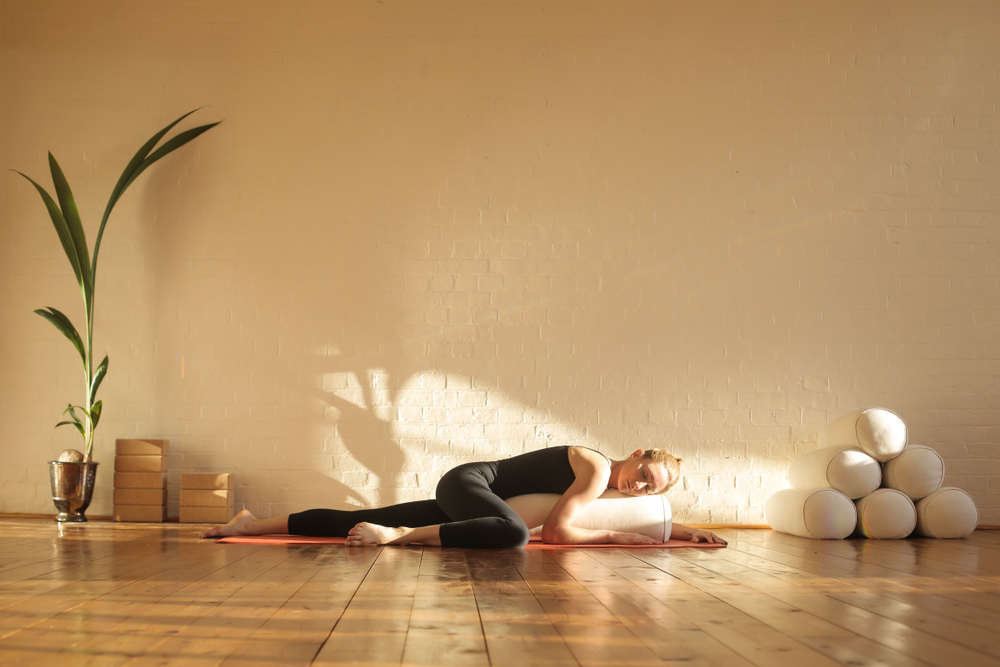
Restorative yoga is one of the most evidence-supported practices available for women over 40 dealing with chronic stress, perimenopause, menopause, and the cumulative weight of years spent caring for other people. The slow practice is structured to deliver what the body actually needs in midlife: nervous system rest, real recovery, breath retraining, and a felt sense of safety in the body. A retreat extends the practice into five days of immersion with the food, the recovery work, the small group, and the integration support that compound the daily practice into a real reset.
If you have been searching for the right restorative yoga retreat for women over 40, the Deeply Restorative Yoga and Nature Retreat at THOR is the program I built for exactly this woman. Five days and four nights in the Smoky Mountains, capped at twelve women, all-inclusive, with airport transport from Knoxville, the food, the spa and fascia work, the integration support, and the team built specifically for midlife bodies. If the framework in this article resonates and you are ready for the full reset, the retreat is the experience this article describes.
The body in midlife is asking for slowing down, deeper rest, and a relationship with care that few women have been taught how to give themselves. Restorative yoga is one of the most accessible practices for learning how. A retreat is the place where the learning gets concentrated.
And if you are looking for a more serious mental and physical reboot, a restorative yoga retreat can be a catalyst. With curated wellness programs, restorative retreats are designed to help you relax, sync with the flow of nature, and be nourished in spirit, body, and mind.
FAQs – Restorative Yoga for Women Over 40
What is the main difference between restorative yoga and regular yoga?
Most yoga styles emphasize movement, strength, breath, and engagement. Restorative yoga emphasizes rest, support, breath, and release. Poses are held for five to twenty minutes with full prop support, the body does as little muscular work as possible, and the goal is to drop into the parasympathetic nervous system rather than build strength or flexibility through effort.
Is restorative yoga safe for women over 40 with no prior yoga experience?
Restorative yoga is one of the most accessible practices available for women without prior yoga experience and is widely recommended as a starting point. The supported poses do not require flexibility or strength, the practice is slow enough to follow easily, and a good teacher will adjust the props and positions to fit each individual body. Many women find restorative yoga easier to start with than any other yoga style.
Can restorative yoga help with perimenopause and menopause symptoms?
Restorative yoga has consistent research support for perimenopause and menopause symptom relief. Published studies have documented reductions in hot flash frequency, sleep disturbances, mood symptoms, and overall symptom burden in perimenopausal and menopausal women who practice restorative or mind-body yoga regularly. The mechanism involves cortisol regulation, parasympathetic activation, and improvements in sleep quality.
How often should I practice restorative yoga to see benefits?
A practice frequency of two to three sessions per week, with each session lasting 30 to 60 minutes, produces noticeable benefits within four to six weeks. Daily practice, even in shorter sessions of 15 to 20 minutes, produces faster and deeper change. A retreat compresses several months of regular practice into five days of immersion.
What should I bring to a restorative yoga retreat?
Comfortable layered clothing you can move and rest in, a real journal, your usual supplements in a labeled organizer, a water bottle that holds at least 32 ounces, walking shoes for forest time, an eye mask and earplugs for sleep, and an open mind about what the practice might surface. Anything else of meaning to you that you would want with you in a quiet five-day window.
How is restorative yoga different from yin yoga?
Restorative yoga and yin yoga share some overlap but have different intentions. Yin yoga targets connective tissue specifically through long-held poses that create gentle stress on fascia, tendons, and joint capsules. Restorative yoga targets nervous system rest through fully supported poses with no intentional stress. Most well-built midlife retreats include both, often using yin earlier in the day and restorative later for sleep support.
Will I need to be flexible to do restorative yoga?
Flexibility is not a prerequisite for restorative yoga. The supported poses are designed to meet the body where it is, with props arranged to accommodate the actual range of motion you have. Inflexible bodies benefit enormously from restorative practice because the slow holds allow the connective tissue to soften over time rather than being pushed to a deeper range it is not ready for.
Is restorative yoga effective for chronic stress?
The research is consistent on this. Restorative yoga and adjacent slow-paced practices produce measurable reductions in cortisol, heart rate, and blood pressure, and the benefits persist beyond the session itself. For chronic stress, the practice is one of the most evidence-supported interventions available, alongside adequate sleep, real nourishment, and time in nature.
Can restorative yoga help with chronic pain?
Restorative yoga has been studied as a complementary intervention for chronic lower back pain, tension headaches, fibromyalgia, and other persistent pain conditions. The mechanism combines nervous system down-regulation (which reduces pain sensitivity), fascia release through supported holds, and the development of a more skillful relationship with bodily sensation. Many women report meaningful pain relief within a few weeks of consistent practice.
Should I do a retreat alone or bring a friend?
Both options have value depending on what you need. Coming alone gives you fewer obligations and a deeper inward experience. Coming with a friend gives you an integration partner when you get home. A well-run retreat creates community within the first 24 hours regardless of how you arrive.
What kind of food is served at a restorative yoga retreat?
A properly built midlife restorative yoga retreat serves meals designed around midlife metabolism, with 30 to 40 grams of protein per meal, real vegetables and fiber, healthy fats, and slow carbohydrates. Juice cleanses, intermittent fasting protocols, and smoothie-only programs are inappropriate for midlife restoration. The food should rebuild the body, not deplete it further.
How is the THOR restorative yoga retreat different from other restorative retreats?
The THOR Deeply Restorative Yoga and Nature Retreat is built specifically for women over 40 with the four daily expressions of midlife self-love (slow arrival, real nourishment, body work that changes tissue, community without performance, and integration after) woven into the schedule. Group size is capped at twelve. The founder lives in a midlife body and has built every element of the program around that experience. The location in the Smoky Mountains provides forest immersion that compounds the practice biologically.
How much does a restorative yoga retreat for women over 40 typically cost?
A 5-night all-inclusive women’s restorative yoga retreat in the United States usually runs between $2,500 and $4,500 per person depending on accommodation, group size, and inclusions. Day-only formats run lower, around $200 to $500. Luxury 7-night options can run $5,000 and up. The midrange is where the best balance of program quality, group intimacy, and integration support is usually found.
Will I need to keep up with the practice after the retreat to see lasting benefit?
Keeping the home practice alive is what makes the retreat benefits hold. A retreat is a concentrated reset, and the changes persist to the extent that the daily practice continues at home. Twenty to thirty minutes of restorative yoga most days, real food, adequate sleep, and the integration support from the retreat team all keep the work alive. Most women who maintain a home practice after a well-built retreat report sustained benefit six and twelve months later.
References
- Innes, K. E., Selfe, T. K., & Vishnu, A. (2010). Mind-body therapies for menopausal symptoms: a systematic review. Maturitas, 66(2), 135–149.
- Cramer, H., Lauche, R., Langhorst, J., & Dobos, G. (2018). Yoga for menopausal symptoms: a systematic review and meta-analysis. Maturitas, 109, 13–25.
- Newton, K. M., Reed, S. D., Guthrie, K. A., et al. (2014). Efficacy of yoga for vasomotor symptoms: a randomized controlled trial. Menopause, 21(4), 339–346.
- Cohen, B. E., Kanaya, A. M., Macer, J. L., et al. (2007). Feasibility and acceptability of restorative yoga for treatment of hot flushes. Maturitas, 56(2), 198–204.
- Field, T. (2011). Yoga clinical research review. Complementary Therapies in Clinical Practice, 17(1), 1–8.
- Hopper, S. I., Murray, S. L., Ferrara, L. R., & Singleton, J. K. (2019). Effectiveness of diaphragmatic breathing for reducing physiological and psychological stress in adults. JBI Database of Systematic Reviews and Implementation Reports, 17(9), 1855–1876.
- Jerath, R., Crawford, M. W., Barnes, V. A., & Harden, K. (2015). Self-regulation of breathing as a primary treatment for anxiety. Applied Psychophysiology and Biofeedback, 40(2), 107–115.
- Pal, G. K., Velkumary, S., & Madanmohan. (2004). Effect of short-term practice of breathing exercises on autonomic functions in normal human volunteers. Indian Journal of Medical Research, 120(2), 115–121.
- Sengupta, P. (2012). Health impacts of yoga and pranayama: a state-of-the-art review. International Journal of Preventive Medicine, 3(7), 444–458.
- Buchanan, D. T., Landis, C. A., Hohensee, C., et al. (2017). Effects of yoga and aerobic exercise on actigraphic sleep parameters in menopausal women with hot flashes. Journal of Clinical Sleep Medicine, 13(1), 11–18.
- Antonelli, M., Donelli, D., & Barbieri, G. (2019). Effects of forest bathing (shinrin-yoku) on levels of cortisol as a stress biomarker: a systematic review and meta-analysis. International Journal of Biometeorology, 63(8), 1117–1134.
- Park, B. J., Tsunetsugu, Y., Kasetani, T., Kagawa, T., & Miyazaki, Y. (2010). The physiological effects of shinrin-yoku (taking in the forest atmosphere or forest bathing): evidence from field experiments in 24 forests across Japan. Environmental Health and Preventive Medicine, 15(1), 18–26.
- Maltais, M. L., Desroches, J., & Dionne, I. J. (2009). Changes in muscle mass and strength after menopause. Journal of Musculoskeletal and Neuronal Interactions, 9(4), 186–197.
- Bauer, J., Biolo, G., Cederholm, T., et al. (2013). Evidence-based recommendations for optimal dietary protein intake in older people: a position paper from the PROT-AGE Study Group. Journal of the American Medical Directors Association, 14(8), 542–559.
- Sherman, K. J., Cherkin, D. C., Wellman, R. D., et al. (2011). A randomized trial comparing yoga, stretching, and a self-care book for chronic low back pain. Archives of Internal Medicine, 171(22), 2019–2026.
- Cramer, H., Lauche, R., Haller, H., & Dobos, G. (2013). A systematic review and meta-analysis of yoga for low back pain. Clinical Journal of Pain, 29(5), 450–460.
- Curtis, K., Osadchuk, A., & Katz, J. (2011). An eight-week yoga intervention is associated with improvements in pain, psychological functioning and mindfulness, and changes in cortisol levels in women with fibromyalgia. Journal of Pain Research, 4, 189–201.
- Boyle, N. B., Lawton, C., & Dye, L. (2017). The effects of magnesium supplementation on subjective anxiety and stress: a systematic review. Nutrients, 9(5), 429.
- Bondarev, D., Sipilä, S., Finni, T., et al. (2018). The role of physical activity in the link between menopausal status and mental well-being. Menopause, 25(7), 757–765.
DISCLAIMER: Always consult with a healthcare professional before starting any new routines, programs, or nutrition plans to ensure you receive the best medical advice and strategy for your specific individual needs.

Terry Tateossian is a Menopause Lifestyle Medicine Coach, Certified Personal Trainer & Nutritionist and the Founder of THOR: The House of Rose, a wellness brand serving women over 40 through retreats, coaching, macro-nutrition and community. As 25-year founder and entrepreneur, Terry spent two and a half decades building and running successful start-up businesses, an experience that put her on the front line of founder burnout long before she could name it. After facing serious health challenges, early onset menopause, and emotional eating while running her agency and raising two children, Terry rebuilt her health in her 40s and lost more than 80 pounds through evidence-based nutrition, training, and mindset work. Today, she helps women get strong, improve confidence, support hormone health, and create a stronger second half of life. Terry has been featured in major media outlets and is available for podcasts, expert commentary, brand collaborations, and speaking engagements on midlife health, reinvention, emotional eating, menopause wellness, and strength training for longevity. Get her free macro calculator (her cookbook companion) to start your journey to back to health.