Known as sanctuaries of tranquility, retreat centers offer a serene escape from the hustle and bustle of everyday life. Found in idyllic locations like mountains, lush forests, and alongside bodies of water, retreats create a calming ambiance that promotes peace and introspection.

These centers provide an assortment of accommodation options, from modest yet comfortable rooms to more luxurious lodgings complete with top-notch amenities. These varied accommodations ensure a restful stay so that guests can focus on their journey of self-exploration and renewal.

A key element of the retreat experience is their wholesome culinary offerings. Prepared with organic, locally sourced ingredients, meals are mostly vegetarian or vegan-friendly and are as nourishing as they are tasty.

At the heart of these centers are the retreats themselves. They host an array of activities, including yoga, meditation, mindfulness practices, nature walks, creative arts, bodywork therapies, and dedicated wellness workshops. There are both personal and structured group retreats tailored to meet diverse needs. Personal retreats offer the freedom to explore self-paced healing and transformation while structured retreats delve into specific areas of interest. Regardless of the type and theme, each retreat aims to empower participants, facilitate holistic development, and encourage self-discovery and renewal.

Esalen Institute, California
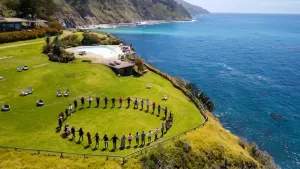
Nestled amidst the wilderness of Big Sur’s mountains, the Esalen Institute is a place where people can explore, transform, and heal. An educational retreat focused on innovative practices, its interest lies in plant medicine, Gestalt, spirituality, and body work. Additionally, the institute explores complex topics such as citizen diplomacy and superhumanism, which makes it a great destination for those in search of knowledge and transformation.

Accommodation

With views of the Pacific coastline and Santa Lucia Mountains, Esalen Institute offers a variety of accommodations, from rustic to luxurious, to suit every guest’s needs and budget.

Among the offerings, the Sleeping Bag Spaces stand out as a great choice for those who are mindful of their budget. Here, guests find themselves closer to the earth, literally sleeping on the floor, and are encouraged to bring along essentials like pillows, pads, blankets, and sleeping bags. 

Moving up in comfort, the bunk bed rooms offer guests a slightly more conventional stay. All rooms feature private bathrooms and come with amenities like bed linens, soap, and towels.

The top choice in accommodations is the Price House which comes equipped with a luxurious queen bed and an array of premium features. Guests enjoy tastefully upgraded interiors, modernized bathrooms, a functional kitchenette, and exclusive access to an outdoor space ideal for relaxation. 

Dining

Found at core of Esalen, the Lodge serves as a hub for tasty meals and engaging dialogues with fellow guests. All meals are nutrient-rich and carefully prepared using produce from the onsite garden and farm and local suppliers. Guests are offered a selection of gluten-free, meat-inclusive, and vegan options so that every meal can be tailored to their dietary needs. 

Retreats and Workshops

The institute’s dynamic class schedule offers a wealth of self-guided exploration opportunities. Changing weakly, it allows guests to delve into mindfulness and meditation, body movements, and nature connections. 

The event experience begins with a welcoming opening circle, led by visiting faculty or Esalen staff. Then throughout their time at the Institute, guests find themselves drawn to a variety of activities, such as exploring the principles of Gestalt, practicing Moja yoga, or awakening energy through Pranotthan yoga. The stay concludes with a reflective closing circle which offers a space for introspection and the sharing of insights. 

In addition to self-guided exploration, Esalen offers an array of workshops aimed at fostering personal growth and transformation. One such workshop focuses on transpersonal breathwork and invites attendees to explore the practice of qigong and other breathing exercises. Beyond skill acquisition, the workshop features activities such as penning down poetry, mandala drawing, and engaging in integrative Gestalt practice so that guests gain deeper insights into their experiences.

Ancestral plant medicine also features prominently in center’s workshop offerings. Participants engage with the sacred cacao plant medicine in a specially designed ceremonial setting. The purpose of the workshop is to facilitate healing and emotional release, and the cacao serves as a supportive guide throughout the process.

Lastly, the Tibetan sound healing workshop offers participants an immersive introduction to meditative practices using vocalized sounds and breath. This blend of breathwork and vocal resonance promotes relaxation, balance, and a deeper understanding of the self.

Kalani, Pāhoa, HI
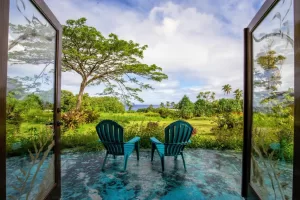
On 120 acres of Hawaii’s Big Island, Kalani is positioned between the Pacific Ocean and the lush tropical rainforest. Known as one of the area’s most significant yoga retreats, Kalani operates as a center for wellness services, educational programs, shared living, and sustainable gardening. Its vibrant community of visiting educators and residents offers an array of daily activities ranging from dance classes, art, and yoga to special events, workshops, and transformative retreats. 

Accommodation

Accommodation at the retreat center is characterized by an assortment of living arrangements that cater to the varied preferences of its guests. For visitors yearning for solitude amidst nature, the property’s scattered private cottages serve as the ideal choice among other options. These independent buildings, each with its unique artistic design, feature spacious bedrooms with either a king and twin bed or a single king bed. The open-plan cottages also come with full ensuite bathrooms and offer captivating views of either the retreat center’s lush gardens or the ocean.

Another unique housing option is the half lodge, locally referred to as ‘hale’. In this two-story building, individual rooms are private but the lodge itself features shared common spaces such as the open studio space, communal bathrooms, and a lounge and kitchen area. The lodge is conveniently positioned on the retreat center’s main lawn, embraced with gardens with fruit trees and flowers that enhance the ambience of the surroundings.

Dining 

Each of the retreat’s private cottages is equipped with a mini fridge for guests’ convenience. Visitors staying at the hale lodge have the benefit of a communal kitchen area for cooking simple dishes. In addition, guests can treat themselves to a variety of local offerings, ice cream, coffee, and snacks available for purchase at the onsite Hale Aloha shop. 

For those interested in a broader range of culinary options, there is a plethora of grocery stores, eateries, and farmers’ markets at the town of Pāhoa, located a mere 20-minute drive away.

Retreats

Manifest Your Destiny Retreat

In a nurturing environment of self-care and introspection, the Manifest Your Destiny Retreat encourages participants to let go of burdens, explore their deepest aspirations, and uncover life’s true purpose. 

The retreat is built on a blend of breathing exercises, meditation, and yoga, along with personal moments for reflection, art, and journaling. Participants are guided through the 7 steps of manifestation, 7 chakras, and 5 elements so that they can gain a better understanding of their personal ‘dharma,’ or life path.

The program also incorporates authentic movement, shamanic journeys, and personalized yoga therapy, which add texture to the experience and enhance the journey of self-discovery. Additionally, the retreat makes room for guided cultural appreciation excursions which bring a sense of connectedness with the broader community and nature. 

Practical Yoga and Meditation Retreat

With positive vibes and a refreshing spirit, the Practical Yoga and Meditation retreat unfolds in a stunning environment. Set against the backdrop of lush greenery, the ocean, and lava formations, the retreat offers participants the opportunity to join daily sessions of yoga and meditation. 

Supplementing the daily routine are activities and ceremonies designed to facilitate a deeper personal transformation. Among the highlights is the ‘Writing from the Core’ class where participants master the art of therapeutic journaling to expand self-awareness and foster personal growth. 

The retreat also offers plenty of leisure time for participants to take part in Kalani’s culture programs or relax amidst the beauty of nature. The locale’s unique offerings, from visiting turtle nesting habitats and encounters with dolphins to hot springs and black sand beaches, add an extra dimension to the retreat and enrich the overall experience. 

Omega Institute, NY
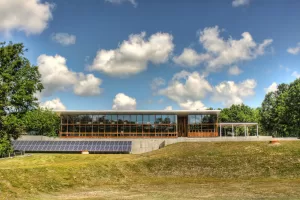
Nestled in the picturesque town of Rhinebeck, the Omega Institute presents a transformative learning experience in a natural retreat setting. With an array of diverse workshops, including Tai Chi, yoga, and meditation, the center invites self-exploration and growth. There are plenty of recreational activities as well, like swimming and boating, strolling along scenic trails, and delighting films and concerts during the evening hours.

Accommodation

Omega Institute offers a variety of accommodations to ensure that every guest finds a comfortable space that aligns with their preferences. Double and single room cabins are available for those seeking privacy and comfort. Complete with a private bath, these rooms come with either a queen bed for pairs or two full-size beds for single occupants. They are equipped with modern amenities such as heating, air conditioning, a ceiling fan, and complimentary Wi-Fi for a connected and comfortable stay.

For a more rustic retreat experience, guests can choose from the double or single tent cabins with a nearby bathhouse for their convenience and comfort. Each of these abodes features a canvas roof, screened windows, wooden walls, and two twin beds. 

And for the adventurous spirit, the camping option provides a pre-assigned campsite close to a bathhouse. Guests are invited to bring their own tent and camping gear and immerse themselves in the authentic outdoor atmosphere of the retreat. 

Dining 

As part of the all-inclusive experience, retreat-goers enjoy three wholesome and scrumptious meals a day. In the comfort of the air-conditioned dining hall, guests are treated to a diverse buffet, primarily composed of vegetarian meals. Gluten-free and vegan options are also included in the spread for specific dietary needs. 

Mornings at Omega bring an array of breakfast items such as home fries, tofu scramble, and fresh eggs. Fresh fruit complements the selection while the daily specials bring variety, including options such as frittata, bagels, burritos, and pancakes. 

As the day progresses, lunch and dinner menus feature a bountiful salad bar filled with raw vegetables, seeds, and nuts. The offerings are enhanced by homemade non-dairy and dairy dressings. Soup is served to warm the palate, along with a variety of cooked grains and vegetables. The main entrées focus on vegetarian fare such as bean-based proteins, supplemented by egg or cheese options.

Retreats 

Omega’s Rest & Rejuvenation Retreats offer a well-rounded experience designed to inspire self-discovery while catering to diverse interests. Central to these retreats are the daily open classes which blend the calming effects of meditation and yoga with the mindful movements of tai chi. 

The journey of self-discovery does not stop at the meditation mat, however. It takes guests to a world of wisdom and spiritual exploration at the Ram Dass Library. Here, visitors are encouraged to delve deep into a repository of over 7,000 volumes encompassing holistic living, spirituality, wellness, and more. Meanwhile, the library’s gallery space allows retreat-goers to enjoy the creative expressions of local artists whose works add an extra layer of depth and inspiration to the contemplative atmosphere.

However, it is not just within the quiet corners of the library where guests can find tranquility. Nestled on a hill amidst a grove of trees, the Sanctuary and Yearning Pond allow visitors to reflect, meditate, and experience profound peace.

When guests are ready to move from stillness to motion, the waters of the 80-acre Long Pond Lake await. Participants can indulge in kayaking or canoeing to explore nature up close. Alternatively, they can enjoy a good book in the shade of a leafy tree or join in the communal spirit with playful lawn games. 

Omega also recognizes the importance of physical wellness as an integral part of overall wellbeing. This awareness comes to life on the basketball, tennis, and pickleball courts where participants can exercise their bodies, engage in friendly competition, and connect with fellow retreat-goers.

As dusk adorns the sky, the retreat’s rhythm transforms to offer guests more relaxed, yet equally enriching experiences. From Samplers, short workshops presented by Omega’s teachers to the allure of live music, there is a wealth of activities to enjoy. Guests may also cozy up for a movie night, engage in stimulating conversations in the living room, or gather around the bonfire for connection and storytelling.

Each evening event, with its unique flavor, fosters connection, learning, and joy and propels participants further along their path to self-discovery. 

Drala Mountain Center, Red Feather Lakes, Colorado
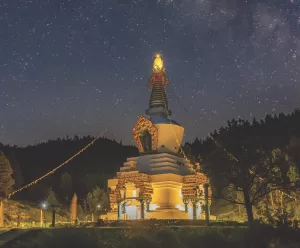
Set in the lofty Colorado Rocky Mountains, the Drala Mountain Center occupies 600 acres of vast alleys, peaceful meadows, and untouched woods in Northern Colorado. Here, a typical day could include calming yoga, body and mind wellness sessions, strolls to the Great Stupa of Dharmakaya, and communal meals with fellow retreat-goers. 

To enhance visitors’ stay at this tranquil retreat, the center offers a diverse range of accommodation options. These are designed to cater to various budgets and preferences for social interaction, which adds another layer to the retreat’s appeal.

Accommodation 

While the Drala Mountain Center is not your average luxury destination, it offers a unique appeal centered around unpretentious comfort, close-knit community vibes, and connection with nature. 

Accommodation options are diverse and thoughtfully designed, from nature-immersed tents to communal dormitories and private lodge rooms equipped with personal bathrooms. The center’s goal is to meet visitors’ essential needs in an environment that radiates cleanliness, safety, and a sense of solace.

Dining

Catering to a spectrum of dietary needs, the Drala Mountain Center offers a trio of menu categories: wheat-free, vegan, and vegetarian. Each meal is designed to have a suitable option for every taste, with certain meals featuring meat selections. To supplement the main courses, a salad bar remains ever ready and filled with non-vegan and vegan protein sources and fresh vegetables. For visitors who wish to grab a snack or a refreshing beverage at any time, the dining area provides a range of offerings such as toast, fruit, coffee, and tea. 

Retreats 

The Drala Mountain Center offers an array of retreats designed to cater to a range of interests. These retreats include Mindfulness Meditation & Qi Gong, Lojong Mind-Training, and silent meditation, all aimed at nurturing mindfulness, tranquility, and personal growth. 

An exemplary retreat, “Quiet Mind, Open Heart”, captures the center’s commitment to holistic well-being. This particular retreat follows a routine that is designed to nurture the mind and body in harmony with nature’s cadence. 

The day starts with a heartening breakfast, followed by a blend of yoga, contemplation, and meditation to awaken the senses and kindle inner peace. As midday approaches, participants regroup for a nutritious lunch and prepare for an array of afternoon pursuits. Post-lunch activities include restorative bodywork sessions, hikes in the nearby woods, guided tours of the Stupa, and an opportunity for self-reflection and rest. Following an evening meal, the day winds down with Yoga Nidra and restorative yoga for a deeply relaxing end to the day. This blend of structured activities and personal exploration allows retreat participants to immerse themselves in their experience, foster deeper self-connection, and sync with nature, all at their own pace. 

Yogaville, Buckingham, Virginia
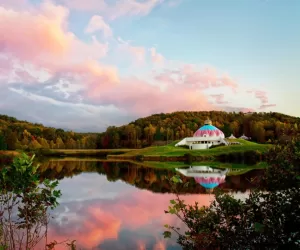
Located amidst 750 verdant acres, the Satchidananda Ashram–Yogaville in Virginia is more than just a retreat center. With elements like monastic living quarters, an organic agriculture project, an educational academy, and tranquil spaces for prayer and reflection, the center provides a diverse environment for visitors. Here, you can bring your yoga essentials and enroll in one of the many seasonally-themed retreats or opt for personal or silent retreats. The daily agenda comprises hatha yoga sessions, collective meditations, vegetarian cuisine, exploration of nature trails, and an array of evening activities. 

Accommodation 

Immersing yourself in the Satchidananda Ashram-Yogaville retreat doesn’t mean you will be sacrificing comfort. There is a range of accommodation options to suit everyone’s needs. You can opt for the Lotus Guest House which offers different room configurations. The six-unit section includes rooms furnished with a refrigerator, private bathroom, and a queen-size bed. The nine-unit area features rooms with a private bathroom and queen-size bed but sans the refrigerator. 

For those who appreciate the shared community experience, the dormitory accommodation might be the ideal choice. The two centrally heated and air-conditioned dormitories, Ramalinga Nilayam and Vivekananda Vihar, offer a shared living and bathing arrangement. 

And if you’re the adventurous type or just prefer to be closer to nature, you can choose the tenting and camping option. Located in a serene, wooded area near the Lotus Guest Houses, there are twelve campsites available. Essential amenities such as laundry, shower, and bathroom facilities are conveniently located within reach in the nearby Vivekananda Vihar dormitory. Each campsite comes equipped with a sturdy, elevated platform, specifically designed to enhance your outdoor living experience.

Dining 

At Yogaville, guests are treated to an array of vegetarian dishes during three daily buffet-style meals served in the morning, noon, and evening. Alongside the warm entrees, a fresh salad bar with a selection of vegetables is always present, many of which are sourced directly from the center’s own farm.

Retreats

Personal retreats offer guests a unique opportunity to experience a variety of activities aimed at self-reflection and spiritual growth. Visitors come from near and far with diverse intentions: some look for a sanctuary of calm and rejuvenation, others aspire to live a yogic way of life, and still others are drawn to delve deep into the philosophy and wisdom of integral yoga. 

In addition to catering to these diverse needs, the flexibility of the retreat allows guests to choose a stay that suits them best, whether it’s an extended stay, an overnight visit, or a single day. This provides ample time to dive into the vibrant schedule the ashram offers. 

A typical day begins with early morning meditation and moves into Integral Yoga Hatha to harmonize the physical, mental, and spiritual aspects of retreat-goers. Post-session, guests gather for a nutritious breakfast, followed by another round of meditation or an enlightening talk on relevant topics such as the integration of yoga into everyday life. After the midday meal, guests may choose between restorative yoga, a second round of hatha yoga, or a quiet meditation session. On certain days, the schedule also includes scripture study, allowing individuals to delve deeper into the spiritual texts and teachings. 

Enhancing the personal retreat experience, the Integral Yoga Sadhana Weekends and Retreats offer additional activities like Kirtan, a form of music and chanting that invigorates the spirit. Participants also have the chance to learn from Swami Satchidananda through Q&A video sessions or allocate their free time to activities such as journaling, hiking, karma yoga, or a well-deserved rest.

There are also silent retreats for a unique and deeply introspective experience. As an integral part of these retreats, hatha yoga practices focus on body purification and revitalization. Tranquil meditation sessions complement these practices and guide attendees towards internal peace and mindfulness. Furthermore, workshops led by experienced instructors deepen visitors’ understanding of yogic lifestyle and philosophy. Opportunities for karma yoga are abundant as well, with guests participating in selfless service at the grounds, farm, and Yogaville kitchen. The retreat experience is further enriched by guided explorations of Virginia’s foothills which deepen the connection with nature and offer a sense of tranquility and serenity. 

Mount Madonna Center, Watsonville, California

Nestled within the Santa Cruz mountains, Mount Madonna Center presents a charming blend of open grasslands and redwoods across 380 acres overlooking the Monterey Bay. It offers a gentle invitation to pause the rush, step off the world’s stage, and tune into your inner self amidst the rhythms of nature. Not surprisingly, the center is a sought-after destination for a broad range of activities including corporate, meditation, and yoga retreats, personal practice, and programs designed to foster holistic development, encompassing both the personal and spiritual dimensions. 

Accommodation 

At Mount Madonna Center, a range of distinctive accommodations awaits guests, from the comfort of guest rooms and the allure of rustic cabins to the homeliness of ram cottages. 

Located in the heart of the Conference Center, the guest rooms at Mount Madonna echo the elegance of a boutique hotel. Guests staying here can enjoy modern amenities such as Wi-Fi, with several rooms boasting the added luxury of ensuite bathrooms. Additionally, the area is adorned with charming courtyards that serve as the ideal place to unwind or immerse in a good read. An always-open tea bar, situated in the conference wing, serves an array of aromatic teas.

For those seeking a closer connection with nature, the rustic cabins offer a simple and more secluded experience. Set in the Oaks Campground and a short stroll away from the main area, the cabins feature basic amenities such as electricity and heat. Indoor plumbing and Wi-Fi are absent but a nearby shower house caters to guests’ needs with toilets, dressing rooms, and private showers.

Lastly, guests can opt for the charm of the ram cottages, conveniently located near the Wellness Center and a network of hiking trails. Each cottage offers a different setup which caters to varying needs. Ram 1 is a cozy dwelling equipped with a bathroom, compact kitchen, two bedrooms, and a communal living area that opens out onto an outdoor deck. In contrast, Ram 2 provides more sleeping space and comfortably accommodates up to six people across three rooms, complete with a bathroom and kitchenette for convenience.

Dining 

With dedication to mindful eating, Mount Madonna Center takes great pride in serving wholesome vegetarian meals, along with gluten-free alternatives available at each mealtime. Prioritizing the use of organic, locally sourced ingredients, every dish is prepared with health and taste in mind.

The center also ensures continuous access to an assortment of teas, reverse osmosis filtered water, and an array of spreads, rice cakes, homemade bread, and fresh fruit. 

As a culinary highlight, the center’s dinner features diverse offerings, ranging from tofu scrambles and hearty lasagnas to vegetable curries. Gluten-free pastas add a familiar comfort food touch for those with dietary restrictions while fresh green salads and a variety of grains contribute to a balanced, nutritious meal. Cheese lovers can usually find cheese served separately, which adds a touch of indulgence to lunch meals.

Retreats

At Mount Madonna Center, retreat experiences are diverse, from personalized getaways for self-exploration to structured, group-focused retreats which offer shared exploration of specific themes. In the personal retreats, guests are welcomed into a holistic environment where they can engage in a variety of offerings at their own pace, including meditation and yoga classes. The retreat also houses a Wellness Center which offers a multitude of therapeutic services, including traditional massages, integrative bodywork, acupressure, biodynamic cranial-sacral therapy, and more. The retreat’s locale, with its vast expanse of meadows and redwood forests, presents ample opportunities for self-reflection and walks or jogs along its picturesque trails.

Alongside personal retreats, the center extends its offerings to encompass specialized group retreats for collective growth. Notably, the Embodying the Goddess retreat is a program that caters to women looking to explore the divine feminine. During the 3-night, 4-day immersion, participants delve into the narratives and spiritual rituals linked to goddesses Lakshmi, Saraswati, Kali, and Durga who symbolize distinct psychological energies and inspire personal growth.

A typical day in this retreat might start with yoga asana and pranayama and continue with a schedule filled with activities such as chakra meditation, discussions on Shakta powers and kundalini energy, and teachings on Goddess Durga and her sacred mantras. 

The afternoon presents a combination of free time to explore the surrounding nature or indulge in a massage therapy and experiential learning through earthing exercises and chakra embodiment. Participants are also introduced to the mythology of the Warrior Goddess Kali to enhance their understanding of her transformative power. 

The day winds down with an Arti Ceremony and ‘Letting Go’ exercises using Kali‘s breath. The experience is further deepened by a sacred fire ritual that guides participants towards setting intentions and shedding burdens, which makes for a spiritually profound conclusion to the day. 

Wrapping Up

Retreat centers serve as perfect spaces to pause, reflect, and rejuvenate amidst serene surroundings. They promise not just a physical journey into scenic landscapes but a deeper, introspective voyage within.

The variety of accommodations, from the simple to the more luxurious, ensures a comfortable stay that complements this personal journey. Food is given equal attention, with delicious and nourishing meals prepared from organic, local produce. 

Retreats form the core of these centers and are a dynamic mix of activities. Yoga and meditation sessions, creativity-inducing arts, wellness therapies, nature walks, and focused workshops come together to create a transformative experience. Personal or group-oriented, these retreats cater to a variety of needs, empower guests on their path to self-discovery, and offer a roadmap to a more fulfilled self.
Our Summer Flash Sale is On!

Get the discount code below:

Wellness & Yoga Women’s Retreats Near Knoxville,TN and the Smoky Mountains: A Founder’s Insight Guide

If you have been searching for a wellness retreat near Knoxville or anywhere in the Smoky Mountains, you have already done the most important part of the work, which is recognizing that your body needs something more than a weekend off. This guide covers what makes the Knoxville and Smoky Mountain region one of the strongest wellness retreat destinations in the country, what separates a properly built midlife retreat from a softer weekend getaway, the geography that does half the healing work before you ever unroll a mat, and the full picture of what we built at The House of Rose for women in perimenopause, menopause, and post-menopause.

I am Terry Tateossian, founder of THOR. I built our retreat property in the Smoky Mountains specifically because I went through early-onset menopause at 41, lost 80 pounds in midlife, ran a global creative agency, raised two children, and could not find a single retreat in the United States that was actually built for the body I was in. The retreat I built is the one I wish had existed for me a decade ago.

This article is the founder’s honest guide. Read it as a comparison framework for any retreat you are considering, even if you decide THOR is not the right fit. The criteria below apply universally.

1. Why Knoxville and the Smoky Mountains Became a Top Wellness Retreat Destination

Womens Yoga Wellness Retreat Knoxville TN

Five years ago, if you searched for a wellness retreat near Knoxville, the results were sparse. The state was not on the wellness map. That has shifted, and the shift has happened for specific reasons that matter if you are choosing a retreat for the first time.

The first reason is geography.

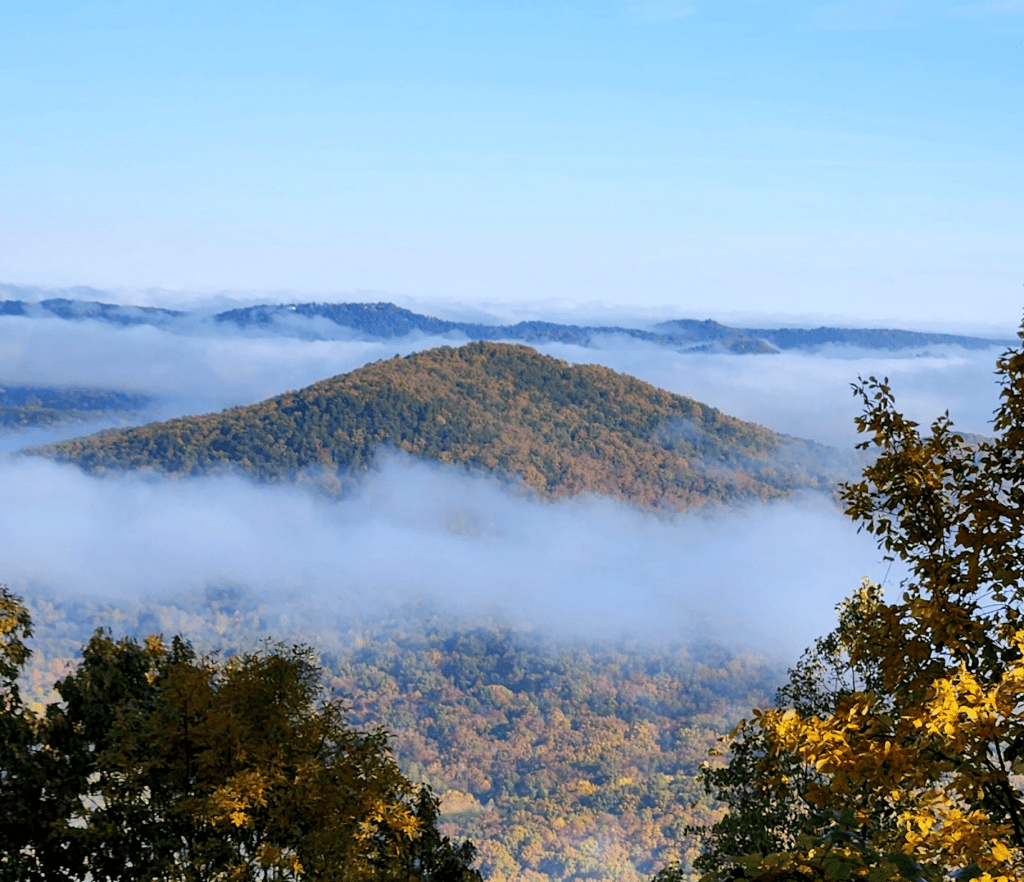
The Smoky Mountains in the eastern part of Tennessee are the oldest mountain range in North America, with one of the densest forest canopies in the world. Published research on time spent in dense forest shows real biological effects on cortisol, autonomic nervous system balance, immune function, and sleep architecture. The Cherokee called this region the place of the blue smoke for the mist that rises from the trees in the mornings. For a body that has been operating in chronic sympathetic activation, the forest itself becomes part of the medicine.

The second reason is accessibility.

Knoxville (airport code TYS) sits within a 90-minute flight of roughly 70 percent of the United States population. You can land at TYS from most major cities without a connection, which matters when you are trying to do a five-day restorative reset without losing a full day at each end to travel.

The third reason is cost.

A five-night all-inclusive wellness retreat in East Tennessee typically runs about half of what an equivalent stay would cost in California or Sedona, with comparable or better food, slower service, and zero international travel risk.

The fourth reason is one of the most underrated advantages of the region.

East Tennessee is one of the few places in the United States where you can put a retreat in actual wilderness and still have a working hospital, ER, and pharmacy within 25 minutes. For women in their forties, fifties, and sixties, this is not a small consideration. Most of us have something going on, whether it is blood pressure, thyroid, autoimmune flare-ups, or perimenopause symptoms that can show up unexpectedly on day three of a trip. The wilderness-meets-infrastructure setup of the Knoxville region is a quiet selling point that almost no other retreat destination offers.

Smoky Mountains Women's Yoga Retreats in East Tennessee - Yoga, Pilates, Health, Fitness
Smoky Mountains Women’s Yoga Retreats in East Tennessee – Yoga, Pilates, Health, Fitness

2. What Makes a Wellness Retreat Near Knoxville Actually Worth the Trip

The Knoxville and Smoky Mountain region has a wide range of properties marketing themselves as wellness retreats. The differences between them are large, and the wrong choice can leave a midlife woman more depleted than when she arrived. Here is the comparison framework I use both as a founder and as a coach.

A properly built midlife wellness retreat should hit most or all of the following criteria. Use this as a checklist for any retreat you are considering, including ours.

Criteria

What to Look For

What to Avoid

Group size

Capped at 12 women per session

Open enrollment or groups of 20+

Food

30 to 40 grams of protein per meal, real vegetables, slow carbohydrates, healthy fats

Juice cleanses, smoothie bowls as main meals, intermittent fasting protocols, low-protein menus

Yoga style

Restorative and yin yoga as the foundation, with optional stronger sessions

Hot vinyasa or power yoga as the primary practice

Schedule

Flexible afternoon sessions, built-in rest time, optional rather than mandatory attendance

Back-to-back demanding sessions with no breaks

Recovery modalities

Massage, fascia work, lymphatic drainage, sauna, red light, cold water included or accessible

Recovery work sold only as expensive add-ons

Founder presence

Founder lives in the work and is on the property

Founder unreachable, never on site, or unnamed

Integration support

Post-retreat coaching access and a home practice you can keep

Drop-off at the airport with no follow-up

Published schedule

Day-by-day schedule available before you book

Vague marketing copy with no operational detail

Maximum group size disclosed

Yes, publicly

No cap published

Founder credentials

Named, with relevant certifications and lived experience

Anonymous or generic “expert team” framing


Insight from Terry Tateossian, founder of The House of Rose: “I built the criteria in that checklist after spending years comparing what worked for the women in my coaching practice against what most retreats actually deliver. The gap is wider than most people realize. A retreat marketed as ‘wellness’ can still be built for a 28-year-old yoga teacher’s body, and a midlife woman will pay full price to leave more depleted than she arrived. The single highest predictor of whether a retreat will work for a midlife body is whether the founder has lived inside that body herself.”

3. The Geography Advantage: Why the Smoky Mountains Heal the Nervous System

The geography of the Smoky Mountains is a meaningful part of what makes a retreat in this region different from a retreat anywhere else. The following points apply to any property in the East Tennessee mountain region, including ours.

Forest density.

The Great Smoky Mountains have one of the densest forest canopies in the world. Published research on shinrin-yoku (the Japanese practice of forest bathing) consistently shows reduced cortisol, reduced sympathetic nervous system activity, increased parasympathetic activity, and increased natural killer cell activity after time spent in dense forest. The biological effect is real and measurable.

Elevation.

The property elevations across the East Tennessee retreat region generally sit between 1,500 and 4,000 feet, which is the sweet spot for women in midlife. High enough to slightly boost red blood cell production and improve sleep quality. Low enough that altitude headaches and insomnia are not a problem.

Our Summer Flash Sale is On!

Get the discount code below:

Air quality.

The deep Smoky Mountain region has some of the cleanest air in the eastern United States. There is published research linking air quality to inflammation markers, sleep quality, and hot flash frequency in perimenopausal women.

Water.

The streams and springs of the East Tennessee mountains run cold and mineral-rich. Cold water on the face and neck has well-documented vagal effects.

Seasonality.

The Smoky Mountains have a particular sweet spot in late spring (mid-April through mid-June) and early fall (mid-September through October) when the weather is mild, the bug pressure is low, the forest is at peak activity, and the light is mood-elevating. These are the windows where wellness retreats in this region work the hardest for guests.

Spotlight: The Lived Experience of Forest Immersion

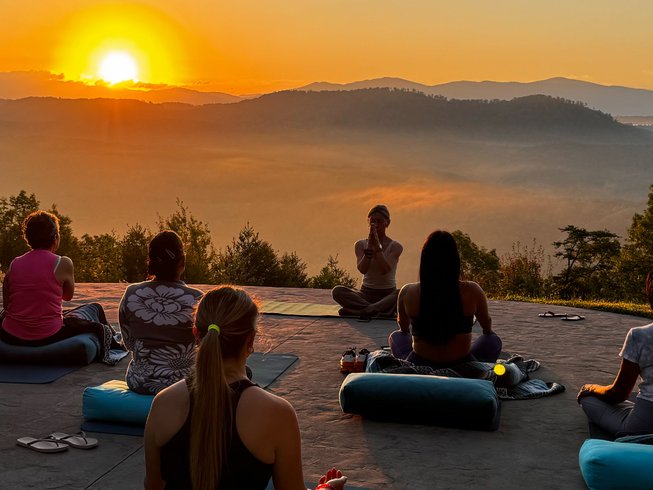
Most women who arrive at a Smoky Mountain retreat report a felt shift within the first 24 to 48 hours, where sleep gets noticeably deeper, the chest unclamps, and the mental looping that has been running for years quiets down. The biology behind this is real. Forest immersion shifts the autonomic nervous system into parasympathetic dominance within hours, not days. The five days of a properly built retreat compound this initial shift into something that the body actually remembers after the guest goes home.

4. Inside The House of Rose: The Deeply Restorative Yoga & Nature Retreat

“Our Deeply Restorative Yoga and Nature Retreat at THOR is the retreat I built because I needed it and could not find it. Below is the full picture of what is included and what makes the program different from a generic wellness weekend.” ~ Terry Tateossian

The retreat runs five days and four nights. The group is capped at 12 women per session. The property is approximately 75 minutes from Knoxville (TYS) airport, deep in the Smoky Mountains. All meals are included. Airport transport is available. The recovery and spa modalities are available to be added into the program.

The five practices the program is built around:

  1. Slow arrival on day one, with gentle transport from the airport, a low-key check-in, a real first meal, and an early lights-out. The first 24 hours are designed to let the body recognize it is somewhere different from home.
  2. Real whole food at every meal, with 30 to 40 grams of protein, real vegetables, slow carbohydrates, and healthy fats. No juice cleanses, no fasting protocols, no smoothie-bowls-as-main-meals.
  3. Body work that actually changes the tissue. Foam rolling, fascia release, lymphatic brushing, massage, red light therapy, and cold water exposure are integrated into the schedule.
  4. Community without performance. Twelve women per retreat is the ceiling. The group is small enough that everyone is seen, heard, and known by the end of day one.
  5. Integration support extending 30 days after the retreat. A daily home practice. The Macro Calculator framework. Follow-up coaching access. The option of joining our Monthly Personal Training and Nutrition Coaching Program or the sixteen-week Age With Strength Program for sustained 1:1 work afterward.

Insight from Terry Tateossian, founder of The House of Rose: “The first 48 hours of any retreat we run are designed around one principle. The body has to recognize it is safe before it will let go of anything. We slow the transport, the check-in, the first meal, the first yoga session, and the first night of sleep. By day three, the women in the group are sleeping through the night for the first time in years. That is the foundation everything else is built on, and it is the part most retreats skip because they are trying to look like they are delivering value through activity.”

5. The Schedule: A Day-by-Day Look at Five Days at THOR

The schedule is designed for midlife bodies. The pace is intentional. Each day has a different theme, and the cumulative effect of five days is what produces the reset.

Day

Morning

Midday

Afternoon

Evening

Day 1

Airport pickup from Knoxville (TYS). Slow arrival, check-in.

Welcome snack with introductions.

Optional gentle restorative post-travel yoga, property tour, forest walk.

Real dinner. Early lights-out.

Day 2

Diaphragmatic breathwork, gentle morning yoga, breakfast, mountain / nature walk.

Protein-forward lunch. Rest window.

Choose: fascia workshop, massage, lymphatic protocol, forest bathing, journaling workshop, macro nutrition workshop, midlife protocols workshops.

Yin-storative yoga & group dinner. Rest.

Day 3

Breakfast, Strength foundations session, breathwork, morning gentle Vinyasa yoga.

Lunch. Quiet hour.

Choose: red light therapy, Tai Chi class, cold water immersion in waterfall, hike.

Restorative yoga & dinner.

Day 4

Breakfast, morning gentle yoga, movement and nervous system integration.

Lunch. Rest window.

Spa block: massage, facial work, body therapies.

Group dinner, restorative yoga, integration conversation, early lights-out.

Day 5

Breakfast, closing yoga & pilates class, breathwork, integration practice.

Goodbyes.

Airport transport back to Knoxville (TYS).

Home with daily practice and follow-up access.


The schedule is built with the flexibility most midlife women need. Sessions are optional rather than mandatory. If a woman wakes up at 8 a.m. instead of 6 because she had hot flashes from 3 to 5 a.m., she sleeps until 10 and joins the group at lunch. The retreat is designed around the possibility that the body might need to override the schedule.

Our Summer Flash Sale is On!

Get the discount code below:

6. What Is Included & What Is Not

Here is the full picture of what comes with a five-night stay.

Included:

  • Five nights of accommodation in the main lodge
  • All meals (breakfast, lunch, dinner, snacks) and beverages (non-alcoholic)
  • All yoga, breathwork, and movement sessions
  • All fascia release, lymphatic, and integration sessions
  • One massage and one body work session
  • Forest walks and hiking with the team
  • Infrared sauna, red light therapy, and cold exposure access
  • Welcome packet, home practice guide, and integration coaching access for six weeks after

Not Included (available as add-ons):

  • Additional massages or extended spa work beyond the included sessions
  • Airport transport from Knoxville (TYS) and back
  • Personal training sessions one-on-one with the THOR team
  • Private nutrition consultation extending past the retreat
  • Extended stays at the property (one extra night, two extra nights)
  • Optional excursions outside the property (curated, when available)

Important: Always consult your healthcare provider before participating in any structured wellness program, especially if you have a chronic condition, are taking medications that interact with body temperature regulation, are on hormone replacement therapy, or have any cardiovascular concerns. We screen for these conditions during the application process and adapt the program when needed.

7. Recovery & Spa Modalities Built Into the Program

The recovery work at THOR is integrated into the retreat schedule rather than sold as luxury add-ons. The reason is simple. In a midlife body, the recovery is the medicine. The yoga, the food, and the forest provide the conditions. The recovery work is where the tissue actually changes.

The modalities we use:

Fascia release.

Self-myofascial release with rollers, balls, and structured stretching. Daily practice during the retreat and the home practice you take back with you.

Lymphatic drainage.

Dry brushing protocols, manual drainage techniques, and the lymphatic-friendly movement (rebounding, walking, breathwork) that supports fluid clearance from working tissues.

Massage.

One full session included, additional sessions available. Sports, deep tissue, Swedish, and restorative options.

Infrared sauna.

Daily access. Published research on infrared sauna supports cardiovascular health, inflammation reduction, and recovery from exertion.

Red light therapy.

Full-body panel sessions for mitochondrial support, skin health, and recovery.

Cold water exposure.

Optional cold plunge for women who tolerate it well. Vagal tone shift in minutes.

Body work and facial therapies.

Bentonite clay facials, herbal compresses, and the slower spa modalities that the body in midlife responds to better than aggressive treatments.

8. The Food: Built Around Midlife Metabolism

Every meal at THOR is calibrated for the midlife body. The kitchen is one of the hardest parts of the operation and one of the most important.

Protein anchors every meal in the 30 to 40 gram range. Real vegetables and fiber from leafy greens, cruciferous vegetables, peppers, mushrooms, and the slow carbohydrates the body in midlife responds best to (sweet potato, quinoa, brown rice, oats, sourdough). Healthy fats from extra virgin olive oil, avocado, nuts, seeds, and fatty fish. Fermented foods for gut microbiome support. Adequate hydration with mineral-rich spring water and herbal tea.

Sample three meals from the retreat:

Meal

Sample Dish

Calories

Protein

Breakfast

Greek yogurt parfait with berries, ground flax, chia, walnuts, raw honey

380

28g

Lunch

Wild salmon with quinoa, mixed greens, olive oil dressing, roasted vegetables

480

38g

Dinner

Grass-fed beef stir fry with broccoli, ginger, brown rice, side salad

510

42g


The framework underneath the food is the macro structure we send every guest home with. The free Macro Calculator is the tool. The Macro Miracle Mediterranean Cookbook is the kitchen-side companion for the meals after the retreat. The foundational supplement collection is the layer underneath the food.

Insight from Terry Tateossian: “The kitchen is where a midlife retreat lives or dies. I have seen women arrive after years of under-eating, hit the protein target at breakfast on day one, and start crying at lunch because they did not realize how hungry they had actually been. The food at a real menopause-aware retreat is restorative in a way that cannot be replicated by any other element of the program.”

9. Travel Logistics: Getting to THOR from Knoxville (TYS)

The Knoxville airport is the right gateway. Most major US cities have direct flights to TYS, and from the airport, the THOR property is approximately 45 minutes by car. Airport transport is included in your retreat package.

If you are driving from within a six-hour radius (Atlanta, Charlotte, Nashville, Cincinnati, Louisville, Birmingham, Lexington, Richmond), driving is often the better option. You arrive on your own schedule, decompress on the way in, and have a car for the integration day if you want to take a side trip on the way out.

Our Summer Flash Sale is On!

Get the discount code below:

Booking lead time: For peak seasons (spring and fall), book two to four months in advance. Small group retreats fill faster than people expect because the cap is real. Off-peak (summer, winter), six to eight weeks of lead time is usually sufficient.

Travel insurance: We recommend it. Mid-tier travel insurance with cancellation protection covers most of what could go wrong in the six to twelve weeks before your retreat date.

10. How to Compare Retreats (A Checklist You Can Use Anywhere)

The framework below is the one I would hand to any woman comparing retreat options, including comparing ours against others. The criteria are objective enough to apply to any retreat you are considering.

FAQ: Question

Why It Matters

Is there a published cap on group size?

Anything over 12 is too large for a real midlife reset.

Is the founder named and on the property?

Lived experience from inside a midlife body changes everything about the program.

Is the daily schedule published before you book?

Vague marketing copy without operational detail is a flag.

Does the food include 30+ grams of protein per meal?

Under-protein is the most common midlife retreat failure.

Are restorative and yin yoga on the schedule?

Hot vinyasa as primary practice signals the wrong audience.

Are recovery modalities included or sold as upsells?

Included signals the operator understands midlife needs.

Is there post-retreat integration support?

Without it, most of the retreat benefit fades in two weeks.

Is the property within 30 minutes of a hospital?

For midlife women, this matters more than it sounds.

Is the price between $2,500 and $4,500 for five nights?

Below this range, corners get cut. Above it, premium pricing without comparable program quality.

Are the testimonials specific and verifiable?

Generic praise is a flag. Specific stories with names and contexts are real.


If a retreat you are considering meets eight or more of these criteria, the operator is taking midlife seriously. If it meets fewer than six, look elsewhere or come to THOR. We meet all ten.

Your Next Steps

If the framework in this article resonates and you are ready to take action, here are the four next steps in order of friction.

  1. Read the philosophy. What The House of Rose Means is the founder note on the deeper meaning of THOR and the practice of self-love as a daily concrete framework.
  2. Start the nutrition foundation. The free Macro Calculator gives you your personalized starting numbers. The Macro Miracle Mediterranean Cookbook is the kitchen-side companion.
  3. Look at retreat dates. The Deeply Restorative Yoga and Nature Retreat page has current dates and pricing. Most retreats fill four to six months in advance for peak season.
  4. Schedule a call. If you want to talk through whether THOR is the right fit before booking, schedule a discovery call with our team. We will be honest with you about whether the program is right for where you are.

Frequently Asked Questions for Women’s Yoga & Wellness Retreat near Knoxville:

What is the closest wellness retreat to Knoxville?

The Deeply Restorative Yoga and Nature Retreat at The House of Rose sits approximately 75 minutes from Knoxville (TYS) airport, deep in the Smoky Mountains. The drive itself is part of the experience because you climb into the forest the entire way. Airport transport from TYS can be added with every retreat booking.

How much does a wellness retreat near Knoxville typically cost?

A five-night all-inclusive women’s wellness retreat in the Knoxville and Smoky Mountain region usually runs between $2,500 and $4,500 per person depending on accommodation level, group size, and inclusions.

What is the best time of year for a wellness retreat in East Tennessee?

Late spring (mid-March through mid-June) and early fall (mid-September through October) are the strongest windows. The weather is mild, bug pressure is low, the forest is at peak activity, and the light is mood-elevating.

What should I look for to confirm a wellness retreat is actually built for midlife women?

Look for a published group size cap of 12 or fewer, 30 to 40 grams of protein per meal, restorative and yin yoga on the schedule rather than only vinyasa or hot yoga, recovery modalities integrated into the program rather than sold as upsells, a named founder with lived experience in midlife, a published daily schedule on the website, and integration support extending past the retreat. See the comparison checklist in Section 10 above.

What is the difference between a wellness retreat and a yoga retreat near Knoxville?

A yoga retreat usually centers daily practice as the spine of the schedule. A wellness retreat often includes yoga but balances it more equally with movement, nutrition, spa work, and nervous system practices. For most women in perimenopause and menopause, a wellness retreat with yoga as one of several pillars is the better fit than a yoga-only retreat.

Our Summer Flash Sale is On!

Get the discount code below:

How do I know if a retreat is built for women over 40 versus women in their 20s and 30s?

The food is the fastest test. A retreat menu of smoothie bowls, juice cleanses, and 200 to 300 calorie lunches is built for a younger body. A retreat menu with 30 to 40 grams of protein at every meal, real vegetables, and slow carbohydrates is built for midlife metabolism. The yoga schedule is the second test. Hot vinyasa as the primary practice signals a younger audience. Restorative and yin yoga signal a midlife audience.

Can I do a wellness retreat near Knoxville if I am brand new to yoga?

Most quality retreats in this region welcome beginners, and the best midlife-focused programs do not assume prior yoga experience because the practice on the property is mostly restorative and slow. If you can walk for 20 to 30 minutes on uneven ground, you can do most of the program at the better retreats.

What should I pack for a wellness retreat in the Smoky Mountains?

Layered clothing for the mountain climate. Real walking shoes for the trails. A sleep kit (earplugs, eye mask, melatonin if you use it). A water bottle that holds at least 32 ounces. A real paper journal. Comfortable clothes for movement and rest. Your usual supplements in a labeled organizer. Leave expensive jewelry at home.

Is THOR the only women’s wellness retreat near Knoxville?

There are several retreat properties in the broader Knoxville and East Tennessee region. The criteria in Section 10 above will help you compare any of them. The Deeply Restorative Yoga and Nature Retreat at THOR is built specifically for women in perimenopause, menopause, and post-menopause, with a small group cap, integrated recovery work, a founder on the property, and integration support extending past the retreat itself. If those features match what you are looking for, THOR is likely the right fit.

How does THOR support women after the retreat ends?

Every guest goes home with a daily practice she can keep, the Macro Calculator framework, the foundational supplement stack recommendations, six weeks of follow-up access to our team, and the option of joining the Monthly Personal Training and Nutrition Coaching Program or the sixteen-week Age With Strength Program for sustained 1:1 work after the retreat.

Can I bring my partner, friend, sister, or daughter?

The Deeply Restorative Yoga and Nature Retreat at THOR is currently women-only because the work in the room benefits from the shared life-stage context. Many women come with a friend, sister, or adult daughter. Both formats (alone and with a companion) work. A good retreat creates community within the first 24 hours regardless.

How do I book a retreat at THOR?

Visit the Deeply Restorative Yoga and Nature Retreat product page to see current dates and pricing. Select a date that fits your calendar and complete the booking and intake forms. Our team reaches out within 24 hours to confirm and begin the pre-retreat onboarding.

Our Summer Flash Sale is On!

Get the discount code below:

References

  • Antonelli, M., Donelli, D., & Barbieri, G. (2019). Effects of forest bathing (shinrin-yoku) on levels of cortisol as a stress biomarker: a systematic review and meta-analysis. International Journal of Biometeorology, 63(8), 1117–1134.
  • Park, B. J., Tsunetsugu, Y., Kasetani, T., Kagawa, T., & Miyazaki, Y. (2010). The physiological effects of shinrin-yoku (taking in the forest atmosphere or forest bathing): evidence from field experiments in 24 forests across Japan. Environmental Health and Preventive Medicine, 15(1), 18–26.
  • Li, Q. (2010). Effect of forest bathing trips on human immune function. Environmental Health and Preventive Medicine, 15(1), 9–17.
  • Cramer, H., Lauche, R., Langhorst, J., & Dobos, G. (2018). Yoga for menopausal symptoms: a systematic review and meta-analysis. Maturitas, 109, 13–25.
  • Innes, K. E., Selfe, T. K., & Vishnu, A. (2010). Mind-body therapies for menopausal symptoms: a systematic review. Maturitas, 66(2), 135–149.
  • Newton, K. M., Reed, S. D., Guthrie, K. A., et al. (2014). Efficacy of yoga for vasomotor symptoms: a randomized controlled trial. Menopause, 21(4), 339–346.
  • Hopper, S. I., Murray, S. L., Ferrara, L. R., & Singleton, J. K. (2019). Effectiveness of diaphragmatic breathing for reducing physiological and psychological stress in adults: a quantitative systematic review. JBI Database of Systematic Reviews and Implementation Reports, 17(9), 1855–1876.
  • Phillips, S. M., & Van Loon, L. J. C. (2011). Dietary protein for athletes: from requirements to optimum adaptation. Journal of Sports Sciences, 29(Suppl 1), S29–S38.
  • Bauer, J., Biolo, G., Cederholm, T., et al. (2013). Evidence-based recommendations for optimal dietary protein intake in older people: a position paper from the PROT-AGE Study Group. Journal of the American Medical Directors Association, 14(8), 542–559.
  • Boyle, N. B., Lawton, C., & Dye, L. (2017). The effects of magnesium supplementation on subjective anxiety and stress: a systematic review. Nutrients, 9(5), 429.
  • Hannuksela, M. L., & Ellahham, S. (2001). Benefits and risks of sauna bathing. American Journal of Medicine, 110(2), 118–126.
  • Hamblin, M. R. (2017). Mechanisms and applications of the anti-inflammatory effects of photobiomodulation. AIMS Biophysics, 4(3), 337–361.
  • Maltais, M. L., Desroches, J., & Dionne, I. J. (2009). Changes in muscle mass and strength after menopause. Journal of Musculoskeletal and Neuronal Interactions, 9(4), 186–197.
  • Lovejoy, J. C., Champagne, C. M., de Jonge, L., Xie, H., & Smith, S. R. (2008). Increased visceral fat and decreased energy expenditure during the menopausal transition. International Journal of Obesity, 32(6), 949–958.
  • Maki, P. M., Kornstein, S. G., Joffe, H., et al. (2018). Guidelines for the evaluation and treatment of perimenopausal depression: summary and recommendations. Menopause, 25(10), 1069–1085.
  • Bondarev, D., Sipilä, S., Finni, T., et al. (2018). The role of physical activity in the link between menopausal status and mental well-being. Menopause, 25(7), 757–765.
  • Antonelli, M., Barbieri, G., & Donelli, D. (2019). Effects of forest bathing on physiological and psychological responses: a systematic review. Acta Bio-Medica, 90(3), 397–408.

Disclaimer: Always consult with a healthcare professional before starting any new routines, programs, or nutrition plans to ensure you receive the best medical advice and strategy for your specific individual needs.


DISCLAIMER: Always consult with a healthcare professional before starting new routines, programs, or nutrition plans to ensure you receive the best medical advice and strategy for your specific needs.


Embarking on a journey of self-discovery is akin to navigating through a labyrinth; it is complex, challenging, and deeply transformative. 

Within this context, sanctuaries of solitude, relaxation, and transformation have blossomed, offering serene settings where guests can step away from the fast pace of life and immerse in their journey. These tranquility retreats empower visitors to unplug from external noise and tune into their inner voices. 

Nestled within the spectacle of nature, these spaces present a spectrum of accommodations, ranging from the simplicity of minimalist spaces to the indulgence of luxury lodgings. 

Regardless of its degree of opulence, each environment is designed to foster a sense of serenity while promoting an atmosphere for contemplation and personal transformation. 

What More to Expect from a Tranquility Retreat? 

Beyond the calming ambiance of the accommodations, the retreat experience expands into delightful culinary adventures. Crafted by skilled artisans, the gastronomic adventures allow guests to indulge their palate in various flavors, blending local and international influences. 
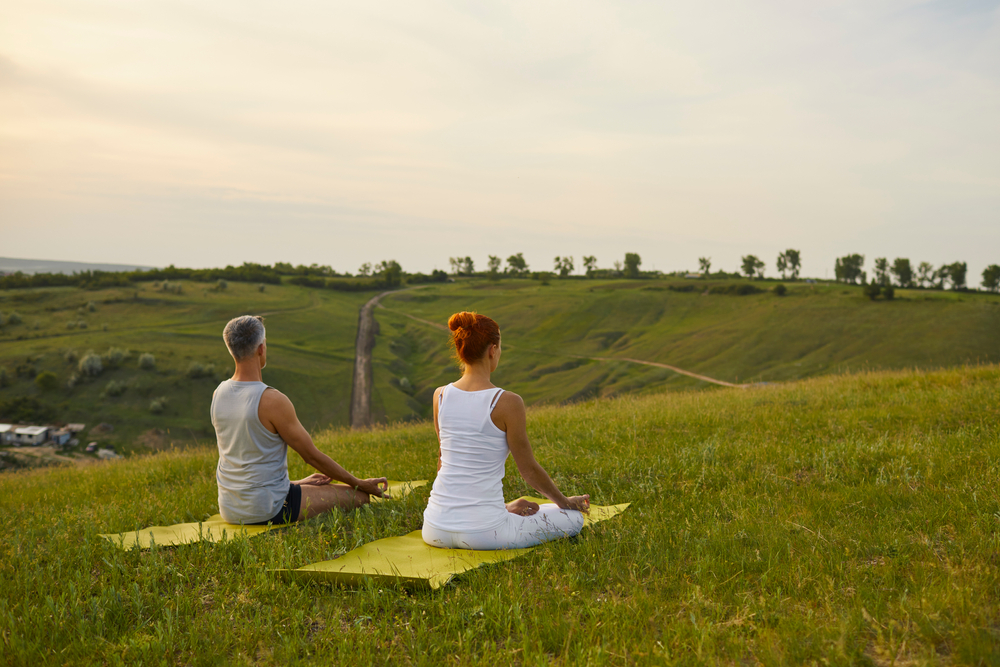
Activities extend the dining experiences, inviting guests to engage with nature and partake in adventures stimulating the mind and body. Central to these retreats are transformative journeys, carefully crafted to foster personal growth and cater to corporate getaways. 

Guests have opportunities to delve into self-empowerment programs and workshops that foster mental and spiritual well-being while encouraging personal and professional development. 

By collaborating with experts in diverse fields, these tranquility retreats create an environment that merges relaxation with self-discovery and bridges the gap between rejuvenation and personal evolution.

Here are a few of those places to keep in mind. 

The Inn at Evins Mill, Smithville: A Sanctuary for Personal Growth and Corporate Retreats

Nestled near the charming town of Smithville, just an hour east of Nashville, Evins Mill stands as a scenic resort with a fusion of luxury accommodations, exquisite dining experiences, plentiful activities, and transformative retreats. 

Amidst the idyllic surroundings, guests find a harmonious mix of serenity and inspiration, carving out an ideal sanctuary for personal development and transformative group retreats.

Luxury Accommodations amidst Tennessee’s Natural Splendor

Surrounded by the idyll of Tennessee’s Cumberland Plateau and Highland Rim, guests can immerse themselves in the beauty of forested bluffs and meandering streams. Within this serene backdrop, visitors have the opportunity to indulge in the resort’s luxurious accommodations, ranging from cozy individual rooms to spacious three-bedroom penthouses. 

Each space blends rustic charm, understated elegance, and modern comforts, providing a peaceful oasis for relaxation. With private decks furnished with inviting rockers, guests can savor picturesque views and find solace in the beautiful surroundings. 

Dining: A Gastronomic Adventure

Alongside the serene beauty and lavish accommodations, Evans Mill offers a dining experience that is truly extraordinary. A team of talented chefs, attentive waitstaff, and skilled bartenders work to curate a gastronomic journey. 

From breakfast to dinner, guests can indulge in the innovative flavors of dishes like Down Under Lamb Chops, Cumberland Pork Tenderloin, and Gristmill Salmon, each blending local influences with international inspirations.

Adventures in Nature: Exploring Trails, Falls, and Fishing
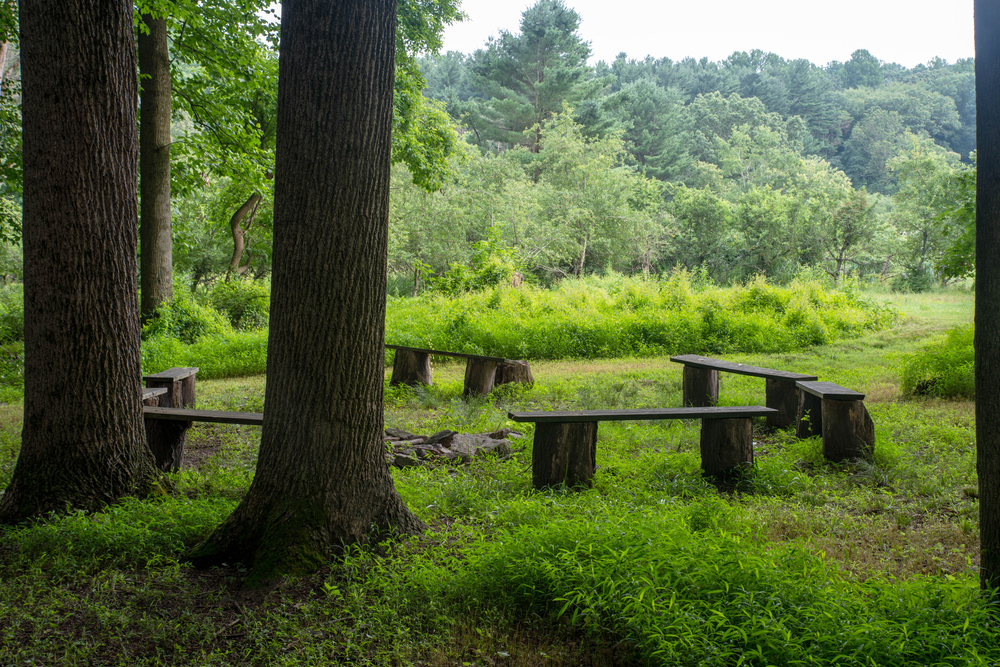

Beyond culinary delights, Evins Mill pulses with a wide range of activities, catering to guests seeking adventure, relaxation, or a perfect balance of both. The resort boasts an extensive network of hiking trails that wind through the woodlands, leading to scenic overlooks and Carmac Falls. 

This pristine backdrop provides ample opportunities to connect with nature, whether delighting in a refreshing swim or fishing at the Evins Mill Pond, where the thrill of reeling in bass, bluegill, and brim awaits.

Transformative Journeys: Personal Growth and Corporate Retreats

Complementing the allure of its outdoor offerings, Evins Mill goes beyond to invite guests on a journey of personal growth and professional development through its tailored programs and transformative retreats. 

Recognizing the significance of collaboration and growth within organizations, Evins Mill welcomes companies searching for impactful corporate retreats. With a reputation as a sought-after destination for corporate and executive retreats, Evins Mill has cultivated strategic partnerships to enhance the retreat experience. 

The resort collaborates with New Frontiers, a provider of experiential programs and a range of adventure activities. These offerings include climbing walls, archery tag, laser tag, canoeing, zip lines, paintball, and caving, creating opportunities for team building, personal growth, and unforgettable experiences. 

While Evins Mill is known for enhancing businesses and organizations, it also fosters personal growth for visitors on a journey of self-development. Though it may not directly provide content for personal growth workshops, the tranquility retreat features a platform for self-empowerment programs, welcoming visitors who seek to cultivate their mental and spiritual wellbeing.

Collaborating with practitioners in various disciplines, including yoga, meditation, spiritual growth, and professional development, Evins Mill has curated an array of retreats that empower guests to embrace personal transformation. 

The Art of Living Retreat Center, Boone: Serenity in Nature’s Abode

Nestled within the captivating Blue Ridge Mountains of Boone, North Carolina, the Art of Living Retreat Center is a sanctuary of relaxation and renewal.

This sought-after retreat spans over 380 acres, characterized by untouched forests, a serene landscape, and abundant wildlife. With lush greenery and tranquil trails, the retreat provides an immersive experience, offering visitors the chance to experience the tranquil rhythm of nature, fostering a sense of relaxation and serenity. 

Tranquil Accommodations: Catering to Every Guest’s Needs

Seamlessly continuing the peace of the surroundings, this retreat center accommodates up to 1,100 guests, ensuring every visitor a restful and restorative stay. 

To cater to the diverse preferences of guests while maintaining the theme of tranquility, the Art of Living Retreat Center offers three overnight lodging options for visitors: fully equipped apartments, retreat rooms, and traditional hotel rooms.

For those planning an extended retreat of 8 days or more, the Center provides the option of apartments for their stay. These residences come well-furnished with kitchenettes, refrigerators, stove tops, sinks, and laundry facilities for optimal convenience. 

The provision of private balconies and flat-screen televisions further elevates the living experience. Capable of housing up to four guests comfortably, these dwellings serve as a welcoming and cozy home away from home for long-term visitors.

The retreat rooms serve as a perfect fit for guests seeking a minimalist setting that fosters serenity and introspection. These rooms cultivate a calm and reflective ambiance, simply furnished with two twin beds and a desk.

Equipped with customary amenities, the standard rooms come with the choice of full or king-sized beds, ensuite bathrooms, televisions, and refrigerators. These rooms ensure guests enjoy the comforts and conveniences characteristic of contemporary hospitality.

Culinary Delights: A Global Journey for the Palate

Beyond the comforts of the center’s accommodations, guests can look forward to a culinary journey under the skilled hands of Chef Raju Bhujel. At the heart of this journey that traverses global flavors, Chef Bhujel whips up dishes with the intention of instilling happiness and balance in guests. 

He artfully blends the fresh bounty of Boone with diverse flavors of locales as varied as the Caribbean and Bombay, crafting vegetarian fare that is satiating and delectable. 

The menu reassures non-vegetarians of an extensive range beyond the usual tofu and kale, featuring unique offerings such as coconut-roasted pepper soup, spaghetti squash primavera, and vegetable Wellington. 

Additionally, all buildings have readily available filtered water, Ayurvedic teas, and fruits to cater to health and hydration needs.

Activities and Adventures Await at the Retreat Center
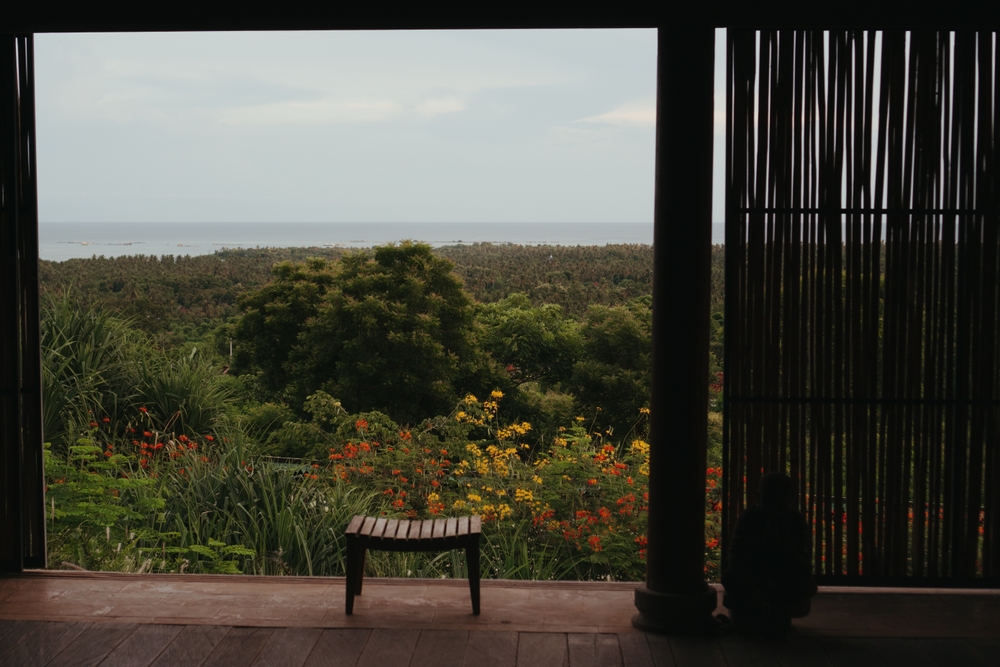
From the delightful dining experience, the center seamlessly invites guests to explore a diverse range of activities. A rotating calendar of options includes themed events, meditation programs, and yoga workshops, allowing visitors to immerse themselves in practices that promote well-being and self-discovery.

For those seeking ultimate relaxation and rejuvenation, the center’s top-ranked spa offers a wide array of spa, wellness, and Ayurvedic treatments and the renowned Panchakarma experience. These offerings are carefully designed to revitalize the body and mind, ensuring a holistic and transformative experience for guests.

Artistic souls will find solace in the onsite pottery studio, which offers boundless opportunities for creativity. The studio provides all the necessary materials, including clay and kiln, for guests to freely express themselves and craft unique pieces.

Beyond artistic expression, the center opens the door to a world of outdoor activities. Situated in the Blue Ridge Mountains, the place is surrounded by opportunities for adventures, including hiking, climbing, and rafting, making it ideally located for outdoor enthusiasts. 

Transformative Retreats for Inner Well-being and Spiritual Awakening

In addition to a range of activities, the Art of Living Retreat Center offers a trio of transformative retreats. Built upon ancient Ayurvedic healing principles, these retreats integrate traditional wisdom with a contemporary perspective.

Available twice weekly, the Happiness Retreat is a gateway to mastering practical techniques that have the potential to positively impact visitors’ life indefinitely. Through exploring powerful practices such as Sudarshan Kriya, a well-known breathing technique, participants can experience a range of benefits, including relief from anxiety, improved immune function, and reduction in stress. 

For those seeking a deeply spiritual experience, the Silent Meditation Retreat merges the core components of the Happiness Retreat with a period of silent contemplation. This unique retreat incorporates advanced breathing techniques, yoga sessions, and guided meditations, allowing participants to delve into deep introspection, nurture inner stillness, and connect with their spiritual essence.

Lastly, the Meditation Retreat presents an opportunity to learn the transformative practice of meditation. Through this retreat, participants get to uncover the simplicity and efficacy of this mind-calming technique. Meditation enhances their capabilities to foster a serene mind, boosts their immunity, and lightens any psychological or physical burdens they may carry.

The Farm, Summertown: Living with Intent

Founded in 1971, The Farm has blossomed into a vibrant, intentional community nestled within the serene landscapes of southern middle Tennessee. Spanning across three square miles, The Farm is a testament to the values of nonviolence and deep respect for the Earth.

Over the past four decades, The Farm has gained widespread recognition for its diverse contributions. From pioneering midwifery practices and natural childbirth to promoting vegetarian cuisine and healthy diets, the Farm has made a meaningful impact in various areas. 

Sustainable Accommodations at the Farm

To fully experience the essence of The Farm and embrace its commitment to sustainable living and community harmony, visitors have the opportunity to stay in accommodations that reflect its values and ethos. 

The Wooden School, which served as the first Farm High School, has been transformed into a welcoming space with two dorm rooms. These rooms feature single beds and offer a communal living environment for solo travelers and groups alike. 

The Ecovillage Training Center is situated nearby and offers additional accommodation choices, including single rooms and dorm rooms with bunk beds. 

For those who prefer a closer connection with nature, camping facilities are available in both a walk-in wooded area and a designated camping site where visitors can keep their vehicles nearby. These camping options allow visitors to immerse themselves in the natural beauty of The Farm while enjoying essential amenities such as water, showers, and outhouses.

From Farm to Table: Unraveling Vegan Gastronomy

After basking in the comfort of their serene accommodations, visitors wouldn’t want to miss the gastronomic adventure that awaits at the Farm. 

Celebrated for their exquisite vegan creations, their “ice bean” ice cream, crafted from top-tier soy milk, has become a crowd favorite among locals and visitors. Guided by the seasoned hand of Roberta, a master chef with expertise in perfecting vegan delights, the culinary experience at The Farm has become a hallmark of its community. 

Beyond food, The Farm store is a popular spot for visitors. It’s an easy one-mile walk from the Community Center, offering a variety of quick snacks and artisanal crafts. The store is a place that represents the community’s spirit, combining food and creativity for all to enjoy.

Activities: the Farm Experience Weekend

After the culinary delights at the FECC, an ideal transition is a journey offered by the Farm Experience Weekend. It is a unique opportunity for those considering a visit or even a more permanent stay at The Farm. 

Participants get an in-depth look into the Farm’s fabric, history, and current infrastructure through guided tours of both the community and the Ecovillage Training Center. 

Workshops during this weekend cover a wide range of topics, from alternative education models and midwifery to the intricacies of launching a small business. They also provide a platform to meet members of the community, opening channels for conversations and answers to any lingering questions. 

Educational Workshops for Sustainable Living 
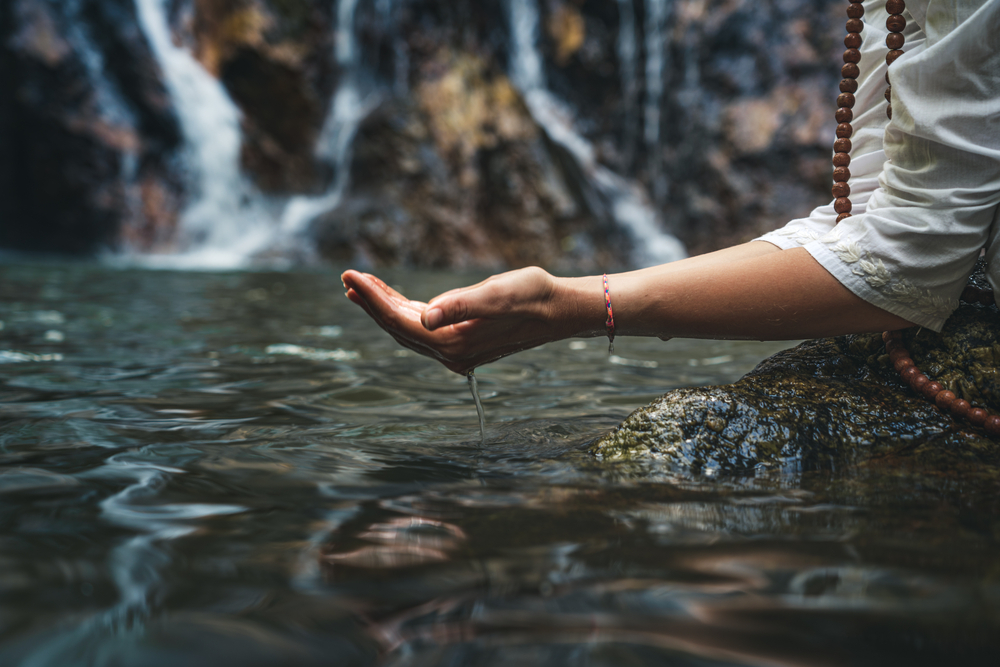
Over the past three decades, The Farm has established itself as a hub of experiential learning, offering a diverse portfolio of courses and workshops. From the traditional wisdom of midwifery and medicinal herbalism, participants have the opportunity to deepen their understanding of time-honored practices. 

Simultaneously, the workshops offer insights into sustainable living philosophies such as natural building and permaculture to encourage an environmentally conscious way of life.

In response to evolving global needs, The Farm also educates on modern sustainability strategies. These include lessons on ecovillage design, which involves planning sustainable, socially beneficial habitats, and courses on alternative energy that aim to promote the use of renewable resources. 

Workshops on carbon farming further highlight the farm’s commitment to mitigating climate change by harnessing agricultural practices that sequester carbon dioxide.

The artistry of vegan cuisine isn’t forgotten either. The Farm hosts workshops that allow participants to master the art of preparing tasty vegan dishes. 

Well Being Retreat Center, Tazewell: Riverside Serenity

Tucked in the picturesque landscape of Northeast Tennessee, the Well Being Retreat Center offers a peaceful escape for wellness seekers. 

This 160-acre sanctuary is framed by the calm Powell River, which shapes an environment perfect for yoga, mindfulness, meditation, and wellness retreats. With its expansive landscapes and tranquil setting, the center welcomes individuals and groups seeking an enriching retreat experience. 

Accommodations: Comfort in the Heart of Nature 

To provide a homely environment amidst the wilderness, the center houses a blend of three cabinettes and eleven cabins that can accommodate 15 to 25 guests. All cabins are designed with vaulted pine ceilings, tiled floors, and kitchenettes equipped with a fridge. 

The Wood Duck Cabin, the largest among them all, boasts a cozy living and dining area and a full-size kitchen. Four of the cabins feature sod roofs that offer natural insulation against the heat of summer and chill of winter, often attracting deer for a peaceful rooftop grazing session. 

In addition to the cabins, six picturesque tiny houses dot the upper pasture of the retreat center. These houses come with a small kitchenette, a private bath, air conditioning, and a deck offering breathtaking views of the Cumberland hills.


Dining: Nourishing the Body and Mind

Beyond the comfort of accommodation, the retreat center significantly emphasizes the power of nourishment for overall wellness, serving tasty and healthful meals.

The menu offers a customizable selection with non-vegetarian and vegetarian options aligned with retreat attendees’ dietary requirements. Each dish is freshly prepared with a focus on organic and gluten-free ingredients, including wholesome legumes, fresh vegetables and fruits, gluten-free whole grains, grass-finished beef, and ethically sourced organic eggs.

Adding to its commitment to sustainable practices, the center takes great pride in harvesting fruits and vegetables from its own organically maintained orchard and garden. They also raise their own organic chicken and collect free-range eggs. This locally sourced produce highlights the Center’s culinary ethos that revolves around a deep respect for nature.

Retreat Journeys for Holistic Transformation 

In addition to providing nourishment for the body, the Wellbeing Retreat Center offers a variety of transformative retreats. Some retreats are devoted to the practice of noble silence, presenting attendees with a unique opportunity for introspection and self-discovery. These retreats are characterized by a serene atmosphere that fosters deep inner tranquility and heightened self-awareness. 

The Wellbeing Retreat Center also offers tranquility retreats that, while mostly silent, include a balance of personal exploration and guided activities. A significant focus is placed on silent reflection, journaling, and rest, allowing participants to delve into introspection and deepen their inner exploration. 

In addition to the silent activities, the retreat center offers guided experiences such as mindful movement, forest therapy, and sitting/walking meditation, complementing and enhancing the retreat journey. 

Apart from engaging in outdoor activities, participants can join group discussions and interactive activities, providing dynamic opportunities for connection and exchange. 

In the more personal sphere of the retreats, family and systemic constellations provide insights into the dynamics of relationships, shedding light on how these relational structures influence individual behaviors and emotional wellbeing. 

Finally, Dharma discussions provide a space for deep listening and reflection, helping participants to relate the practices they’ve experienced during the retreat to their everyday lives. 

By seamlessly blending mindful movement with the lessons and practices of the retreat, participants are encouraged to carry their newfound insights into their daily routines. This helps them cultivate a lifestyle of sustained mindfulness and wellbeing

THOR: A Mountain Refuge in the Heart of Tennessee

Nestled within Tennessee’s serene beauty and just an hour south of the vibrant city of Knoxville, THOR awaits – a refuge for renewal and personal transformation. 

Resting on a mountain with views of the Chattahoochee-Oconee National Forests, the Great Smoky Mountains National Park, and the Nantahala National Forest, its idyllic location offers an abundance of tranquility. Nearby, the charming town of Tellico Plains teems with local businesses, lending a mountain town vibe to the surrounding region.

Crafted in harmony with the rustic environment, this retreat caters exclusively to women over forty who have triumphed over significant challenges or seek solace during an impactful phase of their lives. This nurturing space for growth and healing peacefully blends with the surrounding tranquility and rural allure.

Unwind in THOR Retreat’s Rustic-Chic Accommodations

A tranquility retreat from the demands of everyday life unfolds within its accommodations. Situated amidst untouched forest land, these lodgings blend rustic charm with contemporary elegance. Each room is thoughtfully furnished with one or two queen-size beds to provide a cozy space for friends to share and foster a sense of closeness and camaraderie. 

In harmony with the natural surroundings, the décor creates an atmosphere of restful comfort so that attendees can fully immerse themselves in their wellness journey.

Farm-to-Fork: Savoring Seasonal and Sustainable Cuisine

As for the gastronomic offerings, THOR takes pride in its farm-to-table approach and local, seasonal, and sustainable menu options. The ingredients are sourced predominantly from local farms and cooperatives, emphasizing wholesome, organic products like free-range farm-raised eggs, chicken and beef, dairy, and various seasonal produce.

A glance at the lunch and dinner offerings reveals enticing options like shredded Smoked Pork Tenderloin Tacos, Garden Fresh Farm Salad, and Turkey Mushroom Meatballs with Zoodles. Dishes are buffet-style, allowing guests to portion their meals according to their macro needs. Food scales are available throughout the property for precision and convenience.

It is clear that at THOR, the cuisine is thoughtfully crafted to bolster the physical and mental wellness journey of retreat participants.

Holistic Healing and Wellness: Diverse Therapies at THOR
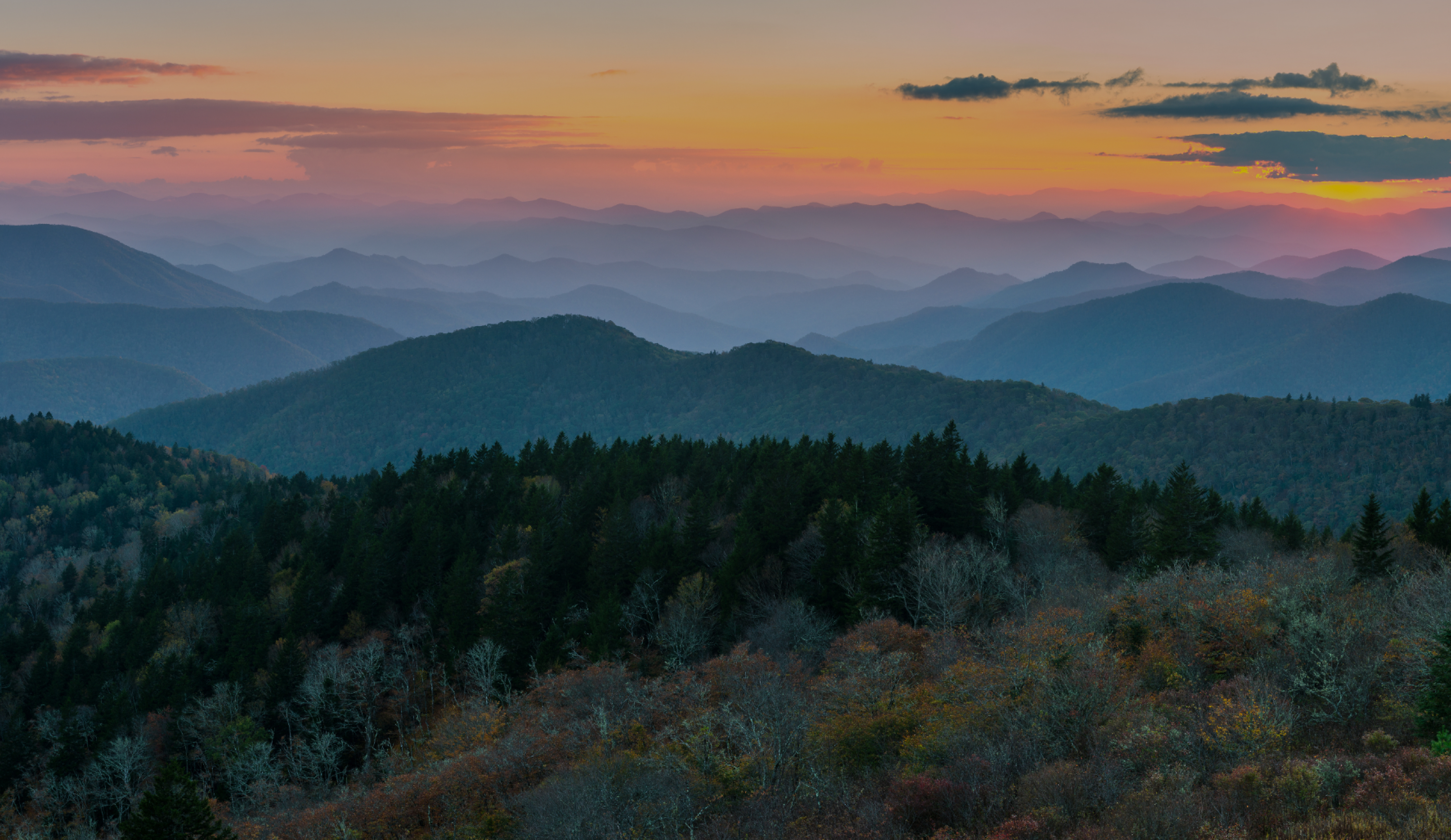
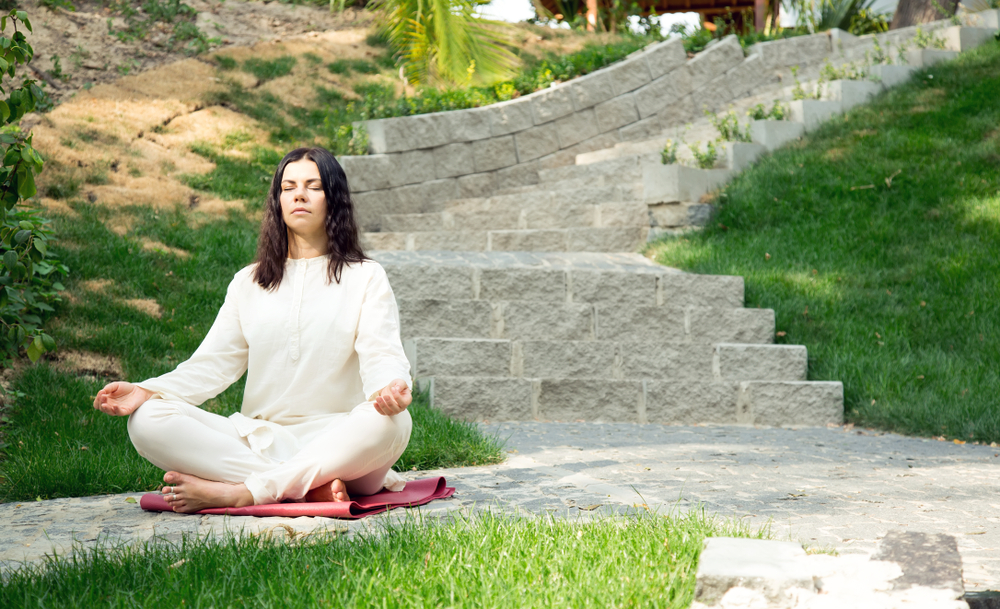
Many therapeutic treatments and activities await guests to enhance the tranquility retreat experience.

The spa services are both diverse and holistic and encompass treatments such as facials, body scrubs, massages, and other aesthetic enhancements. Delivered by adept therapists, these treatments are tailored to the guests’ needs, promising a rejuvenated and refreshed state of being upon completion.

One of the unique treatments available is IV Therapy. Under qualified healthcare professionals’ care, this treatment propels a cocktail of vital nutrients directly into the bloodstream. By circumventing the digestive system, this method delivers immediate and potent effects to foster a sense of revitalized wellness.

Reiki, an ancient healing practice, is another key feature of the wellness regimen at THOR. Known for its ability to alleviate stress, anxiety, and physical discomfort, Reiki brings forth a sense of calm, tranquility, and holistic well-being. At the retreat, skilled practitioners tailor each Reiki session to the guests’ specific needs to ensure they reap the utmost benefits.

THOR also offers the timeless wisdom of herbal medicine, a practice that harnesses the healing properties of plants and their extracts for therapeutic purposes. Here guests have the opportunity to schedule consultations with an experienced clinical herbalist. This meeting could uncover the potential of herbalism in supplementing the guests’ overall wellness journey.

Complementing these rejuvenating therapies, the retreat also offers personalized strength training sessions. The personal trainers at the facility work to grasp the guests’ individual fitness profiles, objectives, and preferences. They then guide them through a curated set of movements and exercises. The goal is to enhance stamina, foster strength, and improve overall fitness, thereby contributing to a holistic wellness experience.

Embracing Transformation: THOR’s Art + Science Retreat Experience

Beyond a diverse assortment of treatments and activities, one of the highlight offerings from THOR is The Art + Science of Transformation Retreat. This meticulously curated program invites attendees to delve deep into an exploration of wellness, personal growth, and communion with nature.

The retreat unfolds daily with a farm-to-table gourmet breakfast served at the serene Main House. This nourishing start sets the tone for the day, echoing the retreat’s ethos of harnessing what is wholesome and natural for nourishment and invigoration.

The morning tranquility extends onto the Deck, where forest bathing is combined with meditation, yoga, and restorative breathwork. This gathering allows attendees to start the day grounded in mindfulness.

As the morning progresses, the energy shifts to a more dynamic level with an outdoor HIIT class on the Deck. This invigorating session is designed to boost heart rates and energy and set a strong, vibrant tone for the day.

Once morning activities have concluded, attendees reconvene for a Mindset, Macros & Transformation Mastermind Session, which stimulates both mind and spirit. Then they are offered some free time and an opportunity to indulge in a massage, take a leisurely walk, or perhaps get to know fellow participants over a cup of coffee.

As the day transitions into the evening, the retreat shifts its dynamics to embrace a rhythm of festivity. Each event features its own one-of-a-kind concept, from high-energy dance parties to thematic dinners. The evenings are infused with vibrancy and offer fun-filled entertainment, underscoring the retreat’s commitment to balance joy and social connectivity.

To close off this transformative journey, a final free time segment offers attendees the chance to engage in favored activities, reflect on the experiences of the past days, and bid their fond farewells.

Summing up

Interweaving elements of relaxation, reflection, and adventure in a naturally serene environment, the transformational journey facilitated by retreats presents a holistic approach to personal growth.

Guests are encouraged to immerse themselves in many experiences designed to enrich their stay and promote self-development. The blend of serene accommodations and gourmet dining provides a sanctuary of comfort while activities and workshops stimulate mind and body.

With an array of activities such as wellness workshops, yoga and meditation, and outdoor adventures, the breadth of offerings ensures there’s something for every taste and inclination. These curated activities not only complement the overall tranquility retreat experience but provide an opportunity for guests to embark on a holistic journey. 

Diving deeper, the core essence of retreats lies in their ability to serve as platforms for self-discovery and personal growth. They inspire guests to reflect, unwind, and embark on a journey of self-empowerment, all against the backdrop of nature’s healing power. 

In their essence, tranquility retreats provide a gateway to personal evolution and growth, encouraging guests to define their own journey towards increased self-understanding and peace.


DISCLAIMER: Always consult with a healthcare professional before starting any new routines, programs, or nutrition plans to ensure you receive the best medical advice and strategy for your specific individual needs.


Yoga comes in a variety of styles and types to suit different levels of ability, needs, and preferences. From high-intensity Vinyasa and Ashtanga to more relaxed Hatha and restorative yoga, there is a style that might just be right for you. Restorative yoga, in particular, is a slow-it-down type that focuses on body and mind relaxation and healing. 

By definition, the word restore, as in restorative yoga, means to bring back and return to an original or former condition. That’s what many of us need as today’s busy and hectic life can leave us feeling overworked, overwhelmed, and far from our original condition. Toxic environments, traffic congestion, convenient foods, and competing demands often make us feel stressed and weighed down physically and mentally. We need time to disconnect, relax, and restore.

This is what restorative yoga is about, helping us slow down, relieve stress and tension, and find comfort in our body and mind. And sometimes you just need to get away from everything, switch off, and get a restorative break. A yoga retreat can help you do just that: recover, recharge, and nourish your mind and body. Whether it is a yoga retreat in Tennessee, Sri Lanka, Mexico, or Thailand, this is an opportunity to wind down, relax, build yourself back up, and just be. 

What Is Restorative Yoga?

Restorative yoga is a more restful and slow-paced practice that’s meant to release tension and stress and unlock your body’s natural healing ability. The main focus is on emotional, mental, and physical relaxation to let your mind and body unwind.

Unlike some more vigorous styles, the intention is to relax into poses and put in as little effort as possible. Props like straps, blankets, bolsters, and blocks are often used so that you feel comfortable and supported in various poses. While maintaining a pose, you pause and pay close attention to your breath and your sensations. You follow your emotions as they come and go, without trying to make them change or disappear. It’s like dropping the storyline to connect with your emotions and taste and live them completely. 

A healthy recipe for mental catharsis, deep release, and relaxation, this therapeutic yoga style promotes deep inner peace and healing. Creating deep ease in the mind and body, restorative yoga also benefits a whole range of conditions, from insomnia and anxiety to backaches, headaches, and chronic pain. 

Why the Practice Lands Differently for Women Over 40

Restorative yoga is one of the most appropriate physical practices available for women in their forties, fifties, and sixties, and the reasons are specific.

The nervous system needs help. Decades of caring for other people, building careers, and running households leave most midlife women in a chronically sympathetic-dominant state. Cortisol stays elevated for too many hours of the day, sleep is shallower than it used to be, and the body has lost the ability to drop into a deep parasympathetic state without external support. Restorative yoga creates that support directly through the props, the time, and the breath.

The connective tissue has changed. With age and hormonal change, the tendons, ligaments, and fascia lose elasticity, become tighter, and need more time to lengthen. The conventional yoga approach of moving quickly from pose to pose does not give midlife tissue the time it actually needs to release. Restorative practice holds poses for five to twenty minutes, which is long enough for the connective tissue to soften and the fascia to hydrate. We covered this fascia dynamic in the article on unlocking tight fascia and lymphatic flow, and restorative yoga sits at the center of that work.

Perimenopause and menopause amplify everything. The hormonal shift of midlife affects sleep architecture, cortisol regulation, body temperature regulation, mood, and inflammation. Restorative yoga has documented benefits across all of these dimensions, and many of the women I work with find that the practice provides relief faster than any medication, supplement, or sleep aid they have tried. If you are noticing the 20 signs of perimenopause showing up in your life, restorative yoga is one of the most accessible practices to fold in early.

Recovery is the constraint. Most midlife women I coach are not under-trained. They are under-recovered. The practice they need most is the one that gives the body permission to recover, which is the entire point of restorative yoga. The general benefits of yoga overlap heavily with restorative practice, with one important difference. Restorative is the most recovery-focused style available, and it is the style I recommend most often as a foundation for women over 40.

The relationship with the body needs repair. After decades of putting the body last, many midlife women report feeling disconnected from physical sensation. The slow attention of restorative yoga rebuilds the felt sense in a way that few other practices do. The practice also supports a deeper understanding of your life’s purpose and quality of life by creating regular windows for inner listening.

The Specific Benefits Restorative Yoga Delivers in Midlife

The research literature on restorative yoga and adjacent slow-paced practices is substantial. Here is what shows up consistently across published studies.

Improved flexibility and joint mobility

Flexibility training becomes essential as the body enters perimenopause and beyond. As estrogen drops, tendons and muscles lose elasticity, joints become stiffer, and the margin for safe range of motion narrows.

Restorative yoga holds poses for longer durations than most other styles, which allows muscle and fascia to lengthen gradually and gently. The goal is never to push into the deepest range possible. The goal is to release accumulated tension and let the body find its own natural range over time. This protects joints, supports posture, and keeps the spine more comfortable across decades.

Stress relief and nervous system recovery

Restorative yoga is one of the most effective practices for shifting the autonomic nervous system from sympathetic dominance into parasympathetic recovery. Research consistently documents reductions in cortisol, heart rate, and blood pressure during and after restorative practice, with effects that persist for hours after the session ends.

For midlife women dealing with chronic stress, the practice creates a window of actual physiological recovery that most modern daily life does not provide.

Better sleep

Sleep quality is one of the first things that improves when restorative yoga becomes a regular practice. Research on yoga interventions for menopausal sleep difficulties shows measurable improvements in sleep onset latency, total sleep time, and subjective sleep quality across multiple studies. The combination of nervous system down-regulation, breath training, and the muscle relaxation that comes from supported holds is well suited to address midlife sleep issues at their physiological root.

Reduced perimenopausal and menopausal symptoms

Mind-body practices including restorative yoga have been studied specifically for menopausal symptom relief. Meta-analyses across the last decade have documented reductions in hot flash frequency, sleep disturbances, mood symptoms, and overall symptom burden. The mechanisms are thought to involve cortisol regulation, parasympathetic activation, and improvements in body temperature regulation through breath-based interventions.

Better breath mechanics and respiratory function

Practiced alongside the postures, diaphragmatic breathing (also called belly breathing) recruits the diaphragm to do the work of respiration that most adults outsource to the upper chest muscles. Research has shown that diaphragmatic breathing reduces blood pressure, lowers heart rate, supports digestion, and improves lymphatic flow.

The technique is associated with reduced anxiety, reduced fatigue, and improved cognitive function across multiple study populations, including women in perimenopause and menopause.

Emotional release and trauma-aware healing

The combination of supported holds, breath attention, and the slow time inside each pose creates conditions where emotional material can move. Many women report that restorative practice surfaces grief, anger, or sadness they did not realize they had been holding. Done well, with appropriate guidance, this is healing work. The practice does not push the emotions to come up, and it does not require analyzing them when they do. The practice simply makes space for the body to release what it has been holding.

Reduced chronic pain

Restorative yoga has been studied as a complementary intervention for chronic pain conditions including lower back pain, fibromyalgia, and persistent tension headaches. The mechanism involves a combination of nervous system down-regulation (which reduces pain sensitivity), fascia release (which addresses tissue-level tension), and the development of a more skillful relationship with bodily sensation. Many women in midlife who have been dealing with chronic pain for years report meaningful relief after several weeks of consistent restorative practice.

How Does a Restorative Yoga Retreat Support Women’s Health?

Joining a restorative yoga retreat is a wonderful way to press the pause button, deeply restore, and find balance in your body and mind. The focus is on clearing out negative vibes and old energies while accessing your mind’s ability to transform so you can move forward with peace, strength, and clarity.

Sitting in a circle, sharing nutritious meals, practicing yoga, chanting, taking labyrinth walks, and exploring your connection with your source and yourself will help you rest, heal, recharge, and let go.

With themed retreat workshops, daily meditations, mindfulness classes, and wellness circles, a yoga retreat can be an empowering journey to self-love and self-care. Balancing the nervous system and rejuvenating the body, a restorative retreat helps reduce stress and tension, regulate digestive issues, balance hormones, and reduce menopause symptoms

What to Look For in Any Restorative Yoga Retreat (If You Are Comparing Options)

Even if you are not booking with us, the framework below will help you choose a restorative yoga retreat that actually delivers on the promise. These are the markers of a properly built midlife restorative retreat.

The practice is genuinely restorative, not a softer version of vinyasa.

Look for explicit references to long-held poses, prop support, and breath-led practice. If the schedule includes hot vinyasa or power yoga as the primary practice, the retreat is built for a different audience.

The food is built around protein and real nutrition, not juice cleanses or smoothie bowls.

Midlife metabolism does not respond well to caloric restriction or extended fasting. The food should support the practice, not work against it.

The group is small.

Twelve women is the upper ceiling for a properly intimate retreat experience. More than that and you are at a wellness conference, not a retreat.

Recovery modalities are integrated.

Massage, fascia work, lymphatic drainage, sauna, and red light therapy belong in the program. Without them, the retreat is missing half of what makes the practice work in midlife.

The founder or lead teacher has lived experience in midlife.

The body in perimenopause and menopause is different from a younger body, and the teacher leading the retreat should understand the difference from the inside.

Integration support is part of the program.

A retreat that drops you off at the airport and disappears is missing the most important piece of the work.

A published schedule is on the website.

If the operator will not show you what the days look like, the experience is unclear by design.

How to Prepare for a Restorative Yoga Retreat

The preparation for a restorative yoga retreat is gentle by design.

In the two weeks before arrival, begin to slow down. Reduce caffeine intake, prioritize sleep, and let the body know that recovery is coming.

Hydrate well and eat protein-forward meals in the days leading up to travel. Arriving depleted makes the first 48 hours of the retreat harder than it needs to be.

Pack layered clothing for the trip. The Smoky Mountains have a true mountain climate, with cool mornings and warm afternoons even in summer.

Bring comfortable clothes you can move and rest in. Restorative yoga is done in soft, warm layers.

Bring your usual supplements in a labeled organizer. The foundational vitamin and supplement collection is the baseline most midlife women benefit from, and continuity through the retreat is helpful.

Bring an open mind about what the practice might surface. Restorative yoga often releases emotions that have been waiting for a safe environment to come out, and arriving expecting only physical relaxation can be a surprise.

Let your family or work team know you will be largely unreachable for five days. Building the boundary into the trip before you arrive makes the actual five days easier.

Integration After the Retreat

The first three to six weeks after a retreat determine whether the changes hold or fade. A few practices that consistently support integration:

  • Keep a daily home practice of at least twenty minutes of restorative yoga or related slow practice. The schedule the retreat sends home is a starting point.
  • Keep the nutrition framework alive. The protein math and the meal structure from the retreat should continue at home. The Macro Calculator and cookbook make this much easier.
  • Maintain the morning and evening rituals. If you found a particular practice on the retreat that worked (a specific breath pattern, a specific evening pose, a specific morning sequence), keep it.
  • Stay connected to other women from the retreat if community formed. Small group accountability after the retreat extends the felt sense for months.
  • Consider 1:1 coaching for sustained support. The Monthly Coaching Program is the structure many women use to keep the work going.

How THOR Retreats Support Women’s Health Through Restorative Yoga 

Our retreats are five days and four nights at our property in the Smoky Mountains of East Tennessee, capped at twelve women, all-inclusive, with airport transport from Knoxville (TYS) available.

Daily restorative yoga practices, scheduled across morning and evening with attention to the natural rhythm of cortisol across the day. Yin yoga and breathwork are integrated alongside the restorative work to complete the slow-practice spectrum.

All meals included, designed around midlife metabolism.

Protein at every meal in the 30 to 40 gram range, real vegetables and fiber, healthy fats, slow carbohydrates, and the kinds of meals that our Macro Miracle Mediterranean Cookbook is built around.

Recovery and body work are part of the experience.

Massage, fascia release, lymphatic drainage, red light therapy, and cold water exposure in nature as options. These are not luxury upsells. They are the medicine of the retreat alongside the yoga.

Forest time built into the daily schedule.

The Smoky Mountain property has direct access to the forest trails of the deepest canopy in the country, and the slow walking practice integrates the nervous system reset with the documented effects of shinrin-yoku.

Integration support extending past the retreat itself.

Guests go home with a daily home practice, the foundational supplement stack most midlife women benefit from, follow-up access to our team, and the option of joining the Monthly Personal Training and Nutrition Coaching Program or our sixteen-week Age With Strength Program for sustained 1:1 work after the retreat ends.

The whole experience is designed to deliver the deepest restorative reset a woman in midlife can access in five days, with the integration architecture to make sure the changes hold once she goes home.

THOR Women’s Yoga Retreats, Near Knoxville, Nashville & Chattanooga, Tennessee, USA 

Nestled in the Smoky Mountains, THOR offers tailor-made wellness programs for women over 40. In addition to yoga and meditation, the programs cover healthy lifestyle behaviors, overcoming emotional eating, the challenges of menopause, and coping strategies for anxiety and depression in your 40s.

Employing expert coaches, THOR Retreats is a hub for exploration, learning, strengthening your emotional core, and becoming a stronger you. If you need some serious emotional, mental, and physical returning, you will find ample opportunities to recenter your body and mind. Plus, there is downtime to meditate, explore, see wildlife galore, and tune in with nature and yourself. 

Wrapping Up

Restorative yoga is one of the most evidence-supported practices available for women over 40 dealing with chronic stress, perimenopause, menopause, and the cumulative weight of years spent caring for other people. The slow practice is structured to deliver what the body actually needs in midlife: nervous system rest, real recovery, breath retraining, and a felt sense of safety in the body. A retreat extends the practice into five days of immersion with the food, the recovery work, the small group, and the integration support that compound the daily practice into a real reset.

If you have been searching for the right restorative yoga retreat for women over 40, the Deeply Restorative Yoga and Nature Retreat at THOR is the program I built for exactly this woman. Five days and four nights in the Smoky Mountains, capped at twelve women, all-inclusive, with airport transport from Knoxville, the food, the spa and fascia work, the integration support, and the team built specifically for midlife bodies. If the framework in this article resonates and you are ready for the full reset, the retreat is the experience this article describes.

The body in midlife is asking for slowing down, deeper rest, and a relationship with care that few women have been taught how to give themselves. Restorative yoga is one of the most accessible practices for learning how. A retreat is the place where the learning gets concentrated.

And if you are looking for a more serious mental and physical reboot, a restorative yoga retreat can be a catalyst. With curated wellness programs, restorative retreats are designed to help you relax, sync with the flow of nature, and be nourished in spirit, body, and mind. 

FAQs – Restorative Yoga for Women Over 40

What is the main difference between restorative yoga and regular yoga?

Most yoga styles emphasize movement, strength, breath, and engagement. Restorative yoga emphasizes rest, support, breath, and release. Poses are held for five to twenty minutes with full prop support, the body does as little muscular work as possible, and the goal is to drop into the parasympathetic nervous system rather than build strength or flexibility through effort.

Is restorative yoga safe for women over 40 with no prior yoga experience?

Restorative yoga is one of the most accessible practices available for women without prior yoga experience and is widely recommended as a starting point. The supported poses do not require flexibility or strength, the practice is slow enough to follow easily, and a good teacher will adjust the props and positions to fit each individual body. Many women find restorative yoga easier to start with than any other yoga style.

Can restorative yoga help with perimenopause and menopause symptoms?

Restorative yoga has consistent research support for perimenopause and menopause symptom relief. Published studies have documented reductions in hot flash frequency, sleep disturbances, mood symptoms, and overall symptom burden in perimenopausal and menopausal women who practice restorative or mind-body yoga regularly. The mechanism involves cortisol regulation, parasympathetic activation, and improvements in sleep quality.

How often should I practice restorative yoga to see benefits?

A practice frequency of two to three sessions per week, with each session lasting 30 to 60 minutes, produces noticeable benefits within four to six weeks. Daily practice, even in shorter sessions of 15 to 20 minutes, produces faster and deeper change. A retreat compresses several months of regular practice into five days of immersion.

What should I bring to a restorative yoga retreat?

Comfortable layered clothing you can move and rest in, a real journal, your usual supplements in a labeled organizer, a water bottle that holds at least 32 ounces, walking shoes for forest time, an eye mask and earplugs for sleep, and an open mind about what the practice might surface. Anything else of meaning to you that you would want with you in a quiet five-day window.

How is restorative yoga different from yin yoga?

Restorative yoga and yin yoga share some overlap but have different intentions. Yin yoga targets connective tissue specifically through long-held poses that create gentle stress on fascia, tendons, and joint capsules. Restorative yoga targets nervous system rest through fully supported poses with no intentional stress. Most well-built midlife retreats include both, often using yin earlier in the day and restorative later for sleep support.

Will I need to be flexible to do restorative yoga?

Flexibility is not a prerequisite for restorative yoga. The supported poses are designed to meet the body where it is, with props arranged to accommodate the actual range of motion you have. Inflexible bodies benefit enormously from restorative practice because the slow holds allow the connective tissue to soften over time rather than being pushed to a deeper range it is not ready for.

Is restorative yoga effective for chronic stress?

The research is consistent on this. Restorative yoga and adjacent slow-paced practices produce measurable reductions in cortisol, heart rate, and blood pressure, and the benefits persist beyond the session itself. For chronic stress, the practice is one of the most evidence-supported interventions available, alongside adequate sleep, real nourishment, and time in nature.

Can restorative yoga help with chronic pain?

Restorative yoga has been studied as a complementary intervention for chronic lower back pain, tension headaches, fibromyalgia, and other persistent pain conditions. The mechanism combines nervous system down-regulation (which reduces pain sensitivity), fascia release through supported holds, and the development of a more skillful relationship with bodily sensation. Many women report meaningful pain relief within a few weeks of consistent practice.

Should I do a retreat alone or bring a friend?

Both options have value depending on what you need. Coming alone gives you fewer obligations and a deeper inward experience. Coming with a friend gives you an integration partner when you get home. A well-run retreat creates community within the first 24 hours regardless of how you arrive.

What kind of food is served at a restorative yoga retreat?

A properly built midlife restorative yoga retreat serves meals designed around midlife metabolism, with 30 to 40 grams of protein per meal, real vegetables and fiber, healthy fats, and slow carbohydrates. Juice cleanses, intermittent fasting protocols, and smoothie-only programs are inappropriate for midlife restoration. The food should rebuild the body, not deplete it further.

How is the THOR restorative yoga retreat different from other restorative retreats?

The THOR Deeply Restorative Yoga and Nature Retreat is built specifically for women over 40 with the four daily expressions of midlife self-love (slow arrival, real nourishment, body work that changes tissue, community without performance, and integration after) woven into the schedule. Group size is capped at twelve. The founder lives in a midlife body and has built every element of the program around that experience. The location in the Smoky Mountains provides forest immersion that compounds the practice biologically.

How much does a restorative yoga retreat for women over 40 typically cost?

A 5-night all-inclusive women’s restorative yoga retreat in the United States usually runs between $2,500 and $4,500 per person depending on accommodation, group size, and inclusions. Day-only formats run lower, around $200 to $500. Luxury 7-night options can run $5,000 and up. The midrange is where the best balance of program quality, group intimacy, and integration support is usually found.

Will I need to keep up with the practice after the retreat to see lasting benefit?

Keeping the home practice alive is what makes the retreat benefits hold. A retreat is a concentrated reset, and the changes persist to the extent that the daily practice continues at home. Twenty to thirty minutes of restorative yoga most days, real food, adequate sleep, and the integration support from the retreat team all keep the work alive. Most women who maintain a home practice after a well-built retreat report sustained benefit six and twelve months later.

References

  • Innes, K. E., Selfe, T. K., & Vishnu, A. (2010). Mind-body therapies for menopausal symptoms: a systematic review. Maturitas, 66(2), 135–149.
  • Cramer, H., Lauche, R., Langhorst, J., & Dobos, G. (2018). Yoga for menopausal symptoms: a systematic review and meta-analysis. Maturitas, 109, 13–25.
  • Newton, K. M., Reed, S. D., Guthrie, K. A., et al. (2014). Efficacy of yoga for vasomotor symptoms: a randomized controlled trial. Menopause, 21(4), 339–346.
  • Cohen, B. E., Kanaya, A. M., Macer, J. L., et al. (2007). Feasibility and acceptability of restorative yoga for treatment of hot flushes. Maturitas, 56(2), 198–204.
  • Field, T. (2011). Yoga clinical research review. Complementary Therapies in Clinical Practice, 17(1), 1–8.
  • Hopper, S. I., Murray, S. L., Ferrara, L. R., & Singleton, J. K. (2019). Effectiveness of diaphragmatic breathing for reducing physiological and psychological stress in adults. JBI Database of Systematic Reviews and Implementation Reports, 17(9), 1855–1876.
  • Jerath, R., Crawford, M. W., Barnes, V. A., & Harden, K. (2015). Self-regulation of breathing as a primary treatment for anxiety. Applied Psychophysiology and Biofeedback, 40(2), 107–115.
  • Pal, G. K., Velkumary, S., & Madanmohan. (2004). Effect of short-term practice of breathing exercises on autonomic functions in normal human volunteers. Indian Journal of Medical Research, 120(2), 115–121.
  • Sengupta, P. (2012). Health impacts of yoga and pranayama: a state-of-the-art review. International Journal of Preventive Medicine, 3(7), 444–458.
  • Buchanan, D. T., Landis, C. A., Hohensee, C., et al. (2017). Effects of yoga and aerobic exercise on actigraphic sleep parameters in menopausal women with hot flashes. Journal of Clinical Sleep Medicine, 13(1), 11–18.
  • Antonelli, M., Donelli, D., & Barbieri, G. (2019). Effects of forest bathing (shinrin-yoku) on levels of cortisol as a stress biomarker: a systematic review and meta-analysis. International Journal of Biometeorology, 63(8), 1117–1134.
  • Park, B. J., Tsunetsugu, Y., Kasetani, T., Kagawa, T., & Miyazaki, Y. (2010). The physiological effects of shinrin-yoku (taking in the forest atmosphere or forest bathing): evidence from field experiments in 24 forests across Japan. Environmental Health and Preventive Medicine, 15(1), 18–26.
  • Maltais, M. L., Desroches, J., & Dionne, I. J. (2009). Changes in muscle mass and strength after menopause. Journal of Musculoskeletal and Neuronal Interactions, 9(4), 186–197.
  • Bauer, J., Biolo, G., Cederholm, T., et al. (2013). Evidence-based recommendations for optimal dietary protein intake in older people: a position paper from the PROT-AGE Study Group. Journal of the American Medical Directors Association, 14(8), 542–559.
  • Sherman, K. J., Cherkin, D. C., Wellman, R. D., et al. (2011). A randomized trial comparing yoga, stretching, and a self-care book for chronic low back pain. Archives of Internal Medicine, 171(22), 2019–2026.
  • Cramer, H., Lauche, R., Haller, H., & Dobos, G. (2013). A systematic review and meta-analysis of yoga for low back pain. Clinical Journal of Pain, 29(5), 450–460.
  • Curtis, K., Osadchuk, A., & Katz, J. (2011). An eight-week yoga intervention is associated with improvements in pain, psychological functioning and mindfulness, and changes in cortisol levels in women with fibromyalgia. Journal of Pain Research, 4, 189–201.
  • Boyle, N. B., Lawton, C., & Dye, L. (2017). The effects of magnesium supplementation on subjective anxiety and stress: a systematic review. Nutrients, 9(5), 429.
  • Bondarev, D., Sipilä, S., Finni, T., et al. (2018). The role of physical activity in the link between menopausal status and mental well-being. Menopause, 25(7), 757–765.

DISCLAIMER: Always consult with a healthcare professional before starting any new routines, programs, or nutrition plans to ensure you receive the best medical advice and strategy for your specific individual needs.