DISCLAIMER: Always consult with a healthcare professional before starting any new routines, programs, or nutrition plans to ensure you receive the best medical advice and strategy for your specific individual needs.
Known as shinrin yoku, forest bathing is a process of relaxation, immersing yourself in nature, and keeping your senses open to stay engaged with your surroundings. You observe the things going on, slowly walking on a gentle trail. Birds are chirping, streams bubble and gurgle, and the colors of plants and flowers – green, white, pink, and blue – dot the forest floor. The air is filled with the scent of wild herbs, pine needles, and fresh rain, dirt feels springy, and the air is cool, perfectly humid, and invigorating. You are greeted by a visual feast with each step, with dappled sunlight, lush greenery, and forest creatures darting through the bramble and underbrush. Nature has enveloped you, you find yourself calm, relaxed, and rejuvenated, bringing the same energy upon return.
What is Forest Bathing?
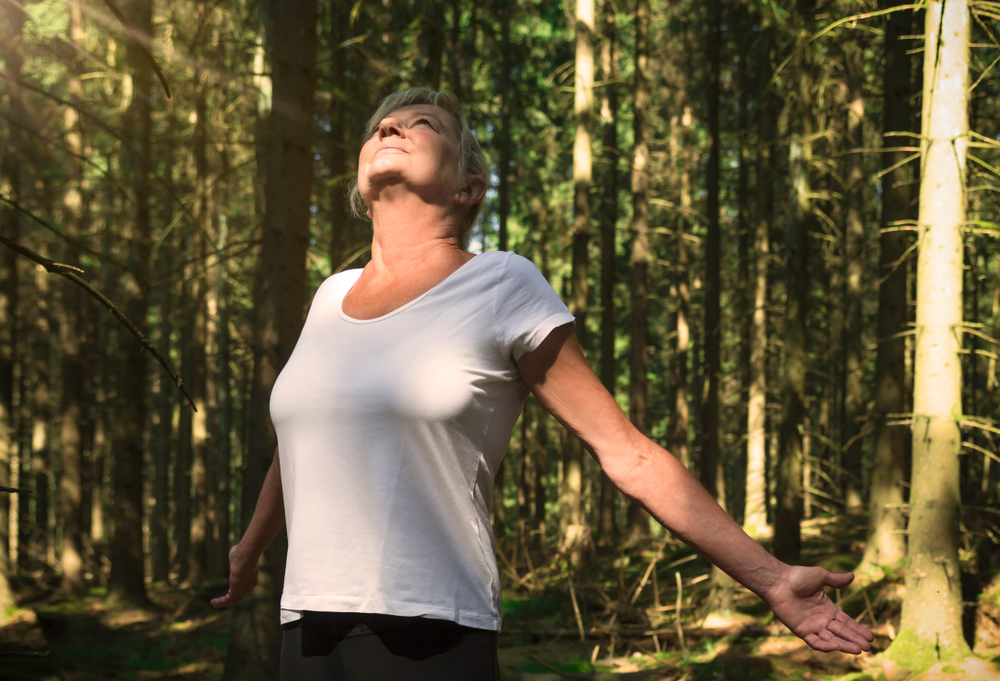 Developed by the Japanese Ministry of Agriculture, Forestry, and Fisheries in the 1980s, shinrin yoku is a therapeutic practice that involves using all of your senses to connect with nature and experience its calming effects. You notice the patterns of shadow and light, the shapes of bushes and trees, and the colors of leaves. You take a moment to listen to the buzzing of insects, the sounds of birds singing, and the rustling of leaves. Taking in the scents of the canopy forest, you notice the smell of mushrooms, magnolias, cherry blossoms, fallen branches, and decaying leaves. You feel the roughness of rock, the softness of moss, and the cracks and bumps on the bark of pine trees.
A unique environment like no other, with abundant wildlife, towering trees, and lush vegetation, spending time in the forest is a transformative and restorative experience. The soft, textured floor, gentle sounds, and fresh air leave you feeling calm, relaxed, and connected with the present moment, making it a more grounded way of being.
How to Start Woods Bathing?
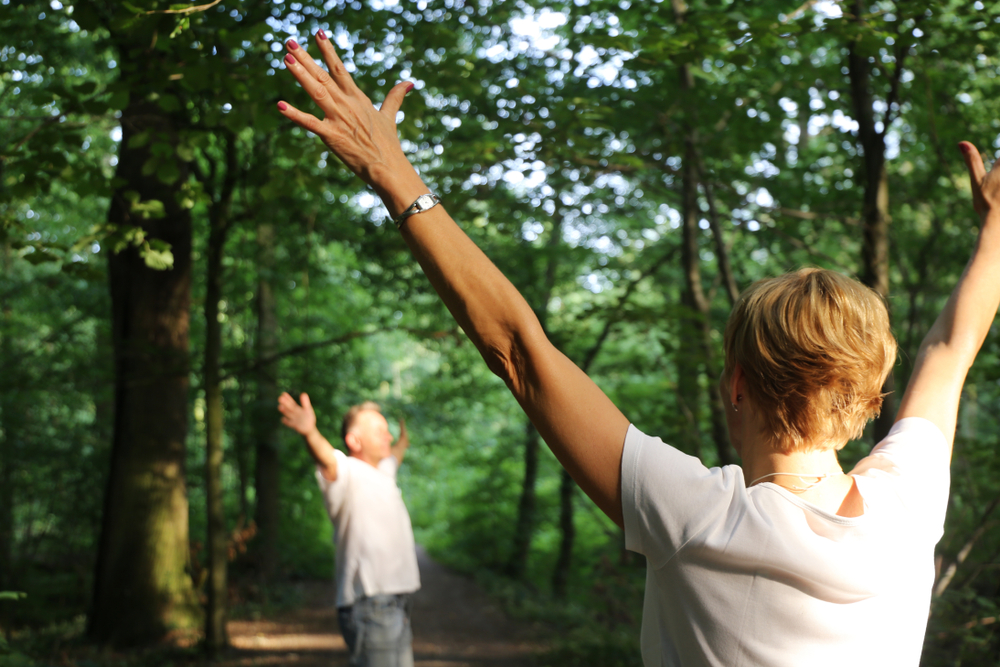 Here’s a step-by-step guide to incorporating this activity into your life
Choose a place and activity
To start forest bathing and experience its therapeutic benefits, you need to find a place that is quiet and safe and resonates with you. This can be a nature reserve, a state or national park, or a forest away from urban areas. Choose a spot that is peaceful and quiet and away from construction sites, airports, highways, and other sources of noise pollution. To avoid potential hazards, make sure the place you visit is safe. Ask the forest or park authorities about recent or current sightings, keep an eye out for any dangerous animals, and stick to marked trails.
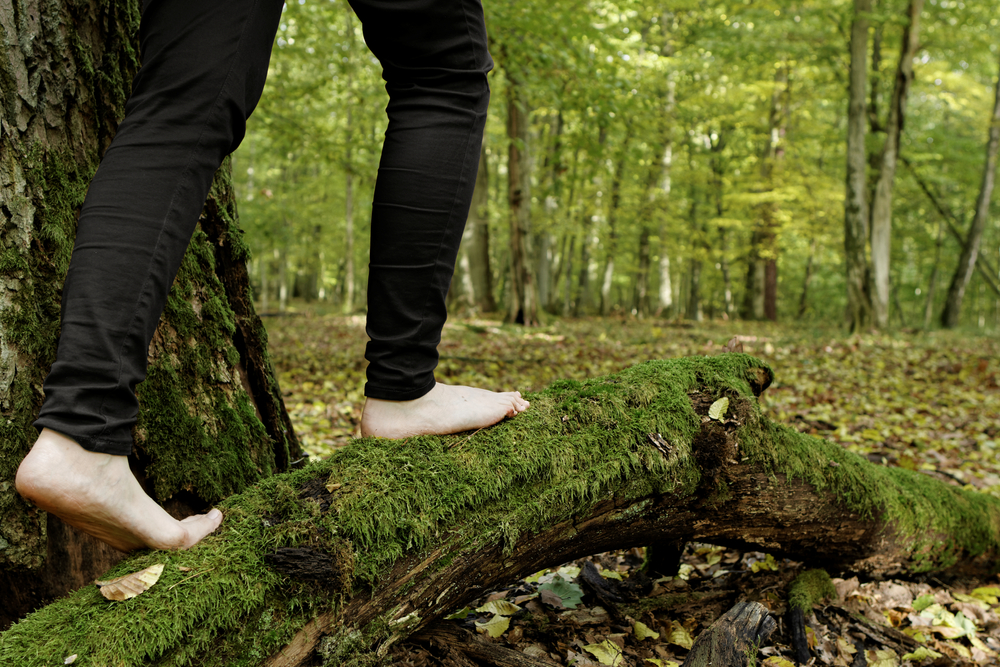
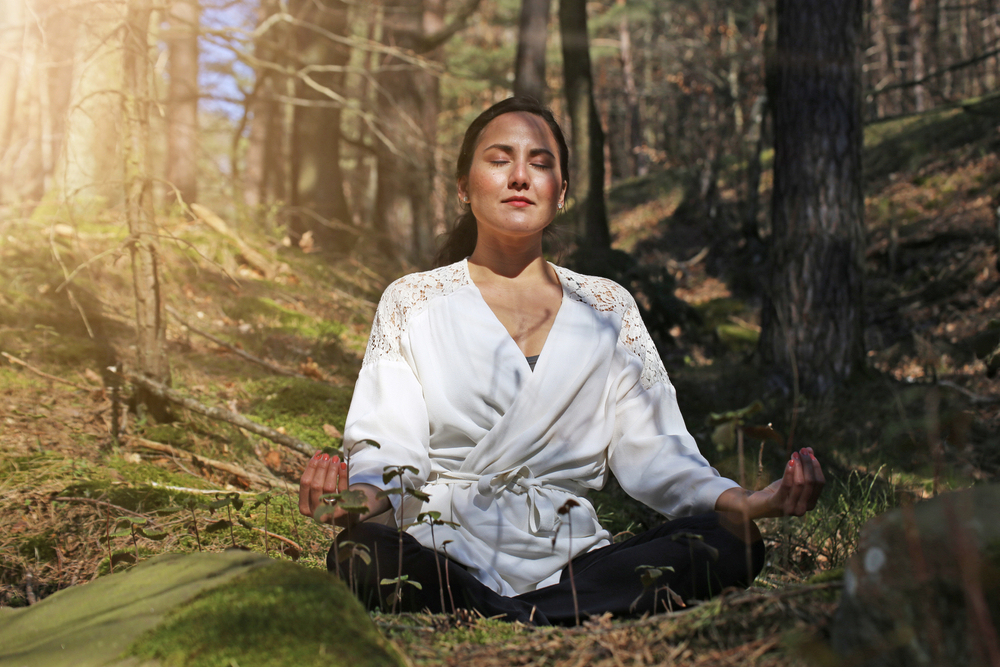
Once you find a spot, you’ll want to choose an activity that is right for you. This can be plant and wildlife observation, Nordic walking, aromatherapy, or breathing exercises. Forest bathing can take many forms, from mindful meditation, yoga, and hot-spring therapy to creative activities such as writing, drawing, and painting in nature.
Do not take smartphones, headphones, and other gadgets with you
 To fully immerse in nature and embrace the experience, disconnect from all of your gadgets, including smartphones, headphones, and tablets. The constant messages, alerts, and notifications can be a source of distraction that keeps you engaged. This can make it difficult to stay present, appreciate the scents, sounds, and sights of nature, and fully immerse in the experience.
Do not rush and do not try to follow a certain route

A form of mindfulness practice, shinrin yoku is not about going for an easy run or a type of green exercise. When practicing woods bathing, you are encouraged to slow down, let go of any sense of urgency, and observe and appreciate your surroundings. Instead of planning your route or setting a goal, give yourself the freedom to explore and wander without rushing. Stay fully present, focus on the smells, sounds, and sights, and take note of any interesting plants or wildlife, going nowhere fast. Slowing down allows you to feel, see, and experience more.
Direct all your attention to what surrounds you
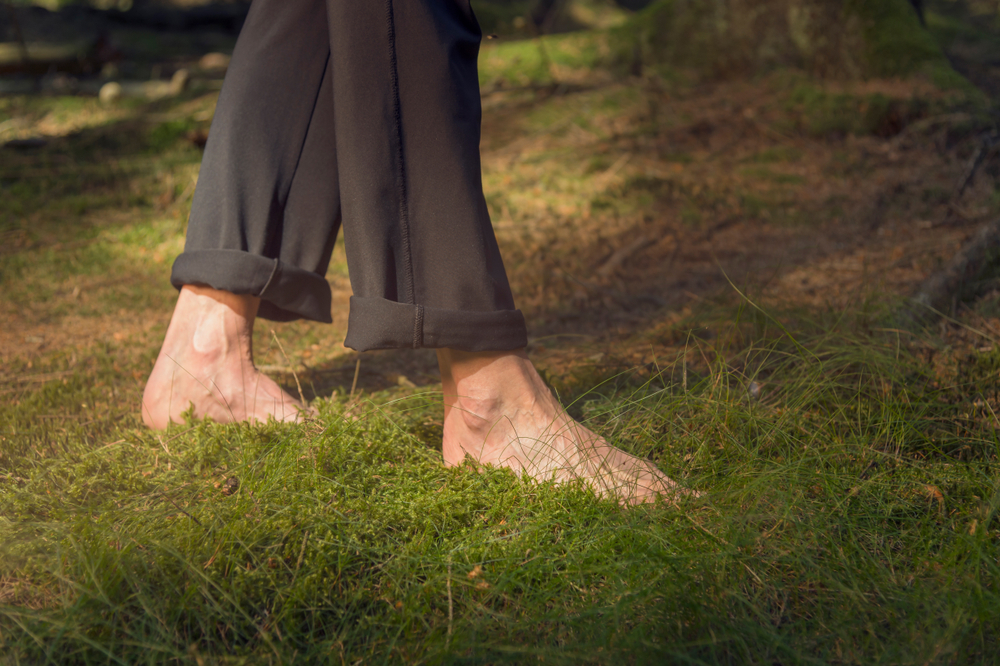 Keep your eyes open and observe your surroundings. Avoid thinking about deadlines or emails and stay mindful and present. You will be surprised by the variety of plants and wildlife that you see while engaging in mindful observation. Allow yourself to fully immerse, pay attention to nature’s small details, feel the soil and leaves, and smell the sweet, woodsy scent of forest air. Let nature enter through your feet, hands, nose, eyes, and ears, wandering aimlessly and slowly. Let the forest in and savor nature’s bounty and serenity.
What Are Forest Bathing’s Health Benefits?
Here’s how shinrin yoku can transform your well-being.
Reduces your stresses
 Woods bathing has been shown to offer several benefits, including stress reduction. Research suggests that practicing shinrin yoku has a positive effect on chronic stress, and the more stressed individuals are, the better the effect. Depression and hostility have been found to improve while energy levels increase significantly. In addition to depressive states, studies suggest that spending time in the forest is effective against mental fatigue, confusion, anger, and anxiety among working-age people.
Improves your mood
 Walking in nature can help stimulate the production of serotonin, a chemical that regulates mood. At normal levels, serotonin promotes feelings of well-being, calm, and contentment, making you feel happier, emotionally stable, and more focused. Low levels of serotonin, on the other hand, increase the risk for a variety of mood disorders, including anxiety and depression.
Research also confirms the beneficial effects of nature walks and spending mindful time in the forest. Practicing forest bathing has been found to increase the level of serotonin, thereby improving vigor, mood, and sleep. A recent study in England confirms that spending time in nature results in improvements in rumination, mood disturbance, positive emotions, and compassion.
Frees up your creativity
 When you spend time in a natural environment, you are removed from the stress, distractions, and noise of city life, freeing up more mental space for creative thinking. Immersing yourself in nature also exposes you to a variety of textures, smells, sounds, and sights which can be a source of inspiration and new ideas.
The fragrant scents of the forest can evoke memories, emotions, and associations, feeding the creative spirit. The scents of wildflowers, pine, cedar, and eucalyptus can be a source of inspiration for aromatherapists and perfumers.
The sounds of the forest such as birds’ songs, the chirping of crickets, and the buzzing of bees can be a source of ideas for sound artists and musicians. Designers and artists can draw inspiration from the visual beauty of the forest, the natural light, lush foliage, intricate patterns, and changing colors in spring, summer, and fall.
Boosts your immune system
 Spending mindful time in nature can help strengthen your immune system in several ways. First, spending time outdoors can help you get the sunshine and vitamin D you need. Vitamin D plays an important role in regulating specific immune cells as well as your overall immune function.
Second, phytoncides, which are organic compounds produced by fir, cypress, cedar, and pine trees, have anti-inflammatory and antibacterial effects. When you breathe in these essential oils, your body produces more white blood cells which aid immune response and fight off infections.
Third, there is a strong connection between spending time in nature and reduced negative emotions and stress which weaken immunity. Taking nature walks helps reduce the level of cortisol, which is the primary stress hormone.
Reduces high blood pressure
 Several studies have found that practicing shinrin yoku can help regulate blood pressure and prevent hypertension. Spending time in nature, in particular, has a positive effect on older and middle-aged people and on lowering systolic blood pressure which is a risk factor for cardiovascular events. Another study found that engaging in forest bathing helps lower the heart rate and blood pressure in pre-and hypertensive patients, making it a highly effective therapeutic practice.
Accelerates your recovery from illness
 While more research is needed to ascertain how spending time in nature aids recovery, the preliminary evidence is promising, suggesting that being in a natural environment accelerates recovery.
A much-cited study in 1984 found that patients assigned to a three-view room had fewer minor postsurgical complications, took fewer strong and moderate pain medications, and had shorter hospital days.
A more recent study by a research team at Montclair State University found that green roofs on hospitals help decrease stay lengths and pain medication needs, improve respiratory and cardiovascular issues, increase physical activity, improve mental health, and reduce distress. Factors hampering recovery, on the other hand, include litter, crowding, traffic and other machine and urban sounds, cigarette smoke, and ambiguous or abstract sculptures.
The Most Spectacular Locations for Forest Bathing in The United States
Here are a few unforgettable spots perfect for shinrin yoku.
Humboldt Redwoods State Park, Humboldt County, California
 With few crowds, towering trees, and a network of hiking trails, Humboldt Redwoods State Park is an excellent choice for practicing woods bathing. As the park is found in a remote rural location, it can offer quiet seclusion to connect with nature without distraction. There are plenty of secluded and quiet spots to immerse yourself in your surroundings, including Mattole Beach, Rockefeller Forest, Bull Creek Flats, and the Cuneo Creek Horse Camp. You will also find many trails where you can wander for hours away from crowds and noise. Trails that tend to have fewer visitors include the Drury-Chaney Loop, Founders Grove Nature, and Bull Creek Trails.
Tongass National Forest, Alaska
 A vast, pristine area in Southeast Alaska, the Tongass National Forest offers plenty of spots and opportunities for forest bathing. Some great spots include the Eagle Beach State Recreation Area, Admiralty Island National Monument, and Mendenhall Glacier. A beautiful and idyllic stretch of beach, the Eagle Beach State Recreation Area is a great place for beachcombing, sunbathing, and wildlife viewing. You will find several trails, like the Rainforest, Outer Point, and Eagle Beach Trails, offering plenty of opportunities for leisurely walks, relaxation, birdwatching, and more.
Home to an extensive old-growth temperate rainforest, the Admiralty Island National Monument is a remote location with a quiet and peaceful environment and several hiking trails for woods bathing. The trails wind along the shore and through the forest, offering stunning views of alpine lakes, the Indian River, a glacier, and lush green surroundings.
With a range of trails to wander and explore, like the Nugget Falls and Moraine Ecology Trails, the Mendenhall Glacier is a wonderful destination for mindful walking where you can observe wildlife and enjoy the sounds of nature, rustling leaves, rushing water, and birds singing.
Green Mountain National Forest, Vermont
 With picturesque waterfalls, stunning fall foliage, and an abundance of wildlife, Green Mountain National Forest offers a variety of trails and natural settings that promote a sense of serenity, calm, and relaxation. You can take Stratton Mountain or Deer Leap Trail to enjoy beautiful views of the valleys and the Adirondack or Green Mountains. While strolling along the trails, you will find plenty of opportunities and spots to practice relaxation and observe wildlife in a forest ablaze with violets, trillium, and asters.
Great Smoky Mountains National Park—North Carolina and Tennessee
 Great Smoky Mountains National Park is the home of a diverse ecosystem, towering rock formations, scenic valleys, beautiful meadows, and high peaks, offering stunning views and serene hiking experiences. The many trails you can take include Abrams Falls, Alum Cave, and Ramsey Cascades, among others, which provide ample opportunities for relaxation, wildlife viewing, camping, and picnicking. The area is known for its rich biodiversity, including more than 240 species of birds and 1,500 species of flowers, offering excellent opportunities to immerse yourself in the scents and sounds of nature.
Wrapping Up
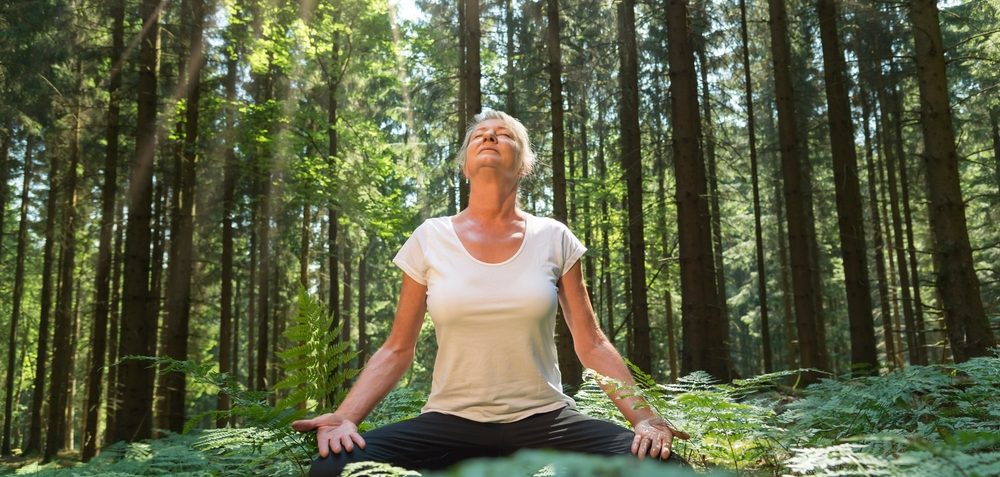 In search of holistic and natural ways to enhance their well-being, many people have discovered the benefits of spending mindful time in nature. Through meditation, yoga, creative expression, forest walks, and sensory awareness, forest bathing offers practitioners the opportunity to immerse themselves in their surroundings, deepen their connection with nature, and experience its healing power.
Spending time in the great outdoors has been shown to have many emotional, mental, and health benefits. From boosting the immune function and lowering the risk of chronic conditions to reducing stress, anxiety, and depression, practicing shinrin yoku can enhance your health and overall wellness. So, the next time you’re feeling down, stressed, or overwhelmed, take a break from your hectic schedule, power down your phone, and head outside to reconnect with nature and experience its restorative power.
DISCLAIMER: Always consult with a healthcare professional before starting any new routines, programs, or nutrition plans to ensure you receive the best medical advice and strategy for your specific individual needs.

 Are women more prone to suffer from diastasis recti abdominis? Yes, women are more prone to suffer from diastasis recti abdominis than men, particularly during and after pregnancy. The condition affects about

 These routines will help you strengthen your abdominal muscles and if you do them consistently close the gap caused by diastasis recti.

 Pregnancy and exercise are fully compatible unless your doctor advises you not to. Avoid exercise if you have persistent bleeding, cervical insufficiency, low-lying placenta after 26 weeks, preeclampsia, ruptured membranes, anemia, or chronic heart or lung disease.
 Some types of exercise are safe while pregnant, including Pilates, yoga, jogging, aqua aerobics, stationary cycling, and brisk walking. During the first trimester, it is generally safe to engage in more vigorous activities like moderate weightlifting, running, and squats. Exercises that are safe during the second trimester include slow jogging, brisk walking, aqua aerobics, and swimming. Low-impact exercises are best during the third trimester, including relaxation and breath exercises, yoga, Pilates, and aqua aerobics.
 As Pilates carries minimal risk, it is considered safe during pregnancy, with multiple benefits for expectant mothers. Pregnancy workouts focus on strengthening and stretching the pelvic floor muscles to prepare you for labor and postpartum recovery.
  Water walking and pool aerobics are good choices if you are a less confident swimmer, offering several health benefits. According to a
 During pregnancy, relaxation can help reduce stress and anxiety and has a positive effect on both the woman’s emotional state and the fetus.
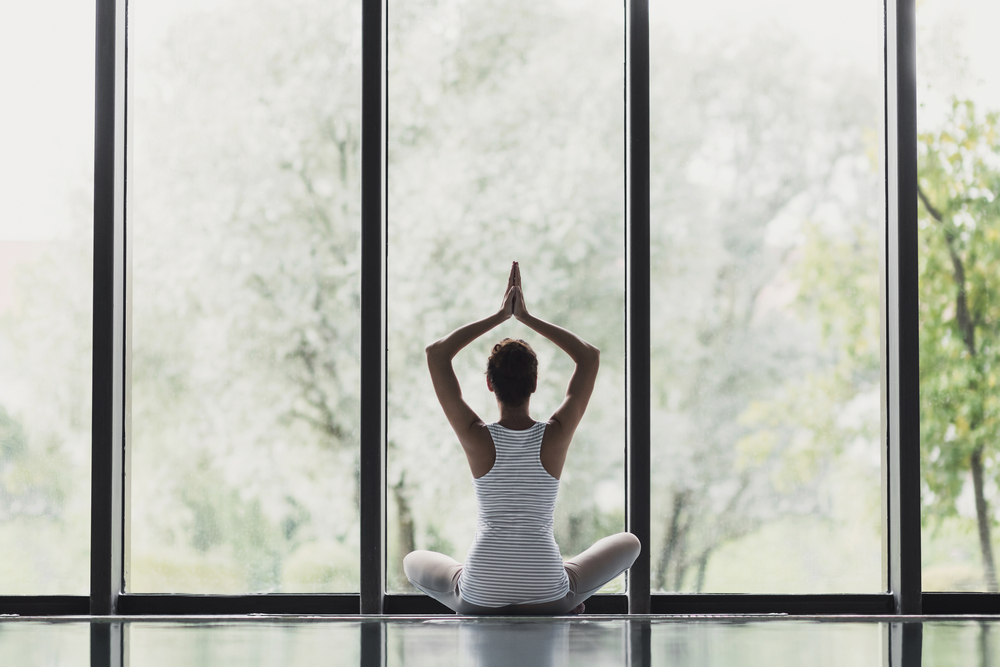
  Yoga is not only safe during pregnancy but offers multiple health benefits. An approach focused on breathing, mindfulness, and stretching, prenatal yoga increases endurance, flexibility, and strength and helps relieve stress and anxiety.
  Because of the position of the fetus and the size of the womb, the lungs don’t have enough space to expand, causing shortness of breath. Breathing deeply and slowly enables the lungs to work more efficiently, helping you to ease breathlessness during pregnancy. Deep breathing also brings more oxygen to the baby and helps you relax during labor and better cope with contractions and pain.
  Moving your body into different postures and stretching keeps your pelvic floor muscles in good condition. Regular practice helps increase endurance, strength, and flexibility, facilitating a smooth birth.
 Yoga for pregnant women
 Practicing deep breathing and yoga activates the parasympathetic nervous system, improving sleep quality and calming the mind. Women attending prenatal yoga classes
 Yoga helps improve self-awareness by encouraging practitioners to stay present and focus on their sensations and feelings. Mindful meditation creates a space for your feelings and thoughts to rise, be felt and experienced, and let them go.
  Yoga allows you to slow down and relax and tune out distractions and into your body and mind. Practicing the sequence of postures, breathing, and meditation allows you to focus on how your body changes and what is happening to your baby. As meditation and mindfulness calm and clear the mind, they create a mental space to bond with your baby on a deeper level.
  Exercising during pregnancy can benefit your health in several ways, including physically, mentally, and emotionally. Regular pregnancy exercise improves your flexibility and strength, promotes a healthy weight, improves your energy and mood, and reduces the risk of gestational diabetes, preterm delivery, and Cesarean birth.

 Traditional herbal remedies come from plants, and with little to no processing, keeping the most of their natural healing power.
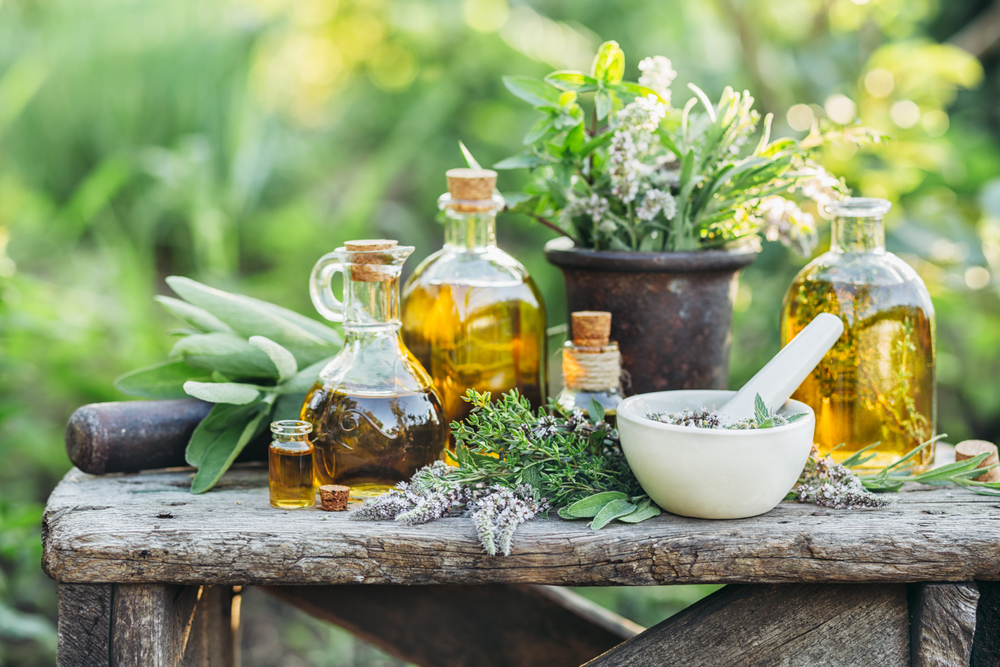 Herbal medicine is a comprehensive and integrated method of treatment. It’s based on treating the person, rather than the symptoms.
 Traditional herbal medicine allows for individualized healing plans, that are tailored to your particular situation, making it the more personalized approach to health.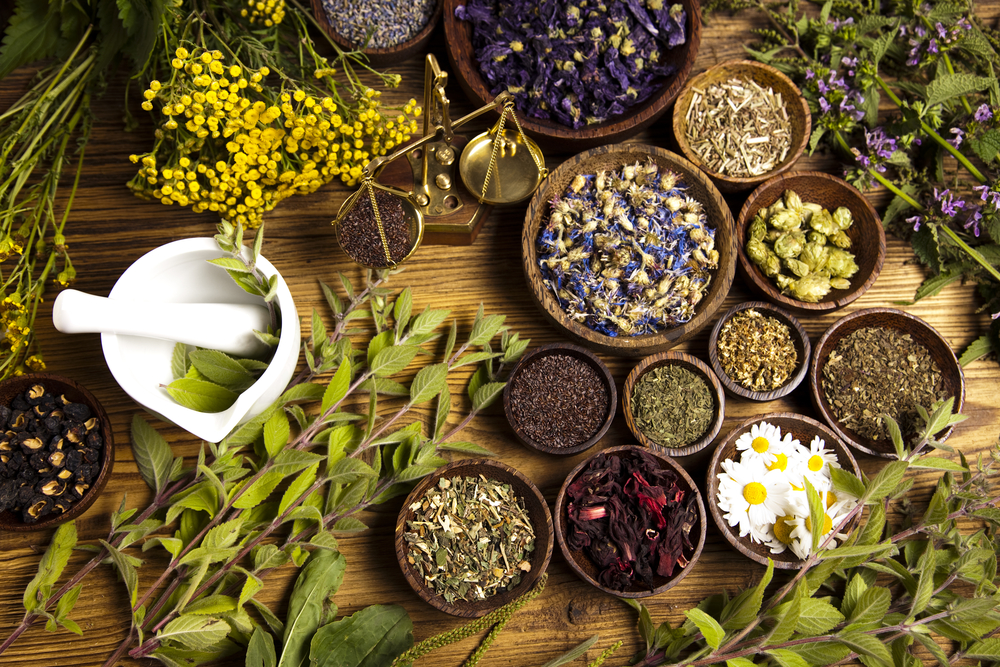
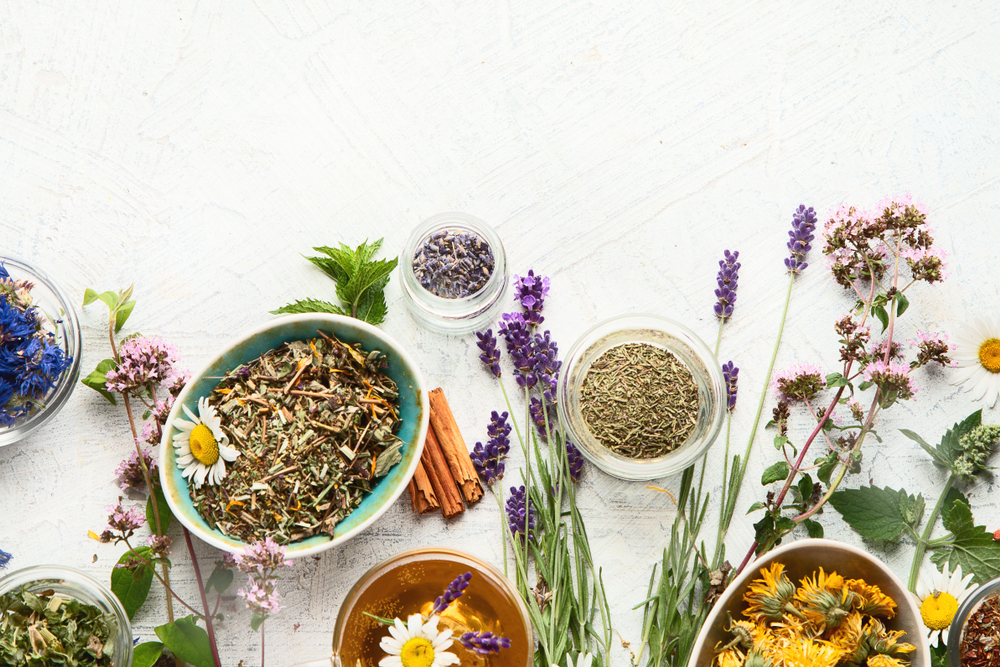 Unlike, traditional medications, herbal meds are not as chemically processed and better received by the body. They are also much less likely to negatively interact with other supplements or drugs than traditional medicinal drugs.
 Since they are less processed, are usually locally grown, and sustainably resourced herbal medications are also the more environmentally-friendly option.
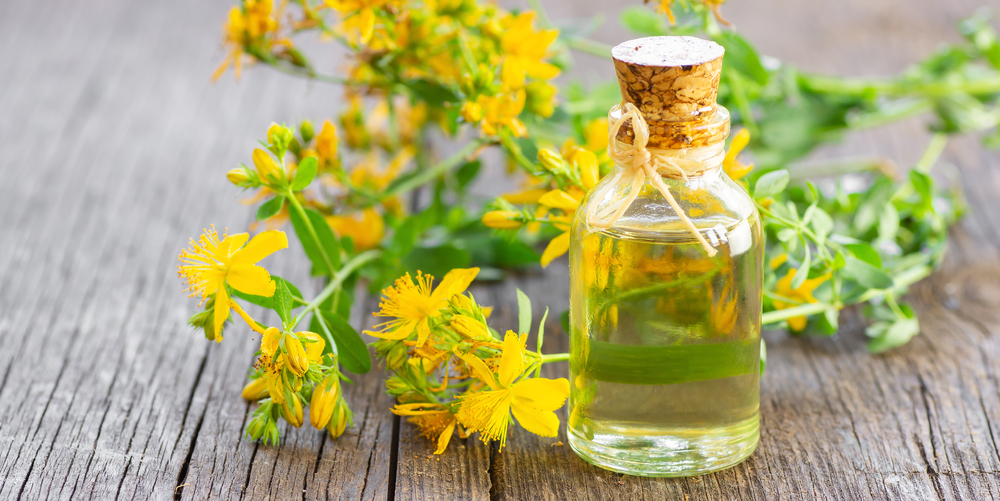 As we’ve already mentioned herbal medicine has a wide spectrum of applications. Herbs are even great as preventive care.
 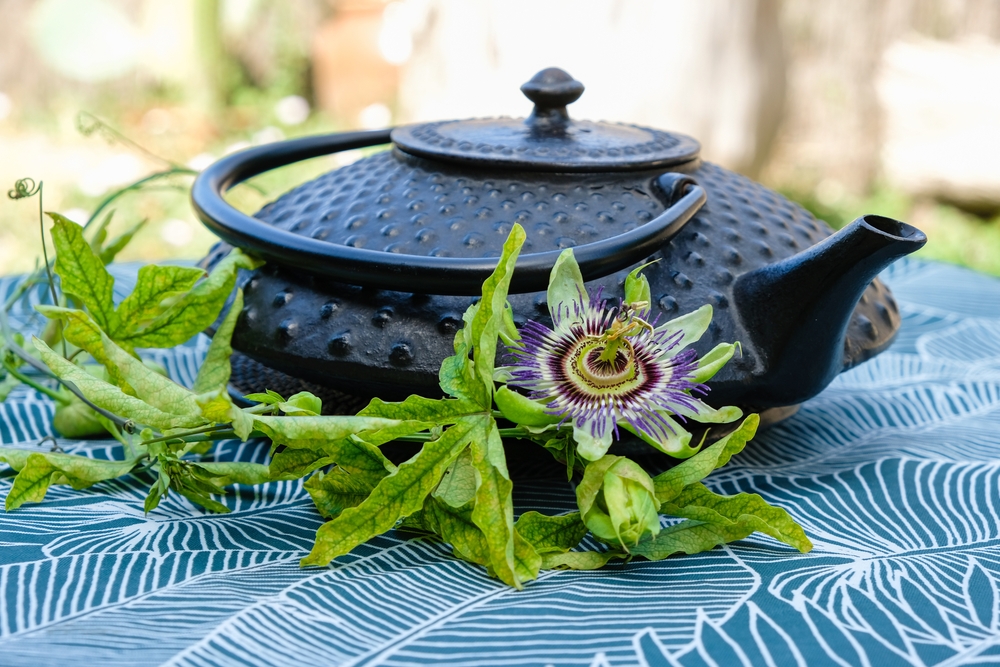 Many herbs have preventive properties, as well. This means they can help reduce the risk of developing certain diseases. Herbs that fall into that category are echinacea, elderberry, and curiously–garlic.
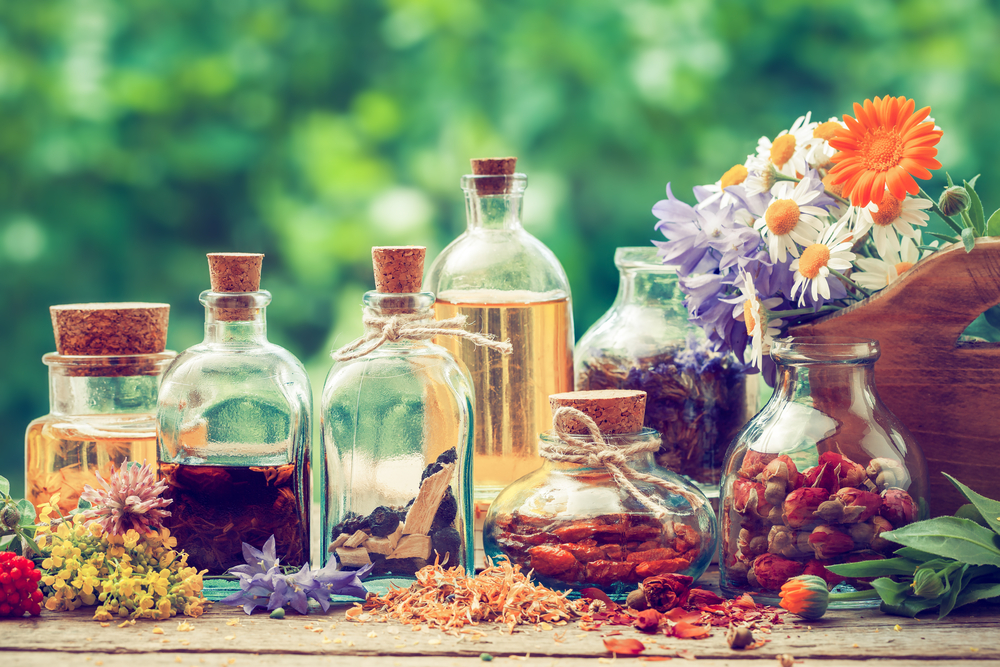 Herbs can also be used to relieve immediate pain and discomfort like headaches, menstrual cramps, and muscle pain. Herbs like ginger and turmeric, have anti-inflammatory properties that can help reduce pain and inflammation. Chamomile and valerian have calming and relaxing effects.
 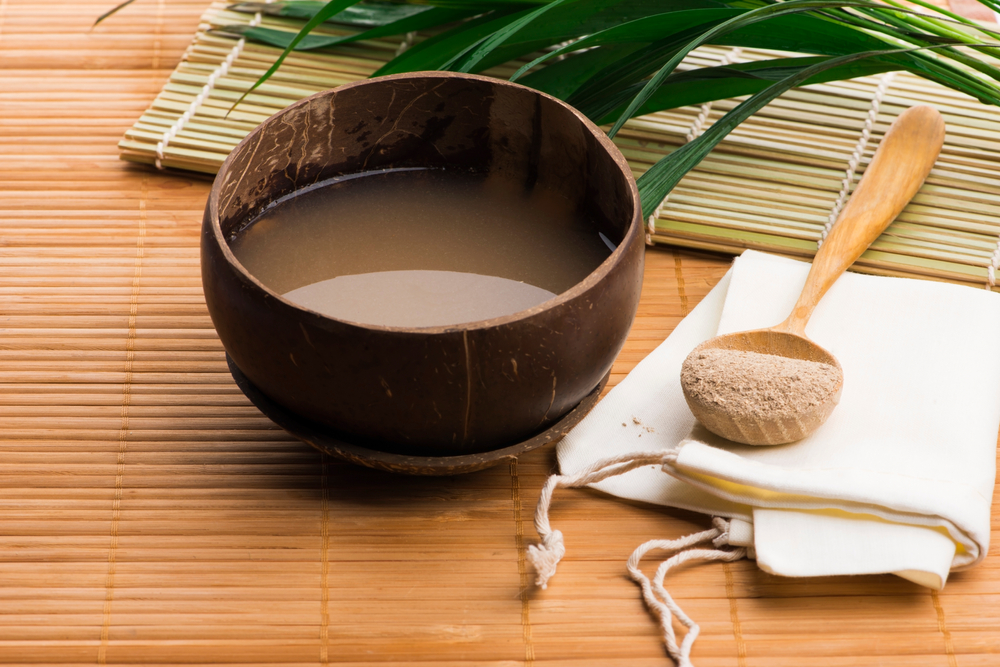 Herbal remedies can also help you improve digestion and alleviate digestive issues like indigestion, bloating, constipation, and diarrhea. Herbs used to relieve digestive health include ginger, peppermint, and fennel.
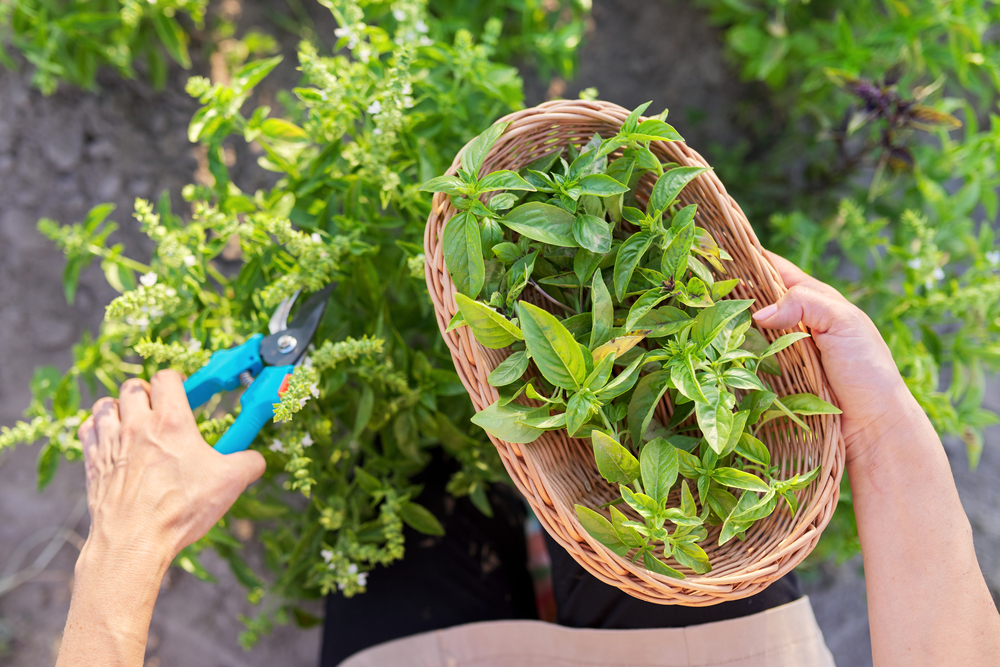 Herbs have anti-inflammatory and anti-bacterial properties, which can help improve skin health and treat skin conditions such as eczema, acne, and psoriasis. Popular herbs for skin health include aloe vera, calendula, and chamomile.
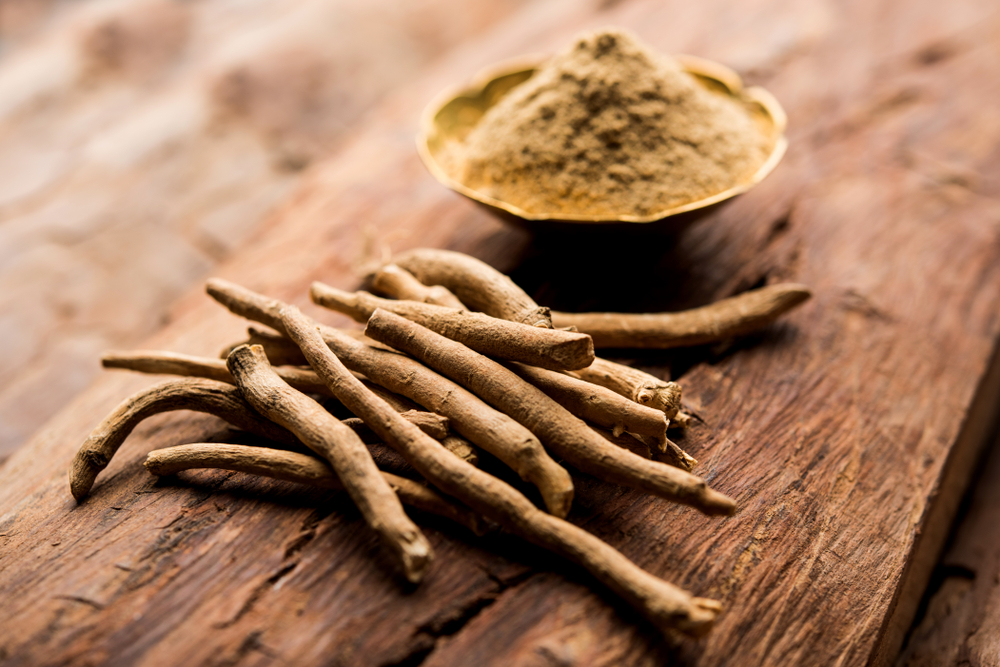
 Herbal medicine is a great option for mental health issues. More than a few herbs have natural properties that can help to promote relaxation, reduce stress, and improve mood. Herbs can even alleviate serious conditions like anxiety and depression. Popular herbs for mental health include ashwagandha, chamomile, and valerian.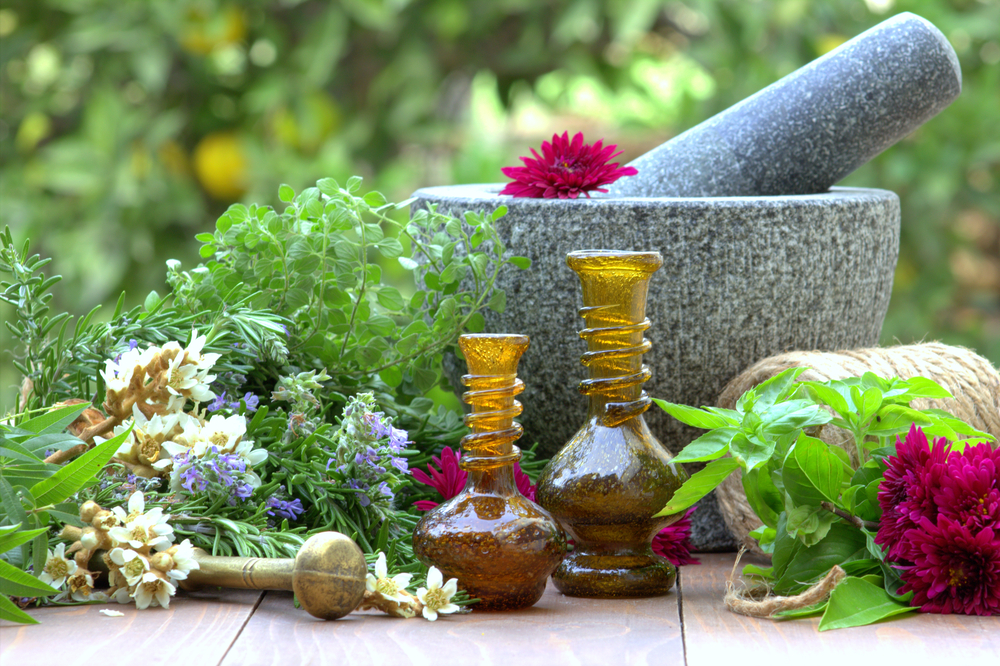
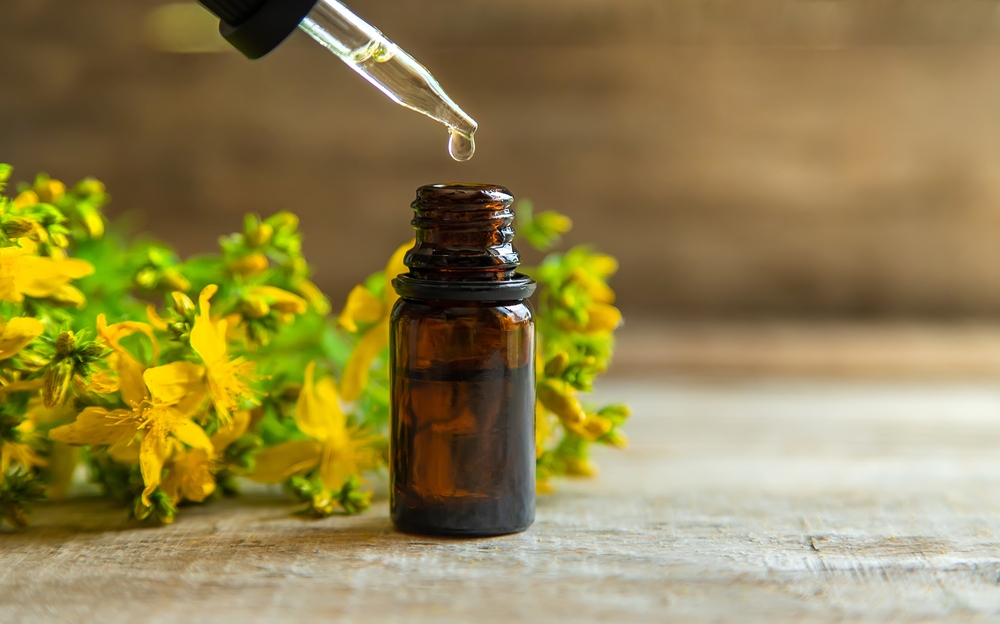 This herb has been used for centuries to treat depression and anxiety. It is believed to work by increasing the levels of serotonin, a neurotransmitter that helps regulate mood. There is even
  This herb is commonly used to promote relaxation and reduce anxiety.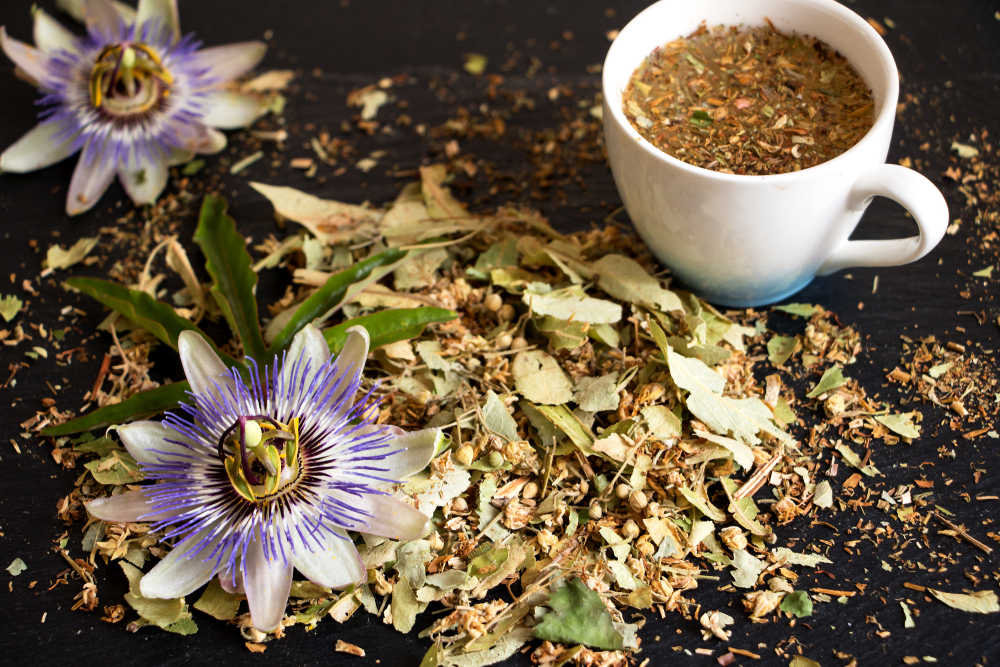
 Chamomile is known for its soothing properties and can help promote relaxation and treat issues like insomnia. It is believed to work by increasing levels of GABA–a neurotransmitter that helps to calm the nervous system.
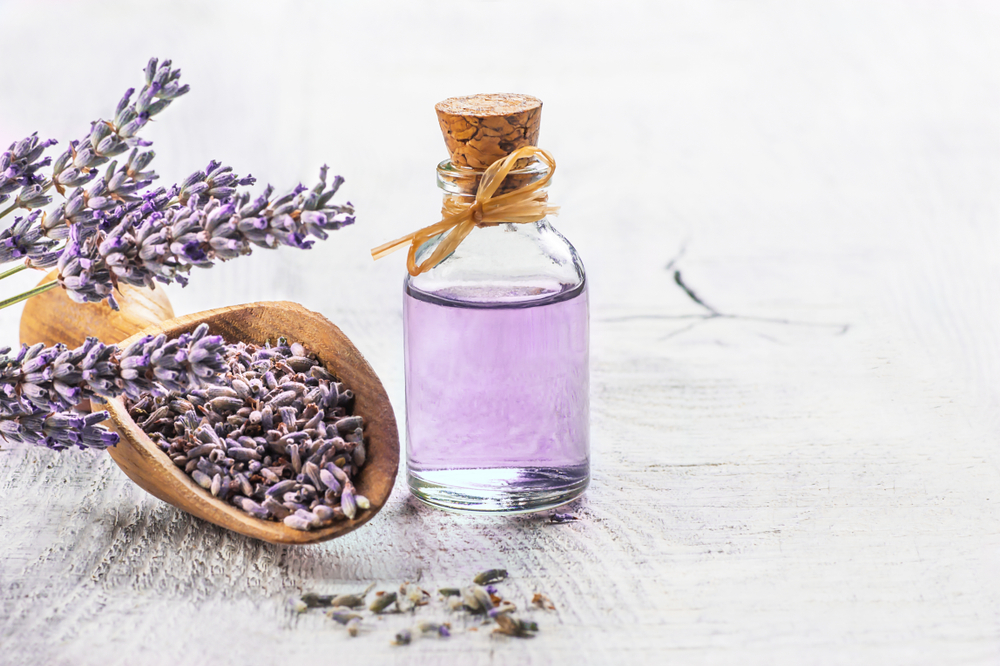 Lavender is known for its calming and relaxing properties. It has been used for centuries as a natural remedy for mental health conditions, such as anxiety and depression.
  One way to increase the effectiveness of herbal medicine, even more, is to combine it with other mental health practices, like meditation, yoga, and
  While many of us focus on the physical side of our well-being, we shouldn’t forget that there are two sides to our health– the physical and the mental. Natural herbal medicine is beneficial for both but especially helpful for our mental health. Herbs offer a gentle and holistic healing approach to easing emotional fluctuations and act as antidotes to depression, mood swings, and anxiety.
 Perhaps a daunting task, accounting for your current life is the first essential step you should take when aiming to re-ignite your happiness and find life’s purpose.
  Think about the experiences that have had the most significant impact on your life. What have you learned from these experiences? How have they shaped who you are today? Reflecting on your past can help you identify patterns and themes that can guide you toward your purpose.
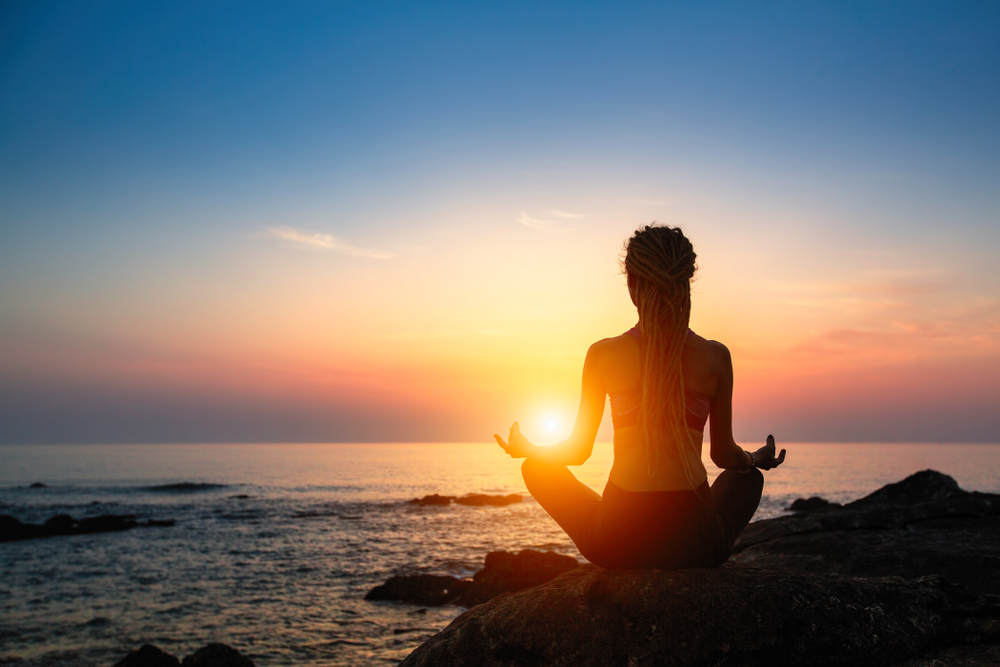 Think about the principles and beliefs that are most important to you. What kind of impact do you want to make in the world? What causes do you feel passionate about? Identifying your values can help guide you toward a purpose that aligns with your beliefs.
 What are your unique talents and skills? What are you good at, and what comes naturally to you? Consider how you can use these strengths to make a difference in the world.
 Take some time to reflect on what you enjoy doing, what you’re naturally good at, and what activities give you a sense of fulfillment. Consider exploring new hobbies, taking classes, or volunteering in areas that interest you.
  Be open to new experiences and challenges. Trying new things can help you discover interests and passions you didn’t even know you had.
 Volunteering or helping others can give you a sense of purpose and fulfillment. Consider how you can use your skills and passions to make a positive impact on the life of others, you’ll be surprised by the positive effect that will have on your own life and purpose.
  Finding someone who has experience in your areas of interest can be helpful. They can guide you on how to approach your passions and offer insight into the steps you may need to take.
 Once you’ve explored the different areas of your life and decided which are the things that make you happy, the things you want to change, and the new things you’d love to learn, try, and find fulfillment with, it’s time to set goals.
  One effective method to set and follow your goals more closely is the SMART framework. This stands for Specific, Measurable, Attainable, Relevant, and Time-bound.
  When we surround ourselves with positive and supportive people, we are encouraged and motivated to achieve our goals. So surrounding ourselves with people who care and love us is vital.
 This sentence might sound corny, but that doesn’t make it less of a truth. Seek out friends and family who encourage you, challenge you, and support your goals. Being around people who are negative or unsupportive can be draining and hinder your progress.
 This step isn’t always easy. We sometimes get in the habit of keeping quiet instead of facing friends and family with open and on occasion touchy subjects just to keep the peace.
  It’s not just about talking. it’s also about listening. Listening to others is a way to show that you care, and it can help you gain valuable insights and perspectives.
 Don’t take your loved ones for granted. Let them know how much you appreciate their support and encouragement. A simple “thank you” can go a long way.
 Regular
  A healthy diet
  Taking time to care for yourself has a significant impact on your overall well-being. An improvised “spa day” where you treat yourself to a massage, or a mani-pedi (even at home and done by yourself) can make all the difference.
  Mental health is not only important for overall well-being, but it is also critical in achieving your goals and dreams. Without good mental health, you will hardly ever make progress toward feeling purposeful and fulfilled.
 Twelve subgroups of vegetables exist, and each supplies important minerals, vitamins, and dietary fiber that benefit your health. Eating a variety of vegetables offers a range of benefits like lower risk of hypertension and heart disease, improved digestive health, and diabetes control. A diet high in plant compounds helps fight inflammation, supports eye and bone health, improves your skin, and enhances immunity. Vegetables are also high in water content and low in calories, carbohydrates, and fat, and a regular intake helps maintain a healthy weight.

 Eating meals that are mostly veggies is another way to get your daily quota and ensure you eat vegetables every day. You will find plenty of delicious recipes that make veggies the hero, like smoky quinoa taco bowls, ratatouille stir-fry, stuffed portobello mushrooms or peppers, and veggie frittata. Also, there are a number of creative ways to eat more vegetables, like sneaking them into noodles, puddings, or quesadillas.
  Packing a salad for lunch is not only a time-saver but will help you to cut down on empty calories that fast food usually has. To make your salad as healthy, tasty, and colorful as possible, include a variety of vegetables and add some healthy fats and protein to give it a boost. Healthy proteins to add to your salad include chickpeas, eggs, tofu, chicken breast, and sliced tuna. You can finish with healthy fats to make your salad tastier and more filling, like sunflower or pumpkin seeds, pecans, cashews, or avocado.
 You can experiment with different cooking methods to diversify your everyday meals. Dry heat cooking, for example, includes roasting, sauteing, stir-frying, pan-frying, grilling, and barbecuing. You can roast or grill vegetables with healthy oil and garnish them with parsley or dried thyme. Or you can make a stir-fry with seasonal veggies and tofu, chicken, or beef.

 There are plenty of creative ways to incorporate vegetables into your meals, like adding veggies to pancakes, waffles, biscuits, and cakes. You can add zucchini to your brownie batter, carrots to cookies, or avocados to pudding. Sweet potatoes can be pureed into a mousse and squashed into a cheesecake. You can even try vegetable ice cream with sweet corn, tomato, carrot, or beetroot. As veggie ice creams are low in sugar, they are healthier than regular ice creams and can be easily prepared at home.
  Spinach is rich in a number of nutrients, including potassium, folate, iron, and vitamins K, C, and A. It is also loaded with fiber and essential plant compounds like quercetin and lutein which promote eye and heart health and fight inflammation and infection.
 One of the most nutrient-dense vegetables you’ll find year-round, broccoli is packed with potassium, iron, calcium, vitamins K and C, protein, fiber, and folate. When steamed, just one-half cup supplies over 50 percent of your vitamin C daily intake. You need this antioxidant to protect yourself from free radical damage and infections and to maintain good blood vessels, skin, and bone health. Nutrients in broccoli also improve brain function, keep your heart healthy, and support hormonal balance.

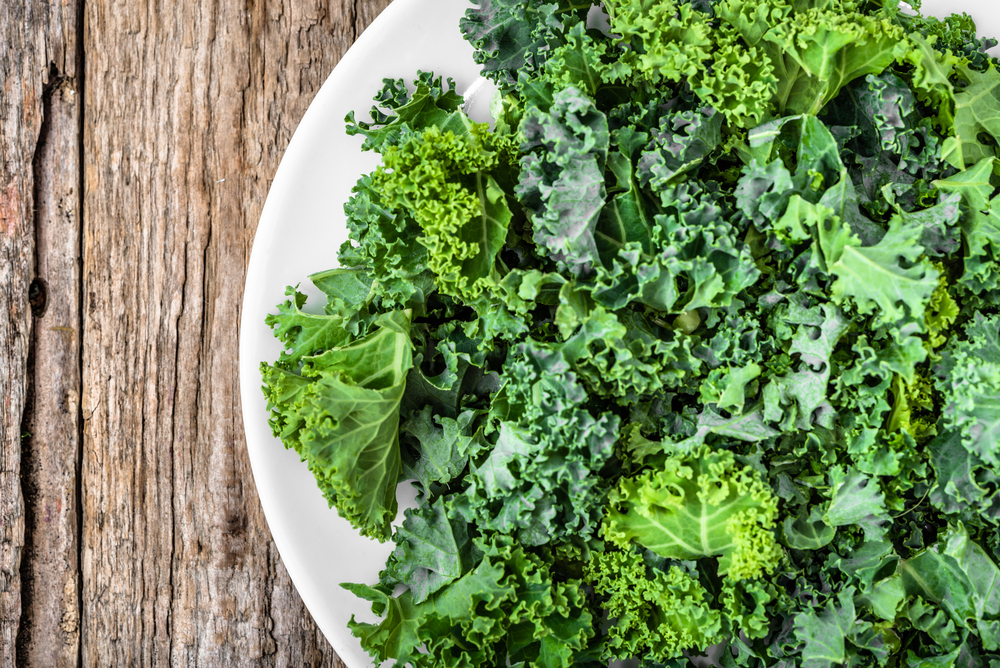





 Sweet potatoes are one of the most nutrient-dense vegetables, packing a good amount of potassium, manganese, and vitamins C and A into each serving. They vary from red and purple to white, yellow-orange, and orange and are rich in fiber and antioxidants like carotenoids and flavonoids which have anti-inflammatory properties. Flavonoids, along with phenolic compounds help balance blood sugar levels, aiding diabetes management. Purple sweet potatoes also contain anthocyanins, a group of antioxidants
 No single vegetable supplies all the minerals, vitamins, antioxidants, and plant compounds you need to stay healthy and feel your best. Eating a variety of colors, flavors, and types provides your body with the mix of fibers, phytochemicals, and nutrients you need. Expanding variety and increasing your consumption of veggies can benefit your health in a number of different ways. Nutrients in vegetables improve blood pressure, balance blood sugar levels, reduce the risk of heart disease, improve digestive health, and enhance immunity.
 Menopause is the point when your ovaries stop releasing eggs and reproductive hormones and you no longer have menstrual periods. The diagnosis of menopause is based on the absence of menstrual bleeding for 12 consecutive months. It is made by reviewing a woman’s symptoms and menstrual and medical history.


 While short-term insomnia is often due to a traumatic event or stress, menopause-related sleep disturbances are caused by falling levels of progesterone and estrogen. Depression and anxiety, changes in mood, night sweats, and hot flashes also contribute to frequent waking and poor sleep. Symptoms of insomnia include feeling tired or sleepy during the day, waking up too early, less than 6 hours of sleep at night, and not feeling rested when you wake up.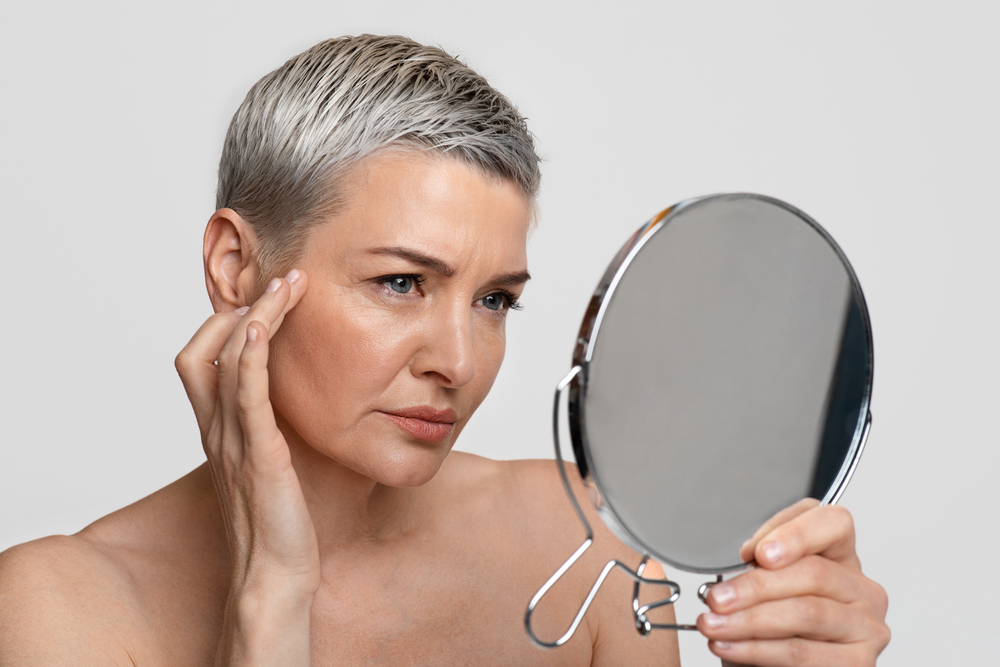




 Menopause and the symptoms it can bring can hurt your quality of life. Sleep may become elusive, with hot flashes and night sweats leaving you exhausted and low. Many women also experience anxiety, mood swings, brain fog, and a devastating loss of confidence and become socially withdrawn as a result.









 While stroke incidence is lower in women, transitioning to menopause is when estrogen levels drop and