Digital Fatigue and Wellness Retreats: Why Women in Perimenopause and Menopause Need More Than a Weekend Off

If you’re reading this between Slack pings, with a calendar full of back-to-back video calls, a phone that vibrated three times since you opened this tab, and a faint hum behind your eyes that’s been there for months, pull up a chair.

Here’s what I want to say first, because no one else is saying it clearly enough: the exhaustion you’ve been carrying is not a personal failing. It is not a willpower problem. It is not because you “aren’t disciplined enough” with screen time, “haven’t tried” the right meditation app, or “should just take a real lunch break.” It is the predictable, biological result of two things colliding inside one body — chronic digital overload, and a perimenopausal nervous system that has fewer buffers than it used to.

You are doing the same job, with less hormonal cushion, on a brain that is firing through more notifications per day than your mother’s brain did in a year. Of course you are tired in a way that a bath doesn’t fix.

This article is going to walk you through what digital fatigue actually is, why it hits women in perimenopause and menopause harder than anyone else, what it’s doing to your sleep, your weight, your cognition, your moods, and your body composition. Then I’m going to lay out the case — backed by research — for why a real wellness retreat (not a long weekend, not a spa day, not a bath bomb in the right scent) does something for the midlife nervous system that almost nothing else can. We’ll cover what to look for in a retreat that’s actually built for women in midlife, what to expect, what to bring home with you, and the honest cases where a retreat isn’t the right move yet.

By the end you should know whether you need one, what kind, and what to do with the version of yourself that comes home.

What Digital Fatigue Actually Is and Why “Just Get Off Your Phone” Isn’t a Plan

Digital fatigue is the cumulative cost of operating a nervous system that was built for an analog world inside a 24/7 digital one.

Your brain didn’t evolve to manage continuous low-grade attention demands across 11 open tabs, three messaging apps, two email accounts, four social platforms, and a team chat that doesn’t sleep. It evolved to do one thing at a time, with rest in between, in a sensory environment that didn’t change every six seconds.

The technical term researchers use is cognitive load saturation, and the symptoms are well-documented: difficulty concentrating, decision fatigue, irritability, sleep disruption, blunted memory, hypervigilance to notifications even when none are firing, a feeling of being “on” that doesn’t switch off.

A few specifics that probably sound familiar.

Phantom vibrations. Up to 80% of regular smartphone users have felt their phone vibrate when it didn’t. That’s a nervous system that has shifted into a permanent state of “incoming.”

Screen-induced sleep disruption. Blue light from screens suppresses melatonin and shifts circadian rhythm, making it harder to fall asleep and harder to stay asleep — and the effect is worse in older adults than younger ones.

Cortisol elevation. A 2018 study in Computers in Human Behavior documented sustained cortisol elevation in heavy social media users, particularly correlated with comparison-driven scrolling.

Reduced gray matter density in regions of the brain associated with attention and emotional regulation, in heavy multi-screen users.

Slower task completion despite the feeling of working harder. Switching between digital tasks burns roughly 25% more cognitive energy than working on one thing and we now switch tasks roughly every 47 seconds during knowledge work.

The “just get off your phone” advice misses the point. The phone is not the disease. The phone is one of the more visible symptoms of a life arranged around constant input. Telling a midlife woman to put her phone down is like telling her to stop breathing through her mouth useful information, not a plan.

Why Perimenopause and Menopause Make Digital Fatigue Worse

Here is the part that almost no one connects, even though the science is clear.

The female nervous system in perimenopause and menopause is operating on a different hormonal substrate than it did in your 20s and 30s. That changes how you respond to digital stress, how quickly you recover from it, and how much it costs you to absorb the same input you used to manage with ease.

Three big shifts.

Estrogen, the calmer. Estrogen has a direct effect on the central nervous system. It modulates serotonin, dopamine, GABA, and the HPA axis (the cortisol pathway). Estrogen is one of the reasons your stress responses in your 30s recovered faster, your sleep was steadier, your mood was more even-keeled. As estrogen drops in perimenopause and through menopause, the same stressor: a difficult meeting, a string of notifications, a doom scroll, produces a bigger cortisol spike and a slower return to baseline.

Progesterone, the sleeper. Progesterone has anxiolytic and sleep-promoting effects through its action on GABA receptors. As progesterone falls, sleep becomes lighter, less restorative, and more easily fragmented by digital input -a single phone glow at 3 a.m. now wakes you up the way nothing did at 32.

Cognitive load tolerance shrinks. In the years around the menopausal transition, working memory and cognitive flexibility take a measurable temporary hit. Most women recover, but during the transition, the same number of mental tasks costs more (Greendale et al., 2009). Add a typical knowledge worker’s screen day on top of that and you have a cognitive deficit accumulating in real time.

This is the missing piece in almost every “manage your stress” article aimed at women in midlife. You are not failing to handle the load. The load got bigger and the body got smaller buffers in the same decade.

For more on this exact nervous-system shift, our deep dive into why putting yourself last backfires in midlife and 10 signs of overstimulation in midlife cover it from a different angle. The big-picture cortisol mechanism is in the broader cortisol and menopause weight gain piece, and our work on the male vs female nervous system explains why women specifically need more recovery time per stressor than men do.

Signs You’re in Digital Fatigue – Not “Just Tired”

Tired is normal. Digital fatigue is its own pattern. Here’s what the women I work with describe, almost word for word.

  • You wake up already exhausted, before the day has done anything to you
  • You can’t focus on a single task for more than five minutes without reaching for your phone
  • You feel a low-grade dread when you see a notification, even from people you love
  • Your eyes ache by 2 p.m. — gritty, dry, blurry close-up
  • Your shoulders and jaw are chronically tight
  • You’re drinking more coffee than you used to and still crashing
  • Your sleep is broken in a way it wasn’t five years ago
  • Your patience is shorter — with kids, with partners, with the dog
  • You feel “on” all the time, even when you’re trying to rest
  • Reading a book feels harder than it used to
  • You’re moodier, particularly in the late afternoon and evening
  • Hot flashes are worse on high-stress, high-screen days
  • You have brain fog that makes word recall harder
  • You feel detached from your own body — disconnected from hunger, fullness, fatigue, and pleasure cues
  • You can’t remember the last time you were genuinely bored

If most of those describe your week, you are not lazy and you are not “just stressed.” You are in a sustained physiological state your body cannot stay in indefinitely without consequence.

For the corresponding nutritional support — because digital fatigue is also a metabolic state – see our midlife nutrition hierarchy and the free macro calculator to set your protein, fiber, and calorie targets for recovery.

Why a Weekend, a Spa Day, or a Bath Isn’t Enough Anymore

There is a specific reason that the kinds of recovery that worked for you in your 30s aren’t working now.

A weekend off requires re-entry on Monday morning. The cortisol curve barely starts to flatten before you’re picking up the same load. A 2014 study in the Journal of Happiness Studies found that the wellbeing benefits of a typical short vacation faded within one week of returning to work — and that was among employees in their 30s, in pre-smartphone-saturation environments. The current study population is doing worse.

A spa day is sensory pleasure for a few hours. Real, but topical. The nervous system needs more time than that to leave its braced state, and most spa days end with you back on your phone in the parking lot.

A bath is good. So is herbal tea, walks, journaling, breathwork. None of these are wrong. They are daily hygiene practices, and they keep you above water on a normal week. They do not pull you out of accumulated fatigue. The math is wrong. You cannot offset 60 hours of cognitive overload with 15 minutes of bubble bath.

What you actually need, periodically, is a deeper interruption — a context shift, an environmental change, a bodily reset, a real removal from the input streams — that lasts long enough to allow the nervous system to actually exit its survival pattern and return to something closer to baseline.

That length of time, in the research, is roughly three to five days, in a different environment, with no work, minimal screens, real food, real movement, real rest, and ideally other women going through the same thing. That’s the dose response that shows up across the rest-and-recovery literature (Strauss-Blasche et al., 2005; de Bloom et al., 2012; Blank et al., 2018).

That is exactly what a well-designed wellness retreat is. Not a vacation, not a spa day. A structured, specifically-engineered nervous system intervention with the right duration and the right inputs.

For more on the daily hygiene side — what you do at home between resets — see our pieces on forest bathing (shinrin-yoku), sleep and why it matters, and the building phase for the strength-and-rest rhythm that makes retreats stickier.

What a Wellness & Yoga Retreat Actually Does to a Burned-Out Midlife Body

This is the section I wish someone had given me before my first retreat as a participant, before I started leading them, and before I built one.

In the first 24 to 36 hours, almost nothing dramatic happens. You sleep harder than you have in months. You realize how loud your normal life is when you take it away. You’re bored. You eat more slowly. You actually taste the food. You feel slightly disoriented. Your phone is somewhere else and you reach for it about every 12 minutes. By the second night, the reaching slows.

Around day two to three, your nervous system starts to actually exhale. Cortisol curves begin to flatten. Sleep gets deeper. You start to feel hunger and fullness signals that have been muted for months. Crying might happen — small things, big things, things you didn’t know were under there. This is the body actually allowing itself to feel what it’s been holding while it was too busy to feel.

By day three to five, almost every retreat participant I’ve ever worked with describes the same thing: they remember who they are. The internal voice gets quieter. The external clarity gets sharper. Decisions that felt impossible at home start to feel obvious. The body — sometimes for the first time in a long time — feels like it belongs to her again.

Physiologically, the published research on wellness retreats and structured residential programs documents:

  • Significant reductions in subjective stress and cortisol within 5–7 days (Cohen et al., 2017)
  • Reductions in self-reported anxiety and depressive symptoms (Naidoo et al., 2018)
  • Improvements in sleep quality persisting for weeks after return (Schoenmaker et al., 2020)
  • Reductions in markers of systemic inflammation (Cohen et al., 2017; Pilkington et al., 2017)
  • Improvements in cognitive performance and working memory (Khalsa et al., 2015)
  • Improved heart rate variability — a direct measure of vagal tone and nervous system balance (Cramer et al., 2014)
  • Sustained improvements in self-reported wellbeing 6 weeks to 6 months post-retreat (de Bloom et al., 2012; Blank et al., 2018)

These are not vacation effects. These are different. A vacation reduces stress while you are on it. A well-built retreat changes baseline.

If you want a sense of what a THOR retreat actually feels like — what the days look like, what the property is like — our pieces on how yoga retreats transform you, exploring natural wonders near THOR retreats, and the tour the property page walk through it.

The Specific Benefits of Wellness Retreats for Perimenopause and Menopause

Beyond the general nervous system reset, there are benefits that are unusually relevant for women in midlife specifically.

Hormone-friendly sleep. A retreat strips the things that wreck midlife sleep — alcohol, evening screen exposure, late stress — and adds the things that support it: dim evenings, real darkness, structured wind-downs, magnesium, warm food, breath practices. Most women report dramatically deeper sleep within two nights. Our sleep matters guide covers the mechanism.

Cooling the cortisol curve. With estrogen falling, midlife women run cortisol higher and longer per stressor. The retreat environment — no commute, no email, no traffic, no decisions about meals — gives the cortisol system room to come down. Combined with morning light, gentle movement, and real rest, this is one of the most direct interventions for the cortisol pattern that drives midlife belly fat, hot flashes, and brain fog.

Permission to actually eat. Many women in midlife are running on under-eating — too few calories, too little protein, too much “clean eating” that’s actually quietly restrictive. A retreat with structured Mediterranean-style eating (and, in our case, macro-friendly portions) often reveals to women that they have been undereating protein and overall calories for years. The reset alone can change body composition over the following weeks. Our Mediterranean diet for menopause guide and the Macro Miracle Mediterranean Cookbook both pull from the same kitchen logic the retreats use.

Nervous system regulation through real movement. Strength work, yoga, hiking, breath practice, ideally water and forest. Movement done in this combination has a much different physiological effect than the same movement done in a gym between deadlines. See our deep dives on yoga retreats and mental wellbeing and the best restorative yoga retreats for women over 40.

Connection that isn’t transactional. A retreat is one of the only environments most midlife women experience where the women around them have nothing to ask of them. No kids needing rides, no clients needing replies, no parent needing groceries, no employee needing feedback. The relief in that alone is medical. Loneliness in midlife is a documented health risk on the order of smoking (Holt-Lunstad et al., 2015), and the women who come to retreats often leave with the friendships that carry them home.

Time to actually think. Most women in midlife haven’t had two consecutive uninterrupted hours of thought in years. A retreat builds in those windows. Career pivots get clearer. Relationships get clearer. The relationship with the self gets clearer.

A pause to feel grief and joy. Midlife stacks loss and unspoken expectations. Retreats are one of the few places that hold the space for both.

For our actual menu of retreats — Smoky Mountains, Sedona, South of France, the deeply restorative one, the somatic nervous system reset version — the women’s wellness retreats landing page is the single best place to look. Specific bookable retreats include the Deeply Restorative Yoga & Nature 5-day in the Smoky Mountains, the Somatic Nervous System Reset Yoga & Spa Retreat, and the Sacred Sedona 5-day all-inclusive retreat.

What to Look for in a Wellness Retreat for Perimenopause and Menopause

Not all retreats are built for midlife women. Some are oriented around a 27-year-old yoga influencer’s needs, which is an entirely different physiology. Here’s what to look for if you’re 40+.

Group size that’s small. 8–14 women is the sweet spot. Below 8 and the social fabric thins; above 14 and the personal attention disappears. Retreats with 30+ participants are events, not retreats.

Real food. Real protein. No “cleanse” framing. Run from anything that calls itself a “detox” cleanse, juice fast, or prescribes a five-day water fast. Midlife women need protein, fiber, and structured calories — not deprivation. Mediterranean-style food, whole foods, and accommodation for the women who need to actually eat is the standard you want.

Strength and gentle movement, not just yoga. Yoga is wonderful. Yoga alone, six hours a day, on a midlife body that hasn’t strength-trained in months, is not a retreat — it’s an injury risk and a missed opportunity. The retreats that produce body composition and energy improvements include strength, walking, hiking, and yoga in balance. See our take on strength training for women over 40 for why.

Sleep as a priority, not an afterthought. Real darkness, cool rooms, blackout curtains, no late-night activities. Retreats that schedule a “fire ceremony” until 11 p.m. have not understood what midlife sleep needs.

Optional digital detox, with structure. A good retreat doesn’t shame you for having a phone. It takes the phone seriously as the source of nervous system overload it is, builds in structured no-phone windows, and gives you real darkness in the evenings without your screen as a security blanket.

Faculty who actually understand perimenopause and menopause. Not as a side note. As a central topic. Hot flashes, night sweats, sleep disruption, bone, muscle, anxiety — these are part of the curriculum, not an awkward exception.

A property that helps you exhale. Quiet, beautiful, away from urban noise. Trees and water are not optional — research on biophilic design and recovery is strong.

Real rest. Free time. Naps. Reading. Floating. The retreats that pack you from 6 a.m. to 9 p.m. with optional-but-implied programming are reproducing the very pattern you came to escape.

Aftercare. A good retreat sends you home with a plan, not just a memory. Group access, a check-in protocol, structured guidance for the first two weeks. Without it, the gains drift.

For a deeper checklist of what to evaluate when choosing, our piece on how to choose a wellness retreat over 40 walks through it, and our pieces on yoga retreats for women over 50 and tranquility retreats cover specific angles.

The Science of “Time Away”. Why 3 to 5 Days Is the Magic Window

You don’t need a month. You don’t need to “fix” everything. The research is surprisingly consistent on what a minimum effective dose looks like.

Studies on residential wellness programs and intensive retreat-style interventions show measurable improvements in stress markers, sleep, and mood after three to seven days (Cohen et al., 2017; Pilkington et al., 2017; Naidoo et al., 2018). Below three days, you don’t fully exit the work-stress pattern. Beyond seven days, returns diminish for most women — and returns to “normal life” become harder if you’ve been gone too long.

The 5-day, 4-night structure that most THOR retreats use was chosen specifically for this reason. Long enough for cortisol to actually settle, sleep to deepen, the nervous system to exit its braced state, and the participant to remember herself. Short enough that work and family can spare it, expense is bounded, and reentry is manageable.

Within those 4–5 days, the specific schedule matters. The dose-response in the research is best when the days include:

  • Morning light and nature exposure
  • Strength and movement, not pushed to depletion
  • Yoga, breathwork, or other interoceptive practices
  • Real, satisfying meals at consistent times
  • Structured rest windows
  • Genuine darkness in the evenings
  • Connection in groups, with real conversation, not performance
  • Time alone — solitude is part of the medicine

That is more or less the architecture of a well-built midlife retreat. Not a coincidence — the design tracks the science.

How to Prepare for a Retreat (and Bring the Benefits Home)

The single most common mistake women make with retreats is treating them like a magic event instead of a punctuation mark inside a longer rhythm.

Here’s how to actually prepare for and integrate a retreat so the gains stick.

Two weeks before:  Confirm the dates, the location, what to pack, what’s provided – Set an out-of-office that says you’re on retreat — not just “out” or “limited email.” Naming it helps you mentally release it – Brief your team and family on what they’ll handle while you’re gone – Prep meals or instructions if you’re the household linchpin – Start protecting sleep — even small upgrades make a difference

One week before:  Reduce caffeine slightly so you can let it drop further on retreat without a headache – Reduce alcohol — most retreats are alcohol-free or low; ramping down helps – Pack early. Light, comfortable, layers, real shoes for hikes or walks, swimsuit, journal – Tell yourself, multiple times, that nothing is going to fall apart while you’re gone

The morning of: Eat protein. Hydrate. Don’t show up depleted. Travel as calmly as you can manage. The retreat starts the moment you decide it does.

During: – Surrender to the schedule. The whole point is that someone else has decided for you for five days – Skip the optional thing if your body says rest. Skipping is a practice – Talk to the women in the group. Eat together. Nap. Walk. Cry if you need to. Laugh more than you expected to – Phone use: minimal, scheduled, on your terms. Pictures yes. Email no.

The day of return: – If you can, give yourself one buffer day at home before going back to work. One. – Unpack slowly. Don’t open the laptop the moment you walk in. – Decide one thing you’re keeping from the retreat: an evening routine, a movement habit, a no-phone window. Just one.

The first two weeks home: – Protect sleep aggressively – Keep one daily walking or movement practice — it’s the most portable thing you brought home – Limit alcohol for at least 14 days — the difference is dramatic – Stay in touch with the women you met. If the retreat had a group thread, use it – Check in with the work that was easier on retreat — the eating, the breathing, the boundaries. Where is it slipping? Why? Adjust.

The next 3–6 months: – Schedule the next reset before you need it. The women who get the biggest cumulative benefit from retreats go once or twice a year, planned, intentionally. – Audit what changed and what didn’t. Build the daily version of what worked.

For the structural support that makes retreat gains last — strength training, protein, sleep, real food — see our midlife nutrition hierarchy, our free macro calculator, and the structured Age With Strength 1:1 coaching for the women who want a guided path between retreats. For the supplement side — particularly cortisol, sleep, and recovery — the Stress Balance and Sleep Stack supplements are the ones we keep stocked at the property.

Common Objections to Wellness Retreats — Honest Answers

I’ve had every version of these conversations. Let me answer them straight.

“I can’t afford to take the time off.” You probably can’t afford not to. The cost in productivity, sleep, body composition, relationship quality, and health of running depleted for another year is much higher than the four days. The women I’ve watched skip the retreat for “this isn’t the year” two years in a row are usually the ones who end up dealing with a more serious health event in year three.

“I can’t leave my kids/parents/clients/team.” Stay with this one for a moment. What does it model to the people in your life — particularly your daughters, your team, your clients — when you never stop? Leaving for five days with a clear plan in place teaches them that adults plan for their own restoration. It is one of the better things you can model.

“What if I hate it?” Most women who are nervous about retreats describe two phases: the first 24 hours when they think they hate it, and the rest, when they don’t. The discomfort of the first day is part of the work — it’s your nervous system noticing the absence of the input it’s been addicted to. Stay through it.

“I’m an introvert. Group settings are exhausting.” Good retreats build in solitude. Look for ones that do. Many introverts come home saying it was the most restorative group experience of their adult lives — because the other women weren’t asking them to perform.

“I don’t do yoga.” A good midlife retreat isn’t six hours a day of yoga. It’s a balanced day with strength, walking, breath, food, rest, and yoga as one component. If a retreat is yoga-heavy and that’s not your speed, find one that isn’t.

“I have hot flashes and night sweats — won’t this be miserable?” A well-designed retreat will give you a cool, dark, well-ventilated room, lighter sleepwear, reduced alcohol, and structured cooling. Many women report that hot flashes calm down on retreat compared to home — the cortisol drop, sleep improvement, and reduced trigger food and drink combine to ease them.

“I’m not ‘wellness’-y. I don’t journal. Crystals make me itch.” You don’t have to be. The retreats that work don’t ask you to perform a personality. They ask you to rest, eat, move, breathe, and listen.

“I’m not sure I’ll come home different.” Almost every woman does. The honest answer is that you control how much of “different” you take with you — and the integration plan is what determines whether you keep it.

When a Wellness Retreat Isn’t the Right Move (Yet)

Retreats are powerful. They are not always the right next step. Here’s when I’d say wait, or do something else first.

  • You’re in active medical crisis. Cancer treatment, recent surgery, unmanaged severe psychiatric condition, anything where your medical team needs you available — the retreat will still be there in a year.
  • You’re in early sobriety from alcohol or drugs. The first 90 days of sobriety often need a clinical structure, not a wellness one. Talk to your treatment team.
  • You’re in acute grief, less than 8–12 weeks out from a major loss. Some women find retreat helpful in the first months of grief. Many don’t. Trust your timing.
  • You can’t truly disconnect. If your situation absolutely requires you to be available — a small business with no backup, a family medical situation — the retreat won’t work. Reschedule.
  • You’ll come home to a worse situation than you left. If five days off means returning to a 200-email inbox and a punishing project deadline, the retreat gains will be erased in 72 hours. Set up the return better, or wait.
  • The retreat itself isn’t right for midlife. Six-hour-a-day yoga camps, “warrior” extreme programs, juice cleanses, anything punitive. Not now, not ever.

If any of those describe you, that doesn’t mean rest isn’t called for. It means the form needs to be different — a series of recovery weekends, focused therapy, a coaching program, structured solo travel, or a reset with 1:1 coaching before a retreat.

For the Women Who Want to Host: A Note on Hosting Retreats

There is a quiet category of women in midlife who don’t just want to attend a retreat. They want to host one — for their team, their community, their clients, their group of friends.

If that’s you: hosting a retreat is one of the most generative things you can do in midlife. It also takes a partner with the property, the operations, the food, the program, and the insurance to do it without burning yourself out delivering it. THOR partners with women who want to bring a group to one of our properties (Smoky Mountains, Sedona, South of France) and either turnkey-host or co-host with us. You bring the women; we run the structure. If that’s a fit, reach out to us via the schedule a call page and we’ll talk through it.

The women who host typically come back from their first one and ask when the next one is scheduled. It’s that kind of work.

The Bottom Line on Digital Fatigue and Wellness Retreats in Midlife

Your tiredness is not a personal problem. It’s a hormonal-cognitive collision and the body it lives in deserves a real intervention, not another productivity app.

Digital fatigue plus perimenopause plus the load most women in their 40s and 50s are carrying is too much for daily hygiene to fix on its own. Baths, walks, journaling, breathwork, sleep — keep them. They are the daily floor. Above that floor, you also need a periodic real reset: 3–5 days, somewhere else, with no work, real food, real movement, real darkness, and ideally other women living through the same season.

That is what a wellness retreat actually is. Not a luxury. Not an indulgence. A nervous system intervention with documented physiological effects on cortisol, sleep, mood, cognitive function, inflammation, and self-reported wellbeing — and effects that, if you set up the integration well, last for months.

If this is your year, look at the women’s wellness retreats landing page and the specific upcoming retreats — the Deeply Restorative Yoga & Nature 5-day in the Smoky Mountains, the Somatic Nervous System Reset Yoga & Spa Retreat, and the Sacred Sedona 5-day all-inclusive retreat. If you’d rather see the property first, the tour the property page is a good place to start.

If you want a structured way to keep what you bring home — protein, training, sleep, the daily nervous-system practices — the free macro calculator, the 80 Macro-Friendly Mediterranean Recipes cookbook, and the Age With Strength 1:1 coaching program are the daily-life versions of the retreat protocol.

Your nervous system is not asking for more discipline. It is asking for a different relationship with input. Five days, the right kind, can change how you carry the next year.

FAQ – Digital Fatigue and Wellness Retreats for Women in Perimenopause and Menopause

What is digital fatigue, exactly?

Digital fatigue is the cumulative cognitive, physiological, and emotional cost of operating in always-on digital environments — multiple screens, constant notifications, fragmented attention, blue light, comparison-driven scrolling, and chronic micro-stress. It shows up as exhaustion, irritability, broken sleep, reduced concentration, increased cortisol, eye strain, and a feeling of being “on” that doesn’t switch off.

Why does digital fatigue feel worse in perimenopause and menopause?

Estrogen and progesterone normally buffer the nervous system, support sleep, and modulate stress recovery. As they fall in perimenopause and menopause, the same digital load produces bigger cortisol spikes, slower recovery, lighter sleep, and more cognitive impact. The load didn’t necessarily increase — your hormonal capacity to absorb it dropped.

Are wellness retreats really effective for perimenopause and menopause symptoms?

Yes — published research on residential wellness programs documents measurable improvements in cortisol, sleep, mood, inflammation, and cognitive function within 5–7 days, with effects that can persist 6 weeks to 6 months. The mechanism — sleep restoration, cortisol reduction, real food, movement, social connection, removal from digital input — is exactly what a perimenopausal nervous system needs.

How long should a wellness retreat be?

For most working midlife women, 4–5 days is the sweet spot. Long enough for cortisol to settle and sleep to deepen, short enough that work and family can spare it. Below 3 days the nervous system doesn’t fully exit its braced state. Beyond 7 days, returns diminish for most participants and reentry gets harder.

What’s the difference between a wellness retreat and a vacation?

A vacation reduces stress while you’re on it; benefits typically fade within a week of return. A well-built wellness retreat is structured to change baseline — specific protocols around sleep, food, movement, digital input, and connection that produce measurable physiological shifts and aftercare that helps you keep them.

Will I have to give up my phone?

Reasonable retreats don’t shame phone use but build in structured no-phone windows — typically during meals, group sessions, evenings, and overnight. You’ll have access for emergencies. Most women report they want their phone less by day three than they did at home.

I’m not flexible / I don’t do yoga / I’m not a “wellness person.” Is a retreat still for me?

Yes. Good midlife retreats balance yoga with strength, walking, hiking, breathwork, real food, and rest — not yoga marathons. You don’t have to be flexible, spiritual, or a journal-keeper. You have to be tired and willing.

What should I look for in a retreat for menopause?

Small group size (8–14), real food with adequate protein (no juice cleanses), strength alongside yoga, faculty who understand midlife physiology, sleep prioritized, structured rest, optional digital detox, and aftercare. See our piece on choosing a wellness retreat for the deeper checklist.

What if I have hot flashes and night sweats during the retreat?

Most women report fewer or milder hot flashes during a well-run retreat — the cortisol drop, sleep improvements, and reduced alcohol/caffeine/trigger foods often calm them. Bring layers, lighter sleepwear, and mention hot flashes when you book so they can give you a cooler room.

Can I bring my partner or daughter on a retreat for women in perimenopause and menopause?

Most are women-only, which is part of the medicine. Some retreats specifically allow mother-daughter pairs or have couples weekends. THOR runs both — see mother-daughter yoga retreats. For your first one, women-only is usually the right call.

How often should I go on a wellness retreat?

Once or twice a year is the rhythm most midlife women find sustainable and impactful. Once a year for major reset; twice a year for women carrying significant load — typically once for nervous system reset and once for movement/strength reset.

Are wellness retreats covered by insurance or HSA/FSA?

Generally no, unless paired with a medical or mental health practitioner with a specific diagnosis. Some employers offer wellness stipends that can apply. Worth asking your HR or your tax advisor.

What’s the best wellness retreat for a first-timer in perimenopause?

Look for 4–5 days, women-only, small group, balanced movement (not yoga-only), real food, with a clear schedule and structured rest. Ours run in the Smoky Mountains, Sedona, and the South of France — see the women’s wellness retreats landing page for current dates.

I’m worried I’ll cry the whole time. Is that normal?

Yes. Many women do, particularly on day two or three. It’s the body finally allowing itself to feel what it has been holding while too busy to feel. The women around you have likely had the same experience. Bring tissues. It passes and what’s underneath it is usually clearer than anything you’ve felt in months.

Will I actually lose weight on a retreat?

Possibly some — most women report a few pounds of mostly water and inflammation in the week or two after. But weight loss is not the point. The point is the metabolic, hormonal, and nervous-system reset that sets up the eating, training, and sleep practices that actually move body composition over the following months.

How do I keep the benefits when I get home?

Keep one practice from the retreat — most often an evening routine, a no-phone window, or a daily walking habit. Limit alcohol for at least two weeks. Protect sleep aggressively. Stay in touch with the women you met. Use a structured nutrition framework like the free macro calculator to keep food on track. Schedule the next retreat before the gains drift.

Sources & References

  1. Mark, G. (2023). Attention Span: A Groundbreaking Way to Restore Balance, Happiness and Productivity. Hanover Square Press. (Field research on attention switching and cognitive load saturation in knowledge workers.)
  2. Reinecke, L., Aufenanger, S., Beutel, M. E., Dreier, M., Quiring, O., Stark, B., Wölfling, K., & Müller, K. W. (2017). Digital stress over the life span: The effects of communication load and Internet multitasking on perceived stress and psychological health impairments in a German probability sample. Media Psychology, 20(1), 90–115.
  3. Drouin, M., Kaiser, D. H., & Miller, D. A. (2012). Phantom vibrations among undergraduates: Prevalence and associated psychological characteristics. Computers in Human Behavior, 28(4), 1490–1496.
  4. Chang, A. M., Aeschbach, D., Duffy, J. F., & Czeisler, C. A. (2015). Evening use of light-emitting eReaders negatively affects sleep, circadian timing, and next-morning alertness. PNAS, 112(4), 1232–1237.
  5. Loh, K. K., & Kanai, R. (2014). Higher media multi-tasking activity is associated with smaller gray-matter density in the anterior cingulate cortex. PLOS ONE, 9(9), e106698.
  6. Mark, G., Iqbal, S. T., & Czerwinski, M. (2014). Bored Mondays and focused afternoons: The rhythm of attention and online activity in the workplace. Proceedings of the 2014 CHI Conference on Human Factors in Computing Systems, 3025–3034.
  7. Maki, P. M., Kornstein, S. G., Joffe, H., Bromberger, J. T., Freeman, E. W., Athappilly, G., et al. (2018). Guidelines for the evaluation and treatment of perimenopausal depression. Menopause, 25(10), 1069–1085.
  8. Shechter, A., & Boivin, D. B. (2010). Sleep, hormones, and circadian rhythms throughout the menstrual cycle in healthy women and women with premenstrual dysphoric disorder. International Journal of Endocrinology, 2010, 259345.
  9. Greendale, G. A., Huang, M. H., Wight, R. G., Seeman, T., Luetters, C., Avis, N. E., et al. (2009). Effects of the menopause transition and hormone use on cognitive performance in midlife women. Neurology, 72(21), 1850–1857.
  10. de Bloom, J., Geurts, S. A. E., & Kompier, M. A. J. (2012). Vacation (after-)effects on employee health and well-being, and the role of vacation activities, experiences and sleep. Journal of Happiness Studies, 14(2), 613–633.
  11. Strauss-Blasche, G., Reithofer, B., Schobersberger, W., Ekmekcioglu, C., & Marktl, W. (2005). Effect of vacation on health: Moderating factors of vacation outcome. Journal of Travel Medicine, 12(2), 94–101.
  12. Blank, C., Gatterer, K., Leichtfried, V., Pollhammer, D., Mair-Raggautz, M., Duschek, S., et al. (2018). Short vacation improves stress-level and well-being in German-speaking middle-managers — a randomized controlled trial. International Journal of Environmental Research and Public Health, 15(1), 130.
  13. Cohen, M. M., Elliott, F., Oates, L., Schembri, A., & Mantri, N. (2017). Do wellness tourists get well? An observational study of multiple dimensions of health and well-being after a week-long retreat. Journal of Alternative and Complementary Medicine, 23(2), 140–148.
  14. Naidoo, D., Schembri, A., & Cohen, M. (2018). The health impact of residential retreats: A systematic review. BMC Complementary and Alternative Medicine, 18(1), 8.
  15. Pilkington, K., Wieland, L. S., Teut, M., Witt, C., & Brinkhaus, B. (2017). Group-based yoga programs for cancer survivors: A scoping review. Journal of Cancer Survivorship, 11(1), 1–18.
  16. Khalsa, S. B. S., Hickey-Schultz, L., Cohen, D., Steiner, N., & Cope, S. (2015). Evaluation of the mental health benefits of yoga in a secondary school: A preliminary randomized controlled trial. Journal of Behavioral Health Services & Research, 39(1), 80–90.
  17. Cramer, H., Lauche, R., Haller, H., & Dobos, G. (2014). A systematic review and meta-analysis of yoga for low back pain. Clinical Journal of Pain, 29(5), 450–460.
  18. Schoenmaker, J., de Kruif, J. T. C. M., Ten Have, M., de Graaf, R., & Bohlmeijer, E. T. (2020). Effects of a residential mindfulness-based intervention on stress, sleep, and burnout. Mindfulness, 11(8), 1879–1891.
  19. Holt-Lunstad, J., Smith, T. B., Baker, M., Harris, T., & Stephenson, D. (2015). Loneliness and social isolation as risk factors for mortality: A meta-analytic review. Perspectives on Psychological Science, 10(2), 227–237.
  20. Kaplan, S. (1995). The restorative benefits of nature: Toward an integrative framework. Journal of Environmental Psychology, 15(3), 169–182.
  21. Park, B. J., Tsunetsugu, Y., Kasetani, T., Kagawa, T., & Miyazaki, Y. (2010). The physiological effects of Shinrin-yoku (taking in the forest atmosphere or forest bathing). Environmental Health and Preventive Medicine, 15(1), 18–26.

**Affiliate disclosure:** This post contains affiliate links. If you buy through them, I may earn a small commission at no extra cost to you. I only recommend products I personally use, love, and would gift to my own friends. **

The Ultimate Mother’s Day Wellness Gift Guide for Women Over 40 (Backed by Science, Approved by Real Moms)

Here’s the truth nobody puts on a Mother’s Day card: by the time we hit 40, what we want from a gift has changed. Quietly, completely.

Roses still slap. A handwritten card from your kid still wrecks you in the best way. But the *thing* you put in her hands? It hits different now. Most moms over 40 already have the candle, the lotion, the fluffy robe, the third charm bracelet. What she doesn’t have and what she’s actually thinking about at 5:43 a.m. when her brain wakes her up before her alarm, is a deeper sleep, a stronger back, fewer aches in her knees, more energy at 4 p.m., a longer life with the people she loves.

This guide is built around exactly that.

I’m Terry, the woman behind THOR – The House of Rose and how.good.can.it.get corner of the internet, and after 1000+ conversations with women in my wellness retreats and DMs, I’m confident: the best Mother’s Day gifts for women over 40 are the ones that quietly support her body, her brain, and her time. Not more stuff. Better stuff.

I’ve pulled together 30+ wellness gifts I personally own, train with, supplement with, or sleep with, across every budget, and tied each one to the real reason a midlife woman would actually use it. If you’re shopping for your mom, your wife, your sister, your best friend, or your future self (no judgment – it’s how I shop too), this is your shortcut.

Let’s get into it.

Why Mother’s Day Gifts for Women Over 40 Need a Different Approach

You can’t buy a 25-year-old and a 45-year-old the same gift and call it good. Estrogen starts to dip somewhere between our late 30s and early 50s, and when it does, sleep gets weirder, recovery gets slower, body composition starts arguing back, and our skin asks for more help than it used to. None of this is sad. It’s just *real*. And the gifts that actually feel like a relief at this stage acknowledge that reality.

When I think about the women I know in their 40s and 50s, three priorities show up over and over:

1. Sleep that actually feels like sleep. Real, deep, recovery-mode sleep. Magnesium, blackout eye masks, sleep tracking, these aren’t luxuries anymore. They’re tools.

2. Strength and protection. For muscles, bones, and brain.  Sarcopenia (muscle loss) and bone density loss accelerate after menopause, and the research is wildly clear that strength training plus a few specific supplements (creatine, protein, magnesium) move the needle.

3. Energy and longevity. Smartwatches, smart scales, smart rings, and the books that explain *why* we should care about VO2 max and Zone 2 cardio after 40. Curiosity is wellness too.

Every gift I picked below maps to one of those three. So instead of giving her “another nice thing,” you’re giving her something that quietly answers a question her body has been asking. That’s what midlife wellness gifts actually look like.

The Best Sleep & Recovery Mother’s Day Gifts for Women Over 40

If I had to gift just one category to every woman over 40, this is it. Sleep gets harder in midlife. Between hot flashes, cortisol shifts, kids’ schedules, and our brains running like over-caffeinated browsers, and good sleep is the closest thing we have to a wellness multivitamin. The research keeps stacking up: better sleep means better mood, better cognition, better immune function, and better next-day workouts. Skimp on sleep gear and you’re skimping on everything downstream.

Magnesium Glycinate (the supplement she’ll thank you for in three nights)

If she’s not already taking magnesium glycinate, gift it. This specific form — magnesium bound to glycine — is the one most clinicians recommend for sleep and mood support, because it’s gentle on the gut and crosses the blood-brain barrier well. A 2023 randomized controlled trial showed that magnesium supplementation improved deep and REM sleep stages and improved next-day mood and energy.

I take Magnesium BiGlycinate every night. It’s the brand my functional doctor actually recommends, third-party tested, no junk fillers. About $50. If she’s been blaming her racing 3 a.m. brain on stress, this is the cheapest experiment she can run.

If gut motility is also a thing (and around perimenopause, oh, it can be), the Mag O7 Capsules – a magnesium-oxide formula, are what I keep on hand for those weeks.

A Beam of Light Satin Eye Mask (sleep mask that actually blocks light)

The research on eye masks is more solid than people realize. A 2023 study published in Sleep found that wearing an eye mask during sleep improved next-day cognitive performance and alertness. Another study showed eye masks increase REM sleep and raise nocturnal melatonin levels. ([Harvard Health: Does sleeping with an eye mask improve learning?][3])

Mothers Day Gift Guide

The A Beam of Light Satin Eye Mask is the one I travel with. It’s silky, doesn’t tug at lashes, and actually blocks light (a lot of cute eye masks don’t). Under $15. The best low-effort upgrade on this list.

Beam Dream Sleep Powder (the bedtime ritual she’ll look forward to)

Mothers Day Gift Guide
Midlife Mothers Day Gift Guide – Beam Dream for Better Sleep


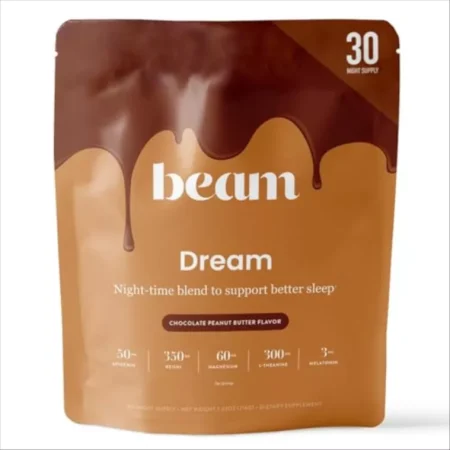
This is the gift that turns into a ritual. Beam Dream Sleep Powder is a hot-cocoa-style nightly drink with magnesium, l-theanine, reishi, and a small amount of melatonin. It’s the kind of “wind-down” cue our nervous systems literally need in midlife. A sensory signal that says *we’re done now*. I drink it warm with oat milk most nights I’m not training the next morning.

Foam Roller and Theragun for the recovery she’s been skipping

Recovery is the part midlife women keep underestimating. Tight hips, achy lower back, a calf that complains every time she steps off a curb.  Here are two gifts close that help with all those aches:

Amazon Basics High-Density Foam Roller (24″) – under $20, the workhorse. I keep one next to my bed, my desk, and almost every room.

Midlife Mothers Day Gift Guide

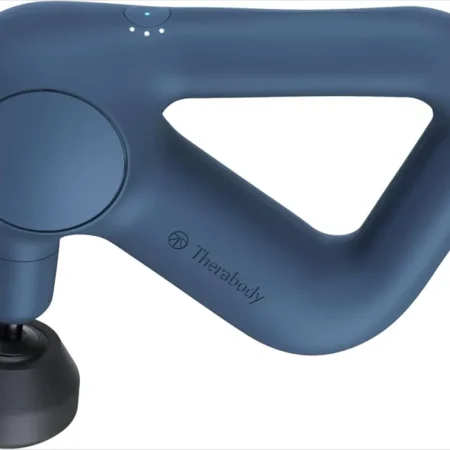
TheraGun Therabody Relief Massage Gun – pricier (around $200), but the relief on a tight upper trap or a fired-up calf is, no exaggeration, a game-changer. A small handheld investment for the woman who carries everyone’s stress in her shoulders.

Midlife Mothers Day Gift Guide
Midlife Mothers Day Gift Guide – TheraGun

Wellness Gifts for the Mom Who Wants More Energy and Strength After 40

Here’s the part most Mother’s Day guides get wrong: they aim soft. Bath salts. Slippers. A robe. As if the mom in your life isn’t also the one who deadlifted 200lbs last Tuesday and is reading Outlive on her Kindle. After 40, the most beloved gifts are often the ones that fuel her actual goals.

Creatine: the supplement nobody told us we needed

If you read one section of this guide, read this.

Creatine is the most well-studied performance supplement on the planet, and the women’s health research on it has caught up.

A 2-year randomized controlled trial in postmenopausal women showed that creatine plus resistance training preserved bone bending strength at the femoral neck (a hip-fracture-prevention metric). Earlier trials showed 12 months of creatine + resistance training preserved bone mineral density at the femoral neck (1.2% loss in the creatine group vs. 3.9% in the placebo group). ([2-yr RCT on creatine for postmenopausal bone health][4]) Creatine also supports cognition, mood, and muscle preservation as we age. ([Creatine supplementation for older adults: sarcopenia and frailty][5])

I take Creatine Micronized Monohydrate – 5g a day, mixed into my morning coffee. It is the cheapest, most evidence-backed wellness gift in this guide. Around $35.

I wrote a full deep-dive on this on the blog: What is creatine and how does it benefit women over 40? Send it to her along with the gift.

Protein: because muscle is the new currency of midlife

After 40, our anabolic response to protein dulls. Translation: we need *more* protein to maintain muscle than we did at 25. A great quality protein gift is genuinely useful, especially for women who are training.

Magnum Quattro Whey Protein (Chocolate, 4 lb) – my all-day staple. Tastes like a Frosty. I’m dead serious.

Magnum Quattro Vegan Protein (Chocolate, 2 lb) – for the dairy-sensitive mom.

Gold Standard 100% Casein – slow-digesting bedtime protein. Underrated. Helps with overnight muscle protein synthesis.

PB2 Original Powdered Peanut Butter (32 oz) – zero-effort way to add a protein boost to oatmeal, smoothies, sauces.

Beam Collagen & Evening Primrose Oil

Collagen for women over 40 is one of those “the science is mixed but the experience is real” things. The strongest evidence shows collagen peptides may improve skin elasticity and hydration in healthy adults; results in postmenopausal women specifically have been more variable.

I take Beam Collagen (Unflavored) in my coffee daily and notice it most in my hair and nails. About $40.

For perimenopausal mood and PMS-y weeks, Sports Research Evening Primrose Oil is one of the few supplements I’d consider seasonal-stocking-stuffer worthy.


Mother’s Day Gifts for the Active Mom Who Loves Her Workout

I write a lot about jumping. Actually, my most-read blog post on the entire site is Benefits of 100 Jumps a Day, because the science on jumping for women over 40 is genuinely incredible. Mini-trampoline rebounding has been shown to improve bone density, body composition, blood pressure, and lipid profiles in women over a 12-week training period.

High-impact movement stimulates bone formation through a process called osteogenesis, which matters disproportionately for women in perimenopause and menopause.

Translation: gifting movement is gifting longevity. These are the active-mom picks I stand behind.

The Mini Rebounder Trampoline: my personal pick of the entire guide

Rebounding for women over 40

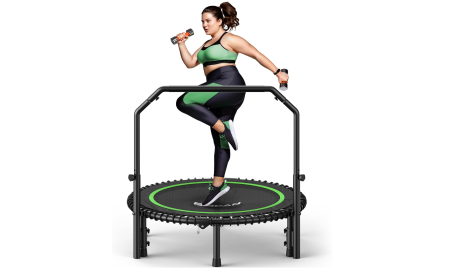
If your mom doesn’t have one of these and lives in a small space, this is *the* gift. The Mini Rebounder Trampoline with Bar holds 450–550 lbs, has a stability bar (which the over-40 crowd appreciates more than the over-20 crowd, I promise), and is the single most-used piece of equipment in my house. Ten minutes a day next to a podcast and she’s done more for her bone density than half the people in her gym.

Crossrope Weighted Jump Rope(the under-$100 cardio surprise)

Crossrope Get Lean Set – Weighted Jump Rope – these aren’t dollar-store jump ropes. They’re weighted, beautifully built, and make your shoulders/calves work in ways “boring cardio” never does. And hey are great for travel.

Best weighted Jump Rope for W0men over 40
Best weighted Jump Rope for Women over 40

Resistance Bands That Don’t Roll Up Like a Shrimp

Fit Simplify Resistance Loop Bands(Set of 5) for the mom newer to home workouts.

Midlife Mothers's Day Guide

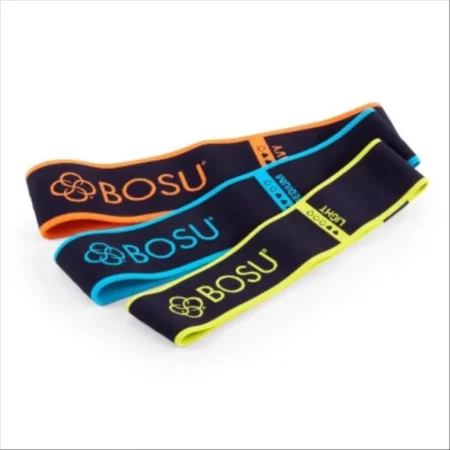
BOSU Fabric Resistance Band 3-packfor hip thrusts and glute work without the pinching. Both under $30.

A Yoga Mat That Doesn’t Slide

Yoga Mom Mother's Day Gift Guide
Yoga Mom Mother’s Day Gift Guide

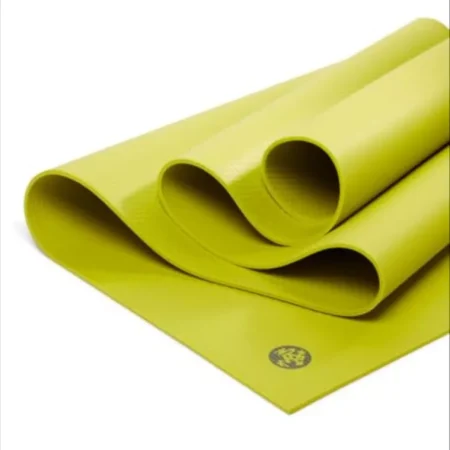
Manduka PRO Lite Yoga Mat is the mat people stop me about at retreats. Lifetime guarantee. Worth it. And they are the same ones we carry at all our women’s yoga and wellness retreats.

Smart Tech Mother’s Day Gifts for Health-Conscious Moms Over 40

Some of the best wellness gifts for women over 40 aren’t supplements at all — they’re the *measuring tools.* Once we can see our data, we can make better decisions. (And we get a tiny dopamine hit checking it. I will not pretend otherwise.)

Oura Ring: the data she didn’t know she needed

Oura Ring Mother's Day Gift Guide
Oura Ring Mother’s Day Gift Guide

The Oura Ring 4 in Rose Gold is the wearable I recommend most. It tracks sleep stages, HRV, body temperature trends (huge for cycle and perimenopause tracking), and resting heart rate — all without a screen on her wrist. About $300 plus a subscription. Worth every dollar for the woman who wants to know *why* she feels the way she feels.

Polar Smartwatches for the runner / Zone-2 nerd


Polar Watch Mother's Day Gift Guide
Polar Watch Mother’s Day Gift Guide

Polar Pacer Pro GPS Fitness Tracker Smartwatch is what I wear when I run. Best-in-class heart-rate and HRV tracking, much friendlier price than Garmin’s higher tier.

The Polar Ignite GPS Smartwatch is the lighter, daily-wear version.

RENPHO Smart Scale and Travel Scale

Body Scale Mother's Day Gift Guide
Body Scale Mother’s Day Gift Guide

The RENPHO Smart Scale (BMI, Body Fat, Bluetooth) is the budget tracking-tool sibling. Under $35 and pairs to her phone.

The RENPHO Travel Scale is for the mom who travels and likes consistency — folds flat into a suitcase.

The RENPHO Bluetooth Body Tape is, frankly, my favorite stocking-stuffer for any woman tracking measurements. Under $20.

The Ultimate Self-Care Mother’s Day Gift: A THOR Yoga Retreat

Weekend Yoga Retreats for Women

If you really want to give the woman in your life a Mother’s Day gift she’ll be talking about a year from now, skip the wrapped box and gift her an experience: a THOR Yoga Retreat

After 40, the most powerful self-care is permission to step away from the calendar, the kids, the laundry, the inbox, and remember who she is when no one needs anything from her.

THOR Women’s Yoga Retreats are designed specifically for midlife women, blending daily yoga, breathwork, nourishing food, sleep, nature, and small-group connection in settings that feel as restorative as they look.

Every detail is built around the way a woman over 40 actually decompresses: slow mornings, hormone-friendly meals, restorative movement instead of boot-camp intensity, and time to think a complete thought without being interrupted.

It’s the kind of gift that resets her nervous system, recalibrates her body, and reminds her that she is still:  first and foremost – a whole person.

If you’re shopping for a mom, partner, sister or friend who has been pouring herself out for everyone else, a THOR Yoga Retreat is the most generous, deeply considered Mother’s Day gift on this entire list.

Browse upcoming dates and destinations on the [THOR Retreats page](https://thehouseofrose.com/womens-wellness-retreats/), and pair the gift card with a handwritten note that says: “This is your week. The rest of us will be fine.”


How to Personalize a Mother’s Day Wellness Gift She’ll Actually Use

A wellness gift can flop fast if it lands wrong. A jump rope for someone with bad knees. A cookbook for someone who hates cooking. A tracking ring for someone who wants *less* tech in her life. A few rules that have never failed me:

1. Match the gift to where she already is. If she’s training already, lean into recovery and protein. If she’s just starting, lean into the eye mask, the magnesium, the foam roller — low-friction wins.

2. Pair small gifts into a “ritual” bundle.  A magnesium + a sleep mask + the [Atomic Habits](https://rstyle.me/+eqnYQN2jbZOAG0aJOLYe1g) book is a $60 evening-routine kit. Way more thoughtful than any single $60 thing.

3. Write the note that explains the *why.  “I want you to sleep better.” “I think you’ve earned the data on yourself.” “I see how hard you’ve been working.” That’s the gift, honestly. The product is just a vehicle.

4. If she’s 50+, lean into bone, brain, and balance. Creatine. Rebounding. Magnesium. Resistance training tools. The science and her future self – will thank you.

5. Don’t gift weight loss. Ever. Not for Mother’s Day. Not from anybody. You can read my full thoughts on why we have to stop thinking “smaller” to women in Why Putting Yourself Last Backfires

Frequently Asked Questions About Mother’s Day Wellness Gifts for Women Over 40

What is the best Mother’s Day wellness gift for a mom over 40?

If I had to pick exactly one, it would be a quality magnesium glycinate supplement paired with the Beam of Light Satin Eye Mask. Together, they’re under $75, they directly address the #1 complaint I hear from women over 40 (sleep), and they have real research behind them. Sleep research consistently shows that magnesium supports sleep quality and that eye masks improve REM sleep and next-day cognitive performance.

Are Mother’s Day wellness supplements actually a good gift idea?

If they’re high-quality and well-matched to her goals, yes. Stick to third-party-tested brands like THORNE, Beam, and Sports Research. Avoid anything making weight-loss claims (it’s both inaccurate and a bad gift signal). My safest, most-loved supplement gift trio for women over 40: magnesium glycinate, creatine, and a high-quality protein powder — together they support sleep, muscle, bones, and mood.

What is the best fitness gift for a mom who works out at home?

A mini rebounder trampoline is the highest-impact-per-square-foot fitness gift on the market for women over 40. The research on rebounding shows benefits to bone density, body composition, blood pressure, and lymphatic flow. If she has more space and budget, a high-quality yoga mat and a set of resistance bands is the next-best at-home gift combo. We dive deeper into why jumping is so effective for midlife women in Benefits of 100 Jumps a Day

Is creatine safe and worth gifting to a woman over 40?

Yes. Creatine monohydrate is one of the most well-researched supplements in the world, and the women’s-health-specific research has caught up: studies show creatine plus resistance training preserves bone bending strength, supports lean mass and walking speed in older adults, and may support cognitive function. The standard dose is 3–5 grams per day. Stick to a third-party tested brand.

What is a thoughtful Mother’s Day gift for a someone on a tight budget?

Stack three small things: Satin Eye Mask, PB2 Powdered Peanut Butter, and Atomic Habits in a basket with a handwritten note. Total cost: under $50. Total thoughtfulness: off the charts.

Should I get my mom an Oura Ring for Mother’s Day?

If she’s curious about her sleep, energy, recovery, or perimenopause symptoms — yes, the Oura Ring 4 is one of the most loved gifts I’ve recommended. If she’s the kind of person who hates wearable tech, skip it and go with a quality magnesium + sleep-mask bundle instead. The Oura is wonderful, but only for the right user.

When should I order Mother’s Day wellness gifts for them to arrive on time?

For Mother’s Day 2026 (Sunday, May 10, 2026), aim to order at least 5–7 days in advance — most LTK affiliate links route through Amazon or other major retailers with reliable 2-day shipping, but bigger items (mini rebounder, yoga mat, supplement bundles) can take 5–7 business days. Order by Monday, May 4, 2026 to be safe.

A Final Note:

If you’re the partner, the daughter, the son, the friend, the sibling shopping for a woman over 40 this Mother’s Day — I want to say one thing. The fact that you searched “wellness gifts for women over 40” already puts you ahead of 90 percent of gifters.

Almost any pick from this guide will land. The point isn’t perfection; it’s the message *I see you, I see how hard you work on yourself, and I want to support that.*

That’s the Mother’s Day gift that women over 40 actually remember.

If you found this guide helpful, send it to whoever is doing the shopping. And BTW, we’re allowed to ask for what we want at this stage, by the way. That’s a freebie I learned in my 40s and you can have it.

— Terry / midlife.bestie


Sources & References

[1]: https://pmc.ncbi.nlm.nih.gov/articles/PMC6518405/ “Effectiveness of Creatine Supplementation on Aging Muscle and Bone — PMC review”
[2]: https://ubiehealth.com/doctors-note/magnesium-glycinate-sleep-women40plus-guide-aid-3722ex6 “Magnesium Glycinate for Sleep: A Woman’s 40+ Guide — Ubie Doctor’s Note”
[3]: https://www.health.harvard.edu/blog/does-sleeping-with-an-eye-mask-improve-learning-and-alertness-202402213017 “Does sleeping with an eye mask improve learning and alertness? — Harvard Health”
[4]: https://pmc.ncbi.nlm.nih.gov/articles/PMC10487398/ “A 2-yr Randomized Controlled Trial on Creatine Supplementation during Exercise for Postmenopausal Bone Health — PMC”
[5]: https://www.sciencedirect.com/science/article/abs/pii/S8756328222001442 “Creatine supplementation for older adults: Focus on sarcopenia, osteoporosis, frailty and Cachexia — ScienceDirect”
[6]: https://pubmed.ncbi.nlm.nih.gov/40935395/ “Skin Anti-Aging and Moisturizing Effects of Low-Molecular-Weight Collagen Peptide Supplementation: RCT — PubMed”
[7]: https://pubmed.ncbi.nlm.nih.gov/27441918/ “Effects of a mini-trampoline rebounding exercise program on functional parameters, body composition and quality of life in overweight women — PubMed”


How Many Minutes of Rebounding Per Day for Women Over 40? The Science-Backed Answer

You have heard the rebounding hype. Every other TikTok, every other wellness influencer, every other woman in your life is suddenly on a mini trampoline claiming it fixed her lymph, her belly, her menopause, her mood. And for once, the hype is mostly right. Rebounding is an exceptional tool for women over 40 — but the question nobody answers is the only one that matters: how much?

Ten minutes? Thirty? 100 jumps? Two hundred?

Short answer: for most women over 40, 10 to 20 minutes a day at a moderate effort gives you the bulk of the benefits — bone loading, lymphatic drainage, cardiovascular conditioning, pelvic floor strengthening, mood, and mitochondrial support — without crossing into overtraining or joint irritation. If you are already active and conditioned, 20 to 30 minutes split into two sessions is a beautiful sweet spot. More than that is rarely better and, in some cases, worse.

That is the TL;DR. The rest of this article walks you through the research, the reasoning, how to progress safely, what to do if you are brand new, and the specific dose sweet spots for bone density, lymphatic drainage, pelvic floor, and fat loss — because those are not the same minute totals.

If you want context on why rebounding is such a potent midlife tool in the first place, start with our original pieces on the benefits of jumping, rebounding for menopause, and the 100 jumps trend. This article is the prescription companion — here is how much, for what outcome, and why.

Rebounding for women over 40
My favorite rebounder for women over 40

The Short Answer: 10 to 20 Minutes Daily, Progressed Over Time

Let me give you the headline doses up front. These are the recommendations I give my 1:1 clients based on the published research plus a decade of coaching midlife women.

For general midlife health and lymphatic drainage: 10 minutes of gentle bouncing, 5 to 7 days a week.

For bone density in perimenopause or postmenopause: 15 to 20 minutes, 4 to 5 days a week, with at least some of that at higher impact (controlled jumps, not just health bounces).

For cardiovascular fitness and fat loss: 20 to 30 minutes at moderate to vigorous intensity, 3 to 5 days a week — often split into two 10-to-15-minute sessions.

For pelvic floor rehab or new to rebounding: Start with 3 to 5 minutes of “health bouncing” (feet never leaving the mat), build to 10 over 4 to 6 weeks, then progress.

For recovery and lymph on rest days: 5 to 10 minutes of gentle health bouncing, any day you want.

Now let me show you why those numbers. The research is better than you would think.

Why Women Over 40 Respond So Well to Rebounding in the First Place

Before we argue dosage, let’s quickly revisit why rebounding is worth your time at all. Three systems benefit disproportionately once you hit 40.

Your bones. Estrogen is a direct regulator of bone remodeling. When estrogen drops in perimenopause and menopause, osteoclast activity (cells that break down bone) outpaces osteoblast activity (cells that build bone), and bone density drops 1 to 2% per year. Mechanical loading — specifically impact and strain — is one of the most potent, free, drug-free tools for slowing or reversing this. NASA famously investigated rebounding as a tool for astronauts returning from zero-gravity bone loss, and the landmark research by Bhattacharya and colleagues found that jumping on a mini-trampoline produced G-force loading at the ankle, back, and forehead comparable to or exceeding running, at a fraction of the joint stress.

Your pelvic floor. Repeated bouncing in a controlled way is actually excellent for pelvic floor coordination, provided you have learned how to engage it. Pelvic floor physiotherapists increasingly prescribe mini-trampoline work for this reason. Research published in Neurourology and Urodynamics has shown that low-impact, controlled jumping combined with pelvic floor contractions improves continence in perimenopausal women.

Your lymphatic system. Your lymph has no pump — it moves by muscle contraction, breathing, and gravity-plus-acceleration (which rebounding provides beautifully). A study in the European Journal of Applied Physiology demonstrated that short bouts of rebounding measurably increase lymphatic flow, which supports immune function, inflammation resolution, and the kind of systemic “cleanup” most midlife women complain they have lost.

Plus: it is weight-bearing but joint-friendly, it is inexpensive, it takes almost no space, and the learning curve is 30 seconds. It is hard to find another tool with that profile in midlife.

Rebounding for women over 40
My favorite rebounder for women over 40

The Science Behind the “10 Minutes” Number

Why 10 minutes? Why not 5, why not 30?

The short version is that the peer-reviewed literature on rebounding and moderate jumping studies consistently uses 10-minute protocols because that is roughly the threshold where meaningful lymphatic and cardiovascular response kicks in without accumulating excessive fatigue or joint stress.

A 2016 study published in the Journal of Sports Science and Medicine evaluated a 10-minute mini-trampoline protocol (warm-up plus continuous bouncing) and found significant improvements in VO2 max, lower-body strength, and balance in young adults over 8 weeks. A 2018 study in the Journal of Strength and Conditioning Research used 20-minute rebounding sessions three times a week in older women and found significant gains in lean mass, postural balance, and lower-body power.

On the bone side, high-impact jumping protocols — typically 10 to 50 jumps per session, a few days a week — have been shown to improve bone mineral density at the hip and spine in perimenopausal and postmenopausal women. A 2014 trial published in the American Journal of Health Promotion found that premenopausal women who performed 10 multidirectional jumps twice daily, 4 months in, had increased hip BMD by ~1.5%. That protocol takes about 90 seconds total — but to get the cardiovascular, lymph, and balance benefits on top, we build up to 10 to 20 minutes.

The upper end of “how much is useful” is softer. Studies using 30 to 40 minutes show diminishing returns on bone and lymph and rising overuse risk on knees and ankles in untrained women. More is not better past a certain point. This is especially true in perimenopausal women, whose recovery is already compromised by shifting hormones and often under-fueled eating.

The Different Doses for Different Goals

Here is where it gets useful. “10 to 20 minutes” is a reasonable default, but different goals have different sweet spots. Match the dose to the outcome.

For Lymphatic Drainage: 5 to 10 Minutes of Gentle Health Bouncing

The lymph benefit kicks in fast and does not require height. “Health bouncing” — feet staying in contact with the mat, knees softly flexing, arms relaxed — for 5 to 10 minutes produces the acceleration-driven lymph flow researchers have measured. You do not need to jump high. You do not need to sweat. This is the rebounding I prescribe to women in the first week of a reset, women recovering from illness, women dealing with water retention, and women on rest days between strength sessions.

For Bone Density: 15 to 20 Minutes With Actual Impact

Health bouncing is not enough for bone. For bone remodeling you need ground reaction forces at or above roughly 3 to 4 times body weight, which means actual jumping — feet clearing the mat, landing with control. Research from the University of Bristol’s Avon Longitudinal Study and others has found that 50 to 100 moderate-to-high-impact jumps per session, several times a week, is a threshold for bone response. A rebounder lets you do this with far less joint impact than concrete, because the mat absorbs some of the deceleration.

For a 20-minute bone-focused session, I like: 5 minutes health bounce warm-up, 10 minutes of interval work (30 seconds controlled jumps / 30 seconds easy bounce) × 10, 5 minutes easy bounce cool-down. That is approximately 100 loaded jumps plus a full lymph flush.

For Cardiovascular Fitness and Fat Loss: 20 to 30 Minutes at Moderate Intensity

If you are using rebounding as your primary cardio, you want to hit zone 2 to low zone 3 heart rate (roughly 60 to 75% of max HR) for 20 to 30 minutes. Two 15-minute sessions, or one 25-minute session, gets the job done. If you want a scaffolded framework for training in the right intensity zones, our cardio zones cheat sheet is a useful reference.

Rebounding alone will not out-perform a pure fat-loss protocol — that requires a nutrition framework layered on top, which is why I point every client toward the free macro calculator and the Macro Miracle Mediterranean Cookbook as the foundation — but it makes a wonderful joint-friendly cardio backbone for midlife women who cannot tolerate running.

For Pelvic Floor: Short Sessions, High Technique, Slowly Progressed

If your pelvic floor is a concern — leaking with a sneeze, post-kid, perimenopausal laxity — start with 3 to 5 minutes of health bouncing with conscious pelvic floor engagement (light lift-and-release timed to the bounce). Build to 10 minutes over 4 to 6 weeks. Only progress to actual jumping once you have zero leaking at 10 minutes of health bounce. This is a pelvic-floor-physio recommendation, not a “just send it” recommendation. When in doubt, see a pelvic floor PT before rebounding.

For Recovery, Mood, and Circulation: 5 to 10 Minutes, Anytime

Honestly, 5 minutes of easy health bouncing with music feels like cheating. It shifts mood, flushes lymph, gets blood moving, and takes almost nothing out of you. Great for rest days, midday afternoon-slump breaks, or right after a stressful call.

Rebounding for women over 40
My favorite rebounder for women over 40

How to Build Up If You Are Brand New to Rebounding

If you have not jumped on a mini-trampoline in a decade, your ankles, calves, and core need a ramp-up. Here is how I walk new clients in.

Week 1: 3 minutes of health bouncing, 3 days this week. Feet stay on the mat. Knees soft. Focus on posture — tall chest, ribs stacked over pelvis, neutral spine.

Week 2: 5 minutes of health bouncing, 4 days. Add gentle arm movement. Focus on breathing through the bounce.

Week 3: 7 minutes, mixing health bounce with small heel lifts (heels come off mat but toes stay). 4 to 5 days.

Week 4: 10 minutes. Include 20 seconds of small controlled jumps (feet clear mat) every 2 minutes. 4 to 5 days.

Week 5–6: 10 to 15 minutes daily. Build impact portions to 30 seconds every 2 minutes.

Week 7+: Up to 20 minutes, with intervals appropriate to your goal (bone, cardio, etc.).

This ramp matters because ankle sprains, calf strains, and pelvic floor leaks are the three things that take women out of rebounding in the first two weeks. A four-to-six-week build protects you from all three.

The Mistakes That Turn Rebounding From Medicine Into Injury

I have seen this enough times to name the pattern. Here are the rebounding mistakes that turn a fantastic tool into a problem.

Too much, too soon. Going from zero to 30 minutes because the TikTok lady says to. Calves will revolt. Knees will ache. Pelvic floor will leak.

Bad surface quality. A $40 trampoline from a big-box store with weak springs and a sagging mat is not the same thing as a bungee-strapped rebounder. Your ankles know the difference. A good rebounder is $150 to $350 and lasts a decade.

Poor posture. Most rebounding injuries happen when women fold at the waist and look down at the mat. Chest tall, eyes forward, ribs stacked.

Ignoring pelvic floor signals. If you are leaking at any point, stop the jumping portion and drop back to health bounce until you can do 10 minutes with zero leaking. Progress from there. A pelvic PT is a great investment if this is persistent.

No warm-up. A 60-year-old calf does not appreciate being launched into full bouncing from a cold start. 2 minutes of ankle circles, calf raises, and walking in place before you get on the rebounder.

Rebounding as a substitute for strength training. Rebounding is wonderful for the bone, lymph, mood, and cardio categories, but it does not replace resistance training for muscle mass. Muscle is the single most important metabolic currency in midlife, and it does not grow from jumping alone. Pair rebounding with 2 to 3 strength sessions per week — deadlifts, squats, hip thrusts, presses. Our library on strength training fundamentals, hip thrusts, and barbell squats walks you through the big lifts.

Skipping recovery. Daily 20-minute rebounding without adequate protein, sleep, and deload days catches up with women over 40 within weeks. The body that recovers is the body that adapts.

Best weighted Jump Rope for W0men over 40
Best weighted Jump Rope for Women over 40

Pairing Rebounding With Strength and Nutrition for Maximum Effect

Rebounding is a multiplier, not a solo act. Here is what to pair it with for actual body-composition and hormonal results.

Strength training twice to three times per week. Non-negotiable for midlife women. The literature on muscle preservation post-menopause is overwhelming — you need resistance work to hold onto lean mass. Rebounding does not replace it.

Protein at every meal. The midlife target is roughly 0.7 to 1.0 g of protein per pound of goal bodyweight, spread across 3 to 4 meals. This is the fuel for muscle, bone, connective tissue, and the recovery you need to keep rebounding consistently.

Creatine, 5 g daily. Creatine monohydrate is one of the best-studied supplements for women over 40 — it supports muscle, brain, and bone response to training. Start with our deep dive on creatine for women over 40 and the benefits of creatine for women over 40.

Adequate sleep. Bone remodeling, muscle repair, and HPA axis regulation all happen during sleep. If you are not sleeping 7+ hours, the rebounding will help less than it could. See our sleep piece for why.

Nutrition. You cannot rebound your way out of a poor diet. The midlife nutrition hierarchy — calories, protein, fiber, micronutrients, meal timing, in that order — is explained in midlife nutrition hierarchy for women. For the practical recipes that fit midlife training and fat loss, the Macro Miracle Mediterranean Cookbook is built around this framework.

Is It Safe to Rebound Every Day?

For most midlife women in reasonable health, yes — provided you vary the intensity and listen to your body. A well-structured daily rebounding practice might look like:

  • Monday: 20 min, moderate bone-focused intervals
  • Tuesday: 10 min, easy health bounce (active recovery)
  • Wednesday: 20 min, moderate cardio
  • Thursday: 10 min, easy health bounce
  • Friday: 20 min, moderate bone-focused intervals
  • Saturday: 15 min, easy-to-moderate
  • Sunday: 5 to 10 min easy or full rest

That is 100 minutes of rebounding a week, well within the safe dose range, with plenty of recovery. If you are newly menopausal, training hard, under-fueled, or sleeping badly, scale it back.

Red flags to stop or back off: – Persistent calf or Achilles pain – Knee pain that builds during the session – Pelvic floor leaking – Lightheadedness (often blood pressure or blood sugar — eat first) – Rising morning resting heart rate or falling HRV trending over two weeks – Sleep quality dropping – Menstrual cycle changes or sudden amenorrhea (perimenopause makes this tricky, but worth tracking)

Rebounding for women over 40
My favorite mini trampoline and rebounder for women over 40

Who Should Not Rebound or Should Scale Way Back

Rebounding is wonderful for most women over 40, but a few situations warrant clinician input first.

Severe osteoporosis with fracture risk. Talk to a physician or physical therapist before starting impact work. They may recommend health bounce only to start.

Pregnant women (later pregnancies especially). Health bounce may be fine, but jumping is not. Consult your OB.

Severe pelvic organ prolapse. See a pelvic floor PT first.

Recent hip, knee, or ankle surgery. Get clearance.

Active vertigo or BPPV. Rebounding can aggravate it.

Certain retinal conditions. If you have unstable retina issues or recent eye surgery, clear it with your ophthalmologist.

None of these are “never rebound” — most are just “start slower, under guidance.”

A Sample Weekly Rebounding Plan for Women Over 40

Here is a template you can plug into your week. Modify to match your schedule and training age.

If you are brand new (first 4-6 weeks): – Monday, Wednesday, Friday: 5-10 min health bounce – Other days: walks, strength, rest

If you are conditioned and training for general midlife health: – Monday: 15 min interval rebound (moderate) – Tuesday: Strength (lower body) – Wednesday: 20 min steady rebound or walk + 10 min health bounce – Thursday: Strength (upper body) – Friday: 15 min interval rebound + core – Saturday: Longer walk + 10 min health bounce – Sunday: Rest or yoga

If you are training for bone density specifically (post-menopause): – Monday, Wednesday, Friday: 20 min with ~100 controlled jumps embedded in intervals – Tuesday, Thursday: Strength (hip hinge, squat, press patterns) – Saturday: 15 min moderate + easy walk – Sunday: Rest

None of these are prescriptive. Your schedule, your body, your recovery capacity all matter. If you want a plan built around your specific hormones, labs, lifestyle, and bone-density starting point, that is exactly the kind of thing we build inside Age With Strength 1:1 coaching. For a week-long full-body reset that integrates rebounding, strength, nutrition, sleep, and nervous system work, our THOR women’s wellness retreats are the simplest shortcut.

Best weighted Jump Rope for W0men over 40
Best weighted Jump Rope for Women over 40

Frequently Asked Questions on How Many Minutes of Rebounding Per Day

Is 10 minutes of rebounding a day enough?

For most women over 40, 10 minutes daily is enough to produce measurable lymphatic, cardiovascular, mood, and balance benefits — especially if some of it includes controlled jumping. For bone density as a primary goal, 15 to 20 minutes, 4 to 5 days a week, is the better target. More than 20 minutes daily offers diminishing returns and raises overuse risk in untrained women.

How many jumps per day is ideal for bone density?

Research suggests 50 to 100 moderate-to-high-impact jumps per session, 3 to 5 days a week, is the threshold for bone response. That translates to roughly 10 to 15 minutes of interval work (alternating jumps with rest). You can absolutely get more than that safely once you are conditioned, but 100 jumps a day is a well-supported floor.

Can I rebound every day or do I need rest days?

You can rebound daily if you vary the intensity. A good rule is: 3 to 4 hard/moderate days, 2 to 3 easy/health-bounce days, 1 rest day. Hard-every-day rebounding accumulates overuse stress in calves, Achilles, and the pelvic floor.

What size rebounder should I buy?

Look for a 36-to-44-inch diameter rebounder with bungee cords (not steel springs) and a sturdy frame. The weight capacity should exceed your bodyweight by at least 50 lb. Expect to spend $150 to $350 for a good one. Cheap big-box trampolines are a false economy — they die in 6 months.

Will rebounding help me lose belly fat?

Rebounding is cardio, and cardio contributes to fat loss — but belly fat specifically is more responsive to hormonal regulation, nutrition, and strength training than any one cardio modality. Pair rebounding with strength training, a macro-tracked nutrition plan (start with the free macro calculator), sleep, and stress management. That is the combination that works. Read perimenopause weight gain for the midlife-specific picture.

Rebounding for women over 40
My favorite rebounder for women over 40

Is rebounding better than running for women over 40?

“Better” depends on your goals and joints. Rebounding is lower impact, easier on knees and ankles, and excellent for lymph and bone — but running produces higher cardiac adaptation per minute and more ground force for bone. If your knees hate running, rebounding is a fantastic substitute. If you love running and your joints feel fine, do both. They are complementary.

What about pelvic floor issues. Should I avoid rebounding entirely?

Not necessarily. Controlled health bouncing (feet staying on mat) is usually safe and often beneficial for mild pelvic floor issues, and can even be therapeutic. Full jumping should wait until you have zero leaking at 10 minutes of health bounce, or until a pelvic floor physiotherapist clears you.

Should I rebound before or after strength training?

For most people, strength first, rebounding after — so your legs are fresh for the heaviest lifts. A 5-minute rebound warm-up is fine. If you want a full 20-minute rebound session on the same day as heavy leg training, separate them by at least 4 hours.

Best weighted Jump Rope for W0men over 40
Best weighted Jump Rope for Women over 40

Does rebounding count as zone 2 cardio?

It can, depending on intensity. Gentle health bouncing is generally zone 1 to low zone 2. Moderate interval rebounding puts you in zone 2 to low zone 3. Use a heart rate monitor if you are training for specific zones. The cardio zones cheat sheet breaks down the numbers.

How fast will I see results?

Lymphatic and mood benefits are often noticed within the first week. Cardiovascular fitness improves noticeably in 3 to 4 weeks. Balance and lower-body power measurably improve in 6 to 8 weeks. Bone density changes take 6 to 12 months to show up on a DEXA scan — consistency over time, not intensity in a week, is what drives bone response.

Can I combine rebounding with the “100 jumps” trend?

Yes, in fact the 100-jumps concept fits neatly inside the bone-density protocol. You can read our full take on the 100 jumps trend — the short version is that 100 daily jumps is a reasonable floor for bone loading, and rebounding is the easiest way to accumulate them with joint-friendly impact.

Is rebounding safe during perimenopause and menopause?

Yes — and in fact perimenopause and menopause are exactly when rebounding delivers its highest-value benefits (bone, lymph, balance, mood, nervous-system regulation). Our deep piece on rebounding for menopause covers the hormonal rationale in depth.

Rebounding for women over 40
My favorite rebounder for women over 40


The Bottom Line: Your Daily Rebounding Prescription


If you take nothing else from this article:

  1. 10 to 20 minutes a day is the sweet spot for most women over 40.
  2. Start at 5 to 10 minutes if you are new, and build over 4 to 6 weeks.
  3. Mix health bouncing (feet on mat) and controlled jumping (feet clear mat) based on your goal.
  4. For bone density, prioritize ~100 controlled jumps per session, 3 to 5 days a week.
  5. Pair rebounding with strength training 2 to 3 times a week, protein at every meal, creatine, and sleep.
  6. Rebounding is a multiplier, not a replacement for strength or nutrition.

Rebounding is one of the most generous tools in a midlife woman’s kit — it gives back cardio, lymph, bone, balance, pelvic floor support, and mood at a dose that fits inside any busy schedule. Do not overthink it. Step on the mat, press play on music you love, and bounce.

If you want the personalized programming — how much rebounding specifically for your bone density score, your training age, your hormonal status, and your recovery capacity — that is what we do together inside Age With Strength 1:1 coaching. And if you want to experience it as part of a full daily rhythm — mornings, movement, meals, recovery — a few days at a THOR women’s wellness retreat is the fastest reset I know.

Jump smart. Jump often. Your bones, your lymph, and your mood will thank you.

References and Sources

  1. Bhattacharya A, McCutcheon EP, Shvartz E, Greenleaf JE. (1980). Body acceleration distribution and O2 uptake in humans during running and jumping. Journal of Applied Physiology: Respiratory, Environmental and Exercise Physiology, 49(5), 881-887.
  2. Arabzadeh E, Mofrad MM, Taherpour M, et al. (2019). The effects of a 10-week mini-trampoline training program on the balance and fitness of adult men. Journal of Sports Science and Medicine.
  3. Miklitsch C, Krewer C, Freivogel S, Steube D. (2013). Effects of a predefined mini-trampoline training programme on balance, mobility and activities of daily living after stroke: a randomized controlled pilot study. Clinical Rehabilitation, 27(10), 939-947.
  4. Aragão FA, Karamanidis K, Vaz MA, Arampatzis A. (2011). Mini-trampoline exercise related to mechanisms of dynamic stability improves the ability to regain balance in elderly. Journal of Electromyography and Kinesiology, 21(3), 512-518.
  5. Witzke KA, Snow CM. (2000). Effects of plyometric jump training on bone mass in adolescent girls. Medicine and Science in Sports and Exercise, 32(6), 1051-1057.
  6. Ahola R, Kröger H, Väänänen HK, et al. (2010). Effect of daily exercise on bone mineral density and content in healthy premenopausal women. Bone, 47(4), 742-748.
  7. Tucker LA, Strong JE, LeCheminant JD, Bailey BW. (2015). Effect of two jumping programs on hip bone mineral density in premenopausal women: a randomized controlled trial. American Journal of Health Promotion, 29(3), 158-164.
  8. Baumgartner RN, et al. (1998). Epidemiology of sarcopenia among the elderly in New Mexico. American Journal of Epidemiology, 147(8), 755-763.
  9. Weaver CM, Gordon CM, Janz KF, et al. (2016). The National Osteoporosis Foundation’s position statement on peak bone mass development and lifestyle factors: a systematic review and implementation recommendations. Osteoporosis International, 27(4), 1281-1386.
  10. Gillespie LD, Robertson MC, Gillespie WJ, et al. (2012). Interventions for preventing falls in older people living in the community. Cochrane Database of Systematic Reviews, (9):CD007146.
  11. Heinonen A, Kannus P, Sievänen H, et al. (1996). Randomised controlled trial of effect of high-impact exercise on selected risk factors for osteoporotic fractures. Lancet, 348(9038), 1343-1347.
  12. Bø K, Talseth T, Holme I. (1999). Single blind, randomised controlled trial of pelvic floor exercises, electrical stimulation, vaginal cones, and no treatment in management of genuine stress incontinence in women. BMJ, 318(7182), 487-493.
  13. Nygaard IE, Glowacki C, Saltzman CL. (1996). Relationship between foot flexibility and urinary incontinence in nulliparous varsity athletes. Obstetrics and Gynecology, 87(6), 1049-1051.
  14. Hayashi N, Someya N, Fukuba Y. (2010). Effect of intensity of dynamic exercise on pulse wave velocity in humans. European Journal of Applied Physiology, 108(1), 71-76.
  15. National Aeronautics and Space Administration (NASA). (1980). Biomechanical Analysis of Rebound Exercise. Johnson Space Center.

Best Probiotics for Women Over 40: The Strains That Actually Matter in Midlife

If you’ve been bloated more days than not lately, can’t tell if it’s a meal, a hormone, or your gut, and you’re staring at a wall of probiotic bottles wondering which one is actually worth the money, you’re in the right place.

Let me say something up front, because the supplement aisle does not say it: the probiotic with the biggest CFU number on the front of the bottle is not automatically the best probiotic for women over 40. The strain matters more than the count. The food you eat alongside it matters more than the bottle. And the reason your gut changed after 40 has very little to do with probiotics in the first place — it has to do with estrogen.

Once you understand that, the whole conversation changes.

In this guide we’re going to walk through what actually shifts in your microbiome around perimenopause and menopause, why bloating and brain fog and that stubborn midsection get worse for so many of us, which probiotic strains have real research behind them for women over 40, and how to choose a product without falling for the marketing. We’ll talk about food, supplements, timing, and what to do if probiotics seem to make you feel worse instead of better. By the end you’ll know exactly what to put in your cart and what to leave there.

What Changes in Your Gut After 40 (and Why Probiotics Suddenly Matter)

Before perimenopause, most women don’t think much about their gut. After 40 — sometimes after 38, sometimes after 45 — it starts asking for attention.

Here’s what’s actually happening underneath.

Your microbiome is the community of bacteria, fungi, and other microbes living mostly in your large intestine. By weight, it’s around three to four pounds of organisms doing real metabolic work — making vitamins (K2, B12, biotin, folate), training your immune system, producing short-chain fatty acids that feed your colon lining, regulating your nervous system through the vagus nerve, and metabolizing hormones, including estrogen.

That last piece is the one most women never hear about. There’s a subset of your gut bacteria called the estrobolome — gut microbes that produce an enzyme called beta-glucuronidase that helps recycle estrogen back into circulation. When the estrobolome is balanced, estrogen detoxification works smoothly. When it’s not balanced — too little of certain microbes, too much of others — estrogen metabolism gets messy. That can show up as PMS, heavy or erratic periods in perimenopause, more intense menopause symptoms, and a harder time losing weight.

So when your hormones start shifting in your forties, your gut isn’t just along for the ride — it’s directly involved.

Three things happen in midlife that put real pressure on the microbiome:

Estrogen drops. Estrogen has a protective effect on gut diversity. As it falls, microbial diversity tends to fall with it. Less diversity, less resilience.

Stress climbs. Cortisol shifts gut motility, thins the mucosal barrier, and feeds opportunistic species. Most women in midlife are running higher cortisol than they were ten years ago — see our deep dive on cortisol and menopause weight gain for the full picture.

Diversity narrows naturally with age. Even in healthy adults, gut diversity quietly drops decade by decade unless you’re actively feeding it.

Add in years of hormonal birth control, antibiotics, low-fiber diets, alcohol, and the chronic-low-grade-stress life most of us live, and the midlife gut is often running on fumes by the time we notice symptoms.

Internal link: this connects directly to our piece on hormonal changes and emotional eating in menopause — gut health is the missing third leg of that conversation.

The Symptoms That Probiotics Can Actually Help in Midlife

Probiotics are not a miracle. Anyone who tells you they are is selling you something. But they do have evidence behind them for specific symptoms that tend to flare in women over 40.

Here’s what the research supports, in plain language.

Bloating and gas. Multiple strains — particularly Bifidobacterium lactis HN019 and Lactobacillus plantarum 299v — have been shown in randomized controlled trials to reduce bloating and improve transit time in adults with functional gastrointestinal symptoms. For more on what’s driving midlife bloat, see why your stomach feels bloated all the time in menopause.

Constipation. B. lactis HN019 and Lactobacillus rhamnosus GG have evidence for stool frequency and transit, which is gold in midlife when motility tends to slow.

Mood and anxiety. This is the one most women don’t expect. So-called “psychobiotics” — strains like Lactobacillus helveticus R0052 and Bifidobacterium longum R0175 — have small but real effects on anxiety scores and HPA-axis activity in clinical trials (Messaoudi et al., 2011). The gut-brain axis is not woo. It’s a vagus nerve and a steady stream of neurotransmitters.

Vaginal and urinary tract health. Lactobacillus rhamnosus GR-1 and Lactobacillus reuteri RC-14 are the two strains with the strongest body of evidence for restoring vaginal flora and reducing recurrent UTIs — something that becomes far more common after estrogen drops (Reid et al., 2003).

Immunity. Lactobacillus paracasei and B. lactis strains have shown modest reductions in cold/flu duration and severity, helpful in the years where sleep and stress already tax the immune system.

Bone health, indirectly. A 2018 randomized controlled trial in older women found Lactobacillus reuteri 6475 slowed bone loss in the lumbar spine over 12 months — small effect, but the first real data we have on probiotics and postmenopausal bone.

What probiotics will not reliably do, no matter what the label says: melt belly fat on their own, balance your hormones single-handedly, replace fiber, replace sleep, or fix a diet built on ultra-processed food. They are a piece of the puzzle. A real piece — but a piece.

Best Probiotic Strains for Women Over 40 (the Short List That Actually Has Evidence)

Here’s the practical version of the strains worth looking for on a label. Specific strain names matter — “Lactobacillus acidophilus” alone is meaningless without a strain code, the same way “ibuprofen” tells you something but “200mg ibuprofen tablet vs 800mg” matters very differently.

Bifidobacterium lactis HN019 — bloating, constipation, transit time. Workhorse strain. Show me a midlife probiotic without this and I get suspicious.

Lactobacillus rhamnosus GG — the most-studied probiotic strain in the world. Broad GI support, immunity, antibiotic-associated diarrhea recovery.

Lactobacillus plantarum 299v — bloating, abdominal pain, IBS-pattern symptoms. Strong evidence in women specifically.

Lactobacillus helveticus R0052 + Bifidobacterium longum R0175 — the “psychobiotic” pair. Mood, anxiety, stress reactivity.

Lactobacillus rhamnosus GR-1 + Lactobacillus reuteri RC-14 — vaginal flora, urinary tract. Often missing from generic women’s probiotics. Worth seeking out in midlife.

Bifidobacterium longum BB536 — broader GI and immune support, well-tolerated.

Lactobacillus reuteri 6475 — bone health in postmenopausal women. The newer kid; promising.

Saccharomyces boulardii — technically a yeast, not a bacterium. Excellent for travel diarrhea, antibiotic recovery, and resilience during times of high gut stress.

What you do not need: a probiotic with 50 billion CFU and 30 different strains in one capsule. More is not better. Compatibility between strains matters. A clean, well-formulated probiotic with five to eight evidence-based strains at a moderate CFU count (10–25 billion) is almost always more effective than a kitchen-sink product with a giant CFU number on the front.

How to Choose the Best Probiotic for Women Over 40 (What to Ignore on the Label)

Here’s what to actually look for on a probiotic bottle.

Strain-level identification. Genus, species, and strain. So instead of just “Lactobacillus acidophilus,” you want to see “Lactobacillus acidophilus NCFM.” If the strain isn’t named, the company doesn’t want you to know — which usually means it’s a commodity strain with no clinical data behind it.

Guaranteed potency through expiration, not at time of manufacture. CFU numbers on the bottle should reflect what’s alive when you take the capsule, not what was alive the day they made it. Most reputable companies state this on the label.

Delayed-release or acid-resistant capsule. Stomach acid kills a percentage of any probiotic. A delayed-release capsule helps more of the dose survive to the small intestine where it’s needed.

Refrigeration or shelf-stable — both can work, but follow the label. Some strains (Lactobacillus acidophilus, certain Bifidobacterium) are more fragile and need cold storage. Shelf-stable products typically use freeze-dried strains in moisture-protected packaging.

Third-party testing. Look for NSF, USP, ConsumerLab, or Informed Choice on the bottle. Probiotics are not closely regulated — third-party testing tells you the bottle contains what it says it contains.

Reasonable CFU count for the goal. General gut support: 10–20 billion. Therapeutic dose for IBS-pattern symptoms or after antibiotics: 20–50 billion. Above 50 billion you’re rarely getting more benefit, just more cost.

What to ignore: the words “ancient,” “soil-based” (use cautiously and only with clinician guidance), “now with prebiotics added!” (the prebiotic dose is usually too small to matter), and any product whose marketing focuses on flat tummy, weight loss, or cleansing.

If you want our take in product form, the Women’s Daily Probiotic in our Shopify supplement line was formulated specifically around this strain logic — evidence-based species, midlife-appropriate dose, named strains.

Probiotics for Menopause Bloating — Why It’s Worse Right Now

Bloating in midlife is one of the most common complaints I hear, and one of the most under-explained.

A few things stack on top of each other in perimenopause and menopause.

Estrogen and progesterone shifts change gut motility. Progesterone particularly slows transit; the wild fluctuations of perimenopause can take you from regular to backed-up in a single cycle (Heitkemper & Chang, 2009).

Cortisol redistributes blood flow and shifts the autonomic nervous system away from “rest and digest.” The midlife gut is often trying to digest with the parking brake on.

Microbiome diversity drops, as we covered above, and lower diversity correlates strongly with more gas-producing species blooming.

Food sensitivities increase. Many women who tolerated dairy, gluten, alcohol, or certain FODMAP foods in their thirties find they suddenly don’t in their forties. The lining of the gut becomes more permeable under chronic stress and lower estrogen.

Slower stomach emptying plus more swallowed air (anxious breathing, eating fast, talking through meals) means more gas distension to begin with.

The probiotic strains with the strongest bloat-specific evidence are the ones we covered: B. lactis HN019, L. plantarum 299v, and Saccharomyces boulardii. But probiotics alone won’t fix midlife bloat if the rest of the picture is off.

What also helps:

  • A consistent fiber target (25–35g/day from food, not just supplements)
  • Adequate hydration (most women undershoot)
  • Slowing meals down — chewing thoroughly, putting the fork down between bites, sitting for 10 minutes after
  • Limiting alcohol, which directly damages gut lining
  • Sleep — bloating responds dramatically to sleep, which most midlife women aren’t getting enough of

Internal links worth your time here: our piece on fibermaxxing for women over 40, our Mediterranean diet for menopause guide, and our deep look at olive oil shots and gut health — all directly relevant.

For the fiber-forward eating pattern that pairs with this protocol, our 80 Macro-Friendly Mediterranean Recipes cookbook is built around exactly this — fiber, protein, omega-3s, fermented foods.

The Estrobolome: Why Gut Health Is Hormone Health After 40

This is the conversation almost no one has, and it explains so much about why midlife symptoms vary wildly between women.

The estrobolome is the collective set of gut microbes that metabolize estrogens. They produce an enzyme — beta-glucuronidase — that “uncouples” estrogen from its detox tag in the gut, allowing it to be reabsorbed back into circulation.

When beta-glucuronidase activity is too high, you reabsorb too much estrogen — possibly contributing to estrogen-dominance symptoms (heavy periods, breast tenderness, mood swings, harder time losing fat).

When it’s too low or the relevant microbes are missing, you can’t recycle estrogen efficiently — possibly contributing to lower circulating estrogen and earlier or more severe menopause symptoms.

What modulates the estrobolome:

  • Fiber — particularly soluble fiber from beans, oats, vegetables, fruit
  • Cruciferous vegetables (broccoli, cauliflower, brussels sprouts, cabbage, arugula)
  • Polyphenols — berries, olive oil, green tea, dark chocolate, herbs and spices
  • Adequate protein
  • Limiting alcohol (which disrupts estrogen metabolism in both gut and liver)
  • Sleep and stress regulation
  • Probiotics, in a supporting role

This is why — and I don’t say this casually — the most powerful “hormone supplement” for most women over 40 is not actually a hormone supplement. It’s fiber, plants, protein, sleep, stress regulation, and a sane gut. Probiotics support that ecosystem. They don’t replace it.

If you want a structured nutrition framework that hits these targets without micromanaging, the free online macro calculator gives you fiber and protein targets sized to your body and your goals — and the cookbook is built to deliver them.

Probiotic Foods vs. Supplements. Do You Need Both?

The answer is mostly yes, in different roles.

Fermented foods deliver live microbes plus all their byproducts — short-chain fatty acids, vitamins, enzymes, polyphenol metabolites. They are not interchangeable with a probiotic capsule, and one well-designed Stanford study actually found that 10 weeks of high fermented food intake increased microbial diversity and decreased inflammatory markers more reliably than a high-fiber-only intervention. That’s a striking result.

The fermented foods worth eating regularly for women over 40:

  • Plain Greek yogurt or kefir (look for “live and active cultures”)
  • Sauerkraut and kimchi (refrigerated, raw — not the shelf-stable canned versions, which are pasteurized)
  • Kombucha (be mindful of sugar content)
  • Miso (added to soups after cooking, not boiled)
  • Tempeh
  • Aged cheeses (small servings)
  • Lacto-fermented vegetables and brines

A daily serving — even half a cup — is meaningful.

Probiotic supplements are useful when you need:

  • A specific clinically studied strain at a clinically validated dose (e.g., for bloating, mood, vaginal health, post-antibiotic recovery)
  • Consistency that fermented foods can’t always provide
  • A dose during travel, illness, antibiotic courses, or high-stress periods

The pairing that wins: daily fermented food + a targeted probiotic supplement when you need one + 25–35g of fiber daily to feed both. Probiotics without fiber is like seeding a garden in dry dirt. The fiber is what they eat.

For more on getting fiber up in midlife without GI distress, see our fibermaxxing article and our FiberMend supplement is specifically blended for women who want consistent fiber support without bloating from a single source.

When and How to Take Probiotics for Best Results

The timing question matters more than most people realize.

Stomach acid kills a portion of any probiotic. The ideal window is when acid is lowest and food is buffering it — for most women, that’s right before or with the first meal of the day, or just before bed. Taking a probiotic on an empty mid-afternoon stomach with no food and a coffee chaser is the worst case.

Consistency matters more than dose. Probiotic effects build over weeks. A daily moderate dose for 8–12 weeks beats a giant dose taken sporadically.

Pair with prebiotics. Prebiotics are the fibers and resistant starches that feed beneficial microbes. Garlic, onions, leeks, asparagus, chicory root, slightly green bananas, oats, beans, lentils, sunchokes. You don’t need a separate prebiotic supplement if you eat plants.

Antibiotic course? Take probiotics during the course (separated by at least 2 hours from the antibiotic dose) and continue for 4–8 weeks after. Saccharomyces boulardii and L. rhamnosus GG have the best evidence for protecting against antibiotic-associated diarrhea.

Travel? Start a probiotic 1–2 weeks before you go and continue throughout the trip. S. boulardii is the standout strain for travel.

If you feel worse the first few days, you may have gas, bloating, or shifts in stool. That’s usually transient — the microbiome is rearranging. Drop to half the dose for a week and ramp back up. If symptoms persist beyond two weeks, the strain isn’t right for you, or there’s something else going on (SIBO, for instance, where adding more bacteria to an already-overgrown small intestine can backfire).

Common Mistakes Women Over 40 Make With Probiotics

Let me save you some money and frustration.

Mistake #1: Buying based on CFU count. A 50-billion-CFU probiotic with no named strains is worse than a 10-billion-CFU probiotic with five named strains that have clinical research.

Mistake #2: Taking probiotics without fiber. Fiber is the food. Without fiber, you’re seeding without watering.

Mistake #3: Quitting after a week. Real probiotic effects take 4–12 weeks to settle. Sleep and digestion improvements often show up first; mood and immunity later.

Mistake #4: Switching brands every month. Pick one quality product, stick with it 12 weeks, then evaluate. Constant switching means you never let any strain establish.

Mistake #5: Treating probiotics as a replacement for fixing the rest. I’ve watched women take a $60/month probiotic while drinking three glasses of wine a night, sleeping five hours, eating low-fiber meals, and wondering why their gut is still a mess. The probiotic can’t out-supplement the lifestyle.

Mistake #6: Ignoring that you might have SIBO. If your bloating gets worse on probiotics, fiber, and fermented foods, you may have small intestinal bacterial overgrowth, where the issue is bacteria in the wrong place rather than not enough good bacteria. That requires a different approach (often a breath test and a structured protocol with a clinician).

Mistake #7: Skipping fermented foods. No supplement matches the diversity benefit of regular fermented food intake.

Mistake #8: Not addressing sleep, stress, or alcohol. All three rearrange the microbiome faster than a probiotic can fix it.

For the broader nutritional foundation that makes probiotics actually do their job, see our midlife nutrition hierarchy and our work on nutritional deficiencies and emotional cravings in women over 40.

A 12-Week Probiotic Protocol for Women Over 40

Here’s how I’d actually run this.

Weeks 1–2: Set the baseline. – Pick one probiotic with named, evidence-based strains and a moderate CFU count – Take it daily, with food, same time each day – Add one daily serving of fermented food (yogurt, kefir, kimchi, sauerkraut) – Start tracking: bloating, mood, digestion, energy, sleep

Weeks 3–4: Build the fiber. – Slowly increase fiber to 25–30g/day from food (5g/day per week, not all at once) – Hydrate to match (more fiber + same water = constipation) – Notice which foods make you feel better and worse — keep a simple list

Weeks 5–8: Reinforce. – Maintain probiotic + fermented food + fiber – Add one cruciferous vegetable serving daily (this supports estrobolome) – Audit alcohol — even a few drinks a week disrupt the microbiome more than most women realize – Audit sleep — gut quality tracks sleep quality almost 1:1

Weeks 9–12: Evaluate. – Most genuine improvements show up in this window – If bloating, mood, or digestion are clearly better, you have your protocol – If nothing has changed, the strain may be wrong for you, or there’s another factor (SIBO, food sensitivity, hormone shift) that needs investigation

Throughout: pair this with strength training and protein. Gut health, hormones, body composition, and bone density are all interconnected — see our pieces on strength training for women over 40 and our Age With Strength 1:1 coaching program if you want a structured way to put it all together.

When to Skip Probiotics or Talk to Someone First

Probiotics are well-tolerated in most women. But there are a few cases where you should pause or check with your clinician first.

  • Severely immunocompromised — chemo, transplant, advanced HIV. Probiotic-related infections are rare but possible.
  • Confirmed or suspected SIBO — adding more bacteria to a small intestine that’s already overgrown can worsen symptoms.
  • Active Crohn’s flare or ulcerative colitis flare — strain choice matters, and not all probiotics are appropriate during a flare.
  • Recent abdominal surgery — get clearance from your surgeon.
  • Central venous catheter — case reports of bacteremia.
  • History of pancreatitis — talk to your gastroenterologist before adding S. boulardii.

For everyone else, the risk profile of well-formulated probiotics is low and the upside is real if matched to symptoms.

The Bottom Line on the Best Probiotics for Women Over 40

Your gut runs more of midlife than you’ve been told. It metabolizes your hormones, regulates your immune system, talks to your brain through the vagus nerve, and decides how much of your food you actually absorb. After 40, with estrogen falling and stress climbing, it needs more deliberate care than it did at 30.

The best probiotic for women over 40 is not the one with the biggest CFU number. It’s the one with named, clinically studied strains that match your goals — bloating, mood, vaginal and urinary health, post-antibiotic recovery, bone support — taken consistently with food, paired with fiber, fermented foods, sleep, and a sane relationship with alcohol.

Get the foundation right. Add a targeted probiotic. Give it 12 weeks. Watch what happens.

Our Women’s Daily Probiotic and FiberMend are formulated for exactly this protocol — evidence-based strains, midlife-appropriate dose, fiber blend that doesn’t bloat. And if you want the full nutrition framework that makes probiotics actually do their job, the free online macro calculator and the 80 Macro-Friendly Mediterranean Recipes cookbook are where I’d send you next.

Your gut wants to work for you. Most of midlife is just listening.

FAQ — Best Probiotics for Women Over 40

What is the best probiotic for women over 40?

There is no single “best.” The best probiotic is the one whose strains match your goal — Bifidobacterium lactis HN019 and Lactobacillus plantarum 299v for bloating, L. helveticus R0052 + B. longum R0175 for mood, L. rhamnosus GR-1 + L. reuteri RC-14 for vaginal and urinary health, S. boulardii for travel and post-antibiotic recovery. Look for named strains, third-party testing, and a moderate CFU count (10–25 billion).

Do probiotics help with menopause weight gain?

Indirectly, yes — probiotics support gut function, which affects estrogen metabolism, blood sugar regulation, and inflammation, all of which affect midlife body composition. But probiotics alone are not a weight loss intervention. They’re one piece of a larger picture that includes protein, fiber, strength training, sleep, and stress regulation.

When is the best time to take probiotics?

Right before or with the first meal of the day, or just before bed. Both work; consistency matters more than exact timing. Avoid taking probiotics on an empty mid-afternoon stomach with coffee — stomach acid will kill more of the dose.

How long until probiotics start working?

Bloating and digestion improvements often show up in 2–4 weeks. Mood, immunity, and vaginal health changes typically take 6–12 weeks. Give any new probiotic at least 8–12 weeks before you decide it isn’t working.

Can I just eat fermented foods instead of taking probiotics?

For general gut diversity and inflammation, yes — fermented foods are powerful and one Stanford trial found them to outperform high fiber alone for microbial diversity. For a specific clinical effect (bloat reduction, post-antibiotic recovery, mood support), a targeted strain at a known dose has stronger evidence. The best protocol uses both.

Are probiotics safe to take during perimenopause?

For most women, yes, and many find them helpful for the bloating, mood, and immune changes that come with this season. If you’re immunocompromised, recovering from surgery, or have suspected SIBO, talk to your clinician first.

Do I need a women’s probiotic specifically, or can I take a general one?

A “women’s” probiotic that includes L. rhamnosus GR-1 and L. reuteri RC-14 has additional benefits for vaginal and urinary tract health, which become more relevant as estrogen drops. If those strains aren’t included, it’s basically a general probiotic with women’s branding. Check the label.

Can probiotics cause bloating?

Yes, transiently — most people notice some gas or bloating in the first 1–2 weeks as the microbiome shifts. It usually resolves. If it gets worse and lasts beyond 2 weeks, you may have SIBO or the strain isn’t right for you. Drop the dose, reassess, and consider a breath test if it persists.

Do probiotics help with vaginal dryness or yeast infections in menopause?

L. rhamnosus GR-1 and L. reuteri RC-14 specifically have evidence for restoring vaginal flora and reducing recurrent UTIs and yeast infections. They support — they don’t replace — vaginal estrogen if your clinician recommends it.

What’s the difference between probiotics and prebiotics?

Probiotics are the live microbes. Prebiotics are the fibers that feed them — chicory root, garlic, onions, oats, beans, slightly green bananas. You need both. Most women already get probiotic strains but undereat prebiotic fiber, which is why the strains never establish.

Should I take a probiotic if I’m on hormone replacement therapy?

Generally yes — probiotics support estrogen metabolism through the estrobolome and may improve how your body uses HRT. Talk to your prescriber if you have specific concerns, but the combination is well-tolerated for most women.

Are soil-based probiotics better than regular probiotics?

They’re different, not necessarily better. Soil-based organisms (SBOs) like Bacillus species are spore-formers that survive stomach acid well, but they have less long-term safety data than traditional Lactobacillus and Bifidobacterium strains. They can be helpful in specific cases but I wouldn’t make them your daily probiotic without clinician guidance.

Do probiotics help with brain fog in menopause?

Some women notice clearer thinking on probiotics, particularly with the L. helveticus + B. longum combination shown to affect anxiety and cortisol. Brain fog has many drivers in midlife — sleep, hormone fluctuation, blood sugar, stress, nutrient status — and gut health is one of them, not the only one.

Can I take probiotics with my other supplements?

Yes — probiotics don’t typically interact with other supplements. The main thing is separating probiotic doses from antibiotic doses by at least 2 hours (during an antibiotic course), and not taking probiotics with very hot beverages.

Sources & References

  1. Baker, J. M., Al-Nakkash, L., & Herbst-Kralovetz, M. M. (2017). Estrogen–gut microbiome axis: Physiological and clinical implications. Maturitas, 103, 45–53.
  2. Peters, B. A., Lin, J., Qi, Q., Usyk, M., Isasi, C. R., Mossavar-Rahmani, Y., et al. (2022). Menopause is associated with an altered gut microbiome and estrobolome. mSystems, 7(3), e00273-22.
  3. Claesson, M. J., Jeffery, I. B., Conde, S., Power, S. E., O’Connor, E. M., Cusack, S., et al. (2012). Gut microbiota composition correlates with diet and health in the elderly. Nature, 488(7410), 178–184.
  4. Waller, P. A., Gopal, P. K., Leyer, G. J., Ouwehand, A. C., Reifer, C., Stewart, M. E., & Miller, L. E. (2011). Dose-response effect of Bifidobacterium lactis HN019 on whole gut transit time and functional gastrointestinal symptoms in adults. Scandinavian Journal of Gastroenterology, 46(9), 1057–1064.
  5. Niedzielin, K., Kordecki, H., & Birkenfeld, B. (2001). A controlled, double-blind, randomized study on the efficacy of Lactobacillus plantarum 299v in patients with irritable bowel syndrome. European Journal of Gastroenterology & Hepatology, 13(10), 1143–1147.
  6. Ibarra, A., Latreille-Barbier, M., Donazzolo, Y., Pelletier, X., & Ouwehand, A. C. (2018). Effects of 28-day Bifidobacterium animalis subsp. lactis HN019 supplementation on colonic transit time and gastrointestinal symptoms in adults with functional constipation. Beneficial Microbes, 9(2), 161–169.
  7. Messaoudi, M., Lalonde, R., Violle, N., Javelot, H., Desor, D., Nejdi, A., et al. (2011). Assessment of psychotropic-like properties of a probiotic formulation (Lactobacillus helveticus R0052 and Bifidobacterium longum R0175) in rats and human subjects. British Journal of Nutrition, 105(5), 755–764.
  8. Reid, G., Charbonneau, D., Erb, J., Kochanowski, B., Beuerman, D., Poehner, R., & Bruce, A. W. (2003). Oral use of Lactobacillus rhamnosus GR-1 and L. fermentum RC-14 significantly alters vaginal flora. FEMS Immunology & Medical Microbiology, 35(2), 131–134.
  9. Pu, F., Guo, Y., & Li, M. (2017). Yogurt supplemented with probiotics can protect the healthy elderly from respiratory infections: A randomized controlled open-label trial. Clinical Interventions in Aging, 12, 1223–1231.
  10. Nilsson, A. G., Sundh, D., Bäckhed, F., & Lorentzon, M. (2018). Lactobacillus reuteri reduces bone loss in older women with low bone mineral density: A randomized, placebo-controlled, double-blind, clinical trial. Journal of Internal Medicine, 284(3), 307–317.
  11. Plottel, C. S., & Blaser, M. J. (2011). Microbiome and malignancy. Cell Host & Microbe, 10(4), 324–335.
  12. Wastyk, H. C., Fragiadakis, G. K., Perelman, D., Dahan, D., Merrill, B. D., Yu, F. B., et al. (2021). Gut-microbiota-targeted diets modulate human immune status. Cell, 184(16), 4137–4153.e14.
  13. Tompkins, T. A., Mainville, I., & Arcand, Y. (2011). The impact of meals on a probiotic during transit through a model of the human upper gastrointestinal tract. Beneficial Microbes, 2(4), 295–303.
  14. Hempel, S., Newberry, S. J., Maher, A. R., Wang, Z., Miles, J. N., Shanman, R., et al. (2012). Probiotics for the prevention and treatment of antibiotic-associated diarrhea: A systematic review and meta-analysis. JAMA, 307(18), 1959–1969.
  15. Heitkemper, M. M., & Chang, L. (2009). Do fluctuations in ovarian hormones affect gastrointestinal symptoms in women with irritable bowel syndrome? Gender Medicine, 6(Suppl 2), 152–167.
  16. Kim, Y. A., Keogh, J. B., & Clifton, P. M. (2018). Probiotics, prebiotics, synbiotics and insulin sensitivity. Nutrition Research Reviews, 31(1), 35–51.
  17. Sanders, M. E., Merenstein, D. J., Reid, G., Gibson, G. R., & Hutkins, R. W. (2019). Probiotics and prebiotics in intestinal health and disease: From biology to the clinic. Nature Reviews Gastroenterology & Hepatology, 16(10), 605–616.

Strength Training for Women Over 40 – A Complete Guide

If a doctor handed you a prescription that lowered your risk of fractures, helped you sleep, kept your blood sugar in check, made your clothes fit better, slowed cognitive decline, and added healthy years to the back end of your life – you’d take it. You’d take it twice a day if they asked you to.

That prescription exists. It’s strength training.

I’m not exaggerating. The evidence on strength training for women over 40 is now strong enough that the American College of Sports Medicine, the American Heart Association, the U.S. Department of Health and Human Services, and the North American Menopause Society all recommend resistance exercise at least twice a week for adults — and the case for women in midlife is the clearest of all because of what’s happening with estrogen.

Here’s the part most women over 40 weren’t told: in your 40s and 50s, the loss of estrogen accelerates the loss of both muscle and bone. You can lose 3% to 8% of your muscle mass per decade after 30, and that rate speeds up after menopause if you do nothing about it. Bone density follows a similar curve. The good news – the part that should make you cancel everything and get to a gym this week – is that strength training is the single most effective intervention we have for slowing, stopping, and in many cases reversing both of those losses.

This guide is everything I wish someone had handed me when I started lifting in midlife. We’ll cover what’s happening to your body and why lifting is the answer, the four lifts that matter most, how often to train, how heavy to go, what to eat, what changes after menopause, and the mistakes that send most women back to the elliptical. By the end of this, you’ll have a real plan you can start this week.

Free macro calculator for midlife menopause women over 50

What Strength Training Actually Means (and What It Doesn’t)

Strength training, also called resistance training or weightlifting, is any form of exercise where you make your muscles work against an external load. That load can be a barbell, dumbbells, kettlebells, resistance bands, machines, or your own body weight in moves like push-ups, squats, and pull-ups.

It is not the same as cardio. Cardio trains your heart and lungs. Strength training trains your muscles, your bones, your nervous system, and your metabolic machinery. You need both, but for women over 40, the strength side is the one that’s been chronically underdosed.

It’s also not the same as the “toning” workouts most of us were sold in our 20s and 30s — light pink dumbbells, 3 sets of 15, candle-lit yoga blocks. Those workouts feel productive. They build very little. To trigger the adaptations we want — more lean mass, stronger bones, better insulin sensitivity, a metabolism that doesn’t quit — the muscle has to be challenged. That means loads heavy enough that the last 1 to 3 reps of a set are genuinely hard.

If “lifting heavy” makes you nervous, stay with me. Heavy is relative. For a woman who hasn’t lifted in years, a 10-pound dumbbell can be heavy enough to start. We’re going to build you up.

Why Strength Training for Women Over 40 Is a Different Conversation

Three things change in your 40s and 50s that make strength training non-negotiable, not optional.

1. Estrogen drops, and estrogen is anabolic.

Estrogen helps you build and keep muscle. As ovarian estrogen production declines through perimenopause and into menopause, the rate of muscle protein synthesis falls and the rate of muscle breakdown rises. Without resistance training to push back, the math goes the wrong way fast. A 2019 review in the journal Maturitas summarized this as a state of “anabolic resistance” — meaning your muscles become harder to build, which means you have to send a stronger signal to wake them up. Lifting is that signal.

2: Bone density falls off a cliff.

Women lose roughly 10% of their bone mass in the five years surrounding menopause, and the loss continues at about 1% to 2% per year afterward. Bones, like muscles, respond to load. They get stronger when you put force through them and weaker when you don’t. The exercise types that build bone are the ones with the highest forces — heavy resistance training, jumping, and impact. Walking is wonderful for many things, but it does almost nothing for bone density once you’re past 40.

3: Insulin sensitivity declines.

As muscle mass shrinks, your body’s biggest glucose sink shrinks with it. Less muscle means more circulating blood sugar, more insulin, and a metabolism that’s increasingly geared toward storage. This is part of why so many women in midlife find themselves gaining weight on the same diet that used to maintain them. More muscle is more glucose disposal. More muscle is a better metabolism, full stop.

Add the mood, sleep, cognitive, and longevity benefits on top, and the picture becomes clear: strength training isn’t a vanity workout for midlife women. It’s healthcare.

The Benefits of Strength Training for Women Over 40, Backed by Research

Let me run through what the science actually shows. None of this is theoretical.

Lean muscle mass.

A 2018 systematic review in Sports Medicine found that resistance training in postmenopausal women produced significant increases in lean mass, with the largest effects when training was at least twice weekly with progressive overload (meaning the weights got heavier over time). Even women in their 60s, 70s, and 80s built measurable muscle.

Bone density.

A 2018 study in the Journal of Bone and Mineral Research (the LIFTMOR trial) had postmenopausal women with low bone density perform high-intensity resistance and impact training twice a week for eight months. Lumbar spine bone density increased 2.9%, hip strength improved, and there were no fractures. Standard “low-impact, light-weight” exercise programs in comparison studies typically show no improvement in bone density at all.

Body composition.

Women who lift while in a calorie deficit lose more fat and preserve more muscle than women who only do cardio in the same deficit. A 2017 American Journal of Clinical Nutrition trial in midlife women showed strength training plus a moderate deficit produced better body-composition outcomes than diet alone.

Insulin sensitivity and blood sugar.

Resistance training improves glucose disposal independent of weight loss. A 2017 meta-analysis in Diabetes Care found significant improvements in HbA1c, fasting glucose, and insulin sensitivity in adults doing structured resistance training.

Cardiovascular health.

A 2019 Medicine and Science in Sports and Exercise study tracking nearly 13,000 adults found that even an hour or less of strength training per week reduced cardiovascular event risk by 40% to 70%, independent of cardio. An hour. Per week.

Mental health.

A 2018 JAMA Psychiatry meta-analysis of 33 trials found resistance training significantly reduced depressive symptoms in adults, with effect sizes comparable to many pharmacologic interventions.

Cognitive function.

Resistance training has been shown to improve executive function, working memory, and processing speed in older adults — including in randomized trials in women.

Longevity and frailty.

Grip strength is one of the most reliable predictors of all-cause mortality in adults over 50. Stronger people live longer. They also stay independent longer and recover from illness faster.

If you read all that and feel a small surge of “why didn’t anyone tell me this,” you’re not alone. Most of this research is recent enough that it didn’t make it into the cardio-first messaging most of us absorbed in our 20s.

Free macro calculator for midlife menopause women over 50

How to Start Strength Training Over 40 (When You’ve Never Lifted Before)

Here’s the uncomfortable truth that nobody puts on Instagram: starting is the hardest part. Once you’ve trained for six months, the workouts run on momentum. Months one through three are where almost everyone quits. Plan for that.

Week one: keep it stupidly simple.

Two short sessions, 25 to 30 minutes each, on non-consecutive days. Pick five compound movements — one squat pattern, one hinge pattern, one upper-body push, one upper-body pull, one core. That’s it. Three sets of 8 to 12 reps for each. Use weights light enough that you finish each set with 2 to 3 reps in the tank. Track what you did.

Weeks two through four: add weight slowly.

Add a small amount of weight (or one rep per set) any time the previous session felt easier than a 7 out of 10. Do not skip ahead. Do not try to copy what you see on TikTok.

Months two and three: stretch the sessions.

Sessions can grow to 45 minutes. You can add a third weekly session if you have the time and recovery is good. Start to push some working sets closer to a 9 out of 10 — meaning you finish with 1 rep in the tank, not 3.

Months four through six: introduce structured progression.

This is where periodization (planned increases in volume or intensity) starts to matter. This is also typically where a coach pays for itself, because the difference between someone who keeps progressing and someone who plateaus at month four is almost always programming.

If you want a structured framework rather than figuring this out alone, Age With Strength is the 16-week 1:1 coaching program we built for exactly this stage. It’s not a generic plan — it’s programming, nutrition, and accountability calibrated to where you actually are.

For exercise selection within those compound patterns, our existing guides on the deadlift, the Romanian deadlift, the barbell squat, the bench press, the hip thrust, and the pull-up walk you through proper technique on each one.

The Four Lifts That Matter Most for Women Over 40

If I could only pick four exercises for a midlife woman, I’d pick these four. Master them and you cover almost every joint, every major muscle group, and every functional movement pattern you’ll need in daily life.

The squat. The single best lift for legs, glutes, and trunk strength. It also builds bone density in the hip and lumbar spine — the two most common fracture sites in older women. Start with bodyweight, progress to goblet squats with a dumbbell, then to back squats with a barbell when your form is solid. Our barbell squats guide walks through the muscles worked and the cues that matter.

The deadlift. The single best lift for posterior chain — glutes, hamstrings, lower back, mid-back, grip. The deadlift teaches you how to pick things up off the floor without hurting yourself, which becomes more important every year. Start with a Romanian deadlift (less technical, easier on the lower back), progress to a conventional or trap-bar deadlift. The deadlift guide and the Romanian deadlift guide cover both.

The press (push). The single best lift for upper-body pushing strength — chest, shoulders, triceps. Start with push-ups (kneeling or against a wall is fine), then dumbbell bench press, then barbell bench press if you have access. Overhead pressing builds shoulder stability and is gold for shoulder health as you age. Bench press fundamentals covers the basics.

The row or pull-up (pull). The single best lift for upper-body pulling strength — upper back, lats, biceps, posterior shoulder. This one matters extra for women over 40 because most of us spend our days hunched over a phone or a laptop, and pulling exercises pull our shoulders back where they belong. Start with assisted band rows or dumbbell rows, work toward pull-ups over time.

Add a hip thrust and a few core exercises (planks, dead bugs, suitcase carries) and you have a complete program. If you don’t have access to a gym, our no equipment, no problem guide and the home gym guide cover bodyweight progressions and how to outfit a small space at home.

How Often Should Women Over 40 Lift Weights?

The research-backed answer is two to four sessions per week. The honest answer is more nuanced.

Two sessions per week is the floor. Most studies showing meaningful gains in muscle, bone, and strength use a minimum of two weekly sessions. Below that, the signal isn’t strong enough to drive consistent adaptation. If you can only do two, do two — and make them count.

Three sessions per week is the sweet spot. Three full-body sessions (or a two-day upper/lower split with one extra session) is where most midlife women see the best return on time. Two days off between hard sessions is enough recovery for most.

Four sessions per week is for people who already have a base. If you’ve been training for a year or more, splitting your week into four sessions (often upper/lower or push/pull/legs) lets you spread volume more evenly and recover better than three longer sessions would.

What about lifting every day? You can — but the daily sessions need to be either short and skill-focused, or rotate which muscle groups are worked. Pounding the same muscles every day with no rest is how you end up injured at 47.

A note on cardio: you should do some. Zone-2 walking or easy jogging two to three times a week, plus one short higher-intensity session, plays nicely with strength training without eating into recovery. Our cardio zones cheat sheet lays out the framework.

How Heavy Should Women Over 40 Lift?

Heavier than you think. Lighter than the worst-case scenario in your head.

The research on hypertrophy (muscle growth) shows you can build muscle effectively anywhere in the 6 to 30 rep range, as long as you take sets close to failure. For most midlife women new to lifting, the 8 to 12 rep range is the sweet spot — heavy enough to build strength and muscle, light enough that form holds up, and forgiving enough to learn the lifts safely.

Here’s a simple calibration: pick a weight where the last 1 to 3 reps of a set feel hard. If you finish a set and feel like you could have done 5 more reps, the weight is too light. If your form breaks down on rep 6, the weight is too heavy. If you finish on a hard but clean rep 10, that’s the right weight for today.

The other piece is progressive overload — over weeks and months, the weights need to creep up. Either add a small amount of weight, or do one more rep at the same weight, or do one more set, or take less rest between sets. Some week, every few weeks, something should be harder than it was last time. Without progressive overload, the body has no reason to keep adapting.

Strength Training and Menopause: What Actually Changes

A lot of midlife women come to lifting through perimenopause. The body that responded to one thing in your 30s now seems to respond to something else, and the workouts that used to leave you feeling great suddenly leave you exhausted and inflamed. This is real, it’s hormonal, and it changes what strength training looks like.

Recovery slows down.

Estrogen has anti-inflammatory effects and supports muscle repair. As estrogen drops, recovery from hard sessions takes longer. The fix isn’t to train less — it’s to recover better. That means sleep, protein, and not stacking three hard sessions back-to-back. We cover the recovery piece more thoroughly in our perimenopause weight gain guide.

Volume matters more than intensity for most.

Going to absolute failure on every set chews up midlife women faster than it does someone in their 20s. Most women in perimenopause and menopause do better leaving 1 to 2 reps in the tank and accumulating slightly more total volume.

Protein matters more than ever.

Anabolic resistance means you need more protein to trigger the same muscle-building response — generally 0.7 to 1.0 grams per pound of bodyweight, with 30 to 40 grams per meal. We dig into this in the midlife nutrition hierarchy and protein sources guide.

Sleep, stress, and alcohol have outsized effects.

A bad week of sleep used to mean a bad workout. Now it means a week of bad workouts. Alcohol, which used to bounce off you, now wrecks your recovery and your hormones in ways that show up the next day. The brutal truth is that the lifestyle that worked at 32 doesn’t work at 48 — see our alcohol and menopause and sleep coverage for why.

Your cycle, while you still have one, affects how you feel.

Strength tends to peak in the follicular phase (the first half of your cycle) and dip in the late luteal phase. None of this means you can’t train — it means you might give yourself more grace on the harder weeks.

Free macro calculator for midlife menopause women over 50

Nutrition That Supports Strength Training in Midlife

You cannot out-train poor nutrition past 40. The mileage you used to get from “eat a little less and move a little more” stops working. What replaces it is structured eating that supports the work you’re doing in the gym.

Protein first.

Aim for 0.7 to 1.0 g per pound of bodyweight per day, distributed across 3 to 4 meals of roughly 30 to 40 g each. Lean meats, fish, eggs, dairy, soy, legumes, and protein powders all count. Whey protein digests fast and is well-supported as a post-workout option.

Enough total calories.

This is where most midlife women undereat. Chronic restriction makes you weaker, not leaner. If you’ve been dieting for years, the move is often reverse dieting before you try to build, then a focused building phase, then a controlled cut.

Carbohydrates around training.

Carbs fuel your sessions and replenish muscle glycogen afterward. Eat them. The “low-carb plus heavy training” combo is a classic midlife trap.

Creatine.

The most well-researched supplement in sports nutrition, and one of the few that’s been specifically studied in postmenopausal women. Three to five grams per day, every day, supports strength and lean mass gains. Read creatine for women over 40 for the full breakdown.

Use the calculator.

Before guessing at any of this, run your numbers through our free menopause protein macro calculator — it gives you protein, carb, and fat targets calibrated to your weight, age, and training schedule.

For a deeper food framework, the Macro Miracle Mediterranean Cookbook is built around exactly this — high-protein, macro-friendly, anti-inflammatory eating that supports a midlife woman who’s actually training.

Common Mistakes That Sabotage Strength Training Over 40

I see the same mistakes over and over. Avoiding these will put you ahead of 80% of women your age in the gym.

Mistake 1: lifting too light, too long.

The 5-pound pink dumbbell trap. If your sets always feel easy, you’re not training — you’re rehearsing.

Mistake 2: lifting too heavy, too soon.

The other side of the same coin. Form before load, always. A back tweak at 47 takes 8 weeks to heal and ruins your training block.

Mistake 3: chasing soreness instead of progress.

Soreness is not a reliable signal of a productive workout. Progressive overload is.

Mistake 4: doing too much cardio alongside lifting.

If you’re lifting hard three days a week, the answer is not also doing 90-minute cardio sessions four other days. You’ll undercut recovery and stall every other goal.

Mistake 5: skipping the warm-up.

Five minutes of mobility, two warm-up sets, then your working sets. Cold lifting at 47 is how you end up with shoulder pain at 48.

Mistake 6: not eating enough protein.

Half the women I talk to are eating 60 grams of protein a day and wondering why they’re not building muscle. Sixty grams is not enough. Get to 100+, then 130+, and watch what changes.

Mistake 7: program-hopping.

Switching programs every two weeks because the new one looked exciting on Instagram. You can’t outrun consistency. Pick one program, run it for at least 8 weeks, evaluate honestly, then change one thing.

Mistake 8: training through pain.

“Pushing through” something sharp or persistent is how injuries become chronic. Pain that doesn’t resolve in 2 to 3 days needs attention.

Free macro calculator for midlife menopause women over 50

A Sample Week of Strength Training for Women Over 40

Here’s what a beginner-friendly week looks like in practice.

Monday — full body A

Goblet squat: 3 sets of 8 to 10 – Romanian deadlift: 3 sets of 8 to 10 – Dumbbell bench press: 3 sets of 8 to 10 – One-arm dumbbell row: 3 sets of 8 to 10 each side – Plank: 3 sets of 30 to 45 seconds

Wednesday — full body B

Hip thrust: 3 sets of 10 to 12 – Bulgarian split squat: 3 sets of 8 to 10 each leg – Dumbbell shoulder press: 3 sets of 8 to 10 – Lat pulldown or band pulldown: 3 sets of 10 to 12 – Dead bug: 3 sets of 8 each side

Friday — full body A (or B again, alternate)

Same as Monday or Wednesday, alternating week to week

On the other days: walking, easy yoga, mobility, restorative work, or rest. One zone-2 cardio session of 30 to 45 minutes per week is plenty when you’re starting.

Six weeks of that, with progressive overload, is enough to feel different in your body. Twelve weeks is enough to see it in the mirror. Twenty-four weeks is enough to change your bone density numbers on a scan.

When to Hire a Coach (and When You Don’t Need To)

A coach is worth it when: – You’re new to lifting and want to skip 6 months of trial and error. – You’ve been training for a while and have plateaued. – You’re navigating perimenopause or menopause and want a programming and nutrition setup calibrated to that. – You need accountability — meaning you know what to do and you’re not doing it.

A coach is not worth it when: – You’re 8 weeks in, you’re progressing, and you’re enjoying it. Keep going. – You’re shopping for a coach as a way to avoid actually starting.

If you fall in the first group, Age With Strength is the 16-week 1:1 coaching program built specifically for midlife women starting or restarting strength training.

Frequently Asked Questions: Strength Training for Women Over 40

At what age should women start strength training?

Yesterday. Failing that, today. There’s no minimum age and no upper age — randomized trials in women in their 80s and 90s show meaningful gains in strength, balance, and bone density. The earlier you start, the bigger the bank you build, but it’s never too late. The biggest predictor of where you end up at 80 is what you’re doing at 50.

Will strength training make women over 40 bulky?

No. Building “bulky” muscle requires testosterone levels you don’t have, calorie surpluses you’re probably not in, and training volume far beyond what most midlife women do. What strength training will do is replace some of the soft tissue you’ve been losing with denser, more functional muscle. Most women report feeling smaller and more toned after they start lifting, even when their weight on the scale stays the same — because muscle is denser than fat.

How long does it take to see results from strength training over 40?

Strength gains in the first 6 to 8 weeks are mostly neurological — your brain getting better at recruiting muscle. You’ll feel stronger before you look different. Visible body composition changes typically show up between weeks 8 and 16 with consistent training and adequate protein. Bone density changes take 6 months or longer to register on a scan. Patience is part of the program.

Is it safe to lift heavy weights after 40?

Yes — with good technique. The 2018 LIFTMOR trial put postmenopausal women with low bone density through high-intensity deadlifts, squats, and overhead presses for 8 months with no fractures and significant improvements in bone density. The risk of not lifting heavy at this stage of life is much greater than the risk of lifting heavy with proper form.

How many days a week should a woman over 40 lift?

Two days a week is the floor. Three days a week is the sweet spot for most. Four is appropriate for women with a year or more of training behind them. Going beyond four full sessions per week without strategic programming is usually a recipe for burnout in midlife.

Do I need a gym, or can I strength train at home?

You can do real, productive strength training at home with a few pieces of equipment — adjustable dumbbells, a bench, a pull-up bar, and resistance bands cover most of what you’d need for years. A gym makes barbell training easier and gives you heavier loads for the lifts where that matters most (squat and deadlift). Both work. Our home gym guide and no equipment guide cover both setups.

What about strength training during perimenopause specifically?

Two key adjustments: prioritize recovery (sleep, protein, not stacking too many hard sessions), and accept that your week-to-week capacity will fluctuate more than it used to. Some weeks you’ll PR. Some weeks you’ll feel like everything weighs more than it did. Both are normal. The women who keep training through perimenopause come out the other side stronger than they went in.

Should women over 40 do more reps with lighter weights or heavier weights with fewer reps?

For general strength and muscle, 8 to 12 reps with weights heavy enough that the last 1 to 3 reps are hard is the sweet spot. For bone density specifically, lower-rep, heavier work (4 to 6 reps) is more potent. Most well-designed programs include some of both across the week.

Will strength training help with menopause symptoms?

Yes — directly and indirectly. Resistance training has been shown to improve sleep, mood, hot flash frequency in some studies, body composition, and insulin sensitivity, all of which interact with menopausal symptoms. The mechanisms include better blood sugar regulation, improved nervous system function, and the simple confidence boost of getting visibly stronger during a season when so much else feels out of your control.

What should I eat before and after strength training over 40?

A small protein-and-carb meal 1 to 2 hours before training (oatmeal with Greek yogurt, eggs and toast, a smoothie). Within an hour or two after, another meal with at least 30 to 40 grams of protein and some carbs to refill glycogen. Hydration matters too — most women in midlife are slightly under-hydrated. Use our free macro calculator to set your daily targets first.

Is creatine safe for women over 40?

Yes. Creatine is one of the most-studied supplements in sports science, with consistent safety data including in postmenopausal women. Three to five grams per day supports strength gains, lean mass, and (in newer research) brain function. Full breakdown in our creatine guide.

Can strength training reverse osteoporosis?

Strength training, especially heavy and high-impact resistance training, can increase bone mineral density and reduce fracture risk in postmenopausal women — even those with osteopenia and osteoporosis. The LIFTMOR trial showed measurable improvements at the spine and hip in 8 months. Whether you can fully reverse a diagnosis depends on starting point, severity, and program adherence, but you can almost always improve from where you are.

The Bottom Line on Strength Training for Women Over 40

The single most powerful thing a woman over 40 can do for her future health is build and keep muscle. Strength training is the tool. Two to three sessions a week, for the rest of your life, is the dose. Compound lifts, progressive overload, enough protein, and enough recovery is the program.

You don’t need to do this perfectly. You don’t need to start with a barbell. You don’t need a fancy gym or a coach you can’t afford. You need to start, and you need to keep going.

If you want a structured 16-week framework with accountability built in — programming, nutrition, and check-ins calibrated to where you actually are — Age With Strength is built for this. If you want the food side dialed in first, run your numbers through the free macro calculator and grab the Macro Miracle Mediterranean Cookbook for 80 high-protein recipes that fit a real lifting week.

The women who will be strong at 70 are training right now. Your 70-year-old self is watching.

Sources & References

  1. Wolfe RR. The underappreciated role of muscle in health and disease. American Journal of Clinical Nutrition. 2006;84(3):475-482.
  2. Volpi E, Nazemi R, Fujita S. Muscle tissue changes with aging. Current Opinion in Clinical Nutrition and Metabolic Care. 2004;7(4):405-410.
  3. Maltais ML, Desroches J, Dionne IJ. Changes in muscle mass and strength after menopause. Journal of Musculoskeletal and Neuronal Interactions. 2009;9(4):186-197.
  4. Nedergaard A, Henriksen K, Karsdal MA, et al. Menopause, estrogens and frailty. Gynecological Endocrinology. 2013;29(5):418-423.
  5. Watson SL, Weeks BK, Weis LJ, et al. High-intensity resistance and impact training improves bone mineral density and physical function in postmenopausal women with osteopenia and osteoporosis: the LIFTMOR randomized controlled trial. Journal of Bone and Mineral Research. 2018;33(2):211-220.
  6. Cermak NM, Res PT, de Groot LC, et al. Protein supplementation augments the adaptive response of skeletal muscle to resistance-type exercise training: a meta-analysis. American Journal of Clinical Nutrition. 2012;96(6):1454-1464.
  7. Liu Y, Lee DC, Li Y, et al. Associations of resistance exercise with cardiovascular disease morbidity and mortality. Medicine and Science in Sports and Exercise. 2019;51(3):499-508.
  8. Gordon BR, McDowell CP, Hallgren M, et al. Association of efficacy of resistance exercise training with depressive symptoms: meta-analysis and meta-regression. JAMA Psychiatry. 2018;75(6):566-576.
  9. Strasser B, Pesta D. Resistance training for diabetes prevention and therapy: experimental findings and molecular mechanisms. BioMed Research International. 2013;2013:805217.
  10. Westcott WL. Resistance training is medicine: effects of strength training on health. Current Sports Medicine Reports. 2012;11(4):209-216.
  11. Devries MC, Phillips SM. Supplemental protein in support of muscle mass and health: advantage whey. Journal of Food Science. 2015;80(S1):A8-A15.
  12. Candow DG, Forbes SC, Chilibeck PD, et al. Effectiveness of creatine supplementation on aging muscle and bone. Journal of Clinical Medicine. 2019;8(4):488.
  13. Smith-Ryan AE, Cabre HE, Eckerson JM, Candow DG. Creatine supplementation in women’s health: a lifespan perspective. Nutrients. 2021;13(3):877.
  14. Beck BR, Daly RM, Singh MA, Taaffe DR. Exercise and Sports Science Australia (ESSA) position statement on exercise prescription for the prevention and management of osteoporosis. Journal of Science and Medicine in Sport. 2017;20(5):438-445.
  15. Cruz-Jentoft AJ, Sayer AA. Sarcopenia. The Lancet. 2019;393(10191):2636-2646.
  16. Phillips SM, Chevalier S, Leidy HJ. Protein “requirements” beyond the RDA: implications for optimizing health. Applied Physiology, Nutrition, and Metabolism. 2016;41(5):565-572.

Cortisol & Menopause Weight Gain: How to Lower Cortisol Naturally in Midlife

There’s a particular kind of frustration that hits a midlife woman somewhere between 42 and 55. And I hear this at all of my nervous system reset retreats and somatic healing retreats. The diet that used to work doesn’t work anymore. The workouts that used to lean you out are leaving you puffy and exhausted. Your sleep is broken. Your patience is shorter. And your body has somehow decided to stash everything you eat directly on your midsection, in a way it never did before.

If that’s you, you’re not imagining it….you’re in the middle of a real biological event, and one of the bigger drivers of what’s happening, alongside the obvious estrogen drop, is cortisol.

I want to be careful here. The internet has gone a little wild on cortisol. There are TikTok videos blaming cortisol for everything from divorce to bad hair, and a whole cottage industry is selling “cortisol detox” supplements and “cortisol cocktails.” Most of it is nonsense. The actual science is more interesting and more useful: cortisol is a real hormone, it does change in midlife in measurable ways, and what you can do about it is real and specific.

This article walks through what cortisol actually is, why it climbs (and why its rhythm goes haywire) during perimenopause and menopause, why it lands on your belly, and the twelve evidence-based strategies that actually move the needle. By the end you’ll have a checklist you can start tonight, no powders, no panic.

What Cortisol Actually Is — and Why You Need Some

Cortisol is a hormone made by your adrenal glands, two small triangular organs that sit on top of your kidneys. It’s not a villain. It’s a survival hormone, and you’d be dead within hours without it.

Cortisol does a lot of jobs. It wakes you up in the morning. It mobilizes glucose so you have energy when you need it. It dampens inflammation. It helps you respond to stress — physical, emotional, infectious, you name it. It’s part of why you can run from a bear, deliver a presentation, recover from a hard workout, or stay awake through a sleepless night with a sick child.

The problem isn’t cortisol itself. The problem is chronic cortisol elevation, blunted cortisol rhythm, and the specific way both of those interact with the hormonal terrain of midlife.

Cortisol is supposed to follow a daily rhythm. High in the morning (it’s literally what gets you out of bed), declining through the day, lowest around midnight. When the rhythm is healthy and the level is normal, cortisol is one of your best friends. When it’s chronically high, especially in the evening when it should be low, that’s when the trouble starts.

Why Cortisol Goes Sideways in Menopause

Three things converge in midlife to mess with cortisol and most women are dealing with all three at once.

One: estrogen drops, and estrogen normally buffers cortisol.

Estrogen has a calming effect on the HPA axis (the hypothalamic-pituitary-adrenal axis, your stress-response system). When estrogen falls in perimenopause and menopause, that buffer goes with it. The same stressor — a deadline, an argument, a poorly-slept night — produces a bigger cortisol spike and a slower recovery than it would have in your 30s. A 2010 study in Psychoneuroendocrinology documented exactly this: postmenopausal women showed amplified cortisol responses to acute stress compared to premenopausal women.

Two: sleep gets disrupted.

Hot flashes, night sweats, and the simple fact that estrogen and progesterone both modulate sleep mean most midlife women are sleeping worse than they used to. Poor sleep raises next-day cortisol — and elevated cortisol degrades next-night sleep. It’s a loop, and once you’re in it, breaking out takes intention. Our sleep matters guide and the broader natural remedies for menopause sleep framework cover the sleep side.

Three: life is just heavier in your 40s and 50s.

Aging parents, teenage children, careers at peak intensity, marriages and divorces, friends in crisis, your own health concerns — midlife stacks stressors in a way no other stage of life does. We talk about this in why putting yourself last backfires and 10 signs you’re overstimulated and stressed in midlife.

Add it all together and you get a hormonal environment where cortisol runs higher, longer, and at the wrong times. That has consequences.

How Cortisol Drives Menopause Weight Gain (Especially Belly Fat)

Here’s the mechanistic story. Chronic cortisol elevation does several things that push weight up and specifically push fat onto the abdomen.

It mobilizes glucose, which raises insulin.

Cortisol’s job in a stress response is to make sugar available. If you’re not actually running from a bear, that sugar gets dealt with by insulin, which then tells your body to store the excess as fat. Chronic cortisol = chronic insulin pulses = a body that’s biased toward fat storage.

It preferentially stores fat in the abdomen.

Visceral fat cells (the kind around your organs in your belly) have more glucocorticoid receptors than subcutaneous fat cells. That means cortisol literally signals more strongly to abdominal fat to grow. This is why “cortisol belly” is a real thing, even if some of the marketing around it is silly.

It increases appetite and cravings.

Cortisol drives up ghrelin (the hunger hormone) and decreases leptin (the satiety hormone), and it increases cravings for high-fat, high-sugar foods specifically. A stressed brain wants donuts, not broccoli, and that’s a hormone effect, not a willpower failure.

It breaks down muscle.

Cortisol is catabolic. It breaks tissue down. Specifically, it favors breaking down muscle for amino acids while sparing fat. Less muscle means a slower metabolism and worse glucose disposal, which compounds the storage bias.

It suppresses thyroid hormone. Chronic cortisol can lower the conversion of T4 (storage thyroid hormone) to T3 (active thyroid hormone), which slows metabolism another notch.

It blunts recovery from training.

Hard workouts that used to leave you feeling great now leave you puffy and tired. That’s partly an estrogen-recovery issue and partly a cortisol-recovery issue, and it means the same exercise stimulus is now creating less benefit.

So you’re storing more fat, building less muscle, recovering worse, and craving exactly the foods that make all of this worse. No wonder it feels like a different body.

The good news: every single one of these mechanisms is reversible. Bringing cortisol down (and restoring its rhythm) restores normal appetite signals, normal storage patterns, normal recovery, and normal body composition. The whole rest of this article is the playbook.

Signs You Have Elevated Cortisol in Midlife

Before we get to fixes, let’s check whether this is even your story. Common signs of chronically elevated or dysregulated cortisol in midlife women:

  • Belly fat that won’t budge no matter what you eat or how much you train
  • Wired-but-tired in the evening. Exhausted but unable to wind down
  • Trouble falling asleep, or waking at 2 to 4 a.m. unable to get back to sleep
  • Crashing in the morning despite “needing” coffee to function
  • Sugar and salt cravings, especially in the late afternoon and evening
  • Catching every cold the family brings home
  • Feeling puffy, especially in the face
  • Periods getting shorter, irregular, or accompanied by worse PMS than usual
  • Mood swings, irritability, anxiety, or low-grade depression
  • A racing mind that won’t quiet down
  • Hair thinning, brittle nails, dry skin

You don’t need a lab test to know cortisol is part of your picture if a handful of those describe your life. (Lab tests do exist — saliva or urine cortisol panels — and can be useful, but they’re not strictly necessary for most women to start the work.)

How to Lower Cortisol Naturally in Menopause — 12 Evidence-Based Strategies

Here are the twelve interventions with the strongest evidence behind them. None of these are magic. All of them work, especially in combination. Pick three to start. Layer the rest as the first three become habits.

1. Anchor Your Circadian Rhythm

The single biggest move you can make for cortisol is restoring the daily rhythm — high in the morning, low at night. Two simple practices:

  • Get bright light in your eyes within 30 minutes of waking. Outdoor light is best. This anchors the morning cortisol peak where it belongs and sets the timer for melatonin to rise 14 to 16 hours later. A 2017 study in Sleep Medicine Reviews documented the effect of morning light on cortisol rhythm specifically.
  • Dim everything in the evening. Overhead lights off, screens dim, no bright bathroom light at 10 p.m. Your body needs darkness to drop cortisol and let melatonin rise.

Light is free. It’s also the most underused cortisol intervention I know of.

2. Get Your Sleep Right

Cortisol and sleep are entangled in a way that means fixing one helps fix the other. Aim for 7 to 9 hours, in a cool dark room, with a consistent wake time. The bigger framework is in our sleep stack guide and natural remedies for menopause sleep walkthrough.

If hot flashes wake you up — which is a major contributor to broken sleep in menopause — addressing those (cooler room, lighter sleepwear, sometimes HRT or specific botanicals like black cohosh) will move cortisol along with everything else.

3. Cut Evening Alcohol

Alcohol is one of the worst things for both cortisol and sleep. It might knock you out at 10 p.m., but it spikes cortisol in the second half of the night, fragments REM, and leaves you wide awake at 3 a.m. with your heart racing. A 2013 review in Alcoholism: Clinical and Experimental Research documented the cortisol-spiking effect of alcohol consumption, especially in women.

You don’t have to be sober. You do have to be honest. If you’re drinking 4 to 7 nights a week and your weight, mood, and sleep are all going the wrong way, alcohol is a bigger lever than your workout. We cover this in alcohol and menopause and does alcohol affect weight loss.

4. Stabilize Your Blood Sugar

Blood sugar swings drive cortisol. Every blood sugar crash forces your body to mobilize cortisol to bring glucose back up. Eating in a way that keeps blood sugar steady — adequate protein at every meal, fiber, fat, and not skipping meals — is one of the most effective cortisol interventions available.

The simplest framework: 30 to 40 grams of protein at breakfast, 30+ at lunch, 30+ at dinner, and minimal grazing in between. Pull together your numbers with the free macro calculator for menopause and the midlife nutrition hierarchy.

5. Eat for Inflammation, Not Against It

Chronic inflammation and chronic cortisol travel together. The Mediterranean diet has the strongest research behind it for both — lots of vegetables, olive oil, fish, nuts, legumes, modest grains, minimal ultra-processed food. A 2019 review in Nutrients on Mediterranean eating and inflammation showed measurable reductions in inflammatory markers within weeks.

Our Mediterranean diet for menopause guide walks through the framework. The Macro Miracle Mediterranean Cookbook has 80 macro-friendly recipes built on exactly this template.

6. Train But Train Smart

Exercise lowers cortisol over the long run. Excessive exercise raises it. The midlife mistake is doing more cardio when nothing’s changing — long runs, hot HIIT classes, two-a-days — which pours fuel on the cortisol fire instead of putting it out.

The pattern that works: – 2 to 4 strength training sessions a week (the heavy hitter — see our strength training for women over 40 guide) – 2 to 3 zone-2 walks (60 to 75% of max heart rate, conversational pace) of 30 to 45 minutes – 1 short higher-intensity session per week, max — and only if you’re recovering well – Restorative work: yoga, Pilates, mobility, or just rest on the other days

If you currently do 5 to 6 high-intensity workouts a week and you’re gaining weight in the middle, the answer is probably less high-intensity work, not more. We cover this counterintuitive truth in why midlife makes Pilates obvious.

7. Reduce Caffeine, Especially After Noon

Caffeine spikes cortisol — that’s part of how it makes you alert. The half-life is 5 to 7 hours, which means a 3 p.m. coffee is still working at 9 p.m. when you’re trying to wind down.

Two changes that move the needle: – Don’t have caffeine on an empty stomach first thing. Eat protein first. Coffee on top of an empty stomach is the biggest cortisol spike of the day for many midlife women. – Cut off caffeine by noon. Switch to herbal tea (rooibos, chamomile, peppermint) in the afternoon.

A 2002 study in Psychosomatic Medicine documented that caffeine’s cortisol effect persists in habitual users — meaning your body doesn’t fully adapt to it the way you might hope.

8. Strength Train

Strength training specifically (not just cardio) has been shown to improve cortisol regulation and HPA axis function in midlife women. It also builds the muscle that’s the biggest cortisol-buffer in your body. Two to three sessions per week is the floor. See our strength training for women over 40 guide for the full program, or skip to the deadlift, the squat, and the hip thrust if you want exercise-by-exercise instruction.

9. Practice Nervous-System Down-Regulation

This is the part most women dismiss as woo and then come back to when nothing else works. The body has a parasympathetic nervous system specifically designed to bring cortisol down — and you can train it, deliberately, with practices that take 5 to 15 minutes a day.

The evidence-backed options: – Slow nasal breathing. Inhale 4, exhale 8. Just 5 minutes. A 2017 Frontiers in Psychology study showed measurable cortisol reductions from slow breathing protocols. – Vagus-nerve activation. Cold water on the face, gentle humming, gargling — all stimulate the vagus nerve, which is the main brake on the stress response. – Yoga and tai chi. A 2018 systematic review in Frontiers in Human Neuroscience found mind-body practices including yoga reduced cortisol across multiple trials. – Forest bathing. Yes, really. A 2010 study in Environmental Health and Preventive Medicine found forest bathing significantly reduced salivary cortisol compared to urban control groups. We have a full guide on shinrin-yoku and forest bathing. – Meditation, prayer, or any consistent contemplative practice. Multiple meta-analyses show measurable cortisol reductions over 8 to 12 weeks of practice.

The common ingredient: deliberate, repeated activation of the parasympathetic nervous system. Pick one, do it daily for six weeks, and watch what happens.

For a deeper dive on the female nervous system specifically, see male vs female nervous system and burnout to balance.

10. Specific Supplements That Help

A short list of supplements with real evidence for cortisol modulation. None replace the lifestyle work — they support it.

  • Ashwagandha. The most-studied adaptogen for cortisol. A 2019 study in Medicine found 600 mg of standardized extract daily for 8 weeks reduced cortisol by 30% in stressed adults. Check out our Stress Balance (formerly Phytisone), which combines ashwagandha with related adaptogens.
  • Magnesium glycinate. Magnesium supports HPA axis regulation and is depleted by chronic stress. 200 to 400 mg in the evening also helps sleep.
  • Phosphatidylserine. A phospholipid that’s been shown to blunt acute cortisol responses in stressed adults. 100 to 300 mg daily.
  • L-theanine. Found in green tea, available as a supplement. Promotes parasympathetic activation without sedation. 200 mg as needed.

For more supplements see here. For the broader nutrient story, see nutritional deficiencies and emotional cravings.

11. Address Emotional Eating Directly

Cortisol drives cravings. Cravings drive emotional eating. Emotional eating drives weight gain, which drives stress, which drives cortisol. It’s a loop, and you can break it from the inside.

Three resources we lean on heavily here: – Hormonal changes and emotional eating — the hormonal mechanics specifically. – Mindful eating and hunger cues — a practical re-training framework. – Rewiring the brain through CBT — the cognitive piece.

This is also one of the places where coaching genuinely helps. 1:1 coaching at THOR was built to address exactly this constellation of problems.

Free macro calculator for midlife menopause women over 50

12. Schedule Real Recovery

Real recovery is structured, it involves regular nervous system down-regulation that you don’t have to fight your calendar to get and a weekly long walk in nature. A monthly day with no obligations. A quarterly retreat, even if it’s two days at a B&B.

For midlife women specifically, a guided wellness retreat is one of the few places left in modern life where you can actually drop into parasympathetic for several days in a row. Our Somatic Nervous System Reset retreat is built specifically for women whose nervous systems are running too hot.

You don’t have to leave town. You do have to actually schedule recovery, the way you’d schedule a doctor’s appointment, or it won’t happen.

What Doesn’t Work (or Doesn’t Work as Well as the Marketing Suggests)

A few quick truths to save you money and time.

“Cortisol cocktails” with coconut water and orange juice. Hydrating? Sure. Fixing your cortisol? No. There’s no published research showing they do what the influencer videos claim.

Random “cortisol detox” supplements. Most are unstudied blends. Some contain ashwagandha at sub-clinical doses. If you want adaptogen support, get a clinical-grade product with documented dosing.

More cardio. If your cortisol is high, more cardio usually makes it worse. The exception is gentle zone-2 walking, which can lower cortisol.

Eating less. Chronic under-eating raises cortisol. If you’ve been on and off diets for years, your cortisol may be high partly because you’re chronically under-fueled. Often the fix is reverse dieting before you try to lose more weight.

Pushing through. “I’ll rest when I get this thing done.” That mindset is part of how you got here. Recovery is part of the work, not a reward for finishing the work.

A 30-Day Cortisol Reset Plan (What to Actually Do)

If you want a clean start, here’s a 30-day skeleton you can actually run.

Days 1 to 7: – Bright light in your eyes within 30 minutes of waking, daily. – Dim everything in the house after 8 p.m. – Cut alcohol entirely (just for the 30 days — see how you feel). – Cut caffeine off at noon. – Eat 30 to 40 grams of protein at breakfast.

Days 8 to 14: – Add 5 minutes of slow nasal breathing (4 in, 8 out) before bed. – Add 2 strength training sessions if you’re not already lifting (start with bodyweight if needed — see no equipment, no problem). – Get to bed by 10:30 p.m. five nights a week.

Days 15 to 21: – Start an adaptogen — Stress Balance, 1 to 2 capsules daily as directed. – Add 200 mg of magnesium glycinate before bed. – One outdoor walk of 30 to 45 minutes, daily.

Days 22 to 30: – Honest audit. Sleep better? Belly inches changed? Mood steadier? Energy more even? – Whatever’s working, keep. Whatever isn’t, swap.

Most women feel measurable changes in 2 to 4 weeks. Body composition follows in 6 to 12.

Frequently Asked Questions: Cortisol & Menopause Belly Fat Weight Gain

Can high cortisol cause menopause weight gain?

Yes and the relationship is bidirectional. Cortisol drives fat storage (especially abdominal), increases appetite and cravings, breaks down muscle, and slows recovery from exercise. Menopause-related estrogen loss amplifies cortisol’s effects, which is why “cortisol belly” tends to show up in midlife even in women who never had abdominal weight gain before. Lowering cortisol through sleep, food, training, and nervous-system practices is one of the most direct ways to reverse it.

What is the fastest way to lower cortisol naturally for women over 40?

The fastest single change is fixing sleep — even one solid week of 7 to 9 hours in a cool, dark room with no alcohol drops cortisol meaningfully. Combine that with morning sunlight, cutting caffeine after noon, and 5 minutes of slow breathing before bed and you’ll feel different inside two weeks. Lasting change takes 6 to 12 weeks of consistent practice.

Can you test cortisol at home?

Saliva and urine cortisol tests are available without a doctor’s order from companies like DUTCH and ZRT, and many functional medicine practitioners use them. Saliva tests can map your daily cortisol curve (which is more useful than a single point reading). They’re not strictly necessary to start the lifestyle work in this article — your symptoms are usually informative enough — but they can be useful if you want a baseline.

Does ashwagandha actually lower cortisol?

Yes at clinical doses with standardized extract. The strongest evidence is for KSM-66 or Sensoril extracts at 300 to 600 mg per day for at least 8 weeks. Multiple randomized trials show 20% to 30% reductions in cortisol with associated improvements in stress, sleep, and anxiety scores. Lower doses or non-standardized products may not produce the same effect.

Can cortisol cause belly fat in non-menopausal women too?

Yes. Cortisol’s preferential storage of fat in the visceral (abdominal) compartment isn’t menopause-specific. It happens to anyone with chronically elevated cortisol — stressed graduate students, shift workers, new parents, people with PTSD, you name it. What’s specific to menopause is that estrogen loss removes the buffer that used to soften cortisol’s effects, so the same underlying mechanisms produce a more pronounced result.

Does HRT lower cortisol in menopause?

Hormone replacement therapy, when appropriate for the individual, can restore some of the estrogen-related buffering of the HPA axis, which often translates to better sleep, fewer hot flashes, and less reactive cortisol responses. HRT isn’t right for everyone, and the decision should be made with a knowledgeable physician. It’s not the only path to lower cortisol — many women see profound changes with the lifestyle interventions above without HRT.

Should I cut all caffeine to lower cortisol?

Most women don’t have to go fully caffeine-free. Two practical changes capture most of the benefit: don’t have caffeine on a completely empty stomach (eat protein first), and cut off all caffeine by noon. If you’re a heavy caffeine user (4+ cups a day) or you’re particularly anxious, a 2-week caffeine break can be revealing — many women report feeling steadier and sleeping better than they have in years.

How long does it take to lower cortisol naturally?

Acute changes (one good night of sleep, one slow-breathing session) are immediate. Sustained reductions in average cortisol levels usually appear at 2 to 4 weeks of consistent practice. Body composition changes from lower cortisol typically follow at 8 to 16 weeks. The longer you’ve been in chronic stress, the longer the system takes to reset — but it does reset.

Can exercise actually raise cortisol?

Yes, especially excessive high-intensity exercise without adequate recovery. Acute exercise causes a temporary cortisol spike (which is normal and healthy), but chronic over-training elevates baseline cortisol. The fix is fewer high-intensity sessions, more strength training, more zone-2 walking, and adequate recovery. Most midlife women see better results from cutting back on intensity, not adding more.

Are cortisol cocktails actually effective?

The viral “cortisol cocktail” (coconut water, orange juice, sea salt, magnesium) is hydrating and contains some useful electrolytes, but there’s no published research showing it lowers cortisol. The actual interventions that work are the ones in this article — sleep, sunlight, food, training, and nervous-system regulation. The cocktail can be a part of a healthy day; it can’t be the centerpiece of cortisol management.

Is intermittent fasting good or bad for cortisol in menopause?

It depends. For some women, modest intermittent fasting (12 to 14 hour overnight fast) is fine and can support insulin sensitivity. For others, especially those who are chronically under-eating, over-exercising, or in heavy perimenopause, more aggressive fasting (16 to 18 hour windows) can elevate cortisol and worsen the picture. Our take in intermittent fasting for men vs women is that fasting is highly individual and shouldn’t be assumed to be helpful for every midlife woman.

Can probiotics help with cortisol?

Emerging research on the gut-brain axis suggests certain probiotic strains may modulate cortisol responses, though the evidence is earlier-stage than for the other interventions in this article. Gut health more broadly affects mood, immunity, and inflammation, all of which interact with cortisol.

The Bottom Line

Cortisol isn’t the enemy. Chronic, dysregulated cortisol is — and midlife is when the dysregulation tends to peak.

The good news, repeated for emphasis: every single mechanism by which cortisol drives menopause weight gain is reversible. Sleep, light, food, lifting, walking, breathing, alcohol, caffeine, and a few well-chosen supplements — that’s the playbook. You don’t need a prescription. You don’t need a 90-day cleanse. You need to start three of the twelve strategies above, this week, and keep going.

If you want a structured nutrition framework, run your numbers through our free menopause macro calculator and pick up the Macro Miracle Mediterranean Cookbook. If supplements make sense, Stress Balance is a clinical-grade adaptogen blend built for this exact problem. If you’ve been doing this work alone for a while and it’s not enough, 1:1 coaching and our somatic retreats are both designed for midlife women whose nervous systems need real, structured help.

Free macro calculator for midlife menopause women over 50

Sources & References

  1. Woods NF, Mitchell ES, Smith-Dijulio K. Cortisol levels during the menopausal transition and early postmenopause: observations from the Seattle Midlife Women’s Health Study. Menopause. 2009;16(4):708-718.
  2. Burger HG, Hale GE, Robertson DM, Dennerstein L. A review of hormonal changes during the menopausal transition. Human Reproduction Update. 2007;13(6):559-565.
  3. Kudielka BM, Hellhammer DH, Wüst S. Why do we respond so differently? Reviewing determinants of human salivary cortisol responses to challenge. Psychoneuroendocrinology. 2009;34(1):2-18.
  4. Tomiyama AJ. Stress and obesity. Annual Review of Psychology. 2019;70:703-718.
  5. Björntorp P, Rosmond R. Obesity and cortisol. Nutrition. 2000;16(10):924-936.
  6. Epel ES, McEwen B, Seeman T, et al. Stress and body shape: stress-induced cortisol secretion is consistently greater among women with central fat. Psychosomatic Medicine. 2000;62(5):623-632.
  7. Wirth MM, Meier EA, Fredrickson BL, Schultheiss OC. Relationship between salivary cortisol and progesterone levels in humans. Biological Psychology. 2007;74(1):104-107.
  8. Lopresti AL, Smith SJ, Malvi H, Kodgule R. An investigation into the stress-relieving and pharmacological actions of an ashwagandha (Withania somnifera) extract: a randomized, double-blind, placebo-controlled study. Medicine. 2019;98(37):e17186.
  9. Lasikiewicz N, Hendrickx H, Talbot D, Dye L. Exploration of basal diurnal salivary cortisol profiles in middle-aged adults. Stress. 2008;11(6):448-462.
  10. Lovallo WR, Whitsett TL, al’Absi M, et al. Caffeine stimulation of cortisol secretion across the waking hours in relation to caffeine intake levels. Psychosomatic Medicine. 2005;67(5):734-739.
  11. Park BJ, Tsunetsugu Y, Kasetani T, et al. The physiological effects of Shinrin-yoku (taking in the forest atmosphere or forest bathing): evidence from field experiments in 24 forests across Japan. Environmental Health and Preventive Medicine. 2010;15(1):18-26.
  12. Pascoe MC, Thompson DR, Jenkins ZM, Ski CF. Mindfulness mediates the physiological markers of stress: systematic review and meta-analysis. Journal of Psychiatric Research. 2017;95:156-178.
  13. Ma X, Yue ZQ, Gong ZQ, et al. The effect of diaphragmatic breathing on attention, negative affect and stress in healthy adults. Frontiers in Psychology. 2017;8:874.
  14. Spiegel K, Tasali E, Penev P, Van Cauter E. Brief communication: Sleep curtailment in healthy young men is associated with decreased leptin levels, elevated ghrelin levels, and increased hunger and appetite. Annals of Internal Medicine. 2004;141(11):846-850.
  15. Spencer RL, Hutchison KE. Alcohol, aging, and the stress response. Alcohol Research and Health. 1999;23(4):272-283.
  16. Hill EE, Zack E, Battaglini C, et al. Exercise and circulating cortisol levels: the intensity threshold effect. Journal of Endocrinological Investigation. 2008;31(7):587-591.

How Much Protein Per Day for Women Over 40. The Real Number, Not the One on the Box

I’m going to start with the most common conversation I have with most women who attend my wellness & yoga etreats in their forties and fifties.

She tells me she’s eating well. Mostly clean. Salads, smoothies, the occasional grain bowl. She’s training a few times a week, sleeping okay, doing the work. But the body composition isn’t moving. Maybe slowly going the wrong direction. Strength is flat. Hair and skin are off. The midsection is more stubborn than it used to be. She’s frustrated.

I ask one question: “How much protein are you eating in a day?”

The answer is almost always somewhere between 50 and 70 grams.

She is, on average, 30 to 60 grams short.

If you take one thing from this article, take this: the protein recommendation you grew up with — 0.8 grams per kilogram of bodyweight was set decades ago, was based on the minimum needed to prevent overt deficiency in a young, healthy, sedentary person, and is dramatically inadequate for midlife women trying to maintain muscle, bone density, metabolism, satiety, and sanity through perimenopause and beyond.

The real number for women over 40 is much higher. Let’s walk through what it is, why, when to eat it, and how to actually hit it without spending your whole day in the kitchen.

How Much Protein Per Day for Women Over 40. The Short Answer

If you want the bottom line first, here’s the framework most evidence supports for women over 40:

General target: 1.6 to 2.2 grams of protein per kilogram of bodyweight per day (about 0.7 to 1.0 grams per pound).

For a 150-lb woman, that’s roughly 105 to 165 grams of protein per day.

Where you sit in that range depends on your goals:

  • Maintaining muscle and supporting general health: 1.6g/kg (~0.73 g/lb)
  • Recomposition (losing fat, keeping/building muscle): 1.8 to 2.0 g/kg (~0.82–0.91 g/lb)
  • Active fat loss in a calorie deficit: 2.0 to 2.4 g/kg (~0.9–1.1 g/lb) — protein needs go up in a deficit, not down
  • Building muscle in a deliberate building phase: 1.8 to 2.2 g/kg (~0.82–1.0 g/lb)

If math isn’t your love language, the free macro calculator for women does this for you in under a minute. Plug in your numbers, get protein, fat, and carb targets sized to your body, your activity, and your goal — already adjusted for the realities of midlife.

Free macro calculator for midlife menopause women over 50

Why the 0.8g/kg Number Is Wrong for Women Over 40

The Recommended Daily Allowance (RDA) for protein in the United States is 0.8g/kg of bodyweight per day. That number was set in the 1970s based on nitrogen balance studies — basically, the minimum protein intake at which a person doesn’t visibly lose nitrogen (a proxy for muscle protein).

A few problems with applying that number to a 47-year-old woman who’s training, raising kids or running a business, in or approaching menopause, and trying to stay strong:

1. The studies were done in young, sedentary subjects.

Older adults have a phenomenon researchers call “anabolic resistance” — they need more protein per meal to trigger the same muscle protein synthesis response a younger person gets from less. The same dose that built muscle at 25 doesn’t build it at 50.

2. Estrogen drops change the math.

Estrogen has muscle-sparing and bone-protecting effects. As it falls in perimenopause and menopause, you lose more muscle and bone for any given level of protein and training (Maltais, Desroches & Dionne, 2009). Higher protein intake helps offset that loss.

3. The RDA is a deficiency-prevention number, not an optimization number.

It tells you the minimum to avoid overt protein-energy malnutrition. That’s a very different question from How much protein supports muscle, bone, metabolism, and satiety in a 50-year-old training woman?”

4. Women systematically undereat protein.

Decades of being told protein is “for men” and “for bodybuilders” plus a culture of breakfast cereal, oat milk lattes, and salad-for-lunch has produced a population of midlife women eating 50–70g/day when they need 100–150g+.

The newer research-based recommendations — 1.6 to 2.2g/kg — come from systematic reviews of randomized controlled trials in adults across age groups, including women in midlife and beyond.

This isn’t fringe nutrition. This is mainstream sports nutrition science, applied to the population it actually serves.

Why Protein Matters More After 40 (Not Less)

Some women have been told that protein needs go down with age. The opposite is true.

Here’s what protein is doing for you in midlife.

Preserving muscle.

Muscle loss accelerates dramatically after 40, and again after menopause. The technical name is sarcopenia, and it’s not just an aesthetic concern — it predicts falls, fractures, metabolic disease, and mortality. Women lose roughly 3–8% of muscle mass per decade after 30, with sharper losses after menopause. Protein, paired with strength training, is the single most powerful intervention against that.

Protecting bone.

The old fear — that high protein “leaches” calcium from bones — has been thoroughly debunked. Higher protein intake is associated with better bone density and lower fracture risk in postmenopausal women. Bone is roughly 50% protein by volume; collagen is protein. You cannot build bone without it.

Supporting metabolism.

Protein has the highest thermic effect of any macronutrient — your body burns 20–30% of protein calories just digesting and processing it, compared to 5–10% for carbs and 0–3% for fat. A higher-protein diet runs hotter at rest.

Driving satiety.

Protein is the most filling macronutrient by a meaningful margin. Higher-protein meals lead to lower hunger and reduced calorie intake at subsequent meals). Most midlife women report dramatically reduced cravings within two weeks of hitting protein targets.

Preserving lean mass during fat loss.

When women over 40 try to lose weight on low-protein diets, a much higher percentage of that weight comes from muscle and bone instead of fat. Higher protein during a calorie deficit protects lean mass — which protects metabolism, strength, and how your body looks at the lower weight.

Supporting recovery, hair, skin, nails, and immune function.

Protein is the raw material for almost everything your body rebuilds — collagen, keratin, antibodies, enzymes, neurotransmitter precursors. Underate protein in midlife and the cosmetic complaints (thinning hair, brittle nails, papery skin) often quietly track back to it.

For the deeper protein-source breakdown, our protein sources nutritionist guide goes into specifics on which foods deliver the most usable protein per calorie.

Anabolic Resistance: Why Older Bodies Need More Protein Per Meal

This is the concept that explains why the daily total isn’t enough – distribution matters too.

When you eat protein, your body kicks off a process called muscle protein synthesis (MPS). Younger adults respond to about 20g of high-quality protein in a meal — that’s enough to trigger MPS. Older adults need closer to 30–40g per meal to get the same MPS response.

This is why a 25-year-old can eat a yogurt for breakfast, a salad with chicken for lunch, a steak for dinner, and grow muscle just fine — while a 50-year-old eating the same pattern is barely maintaining.

The practical implication: spread your protein across 3–4 meals, with at least 30g per meal, rather than backloading 80g into dinner.

A typical midlife day of food might look like:

  • Breakfast: 30–40g (Greek yogurt with whey + berries; eggs and turkey sausage; protein smoothie with whey isolate, banana, peanut butter)
  • Lunch: 30–40g (chicken, fish, or tofu; bean-based salad; a high-protein wrap)
  • Snack: 15–25g (cottage cheese, jerky, hard-boiled eggs, protein shake)
  • Dinner: 30–40g (fish, lean beef, chicken thighs, lentil-and-quinoa bowl)

That gets you to 110–145g without trying.

And yes, this means breakfast can’t be just coffee and oatmeal. The single biggest move most midlife women can make is upgrading breakfast to 30g+ of protein. The downstream effects on hunger, energy, and cravings later in the day are dramatic.

How to Calculate Your Protein Number for Menopause Weight Loss

Free macro calculator for midlife menopause women over 50

Here’s the math step by step.

Step 1: Find your bodyweight in kg. (Pounds ÷ 2.205 = kg) – 150 lb = 68 kg – 175 lb = 79 kg – 200 lb = 91 kg

Step 2: Pick your target multiplier. – Maintenance, general health: 1.6 g/kg – Recomposition (most midlife women’s goal): 1.8–2.0 g/kg – Fat loss in a calorie deficit: 2.0–2.4 g/kg – Muscle building phase: 1.8–2.2 g/kg

Step 3: Multiply. – 150-lb woman, recomp goal: 68 × 1.9 = 129g protein/day – 175-lb woman, fat loss in deficit: 79 × 2.2 = 174g protein/day – 200-lb woman, maintenance: 91 × 1.6 = 146g protein/day

Step 4: Adjust if needed. – If you’re carrying significant excess body fat, calculate from a target weight or lean body mass instead — feeding bodyweight at 2.2 g/kg can be unnecessarily high. Most calculators (including ours) account for this. – Add a small buffer if you’re highly active or training 5+ days a week.

Do not try to do this in your head daily. Use a calculator once, get your number, and then learn to hit it.

The free macro calculator is built specifically for women over 40. It accounts for body composition, activity level, training intent, and the realities of perimenopause and menopause. It returns a target you can actually live with, not the standard internet number that’s calibrated for a 28-year-old male athlete.

For a deeper structural framework on macros, see our piece on the fundamentals of macro diet for women over 50 and our midlife nutrition hierarchy.

Best Protein Sources for Women Over 40: Whole Foods First

Whole-food protein has texture, fiber, micronutrients, and satiety that powders can’t fully replicate. Build the foundation here, then supplement.

Animal sources (highest protein density): – Chicken breast, turkey breast — ~30g per 4 oz – Lean beef, bison — ~25g per 4 oz – Fish: salmon, cod, tuna, sardines — 22–28g per 4 oz – Greek yogurt — 17–20g per cup – Cottage cheese — 25g per cup – Eggs — 6–7g each (whole eggs); 3.5g per egg white – Whey, casein, egg-white protein powder — 20–25g per scoop

Plant sources (need more volume + variety): – Tofu, tempeh, edamame — 15–20g per cup – Lentils, chickpeas, black beans — 15–18g per cup cooked – Quinoa — 8g per cup cooked (complete plant protein) – Hemp seeds, pumpkin seeds — 8–10g per 3 tbsp – Pea, soy, hemp, blended plant protein powders — 20–25g per scoop

For plant-based women, hitting 1.8g/kg is harder but doable — it requires more volume, more variety, and usually a daily protein powder.

For comfort-food versions of high-protein meals that don’t taste like a meal plan, see our piece on high-protein comfort foods and our 80 Macro-Friendly Mediterranean Recipes cookbook — every recipe is built around protein-first, fiber-forward eating designed for midlife.

Best Protein Powder for Women Over 40: What to Look For

Most protein powders on the market are over-engineered, under-tested, and full of additives that nobody needs. Here’s how to pick a good one.

Type of protein:

  • Whey isolate protein powderFastest digesting, highest protein per scoop, lowest in lactose (most lactose-intolerant women tolerate isolate fine), highest leucine content per gram (leucine is the trigger amino for muscle protein synthesis). My default recommendation for women over 40 unless dairy is a problem.
  • Whey concentrate – slightly cheaper, slightly more lactose, slightly less protein per scoop. Fine if isolate is too pricey.
  • Casein –  slow-digesting, good for nighttime to drip amino acids during sleep. Optional, not essential.
  • Egg white protein – dairy-free, well-tolerated, complete amino profile.
  • Plant blends (pea + rice or pea + hemp + pumpkin) – for plant-based or dairy-sensitive women. Look for blends, not single-source pea, for a more complete amino profile.
  • Collagen –  useful for skin, hair, nails, joint support, but it is incomplete protein (low in tryptophan and leucine) and should not be your main daily protein. Treat it as an add-on, not a base.

What to look for on the protein powder label:

  • 20–25g protein per scoop
  • Less than 5g sugar per scoop (some flavoring is fine, but not a candy bar)
  • Short ingredient list – protein source, natural flavor, sweetener (stevia, monk fruit, sucralose all fine), maybe lecithin for mixing
  • Third-party testing – NSF Certified for Sport, Informed Choice, ConsumerLab
  • No proprietary blends – you want the protein source named clearly
  • Mixes well with cold liquid

What to avoid:

Mega-doses of caffeine, mystery “energy” or “fat burning” blends – Ultra-long ingredient lists with thickeners, gums, and synthetic sweeteners stacked – Products that don’t disclose protein source clearly – Anything marketed primarily on “tones,” “slims,” or “shrinks” rather than “supports muscle”

For our take in product form, our Shopify line includes a Whey Protein Isolate in chocolate and vanilla formulated to be exactly this — clean, third-party-tested, midlife-appropriate.

Best Protein Powder for Menopause Weight Loss: How to Use It

Protein powder is a tool. Used well, it makes hitting your protein target effortless. Used badly, it adds calories without solving anything.

The use cases that work best for midlife weight loss:

Breakfast smoothie.

This is the single biggest use case. One scoop whey isolate + 1 cup unsweetened almond milk or kefir + 1 cup frozen berries + 1 tbsp peanut or almond butter + 1 tbsp ground flaxseed + ice. ~35g protein, fiber, healthy fat, antioxidants. Done in 90 seconds. Replaces the cereal-and-coffee breakfast that most women find isn’t holding them.

Mid-afternoon protein top-up.

When you’ve underate protein at breakfast and lunch, a 20–25g shake at 3pm prevents the late-afternoon snack spiral and gets you to dinner without raiding the pantry.

Post-strength-training shake.

Within an hour of a strength session, 25–30g of fast-digesting protein is the simplest way to support recovery and muscle protein synthesis.

Recipe boost.

Stir into oatmeal, plain Greek yogurt, baked goods. Adds protein without effort.

What protein powder is not for: replacing meals long-term. The texture, satiety, and food relationship benefits of whole-food meals are lost in liquid form. Use powder strategically, not as a way to skip eating.

For women in fat-loss mode specifically, the math is straightforward: more protein, less ultra-processed food, a moderate calorie deficit (10–20% below maintenance, not crash levels), strength training 3+ times per week, sleep, fiber, hydration. Our free macro calculator sets the targets. The Mediterranean cookbook provides the food. The training delivers the body composition.

Common Mistakes Women Over 40 Make With Protein

A short list of the patterns I see all the time.

Backloading protein into dinner. 80g at 7pm is much less effective than 30g at three meals. MPS doesn’t bank.

Skipping breakfast or eating low-protein breakfast. Cereal, oatmeal, fruit, oat milk lattes — almost always the lowest-protein meal of the day. This is the easiest swap to make and the one with the biggest payoff.

Confusing “protein bar” with “protein meal.” Many bars are 8–12g of protein and 15g of sugar — basically a candy bar with a vest on. Read the label.

Counting collagen as primary protein. Collagen is incomplete and shouldn’t be your main daily protein source. Use it as a supplement, not a base.

Eating “clean” but low-protein. Salads, smoothies, grain bowls, vegan-leaning meals — all can be undersupplied with protein unless deliberately constructed.

Trying to do this in a calorie deficit on 0.8g/kg. Underprotein-ing in a deficit is the single fastest way to lose muscle and slow your metabolism. Protein needs go up during fat loss, not down.

Worrying about kidneys. In healthy women without preexisting kidney disease, higher protein intake (up to 2.2g/kg) is well-tolerated and doesn’t damage kidneys (Devries et al., 2018). If you have known kidney disease, talk to your nephrologist.

Not training. All the protein in the world without resistance training is not going to build muscle. Protein is the brick. Strength training is the construction crew. You need both.

For the strength side of the equation, see our work on strength training and the building phase for women over 40.

Free macro calculator for midlife menopause women over 50

Sample High-Protein Day for Women Over 40

Here’s what 130g of protein looks like in a real day, eaten by a real human, without spending two hours cooking.

Breakfast (35g protein): – 1 cup plain Greek yogurt (~20g) – 1 scoop whey isolate stirred in (~22g) – ½ cup berries, 2 tbsp ground flaxseed – Coffee with cream

Lunch (35g protein): – 4 oz grilled chicken (~30g) – Big mixed salad with olive oil, lemon, herbs – ½ cup chickpeas (~7g) – ¼ avocado

Snack (20g protein): – 1 cup cottage cheese with cinnamon and a sliced pear

Dinner (40g protein): – 5 oz wild salmon (~35g) – Roasted vegetables – ½ cup quinoa (~4g) – A little dark chocolate or fruit after

Total: ~130g protein, ~1,800 calories, real food, ~30 minutes of total cooking across the day.

Adjust portions for your number, swap species and vegetables for variety, repeat patterns weekly.

When Higher Protein Isn’t the Right Call

Most women over 40 should be eating significantly more protein than they are. But there are exceptions where you should talk to your clinician before scaling up.

  • Diagnosed kidney disease – protein guidance varies by stage; follow your nephrologist’s protocol.
  • Certain liver conditions – same.
  • Hereditary metabolic disorders affecting protein metabolism (rare, usually known by adulthood).
  • Eating disorder history –  macro tracking can be triggering. Work with a clinician who specializes in midlife and disordered eating before going calculator-first.
  • Severe gout flares – may need to limit certain animal proteins specifically; doesn’t mean cutting protein overall.

For the rest of us, the consistent finding across studies is that 1.6–2.2g/kg is safe, effective, and meaningfully better for midlife body composition, bone, and aging than the old 0.8g/kg standard.

The Bottom Line on Protein for Women Over 40

The single most underrated nutritional intervention for women in their forties and fifties is hitting a real protein target.

Not “eating clean.” Not “cutting carbs.” Not “intermittent fasting harder.” Protein.

If you want to maintain muscle and bone, run a faster metabolism, lose less hair, sleep through the afternoon hunger spikes, and actually see results from your training — eat 1.6 to 2.2 grams per kilogram of bodyweight per day, spread across 3–4 meals with at least 30g per meal, anchored to a strong breakfast.

Use the free macro calculator to get your specific number. Use the 80 Macro-Friendly Mediterranean Recipes cookbook for the food. Add a clean whey isolate when convenience calls for it. Pair it with strength training. Track it for 30 days. Watch what changes.

Most of midlife body composition isn’t a willpower problem. It’s a protein math problem. Now you have the math.

If you want a structured way to put it all together — protein target, training plan, accountability — the Age With Strength 1:1 coaching program is built around exactly this. Real food, real training, real numbers, real check-ins.

You’re not too old. Your protein number is too low. Fix that and watch.

Free macro calculator for midlife menopause women over 50

Frequently Asked Questions: Protein for Women Over 40

How much protein per day for women over 40?

Most evidence supports 1.6 to 2.2 grams per kilogram of bodyweight per day (about 0.7 to 1.0 g/lb), depending on goal. For a 150-lb woman, that’s roughly 105–165g of protein per day, much higher than the outdated 0.8g/kg RDA.

Is there a menopause protein calculator that does this for me?

Yes — the free macro calculator on the THOR site is built specifically for midlife women. It accounts for body composition, activity, and goal, and returns a protein target you can actually live with.

What’s the best protein powder for women over 40?

Whey isolate is the strongest default — fastest digesting, highest leucine, lowest in lactose, best supported in research for muscle protein synthesis in older adults. For dairy-sensitive women, a pea + hemp + pumpkin blend or egg white protein works well. Look for third-party testing, less than 5g sugar per scoop, and a short ingredient list.

Best protein powder for women over 50?

Same answer — whey isolate is the gold standard. After 50, the case for higher-protein, higher-leucine sources gets stronger because anabolic resistance increases with age. Hit at least 2g of leucine per protein-containing meal, which whey isolate easily delivers.

Does protein powder help with menopause weight loss?

Yes, indirectly. Protein powder makes it easier to hit your daily protein target, which is what actually drives the satiety, muscle preservation, and metabolic effects that support fat loss. The powder isn’t magic; the protein hitting the right number is.

Can too much protein cause weight gain?

Only if it adds calories beyond what you’re burning. Protein itself isn’t fat-storing — but adding protein on top of an already-adequate diet without removing other calories will, like any food, add to your total intake. Most women’s protein increases come at the expense of carbs or fats, which is exactly what you want.

Is high protein safe for kidneys?

In women without preexisting kidney disease, intakes up to 2.2g/kg have been shown to be well-tolerated and not damaging to kidney function (Devries et al., 2018). If you have known kidney disease, talk to your nephrologist.

Does protein cause kidney stones?

Animal protein, especially when paired with low fluid intake and inadequate calcium, can contribute to stone risk in susceptible individuals. Plant protein doesn’t carry the same association. Hydrate well, eat calcium-containing foods alongside protein, and you reduce risk substantially.

How much protein at breakfast for women over 40?

At least 30g — and ideally 35–40g. Breakfast is the most important protein meal of the day. A 30g+ breakfast reduces all-day cravings, stabilizes blood sugar, and gets you to your daily target almost effortlessly.

I’m vegan/vegetarian — can I still hit these targets?

Yes, but it requires more deliberate effort. Lean heavily on tofu, tempeh, edamame, lentils, beans, quinoa, hemp seeds, and a daily plant-based protein powder. You’ll usually need higher total food volume and a clear daily plan to hit 1.8g/kg.

Is collagen good protein for midlife women?

Collagen has benefits for skin, hair, nails, and joint comfort — but it’s incomplete protein (low in tryptophan and leucine). Don’t make it your main protein source. Use it as a supplement on top of a complete protein base.

How much protein for menopause muscle gain?

1.8–2.2 g/kg paired with progressive strength training 3–4 days per week. Distribute across 3–4 meals, with 30g+ per meal. Add creatine monohydrate (3–5g/day) — strongly evidence-based for women in midlife, see our creatine for women over 40.

What’s the protein-leucine connection?

Leucine is the amino acid that triggers muscle protein synthesis. Older adults need roughly 2g of leucine per meal to hit the threshold (Phillips, Chevalier & Leidy, 2016). Whey, dairy, eggs, beef, and chicken hit this in normal portions; many plant proteins don’t unless you eat larger amounts or use a leucine-fortified blend.

How long until I notice a difference from eating more protein?

Hunger and energy changes show up in 7–14 days. Body composition changes show up in 4–12 weeks paired with strength training. Skin, hair, and nail changes show up in 8–16 weeks because those tissues turn over more slowly.

Sources & References

  1. Phillips, S. M., Chevalier, S., & Leidy, H. J. (2016). Protein “requirements” beyond the RDA: Implications for optimizing health. Applied Physiology, Nutrition, and Metabolism, 41(5), 565–572.
  2. Morton, R. W., Murphy, K. T., McKellar, S. R., Schoenfeld, B. J., Henselmans, M., Helms, E., et al. (2018). A systematic review, meta-analysis and meta-regression of the effect of protein supplementation on resistance training-induced gains in muscle mass and strength in healthy adults. British Journal of Sports Medicine, 52(6), 376–384.
  3. Jäger, R., Kerksick, C. M., Campbell, B. I., Cribb, P. J., Wells, S. D., Skwiat, T. M., et al. (2017). International Society of Sports Nutrition position stand: Protein and exercise. Journal of the International Society of Sports Nutrition, 14(1), 20.
  4. Moore, D. R., Churchward-Venne, T. A., Witard, O., Breen, L., Burd, N. A., Tipton, K. D., & Phillips, S. M. (2015). Protein ingestion to stimulate myofibrillar protein synthesis requires greater relative protein intakes in healthy older versus younger men. Journals of Gerontology Series A, 70(1), 57–62.
  5. Wall, B. T., Gorissen, S. H., Pennings, B., Koopman, R., Groen, B. B., Verdijk, L. B., & van Loon, L. J. (2015). Aging is accompanied by a blunted muscle protein synthetic response to protein ingestion. PLoS One, 10(11), e0140903.
  6. Maltais, M. L., Desroches, J., & Dionne, I. J. (2009). Changes in muscle mass and strength after menopause. Journal of Musculoskeletal and Neuronal Interactions, 9(4), 186–197.
  7. Bauer, J., Biolo, G., Cederholm, T., Cesari, M., Cruz-Jentoft, A. J., Morley, J. E., et al. (2013). Evidence-based recommendations for optimal dietary protein intake in older people: A position paper from the PROT-AGE Study Group. Journal of the American Medical Directors Association, 14(8), 542–559.
  8. Deutz, N. E., Bauer, J. M., Barazzoni, R., Biolo, G., Boirie, Y., Bosy-Westphal, A., et al. (2014). Protein intake and exercise for optimal muscle function with aging: Recommendations from the ESPEN Expert Group. Clinical Nutrition, 33(6), 929–936.
  9. Janssen, I., Heymsfield, S. B., & Ross, R. (2002). Low relative skeletal muscle mass (sarcopenia) in older persons is associated with functional impairment and physical disability. Journal of the American Geriatrics Society, 50(5), 889–896.
  10. Shams-White, M. M., Chung, M., Du, M., Fu, Z., Insogna, K. L., Karlsen, M. C., et al. (2017). Dietary protein and bone health: A systematic review and meta-analysis from the National Osteoporosis Foundation. American Journal of Clinical Nutrition, 105(6), 1528–1543.
  11. Groenendijk, I., den Boeft, L., van Loon, L. J. C., & de Groot, L. C. P. G. M. (2019). High versus low dietary protein intake and bone health in older adults: A systematic review and meta-analysis. Computational and Structural Biotechnology Journal, 17, 1101–1112.
  12. Westerterp, K. R. (2004). Diet induced thermogenesis. Nutrition & Metabolism, 1, 5.
  13. Leidy, H. J., Clifton, P. M., Astrup, A., Wycherley, T. P., Westerterp-Plantenga, M. S., Luscombe-Marsh, N. D., et al. (2015). The role of protein in weight loss and maintenance. American Journal of Clinical Nutrition, 101(6), 1320S–1329S.
  14. Cava, E., Yeat, N. C., & Mittendorfer, B. (2017). Preserving healthy muscle during weight loss. Advances in Nutrition, 8(3), 511–519.
  15. Longland, T. M., Oikawa, S. Y., Mitchell, C. J., Devries, M. C., & Phillips, S. M. (2016). Higher compared with lower dietary protein during an energy deficit combined with intense exercise promotes greater lean mass gain and fat mass loss. American Journal of Clinical Nutrition, 103(3), 738–746.
  16. Symons, T. B., Sheffield-Moore, M., Wolfe, R. R., & Paddon-Jones, D. (2009). A moderate serving of high-quality protein maximally stimulates skeletal muscle protein synthesis in young and elderly subjects. Journal of the American Dietetic Association, 109(9), 1582–1586.
  17. Devries, M. C., Sithamparapillai, A., Brimble, K. S., Banfield, L., Morton, R. W., & Phillips, S. M. (2018). Changes in kidney function do not differ between healthy adults consuming higher- compared with lower- or normal-protein diets: A systematic review and meta-analysis. Journal of Nutrition, 148(11), 1760–1775.

The Midlife Sleep Stack: Best Supplements for Sleep for Women Over 40

I cannot tell you how many women I meet at my wellness retreats and through my 1:1 coaching program who say they have not slept for more than 5-6 hours for months. They have tried the 10 p.m. bedtime, the magnesium spray, the melatonin gummies, the blue-light glasses, the cold room, the weighted blanket. Sometimes they sleep more than 6 hours. Sometimes not and usually they wake up at 2:47 a.m. and lie there staring at the ceiling until 5.

If that is you, you have found your tribe. When our hormones are shifting, sleep is the first system that tells you about it. The good news, and I mean this, is that sleep in your 40s and 50s is not a lost cause. It just needs a different toolkit than the one that worked in your 30s.

This is the midlife sleep stack I talk through with clients. It is four supplements at the core, a few optional add-ons depending on what is keeping you up, and a set of timing and behavior rules that make the whole thing actually work. Everything is backed by peer-reviewed research, and everything I list comes from published studies on women in roughly your stage of life. Use this as a starting point to discuss with your doctor. Your body is your own, and anything you add to your routine should be run past a clinician who knows your history.

Ready? Let’s figure out why you cannot sleep, and what to do about it.

What Is a “Midlife Sleep Stack” and Why Do Women Over 40 Need One?

A sleep stack is just a combination of supplements taken together to support the different parts of falling asleep and staying asleep. Think of it less as a sedative and more as a set of small nudges, one ingredient relaxes the nervous system, another slows your brain waves, another supports the neurotransmitters that let your brain drop into deep sleep, another signals to your circadian rhythm that the day is over.

Why do women over 40 need a sleep stack instead of just one pill? Because midlife sleep disruption is almost never one problem. It is usually three or four, stacked on top of each other:

  • Dropping progesterone, which was acting like a natural sedative and anxiolytic
  • Lower estrogen, which was helping regulate body temperature and serotonin
  • A rising cortisol curve that shifts earlier in the morning
  • Lower melatonin production, because melatonin production declines with age
  • Sometimes lower magnesium status from decades of stress and mineral depletion

A single supplement cannot fix four overlapping problems. A small, well-chosen stack could, and without the hangover, rebound insomnia, or dependence that comes with prescription sleep meds.

Why Midlife Women Have Trouble Sleeping: The Hormonal Truth

Before we get into what to take, you need to understand what is actually happening in your body. This part matters because it is going to tell you which supplements to prioritize.

Progesterone is your natural sedative.

Progesterone is converted in the brain to allopregnanolone, which binds to GABA-A receptors the same way benzodiazepines do — basically a gentle, built-in sleep aid. In perimenopause, progesterone is the first hormone to fall, and it falls steeply. Research published in the Journal of Clinical Endocrinology & Metabolism shows that progesterone begins declining in the late 30s and drops sharply in the decade before menopause. This is why women who have never had a sleep issue in their life suddenly cannot stay asleep in their early 40s.

Estrogen drops change your temperature regulation and your serotonin.

Estrogen influences the hypothalamus (which controls body temperature) and supports serotonin availability (which is a precursor to melatonin). When estrogen drops, night sweats wake you up, and your brain makes less melatonin to begin with. The 2017 Study of Women’s Health Across the Nation (SWAN) found that 40% to 60% of women in the menopause transition report sleep disturbance, with frequency increasing as estrogen levels drop.

Cortisol shifts earlier in the morning.

Normally cortisol is lowest around midnight and peaks around 7 to 8 a.m. In perimenopause, that curve often shifts — cortisol starts rising at 3 or 4 a.m. instead. This is why 3 a.m. is the most common wake time my clients describe. It is not “anxiety.” It is biology.

Melatonin declines with age.

Pineal melatonin production peaks in your 20s and drops steadily through midlife. By age 50, most women produce about half the melatonin they made at 25. Without enough melatonin, your sleep-wake cycle loses its clearest signal.

Add in the usual suspects — a stressful job, kids in their teens, aging parents, a glass of wine with dinner, a phone on the nightstand — and you have the perfect storm. Supplements alone will not fix a chaotic sleep environment, but they can rebuild the chemistry that used to happen automatically.

The Science of Sleep Architecture After 40: What Your Body Is Losing

When researchers hook midlife women up to polysomnography (the gold-standard sleep study), they find a specific pattern of change. Deep sleep ( stage N3 slow-wave sleep) starts shrinking. REM sleep fragments. Sleep onset takes longer, and sleep becomes lighter overall.

This matters because deep sleep is when growth hormone releases, when your body repairs tissues, when memory consolidates, and when the glymphatic system clears metabolic waste from the brain. You can lie in bed for eight hours, but if you are not getting enough N3, you will wake up exhausted and foggy. Every woman I know who is reverse dieting or training hard in midlife needs deep sleep to actually benefit from her effort.

The good news is that several supplements in the stack below have been shown to lengthen deep sleep and shorten sleep onset specifically. We are not just trying to knock you out — we are trying to restore the architecture that lets sleep actually recover you.

The Core Four: The Best Supplements for Sleep for Women Over 40

These are the four I recommend to almost every 1:1 client who comes to me with sleep complaints. If you are going to try one stack, start here.

1. Magnesium Glycinate (or Magnesium Threonate)

Magnesium is the backbone of any midlife sleep stack. It binds to GABA receptors, supports melatonin production, regulates the HPA (stress) axis, and relaxes smooth and skeletal muscle — all of which matter for sleep. Multiple clinical trials have found that supplemental magnesium improves insomnia severity index scores and sleep onset latency in older adults.

Two forms are worth knowing:

Magnesium glycinate is magnesium bound to glycine (an amino acid, covered next). It is exceptionally well tolerated, does not cause the laxative effect of magnesium citrate, and the glycine component itself is calming. This is my default for sleep.

Magnesium L-threonate (brand name Magtein) is a form engineered to cross the blood-brain barrier more effectively. A small MIT-led human trial published in 2016 found that magnesium L-threonate supported sleep quality and cognitive function in older adults. It is more expensive but many of my clients notice a clearer mental edge with this form.

2. Glycine

Glycine is a non-essential amino acid that acts as an inhibitory neurotransmitter. It lowers core body temperature, which is one of the strongest signals your body has for sleep onset. Studies published in Sleep and Biological Rhythms and Frontiers in Neurology have shown that 3 grams of glycine taken before bed improves sleep quality, shortens sleep onset, and reduces daytime fatigue — without residual grogginess the next morning.

For midlife women specifically, glycine is useful because temperature regulation is one of the first things to go sideways in perimenopause. Night sweats, hot flashes, waking up kicking the covers off — a lot of this is thermostat dysregulation, and glycine helps your body run cooler at night.

3. L-Theanine

L-theanine is an amino acid originally isolated from green tea. It does not make you sleepy, but it shifts brain wave activity toward alpha — the relaxed-but-awake state you want in the 30 minutes before you try to fall asleep. A 2019 review in Nutrients summarized clinical evidence showing that L-theanine reduces subjective stress and improves sleep quality, particularly in adults with stress-related sleep disturbance.

The reason L-theanine belongs in a midlife stack is that it targets the “wired but tired” problem — the one where you are physically exhausted but your brain is still reviewing the grocery list, the work email, and something your sister said in 2003. L-theanine quiets the chatter.

4. Low-Dose Melatonin (Emphasis on LOW)

Melatonin is the most misunderstood sleep supplement on the market. The drugstore aisles are full of 5 mg, 10 mg, and even 20 mg doses — which is 10 to 40 times more melatonin than your body has ever produced at peak. At those doses, melatonin stops acting like a circadian signal and starts acting like a blunt sedative, which is why so many women wake up foggy on melatonin gummies.

Research from the Brigham and Women’s Hospital sleep lab, including work led by Charles Czeisler and colleagues, has consistently shown that the most effective dose of melatonin for circadian phase shifting and sleep onset is 0.3 mg to 1 mg — not 5 or 10. A 2001 study in the Journal of Clinical Endocrinology & Metabolism by Zhdanova et al. specifically showed that 0.3 mg restored sleep efficiency in insomnia patients better than higher doses.

Optional Add-Ons: Targeting Specific Sleep Issues

Once you have the core four running reliably, you can layer in a targeted add-on depending on what your specific sleep problem is.

If you cannot fall asleep because your mind races: Apigenin

Apigenin is a flavonoid found in chamomile that binds to benzodiazepine receptors without the dependence liability. Andrew Huberman has popularized 50 mg apigenin as a sleep aid, and the research on chamomile extract (standardized to apigenin) is reasonable — a 2017 trial in Complementary Therapies in Medicine found that chamomile extract improved sleep quality in older adults. A cup of strong chamomile tea also counts.

If you wake up at 3 a.m. with your heart pounding: Ashwagandha or Phosphatidylserine

If the problem is a cortisol spike in the early morning, you need something that blunts cortisol. Ashwagandha (a herbal adaptogen) has been shown in multiple trials to lower cortisol and improve sleep quality. A 2019 trial in Cureus found that 300 mg of KSM-66 ashwagandha twice daily for 8 weeks improved sleep onset latency and sleep efficiency in insomnia patients. Phosphatidylserine (300 mg before bed) is another tool that has shown to blunt an over-active HPA axis.

Note that ashwagandha is contraindicated if you have thyroid issues — talk to your clinician before adding it.

If night sweats are the culprit: Support estrogen and temperature regulation

No supplement will replace missing estrogen, and hot flashes are a conversation for you and your doctor — many midlife women do very well with bioidentical hormone therapy, which is safer than the fear-mongering headlines suggest. But in the meantime, black cohosh has clinical support for reducing night sweats, and keeping a cool bedroom (65°F / 18°C is ideal) plus a glycine-loaded dinner can help.

If you have restless legs or cramps: Magnesium malate or potassium

Restless legs syndrome and nocturnal leg cramps are often magnesium or potassium related. If standard magnesium glycinate does not resolve it, try adding magnesium malate during the day, or a potassium citrate supplement. Iron status is also worth checking — low ferritin is a known cause of restless legs.

If you are eating too late or drinking alcohol: Fix the upstream cause first

No sleep stack will overcome a late-night cheese plate or a second glass of wine. Alcohol fragments REM sleep severely, and late meals raise core body temperature at the exact moment your body is trying to lower it. If either of these is happening, start by moving dinner to 6:30 or 7 p.m. and cutting alcohol for 14 days. Then layer the stack on top. You can read more about this in our deep dive on alcohol and menopause and how alcohol affects weight loss.

What a Sleep Stack Can’t Fix and When to Investigate Further

Supplements are not magic. There are a handful of sleep issues that need more than a better bedtime routine:

Sleep apnea.

If you snore loudly, wake gasping, have a thick neck circumference, or your partner notices breathing pauses — this is not something magnesium will fix. Postmenopausal women have dramatically higher rates of obstructive sleep apnea than premenopausal women, and it is wildly underdiagnosed. Get a home sleep study. It is covered by most insurance.

Thyroid dysfunction.

Hyperthyroidism keeps you wired and awake; hypothyroidism fragments sleep. If you have not had a full thyroid panel (TSH, free T3, free T4, reverse T3, and antibodies) in the last year, get one.

Iron deficiency / low ferritin.

Restless legs and middle-of-night waking can both be ferritin-related. Most labs will call a ferritin of 20 “normal” — for sleep and hair, you want it closer to 70 to 100.

Undiagnosed perimenopause or POI.

If you are in your late 30s and sleep has gone off a cliff, perimenopause may have started earlier than you think. Our primer on 20 signs of perimenopause walks through what to look for, and our piece on early-onset menopause covers what happens when it arrives a decade early.

Chronic stress or unresolved trauma.

No supplement will out-perform a dysregulated nervous system. If you are living in a sustained fight-or-flight state, the sleep stack will help on the margin but the real work is the nervous system. We cover this in depth in 10 signs you are overstimulated in midlife and in Burnout to Balance.

Beyond Supplements: The Behaviors That Make a Sleep Stack Actually Work

A great stack on top of bad behaviors is still bad sleep. The foundational habits:

Light.

Morning sunlight in your eyes within 30 minutes of waking (10 minutes outdoors, no sunglasses) sets your circadian rhythm for the whole day. Blue light blocking after 8 p.m. helps protect evening melatonin.

Temperature.

Cool bedroom, 65–68°F. Warm hands and feet, cool core. A warm shower 90 minutes before bed actually lowers core temperature afterward and helps sleep onset.

Food timing.

Eat dinner 3 hours before bed. Include protein (supports the tryptophan-to-serotonin-to-melatonin pathway) and slow carbs (stabilize overnight blood sugar). Our Macro Miracle Mediterranean Cookbook is built around dinners that do exactly this.

Movement.

Strength training and walking boost sleep quality dramatically — but cap intense cardio by early evening. Our deep dive on sleep and why it matters covers the exercise-sleep loop.

Alcohol.

Every woman I work with who fixes her sleep cuts evening alcohol. Period. It is the single biggest lever. See alcohol and menopause for the mechanisms.

Routine.

Same bedtime, same wake time. Seven days a week for at least a month. Your circadian rhythm is a creature of habit.

If you want a deeper walk-through of the hormonal, nutritional, and training pieces of midlife health, we cover the full system inside Age With Strength 1:1 coaching — sleep is one of the first things we triage.

A Realistic Timeline: What to Expect From a Sleep Stack

I want you to have realistic expectations. Here is what the research, and my coaching experience, says you can expect.

Night 1 to 3:

You may feel calmer in the hour before bed. Sleep onset may shorten slightly. Some women notice a noticeable improvement in a single night, especially if they were magnesium-deficient. Most do not — and that is fine.

Week 1 to 2:

Deep sleep duration increases. Mid-night wakings may still happen but feel less intense. You may wake once at 3 a.m. and fall back asleep quickly, whereas before you were awake for an hour.

Week 3 to 4:

Sleep architecture is remodeling. Morning energy improves even if total sleep time is the same. HRV (if you track it) typically climbs.

Month 2 to 3:

This is when most women tell me sleep “just works” again. They stop thinking about it. They fall asleep within 15 minutes, sleep through most nights, and wake up feeling rested.

If after 6 to 8 weeks of consistent stack use plus solid sleep hygiene you are still not sleeping, it is time to investigate the deeper issues — apnea, thyroid, iron, HPA dysregulation, hormones. That is the point where 1:1 coaching or a good functional-medicine doctor is worth every dollar.

Frequently Asked Questions for Best Supplements for Sleep in Perimenopause

Is it safe to take magnesium, glycine, L-theanine, and melatonin every night?

Magnesium, glycine, and L-theanine are generally considered safe for long-term nightly use in healthy adults at the doses listed here. They do not create dependence. Melatonin is better used strategically rather than chronically — many sleep physicians recommend cycling it or using it only on nights when you need a circadian nudge. Always confirm with a clinician if you have medical conditions or take prescription medications.

Can I just use a pre-made “sleep stack” product instead of individual bottles?

A well-formulated sleep stack bundle can be convenient and cost-effective, especially if the doses are evidence-based. The tradeoff is you cannot adjust individual components. For most women, starting with individual bottles of magnesium glycinate and glycine, then adding a pre-formulated stack for the more specialized ingredients, is the right move. Products like the Sleep Stack in the THOR supplements catalog were formulated specifically for midlife women.

Will melatonin make me gain weight or mess with my hormones?

Low-dose melatonin (0.3 to 1 mg) has not been shown to cause weight gain or meaningful hormonal disruption in women. The concerns usually come from very high doses (5 to 10 mg) or prolonged unbroken use, which can blunt your body’s own melatonin production. Keep the dose low and cycle off periodically.

Can I take these if I’m on HRT (estrogen or progesterone)?

Most of the core four are compatible with HRT. Progesterone (especially oral micronized progesterone) is itself sleep-supportive for many women, and magnesium and glycine pair well with it. Melatonin has some estrogenic activity at high doses, so keep it low. Run any supplement plan past your HRT-prescribing clinician.

What’s the difference between magnesium glycinate, citrate, oxide, and threonate for sleep?

Glycinate is gentle and calming (ideal for sleep). Citrate is more laxative (better for constipation than sleep). Oxide has poor bioavailability — skip it. Threonate crosses the blood-brain barrier more effectively and has cognitive benefits. For sleep, glycinate is the default; threonate is the upgrade for women who also want mental clarity.

How long until I should see improvement?

Most women notice something within the first 3 to 7 nights. Full remodeling of sleep architecture takes 4 to 8 weeks. If you see zero improvement after 4 weeks of consistent, appropriately-dosed supplementation plus basic sleep hygiene, it is time to look at other factors — thyroid, iron, apnea, cortisol curve, hormones.

Do I need to take these forever?

No. Most women benefit from using a full stack for 2 to 6 months while their body rebuilds a sleep rhythm. After that, many can taper down to just magnesium glycinate as a maintenance dose. HRT, if you pursue it, often resolves a lot of the underlying hormonal driver and can reduce your supplement load significantly.

Can I take this if I’m reverse dieting or in a building phase?

Absolutely — and you should. Sleep is where your body makes the adaptations of training and recovery. If you are reverse dieting after 50 or in a building phase, your sleep stack should stay in place. Stable blood sugar from appropriate macros plus these supplements give you the best shot at deep sleep.

What about magnesium spray, melatonin patches, or CBD gummies?

Topical magnesium absorption is modest and inconsistent, better to take oral magnesium glycinate. Melatonin patches deliver the same melatonin your pineal makes, but oral low-dose is fine for most people. CBD is reasonable evidence-based for anxiety, and some women sleep better with it — but product quality varies wildly. If you want to try CBD, always source from a third-party-tested brand.

Is this stack safe during perimenopause? Postmenopause?

Yes, at the doses listed, and this stack is actually designed for exactly that life stage. The hormonal drivers of midlife insomnia do not go away after the last period — many postmenopausal women continue to benefit from the core four for years.

What if I wake up between 2 and 4 a.m. specifically?

This is often a cortisol curve or blood sugar issue, not a magnesium issue. Try a small protein-fat snack 30 minutes before bed (not a big meal), keep the supplement stack, and consider adding phosphatidylserine or a low-dose ashwagandha if cortisol is the driver. Blood sugar stability through the night is also a macro-composition issue — something we dig into in 1:1 coaching.

The Bottom Line: Your Midlife Sleep Stack Starter Protocol

If you take nothing else from this piece, take this:

  1. Magnesium glycinate, 200–400 mg elemental, 30–60 minutes before bed
  2. Glycine, 3 g powder, 30–60 minutes before bed
  3. L-theanine, 200 mg, 30–60 minutes before bed
  4. Low-dose melatonin (0.3–1 mg), only if needed

Layer in one at a time. Pair with a cool dark room, morning sunlight, no alcohol, dinner 3 hours before bed, and a consistent bedtime. Give it 4 to 8 weeks.

Sleep in your 40s and 50s is absolutely reclaimable. It just takes a more deliberate approach than it did at 28. Start with the stack, fix the upstream behaviors, and get curious about the underlying hormones.

If you want the full protocol dialed in around your specific lifestyle, training, and stress, that is exactly what we do together inside Age With Strength 1:1 coaching. And for anyone in need of a full-body reset:  sleep, nutrition, movement, nervous system, a few days at a THOR women’s wellness retreat rebuilds more rhythm than you would believe.

Good sleep is the lever.

Everything else gets easier from there.


References and Sources

  1. Bailey M, Silver R. (2014). Sex differences in circadian timing systems: implications for disease. Frontiers in Neuroendocrinology, 35(1), 111-139.
  2. Baker FC, de Zambotti M, Colrain IM, Bei B. (2018). Sleep problems during the menopausal transition: prevalence, impact, and management challenges. Nature and Science of Sleep, 10, 73-95.
  3. Hachul H, Bittencourt LR, Soares JM Jr, Tufik S, Baracat EC. (2009). Sleep in post-menopausal women: differences between early and late post-menopause. European Journal of Obstetrics & Gynecology and Reproductive Biology, 145(1), 81-84.
  4. Kryger MH, Roth T, Dement WC. (2016). Principles and Practice of Sleep Medicine, 6th ed. Elsevier.
  5. Zhdanova IV, Wurtman RJ, Regan MM, Taylor JA, Shi JP, Leclair OU. (2001). Melatonin treatment for age-related insomnia. Journal of Clinical Endocrinology & Metabolism, 86(10), 4727-4730.
  6. Abbasi B, Kimiagar M, Sadeghniiat K, Shirazi MM, Hedayati M, Rashidkhani B. (2012). The effect of magnesium supplementation on primary insomnia in elderly: a double-blind placebo-controlled clinical trial. Journal of Research in Medical Sciences, 17(12), 1161-1169.
  7. Liu G, Weinger JG, Lu ZL, Xue F, Sadeghpour S. (2016). Efficacy and Safety of MMFS-01, a Synapse Density Enhancer, for Treating Cognitive Impairment in Older Adults. Journal of Alzheimer’s Disease, 49(4), 971-990.
  8. Yamadera W, Inagawa K, Chiba S, Bannai M, Takahashi M, Nakayama K. (2007). Glycine ingestion improves subjective sleep quality in human volunteers, correlating with polysomnographic changes. Sleep and Biological Rhythms, 5(2), 126-131.
  9. Bannai M, Kawai N, Ono K, Nakahara K, Murakami N. (2012). The effects of glycine on subjective daytime performance in partially sleep-restricted healthy volunteers. Frontiers in Neurology, 3, 61.
  10. Williams JL, Everett JM, D’Cunha NM, Sergi D, Georgousopoulou EN, Keegan RJ, et al. (2020). The Effects of Green Tea Amino Acid L-Theanine Consumption on the Ability to Manage Stress and Anxiety Levels: a Systematic Review. Plant Foods for Human Nutrition, 75(1), 12-23.
  11. Hidese S, Ogawa S, Ota M, Ishida I, Yasukawa Z, Ozeki M, Kunugi H. (2019). Effects of L-theanine administration on stress-related symptoms and cognitive functions in healthy adults: A randomized controlled trial. Nutrients, 11(10), 2362.
  12. Langade D, Kanchi S, Salve J, Debnath K, Ambegaokar D. (2019). Efficacy and Safety of Ashwagandha (Withania somnifera) Root Extract in Insomnia and Anxiety: A Double-blind, Randomized, Placebo-controlled Study. Cureus, 11(9), e5797.
  13. Hirotsu C, Tufik S, Andersen ML. (2015). Interactions between sleep, stress, and metabolism: From physiological to pathological conditions. Sleep Science, 8(3), 143-152.
  14. Adam K, Oswald I. (1984). Sleep helps healing. British Medical Journal, 289(6456), 1400-1401.
  15. Xie L, Kang H, Xu Q, et al. (2013). Sleep drives metabolite clearance from the adult brain. Science, 342(6156), 373-377. (Glymphatic system clearance during sleep.)
  16. Study of Women’s Health Across the Nation (SWAN). Kravitz HM, Joffe H. (2011). Sleep during the perimenopause: a SWAN story. Obstetrics and Gynecology Clinics of North America, 38(3), 567-586.