Why “Comfort Food” Might Be the Missing Piece in Your Weight Loss Strategy

For more recipes like this, check out our brand new macro-based nutrition cookbook.

For years, women have been told that weight loss requires restriction.

Eat less. Cut carbs. Avoid anything that feels indulgent.

But here’s what actually happens in real life—especially in midlife:

  • You try to follow a “clean” plan.
  • You remove the foods you love.
  • You rely on willpower.

And eventually… you burn out.

This strategy is just not sustainable.

The truth is: Sustainable weight loss requires a different strategy. Rather than removing comfort or our favorite foods, we can redefine them. 

Especially, when we learn how to create meals that are:

  • High in protein
  • High in volume
  • Nutrient-dense
  • And deeply satisfying

It stops feeling like you’re “on a diet” and starts becoming a way of eating you can actually maintain. And that’s the key to losing weight and keeping it off.

The Science: Why High-Protein Comfort Foods Work for Weight Loss

Before we get into the recipes, let’s break down why this approach works because this is where most women are missing the mark.

1. Protein Reduces Hunger and Cravings

Protein is the most satiating macronutrient.

Research consistently shows that higher protein intake:

  • Reduces hunger hormones like ghrelin
  • Increases fullness hormones like peptide YY
  • Helps control cravings later in the day

This is especially important in midlife, where hormonal changes can increase appetite and decrease satiety signals.

2. High-Volume Foods Let You Eat More (Not Less)

One of the biggest mistakes women make is trying to eat less food overall.

Instead, the goal should be: Eat more food… BUT fewer calories. This is where high volume meals come in.

Foods like:

  • Vegetables
  • Broth-based meals
  • Fiber-rich ingredients

Allow you to eat large, satisfying portions without exceeding your calorie needs.

Research on energy density shows that people naturally eat fewer calories when meals are lower in calorie density even when portions are larger.

3. Protein Helps Preserve Muscle (and Metabolism)

As women enter perimenopause and menopause:

  • Muscle mass naturally declines
  • Metabolic rate can decrease

Higher protein intake combined with strength training helps:

  • Preserve lean muscle
  • Support metabolic health
  • Improve body composition

4. Comfort = Consistency (and Consistency = Results)

This is the piece no one talks about.

You don’t lose weight because of the “perfect” plan. You lose weight because of the plan you can stick to.

And let’s be honest. No one sticks to grilled chicken and steamed broccoli forever.

When your meals feel satisfying, warm, familiar, and enjoyable, you’re more likely to stay consistent long term.

So lets check out the recipes:

3 High-Protein Comfort Foods That Support Weight Loss

These are not “diet foods.”

These are real meals but we have reimagined them to support your weight loss goals.

1. High-Protein “Loaded” Cauliflower Potato Soup

High-Protein “Loaded” Cauliflower Potato Soup

What it is:
A lighter version of traditional potato soup using a mix of potatoes + cauliflower, blended with Greek yogurt or fat-free cheese and topped with lean turkey bacon.

Why it works for weight loss:

  • High volume, low calorie density:
    Cauliflower significantly lowers total calories while maintaining portion size. Research shows that low-energy-dense foods help reduce overall calorie intake without increasing hunger
  • Protein improves satiety:
    Adding Greek yogurt or lean protein increases fullness and reduces subsequent calorie intake
  • Comfort factor = adherence:
    Sustainable weight loss depends on consistency. Familiar, satisfying meals increase long-term adherence more than restrictive diets.

Ingredients (Serves 4–6)

  • 2 medium potatoes, peeled and chopped
  • 1 large head cauliflower, chopped
  • 1 small onion, diced
  • 3–4 cloves garlic, minced
  • 4 cups low-sodium chicken or vegetable broth
  • ½ cup plain nonfat Greek yogurt (or blended cottage cheese)
  • ½ cup reduced-fat shredded cheese (cheddar or similar)
  • 4 slices turkey bacon, cooked and crumbled
  • Salt, pepper to taste
  • Optional: parsley, chives, spinach

Instructions

  1. Boil base:
    Add potatoes and cauliflower to a large pot with broth. Bring to a boil, then simmer for 15–20 minutes until soft.
  2. Sauté aromatics:
    In a separate pan, sauté onion and garlic until translucent (about 5 minutes).
  3. Blend:
    Add everything to a blender (or use an immersion blender). Blend until smooth and creamy.
  4. Add protein + creaminess:
    Stir in Greek yogurt and shredded cheese. Mix until fully incorporated.
  5. Season:
    Add salt, pepper, and any herbs.
  6. Top + serve:
    Top with turkey bacon, herbs, and optional greens.

Simple THOR-style upgrade: 

Add:

  • Blended cottage cheese for extra protein
  • Collagen peptides (unflavored) for a subtle boost
  • Chopped greens (spinach or kale) for added fiber

2. Protein Mac & Cheese (Greek Yogurt or Cottage Cheese Base)

Protein Rich Cauliflower Mac and Cheese Recipe.jpg

What it is:
Classic mac & cheese made with high-protein pasta (like chickpea or lentil pasta) and a sauce built from blended cottage cheese or Greek yogurt instead of heavy cream.

Why it works for weight loss:

  • Higher protein = better appetite control:
    Protein intake is consistently linked to reduced hunger and improved weight management
  • Improved body composition:
    Higher-protein diets help preserve lean muscle during weight loss, which supports metabolic rate.
  • Lower calorie swaps without sacrificing taste:
    Replacing heavy cream and butter with dairy-based proteins reduces calories while maintaining a creamy texture.

Ingredients (Serves 3–4)

  • 8 oz chickpea or lentil pasta
  • 1 cup low-fat cottage cheese
  • ½ cup unsweetened almond milk (or milk of choice)
  • ¾ cup reduced-fat shredded cheddar cheese
  • 1–2 tbsp nutritional yeast (optional, for flavor)
  • 1 tsp garlic powder
  • Salt + pepper
  • Optional add-ins: grilled chicken, broccoli, zucchini

Instructions

  1. Cook pasta:
    Cook according to package directions. Drain and set aside.
  2. Make sauce:
    Blend cottage cheese + milk until completely smooth.
  3. Heat sauce:
    Pour mixture into a saucepan over medium heat. Stir in shredded cheese, nutritional yeast, and seasonings.
  4. Combine:
    Add cooked pasta to the sauce and stir until fully coated.
  5. Add extras (optional):
    Mix in cooked chicken or vegetables.
  6. Serve warm

Simple THOR-style upgrade

Add:

  • Grilled chicken, shirmp, lobster or turkey for additional protein
  • Broccoli, cauliflower or zucchini for volume
  • Nutritional yeast for a richer “cheesy” flavor with added nutrients


3. Lean Turkey or Chicken “Comfort Chili”

Lean Turkey or Chicken “Comfort Chili”

What it is:
A hearty chili made with lean ground turkey or chicken, beans, tomatoes, and vegetables.

Why it works for weight loss:

  • Protein + fiber = powerful satiety combo:
    Combining protein with fiber-rich foods (like beans) significantly increases fullness and reduces overeating
  • Thermic effect of food (TEF):
    Protein requires more energy to digest than carbs or fat, slightly increasing daily calorie burn.
  • Blood sugar stability:
    Balanced meals with protein and fiber help prevent spikes and crashes, which are associated with cravings and overeating.

Key benefits for weight loss

  • Long-lasting fullness: Protein + fiber slows digestion
  • Reduced cravings: Stable blood sugar throughout the day
  • Meal prep friendly: Makes consistency easier

Ingredients (Serves 4–6)

  • 1 lb lean ground turkey or chicken
  • 1 can kidney beans (drained and rinsed)
  • 1 can black beans (optional)
  • 1 large can crushed tomatoes
  • 1 cup chicken broth
  • 1 onion, diced
  • 1 bell pepper, chopped
  • 2 cloves garlic, minced
  • 1 zucchini, chopped (optional for volume)
  • 1–2 tbsp chili powder
  • 1 tsp cumin
  • Salt + pepper
  • Optional toppings: Greek yogurt, avocado, cilantro

Instructions

  1. Cook protein:
    In a large pot, cook ground turkey/chicken until browned.
  2. Add vegetables:
    Add onion, garlic, and pepper. Cook 5–7 minutes until softened.
  3. Add remaining ingredients:
    Stir in beans, tomatoes, broth, zucchini, and spices.
  4. Simmer:
    Let cook on low for 25–40 minutes, stirring occasionally.
  5. Adjust seasoning
  6. Serve + top:
    Add Greek yogurt, herbs, or avocado.

Simple THOR-style upgrade

Add:

  • Extra vegetables (peppers, zucchini, mushrooms)
  • Bone broth instead of water for added nutrients
  • Greek yogurt instead of sour cream for topping

How to Start Using This Approach Immediately

You don’t need to overhaul your entire diet.

Start here:

Step 1: Pick 1–2 comfort meals you already love

Pasta, soup, chili, casseroles anything goes.

Step 2: Modify, don’t eliminate

  • Add protein
  • Increase volume (vegetables)
  • Swap high-calorie ingredients

Step 3: Build meals that keep you full for 4–5 hours

If you’re constantly hungry, the meal isn’t working.

The Bigger Picture: This Is About Rewiring Your Identity, Not Just Food

This approach isn’t just about calories or macros.

It’s about becoming the woman who:

  • Nourishes her body
  • Eats with intention
  • Doesn’t feel out of control around food
  • And doesn’t need to “start over” every Monday

Because when your meals support you…

Everything else becomes easier.

Final Takeaway

High-protein comfort foods aren’t a hack. They’re a strategy rooted in science and sustainability.

When you combine:

  • Protein
  • Volume
  • Nutrient density
  • And satisfaction

You create a way of eating that supports fat loss without feeling restrictive.

And that’s the difference between temporary results and lasting transformation.

Remember, this way of fueling your body in midlife is not a temporary patch. This is for life.

For more recipes like this, check out our brand new macro-based nutrition cookbook.
 

At some point, you’ve probably asked yourself this:

“Do I need a coach… or do I need a therapist?”

And if we’re being honest, it’s not always clear.

Because from the outside, they can sound kind of similar.
Both involve talking.
Both involve growth.
Both promise some version of “change.”

But in reality: they’re very different.

And choosing the wrong one can leave you feeling even more stuck.

So let’s make this simple.

First: Why This Even Matters

If you’re in your 40s or beyond, you’ve probably already noticed:

What used to work… doesn’t work anymore.

You can’t just “push harder” and expect results.
You can’t ignore your stress and hope it goes away.
And you definitely can’t rely on motivation alone.

Something deeper is happening.

And this is usually where people start looking for support.

But here’s where things go sideways:

  • Some women need structure but go to therapy
  • Some women need healing but hire a coach

And then they wonder why nothing is changing.

Let’s Start With Coaching (What It Actually Feels Like)

Coaching is for the woman who says:

“I know what I should be doing… I just can’t seem to stay consistent.”

It’s forward-focused.
It’s practical.
It’s about getting you from where you are → to where you want to be.

The International Coaching Federation defines coaching as a process that helps you maximize your potential.

But here’s what that really looks like in your life:

  • You set clear goals
  • You create a plan
  • You check in regularly
  • You adjust when things aren’t working
  • You stay accountable

It’s not about talking for the sake of talking.

It’s about doing something with it.

What Coaching Helps You Do

Coaching is incredibly powerful if you’re trying to:

  • Lose weight and actually keep it off
  • Build strength and confidence
  • Create consistent habits
  • Follow through on things you keep starting

It’s where a lot of women finally say:

“Oh… this is what consistency actually feels like.”

But Here’s What Coaching Does NOT Do

This part matters.

Coaching is not designed to:

  • Heal trauma
  • Treat anxiety or depression
  • Process deep emotional pain
  • Diagnose mental health conditions

And it shouldn’t try to.

Now Let’s Talk About Therapy (In Real Terms)

Therapy is for the woman who says:

“I don’t feel like myself… and I don’t fully understand why.”

It’s not about pushing forward right away.

It’s about slowing down enough to understand what’s going on underneath.

The American Psychological Association defines therapy as a process that helps improve emotional and mental well-being.

But here’s what that actually feels like:

  • You start connecting patterns
  • You understand your emotional triggers
  • You process past experiences
  • You learn how to regulate your nervous system

It’s less about “doing more” and more about feeling and understanding more clearly.

What Therapy Helps You With

Therapy is incredibly important if you’re dealing with:

  • Anxiety or constant overwhelm
  • Burnout that doesn’t go away
  • Emotional eating patterns
  • Past experiences that still affect you
  • Feeling stuck for reasons you can’t explain

There’s strong research supporting this.

For example, Cognitive Behavioral Therapy (CBT) has been shown to significantly reduce anxiety and depression symptoms (Hofmann et al., 2012).

The Simplest Way to Understand the Difference

If all of this still feels a little blurry, here’s the cleanest way to look at it:

  • Coaching helps you move forward
  • Therapy helps you understand what’s holding you back

Or even simpler:

  • Coaching = action
  • Therapy = awareness

How to Know Which One You Need

Let’s make this very real.

You may benefit from coaching if:

  • You keep falling off track
  • You know what to do but don’t do it
  • You want structure, accountability, and results
  • You’re ready to take action: you just need guidance

You probably need therapy if:

  • You feel overwhelmed more often than not
  • You’re anxious, burned out, or emotionally exhausted
  • You’re carrying things from the past that still affect you
  • You don’t understand why you feel stuck

Here’s the Truth Most People Don’t Talk About

It’s not always one or the other.

A lot of women actually need both.

Because:

  • You can understand yourself deeply… and still not take action
  • You can take action… and still feel internally stuck

Research supports both sides:

  • Coaching improves performance and goal achievement (Theeboom et al., 2014)
  • Therapy improves emotional and mental health (Cuijpers et al., 2013)

But together?

That’s where things really shift.

Why This Hits Differently in Midlife

Because at this stage, you’re not just trying to change your body.

You’re trying to figure out:

  • Who you are now
  • What you actually want
  • What you’re no longer willing to tolerate

And that’s deeper than a meal plan or a workout program.

The THOR Way of Looking at This

Here at THOR, we focus on coaching with an integrative support. This means it’s not just about workouts or meal plans. It’s a fully integrative lifestyle medicine support system designed to help women rebuild their health, identity, and lifestyle from the inside out. Real transformation doesn’t happen in isolation. It happens when the body, mind, and environment are aligned.

What “Integrative Support” Actually Means

Integrative support is rooted in the understanding that health is multidimensional.

Instead of treating symptoms in silos (weight, stress, energy, habits), we look at how everything is connected:

  • Metabolism is influenced by sleep, stress, and hormones
  • Nutrition is shaped by behavior, environment, and emotional patterns
  • Fitness is impacted by nervous system regulation and recovery
  • Consistency is driven by identity, mindset, and support systems

This approach aligns with the principles of Lifestyle Medicine, which emphasizes addressing the root causes of chronic conditions through sustainable behavior change.

The THOR Integrative Framework

1. Physical Optimization

We build strength, mobility, and metabolic health through:

  • Strength training
  • Yoga & Pilates for nervous system regulation and recovery
  • Strategic cardio (not burnout-based)

2. Nutrition with Context

Instead of rigid dieting, we use:

  • Personalized macro-based nutrition
  • Flexible structure (not restriction)
  • Real-life application (travel, events, family life)

3. Nervous System & Stress Regulation

Because willpower is not the problem. Physiology is.

We address:

  • Chronic stress
  • Overstimulation
  • Emotional eating patterns

Using:

  • Breathwork
  • Somatic practices
  • Recovery protocols

4. Behavioral & Identity Coaching

We don’t just change habits. We change self-concept.

Through:

  • Accountability systems
  • Cognitive reframing
  • Pattern awareness

5. Environment & Lifestyle Design

Your results are shaped by your environment.

We optimize:

  • Daily routines
  • Food environment
  • Social support
  • Time structure

But we’re also very honest about this:

  • Coaching is not a replacement therapy
  • And therapy is not coaching

They’re two different tools.

And knowing when to use each one is where real power comes from. The most powerful transformation happens when women are supported both emotionally and strategically.

Why This Works (When Other Programs Don’t)

Most programs focus on:

  • Calories
  • Workouts
  • Short-term outcomes

THOR focuses on:

  • Systems
  • Patterns
  • Long-term identity

That’s the difference between:  Temporary results vs Sustainable transformation

If You’re Still Not Sure…

Ask yourself this:

“Do I need help understanding myself… or do I need help following through?”

That answer will tell you everything.

The Real Outcome

This isn’t just about weight loss.

It’s about becoming a woman who:

  • Trusts her body again
  • Knows how to regulate her energy and emotions
  • Feels strong, capable, and in control
  • Has a system she can sustain for life

Final Thought

There’s nothing wrong with needing support.

In fact, most women wait way too long before getting it.

But the shift happens when you stop trying to force the wrong solution…

…and start choosing the one that actually meets you where you are.

Because the goal isn’t just to change.

It’s to become someone who can sustain that change long-term.

References

American Psychological Association. (n.d.). Understanding psychotherapy and how it works. Retrieved from https://www.apa.org/topics/psychotherapy

Cuijpers, P., van Straten, A., Andersson, G., & van Oppen, P. (2008). Psychotherapy for depression in adults: A meta-analysis of comparative outcome studies. Journal of Consulting and Clinical Psychology, 76(6), 909–922. https://doi.org/10.1037/a0013075

Grant, A. M. (2014). The efficacy of executive coaching in times of organisational change. Journal of Change Management, 14(2), 258–280.

Hofmann, S. G., Asnaani, A., Vonk, I. J. J., Sawyer, A. T., & Fang, A. (2012). The efficacy of cognitive behavioral therapy: A review of meta-analyses. Cognitive Therapy and Research, 36(5), 427–440. https://doi.org/10.1007/s10608-012-9476-1

International Coaching Federation. (n.d.). What is coaching? Retrieved from https://coachingfederation.org/about

Theeboom, T., Beersma, B., & van Vianen, A. E. M. (2014). Does coaching work? A meta-analysis on the effects of coaching on individual level outcomes in an organizational context. The Journal of Positive Psychology, 9(1), 1–18. https://doi.org/10.1080/17439760.2013.837499

van der Kolk, B. A. (2014). The body keeps the score: Brain, mind, and body in the healing of trauma. New York, NY: Viking.

If you’ve ever wondered why men and women often respond differently to stress, emotion, or overwhelm, neuroscience offers some helpful insights.

This isn’t about stereotypes or rigid rules. Every individual nervous system is unique. But decades of research in neuroscience, endocrinology, and psychology show that biological differences in hormones, brain connectivity, and stress regulation can shape how male and female nervous systems tend to operate on average.

Understanding these differences can be empowering—especially for women navigating midlife, hormonal shifts, and increased stress. When we understand the biology behind our responses, we can stop blaming ourselves for how our bodies react and instead learn how to support our nervous systems more effectively.

Let’s explore what science tells us.

The Nervous System: Your Body’s Master Control Center

The nervous system is responsible for coordinating everything in the body, from breathing and digestion to emotional responses and stress reactions.

A key component is the autonomic nervous system (ANS), which operates automatically and regulates how the body reacts to both internal and external environments.

The autonomic nervous system has two major branches:

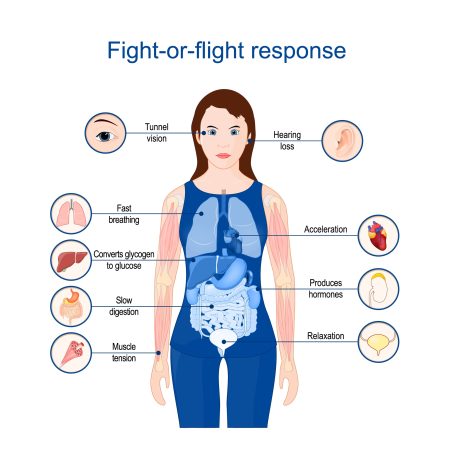
Sympathetic Nervous System

  • Activates during stress

  • Often called the “fight or flight” system

  • Increases heart rate, alertness, and energy mobilization

Parasympathetic Nervous System

  • Responsible for recovery and repair

  • Known as the “rest and digest” system

  • Slows heart rate and promotes relaxation

Both men and women rely on this same system. But research suggests there are average differences in how these systems are activated and regulated.

Stress Responses: Fight-or-Flight vs Tend-and-Befriend

One of the most well-known differences between male and female nervous system responses relates to stress.

The traditional explanation of stress response has long been the fight-or-flight model, first described by physiologist Walter Cannon in the early 20th century.

When the brain perceives danger, the body releases stress hormones such as:

  • adrenaline

  • norepinephrine

  • cortisol

These hormones prepare the body to either confront a threat or escape from it.

This response is present in both men and women.

However, research suggests women often display an additional pattern.

Psychologist Dr. Shelley Taylor at UCLA proposed what she called the “tend-and-befriend” response in a landmark study published in Psychological Review (2000).

Instead of responding primarily with aggression or withdrawal, women under stress often show a tendency to:

  • seek social support

  • nurture relationships

  • protect children or close family members

  • strengthen social bonds

This behavior appears to be influenced by the hormone oxytocin, which increases during stress and promotes bonding behaviors.

Estrogen enhances oxytocin activity, which may partly explain why social connection can have such a powerful calming effect for many women.

In practical terms, this means something important.

When women reach out to friends, talk through stress, or seek community support during difficult moments, this isn’t weakness.

It is a biologically supported nervous system regulation strategy.

flight or fight response

Hormones Shape the Female Nervous System

One of the biggest differences between male and female nervous systems lies in hormonal influence.

The male hormonal environment tends to be more stable day-to-day.

The female hormonal environment, however, is dynamic and cyclical.

Hormones such as estrogen and progesterone interact directly with the brain, influencing neurotransmitters and neural networks involved in mood, cognition, and emotional regulation.

Research shows estrogen affects several important brain chemicals including:

  • serotonin (mood regulation)

  • dopamine (motivation and reward)

  • GABA (calming signals in the brain)

  • brain-derived neurotrophic factor (BDNF), which supports brain plasticity

According to neuroscience research, estrogen can enhance synaptic connections in the hippocampus and prefrontal cortex—regions involved in memory, learning, and emotional regulation (McEwen & Milner, 2017).

Progesterone also plays a role.

Metabolites of progesterone interact with GABA receptors, which can have calming and sedative effects on the brain.

These hormonal influences mean the female nervous system is constantly adjusting across:

  • the menstrual cycle

  • pregnancy

  • postpartum

  • perimenopause

  • menopause

This dynamic regulation can create periods of heightened sensitivity or resilience depending on hormonal shifts.

For many women, this becomes especially noticeable during perimenopause, when estrogen fluctuations become more unpredictable and the nervous system may feel more reactive to stress.

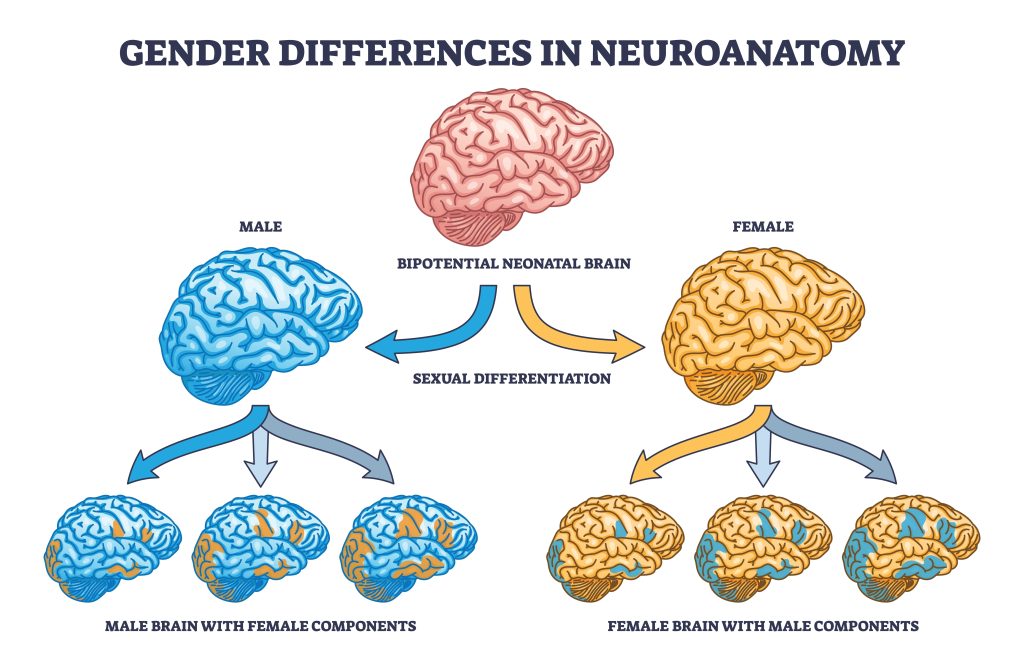
Brain Connectivity Differences

gender difference in neuroanatomy

Brain imaging studies have also explored structural differences between male and female brains.

A large neuroimaging study from the University of Pennsylvania analyzed brain connectivity in over 900 individuals using diffusion tensor imaging.

The findings, published in Proceedings of the National Academy of Sciences in 2014, showed interesting patterns.

On average:

Male brains showed stronger connections within each hemisphere.

This type of wiring supports coordination between perception and action and may facilitate tasks involving motor skills and spatial navigation.

Female brains showed stronger connections between the two hemispheres.

This pattern may support integration between analytical and emotional processing networks.

Researchers suggested this connectivity could contribute to strengths in areas such as:

  • communication

  • emotional interpretation

  • memory integration

  • multitasking

It is important to emphasize that these are statistical patterns across large populations. Many individuals show mixed connectivity patterns.

Still, these findings highlight how brain organization can differ subtly between sexes.

Emotional Processing and Empathy

Functional MRI research has also examined how the brain processes emotional information.

Studies indicate that women often show greater activation in certain limbic regions when processing emotional stimuli, including:

  • the amygdala

  • anterior cingulate cortex

  • insula

These regions are involved in emotional awareness, empathy, and threat detection.

This does not necessarily mean women experience stronger emotions.

Rather, the nervous system may be more finely tuned to detect emotional cues and relational dynamics.

This heightened sensitivity can be advantageous in social environments, caregiving roles, and leadership positions that require emotional intelligence.

However, it may also contribute to increased emotional fatigue when stress levels are high.

Sensory Awareness and Environmental Sensitivity

Research also suggests women often display higher interoceptive awareness, which refers to the ability to sense internal bodily signals.

This can include awareness of:

  • heartbeat

  • hunger

  • fatigue

  • emotional shifts

  • subtle physical discomfort

This sensitivity is partly linked to the insula, a brain region that integrates bodily sensations with emotional awareness.

Greater sensory awareness can help individuals respond quickly to internal cues.

But it can also make environments with high stimulation—noise, multitasking, digital overload—feel overwhelming more quickly.

Many women report this type of sensory saturation during periods of high stress or hormonal shifts.

Stress Recovery Patterns

Another interesting area of research examines how men and women recover from stress.

Some studies suggest men may experience larger immediate spikes in cortisol, the primary stress hormone.

Women, however, may experience longer emotional processing periods, especially when stress involves relationships or social evaluation.

Psychologist Susan Nolen-Hoeksema’s research on rumination found that women are statistically more likely to engage in repetitive thinking about stressful events.

Rumination can prolong nervous system activation and delay recovery from stress.

However, it is important to note that social support and emotional expression can also act as powerful stress-reduction tools for women.

Pain Perception and Body Awareness

Research has also identified differences in pain perception.

Women often report:

  • greater sensitivity to certain types of pain

  • stronger immune responses

  • higher rates of some autoimmune conditions

Estrogen interacts with immune signaling and inflammatory pathways, which may contribute to these differences.

Increased pain sensitivity may also relate to stronger interoceptive awareness.

While this can make discomfort more noticeable, it also means many women are highly attuned to early signals from their bodies.

This awareness can be valuable when learning to regulate stress, adjust habits, and support long-term health.

The Most Important Takeaway

It’s tempting to reduce these findings to simple statements like “men are logical and women are emotional.”

But neuroscience tells a much more nuanced story.

Both male and female nervous systems are incredibly sophisticated.

They simply emphasize different adaptive strategies.

A helpful way to think about it is this:

On average, the male nervous system prioritizes rapid mobilization and action.

The female nervous system prioritizes sensing, connection, and integration.

Both strategies have clear evolutionary advantages.

And both are necessary for a balanced, functioning society.

Why This Matters for Women in Midlife

Understanding nervous system biology becomes especially important for women navigating midlife transitions.

Hormonal shifts during perimenopause can influence:

  • stress resilience

  • sleep quality

  • emotional regulation

  • sensory sensitivity

  • energy levels

When women suddenly feel more reactive, overwhelmed, or emotionally sensitive during this stage of life, it is often not a failure of discipline.

It is the nervous system adapting to hormonal changes.

This is why practices that support nervous system regulation become so important in midlife.

These may include:

  • strength training

  • yoga and breathwork

  • adequate protein intake

  • restorative sleep

  • time in nature

  • supportive social relationships

Each of these habits influences the nervous system’s ability to shift back into parasympathetic recovery mode.

The Future of Women’s Health

For decades, most neuroscience research focused primarily on male subjects.

Today, scientists are increasingly recognizing the importance of studying the female brain and nervous system independently.

As this research expands, we are gaining a deeper understanding of how hormones, social dynamics, and biology interact to shape women’s health across the lifespan.

This knowledge allows women to approach wellness not from a place of self-criticism, but from a place of biological awareness and self-support.

Because when you understand how your nervous system works, you can finally start working with it instead of fighting against it.

References

Cahill L. (2006). Why sex matters for neuroscience. Nature Reviews Neuroscience.

Ingalhalikar M. et al. (2014). Sex differences in the structural connectome of the human brain. Proceedings of the National Academy of Sciences.

McEwen B. S., & Milner T. A. (2017). Understanding the broad influence of sex hormones on brain function. Nature Reviews Neuroscience.

Taylor S. E. et al. (2000). Biobehavioral responses to stress in females: Tend-and-befriend. Psychological Review.

Nolen-Hoeksema S. (2012). Emotion regulation and psychopathology: The role of gender differences. Annual Review of Clinical Psychology.

Scrolling through TikTok lately, you may have seen a surprisingly simple ritual gaining traction: jumping up and down 100 times first thing in the morning.

No elaborate supplements.
No complicated biohacking routine.
Just a few minutes of joyful movement.

Advocates of the trend say this small habit can boost mood, wake up the brain, improve metabolism, strengthen bones, and even support the lymphatic system. For women navigating perimenopause and menopause, the promise of a simple daily reset is especially appealing.

But beyond the viral videos, an important question remains:

Is there actual science behind the benefits of jumping?

The answer is yes! Many of the claims linked to this trend align with well-established physiological principles related to weight-bearing exercise, cardiovascular activation, neurology, and hormonal health.

Let’s unpack the science behind why something as simple as 100 morning jumps may offer real benefits — especially for women in midlife.

Why Simple Movement Matters More After 40

For many women, the years between 40 and 60 bring profound physiological shifts.

During perimenopause and menopause, declining estrogen levels influence multiple systems in the body:

• Bone density begins to decline
• Muscle mass gradually decreases
• Metabolism slows
• Mood regulation can fluctuate
• Sleep patterns may change

Estrogen plays a protective role in bone and metabolic health, and when it declines, the body becomes more sensitive to lifestyle factors such as physical activity, nutrition, sleep, and stress.

Research published in The Journal of Clinical Endocrinology & Metabolism shows that bone loss accelerates during the menopausal transition due to decreased estrogen signaling in bone remodeling processes.¹

At the same time, studies from the American College of Sports Medicine emphasize that weight-bearing movement and resistance training are among the most effective lifestyle strategies to slow this decline.²

The encouraging news is that beneficial movement doesn’t have to be complicated or time-consuming.

Even small bursts of physical activity can create measurable changes in circulation, mood chemistry, and metabolic activity.

And that’s where jumping comes in.

Mood Boosting: How Jumping Stimulates Endorphins

One of the first things people report after trying the 100-jump routine is a shift in mood.

This effect has a clear biological explanation.

Jumping rapidly increases heart rate and activates large muscle groups, making it a short burst of aerobic activity. Aerobic exercise triggers the release of several neurotransmitters that influence mood:

• Endorphins
• Dopamine
• Serotonin
• Norepinephrine

Endorphins are often called the body’s natural painkillers and mood elevators.

Research published in Psychoneuroendocrinology shows that moderate aerobic exercise increases circulating endorphins and improves emotional regulation.³

Even brief bouts of movement can stimulate these pathways.

For women experiencing hormonal fluctuations that may contribute to anxiety or low mood, this early morning boost can help shift the nervous system toward a more energized and positive state.

There is also evidence that exercise improves stress resilience by regulating the hypothalamic-pituitary-adrenal (HPA) axis — the system responsible for cortisol production and stress response.

Starting the day with movement helps set a physiological tone that can influence energy and mood throughout the day.

Bone Density: Why Jumping Is Powerful for Skeletal Health

One of the most compelling benefits of jumping relates to bone health.

Bone is living tissue that constantly remodels itself. Specialized cells called osteoblasts build new bone, while osteoclasts break down old bone.

Mechanical stress — particularly impact forces — stimulates osteoblast activity.

When you jump and land, the skeleton experiences brief compressive forces that signal the body to strengthen bone structure.

This is why weight-bearing and impact exercises are widely recommended for osteoporosis prevention.

A study published in the Journal of Bone and Mineral Research found that high-impact exercises such as jumping significantly improved bone mineral density in postmenopausal women.⁴

Even small doses of impact activity may be beneficial.

Another controlled study in Osteoporosis International showed that brief jumping programs improved hip bone density in women after menopause.⁵

For women over 40, incorporating short bursts of impact movement — like jumping, hopping, or skipping — can help counteract the gradual bone loss associated with aging.

Cardiovascular Benefits in Under Two Minutes

Jumping 100 times typically takes less than two minutes.

But during those two minutes, the cardiovascular system is doing meaningful work.

As you jump:

• Heart rate increases
• Blood circulation accelerates
• Oxygen delivery improves
• Blood vessels expand

Short bursts of activity stimulate the cardiovascular system similarly to high-intensity interval training (HIIT).

Research published in the Journal of Physiology shows that short intervals of intense exercise can improve cardiovascular fitness and metabolic health in surprisingly small time windows.⁶

While 100 jumps is not equivalent to a full HIIT workout, it can still serve as a brief cardiovascular stimulus that wakes up the body and improves circulation early in the day.

Improved circulation may also contribute to the energized feeling many people report after trying the trend.

Lymphatic System Activation

Another benefit often associated with jumping is support for the lymphatic system.

Unlike the cardiovascular system, which has the heart as a pump, the lymphatic system relies heavily on body movement and muscle contractions to circulate lymph fluid.

The lymphatic system plays a role in:

• Immune function
• Waste removal
• Fluid balance
• Inflammation regulation

Repetitive bouncing movements — similar to those used in trampoline rebounding — may encourage lymph flow.

Some small studies on rebounding exercise suggest it can stimulate lymph circulation by increasing gravitational changes and muscle contractions that help move lymphatic fluid.⁷

Although more research is needed specifically on jumping routines, the physiological mechanism behind movement-driven lymph flow is well understood.

This may explain why some individuals notice reduced feelings of sluggishness or bloating after incorporating more dynamic movement.

Brain Activation & Balance

Jumping doesn’t just stimulate muscles. It also engages the vestibular system, which plays a key role in balance, coordination, and spatial awareness.

The vestibular system is located in the inner ear and helps the brain process information about movement and orientation.

When you jump:

• Your brain processes rapid changes in position
• Core muscles activate to stabilize the body
• Neural pathways coordinating balance are stimulated

Research in Frontiers in Neurology suggests that balance-challenging physical activity supports neural plasticity and cognitive health as we age.⁸

Maintaining balance and coordination becomes increasingly important in midlife because it reduces fall risk later in life.

Short movement routines that stimulate balance systems may provide subtle neurological benefits over time.

Metabolism & Energy Regulation

Many people also report feeling more energized after morning jumps.

This is partly related to how physical activity influences metabolic processes.

Exercise activates enzymes that improve glucose uptake in muscle cells and enhances mitochondrial activity — the process by which cells generate energy.

Research in Sports Medicine shows that even brief bouts of physical activity can improve insulin sensitivity and metabolic regulation.⁹

Morning movement may also help synchronize circadian rhythms, the body’s internal clock that regulates sleep, hormones, and metabolism.

Exposure to movement and light early in the day helps signal the body that it is time to transition into an active state.

This may support more stable energy levels throughout the day.

Who Might Benefit Most From the Morning Jump Habit

While almost anyone can experiment with this simple routine, certain groups may find it particularly helpful.

Women over 40 often experience:

• Hormonal mood fluctuations
• Reduced bone density
• Lower morning energy
• Increased stiffness after sleep

Short bursts of movement may help counter some of these challenges by stimulating circulation, joint mobility, and neuromuscular activation.

This practice may also appeal to people who:

• Struggle to find time for long workouts
• Want an easy habit to build momentum in the morning
• Prefer simple routines over complicated programs

How to Try the 100 Jump Routine Safely

If you want to experiment with the trend, the key is to start gently and progressively.

Here are some practical tips:

Start with a warm-up

March in place or perform light mobility exercises for 30–60 seconds before jumping.

Choose a soft surface

A yoga mat, carpet, or wooden floor reduces joint impact.

Modify as needed

If jumping feels too intense, try:

• Heel raises
• Gentle hops
• Mini squat jumps
• Jump rope at a slow pace

Listen to your body

Anyone with recent injuries, severe joint issues, or medical conditions affecting balance should consult a healthcare professional before attempting impact exercise.

Why a Simple Ritual Often Sticks Better Than Complicated Multi-Step Routines

Perhaps the most powerful aspect of the “100 morning jumps” trend is not just the physiology.

It’s the psychology of small habits.

Behavioral science research shows that tiny, repeatable actions are more likely to become consistent habits than complicated routines.

James Clear’s widely cited habit research highlights that behaviors that take less than two minutes are easier to maintain long-term because they reduce friction and decision fatigue.

Starting the day with a quick burst of movement can also create a psychological effect known as habit stacking — where one positive behavior increases the likelihood of additional healthy choices.

When you begin your day with movement, you’re subtly reinforcing the identity of someone who prioritizes health.

And that identity shift can be powerful.

A Simple Habit That Might Be Worth Keeping

Social media wellness trends often come and go quickly.

But occasionally a trend emerges that aligns with well-established principles of human physiology.

Jumping in the morning may not be a magic solution for every health concern.

But the underlying mechanisms — cardiovascular activation, impact loading for bones, endorphin release, and neurological stimulation — are supported by decades of research on exercise science.

For women navigating the physical and hormonal changes of midlife, simple daily movement can be one of the most effective tools available.

And sometimes the most powerful wellness habits are also the simplest.

So tomorrow morning, before reaching for your phone or coffee, try something playful.

Put on your favorite song.

Jump 100 times.

Your body and your mood – might thank you.

References

  1. Greendale GA et al. Bone mineral density loss during the menopausal transition. Journal of Clinical Endocrinology & Metabolism.

  2. American College of Sports Medicine. Exercise recommendations for aging populations.

  3. Boecker H et al. The runner’s high: opioidergic mechanisms in exercise. Psychoneuroendocrinology.

  4. Guadalupe-Grau A et al. Exercise and bone mass in postmenopausal women. Journal of Bone and Mineral Research.

  5. Nikander R et al. Impact exercise improves bone density in postmenopausal women. Osteoporosis International.

  6. Gibala MJ et al. Physiological adaptations to low-volume high-intensity interval training. Journal of Physiology.

  7. Eddy D et al. Rebounding exercise and lymphatic circulation. Journal of Applied Physiology.

  8. Smith PJ et al. Exercise and cognitive function. Frontiers in Neurology.

  9. Hawley JA et al. Exercise metabolism and insulin sensitivity. Sports Medicine.

Why So Many Women Feel Overwhelmed After 40

Many women reach midlife and suddenly feel like their nervous system is constantly overloaded.

Sounds feel louder.
Interruptions feel unbearable.
Decision-making becomes exhausting.

The smallest things can trigger disproportionate irritation or emotional reactions.

Many women wonder:

“Why does everything suddenly feel harder than it used to?”

The answer is rarely just one thing.

Midlife is a unique physiological and psychological transition that combines:

  • hormonal shifts

  • accumulated life stress

  • peak responsibility years

  • changes in sleep and metabolism

  • and the constant stimulation of modern life.

When these factors converge, the nervous system can become chronically overstimulated.

Understanding the signals your body is sending can help you recognize when your nervous system needs recovery rather than pushing harder.

Below are 10 common signs that overstimulation and stress may be affecting your nervous system during midlife.

What Is Nervous System Overstimulation?

Nervous system overstimulation occurs when the brain receives more sensory and emotional input than it can effectively process.

The body shifts into a prolonged stress response driven by the sympathetic nervous system.

This state can cause symptoms such as:

  • irritability

  • difficulty focusing

  • sleep disruption

  • emotional reactivity

  • sensory sensitivity

  • physical tension

Research shows that chronic stress alters brain regions involved in emotional regulation and executive function, particularly the prefrontal cortex.

Hormonal fluctuations during perimenopause can also influence neurotransmitters such as serotonin, dopamine, and GABA, which regulate mood, attention, and stress resilience.

This combination makes many midlife women especially vulnerable to nervous system overload.

1. Irritability Over Small Things

One of the first signs of overstimulation is disproportionate irritation over minor stressors.

Normal background noise suddenly feels overwhelming.

Small interruptions trigger frustration.

Clutter or multitasking becomes intolerable.

When the nervous system is stressed, the brain becomes less capable of filtering stimulation efficiently.

The result is reduced tolerance for environmental input.

2. Feeling “Touched Out” or Needing Physical Space

Another common midlife symptom is feeling physically overwhelmed by normal touch.

This may include:

  • needing personal space

  • feeling irritated by physical contact

  • wanting distance after a long day.

Heightened sensory sensitivity often occurs when cortisol levels remain elevated and the nervous system becomes hyper-responsive to stimulation.

Your body is essentially signaling that it needs less input and more recovery.

3. Difficulty Focusing or Making Decisions

Many women notice a sudden increase in decision fatigue.

Simple tasks feel mentally draining.

Planning meals, responding to emails, or organizing schedules requires more effort than it once did.

Estrogen fluctuations during perimenopause can influence dopamine pathways in the brain that support executive functioning and motivation.

When cognitive bandwidth decreases, decision-making feels exhausting.

4. A Strong Urge to Withdraw or Be Alone

Overstimulation often leads to a desire to withdraw from environments that feel too demanding.

You may feel the urge to:

  • cancel social plans

  • step away from conversation

  • seek quiet environments.

This response is not always depression.

Often it reflects sensory and emotional saturation.

Your nervous system simply needs fewer inputs.

5. Sleep Disruption Despite Physical Exhaustion

A common midlife paradox is feeling completely exhausted while struggling to sleep.

Stress hormones such as cortisol can interfere with the body’s ability to transition into restorative sleep cycles.

Hormonal changes during menopause are also associated with insomnia and disrupted sleep patterns.

When sleep quality declines, nervous system resilience decreases further.

6. Sensitivity to Noise, Light, or Digital Input

Modern environments expose us to constant stimulation.

Phones, screens, emails, background noise, and artificial lighting create an ongoing stream of sensory input.

When the brain reaches its processing capacity, even normal environments can feel overwhelming.

This can show up as:

  • intolerance to bright lights

  • irritation from background noise

  • discomfort with multiple conversations.

Reducing sensory load is often one of the fastest ways to calm an overstimulated nervous system.

7. Emotional Reactivity Followed by Guilt

Many women describe emotional reactions that feel stronger than the situation warrants.

This may include sudden:

  • anger

  • tears

  • frustration.

Moments later, confusion or guilt appears.

Hormonal changes combined with stress can temporarily reduce emotional regulation capacity.

This does not mean something is wrong with you.

It means your nervous system may be over capacity.

8. Physical Symptoms With No Clear Medical Cause

Stress does not only affect mood and focus.

It also appears through physical sensations.

Common symptoms include:

  • headaches

  • jaw clenching

  • digestive discomfort

  • chest tightness

  • shallow breathing.

These responses occur because chronic stress activates physiological threat systems that influence multiple body systems.

Your body is reacting to sustained pressure.

9. Loss of Patience for Multitasking

Many women spend years successfully juggling multiple responsibilities.

But during periods of nervous system overload, multitasking becomes exhausting.

The brain has limited processing capacity.

When stress consumes much of that capacity, additional tasks quickly become draining.

This is a signal to simplify demands rather than push harder.

10. Craving Silence, Darkness, or Stillness

Perhaps the clearest signal of nervous system overload is the desire for quiet and rest.

You may crave:

  • silence

  • dim lighting

  • time alone

  • stillness.

This instinct reflects the body’s attempt to shift away from chronic stimulation and toward regulation.

Your nervous system is asking for recovery.

Why Midlife Women Experience More Overstimulation

Several factors converge during this stage of life.

Hormonal Changes

Estrogen interacts with neurotransmitters involved in mood, attention, and emotional regulation.

Fluctuations during perimenopause can temporarily reduce stress resilience.

Chronic Stress Load

Many women in midlife are managing multiple roles simultaneously:

  • career demands

  • parenting

  • caregiving for aging parents

  • financial responsibilities.

This sustained pressure can overwhelm the nervous system.

Constant Digital Stimulation

Modern life introduces far more sensory input than previous generations experienced.

Phones, notifications, and screens keep the brain continuously engaged.

Without intentional breaks, the nervous system rarely resets.

How to Calm an Overstimulated Nervous System

Recovery does not require drastic life changes.

Often it begins with small shifts that restore regulation.

Helpful strategies include:

  • prioritizing sleep quality

  • limiting unnecessary sensory input

  • scheduling quiet recovery periods

  • spending time outdoors

  • engaging in movement or exercise

  • practicing breathwork or meditation

Lifestyle practices that support the nervous system can significantly improve resilience and emotional regulation.

Many women discover that structured recovery environments such as wellness retreats designed for midlife women can help reset the nervous system and restore energy.

Midlife Is Not Breakdown – It Is a Biological Signal

Feeling overstimulated does not mean you are weak.

It means your body is signaling a need for different rhythms of stress and recovery.

Midlife can become an opportunity to redesign your lifestyle in ways that support long-term health, energy, and emotional stability.

When women learn to recognize nervous system signals early, they often regain clarity, patience, and resilience.

The key is learning to listen.

Aging is inevitable, but how we age and how well our cells function as we do is very much within our control. For women in midlife, it’s not just about looking younger. It’s about regenerating strength, vitality and resilience. Let’s explore how what you eat, think and do impacts the new cells your body makes, common pitfalls, how much protein you really need, the role of strength training, mindset & nervous system and practical first steps to turn things around.

How What We Eat, Think & Do Affects the Quality of the Cells We Make

Our bodies are constantly creating new cells. Skin cells, immune cells, muscle, etc. But new isn’t always “high quality.” Several factors determine whether those cells are strong, resilient and well‐functioning or weak, prone to damage or premature aging.

  • Nutrition & Diet Quality
    What you eat supplies the building blocks (amino acids, healthy fats, micronutrients, antioxidants) and also signals that turn on or off certain cellular repair & maintenance pathways. For instance:

    • Diets rich in whole, unprocessed foods with plenty of antioxidants and phytonutrients reduce oxidative stress, inflammation, and DNA damage. Source

    • Plant proteins (beans, nuts) seem especially beneficial in midlife for healthy aging for better physical, cognitive and metabolic health. A large study (Harvard Nurses’ Health) found women who consume more plant protein in midlife are more likely to age better vs. those relying mostly on animal protein.

  • Lifestyle & Physical Activity
    Exercise (especially strength training, which we’ll unpack more later) stimulates muscle protein synthesis, maintains mitochondria, promotes better cell turnover, helps clear damaged cells. Inactivity or very low movement accelerates decline. Source

  • Mind, Stress & Nervous System
    Chronic stress leads to increased cortisol, inflammation, slower cell repair. Negative thinking or poor sleep weakens the repair processes of DNA, telomeres and mitochondrial functions. Thoughts and emotions matter because they influence hormonal and nervous signals that affect cell division, repair and immune system function.

Biggest Mistakes Women Make in Fueling Their Bodies for Regeneration & Longevity

  1. Underestimating how much and what kind of protein is needed
    Many follow the “minimum to survive” RDA (0.8 g/kg) which was designed to prevent overt deficiency. It was not designed for regeneration, strength or thriving. As we age, “anabolic resistance” sets in: our muscles don’t respond as strongly to smaller protein doses. Source.

  2. Eating ultra‐processed foods, added sugars, refined carbs and too much saturated fat
    These increase inflammation, oxidative damage, metabolic dysfunction, which impair cell repair, damage DNA and accelerate aging. Source

  3. Skipping strength training / activity
    Without regular resistance training with progressive overload, muscle mass declines, mitochondrial efficiency drops, bone density suffers. It’s not enough to just walk or do cardio.

  4. Neglecting micronutrients & anti‐aging compounds
    Vitamins D, B12, calcium, antioxidants (vitamins C, E, polyphenols), healthy fats (omega‐3s) are often low or ignored. Deficiencies in these reduce the  quality of new cells, affect immune function and  cognition. Source

  5. Overlook mindset, stress, sleep & nervous system regulation
    Sleep drives recovery: muscle growth, hormonal balance, detoxification. Chronic stress leads to inflammation, hormonal imbalances and poor cell repair. Mindset and emotional habits shape behaviors (overeating, poor choices) and stress physiology.

How to Calculate Protein Needs for Rebuilding & Thriving (Not Just Preventing Decline)

If you want more than “just not falling apart,” here’s how to figure out your real protein needs:

  • Baseline guidance for midlife & older adults: Research (Stanford & longevity studies) suggests 1.2 to 1.6 grams of protein per kilogram of body weight per day for adults over ~50. That’s much more than the minimum RDA.

  • Per‐meal protein target: Because of anabolic resistance, your body needs ~30–35g protein per meal to properly stimulate muscle protein synthesis. Smaller amounts may not fully “wake up” repair as well.

  • Adjust for activity, training & recovery: If you’re strength training, recovering from injury, illness or under stress, your protein needs may lean toward the upper end of 1.0g/lbs, even 1.2 if circumstances demand it.

  • Example: If you weigh 150 lbs , then:

    • Lower end: 150 × 1.0 = 150 g/day

    • Upper/rebuilding end: 150 × 1.2 = 180 g/day

Spread across 4–5 meals with ~25–35 g protein each (depending on size) plus snacks that contribute. My recommendation to lifestyle medicine coaching clients is to aim for 3 meals plus 2 high protein snacks.

Strength Training’s Role in Cellular Regeneration & Slowing Aging

Strength training is almost like “cellular fountain of youth” in many ways:

  • Muscle Protein Synthesis & Prevents Sarcopenia
    With age, we lose muscle mass and strength (sarcopenia). Lifting weights signals the body to produce and maintain muscle, maintain strength, metabolism. Combined with protein, it allows new cells in muscle to be strong and more functional.

  • Improves Mitochondrial Function & Energy Production
    Resistance training increases mitochondrial density and improves efficiency. Mitochondria are the energy factories of your cells. When they work well, we age more slowly. Dysfunctional mitochondria = more oxidative damage and aging. Source

  • Reduces Inflammation, Improves Cellular Repair Mechanisms
    Lifting reduces markers of chronic inflammation. It also promotes better DNA repair and helps maintain telomere length (the caps of chromosomes that shorten with age).

  • Functional Benefits Beyond Muscle
    Better balance, bone density, metabolic health. All of which matter in midlife to prevent frailty, bone breaks and metabolic disease.

Why Mindset & Nervous System Regulation are ‘Forgotten Pillars’ of Regeneration

Food and workouts get attention, but mindset, sleep, stress regulation & nervous system health are often overlooked. Yet they’re central to how cells regenerate and age.

  • Stress & Hormonal Impacts
    Chronic stress → elevated cortisol & other stress hormones → suppresses repair, increases inflammation, damages mitochondria, harms immune response.

  • Sleep & Repair Cycles
    Deep sleep is when much of the repair, detox and hormonal regulation happens. Poor sleep disrupts growth hormone, immune function and muscle repair. Also inclrease hunger cues for carbs and sugar. And decreases motivation to train hard.

  • Mindset & Perception
    Negative self‐beliefs, chronic worry, low mood, etc., trigger stress biology. By contrast, positive mindset, self‐efficacy, purpose and joy all promote lower stress and better hormonal balance.

  • Nervous System & Autonomic Balance
    Having a well‐regulated nervous system (good vagal tone, ability to switch from fight/flight to rest/digest) supports repair, digestion, recovery and immune regulation.

Together, these “soft” pillars magnify the effects of the “hard” pillars (nutrition, movement).

Neglecting them often means slow progress or plateau, even with good nutrition and training.

First Steps For Someone Who Feels Their Body is Breaking Down

If you’re reading and thinking, “My energy is low, I feel weaker, maybe my recovery sucks…”—you can start reversing decline today. Here’s what I would tell you:

  1. Start with a protein‐rich meal every day
    Make sure at least one meal contains ~30 g of high‐quality protein (animal or plant + complete amino acids). This signals your body that repair and rebuilding are priorities.

  2. Introduce strength training 2×/3x per week
    You don’t need to go heavy day one. Start with resistance bands or bodyweight and progress gradually. Lifting even moderate loads stresses your muscles and encourages muscle protein synthesis and better bone health.

  3. Improve sleep & rest first
    Prioritize 7–9 hours of good quality sleep. Keep your sleep routine regular. Try to reduce screen time before bed. This gives your cells the space to repair.

  4. Manage stress & nervous system
    Even small practices help: 5 minutes of deep breathing, meditation, walk in nature, journaling. All reduce chronic low‐grade stress. Cultivate mindset shifts: You’re not fighting aging. You’re commanding how it unfolds.

  5. Refine diet: whole foods, anti‐inflammatory choices, enough macro & micronutrients
    Reduce ultra‐processed foods, added sugar and refined carbs. Add plenty of vegetables, healthy fats (omega‐3 rich), plant protein sources and sufficient protein total each day broken up per meal.

  6. Measure what matters
    Track strength gains, energy and recovery. Maybe body composition, but even simpler: do you feel stronger week to week? Do you recover faster? Does your sleep improve? Those are signs your cells are regenerating.


Putting It All Together

For midlife women who want to reverse aging, regenerate, feel strong: the path isn’t one magic pill. It’s a combination of:

  • Eating enough protein + nutrient‐dense whole foods

  • Strength training + progressive overload

  • Prioritizing recovery (sleep, rest)

  • Regulating stress & mindset

  • Consistency over time

If you build around those lifestyle medicine pillars, your body will start making better, stronger cells. You’ll feel more energetic, resilient, leaner, stronger. And aging becomes less about loss and more about renewal.

Weight-loss medications can be powerful tools for women 40+, but they’re not magic and stopping often brings weight regain unless lifestyle fundamentals are in place. Midlife physiology (menopause transitions) adds insulin resistance and body-fat redistribution that meds don’t “fix.”

Rapid loss without lifting risks losing muscle: the very tissue that protects metabolism and healthy aging. Side effects are real and dose-dependent, including GI issues and a higher risk of gallbladder problems.

The most durable outcomes come from pairing medication with lifestyle medicine: strength training, protein-forward whole foods, sleep, stress tools and community.

Think of the drug as a bridge you use while you build skills you’ll keep for life and make simple environmental swaps (glass over plastic, more crucifers) to reduce daily load on your system.

Here are 5 things to consider before starting GLP-1:

They Don’t Fix the Root Cause.

GLP-1s and other anti-obesity meds help regulate appetite and glucose signaling but they don’t teach skills (protein-forward eating, strength training, stress/sleep hygiene). In the STEP-1 trial study, people who stopped semaglutide regained about two-thirds of the weight they had lost within a year off-drug; net loss shrank from −17.3% at 68 weeks to −5.6% at 120 weeks. That’s physiology, not failure—remove the tool and old drivers return unless habits have changed. Source: PMC

A broader meta-analysis across anti-obesity meds also shows significant regain after discontinuation again reinforcing “medication + skills” over “medication only.” Source: BioMed Central

Coach’s take: If you choose a med, build a parallel lifestyle plan from day one so your post-med life is sustainable.

Muscle loss can happen if you’re not lifting and eating enough protein.

Rapid weight loss without resistance training risks losing lean mass right along with fat. Body composition studies show absolute lean mass decreases on GLP-1s and tirzepatide (though fat loss is greater, so the ratio may improve). In SURMOUNT-1 (tirzepatide), DXA data showed significant reductions in both fat mass and lean mass. A 2024 review reports meaningful lean-mass decreases across GLP-1 and tirzepatide trials (e.g., −5–6 kg in some cohorts). Source

Semaglutide data also show shifts in lean:fat ratio with overall lean reductions. A good reminder to protect muscle with training and protein. Source

Coach’s take: Treat muscle like a non-negotiable asset. Progressive strength training (2–4x/week) + ≥1.6–2.2 g protein/kg lean mass/day is your insurance policy.

Hormones still matter in midlife. Meds don’t erase menopause physiology.

Perimenopause and menopause shift body composition (more visceral fat), insulin sensitivity and resting energy expenditure: independent of the scale. Reviews link estrogen decline with greater central adiposity and insulin resistance; midlife women often see fat redistribution even without big weight changes. Source

Mechanistically, estrogen has protective effects on insulin signaling; its decline contributes to metabolic friction. Source: American Journal of Pathology

Coach’s take: Pair any medication with habits that support hormones. Strength training, high-quality sleep, fiber-rich carbs, stress regulation. For some, evidence-based menopause care (e.g., HRT when appropriate) can improve insulin resistance markers. Source: The Menopause Society

Side effects are real. Know them & have a plan.

GI symptoms (nausea, vomiting, diarrhea/constipation, decreased appetite) are the most common and dose-related. Meta studies confirm increased GI adverse events and discontinuations versus controls; higher doses = higher risk. Source: Nature

There’s also a documented increase in gallbladder/biliary disease risk with GLP-1 RAs, especially at higher doses and longer duration (including weight-loss trials).

Coach’s take: Titrate slowly, eat smaller meals, prioritize hydration/electrolytes and loop your prescriber in early if symptoms escalate.

Lifestyle medicine wins the long game. Meds work best as a bridge, not a replacement.

High-quality studies and trials show durable risk reduction when people change habits. In the Diabetes Prevention Program, lifestyle intervention cut diabetes incidence by 58% (vs. 31% with metformin) and maintained benefit for 15+ years; Look AHEAD demonstrated sustained weight loss and broad cardiometabolic improvements with intensive lifestyle coaching  Source

Coach’s take: Use meds to create breathing room. Then use that window to install skills: protein-centric nutrition, strength training with progressive overload, walking, sleep, stress tools and community/accountability.

Where Your Medication Comes From Matters

There’s been a surge in online pharmacies and compounded versions of weight loss drugs. While they may look cheaper or more convenient, many aren’t regulated and the quality, purity and dosage of what you’re getting is questionable.

That’s why these medications should always be prescribed and monitored by a licensed physician who can:

  • Order baseline labs to check your liver, kidney and hormone health

  • Adjust dosage safely to minimize side effects

  • Monitor progress and protect muscle mass during weight loss

  • Ensure you’re not mixing the drug with something that could harm you

If you’re considering a weight loss drug, make sure your prescription is coming from a trusted, legitimate source and that you’re working with a provider who can monitor your health along the way.

Bottom line: Weight loss drugs can be a great medication for many people, but they are not a magic solution.

Women over 40 need to protect their muscle, support their hormones and use lifestyle strategies as the foundation.

The medication should complement – not replace – those pillars.

Interested in Lifestyle Medicine Coaching: Connect with us here.

Each year, millions of dollars are spent trying to resist visible signs of aging—through makeup, hair dye, and style choices that create a more youthful impression. Yet, these efforts focus on outward appearance and do little to affect biological aging which reflects the actual condition of our bodies. Understanding how that condition changes over time and what might influence it requires turning to the theories that seek to explain why we age at all. Among them, one promising line of research focuses on mitochondrial damage as a key driver of aging, with strategies like eating fewer carbohydrates, fasting, staying physically active, and exposing the body to cold as possible ways to extend lifespan.


Chronological vs Biological Age


Chronological age is the time that has passed since a person was born, measured in complete years, months, and days. As calendar age is tied to an exact date of birth, society can group together people born in the same year and assign them to categories such as school enrollment, legal thresholds for voting and driving, and retirement eligibility. In doing so, institutions know how many people enter and leave these groups at the same time which helps with long-term budgeting, workforce planning, and construction and expansion of facilities.


While chronological age provides a fixed measure used to organize society, biological age reflects the body’s functional condition and can be lower or higher than the number of years a person has lived.


Theories of Aging


Programmed Longevity Theory


Programmed aging theories propose that our bodies follow a built-in timeline that includes distinct phases such as growth, maturation, and peak reproductive years. Once reproduction is complete, the body begins to show age-related changes that may have served specific purposes from an evolutionary standpoint. One proposed function is to limit the time an organism competes for resources once it has passed on its genes. These consist of food, shelter, mating opportunities, and social support that a member of a species needs to survive and reproduce.


Another proposed function is to reduce the risk of older persons spreading disease within a group.  Since reproduction is already complete by that stage, there is no longer evolutionary pressure to maintain a strong immune system. As a result, immunity weakens with age and people become more susceptible to infections. While they can transmit these infections, they are also more likely to die sooner from them. This shortens the time they remain potential carriers within the group and reduces the chance of prolonged disease transmission to younger, fertile members.


A third proposed function is to help the group adapt more easily to changing conditions by phasing out those who are no longer reproductively active. Once reproduction ends, there is little or no evolutionary pressure to keep people adaptable since their flexibility no longer influences reproductive success.


Thus, people tend to cling to strategies that worked for them earlier in life. However, behaviors that were once effective may no longer suit new environments. If these persons dominate decision-making while clinging to outdated strategies, they could slow the group’s ability to adjust. Younger members, in contrast, face direct evolutionary pressure to find mates and raise offspring in the conditions that exist now rather than those of the past. Because success in reproduction depends on adjusting to the current environment, they are more likely to remain open to new approaches. This makes them better suited to guide the group in ways that match present circumstances.


These arguments offer several reasons why aging might serve an evolutionary purpose in social species. However, programmed aging theories struggle to explain why aging also occurs in species that lack obvious social structures or resource competition such as turtles, lobsters, and fish. Even so, they offer a plausible way to connect lifespan to evolutionary trade-offs.


Endocrine Theory


The endocrine theory suggests that aging happens partly because of hormonal changes after the reproductive years. Over time, this drop affects how cells and organs work which slowly wears down the body’s systems. For example, estrogen and progesterone fall sharply in women during menopause, and this decline causes bone loss that makes the skeleton more fragile. Similarly, when testosterone decreases in men it causes muscle loss and weakening of the musculoskeletal system. Additionally, growth hormone drops with age which affects the liver and pancreas and places strain on the digestive and endocrine systems.


This idea that aging stems from falling hormone levels has shaped much research. Yet it is often challenged for failing to explain what triggers this decline which would help clarify where the process of aging truly begins. Still, it contributes to existing research by linking aging to a chain of biological steps.


Immune System Theory


This theory proposes that aging occurs partly because the immune system gradually becomes less effective over time. As a result, the body struggles to block and neutralize pathogens, so infections become more frequent. Moreover, with weakened immunity, infections often last longer and cause more harm which leads to greater tissue damage in organs like the lungs, heart, and brain. Over time, frequent and damaging infections weaken the body and shorten lifespan.


While this theory also has strong scientific support, it does not explain why people with weak immune systems, regardless of age, do not age faster across multiple organ systems when their condition is managed. This includes people with HIV who live with long-term immune problems and transplant patients who rely on immunosuppressive therapies. They may get infections more easily but when these are controlled with antibiotics, antivirals or preventive care, they often keep normal function in organs like the kidneys, liver, and brain.


At the same time, the theory draws attention to the fact that weaker immunity and vulnerability to infections can lead to poor health outcomes in older people because their organs are already affected by age-related wear which can ultimately shorten lifespan.


Damaged-Based Theories


Gene-Controlled Protein Damage


The idea that aging is linked to genes causing protein damage is not new. Orgel was the first to propose in the 1960s that errors in DNA transcription could yield faulty proteins which might then provoke further transcription errors and create a self-sustaining cycle. Although experiments did not validate this mechanism, the theory helped direct research toward the role of protein damage in aging.


Later research has focused on how genes influence proteins that help maintain cellular health. These proteins remove damaged parts from inside cells, and as their levels decline with age, waste begins to build up.


To test whether genes play a role in this process, researchers used genetically modified older mice in which the LAMP2 gene—responsible for producing this key protein—was altered to maintain normal levels. As a result, the mice had healthier cells and improved organ function.


This and similar research led to the suggestion that stabilizing levels of specific proteins might slow biological decline, a view that has drawn some criticism. The concern is that it presents slowing aging as depending only on the maintenance of a single protein. Still, it points to gene-driven protein damage as a possible contributor to age-related decline.


Accumulated DNA Damage


Another body of research examines how normal metabolic byproducts, environmental toxins, and radiation cause DNA damage in cells. Although repair systems are in place in cells, they are not perfect and gradually become less effective with age which allows mutations to persist and accumulate.


This view—that aging results from a build-up of mutations across the genome—has been influential but has also been criticized for being too broad. Even so, it has brought attention to the fact that DNA in cells is prone to genetic damage.


Mitochondrial Damage


This theory of aging argues that when mitochondria process glucose to make energy, they pull electrons out of its molecules. Some of these electrons react with oxygen and form molecules called reactive oxygen species (ROS). These molecules carry an extra unpaired electron and can stabilize themselves only by taking or giving away electrons to other molecules inside mitochondria. Normally, melatonin produced by mitochondria donates an electron to turn ROS into stable molecules and neutralize them. However, when we consume glucose in excess, mitochondria generate more ROS than melatonin can handle. As a result, ROS begin to attack mitochondrial components, including proteins, membrane fats, and DNA. DNA is the most at risk because it sits right next to where ROS are formed. Moreover, unlike the cell’s DNA, mitochondrial DNA lacks a protective membrane which makes it more prone to damage from ROS. It also has fewer repair mechanisms, so the damage often remains and turns into permanent mutations.


Over time, as more damage builds up, mutations accumulate in mitochondria and weaken their ability to produce enough energy for the cell. When mitochondria across many cells are damaged, entire tissues begin to suffer from lower energy availability. Organs with the highest energy demand — such as the brain, heart, and muscles — are hit first and the hardest, so the earliest signs of aging often appear there. In the muscles, this shows as loss of strength, slower recovery, and quicker onset of fatigue. The heart, in turn, begins to lose pumping strength, so blood circulation slows, pressure regulation becomes less stable, and strain builds up across the cardiovascular system. The brain slows in processing, with memory lapses appearing and later in life, neurodegenerative diseases developing.


In addition to harming mitochondria, excess glucose interferes with the production of new, healthy ones and the removal of damaged. This occurs because when we consume more glucose than the body can use right away, the extra is turned into glycogen and stored in the liver and muscles. This buildup of glycogen blocks the activation of AMPK, an enzyme that switches on genes responsible for creating new mitochondria and removing damaged ones.


This process has been supported by research that examined how glycogen affects AMPK. In one of these studies, the researchers used a purified version of the AMPK enzyme and exposed it to glycogen extracted from cow and rat livers. They found that both types reduced the enzyme’s activity, although the more highly branched cow form had a stronger inhibitory effect. As human glycogen has a similar degree of branching, this suggests it may have a comparable ability to suppress AMPK.


Ways to Support Mitochondrial Health


With mitochondrial damage, support may come from a mix of strategies such as regular physical activity, periods of fasting, exposure to cold, and limiting carbohydrate intake. Genetic science is also exploring long-term solutions like moving key mitochondrial genes to the nucleus to protect them from damage.


Lowering Dietary Carbohydrate Levels


Carbohydrate restriction has been shown to enhance mitochondrial capacity in both controlled animal studies and observational research in humans. In studies involving mice, for instance, scientists have explored whether a ketogenic diet, which typically limits carbohydrate intake to less than 10% of total energy, would lead to an increase in the number of mitochondria. To investigate this, the researchers fed middle-aged mice either a standard or a ketogenic diet, with equal calorie intake. As the mice aged, those on the ketogenic diet developed more mitochondria and produced more antioxidant proteins. These changes likely led to an increase in type IIa muscle fibers which resist fatigue and support sustained activity, so they help preserve muscle function and mobility with age.


While such animal studies have suggested that low-carb diets help improve mitochondrial capacity, it remained unclear until recent years whether the same applies to people. Emerging research has begun to address this gap by examining how reduced-carbohydrate diets affect mitochondrial function in humans. In one of these studies, the researchers tracked twenty-nine physically active adults who completed a supervised 12-week exercise program while either maintaining their usual mixed diet or switching to a ketogenic one.


Before and after the program, the researchers assessed markers of metabolic health such as insulin levels and body fat and took small samples of leg muscle to examine how the mitochondria were functioning. By the end of the 12 weeks, people on the ketogenic diet had lower fating insulin levels and improved insulin sensitivity, burned more fat at rest, and their mitochondria worked more efficiently, with lower production of harmful byproducts. This drop in ROS, which contributes to mitochondrial damage, may be explained by the 14% reduction in glycogen observed in participants on the carbohydrate-restricted diet.


Intermittent Fasting and Exercise


There is substantial research on the effects of intermittent fasting and exercise on mitochondrial function, and some studies report the strongest outcomes when the two are combined. In one such study, the researchers looked at the effect of intermittent fasting and high-intensity exercise on mitochondrial function and ROS. The study included male rats who followed one of three routines for two months: intermittent fasting every other day, high-intensity interval exercise, or a combination of both. At the end of the study, in the group that did both, the muscles showed a greater number of mitochondria that were working more efficiently to produce energy and they also had the lowest levels of ROS.


Cold Exposure


Academic interest has also grown around how cold exposure influences mitochondrial activity, with research reporting promising results. In one such investigation, the researchers used human skin and stem cells and rat muscle cells and exposed them to different cold temperatures — 0°C, 4°C, 17°C, and 25°C — three times for 15 minutes. Another group of cells was kept at normal body temperature (37°C) for comparison. The results showed that cells exposed to 4°C and 17°C had increased mitochondrial activity and more DNA linked to mitochondria which suggests that new ones were being formed. These findings show that moderate cold exposure can strengthen the mitochondrial system across different cell types.

Mitochondrial Gene Backup


Genetic science is exploring the possibility of relocating essential mitochondrial genes to the cell nucleus where DNA is better shielded from reactive oxygen species. This way, even if mitochondrial DNA becomes damaged and can no longer make the proteins needed for energy production, the backup copies in the nucleus can still supply these proteins.


Wrapping Up


Many people try to hide the visible signs of aging but real progress depends on understanding what causes it inside the body. Of all the theories, the one tying it to mitochondrial damage stands out and points to simple steps, from eating fewer carbs to braving the cold, to push back where aging starts.


FAQ


Can improving one organ system without supporting others lead to imbalances?


Enhancing the function of certain systems while neglecting others can place strain on the weaker ones. For example, if the cardiovascular system becomes more efficient through interventions such as exercise or medication, blood will circulate faster and oxygen and nutrients will reach the organs more readily. As a result, cells in these organs may break down more nutrients and produce more waste byproducts such as urea, ammonia, and lactic acid. Since these are cleared primarily by the liver and kidneys, if these organs do not undergo the same degree of functional improvement, the increased waste may overwhelm them and cause harmful substances to accumulate in the blood.


Are humans evolving toward longer lifespans or just medically stretching existing limits?


Humans are not currently evolving to live longer. The increases in lifespan seen today result mainly from improved hygiene, better nutrition, medical advances, and broader access to healthcare which help prevent and treat disease so that more people reach older ages.


Since we now reach older ages due to better quality of life, people with a wide range of genetic backgrounds survive and reproduce. This means genes that might contribute to shorter lifespan are not strongly selected against, so they remain in the population. For natural selection to favor longevity, people with such genes would need to survive and reproduce more successfully than those without them.


How might delayed aging affect social roles?


Delayed aging can affect society in diverse ways. For example, it can result in older adults remaining physically and mentally capable for longer, so they may continue to work and hold leadership roles. This could slow turnover at the top and limit opportunities for younger people to move into decision-making positions. Additionally, if people live longer, the transfer of property or assets to younger generations may be delayed which can make it harder for them to plan their own financial futures.


At the same time, as more older persons stay mentally and physically fit, younger people will gain access to a broader pool of mentors which can strengthen their skills and knowledge. They may also be able to pursue their goals more freely when aging family members remain healthy and independent since this reduces the need for constant care and support.