After spending months (or years) dieting, many women feel uneasy about the idea of eating more food—especially intentionally. But here’s the truth: staying in a constant deficit isn’t sustainable, and it can actually hold you back from achieving the strong, toned, healthy body you’re working for.
This is where the building phase comes in. Far from being “bulking” in the old-school sense, the building phase is a strategic period of eating at maintenance—or slightly above—to fuel strength, muscle growth, energy, and long-term metabolic health.
What Is the Building Phase?
The building phase is a planned period of fueling your body with enough calories to support strength, muscle, and metabolic health. Instead of focusing on restriction, the goal is to provide your body with the energy and nutrients it needs to grow stronger, recover better, and create the physique you want.
Why You May Need a Building Phase
You may benefit from a building phase if you:
Have been dieting for months and feel low energy or stalled progress
Want to build muscle definition and improve body composition
Struggle with plateaus in fat loss (a stronger metabolism breaks plateaus)
Notice declines in workout performance, sleep, or recovery
Are in perimenopause or menopause, when maintaining lean muscle is critical for bone, metabolic, and hormonal health
The Benefits of a Building Phase
Builds Lean Muscle Muscle is metabolically active tissue. More muscle = more calories burned at rest, better insulin sensitivity, and a stronger, more toned look.
Boosts Metabolism Feeding your body properly increases energy expenditure, making future fat loss phases easier and more effective.
Improves Energy & Mental Focus Eating enough carbs and fats restores energy, sharpens focus, and reduces food preoccupation.
Enhances Recovery & Sleep More fuel = faster repair of muscle tissue, better hormone regulation, and deeper, restorative sleep.
Creates Long-Term Sustainability Learning to thrive at maintenance helps you ditch yo-yo dieting and build a body (and habits) you can sustain for life.
How to Do the Building Phase
Length: Typically 3–6 months (or longer, depending on goals)
Calories: Increase to at least maintenance; small surplus (+100–300 calories/day) may be added for lean muscle gain
Macros: High protein remains a priority; carbs are key for training and recovery
Mindset: Expect the scale to shift slightly as muscle and glycogen increase—focus on body composition, not just weight
What Happens After a Building Phase?
After fueling and training through a building phase, you’ll emerge stronger, with more lean muscle, improved metabolic health, and a body better primed for fat loss (if that’s your next goal). Most women find they look leaner after a build because muscle creates shape and definition—even at a slightly higher weight.
Final Thought
The building phase isn’t about “gaining weight”—it’s about gaining strength, health, and freedom. It’s a critical step in escaping the endless cycle of dieting and creating the strong, energized body you deserve.
👉 If you’re ready to enter your building phase with confidence, I can help design a personalized plan tailored to your body, hormones, and goals in my private women’s weightloss & lifestyle coaching group.
After months of being in a calorie deficit, you may find yourself at your goal weight—or close to it—but wondering: What now?
Most women fear what comes after dieting. The concern is real: “If I start eating more, won’t I just gain all the weight back?”
This is where reverse dieting comes in. Done strategically, it helps you restore your metabolism, regain energy, and maintain your results—without the rebound weight gain.
What Is A Reverse Diet?
Reverse dieting is the intentional, gradual increase of calories after a dieting phase. Instead of jumping straight back to your pre-diet eating habits, you slowly raise your intake to rebuild metabolism, balance hormones, and help your body adapt to a new “maintenance” level of calories.
Think of it as gently reprogramming your body to function optimally at higher energy levels—without the rapid fat regain that often comes with stopping a diet cold turkey.
Why You May Need a Reverse Diet
Reverse dieting is especially helpful if you:
Have been in a calorie deficit for 12+ weeks and are ready to transition out
Notice your energy, mood, or training performance dipping
Want to preserve your results after weight loss without rebounding
Are in perimenopause or menopause, when metabolic shifts make sustainability even more important
Feel anxious about returning to “normal” eating and want structure for long-term maintenance
The Benefits of Reverse Dieting
Restores Metabolic Flexibility Long-term dieting can slow your metabolism (adaptive thermogenesis). Gradually increasing calories signals to your body that it’s safe to burn more energy again.
Supports Training & Recovery More calories = more energy for workouts. Strength, endurance, and recovery all improve when you fuel your body properly.
Reduces Food Anxiety Instead of fearing food, reverse dieting gives you a structured plan to increase intake, building confidence around eating more without spiraling.
Balances Hormones Calories (especially carbs) help regulate thyroid hormones, sex hormones, and hunger hormones—leading to better mood, sleep, and energy.
Creates Long-Term Sustainability Reverse dieting teaches you how to live at maintenance, making weight maintenance feel doable instead of fragile.
How to Do a Reverse Diet
Length: Typically 6–12 weeks, depending on your dieting history and response
Calories: Increase by 50–150 calories per week until you reach estimated maintenance
Macros: Keep protein high; slowly raise carbs and/or fats for energy and recovery
Training: Continue resistance training; increased energy often leads to performance gains
Monitoring: Track weight, energy, sleep, and hunger cues to adjust as needed
What Happens After a Reverse Diet?
Once you’ve successfully reversed, your calories should be back at maintenance—or even higher if you’ve built lean muscle along the way. This means:
A faster metabolism than when you started
Improved energy and performance in daily life and workouts
Confidence in maintaining weight without constant restriction
The option to continue in maintenance mode—or begin another fat loss phase later with a healthier, more resilient metabolism
Final Thought
Reverse dieting isn’t about losing more—it’s about protecting the results you’ve already worked so hard for.
It’s a bridge between fat loss and maintenance that allows you to keep your progress, rebuild your metabolism, and feel stronger, healthier, and more energized in the process.
Today, I want to talk about strategic diet breaks!
Oftentimes, when we’ve been in a calorie deficit for a while, we start wondering why progress feels slower, why energy is dipping or motivation isn’t what it used to be.
The truth?
You may need a diet break!
What Is a Diet Break?
A diet break is a planned period of eating at maintenance calories (not a binge, or untracked eating). Think of it as a pause button that allows your metabolism, hormones and mindset to recover after a prolonged stretch of dieting.
When Might We Need a Diet Break?
You may benefit from a diet break if you:
Have been in a calorie deficit for 12+ weeks and fat loss has stalled
Feel excessively tired, irritable or food-focused
Notice energy and training performance dropping despite consistent effort
Struggle with sleep, mood swings or libido changes
Are in perimenopause or menopause, when hormonal shifts amplify the stress of chronic dieting
The Benefits of a Diet Break
Restores Metabolic Function
When you’re in a deficit for too long, your body adapts by slowing metabolism, increasing hunger hormones and conserving energy. A 2-4 week diet break at maintenance calories helps reverse these adaptations, protecting against metabolic slowdown.
Reduces Mental & Emotional Fatigue
Restriction is draining. A diet break allows flexibility, reduces food obsession and helps you enjoy social experiences without guilt – making you more motivated when you return to a deficit.
Protects Lean Muscle Mass
Fueling with more calories supports recovery and performance, helping preserve or even build muscle – a key to staying strong, especially for women in midlife.
Supports Hormonal Health
Adequate calories, especially carbs, help balance leptin, ghrelin, thyroid and sex hormones. This improves sleep, mood, energy and menstrual health.
Improves Long-Term Sustainability
Diet breaks teach you how to live at maintenance, so fat loss doesn’t become an endless cycle. This skill is the bridge between losing weight and keeping it off.
How to Take a Diet Break
Length: 2-4 weeks (sometimes longer for hormonal or psychological recovery)
Calories: Raise intake to maintenance (+300–500 calories/day above deficit)
Macros: Keep protein high, increase carbs and/or fats moderately
Training: Continue strength training; deload if needed for recovery
What Happens After a Diet Break?
Once your break is complete, you’ll return to a calorie deficit feeling recharged – metabolism primed, hormones more balanced and mindset refreshed. This usually results in better fat loss progress than pushing through restriction without a pause.
Final Thought
A diet break is not falling off track—it is the track.
It’s a science-backed tool to support your metabolism, preserve your muscle and keep your mindset strong.
👉 If you’re ready to integrate diet breaks into your journey, I can create a custom strategy tailored to your body, lifestyle, and goals.
Collagen supplements have crashed the wellness scene, attracting everyone from beauty devotees chasing the glow of sleeker hair and smoother skin to gym enthusiasts looking for faster recovery and the stamina to push harder in every workout. Yet, the true nature of collagen often remains a mystery. From what it is and why it might be worth supplementing to the benefits it can offer, the answers to these questions can show why this supplement may be a valuable addition to your day.
What Is Collagen?
Collagen is a type of protein that forms tightly packed chains through tissues like the skin, bones, tendons, ligaments, and cartilage so that they resist stretching, maintain their shape, and absorb pressure without tearing. For these roles to be carried out, we need to consume protein which the body breaks down into amino acids and uses to build collagen. Foods that supply these building blocks include bone broth, chicken and pork skin, and fish with the skin left on.
How Collagen Supplements Work?
Unlike foods where protein must first be digested into amino acids, supplements provide small chains of these called peptides. They pass through the stomach and the gut wall and enter the bloodstream intact. Because such fragments normally appear in the blood when collagen-rich tissues are damaged or worn out, when the body detects them, it triggers a repair response in which collagen-producing cells increase their activity to “replace” what appears to be missing.
Why Supplements May Be Needed?
While dietary sources help support collagen production, adding supplements may be helpful for a number of reasons. One is that with aging, even when the body gets enough amino acids, its ability to produce collagen from them decreases. Another is that many modern diets exclude animal parts like skin and bones because processed foods remove them entirely and traditional cooking methods such as boiling whole cuts for soup or broth are no longer widely practiced. Additionally, digestive problems such as low stomach acid or enzyme deficiencies can interfere with breaking down proteins into the amino acids needed for collagen synthesis.
A further reason is that long-term exposure to damaging factors such as chronic stress, poor sleep, and pollution can cause collagen to break down faster than the body can replace it through food alone. Lastly, certain medical conditions such as osteoarthritis, osteoporosis, and chronic skin wounds as well as surgery involve damage to the connective tissues. As collagen is their main component, the body may need higher amounts to support repair than dietary sources can supply.
Why Collagen Supplementation Matters More for Women after 40?
Collagen production begins to slow down in the mid-to-late 20s in women but the decline becomes noticeably steeper after the age of 40 and the onset of perimenopause. While aging lowers collagen production in both sexes, in women the drop in estrogen – which normally supports collagen synthesis – means the body makes even less of it. This sharper decrease shows up in the skin as reduced elasticity, thinner texture, more dryness, and a gradual loss of firmness.
In joints, this drop can mean less cushioning, stiffer tendons, and a tight or achy feeling during everyday movement. The knees and hips may feel harder to bend or slower to loosen up after sitting while the fingers can become stiff in the morning or after periods of inactivity.
Additionally, the larger drop in collagen can leave the muscles feeling weaker and more prone to soreness, even after moderate effort. Some women also notice slower recovery after exercise or more lingering discomfort following physical activity they once handled easily.
Lastly, the steep decline in collagen leads to a drop in bone density which makes the bones thinner, weaker, and more prone to fractures. This loss of density can also lead to conditions such as osteopenia, osteoporosis, and kyphosis, a forward rounding of the spine caused by weakened vertebrae.
For all these reasons, women over 40 may need more collagen than food alone can provide, so supplementation can be helpful, especially when guided by a healthcare provider.
Benefits of Collagen Supplementation
Evidently, women over 40 often need extra collagen for skin, joint, muscle, and bone health, and the good news is that studies have confirmed real benefits in all of these areas.
Skin Improvement
Collagen supplementation has been widely studied for its impact on skin health. In one large-scale analysis, for example, the researchers set out to examine whether hydrolyzed collagen could improve hydration and elasticity. The study reviewed 26 clinical trials with a total of 1,721 participants and reported promising results. The findings showed that those who took collagen experienced a 7% to 12% increase in skin hydration and a 4% to 9% improvement in elasticity compared to those given a placebo. The extent of progress depended in part on the duration of use and the source of the collagen.
Joint Health
While not as extensive as research on skin health, studies have also examined the effects of collagen supplements on joint function. One of these studies tested whether taking a daily supplement could reduce joint pain in healthy adults who experienced knee or hip discomfort during everyday activities. A total of 182 participants were involved, with half taking 5 grams of collagen peptides each day for 12 weeks and the other half given a placebo.
At the end of the study period, the participants who took the supplement showed a 19.5% reduction in pain and a 20% improvement in physical function. In contrast, the placebo group recorded only a 3% decrease in pain and a 3.4% gain in physical function.
Muscle Function
Research on muscle health has taken various directions, with studies examining whether collagen can improve strength, growth, and recovery. Among these areas, recovery has received particular attention, with some studies focusing on whether supplementation can improve post-exercise repair. One such study included 55 mostly inactive men who trained three times a week over a period of 3 months. Each session included both strength and cardio exercises.
Half of the group took 15 grams of collagen peptides daily while the other half received a placebo. To evaluate the effects of the program, all participants completed a demanding jumping workout before and after the 12 weeks, and their strength and recovery were measured. The results showed that the men who took collagen recovered more quickly, as they regained 48% more of their maximum strength compared to those who took a placebo.
Bone Gains
Research on the effects of collagen supplementation on bone health is more limited compared to other areas but some studies have shown clear benefits. One of these studies, for example, explored whether a daily collagen supplement could help strengthen bones in postmenopausal women with age-related bone loss.
The study included 131 women, each taking either 5 grams of collagen peptides or a placebo every day for 12 months. At the end of the study, women who took the supplement saw an increase of about 3.0% in spine bone density and around 6.7% in the hip area. Those in the placebo group experienced small declines of 1.3% and 1.0% respectively.
Tips for Incorporating Collagen Supplements
How you incorporate collagen supplements depends on the form—whether powder, capsule, gelatin, or liquid. If you prefer capsules, you can take them with water, juice, milk, or plant-based options such as almond or oat milk. For powders, you can mix them into liquids such as water, juice, and smoothies or stir them into foods like yogurt, oatmeal, and soups. As for gelatin, you can use it in recipes such as homemade gummies, puddings, and thickened sauces which makes it a suitable choice if you enjoy incorporating supplements into your cooking. Liquid collagen offers another option, as you can have it on its own or add it to drinks such as juice, smoothies, and coconut or naturally flavored water.
Besides what you can mix the supplement with, there are also some details to keep in mind so that you get the most out of it. One example is temperature which can affect how well collagen works depending on the form you use. For products in capsule or powder form, they are usually stable up to around 300°F and can handle warm drinks and regular cooking without losing their potency. However, exposure to very high heat—such as boiling or extended cooking—may reduce how well they are absorbed.
In the case of liquid collagen, if it contains only hydrolyzed protein and water, moderate heating is unlikely to cause any problems. However, many commercial formulas include ingredients such as vitamin C, biotin, zinc, hyaluronic acid, and herbal extracts which can degrade at high temperatures and lose their effectiveness. In addition, these products often contain sweeteners and preservatives that may separate, curdle, or thicken when heated. This can lead to an unpleasant texture that can make the drink lumpy, gritty, or slimy.
Lastly, with gelatin, once the powder is added to water and swells, it must be heated so that it dissolves and spreads evenly through the liquid. When the mixture cools and thickens, it can hold its shape in recipes like puddings and layered desserts.
Who Should Avoid Collagen?
Most people can safely take collagen but there are some cases where it may not be suitable. People with allergies to fish, shellfish, eggs, or beef, for example, should avoid collagen products made from those sources.
In addition to allergies, certain medical conditions may also warrant caution. One example is people with chronic kidney disease and impaired function who should consult a doctor before taking supplements. This is because ingesting collagen produces urea as a byproduct which damaged kidneys cannot filter effectively. As a result, urea can build up in the blood and lead to symptoms like nausea, vomiting, loss of appetite, weakness, confusion and in severe cases, irregular heart rhythm and coma.
Similarly, during pregnancy and while breastfeeding, women should consult a healthcare provider first. This recommendation isn’t due to any known harm from collagen but because the safety of supplements hasn’t been thoroughly studied in these groups. Most clinical trials exclude pregnant and nursing participants to avoid risk, so the effects—positive or negative—are largely unknown.
Wrapping Up
When a supplement is backed by credible research across multiple aspects of health, its reputation moves beyond hype into evidence-based reality. Collagen has reached that point, with studies consistently showing real, noticeable improvements that align with the needs of active lifestyles and counter the changes that come with age. With results like these, choosing to include collagen can sharpen your appearance and amplify your strength at any age—especially when the body begins to need it more after 40.
FAQ
What types of collagen exist and how are they different?
The main collagen varieties are I, II, and III, and each benefits different tissues. Type I primarily maintains the skin, bones, and tendons whereas II supports cartilage and joint function. Type III works together with I in skin, muscles, and blood vessels.
Depending on which variety you need, you can choose the source accordingly. Bovine provides both I and III while marine consists almost entirely of I. Chicken, on the other hand, is rich in type II.
What information should I look for when choosing a supplement?
For product information, you should check both the label and the manufacturer’s website. The label should state the collagen type, source, and form. The manufacturer’s website should disclose the country of origin of the raw materials and give sourcing details such as whether marine collagen is wild-caught or farmed. It should also include information on third-party testing or certification to confirm that the final product meets purity and safety standards. This includes testing for specific contaminants such as lead, mercury, arsenic, and cadmium as well as bacteria like Salmonella and E. coli, and agricultural chemicals such as organophosphate and carbamate pesticides.
How long does it take to see results from collagen supplements?
Results from collagen supplements vary from person to person but most people begin to notice visible changes after 4 to 8 weeks of consistent daily use.
How long it takes to see results depends on factors such as overall diet, smoking, and sun exposure. Diet, for example, plays a role because a menu low in vitamin C, zinc, copper, and manganese limits the body’s ability to rebuild collagen. Smoking, in turn, increases enzymes that break down collagen which can delay visible changes. Similarly, UV radiation from prolonged sun exposure damages collagen and results can take longer to appear.
Should I cycle collagen supplements or take them continuously?
There is a body of research supporting the long-term safety of collagen supplements. One of these studies focused on postmenopausal women with low bone density who took collagen supplements for four years to see whether the benefits would continue over time.
The findings showed that not only did participants’ bone strength improve in both the spine and hip areas but none of them reported any side effects or health issues during this period. Moreover, routine medical tests revealed no signs of harm which suggests that using collagen supplements for several years can be considered safe.
Can children and adolescents take supplements and do they need them?
While there is some research involving children that has shown beneficial effects without reported side effects, studies in pediatric populations remain limited. Moreover, children naturally produce collagen at high levels, so supplementation is generally unnecessary unless recommended by a healthcare provider.
Can collagen supplements cause weight gain?
Collagen supplements contain a small number of calories — typically around 35–50 per 10 grams. Thus, they do not provide enough energy to lead to weight increase. However, as the kidneys use water to dissolve byproducts of collagen metabolism, such as urea and ammonia, the increased water in the body can lead to weight gain. This gain is usually below 1.1 to 2.2 pounds and once the system adjusts to supplementation, the water weight disappears.
We live in a bustling, crowded world, yet loneliness is still with us, wearing many faces. It can be a man wandering the aisles of a supermarket just to avoid going home too early. Or a woman who laughs too loudly at podcasts on the train and pretends she is a part of a conversation. It can be a student drawing elaborate doodles in the margins of textbooks because no one passes notes to her in class. Or a new mother pushing a stroller along the streets and rehearsing casual conversations she never gets to start.
In the face of such varied forms, not limited by age, gender, role, or profession, loneliness leaves many questions unanswered. Why do many people feel cut off even in the midst of others? What does loneliness do to the body and mind? And what can help us find our way back to connection? Together, these outline the terrain that any attempt to understand or respond to loneliness must pass through.
Why People Feel Lonely?
People may feel lonely for a variety of reasons such as moving frequently, changes in family life, living in isolating urban settings, work taking priority over relationships, declining participation in community groups, and financial constraints that limit social engagement.
Geographical Mobility
In the U.S., we move for all kinds of reasons. Families with children, for example, may relocate to gain access to better schools or improved educational environments while college-age youth may move to another city or state to attend their preferred university. Career advancement and frequent transfers for personnel such as active-duty military, oil and gas workers, and academic faculty also results in moves across regions. Housing is another major factor, whether due to evictions, rising rents or wanting to cut down on the overall cost of living. At times, climate and lifestyle preferences also influence the decision to move, whether in search of milder weather, reduced risk of natural disasters, a slower pace of life or greater access to nature, wellness retreats, and recreational opportunities. Lastly, older adults often relocate after retiring as they seek lower taxes or more suitable retirement communities.
Such moves make it harder to maintain regular contact with extended family and lifelong friends who provide emotional closeness and opportunities for spontaneous social interaction. What makes this even more difficult is that settling into a new place means starting over socially, which requires repeated interpersonal effort while figuring out unfamiliar expectations, social norms, and group dynamics. When this process repeats across multiple moves, it can lead to emotional fatigue from constant adjustment which in turn may reduce the motivation to seek meaningful relationships.
Evolving Family Structures
Shifts in family structure also carry negative consequences. Higher rates of single parenthood, for instance, often reduce the time and energy for building and maintaining broader social connections beyond the parent-child unit. Delayed or foregone parenthood leads to a different kind of limitation as it can restrict access to common social networks built around parenting such as playground circles, school communities, and neighborhood parent gatherings. In addition, smaller family sizes can limit the chances of sustained support later in life such as adult children who might otherwise remain geographically or emotionally close.
Together, these shifts and the resulting loss of daily connection can make people more likely to feel isolated from others, unsure of where they fit, and less confident reaching out—experiences that gradually deepen into persistent loneliness.
Urban Anonymity
Urban environments have certain characteristics through which they limit social interaction. One of the most significant is their physical design, with high-rise buildings and gated complexes that reduce spontaneous encounters. In high-rise buildings, for example, people often go directly from their apartment to the elevator and then out of the building without spending time in common areas. Such common areas, if they exist, are often limited to lobbies or mailrooms which do not encourage lingering or interaction. Gated complexes, in turn, with their security gates and fences, separate residents from the surrounding neighborhood which reduces casual interaction with people who live there. Beyond design, in some neighborhoods, fear of crime and scams leads to mistrust and a deliberate withdrawal from interacting with unknown neighbors or passersby.
As these features limit regular, low-effort contact, they make it harder for people to feel noticed or acknowledged by those living around them. Over time, this can give the impression that their presence or absence carries little weight which can discourage reaching out and gradually lead to loneliness.
Work-Centric Culture
The idea that anyone can rise through effort—the “American Dream”—has shaped generations to believe that achievement comes from personal drive rather than background advantages or support from others. As a result, career status and productivity are widely seen as indicators of success and measure of a person’s value in society. This belief reinforces a work-centric lifestyle where long hours, job stress, and burnout are common rather than exceptional. In such a routine, people are less likely to reach out, respond to others’ needs or engage in conversations that build trust and closeness.
As this pattern continues and regular contact becomes sporadic, relationships may weaken to the point where people no longer have others to turn to during moments of need or joy, leaving them socially alone even when physically surrounded.
Decline of Community Institutions
Participation in churches, clubs, and unions has steadily declined over the years. Religious attendance, for example, stood at 42% in the early 2000s for adults who attended services weekly or nearly every week but dropped to about 30% in 2023. Union membership followed a similar downward path, falling from 20.1% in 1983 to just 9.9% in 2024.
This shift reflects how institutions increasingly fail to fit into people’s everyday realities, whether because their schedules leave little time for participation, the group’s culture begins to feel out of step with their beliefs or identity or a discouraging experience with one institution undermines their willingness to engage with others at all.
But by stepping away, people give up one of the few settings where contact with others happens effortlessly—without needing to plan or reach out individually. Without that, especially for those with already limited social networks, the rest of the week may pass with few interactions which over time can leave them feeling increasingly alone.
Financial Hardship
In 2023, an estimated 36.8 million people in the United States lived in poverty which represented 11.1 percent of the population. Among the groups most affected are seniors, people with chronic conditions, persons in rural areas, and those working low-wage jobs. Of these, older adults are especially vulnerable, particularly those who rely on fixed retirement incomes that fall short of covering housing, healthcare, and daily living expenses. People with chronic health conditions or limited mobility often face poverty as well since they have added costs for care and assistance and may have fewer options for full-time employment or consistent income.
People in rural areas are also at risk because they face more limited local job opportunities and higher basic living costs for essentials like fuel and groceries due to longer supply chains. In addition, full-time workers in sectors such as food service, cleaning, and retail often remain below the poverty line since these jobs usually offer low wages and lack benefits.
People in these at-risk groups often have fewer chances to spend time with others for several reasons. Limited income, for one, makes it hard to take part in social settings that involve costs, including dining out, attending events, and joining clubs which means fewer chances to connect. Many also live in under-resourced neighborhoods with few public spaces, limited community centers, and few safe, welcoming places for casual interaction. In addition, those in low-wage jobs often face irregular hours, multiple shifts, or long workdays which leave them with little time or energy for social life. Some also feel embarrassed about their financial struggles which can make them pull away from others even more. Over time, all these can leave people without steady contact and make them more likely to feel alone.
How Common is Loneliness?
Given the many factors that lead to loneliness, it is not surprising that so many adults in the U.S. are affected. A recent population-based study illustrates this, as it found that 37.4% of adults experience loneliness, with 23.5% feeling it moderately and 14.0% severely. These numbers are further supported by data from the 2022 Behavioral Risk Factor Surveillance System, a large-scale CDC survey across twenty-six states with 218,915 participants. According to the findings, 32.1% of respondents reported feeling lonely, and 24.1% said they lacked social and emotional support.
How Loneliness Affects Health
Loneliness is not just common but carries serious consequences for both physical and mental health. These, according to the U.S. Surgeon General, include a greater risk of cardiovascular disease and stroke, depression, dementia, and premature death.
Heart Disease
The link between social isolation and physical health is especially strong in cases of heart disease and stroke. Many studies have shown that loneliness increases the likelihood of serious outcomes from both. One of these, a large review of past research, examined data from over 4600 heart disease cases and 3000 strokes. It found that people who feel socially isolated are more likely to develop heart disease or suffer a stroke. Specifically, it showed that social isolation raises the risk of heart disease by 29% and stroke by 32%. These findings suggest that lacking meaningful connection increases the risk of cardiovascular problems.
Depression
Depression often leads people to withdraw from others, yet limited social contact has also been found to increase the risk of developing this condition. This connection has been confirmed by research analyzing data from 88 studies covering over 40,000 people from different groups, including patients, caregivers, older adults, and students. The results from this analysis showed that loneliness was strongly linked to depression in all of these groups, though the strength of the association varied. It was highest among caregivers (57%), followed by patients (54%), students (50%), older adults (49%), and other participants (44%). Taken together, these findings show that loneliness increases vulnerability to depression across various segments of the population.
Dementia
A growing body of research suggests that loneliness may raise the risk of developing dementia. Among the large-scale studies supporting this idea, one followed 2,308 older adults over a ten-year period. By the end of the follow-up, 14% of all participants had developed dementia. However, among those who had reported feeling lonely, the rate was notably higher—22% developed dementia, compared to 13% of those who were not lonely. After taking into account age, sex, and education, lonely participants had a 54% greater risk of developing dementia. These results align with earlier studies that point to a connection between social isolation and long-term brain vulnerability.
Diabetes
Research into the link between loneliness and the risk of developing type 2 diabetes has a long history. Some studies began decades ago and followed participants for extended periods, including one that tracked over 24,000 adults in Norway for 20 years.
By the end of the follow-up, 4.9% of participants had developed type 2 diabetes. Among them, those who felt most alone had roughly twice the risk of developing the condition compared to those who did not feel lonely.
To understand what might underlie this association, the researchers examined whether factors like depression and insomnia could account for the increased risk but they did not find strong evidence to support this. These findings suggest that loneliness may be a risk factor on its own for type 2 diabetes.
Aging
What factors influence the speed of aging has long fascinated researchers worldwide. Among the many approaches, one developed in China used blood samples to track DNA changes and calculate biological age, regardless of the years lived. Based on data from 12,000 adults, the study found that conditions like lung and liver disease and stroke increase biological age by 1 to 2 years while loneliness adds up to 1.65 years— a comparable effect. The study also revealed that the overall impact of psychological factors was greater than the effects of smoking, living in a rural area, and being unmarried. The researchers concluded that emotional well-being should be treated as a key factor in aging, not a secondary concern.
Premature Death
Premature death is one of the most serious consequences of loneliness, and it is no surprise that researchers have looked into it closely. Several of these studies have added insight, including a 14-year investigation that tracked over 1,300 Swedish adults, 22% of whom were identified as lonely at the start. During the follow-up, lonely participants died at higher rates than non-lonely ones, and survival analysis showed they had a 27% greater risk of premature death.
While most studies have confirmed the broad relationship between loneliness and premature death, some researchers have taken a closer look at the specific factors within loneliness that contribute to this risk. Among these is a major UK study which tracked over 458,000 adults for approximately 13 years to explore how a lack of social connection relates to the risk of early death. The researchers examined emotional aspects such as whether people had someone to confide in and felt lonely and practical ones like how often they saw friends or family, participated in group activities, and lived alone. In terms of emotional connection, those who had no one to confide in faced a 7% higher risk of early death while those who often felt lonely had a 6% increase in risk. When it came to social habits, people who saw friends or family less than once a month had a 39% greater risk of dying early and those who did not engage in weekly group activities faced a 13% higher risk. Living alone was also associated with poorer outcomes which translated into a 25% higher risk of early death.
How to Overcome Loneliness
Loneliness can be addressed in different ways, including by re-engaging with existing relationships and forming new ones, whether through organized settings or more personal, everyday interactions.
Strengthening Existing Relationships
Many people have underused sources of connection that have faded not because of conflict or disinterest but because the momentum of life shifts relationships into the background. Yet, because they already involve some shared history or familiarity, they can often be reawakened more easily than building a new one. Such dormant connections might include former classmates and dorm roommates, friends of siblings, and parents from a child’s old school.
Bringing these relationships into life works best when the message refers to something concrete from the time spent together. With former classmates and dorm roommates, for example, this can be a specific moment that stood out back then—whether it was absurd, stressful, funny, or unmistakably real. That might be a late-night kitchen debate over which pizza topping was morally superior, struggling to decode cryptic IKEA instructions neither of you understood, or tearing the room apart looking for a student ID while insisting the place was cursed, not messy.
Along with classmates and roommates, friends of siblings are also easy to reach. This is because these connections often formed through casual interaction during family meals, movie nights, picnics, and everyday conversations in passing. As those earlier encounters were part of everyday family life and the dynamic was often easygoing, they can often be reopened with something light. This could be a photo of the old couch where everyone squeezed in, a joke about who always burned the popcorn, or a mention of that group game where you always ended up on opposite teams. Even sending a snapshot from an old family barbecue with a message like, “Found this—how did we survive his playlist?” can strike the right balance of playful and familiar without feeling intrusive.
Though less close than the first two, parents from a child’s old school can still be a meaningful source of reconnection. Familiarity with them often developed through time spent side by side—whether during pickup routines, school plays, birthday parties, or volunteer shifts. Thus, interactions around these shared experiences are a good way to ease back into contact. These might include the time you were both stuck folding chairs long after the play ended, the way you always ended up on snack duty together or that chat in the hallway where you both admitted you’d forgotten it was picture day.
Forming New Connections
When existing connections are not regularly available, it becomes important to form new ones. This can happen through organized social settings or through everyday places where the same people tend to reappear.
Building Connections through Social Settings
One way to meet new people is by taking part in shared social settings, either by creating a group or joining one that already exists. With the first route, creating a micro-community, the person who initiates it naturally becomes the focal point of the group’s social interactions. Other participants enter in response to their invitation and naturally approach them first. Additionally, members expect this person to set the tone and provide direction, so they engage with the organizer more frequently. This allows the group’s creator to build relationships more quickly than the other participants. Yet, as this faster connection results from being proactive, forming a community suits people who feel comfortable taking on a central social role.
Additionally, joining an existing community offers another way to form new connections. In this setting, a person does not have to be at the center of attention and can choose a more comfortable position—either staying in the background to observe others for longer or placing themselves closer to the middle where they are somewhat visible yet still able to take time before fully engaging. This appeals to those who prefer to ease into social settings and feel more natural connecting through steady, low-pressure exposure.
Personal Routes to Connection
In addition to organized social settings, there are individual pathways to forming new relationships. One such route is to spend time in casual environments where the same people tend to return regularly. Examples include dog parks, community gardens, and gym stretching areas where familiar faces are likely to reappear.
Of these, dog parks offer a good opportunity for pet owners since conversation flows easily around topics like breeds, training experiences, food preferences, and social behavior. Moreover, going at the same times each day—when other regulars tend to show up—makes it more likely to run into familiar faces and gradually build connection.
Community gardens, also a shared space, likewise create opportunities for interaction as people often coordinate around tasks like watering, composting, and maintaining common areas. These shared responsibilities often lead to small practical questions such as: Is this compost ready or should it sit a bit longer? or Have you found the water pressure strong enough when using the hose lately? These questions may start out simple and practical, yet over time, they might lead to familiar faces exchanging greetings, sharing tips or lingering a bit longer in conversation.
Lastly, gym stretching areas are a good place to connect with fitness enthusiasts who use these spaces before or after their sessions or as a workout in their own right. Because interaction here takes place in a more relaxed environment than during intense exercise in the gym, it feels more natural to exchange brief comments about stiffness, favorite stretches or recovery habits. These small interactions can lead to shared routines, opportunities to exchange advice, and gradually longer conversations.
Wrapping Up
Loneliness arises from a combination of many factors, and it is precisely for this variety that it reaches so many lives. Yet, despite how common it has become in society, loneliness need not remain fixed in individual lives. One way forward involves nurturing overlooked bonds and creating new paths toward others—just some of the many ways people can begin to reclaim closeness and rebuild a sense of belonging.
FAQ
How do early childhood experiences influence vulnerability to loneliness in adulthood?
Early childhood experiences such as neglect, repeated invalidation of feelings, and emotionally unpredictable caregiving affect the ability to build connection. With repeated invalidation, for example, the caregiver consistently dismisses, criticizes or mocks a child’s emotions. When a child says “I’m scared,” the parent might respond “Stop being silly, there’s nothing to be scared of.” If they cry, the caregiver may say “You’re too sensitive” or “You’re just doing this for attention.” This teaches children that their emotions are wrong, bothersome or unacceptable, so they may begin to hide what they feel. As a result, emotional closeness with others cannot develop which lies at the heart of building relationships.
What kinds of adult experiences can make people hesitant to form close relationships?
Certain adult experiences can make people more reluctant to form close relationships, with a common example being asymmetry where one person invests more than the others. For instance, someone might repeatedly initiate contact, offer support or share personal thoughts while receiving little in return. When this happens over time and across different relationships, contact itself can begin to feel depleting, so the person grows more hesitant to engage.
Another experience that can make people reluctant to build closeness is being assigned lesser importance. This can mean being sidelined during key moments such as not being told about a friend’s major life event or being left out of important group plans. When this happens more than once, it can lead people to hold back in order to avoid the feeling of being easily overlooked.
Can people inherit a predisposition toward loneliness?
Yes, research shows that loneliness can be partially inherited. In one study, for example, researchers examined patterns of loneliness in twins to understand the role of genetics. They compared identical twins who share nearly 100% of their genes and fraternal twins who have about 50%, just like any other siblings. They found that identical twins report similar levels of loneliness much more often than fraternal ones. Given that in both identical and fraternal twin pairs each sibling grows up under different environmental influences such as schools, friendships, and personal experiences, it is not the environment but shared genes that explain why identical twins tend to report more similar levels of loneliness.
How does pregnancy sometimes change a person’s sense of connection with others?
During pregnancy, loneliness can arise either from self-protection or from a shift in how others relate to the person. In the case of self-protection, this often comes from a need for rest or to shield emotional energy during a vulnerable time. This need may show up in everyday behavior such as declining invitations, avoiding late-night calls, and reaching out less often than before. Yet, this gradually limits opportunities for shared experiences and narrows a woman’s social world.
With changes in how others relate to the pregnant person, this can come from a belief that the pregnancy is now the most important or defining aspect of the woman’s life. As a result, friends and acquaintances may focus only on pregnancy-related topics such as symptoms, the due date or parenting plans. This shift can make the person feel reduced to a role which may lead them to withdraw from conversations or social situations as they expect to be seen only through that lens.
While new approaches to movement emerge frequently, Pilates continues to resonate with women in their 40s and beyond. Many are drawn to it for its steady muscle work rather than rapid movements that can strain an aging body. And equally as many like it for how familiar the movements look, like lying on your back and pulling your knees toward your chest or reaching your arms and legs away from each other. Yet, Pilates involves more than meets the eye and takes learning to master which is why understanding its principles matters from the very beginning.
What Is Pilates?
Pilates is a method of exercise built around a series of movements that are carried out deliberately. Each movement is performed with close attention to how the body is positioned, how it shifts weight from one part to another, and how the spine, hips, and arms and legs coordinate to support that shift. The exercises are also carried out slowly so that you can ensure all this happens with precision. Smooth transitions between movements help preserve that precision throughout the sequence. The practice also progresses from foundational movements to more complex ones so that the body gradually becomes better able to handle increased range, demand, and variation.
Proper Form during Practice
Maintaining proper form in Pilates allows your body to move in a way that is both safe and effective. Central to this is keeping the spine in a neutral position instead of flattening or over-arching it. This keeps the ribcage over the hips so that the core, back, and hip muscles align correctly and share the workload evenly.
As part of this alignment, the head must stay in line with the spine because the muscles along it are responsible for supporting the skull. They can do this only when the head is centered over the spine and work less effectively if it is tilted backward or upward.
Along with the head, the shoulders should also stay properly positioned – relaxed and away from the ears. When they lift, the muscles in the upper back contract and tighten and prevent the shoulder blades from gliding along the back which the arms need in order to move freely.
Lastly, the hips must stay level to keep the lower back stable during movement. If the hips tilt and one drops lower than the other, the lower back bends sideways toward the lowered hip which places extra pressure on that side and can cause pain or injury.
Staying Safe during Practice
Women in midlife can greatly benefit from Pilates but only when done safely which involves being aware of signs of overload. These include joint pain, persistent muscle fatigue, dizziness, and shortness of breath.
Joint Pain
One noticeable sign is joint pain which feels like discomfort, aching, or sharpness in areas like the knees, hips, shoulders, and spine, either during or after Pilates. If you feel such pain, it indicates that the joints are under stress, often because the body is misaligned and not distributing the load through the muscles as it should. It can also occur when resistance exceeds what the muscles and joints can comfortably handle.
Persistent muscle fatigue, in turn, manifests as ongoing tiredness, heaviness, or weakness that lingers despite rest. When this occurs, it suggests that the muscles are overstressed from continuing a set number of repetitions despite your muscles feeling tired, weak, or shaky. It can also happen due to improper technique that fails to engage major muscles like the core, glutes, or quadriceps. This leads to smaller muscles or stabilizers such as the rotator cuff in the shoulders or the erector spinae in the lower back overcompensating.
Dizziness
Another concerning symptom to watch for is dizziness which can present as lightheadedness, a spinning sensation, or unsteadiness. These often stem from sudden changes in position such as rapidly rising from lying down to standing upright. When lying horizontally, blood is evenly distributed throughout your body. However, upon standing quickly, gravity causes blood to flow downward into your legs and lower body which decreases blood flow and oxygen delivery to the brain. As a result, you may experience dizziness or lightheadedness until your body adjusts blood circulation to accommodate the new posture. Additionally, dizziness can occur due to shallow or improper breathing which restricts oxygen supply to the brain.
Shortness of Breath
Shortness of breath is a key sign to be mindful of during Pilates practice. It can feel like you are struggling to get enough air, with a sensation of tightness or constriction in your chest or an increased breathing rate that feels uncomfortable. Struggling for air, in particular, occurs if the timing of the inhale and exhale does not match the effort. For example, during a movement that requires force, the body needs an inhale to deliver oxygen to the working muscles. If you exhale at that moment instead, the brain may respond with a sense of breathlessness as a signal to adjust your breathing.
Along with that sensation, you may feel tightness in the chest. This occurs when breathing becomes strained during effort. The body then uses the neck, shoulder, and upper chest muscles to lift the ribcage, expand the chest from the top, and draw in more air. As a result, most of the air remains in the upper chest, and the lower lungs do not expand fully which creates a feeling of constriction.
Lastly, an increased breathing rate that feels uncomfortable can also occur—often as a response to moving too quickly during an exercise. When the tempo is rushed, the body switches to quick, upper-chest breathing to keep up with the pace.
Types of Pilates
There are two main types of Pilates, mat and reformer, which follow the same core principles but differ in the equipment used, the load on the muscles, and the resulting effects on strength and endurance.
Of the two, mat Pilates is more accessible, as it is performed on the floor with a padded mat instead of using equipment to add resistance. Thus your muscles work only to lift, move, and hold parts of your body against gravity. This keeps the load constant—your body—so the muscles are not challenged to generate greater force. As a result, strength gains occur more slowly and come from repeated low-load contractions that create small strains in the muscle fibers. These strains trigger a repair process during rest which gradually increases the thickness and capacity of the fibers over time. At the same time, if you focus on volume and increase the number of reps, endurance improves which is the muscles’ ability to keep working for longer periods.
In contrast to mat-based practice, Reformer Pilates uses specialized equipment that adds resistance, often found at dedicated wellness spaces such as THOR. This resistance is created through a system made up of a sliding platform and a set of springs attached to it. The person lies, kneels, or stands on the platform with their feet placed against a footbar or their hands gripping straps connected to the springs. As the platform slides, the springs stretch and then contract which creates resistance in both directions. When they stretch, the muscles push or pull against them and when the springs shorten, the muscles maintain tension to slow their return and prevent them from snapping back quickly. This continuous effort throughout the movement causes greater microscopic damage in the muscle fibers which leads to stronger growth during recovery.
Benefits of Pilates for Women in Midlife
Pilates can support women in midlife across a range of areas, helping to reduce fatigue, build strength, ease lower back pain, and improve cardiometabolic health.
Fatigue
Fatigue is a common and often overlooked complaint among post-menopausal women, yet research on effective non-pharmacological treatments remains limited. Among the few studies addressing this gap, one focused specifically on whether Pilates can help relieve fatigue across physical, mental, and general dimensions during the menopausal period. The study involved 52 women between the ages of 50 and 55, all of whom experienced fatigue and had gone through menopause at least a year earlier. Half of them did Pilates for eight weeks along with their usual medical care while the other half received standard treatment alone. At the end of the study, the group that practiced Pilates saw their fatigue levels drop by 46%. Those that received only medical care had a small decrease of just 2.9%. This marked difference indicates that Pilates had a substantial impact on lowering fatigue while standard care alone produced little change.
Reduced Strength
After menopause, many women find it harder to stay active because of muscle loss and reduced strength. Fortunately, Pilates can help improve physical ability, with studies supporting this. One of these studies explored whether Pilates training can help enhance physical performance among women aged 45 to 60.
Thirty women took part in the program and their walking ability was tested at the start using a six-minute walk test. On average, the participants could cover a distance of about 1,538 feet. Then the women took part in three Pilates sessions a week for four weeks. At the end of the training period, they could walk an average of roughly 1,978 feet which represents an improvement of about 28%.
According to the researchers, this improvement was likely due to the way the exercises strengthened the muscles and connective tissue in the trunk area. As a result, the women became better able to walk longer without getting tired.
Lower Back Pain
Pilates has increasingly drawn attention as a potential approach for managing lower back pain during menopause. To examine its effects more closely, one study looked at whether it could help reduce lower back pain in post-menopausal women. The participants in the study were between 45 and 55 years old and had been experiencing pain for more than three weeks. They were divided into two groups—ten women followed a three-week Pilates program while another ten completed a standard exercise routine. By the end of the period, the women who did Pilates showed clear improvements. Their back pain levels dropped by about 33% while the control group showed no reduction at all. Additionally, their ability to bend forward improved by about 7.4% and backward extension increased by 20%, compared to increases of about 3% and 7% respectively in the control group. Their scores measuring quality of life also improved by roughly 21% while the control group showed no meaningful change in this area. This suggests that Pilates may be a helpful option for easing musculoskeletal discomfort related to menopause.
Cardiometabolic Conditions
Pilates has also been studied for its potential to support cardiometabolic health in women after menopause. In one such study, the researchers examined how mat Pilates affects heart and metabolic markers in postmenopausal women with either one or multiple conditions such as high blood pressure, high cholesterol, or excess weight. Forty-four women took part and were divided into two groups—one with a single condition and the other with more than one. Both groups practiced Pilates three times a week for 12 weeks. By the end of the program, the women with only one condition showed noticeably greater improvements. Specifically, systolic blood pressure dropped by about 10% in women with one issue, compared to just 2% in those with multiple conditions. Diastolic blood pressure also improved in both groups, with a reduction of roughly 9% in women with one diagnosis and under 2% in those with more than one. Triglyceride levels fell by roughly 21% in the single-condition group but actually increased in the group with multiple diagnoses.
Wrapping Up
Pilates remains popular with women in midlife because it avoids pushing the body beyond comfortable limits. Unlike more vigorous forms of exercise, it engages the muscles steadily and consistently which allows strength to develop gradually and sustainably. This makes Pilates gentle in appearance, yet mastering it fully requires study, effort, and practice.
FAQ
What should you wear for a Pilates session to stay comfortable?
For a Pilates session, you should wear clothes that are not too tight. Clothing that is too snug can restrict movement such as bending at the hips, folding at the knees, and reaching at the shoulders. At the same time, what you wear should be form-fitting so that alignment stays visible for self-checking in a mirror or on video. Such clothing that is both unrestrictive and body-skimming includes leggings or fitted shorts with a snug tank top or T-shirt.
These should be free of zippers, buttons, and thick seams—especially down the back—because many Pilates exercises are done lying flat and such features can press into the spine and cause discomfort.
As for footwear, shoes are not worn during Pilates. You can either go barefoot or wear grip socks which provide traction and help prevent slipping, especially on smooth studio floors or when using equipment.
What should I eat before and after a Pilates session?
Before Pilates, you should eat a light meal or snack that includes mostly carbohydrates and a small amount of protein. Carbohydrates convert into glucose which the muscles use to contract during exercise. Protein is broken down into amino acids which the muscle cells use to repair minor damage as it occurs and help the muscles keep working without losing strength.
For this balance of energy and muscle support, you can have yogurt with fruit, oatmeal with milk, or a slice of toast with cottage cheese.
After Pilates, your meal should include both carbohydrates and a larger amount of protein. Although you take in carbohydrates before the session, the muscles use that glucose first. As the effort continues—through sustained and repeated contractions, the muscles also draw on stored glycogen which is glucose from earlier meals that was converted and packed into muscle tissue for later use. As the muscles deplete these stores during exercise, glycogen must be replenished so they can continue to contract efficiently.
As for protein, the one you consumed before exercise helped the muscles stay active but its role becomes even more important after the session. The muscle tissue then begins a repair process that requires a concentrated supply of amino acids to rebuild and strengthen the fibers affected by the effort.
To support this recovery process, the post-exercise meal can include eggs with whole grain toast, lentil soup with rice, or tofu with quinoa and steamed vegetables.
Can Pilates help with weight loss in midlife?
When you do Pilates regularly, your body builds more muscle tissue. As the number of muscle fibers increases, they burn more energy which makes it easier to lose weight if you are eating in a way that supports it.
Should I do Pilates before or after other forms of exercise?
Whether you should do Pilates before or after other forms of exercise depends on what kind of activity you are combining it with. If you are doing strength training or high-intensity cardio, it is usually better to do Pilates afterward, so your muscles are not already fatigued when lifting weights or working at a higher intensity. However, if your other activity is low-impact such as walking or gentle cycling, Pilates can come either before or after.
Which midlife conditions call for modifying Pilates?
During midlife, physical changes can alter how a woman responds to movement, so Pilates routines may need to be adjusted to avoid strain. Common conditions that require modification include arthritis, osteoporosis, chronic back pain, and varicose veins. Other examples include thyroid imbalance, fibromyalgia, pelvic floor issues, and abdominal separation.
Can Pilates be adapted for women with abdominal separation?
Diastasis recti is a condition where the abdominal muscles on the left and right sides of the stomach pull apart. As a result, the connective tissue that runs through the middle becomes stretched and weakened. To avoid stressing it during Pilates, you should not do movements like sit-ups, crunches, or strong forward bending. These require the abdominal muscles to contract which increases pressure inside the abdomen. While normally strong connective tissue can hold this pressure, when it has lost strength, the pressure pushes outward through it which increases the risk of further damage.
Can I do Pilates if I have pelvic pain or instability?
If you have pelvic pain or instability, gentle exercises can actually help strengthen the muscles that support the pelvis, including the lower abdominals, pelvic floor, and muscles around the hips. Such exercises include small pelvic tilts, leg slides, and knee openings. At the same time, you should avoid movements that place excessive pressure on the pelvis, including deep lunges and side leg raises.
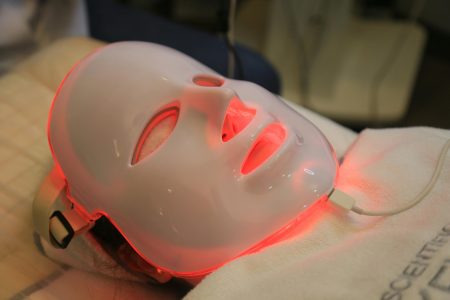
Glowing masks in red, blue, amber, and infrared may look like props from a Hollywood set but today, they are a real and increasingly popular part of many beauty routines. These multi-wavelength LED devices are making a fast entrance into skincare through treatments that address a wide range of skin concerns, from soothing acne flare-ups and smoothing out wrinkles to boosting skin firmness. As these masks are truly versatile, uncovering how their multi-color technology interacts with your skin can help you decide if they’re worth incorporating into your daily care.
What Is a Multi-Wavelength Face Mask?
A LED face mask is a skincare device that contains embedded diodes to deliver light directly to the skin. This light is evenly applied across the surface through a design that follows the natural contours of the face. With that snug fit, the two designs either rest directly on the skin or hover just above it. When the mask hovers, it delivers less concentrated light, as some of it is lost through diffusion in the air and less is absorbed by the skin. This makes it suitable for targeting the upper layers of the skin and concerns such as redness, minor irritation, and surface-level imperfections. In contrast, a mask that rests closer to the skin concentrates the light energy more directly and allows for deeper penetration. Such masks are intended to stimulate cellular activity below the surface and support processes such as collagen production and deeper tissue renewal.
Regardless of the design, the mask connects to a power source or includes a rechargeable battery and uses integrated settings to control the intensity, duration, and combination of different light wavelengths. The intensity setting controls how strong the light is so that users with sensitive skin can lower it to avoid irritation while those targeting deeper concerns like fine lines or uneven texture can raise it.
Alongside intensity, the duration setting determines how long the light is applied during each session. Shorter treatments expose the skin to less light overall and are suitable for sensitive skin and for concerns such as mild redness, minor irritation, and occasional breakouts. With longer treatments, the skin receives more light energy which makes them suitable for concerns such as fine lines, wrinkles, uneven skin tone, and loss of firmness.
As for controlling the combination of wavelengths, in masks that use multiple types, users can either select individual wavelengths or apply combined protocols depending on the treatment goal. Thus, they can use, either separately or in combination, red, deep-red, amber, near-infrared, or blue. Red light, for example, stimulates cellular activity within the upper skin layers and supports their regeneration. Similarly, amber light reaches the upper dermis and supports gentle cellular renewal within these layers. This helps reduce uneven pigmentation and improve the clarity of the skin’s surface. Blue light, which works in layers even closer to the surface, targets the activity of acne-causing bacteria, reduces active breakouts, and prevents the formation of new blemishes.
In contrast to these more surface-focused effects, deep-red light reaches the upper to middle layers of the dermis where it activates fibroblast cells responsible for producing collagen near the surface. This process increases collagen density in the upper skin layers which improves skin texture and firmness and reduces the appearance of surface-level fine lines.
For deeper layers, near-infrared light penetrates the lower dermis and subcutaneous tissue where it acts on local fibroblasts. As fibroblasts in these areas increase collagen production, the elasticity of these deeper structures improves which helps to minimize fine lines and sagging.
What Happens During a Session?
A session with a light therapy mask starts with a few important steps to get the skin ready. First, the skin should be thoroughly cleansed of any moisturizers, serums, and makeup. Such products can create a physical barrier that reflects or scatters the light and reduce its ability to penetrate the skin effectively. Additionally, the face must be dry from residual moisture such as water droplets, sweat, and leftover dampness. Areas with such surface wetness tend to scatter the light which reduces the amount of energy reaching the skin.
Once the skin is fully prepared, you secure the mask to fit closely against the facial contours, activate the device, and select the desired settings for intensity, duration, and wavelengths. During the session, you remain still and relaxed to avoid any shifts that would change the distance between the diodes and the skin and lead to uneven light distribution across the treated area.
When the selected duration ends, the device either shuts down automatically or is manually powered off. Then you remove the mask carefully so that the skin, possibly more sensitive after the light exposure, is not irritated by sudden friction or pressure.
After the session, you should avoid skincare products that contain strong active ingredients for at least twenty-four to forty-eight hours. Using formulations with retinoids, alpha-hydroxy acids, and beta-hydroxy acids before this period may increase sensitivity and cause discomfort. Instead, you can use mild, fragrance-free moisturizers that include ingredients like hyaluronic acid, glycerin, ceramides, and panthenol. These help restore the skin’s natural balance without introducing additional stress.
In addition to heavy skincare products, you should avoid using makeup for several hours, including foundations, concealers, powders, and cream-based color cosmetics. This is because the therapy slightly disrupts the tight arrangement of cells at the outermost layer which weakens the skin’s shield against external substances. As this protective function is reduced, ingredients such as oils, pigments, and occlusive agents can penetrate more easily into the pores and block their openings. This prevents sebum from reaching the skin’s surface and leaves it trapped inside the pores. As the buildup increases, it can promote bacterial growth and lead to breakouts.
Multi-Wavelength Light Therapy Use
Red and Near Infrared Light
Red light therapy has been associated with several benefits for facial skin health, and a number of studies have examined its effects under controlled conditions. One of these studies focused on how red and near-infrared light could improve visible signs of aging. It involved 31 participants who had lines and wrinkles on their faces, especially around the eyes. They were treated with LED therapy using two types of light, one in the red range at 633 nanometers and another in the near-infrared range at 830 nanometers. The therapy was delivered through a medical-grade LED device which directs precise wavelengths onto the skin, and each person received a total of nine sessions.
After the ninth and twelfth sessions, the researchers took detailed impressions of the skin around the eyes to assess changes in smoothness and wrinkle depth. The results from week twelve showed that more than half of the participants had experienced noticeable improvements in visible signs of aging. Specifically, 52% of participants showed a 25% to 50% reduction in their overall photoaging scores. Even more striking, 81% of participants reported that the wrinkles around their eyes had visibly improved.
As the treatment produced positive outcomes and was well tolerated by the participants, the researchers concluded that it may serve as a viable option for those looking for non-invasive ways to improve their skin’s appearance.
With this study demonstrating the benefits of light-based therapy for facial skin health, other research has sought to build on these findings and explore whether red light masks can deliver comparable results. One such study aimed to determine if using a red light mask could reduce wrinkles around the eyes. To investigate this, the researchers recruited 60 people aged 30 to 65 who had visible crow’s feet at rest. The participants were randomly divided into two groups. One group used a mask that delivered red and infrared wavelengths at 630 and 850 nanometers. The other received a sham device that looked identical but did not emit therapeutic light. Neither the participants nor the evaluators knew which device each person was using which helped keep the results unbiased.
Over the 16-week study period, everyone used their assigned mask. At weeks 8, 12, and 16, they were assessed for changes in wrinkle depth using a crow’s feet grading scale. Additionally at these same time points, the participants provided feedback on the effects.
The most meaningful results emerged by week 12. The most meaningful results emerged by week 12. At that point, an independent evaluator found that 86.2% of mask users showed a noticeable reduction in wrinkles, compared to only 16.7% in the sham group. These findings were reinforced by a more controlled analysis that excluded participants who failed to follow the study protocol. Among those who adhered to the treatment as intended, 89.3% showed improvement, compared to the same 16.7% in the control group.
Beyond general use, recent research has begun to explore how red light therapy masks may benefit specific groups. One of these studies examined whether a red and near-infrared light mask could help improve skin appearance in men—a group often overlooked in skin rejuvenation research. As part of the study design, the mask used combined three wavelengths of light: 633, 830, and 1072 nanometers. Participants wore it over a 6-week period and were monitored for safety and effectiveness.
To measure outcomes, researchers used digital skin photography, computer analysis, and collected user feedback. The results from digital image analysis showed progress in multiple areas, including the reduction of wrinkles, brown spots, UV damage, enlarged pores, and porphyrins—natural compounds that can accumulate in oily or blemish-prone skin. Moreover, participants noted clear improvements in fine lines, wrinkles, and skin texture, and overall sense of a more youthful appearance. No adverse events were reported which led the researchers to conclude that the mask is not only effective but also safe for men seeking to improve the condition and appearance of their skin.
Blue Light
Blue light therapy has gained attention for its potential role in improving facial skin health. Different studies have examined its impact on the skin, and some have specifically focused on the use of face masks. One such study aimed to evaluate whether blue light masks help improve acne, sunburns, and scars. It included 30 participants divided evenly into two groups—15 in the experimental group who used the blue light mask and 15 in the control set who did not. In the treatment group, people with mild acne used the mask once a week for 30 minutes at 50% power. Those with moderate cases received treatment twice a week for 45 minutes at 75%. In severe cases, the mask was applied three times weekly for 55 to 60 minutes at 90%.
The treatment lasted four weeks and was supervised by dermatologists. By the end of the study, about 60% of the people in the active group showed significant improvement. Around 40% of them had a reduction in acne of 60 to 70%, with most blemishes disappearing. Another 20% improved by roughly 40%, mainly with fewer pimples and reduced swelling. In contrast, the control group showed no clear improvement which suggests the benefits were due to the light therapy.
Amber Light
A number of studies have looked at the effect of amber light on facial skin. One of these studies specifically used a mask-type device with flexible panels and embedded LEDs, designed to contour partially over the face. The study compared the effects of red and amber light on wrinkles around the eyes and involved 137 women between the ages of 40 and 65, all with moderate to advanced signs of facial aging. Each person received ten sessions over four weeks, and one half of the face was treated with red light and the other with amber light so that each woman acted as her own comparison. By the end of the four weeks, both types of light had visibly reduced wrinkles in the treated areas. Red light led to an average decrease of 31.6% in wrinkle volume while amber light led to a 29.9% reduction. Based on these results, the researchers concluded that amber light is as effective as red wavelengths in reducing wrinkles which makes it a valuable tool for skin rejuvenation.
Places Offering Light Mask Therapy
There are several settings where you can receive therapy with a light-based mask, including dermatology clinics, medical spas, aesthetic salons, wellness centers, and retreats. In dermatology clinics, the masks used are typically professional-grade devices. They deliver controlled wavelengths to treat conditions like acne, post-inflammatory hyperpigmentation, and signs of photoaging. Medical spas also rely on advanced LED masks, often used after treatments such as chemical peels, microdermabrasion, and radiofrequency therapy. They are applied immediately after these procedures to increase circulation and deliver nutrients which skin cells use as energy for division and replacing damaged tissue.
In a more cosmetic and less clinical context such as aesthetic salons, the masks are typically consumer-level or mid-grade devices with multi-wavelength options. They are usually included at the end of facials that involve cleansing, exfoliation, and application of serums so that the light can improve product absorption. This allows active ingredients to reach deeper layers of the skin and perform more effectively.
In wellness centers, masks are typically low-intensity, non-clinical use devices that combine red and amber light. They are applied to support superficial skin repair processes and recovery from stress caused by environmental exposure.
Lastly, retreats offering specialized wellness programs, such as THOR, often integrate advanced multi-wavelength masks into their therapies. These masks are usually used to help with issues like dullness, uneven tone, early signs of aging, and temporary skin reactivity caused by climate changes or travel. Sessions are typically built into broader health routines that may include balanced nutrition, bodywork, structured rest, and guided movement such as yoga and stretching. All of this works together to support systemic recovery and allow the skin to respond more effectively to the therapy.
Who Should Avoid Using a Light-Based Mask?
While light-based masks are generally considered safe, they are not suitable for everyone. People with a history of photosensitivity, those taking certain medications, and persons with active skin infections and open wounds should avoid using these devices unless cleared by a healthcare provider. In particular, those with a history of photosensitivity are at risk because their skin reacts abnormally to light exposure. This may lead to rashes and burning sensations even when exposed to low-intensity red or near-infrared wavelengths.
Similarly, persons taking certain medications should exercise caution, particularly those using tetracycline antibiotics, nonsteroidal anti-inflammatory drugs, specific diuretics, and retinoids. These increase the skin’s sensitivity to light and make it more vulnerable to irritation, redness, and even blistering when exposed to red, near-infrared, blue, and amber wavelengths.
For persons with active skin infections, using light-based masks might facilitate the spread of bacteria and viruses, particularly when the device emits red or near-infrared light. This is because these wavelengths increase local blood flow and would allow pathogens in the affected area to move into nearby tissue which reduces the body’s ability to isolate the infection.
For open wounds, exposure to concentrated red and infrared light should be avoided because the tissue is not prepared for regeneration. In the early phases of healing, clots form to stop bleeding and protect the wound from pathogens. However, as they cover the wound surface, clots limit the inflow of oxygen into the underlying tissue. Without sufficient oxygen, the mitochondria inside the cells cannot generate the energy needed to support cell growth and repair which light therapy aims to stimulate.
Furthermore during the healing process, immune cells release inflammatory signals like cytokines to attract additional immune cells to the site and eliminate pathogens. Immune cells also release enzymes that break down bacteria and dissolve dead and damaged cells so that the area can be cleared in preparation for repair. These processes fill the wound with chemical byproducts, inflammatory mediators, and free radicals. This creates a chemically active and unstable environment which limits the ability of light therapy to stimulate cell regeneration.
Additionally, persons with a history of skin cancer or precancerous lesions should not use red or near-infrared light masks without close supervision by a medical professional. This is because red light stimulates cellular activity which raises concerns about the potential effect on atypical or previously malignant cells. Finally, persons with undiagnosed skin lesions, rapidly changing moles, and unexplained pigmentation changes should postpone treatment until evaluated by a dermatologist. In such cases, red light exposure may mask or interfere with the identification and monitoring of the underlying pathology.
Wrapping Up
Multi-wavelength LED masks are now in the realm of serious skincare for the range of effects they can deliver. From calming irritated skin to fading uneven tone, these devices have become a broad-spectrum skincare tool. Yet, their appeal lies not only in what they treat but in how reliably they produce visible results while fitting easily into everyday care.
FAQ
How often can I safely use a LED face mask?
A light-based face mask should typically be used three to five times per week, depending on the specific device. Some masks deliver lower energy levels per square centimeter, such as under 20 joules, which results in a gentler effect on the skin and allows for daily use. Others operate at higher intensities in the range of 30 to 50 joules or more. This produces deeper stimulation and requires sessions to be limited to three times per week or less to prevent irritation and skin fatigue.
Are the results from light-based therapy masks permanent?
The results from LED therapy masks are not permanent as the skin continues to age, with changes like reduced collagen production and slower cell turnover. External factors also influence skin health, including sun exposure, air pollution, smoking, and environmental stress such as extreme temperatures and low humidity. Because of these ongoing influences treatment should be resumed periodically to maintain the results.
What time of day is most effective for using a light-based mask?
The best time of day to use a light-based mask depends on the intended effect. Evening sessions are generally most effective when the goal is to support repair and recovery, since the skin enters a regenerative phase during sleep. In addition, light therapy improves the absorption of skincare products, and this effect is more consistent in the evening when there is no interference from sun exposure, pollution, and other environmental factors.
Morning sessions, on the other hand, can be useful when the focus is on preparing the skin for the day. During sleep, the body remains still for long periods which slows lymphatic flow, causes lymph fluid to accumulate in the skin, and results in puffiness. With red light, blood flow increases and the small vessels in the skin widen to carry more blood. These wider vessels reabsorb some of the fluid that has accumulated overnight which reduces puffiness and makes the skin smoother and more even.
Can I do facial exercises immediately after using the mask?
You can do facial exercises immediately after using the mask because light penetrates the skin without causing irritation or inflammation. This allows the muscles underneath to move freely without encountering resistance from swollen or sensitive tissue.
Is it safe to do facial exercises before using the mask?
You can do facial exercises before using the mask except for those that involve intense rubbing and strong pressure or leave visible marks. Such exercises are, for example, aggressive lymphatic drainage with knuckles, forceful cheek lifting with palms, and repeated friction-based massage across the jawline. These put stress on the skin which your body treats as potential tissue damage. In response, the walls of the skin capillaries become more permeable so that immune cells pass into the surrounding tissue to repair it. Along with them, plasma fluid leaks into the tissue which leads to temporary swelling. This puffiness creates uneven skin texture that causes light from the mask to enter at irregular angles rather than penetrate evenly. Thus some regions receive a weaker or shallower effect while others are exposed to more, so the treatment becomes inconsistent across the face.
Do multi-wavelength LED masks work better than single-color masks?
Multi-wavelength LED masks tend to work better than single-color masks because they allow for layered effects in the skin where each color supports a different process. As a result, improvements in tone, texture, and clarity happen together during a single session.
Are there specific features to look for in a multi-light mask?
When choosing a multi-light mask, look for features such as evenly spaced LEDs, separate wavelength controls, a comfortable fit with lightweight materials, and skin-safe construction. Among these, evenly spaced LEDs are especially important because they allow light to reach the entire surface of the skin without leaving untreated areas. You can usually tell if the LEDs are well distributed if there are no noticeable gaps, especially around the cheeks, forehead, and jawline.
Another key feature is separate wavelength controls which let you choose how many and which colors to activate at a time. This means you can apply a single wavelength, combine two, or use all available lights, depending on what your skin needs during each session.
Furthermore, the mask you use should have a comfortable fit that rests against the skin without digging into sensitive areas such as the bridge of the nose, the eye sockets, and along the jawline.
It should also be made from lightweight materials such as soft silicone or flexible thermoplastic. Soft silicone, for example, is a good choice because it molds to the shape of the face and can adjust to different facial contours. It is also gentle on the skin which helps reduce the risk of pressure marks and discomfort. Flexible thermoplastic, in turn, holds its form so that the mask stays in position without shifting. At the same time, it is lightweight and does not feel bulky or tiring during longer sessions.
Lastly, the mask should have a skin-safe construction, with hypoallergenic surfaces that do not contain harsh chemicals such as phthalates, formaldehyde, and certain plasticizers. It should also allow for breathability in areas that tend to trap heat or moisture such as around the nose, upper lip, and under the eyes.
Are the masks effective for people in their 20s or just older adults?
In older adults, using a light-based mask can help restore firmness, improve elasticity, and reduce wrinkles. For those in their 20s, by contrast, LED therapy can help regulate oil production, especially in the case of breakouts, preserve skin smoothness, and soften early signs of uneven texture. All of this helps lower the risk of long-term skin damage.
Is light-based therapy safe during pregnancy?
Red and infrared light therapy should be avoided during pregnancy unless approved by a healthcare provider. This is because hormonal shifts make the skin more sensitive, and light exposure can increase the likelihood of irritation and unpredictable skin responses. In addition, these wavelengths affect cell behavior, and their impact on fetal development has not been thoroughly studied when applied near the abdomen or lower back. Blue and amber light carry a lower risk due to their limited penetration but they should also be used cautiously until more safety data becomes available.
If you’ve scrolled through your social media feed lately, you might have seen people standing in front of large, glowing panels that illuminate their entire bodies with a distinct, otherworldly red hue, reminiscent of visuals from a futuristic narrative. This striking imagery isn’t just for show; it represents the growing trend of full body red light therapy, a technique that is moving from the fringes of high-tech treatment into mainstream wellness practices. As this intriguing method pops up everywhere, from your gym to luxury spa retreats, getting the scoop on how it works, what it targets, and how it promises to shake up your wellness routine in all the right ways can equip you with the insights to decide if it is the right fit for you.
What Is Full Body Red Light Therapy?
Also known as low power laser therapy, photonic stimulation, and biostimulation, full-body red light therapy is a treatment that exposes the entire body simultaneously to specific wavelengths which reach the skin and tissue at different depths. Red wavelengths from 600 to 650 nanometers are in the lower range and penetrate the skin to a depth of 1.0 to 2.0 millimeters or the superficial dermis. Near-infrared wavelengths from 650 to 950 nanometers are longer and travel about 2.0 to 3.0 millimeters into the tissue. This allows them to affect structures in the deeper dermis and upper hypodermis, including blood vessels, lymphatic pathways, fibroblasts, collagen fibers, nerve endings, and fat cells.
What Happens during a Therapy Session?
For this therapy, preparation involves making sure the skin is clean and dry, without any lotions, oils, or makeup that might block or reflect the light. When the session starts, the user stands or sits in front of a large panel device positioned close enough to allow the light to uniformly reach the entire body without scattering. The light source remains steady throughout the session and the user stays in a fixed position at a set distance from the panel to ensure even exposure across the entire body. Additionally, clothing is generally kept lightweight and minimal—such as fitted sportswear or swimwear—to allow the light to reach as much of the skin as possible without significant obstruction. As for protective measures, the only one required is the use of eyewear if the device emits bright light near the eyes, especially when near-infrared wavelengths are combined with visible red light.
When the session ends, typically between a few minutes and half an hour after it starts, the device is turned off which concludes the treatment.
Post-Therapy Skin Considerations
After a red light therapy session, wearing loose, breathable clothing allows the skin to cool naturally and prevents residual heat from being trapped against the body. Exposure to saunas, steam rooms, and hot showers should also be postponed. As skin temperature is raised as a result of red light, these environments can prolong surface warmth and delay the skin’s return to its normal state. Similarly, exposure to polluted air or environments with smoke or chemical fumes should be avoided, as the skin may be more vulnerable to environmental stressors in the hours following treatment.
Additionally, applying heavy skincare products or occlusive creams immediately afterward should be deferred since the skin may be more reactive to strong ingredients. This consideration also applies to regions near the scalp. In these areas, you’ll want to delay using dry shampoos or styling products that contain alcohols or synthetic polymers such as silicones found in hair serums or sprays. Applying these products too soon after exposure may lead to itchiness or dryness.
When the therapy targets the face or other sensitive areas, exfoliants, scrubs, and chemical treatments should be delayed for several hours as they may aggravate the skin while it is still in a responsive state. Moreover, you need to refrain from applying makeup immediately after facial treatments because the skin barrier may be more permeable and prone to reacting to pigments, preservatives, and fragrances. Additionally, if using multiple modalities such as microdermabrasion or microneedling, these should not be scheduled immediately after a red light session unless directed by a practitioner, as overlapping treatments can overwhelm the skin’s capacity to recover.
Lastly, with full-body sessions, you may want to avoid applying self-tanners or skin bronzers for at least a day. These products depend on stable skin conditions to develop evenly and may react unpredictably on recently treated tissue.
Full-body red light therapy employs large LED panels designed to deliver therapeutic wavelengths uniformly across the entire body surface. These stationary devices contain multiple light-emitting diodes arranged across the surface so the light comes from many points and spreads more uniformly across the treatment area.
Panels can differ in size and configuration which affects their coverage. Some are tall, narrow, and often mounted vertically which makes them suitable for front or back exposure while standing. These models typically treat one side of the body at a time, and the user must turn around during the session to achieve full coverage. Others are wider and modular, with multiple panels that can be connected to increase coverage or built into a wraparound structure designed to enclose the body for more uniform exposure. Since these panels are intended to treat larger areas and their output covers a wider surface, they require more time to deliver the necessary cumulative energy dose. As the sessions are longer, these panels are low in intensity to avoid adverse effects.
Benefits of Red Light Therapy
Red light therapy offers a number of benefits such as skin rejuvenation, improved treatment of various skin conditions, faster healing of burn scars and wounds, and enhanced hair growth.
Skin Rejuvenation
Skin rejuvenation is a promising application of red light therapy which has been extensively studied for its effectiveness. In one notable study, 76 patients were assigned to four groups: one receiving a placebo light and the others treated with devices emitting wavelengths of either 633nm, 830nm, or both combined. The patients underwent treatments twice a week over a period of four weeks. Following the treatments and a three-month follow-up period, significant improvements were observed in the groups exposed to the actual LED light. Wrinkles were reduced by up to 36% and skin elasticity improved by up to 19% from baseline. Additionally, analyses of skin samples showed notable increases in collagen and elastic fibers which are key components youthful skin.
The effectiveness of red light therapy is further illustrated by another study that investigated the use of a red light mask in rejuvenating aging facial skin. This study focused on 20 healthy Caucasian women who used the mask for 12 minutes twice a week over three months.
The researchers measured various aspects of skin health, including smoothness and complexion, firmness, and wrinkle depth. By the end of the study, there was a noticeable smoothing of fine lines, with a 38.3% reduction in the depth of crow’s feet wrinkles. The skin’s overall contour also became more defined as sagging of the facial oval decreased by 24.8%. Additionally, the skin’s firmness increased by 23.6% and elasticity showed an improvement of 18.7%. The skin’s surface also became smoother as roughness decreased by 23.8% and tone became more uniform, with the complexion’s homogeneity improving by 34.9%.
Improving Skin Health
In addition to improving skin quality, red light therapy has been shown to lead to positive results in the treatment of various skin conditions. One study focusing on acne, for example, tested how two types of light therapy—red and infrared—affect mild to moderate acne. The study involved 28 adults who received red light treatment on one side of the face and infrared therapy on the other. By the end of the treatment, the side exposed to red light showed a strong improvement. The number of acne spots dropped by about 77%. On the other side of the face treated with infrared light, the number of spots decreased by around 17%.
Red light therapy has also demonstrated promise in managing inflammatory conditions like psoriasis. One such study explored the use of LED therapy for this chronic skin disorder, characterized by patches of red, itchy, and scaly skin. The study focused on the effectiveness of two specific types of LED lights: one at 830 nm, which is near infrared, and the other at 633 nm, which is visible red light. The study involved nine patients with chronic psoriasis which had not responded well to other treatments. These patients, three men and six women with an average age of 34.3 years, underwent treatment sessions with these LED lights. Each session lasted 20 minutes, with treatments administered twice a week over a period of 4 to 5 weeks. By the end of the study, all patients completed their LED treatment courses, with some requiring a second round of therapy. The results were quite positive, with psoriasis clearance rates ranging from 60% to 100% by the end of the follow-up period which lasted between three and eight months. The study concluded that LED therapy using these specific wavelengths is not only effective but easy to use, painless, free of side effects, and suitable for all skin types.
Restoring Joint Function
Beyond its dermatological applications, red light therapy has shown effectiveness in treating joint disorders such as arthritis and osteoarthritis. Several studies have explored the use of low-power therapy in this area. In particular, one of these studies examined whether low-power light could help relieve pain and improve mobility in older adults with knee osteoarthritis. The researchers grouped fifty participants into three treatment categories: 8 received infrared light, 15 were treated with red light, and 17 underwent placebo therapy. All groups completed sessions lasting 15 minutes each, twice a day for a duration of ten days.
After completing the therapy, significant reductions in pain were observed in both the infrared and red light groups, with decreases of more than 50%. The ability to perform daily activities also improved significantly in these patients compared to the placebo group. Additionally, the patients treated with red and infrared light experienced a longer duration before needing further treatment compared to those in the control group. This indicates that the benefits of the therapy were not only immediate but also lasting which reduces the need for frequent treatments.
Muscle Recovery
Red light therapy has been found to enhance muscle strength and growth as well as delay fatigue. These findings have been demonstrated in several studies, one of which focused on whether adding laser therapy to eccentric training could further improve muscle strength and size. The study involved 30 healthy men divided into three groups: one that did no training, a second that performed only eccentric training, and a third that received both eccentric training and laser therapy. After eight weeks, the participants that combined laser therapy with training showed greater improvements compared to those who did only the training. Specifically, their muscles increased in size by 15.4% compared to 9.4% in the training-only group. They also improved their muscle strength by 20.5% compared to 13.7% when keeping the muscle still under tension and by 32.2% vs 20.0% when resisting a stretching force.
Other studies have explored whether red light therapy could help delay muscle fatigue and improve physical performance. One of these studies investigated this effect by involving ten healthy men who received either red or infrared laser therapy or a placebo treatment.
After the therapy session, the participants were asked to hold a steady arm position for one minute to measure how consistently they could sustain muscular effort over time. The results showed that those who received red light therapy were able to maintain the position more effectively, with performance levels 13.09% higher over the full minute. Similarly, those treated with infrared laser therapy demonstrated greater stability throughout the task, with a 13.24% improvement in performance.
Since participants sustained effort more consistently throughout the exercise period, their muscles were less prone to fatigue which suggests the therapy helped delay its onset.
Scar and Wound Recovery
Red light therapy has been studied as a potential treatment to improve the healing of burn scars and wounds. One of these studies explored whether applying it systemically could help burn wounds heal faster and reduce pain in patients. It involved 138 patients with burn injuries, divided evenly into two groups: one received standard treatment while the other received daily therapy sessions lasting 30 minutes until their wounds fully healed. The results showed that the group treated with red light healed faster, averaging about 19.9 days, compared to approximately 21 days for the standard treatment group. Additionally, patients receiving light-based therapy experienced less pain during dressing changes on days 10 and 14 after the injury.
Further evidence of these benefits comes from research examining the healing of second-degree burns. In particular, researchers investigated whether using wavelengths of 630-650 nm could improve healing and speed up recovery of second-degree burns on the lower legs. The study involved 62 patients divided into two groups, both of which were given standard treatment with a protective cream for burns. One group, however, also received 20-minute sessions of red light therapy before the cream was applied.
After 21 days, this group showed better outcomes, including faster wound healing, significantly less fluid leakage, reduced swelling and redness around the burn area, and notably less pain and itching.
Hair Growth
Red light therapy has also been used to support hair growth, and research shows encouraging results. One study, for instance, examined its effect on hair growth in persons with androgenic alopecia which is a common type of hair loss. Ninety people between the ages of 18 and 70 took part and were divided into three groups. One used a laser hat that emitted 655 nm red light, another group used a new laser scanner that combined 808 nm infrared and 655 nm red light, and the last group received no treatment.
After the study period, the participants using the laser scanner showed the best results. They grew more thick, healthy hairs—on average 9.61 new hairs per square centimeter compared to 9.16 in the laser hat group. Meanwhile, the group that received no treatment lost hair, with an average decrease of 1.8 hairs per square centimeter.
Oral Health
Low-level laser therapy has shown beneficial effects on oral health conditions such as burning mouth syndrome, stomatitis, and periodontitis. Studies exploring burning mouth syndrome (BMS), in particular, have reported encouraging outcomes. One recent study, for example, explored whether laser therapy with a wavelength of 635 nm could provide immediate pain relief to patients suffering from BMS.
In this study, 94 participants received a treatment session using a laser inside the mouth. Immediately following the session, the majority of patients (71.3%) reported reduced pain. On average, participants experienced roughly a 40% decrease from their initial pain levels, and no adverse reactions or side effects were observed. Overall, the therapy was found to be highly effective, except in cases where patients had low pain levels before the treatment or where factors such as smoking, alcohol consumption, dry mouth, and gum issues could reduce its effectiveness.
Alongside BMS, red light therapy has shown promising outcomes in treating stomatitis, a condition characterized by painful lesions in the mouth, accompanied by redness and occasional bleeding. One study demonstrating its effectiveness investigated whether laser therapy with wavelengths of 810 nm could reduce pain, the size of the lesions, and healing time in 30 patients with stomatitis. In the study, each patient had two separate ulcers, with one undergoing laser therapy and the other serving as a control with no active intervention. The laser therapy was conducted in a single sitting, divided into four sessions. The patients were then evaluated and the findings were significant. The results showed a significant difference in healing times between the two groups. Ulcers in the active treatment group healed on average in 3.05 days, compared to 8.90 days for those in the control group. Additionally, immediately after the laser application, ulcers that received the real treatment showed a decrease in pain for 28 out of 30 patients.
Lastly, red light therapy has been researched for its potential benefits in treating periodontitis, with studies indicating positive results. One study, for instance, investigated the use of 660-nm LED light therapy alongside non-surgical periodontal treatments like scaling and root planing. Nineteen patients with periodontitis participated, each receiving different treatments across three sections of their mouth. One received LED light from the start of the treatment to the end of scaling and root planing, another from the completion of these procedures to a subsequent evaluation, and a third served as a control group. The findings indicated that all treatments improved gum health by reducing bleeding, plaque, and the depth of the pockets between the teeth and gums which are key signs of periodontitis. However, the areas treated with LED light showed more significant improvements, particularly those that received continuous light from the start of the treatment to the end of scaling and root planing. The study also observed a significant reduction in proteins that cause gum inflammation, with the most notable decrease in the group that received continuous treatment.
Weight Loss
There has been ongoing scientific discussion regarding the effectiveness of red light therapy for weight loss, and several studies have reported promising results. One of these recent studies examined whether a combination of three low-level laser wavelengths—blue, infrared, and red—could decrease abdominal size non-surgically. The study used a blue LED to increase blood flow and deliver more oxygen to the tissues because it supports the breakdown of fat molecules. A red laser was used to stimulate the fat cells to release stored fats, and infrared therapy was included to penetrate deeper layers of tissue so that the treatment affected both surface-level and deeper fat deposits.
The study included eighteen women who participated in twelve laser therapy sessions, scheduled twice weekly. During each session, the researchers applied a diode laser system emitting continuous waves of blue light at 450 nm, infrared at 808 nm, and red light at 630 nm. The results were promising, with significant reductions in various sections of the abdomen. Specifically, measurements for the lower section dropped from around 100 cm to 96 cm, for the middle from 97 cm to 92 cm, and for the upper from 92 cm to 87 cm.
In a separate study, researchers further explored the impact of low-level light therapy on weight loss. The study included 42 obese women divided into two groups, both of which followed an exercise program for four months. One group additionally received phototherapy (low-level laser treatment) and the other did not. Both groups had comparable reductions in body mass (around 4% to 5%) and body fat (about 9%). However, the women who underwent phototherapy showed more notable improvements in several areas. For example, insulin levels decreased by about 30% in this group, compared to around 10% in the control participants. Similarly, insulin resistance improved by approximately 31% with phototherapy versus about 10% without it. These results are promising because lower insulin levels and resistance can help the body store less fat and burn existing energy reserves more effectively which supports weight loss.
Sleep Improvement
Red light therapy has been studied for its potential benefits in improving sleep quality. One such study explored the impact of therapy on sleep and athletic performance among elite female basketball players. The study involved 20 athletes split into two groups: one received 30 minutes of red light therapy each night for two weeks while the other group did not receive any treatment.
After two weeks, the group that used red light showed about a 75% increase in melatonin levels while those given the placebo experienced only a slight change. Moreover, the participants in the active group showed better sleep outcomes compared to those who received no treatment. The time it took them to fall asleep dropped by about 83%, with a nearly 28% increase in how they rated their sleep quality and an 82% improvement in daytime alertness. Additionally, participants who received therapy increased their running distance from about 7,874 feet to 8,858 feet, a 12.5% gain. In contrast, the placebo group maintained a distance of around 8,202 feet with no meaningful change.
Cognitive Function
Extensive research has examined how red light therapy influences cognitive performance. One of these studies looked at how a form of this therapy known as transcranial photobiomodulation affects people with severe traumatic brain injury. The research involved 10 adult patients who underwent therapy three times a week for six weeks, with each session lasting 30 minutes. They were evaluated before the therapy, a week after completing it, and again three months later. The findings showed that this therapy improved blood flow and oxygen levels in the brain which helped enhance brain function.
Another study explored whether red light therapy could improve brain function in older adults, particularly in the frontal areas which manage tasks like decision-making and self-control. In the study, 30 older adults with no history of mental health conditions participated in brain function tests before and after a short, 7.5-minute session of red light therapy. The wavelengths were applied to their foreheads and the back of their heads using a device with light-emitting diodes. The results showed that those who received the actual therapy and not just a placebo saw noticeable improvements in their ability to make decisions, control impulses, and respond flexibly to changes.
Combining Red Light Therapy with Other Treatments for Enhanced Effects
Red light can be combined with other forms of therapy for more comprehensive treatment outcomes, particularly in areas like skin care, pain management, and muscle recovery. For instance, in the context of skin care, topical treatments such as serums and moisturizers may be applied after sessions. This is because the therapy increases the skin’s permeability and allows for the deeper penetration and more effective absorption of skincare products.
In pain management and rehabilitation, red light can effectively complement physical therapy. Its application helps reduce excessive inflammation and alleviate pain which allows patients to perform exercises with reduced discomfort. Simultaneously, it maintains inflammation at a level that supports repair processes and healing.
Furthermore, combining light-based therapy with massage can help speed up muscle recovery. Red light boosts energy production in the muscle cells which they use for repair and recovery. At the same time, massage improves lymphatic drainage and speeds the removal of fatigue-inducing byproducts like lactic acid from the muscle tissues.
The benefits of this combination have also been demonstrated in research. For example, one study investigated the effectiveness of chiropractic massage combined with red light therapy. The study included 28 healthy participants who received either massage alone, massage with infrared light, or no specialized treatment (control group). Initially, all participants were screened to exclude any with cardiovascular diseases, brain injuries, mood disorders, psychiatric diseases, and those on medications that might interfere with the treatment outcomes. Then they received a 20-minute chiropractic massage during which a roller device moved along the participants’ spines, from the neck to the tailbone, to systematically treat the muscles. For those in the combined treatment group, this massage included an additional source of infrared heat. The findings showed that participants who received only the massage experienced about a 6% improvement in voluntary contraction which indicates muscle recovery. The participants in the combined heat and massage group saw about an 11% improvement whereas the control group showed no significant change.
Additionally, heart rates fell by 4.8% among those who underwent massage therapy and by 5.7% among participants receiving combined therapy with infrared heat. Anxiety levels, as measured by the State-Trait Anxiety Inventory, saw a decrease of approximately 14.5% for participants in the massage group and 19.6% in those receiving the combined therapy. These reductions in heart rate and anxiety indicated significant stress relief compared to the control group.
Where to Get Full Body Red Light Therapy
Red light therapy is available in several settings tailored to different needs, including hospitals, dermatology offices, rehabilitation centers, wellness clinics and spas, and retreats.
In hospitals, red light therapy uses medical-grade devices designed for deep tissue stimulation and regulated clinical use. These devices are operated under strict supervision and are integrated into care plans for wound healing, pressure ulcers, diabetic foot lesions, and postoperative recovery. It is also occasionally used in pain management for conditions involving soft tissue injury and nerve irritation.
At dermatology offices, professionals use medical-grade devices to address conditions like psoriasis, severe acne, and deep tissue injuries. Dermatologists often integrate red light therapy into treatment plans that include topical medications, chemical peels, and laser resurfacing to improve overall skin condition and support healing.
In rehabilitation centers, therapy is delivered using high-intensity, clinical-grade LED or laser-based devices that can penetrate into deeper tissues and influence musculoskeletal structures. Thus, therapy at these centers is commonly used to support recovery from orthopedic injuries such as tendon and ligament damage, joint inflammation, and soft tissue trauma. It is also applied in post-surgical care to reduce swelling, accelerate wound healing, and limit scar tissue formation. The treatment is often integrated into broader recovery protocols and scheduled around physical therapy to improve tissue response and reduce recovery time.
With a focus on restorative treatments, sleep clinics provide red light therapy using devices set to wavelengths around 660 nanometers, known to influence melatonin production, a hormone important for sleep regulation. The therapy is often recommended for patients with circadian rhythm disorders such as delayed and advanced sleep phase syndrome, as well as for those experiencing sleep disruptions due to jet lag or shift work. The treatment is administered in a controlled environment specifically designed to promote relaxation. This includes rooms outfitted with soundproofing to block external noise, temperature control to ensure comfort, and soft, dimmable lighting that mimics natural light patterns. Sessions are typically scheduled in the evening or before bedtime to help boost natural melatonin levels and prepare the body for sleep.
In addition to its applications in clinical settings, red light therapy is increasingly popular at wellness centers and spas where professional-grade devices are used for purposes such as anti-aging, scar reduction, body contouring, and muscle recovery. Moreover, these facilities often combine red light with other wellness treatments such as massage therapy, facials, and aromatherapy to provide a holistic approach to relaxation.
Additionally, retreats offer full body red light therapy using state-of-the-art devices that treat skin issues like wrinkles and stretch marks, support muscle recovery, promote detoxification, and alleviate joint and soft tissue discomfort—something already embraced by places like THOR. This therapy is typically part of a broader program of health-focused activities that take place in wellness facilities like treatment rooms, yoga studios, and seminar spaces, for activities such as bodywork, breathwork, guided movement, and nutritional consultations. The quiet natural surroundings in these retreats are used for outdoor activities such as forest bathing, cold water immersion, and sunrise stretching. Moreover, the schedule in these retreats combines both structure to encourage consistent participation and past time for rest, reflection, and personal exploration.
Lastly, in home settings, red light therapy is carried out using compact LED panels. They are used to address concerns such as fine lines, uneven skin tone, and mild joint or muscle discomfort. While the depth of light penetration and intensity may be more limited, regular use over time can support gradual improvements in skin appearance and pain relief. Results are typically observed over several weeks to a few months of regular sessions.
Wrapping Up
The allure of red light therapy has certainly transcended its initial buzz, firmly planting its roots in our everyday wellness landscapes. As it lights up everything from the local gym corners to the serene spaces of luxury spas, it is clear that what once seemed like a futuristic oddity is now an accessible health trend. This journey from niche to norm has sparked curiosity and if it nudged yours too, here is your sign to give it a try and explore the benefits firsthand.
FAQ
How does traditional heat treatment differ from red light therapy?
Unlike red light therapy which uses low levels of light to penetrate the skin and boost cellular energy, the conventional method involves applying heat to the affected areas to improve blood flow, relax the muscles, and alleviate discomfort. Additionally, using red light does not necessarily involve a heat sensation while the traditional method works to affect the thermal sensors in the tissues.
What is the difference between red light and ultrasound therapy?
Red light therapy uses waves that penetrate the skin and are absorbed by its outer and subcutaneous layers. This happens because chromophores—molecules that absorb light—are abundant in these layers, and they capture the light effectively and prevent it from reaching deeper tissues. As a result, the light is used for energy generation in cellular processes at these more superficial layers, yet, the processes initiated there help heal the deeper tissues.
Conversely, ultrasound waves are less susceptible to absorption by the skin layers. Moreover, they are mechanical vibrations that physically move the molecules of the body’s tissues. As the molecules vibrate, they generate heat which softens the tissues and makes them less stiff and resistant to the movement of sound waves. As a result, they can travel further and penetrate deeper into the body, which is why they are used to directly treat deeper layers of tissue.
What role does age play in the responsiveness to red light therapy?
As people age, cellular processes tend to become less efficient. Therefore, older adults might experience a slower response to the therapy, as their cells do not produce energy as effectively as those in younger people.
Additionally, the condition of the skin changes with age. Younger skin is typically thicker and has a higher collagen density. Thus, red light can reach more collagen fibers which allows it to activate a greater number of fibroblasts, the cells responsible for collagen production.
Does sun-damaged skin respond differently to red light therapy?
Sun-damaged skin often has less collagen due to the breakdown of fibers from prolonged UV exposure. Thus like aged skin, it may respond less effectively to the regenerative effects of red light therapy. Additionally, sun damage can cause the epidermis—the skin’s outer layer—to become thicker which makes it harder for red light to reach the deeper layers.
Is red light therapy safe?
Some types of light are harmful to human cells while others are not. UV light, for example, consists of shorter wavelengths that carry more energy. Thus, when it hits the skin, this high energy enables it to penetrate the cells, directly interact with DNA, and create bonds between components that normally would not join together. This disrupts normal function and can lead to mutations such as skin cancer, including basal cell carcinoma, squamous cell carcinoma, and melanoma.
In contrast, red and infrared light are composed of longer wavelengths which carry less energy that is insufficient to break bonds within DNA. These wavelengths are absorbed by the mitochondria in the skin where they stimulate energy production, and this energy is then used for cell repair and regeneration.
Moreover, red light therapy is non-invasive, so it does not require any surgical procedures or skin penetration. This reduces the risk of infection and complications associated with invasive methods, including scarring, pain, and extended recovery times. Red light therapy is also painless, with most users reporting no discomfort during therapy sessions.
Who should avoid therapy?
Red light therapy is generally safe but certain groups of people should avoid using it. These include persons with increased sensitivity to light, patients with epilepsy, and pregnant women and younger populations.
For example, people who have heightened light sensitivity due to medical conditions like lupus erythematosus or porphyria may experience skin irritation, redness, inflammation, or worsening of symptoms after exposure to red light. Similarly, people taking medications that make the skin more sensitive to light might experience adverse reactions such as itching, redness, swelling, or rash. These medications include certain antibiotics (e.g., tetracyclines), acne treatments containing retinoids, and specific diuretics.
Persons with epilepsy should also avoid red light therapy if the device uses pulsing or flickering light. Since people with epilepsy are sensitive to visual stimuli, such light can trigger seizures. For those with photosensitive epilepsy, even continuous red light devices can overstimulate the brain’s visual cortex and lead to an accumulation of electrical activity that can result in a seizure.
Additionally, pregnant women should exercise caution and generally avoid red light therapy due to limited research available on its safety during pregnancy. While no conclusive evidence currently indicates direct harm to fetal development, the potential biological effects of red and infrared light on the fetus remain insufficiently studied.
Likewise, research on the long-term effects of red light therapy among younger populations remains limited. For this reason, its use in children and teenagers is approached with caution and carried out under medical supervision only when there is a clear need or benefit.
Can the regular use of certain medications impact the results of red light therapy?
The regular use of certain medications can impact the results, mainly due to the way these medications interact with the body’s cellular and systemic functions. For instance, medications that increase light sensitivity such as certain antibiotics and antidepressants can potentially cause the skin to react more intensively to therapy. This can lead to adverse effects such as skin irritation or redness rather than the intended therapeutic benefits. Additionally, certain topical and systemic steroids suppress inflammation which may diminish the therapy’s ability to stimulate collagen production and support the repair of dermal structures. This is because red light therapy relies on a controlled mild inflammatory response to signal the body to begin these processes.
Does skin pigmentation influence how effective therapy is?
Darker skin types have more melanin which absorbs some of the red light before it can reach deeper skin layers. This does not mean the therapy is less effective inherently but it may require adjustments in duration or intensity to achieve similar therapeutic effects.
How does red light therapy interact with tattoos?
Red light therapy does not typically harm tattoos or cause the ink to fade as the wavelengths it uses do not interact with tattoo pigments. However, if the tattooed area is still healing and sensitive, you may want to avoid treating that specific spot until the skin has fully recovered.
Does the presence of body hair reduce the effectiveness of the therapy?
Body hair can act as a physical barrier that scatters or partially blocks red light before it reaches the skin. The thicker and denser the hair, the more it can diffuse light and reduce the amount that penetrates to the deeper layers of the skin where it is needed. To mitigate this, the areas undergoing therapy might need to be shaved if they are particularly hairy. In treatments where shaving is not possible or desirable, it may be necessary to use higher light intensity or extend the exposure time.
What is the best time for using red light therapy?
The best time of day to undergo therapy can vary depending on your specific health and wellness goals. For example, if you are looking to boost collagen production to improve skin quality, morning sessions might be preferable. Starting your day with red light therapy helps relax the muscles in the walls of blood vessels which causes them to widen and increases circulation. This improved blood flow delivers more nutrients to the skin throughout the day which leads to a fresher appearance.
If your goal is to reduce muscle soreness and pain and speed up recovery, consider scheduling therapy after workouts or physical activities as red light has anti-inflammatory effects.
For those seeking sleep-enhancing benefits, an evening session might be most effective. This is because exposure to red light can stimulate melatonin production at night which supports a deeper and more restful sleep.
Does therapy require an empty stomach?
Red light therapy does not require an empty stomach, and it can be used after eating without reducing its effects. However, if you have a large meal, the stomach will fill with food and digestive fluids and will expand. If therapy requires you to be in a lying down or reclined position, gravity no longer pulls your stomach downward and it begins to press more directly upward against the diaphragm and outward against nearby organs. This pressure can increase the feeling of bloating and tightness which may become especially noticeable if the session lasts longer than a few minutes.
Having a light meal, in contrast, may support the effects of the therapy because cells need nutrients to produce energy. Such nutrients include glucose from carbohydrates, amino acids from protein sources like dairy, eggs, and legumes, and certain vitamins and minerals like B vitamins, magnesium, and iron which are involved in energy metabolism. A light meal combining these nutrients could be a boiled egg with whole grain toast or a bowl of yogurt with fruit and a small handful of nuts.
Why is sleep important before therapy?
During sleep, the body engages in extensive repair and recovery processes, including the removal of toxins from the cells, restoration of cellular integrity, and synthesis of proteins essential for proper function and structure. When cells have completed these processes, they are in an optimal state to produce energy for their functions during therapy.
How does hydration affect the effectiveness of red light therapy?
Well-hydrated cells are better able to maintain a balance of electrolytes and fluids which supports their ability to produce energy during therapy. Additionally, proper hydration boosts blood circulation which helps nutrients and oxygen reach cells effectively so they can use these resources for energy production.
Does physical activity before or after therapy sessions affect their efficacy?
Physical activity before or after therapy can affect its efficacy but the impact varies based on the timing and type of activity. Engaging in exercise before a session can increase blood circulation and improve the flow of oxygen and nutrients to the cells. This can lead to more metabolic activity and energy production which may amplify the effects of red light therapy. Physical activity immediately after therapy is also beneficial because the increased blood flow and improved nutrient delivery it promotes help sustain the cellular processes that therapy started.
However, the intensity and type of physical activity should be considered. Gentle or moderate exercise such as walking or light stretching help with oxygenation and nutrient delivery. On the other hand, very intense exercise such as sprinting, heavy weightlifting, and high-intensity interval training before therapy might divert blood flow from the skin to the muscles and lead to fewer nutrients available for cellular processes.
How does smoking influence the skin’s response to red light therapy?
Smoking causes the blood vessels to narrow which reduces the flow of oxygen and nutrients needed for cellular processes in the skin. Additionally, smoking exposes fibroblasts, the cells responsible for collagen synthesis, to oxidative stress and free radicals which damages them and impairs their ability to produce collagen effectively. Moreover, free radicals harm the existing collagen and elastin fibers. This dual impact of degrading existing and hindering the formation of new collagen results in fewer fibers that red light can target for collagen production.
By clicking “Submit” you agree to receive emails from The House of Rose and accept our web terms of use and privacy and cookie policy.
Your Privacy, our Priority.
In accordance with the current EU data protection laws, pelase take a minute to review the terms & conditions for using our services. Our terms describe how we use data and the options available to you.