There’s a new feel-good wellness trend making waves on TikTok, and surprisingly, it’s not some complicated 10-step morning routine. It’s just jumping.
Yes – simply jumping up and down 100 times in the morning.
This joyful, high-vibe ritual is gaining attention for its mood-boosting, energy-lifting, and body-loving benefits — especially for women in their 40s, 50s, and beyond. But is there actual science behind it, or is it just a funny viral thing?
Let’s break it down and unpack the benefits of jumping, especially as we get older.
The Benefits of 100 Morning Jumps for Midlife Women Over 40
As we enter perimenopause or menopause, sleep, energy, and mood can all take a hit. Our hormones shift, our bones need more love, and our metabolism slows. That’s why incorporating simple, powerful habits into our mornings can be a game-changer — and jumping is one of the best-kept secrets.
Here’s why 100 jumps might be exactly what your body and mind need.
Mood Boosting: Hello, Endorphins
Jumping is a form of aerobic exercise that gets your heart rate up fast. This releases endorphins — your body’s natural “feel-good” chemicals. It’s like a mini “runner’s high,” minus the miles.
For women navigating hormonal changes, this is huge. Endorphins help combat anxiety, stress, and low mood — common symptoms in perimenopause and menopause. And when you start your day with something that feels good, you’re more likely to make healthier choices all day long. (This is called habit stacking — and it’s powerful.)
Jumping 100 times in the morning is more than just fun — it supports your whole body:
Bone Density: Jumping is a weight-bearing exercise that stimulates bone growth. This is crucial after 40, when estrogen declines and bone loss speeds up.
Joint Health: Unlike running, jumping in place is low-impact and gentler on joints, helping preserve cartilage and reduce stiffness.
Cardio Boost: Repetitive jumping increases your heart rate, strengthens your heart, and improves circulation — all in under 2 minutes.
Lymphatic Support: Similar to trampoline rebounding, jumping stimulates the lymphatic system, which helps flush toxins and reduce bloating.
Brain & Balance: Activating your vestibular system (which controls balance) gives your brain a wake-up call, improves coordination, and may even support cognitive health.
Metabolism & Weight Management: Quick, high-energy movement like jumping can help regulate your metabolism and encourage fat burning.
While anyone can benefit from this practice, women over 40 may find it especially helpful:
Those experiencing depression, anxiety, or mood swings due to hormonal changes.
Women looking to improve bone strength and prevent osteoporosis.
Anyone seeking an easy, equipment-free cardio workout to start the day strong.
Women struggling with sluggish mornings, bloating, or low energy.
Individuals wanting to support their pelvic floor health and bladder control.
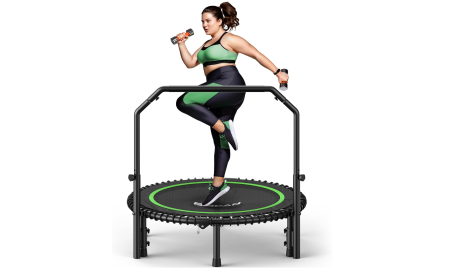
Jumping can be modified — from high jumps to gentle heel raises or rebounding — to suit your fitness level. Just be sure to avoid it if you have recent injuries, severe joint issues, or uncontrolled medical conditions.
Why This Trend Is Worth Keeping Around & Incorporating into Your Routine
Trends come and go — but this one’s worth sticking with.
Starting your day with a quick burst of joyful movement can help shift your entire mindset. You’ll feel lighter, more energized, and more connected to your body. And the best part? It takes less than two minutes, no fancy equipment required.
So whether you jump rope, bounce with music, or just jump in place, give it a try tomorrow morning. You might be surprised how something so simple can make you feel so good.
In the quiet of the night or the brightness of day, creatures of all kinds give in to sleep. Mammals curl up in nests and burrows, birds tuck their heads beneath their wings, fish slow their movements in the depths, and even some invertebrates slip into a state of rest. People, too, surrender to sleep and, in fact, spend a third of their lives in its grasp. And while sleep is universal, we have been trying to make sense of it for thousands of years. Thinkers like the ancient Greek physician Alcmaeon believed that sleep came when blood ceased to circulate from the heart to the brain. Aristotle, in turn, saw it as a way to restore the body’s delicate balance of heat and moisture. In their time, such theories held weight.
Today, our quest for knowledge delves deeper, spanning biology, neuroscience, and evolutionary theory. Yet, the essence of our curiosity remains: How did sleep evolve, why do its practices vary across cultures and epochs, why do we sleep, and what happens when we do? Gaining even a glimpse into the answers to these questions can deepen our understanding of our nightly journey into rest.
Evolution of Sleep
Sleep, when considered from a functional viewpoint, might appear disadvantageous. An organism that could remain awake continuously would be constantly active and better able to compete for vital resources. Additionally, this uninterrupted alertness could improve predator detection and evasion which might increase survival rates. The absence of sleep would also extend opportunities for social interaction and mating which could boost reproductive success. Moreover, more time awake could lead to greater learning experiences and help with skill development and quicker adaptation.
So, why do we sleep from evolutionary perspective? There is extensive research on this topic, broadly categorized into studies that examine proximate causes, focusing on immediate processes, and ultimate causes which provide evolutionary explanations. Proximate causes focus on the physiological, genetic, and biochemical processes that regulate sleep. For example, these theories investigate functions of sleep such as reducing the accumulation of adenosine and other metabolites in the brain. These are the focus of much of current research. Ultimate causes of sleep, conversely, provide explanations based on evolutionary benefits like boosting immune response, consolidating what we have learned while awake, facilitating dreaming, and conserving energy.
Conserving energy, for example, allows organisms to survive longer periods in environments where food resources are scarce or unpredictable. An enhanced immune response, in turn, reduces the likelihood of infections and increases the chances of survival. Additionally, consolidating what we have learned allows organisms to learn from past experiences such as identifying safe food sources or recognizing predators which directly impacts survival. Dreaming also offers an evolutionary advantage as it enables the simulation of various scenarios. This promotes creative problem-solving that can be applied in real-life situations.
Indeed, all these explanations appear convincing initially but they falter upon close examination. Take energy conservation, for instance—it is not a universal benefit of sleep. While it is clear that sleep lowers the metabolic rate in terrestrial mammals and birds, many aquatic creatures such as sharks and dolphins exhibit sleep-like states without experiencing the same degree of metabolic slowdown. Similarly, while the immune-boosting role of sleep appears significant in mammals and birds, it is less pronounced in certain species of insects and marine organisms. For example, insects such as ants and bees may rely more on organized group behaviors like maintaining clean nests or removing sick members to prevent disease spread, rather than on immune enhancements facilitated by sleep. In contrast, marine organisms like jellyfish use passive immune defenses such as mucus production to trap and neutralize pathogens, and these are not influenced by sleep cycles.
Furthermore, if sleep is necessary for learning, why would it occur in less complex entities like plants and unicellular organisms? Similarly, while the function of dreaming may be important among people, broader primates, or even all mammalian species, suggesting that it applies to creatures like slugs and ferns stretches credibility.
As these functions of sleep are not universally applicable and hence do not fully explain its evolutionary persistence, researchers have examined the distinction between day and night and how this cycle made sleep an adaptive trait.
As organisms adapted exclusively to daytime or nighttime environments, they tended to develop specialized functions and structures suited to those conditions. The challenge of evolving to thrive in both environments simultaneously could lead to compromises where an organism might not optimally fit into either setting. Continuous wakefulness across day and night would require adaptations to both light and dark conditions and the diverse species that inhabit each which would limit the effectiveness in any single environment.
Given that the day/night cycle predates life on Earth, it would be embedded in the biology of all species except for those isolated from these cycles like deep-sea creatures, cave-dwelling species, or microorganisms residing within other organisms. Therefore, adapting to either a diurnal or nocturnal environment is likely deeply encoded in our DNA, evidenced by the presence of sleep-wake cycles in all living beings.
Sleeping Patterns across History and Societies
Throughout history and across various cultures, sleep practices have varied. In feudal Japan, for example, samurai were required to wake up multiple times during the night to check their surroundings, especially when stationed at a camp or during times of war. For common people, however, the cultural expectations around sleep were more relaxed. There was no stigma associated with a tired craftsman sleeping on his mat or a boatman napping by his ferry post while waiting for passengers. In Japan, this practical approach to sleep prevailed: sleep wherever and whenever possible, as life allows.
In pre-industrial Scandinavia’s far north where winter nights were long, people often overslept to pass the time. During short summer nights, they slept less and made the most of every hour of daylight for work and leisure. When fatigue set in from long workdays and short nights, people would compensate with brief naps during the day or catch up on rest on cloudy and rainy days.
In Medieval Western and Central Europe, in contrast, segmented night sleep known as the watch was common. People would go to bed between 9 pm and 10 pm and wake up a few hours later. This period of nighttime wakefulness, lasting from around 11:00 pm to about 1:00 am, was used to tend the hearth, use the toilet, breastfeed infants, or check on farm animals. The watch also served as a time for religious activities, with prayers needing to be completed. For families, this was a chance to talk and connect, activities that daytime busyness often precluded. This time also allowed for intimate moments between husbands and wives and children resulting from these private encounters.
By the early 19th century, Europe had largely moved away from the two-sleep system. This change came with the Industrial Revolution which reshaped economic structures and work practices. Factories needed everyone to work at the same time so sleep schedules got tighter to accommodate the new work hours and staying awake at night became unfeasible.
The Role of Sleep across Life Stages
After we are born, we sleep quite a bit and it is for a good reason. By sleeping between 12 to 16 hours each day, our bodies are able to produce more growth hormone which is mainly synthesized during rest periods. This intense production of GH results in significant bone growth as this hormone is tasked with stimulating bone formation. As GH also promotes protein synthesis in the muscle tissues, large amounts of it lead to intense muscle development. Lastly, heightened GH levels due to long sleeping hours support more intense brain development as this hormone helps build complex neural networks.
In middle childhood, ages 6 to 12, we typically sleep 9 to 12 hours a day. During this period, when we sleep, the brain strengthens connections for developing new skills, such as understanding complex stories, while pruning away those no longer needed like early academic skills. This is known as neuroplasticity. While it is a lifelong process, its impact is particularly pronounced during middle childhood. During these years, children are adapting to increasingly complex academic subjects and social environments. They must process more information, solve more difficult problems, and interact in more nuanced social situations which requires them to learn at an accelerated pace. Heightened neural plasticity enables their brains to quickly and efficiently create pathways for new, more advanced skills and modify those that support previously learned abilities.
For teenagers, the optimal amount of sleep is 8 to 10 hours per night, with many experts recommending about 9 hours. During these years, the prefrontal cortex matures which improves capabilities in decision-making, planning, and problem-solving. This allows teenagers to weigh consequences when making decisions, anticipate scenarios and outcomes when planning, and devise strategies when solving problems. Sleep plays a key role in refining these abilities because it is during rest that the brain strengthens the neural connections associated with these cognitive tasks.
Additionally, during this period, adolescents encounter a wider range of social dynamics. Their social circles expand, and they are faced with a greater number of interactions, each distinct due to the different personalities involved. As adolescents interact more, their ability to interpret feedback from others improves which allows them to incorporate what they find beneficial and disregard what they deem irrelevant. This helps develop a more stable self-identity that is more aligned with their personal values and beliefs and less influenced by external pressure and superficial societal expectations.
Sleep plays an important role in this developmental process as when at rest, the brain processes the day’s social experiences. This helps strengthen the neural pathways involved in the cognitive understanding of social cues which enables teenagers to navigate their interpersonal environments more effectively.
As adolescents transition into adulthood, they generally require 7 to 9 hours of sleep per night. During this stage of life, the role of sleep shifts from growth and developmental refinement to maintaining peak cognitive efficiency. When at rest, the brain filters and organizes daily information which allows it to retain only knowledge essential for work, personal responsibilities, and lifelong learning.
With advancing age, people typically need 7 to 8 hours of sleep per night, although changes in sleep architecture like lighter sleep and more frequent awakenings reduce the efficiency of rest. Despite these changes, sleep remains essential for seniors as it helps mitigate the progression of cognitive decline and manage age-related physiological changes. Among these, sleep facilitates the clearing of metabolic waste harmful to brain neurons which helps reduce neurodegeneration. Waste such as beta-amyloid and tau proteins, if left uncleared, forms plaques and tangles that disrupt communication between neurons and contribute to the onset and progression of Alzheimer’s disease. The accumulation of alpha-synuclein, in turn, leads to the formation of toxic clumps which promote neuronal dysfunction and death in Parkinson’s disease and Lewy body dementia.
Additionally, in older adults, sleep becomes important for managing age-related challenges. During night sleep, for example, parathyroid hormone levels are higher, and this sends a stronger signal to the kidneys to maximize calcium conservation instead of excreting it. Without this sleep-associated mechanism, calcium loss would increase over time and contribute to bone weakening and worsening of conditions such as osteoporosis and osteopenia which are common among seniors.
What Happens When We Sleep?
At rest, our body cycles through two distinct types of sleep: non-REM and REM. Non-REM sleep is marked by slowed muscle activity, heart rate, and breathing, alongside slow brain waves and infrequent dreaming. This phase primarily serves to restore the body. In contrast, REM sleep features rapid eye movements, an active cortex, and vivid dreams. As this stage is characterized by dreaming, it is thought to support cognitive functions like learning and memory, alongside emotional regulation. Because dreams often replay recent experiences, they help consolidate new knowledge and form memories. Additionally, by presenting emotional scenarios, they assist in processing and making sense of emotions in a safe context.
Having important yet distinct functions, these two types unfold throughout the sleep cycle. This cycle begins with three non-REM phases known as N1, N2, and N3. N1 marks the onset of sleep and usually spans 1 to 7 minutes. During this phase, the body begins to relax but has not yet fully settled. Muscle tone decreases, though sporadic movements and muscle twitches still occur. Similarly, brain activity slows down but remains a blend of wakefulness and sleep.
As the body and mind have not yet fully transitioned to sleep, waking someone is straightforward. If undisturbed, however, they can swiftly progress to the next stage, N2. In this phase, the body achieves a calmer state with a slower heart rate and breathing, loosened muscles, and a decrease in temperature, along with reduced brain activity.
This second stage may continue for anywhere between 10 and 25 minutes in the initial cycle, with its duration extending as the night progresses. Altogether, this phase accounts for nearly half of the entire sleeping period.
The third stage, N3, represents deep sleep, and waking up from it becomes much more difficult. In this phase, the body becomes even more at ease as breathing, heart rate, and muscle tone slow further. Meanwhile, brain activity shifts to a distinct slow-wave pattern which is described as delta waves.
The duration of this stage also changes throughout the night. In the first few sleep cycles, it typically spans 20 to 40 minutes. As the night progresses, these phases reduce in duration, and a greater portion of the night is devoted to REM sleep.
Following these three stages, the body moves into a REM stage during which brain activity intensifies to levels akin to being awake. Simultaneously, muscle activity decreases, except in the respiratory and eye areas. Limb movement is inhibited and the postural muscles become almost entirely inactive to prevent any actions from dreams and thus protect the body from accidental harm.
In the early sleep cycles, this stage lasts for about 10 minutes. As the night continues, it becomes progressively longer and can extend up to an hour.
Factors That Affect the Sleep Cycle
A number of factors can influence the sleep cycle, including age, physical health, environment, caffeine and alcohol, and food.
Age and Physical Health
Age affects the duration spent in the different sleep stages, and this is especially evident in newborns. They enter REM almost immediately and spend a greater portion of their sleep in this stage. As children grow, their sleep patterns begin to resemble those of adults, with less time in REM sleep. This trend continues, with elderly persons experiencing even shorter REM periods.
Physical health also influences sleep architecture and the duration spent in both stages. Various conditions can lead to changes in duration, including chronic pain, cardiovascular issues, and others. Specifically, persons with chronic pain conditions like arthritis or fibromyalgia often experience frequent awakenings. These interruptions can prevent them from sustaining the deeper phases of non-REM sleep where the body undergoes most of its restoration. Likewise, poor cardiovascular health can disrupt the heart’s ability to maintain a steady, lower rate needed for non-REM sleep. This can shorten the duration of these deeper, restorative sleep phases.
Our Environment
The environment where we sleep impacts the body’s ability to transition through different sleep stages. Light or darkness in the room, in particular, play a key role in this cycling process. When it is dark, the pineal gland in the brain produces melatonin which signals to the body that it is time to sleep. However, in the presence of light, especially from screens, streetlights, and electronic devices, melatonin production is suppressed and the onset of sleepiness is delayed. As our bodies tend to follow a somewhat fixed schedule to complete all phases of sleep, such delays compress the available time for each sleep cycle.
In addition to light, temperature also affects the sleep cycle. In a room that is too warm, the body struggles to release heat which leads to discomfort and more frequent awakenings. This shortens deep sleep duration because after each awakening, the process of falling back asleep involves a period of light sleep before deeper stages are achieved again.
Noise levels also impact sleep quality, as sudden or continuous sounds can fragment sleep and reduce the time spent in deeper phases. Even if noise exposure does not fully awaken a person, short interruptions are likely to occur and shift brain activity toward a lighter sleep stage. This response is part of the body’s natural alerting mechanism, designed to prepare you for potential threats.
Additionally, poor air quality such as inadequate ventilation and uncomfortable humidity levels affect sleep. Insufficient ventilation results in low oxygen levels, and the body wakes up to increase the respiratory rate and intake of oxygen. Similarly, high humidity can make the air feel denser and more suffocating which triggers awakenings to increase the rate of breathing and airflow. These awakenings, in turn, disrupt restorative sleep.
Caffeine & Alcohol Before Bedtime
Caffeine and alcohol can significantly interfere with your sleep cycle.
Caffeine, found in coffee, tea, and many soft drinks, blocks adenosine, a brain chemical that promotes sleep. With this sleep-inducing effect inhibited, the onset of rest is delayed and the cycle and its stages shortened. Alcohol, which is depressant, disrupts sleep differently. Initially, it acts as a sedative which can make falling asleep easier. However, as the body begins to metabolize the alcohol, this sedative effect wears off and your brain activity starts to increase again. This increase in activity can cause you to wake more often and disrupt the continuity of deep sleep.
Meals Late in the Evening
When you eat a meal, several major systems in your body spring into action. The digestive system works on breaking down food and absorbing nutrients. Meanwhile, the endocrine system increases its production of insulin which signals cells to absorb glucose from the consumed food. The circulatory system is also engaged to supply blood rich in nutrients to the stomach and intestines so that they function effectively. With so many systems involved, the body struggles to reach the relaxed state needed to fall asleep which can delay the onset of sleep and shorten the overall cycle.
Exercising before Bedtime
Exercising stimulates the sympathetic nervous system which prepares the body to handle exertion. It does so by raising the respiratory rate to increase oxygen supply and elevating blood pressure to push blood more quickly and transport oxygen to the muscles which need it to generate energy for sustained activity.
With such heightened demands on these systems, the body struggles to reach a restful state which is necessary for sleep to occur. As with late meals, this postponement of sleep shortens the sleep cycle.
Tips to Improve Sleep Quality
Among the factors mentioned, some, like age, are beyond our control while others such as physical health may or may not be improved through our efforts. Other factors that we can control to improve sleep quality include creating a conducive environment, steering clear of caffeine, alcohol, and large meals before bedtime, and avoiding exercise prior to sleep. Beyond these measures, there are further steps you can take to ensure restful sleep.
Improving Sleep Quality through Your Evening Meal
Ideally, you should consume dinner about three hours before bedtime to allow for digestion. Beyond timing, the foods to include in your evening meal should be rich in nutrients that increase the production of sleep-inducing hormones such as melatonin and serotonin. Examples of such foods are turkey and chicken which are rich in tryptophan, an amino acid that the body converts to serotonin and then melatonin. Therefore, you may want to consume a moderate serving of these, about the size of a deck of cards. Combine them with complex carbohydrates like whole grains to improve the absorption of tryptophan. A good example would be having a small turkey sandwich on whole-grain bread or a portion of grilled chicken with quinoa.
With your meal, consider including a small glass of warm milk or a cup of yogurt, both rich in tryptophan. These dairy products also contain calcium which helps convert tryptophan into melatonin.
Additionally, you can eat magnesium-rich foods to support muscle relaxation and nerve function. Good options are one cup of cooked spinach or a handful of almonds.
Supplements
Nutritional supplements, including mixes and CBDgummies, can help improve the quality of sleep. Among these, hot chocolate mixes enriched with magnesium, L-theanine, melatonin, apigenin, and Reishi mushroom are particularly effective due to their sleep-enhancing properties. These supplements, with their magnesium content help relax the muscles and nervous system which can make it easier to fall and stay asleep. L-theanine, an amino acid, increases the levels of GABA, serotonin, and dopamine in the brain which slows its activity and prepares it for sleep. Reishi mushroom, another valuable ingredient, contains compounds known as triterpenes. These help soothe the nervous system and lower stress hormone levels such as cortisol which smooths the transition to sleep. Apigenin, a compound found in many plants, binds to and activates GABA receptors in the brain. These receptors help reduce neuronal activity which leads to relaxation and facilitates sleep. Lastly, melatonin in these supplements mimics the body’s natural hormone that signals it is time to sleep.
The Right Bed for Good Sleep
A bed that promotes restful sleep is sturdy enough to minimize shifts throughout the night. This stability is especially important for those sharing a bed since one person’s movement can disturb the other’s sleep. Ideally, it also features a mattress of medium firmness that is neither too hard nor too soft. A mattress that is too soft can let the body sink excessively which creates pressure points. On the other hand, a mattress that is too firm can be uncomfortable because it does not adequately cushion these pressure points. A medium-firm mattress, in contrast, strikes the right balance between cushioning to minimize discomfort and support to prevent sinking. Moreover, a mattress of medium firmness aligns the spine properly which helps reduce back pain and improve sleep quality, a fact supported by research.
One study, for example, looked at whether a medium-firm mattress could reduce musculoskeletal pain and improve sleep among 40 older adults in a nursing home, all of whom experiencing chronic pain. Their pain levels were measured using the Pain Visual Analog Scale and sleep quality was assessed through actigraphy over a course of 4 weeks. The findings showed a notable reduction in symptoms, with lower back discomfort decreasing by 56%, neck stiffness by 58%, and upper back strain by 67%. Moreover, the medium-firm mattresses were found to shorten the time it took to fall asleep by an average of 46 minutes compared to a high firm mattress.
In addition to firmness, a mattress that absorbs heat and cools the body, known as a high-heat-capacity mattress, can help improve sleep. Research has confirmed these benefits for both women and men. One study involving 24 women who were in menopause, for example, found that those who used a high-heat-capacity mattress experienced a 2.1% increase in deep sleep compared to a low-heat-capacity model. The women also showed improved slow brain wave activity during the first sleep cycle which is associated with feeling more rested.
Another study involving 32 healthy men also examined the impact of a high-heat-capacity mattress on deep sleep compared to a conventional one. The results showed that the temperature-regulating mattress led to a noticeable increase in deep sleep (stage N3) and an improvement in slow wave energy.
Calming Your Mind
A helpful way to fall asleep more easily is to establish calming bedtime practices that signal to your brain it is time to wind down. These could include reading a book or listening to an audiobook that promotes calm, journaling to capture lingering thoughts and clear your mind, or creating a gratitude list to highlight positive moments and shift your focus away from stress.
Other techniques to try could be listening to soft music or a guided sleep story and using an adult coloring book for its repetitive movements that ease mental tension and promote relaxation. You can also engage in creative activities such as knitting, crocheting, or simple crafts that focus attention on the task at hand and divert it from distracting thoughts.
To further calm the mind and promote relaxation, you can try various meditation techniques, including mindfulness, body scan, mantra, and guided meditation and self-hypnosis.
Mindfulness meditation is one effective technique where you focus your attention on your breath, bodily sensations, or immediate surroundings. This anchors the mind in the present and breaks the constant cycle of analyzing the past or anticipating the future. As a result, mental tension decreases which allows the nervous system to shift into a state of relaxation. Body scan meditation, another useful approach, involves focusing on each part of the body, from head to toe. This practice helps you to spot areas of tension and consciously relax them.
While body scan targets sensations, mantra meditation centers on mental repetition. In this practice, you concentrate on repeating a specific word or phrase which gives you a single point of focus. This prevents the mind from wandering to intrusive thoughts which often carry emotional weight and can provoke stress responses.
Another method that relies on repetition is self-hypnosis which involves repeating affirmations or consistently visualizing peaceful scenarios. This technique also helps focus attention toward a single stimulus and blocks out irrelevant thoughts. As a result, the conscious mind quiets which fosters a state of calm.
Unlike these techniques which rely on conscious effort, guided meditation shifts responsibility to external direction. A recorded voice leads you through relaxation exercises, visualization, or controlled breathing and you follow along. This guidance acts as a structured anchor for your attention and prevents the mind from drifting into worry or anxiety.
Relaxing Your Body
To enhance physical relaxation, consider enjoying a warm bath with soothing scents, soaking your feet in water with Epsom salts, or applying a compress or a heating pad to tense areas like the neck or shoulders.
Additionally, you can explore different breathing techniques that allow you to manage the speed of your breath to set a deliberately slow rhythm that signals your body it is time to shift from activity to rest.
One such method is diaphragmatic breathing where you inhale slowly through your nose so that your abdomen expands and then exhale gently through your mouth so that it contracts.
Another technique is 4-7-8 which involves taking a slow, deep breath through your nose for 4 seconds, holding your breath for 7 seconds, and then slowly exhaling through your mouth for 8 seconds. Box breathing, a third method, establishes a different rhythmic pattern where you use a consistent four-second count for each step: inhaling, holding the breath, exhaling, and holding again.
Also a rhythmic method, coherent breathing consists of inhaling and exhaling for six seconds each which adjusts your breathing rate to about five cycles per minute. Lastly, pursed lip breathing is a technique that requires you to inhale slowly through your nose for two counts and then exhale steadily through pursed lips for four counts.
Along with controlled breathing, gentle exercise can be an effective way to signal the body to slow down. Exercise performed at a slow pace allows the body to gradually ease from a state of high activity to one that is more relaxed and ready for rest. Examples of such exercises include tai chi, static stretching, and gentle yoga.
Tai chi, for example, is characterized by slow, controlled movements such as gradually shifting your weight from one leg to the other, slowly extending the arms, and gently rotating the torso.
Static stretching, in turn, involves gentle motions such as side leans where the upper body gradually shifts to one side, neck tilts that slowly move the head to one side, and controlled chest openings in which the arms are drawn outward and back in a fluid, continuous movement.
Similarly, gentle yoga focuses on slow movements in poses such as cat-cow, dynamic seated side bends, standing forward folds, and butterfly stretches. The cat-cow pose, for example, involves gently arching your back, lifting your head, and pushing your stomach downward. Then you slowly round your spine, tuck your chin, and bring your tailbone down. Another fluid pose, dynamic seated side bends require sitting with legs crossed or extended, slowly reaching one arm overhead, and leaning to the opposite side. The standing forward fold, also done at a slow pace, involves hinging at the hips and gradually lowering the upper body toward the legs while letting the hands rest on the floor, ankles, or shins.
With the same gradual focus, the dynamic butterfly stretch consists of sitting with the soles together and your knees dropped outward. From this position, you press down on your thighs to deepen the stretch and then lift and lower your knees in a smooth, controlled motion that mimics the fluttering of butterfly wings.
What Are Sleep Chronotypes and How Discovering Yours Can Benefit You?
We all have certain times of the day when we prefer to do certain things. Some people start their day early with a vigorous workout and dive into high-focus tasks while others might still be hitting the snooze button, slowly waking up to a more relaxed start. In the afternoon, those who wake up with the sun often spend their energy on getting through their to-do lists or handling quick, administrative tasks that require less creative input. Meanwhile, those who rise later plunge into more demanding, creative tasks as their energy peaks. As evening approaches, the early starters might unwind with a good book or some calming music. Those who thrive at night, however, are just hitting their stride, perhaps going out for a lively night on the town or starting a new venture to make the most of their peak energy times.
This variance in energy throughout the day is not random but is influenced by our chronotype. These patterns, which determine when we are most alert and productive and when we need to rest, can be categorized in different ways. One useful classification is Dr. Michael Breus’s system which divides people into four categories: lion, bear, wolf, and dolphin.
Lion
The lion chronotype, a morning type, typically wakes up around 6 am and reaches peak productivity before noon during which they focus on more intense tasks. From noon to 4 pm, they shift focus to lighter, less demanding activities that require less concentration. The evening, from 4 pm to 9 pm, is their time to ease down, and they go to bed between 9 pm and 10 pm.
For those identifying with the lion type who feel a slump in energy in the early afternoon, a break around 1:00 pm to 2:00 pm can help recharge and refresh you. This way, you will stay sharp and productive for the rest of the afternoon while still getting to bed early. Additionally, considering your schedule of early waking, breakfast, and an earlier lunch, the foods you choose for your lunch should provide sustained energy to counter the early afternoon energy dip. Good options include complex carbohydrates like whole grains and oats and lean proteins such as chicken, turkey, or tofu.
Bear
The bear chronotype also wakes up early, between 7 am and 8 am, and is most productive between 10 am and 2 pm. Early afternoon, from 2 pm to 4 pm, is reserved for light tasks such as responding to emails and planning the next day’s schedule. From 4 pm to 10 pm is the time for relaxing activities like reading, enjoying leisurely walks, or having dinner with family. The typical sleep hours for this chronotype are from 11 pm to 7 am, and insufficient rest can lead to a sluggish feeling during the day.
To make the most of this natural rhythm, if you are a bear, try adding a few short breaks between 10 am and 2 pm, your most productive hours. This can help keep your energy up and prevent you from feeling too drained by the evening.
Your diet could also benefit from some minor adjustments. As a bear, you likely wake up and go to bed at times that align with the typical 9-to-5 schedule and follow standard meal times that are sufficient to sustain you throughout most of the day. Thus, to combat the energy dip you experience in the early afternoon, you can just have a snack which is more about providing a light but effective pick-me-up. Good options for an afternoon snack could include a handful of almonds, Greek yogurt with a sprinkle of chia seeds, a hard-boiled egg, or a slice of turkey breast wrapped around some cheese.
Wolf
The wolf chronotype is next, with wake-up times between 7:30 am and 9 am. Unlike the other two groups, the time before lunch, 10 am–12 pm, is for lighter tasks like reviewing daily agendas and preparing briefs. Early afternoon, 12 pm–2 pm, is when their first creative burst occurs, a time suited for intensive or creative tasks such as developing strategies or crafting detailed reports. Then between 2 pm and 5 pm, they typically work on less intense tasks like data analysis or scheduling meetings. From 5 pm to 9 pm comes their second burst of energy, ideal for engaging in creative projects like graphic design or composing music. Between 9 pm and 10 pm, wolves relax from the day. Bedtime preparations are between 10 pm and 12 am, and sleep time is from 12 am to 7:30 am.
This daily energy pattern, if you are a wolf, would benefit from taking breaks before your most productive phases in the early afternoon and evening. This ensures you have the energy to fully engage during those peak times.
Furthermore, as a wolf, you tend to wake up and have breakfast later, around 9:00 to 9:30 am. This breakfast at a later than usual time should be able to sustain you through your productivity peak from noon to 2 pm, especially if it is hearty. Suitable options for a satiating breakfast include oatmeal with nuts and berries or eggs paired with whole-grain toast and avocado. Then you can have lunch right after your productivity peak to replenish your energy.
Dolphin
The dolphin chronotype is the last group which only sleeps around 6 hours a night. They are sensitive to noise, easily awakened, and experience fragmented sleep which is why they often struggle with daily tiredness.
Despite their lack of restful sleep, dolphins wake up between 6:30 am and 7:30 am. From 8 am to 10 am, they engage with easy to-dos such as reviewing light paperwork and mapping out key objectives. From 10 am to 12 pm is the only window when dolphins can concentrate on demanding tasks such as strategic planning and complex analyses. Between 12 pm and 4 pm, they handle routine tasks such as updating project statuses or organizing files. From 4 pm to 10 pm, they typically engage in relaxing activities such as simple home DIY projects or light gardening. They begin to wind down from 10 pm to 11:30 pm and sleep between 12 am and 6:30 am.
Given this tendency for short, disrupted sleep in the dolphin chronotype, if this describes you, you might want to take a short, restorative break after your peak concentration later in the morning, as energy levels often dip following an intense focus period.
Additionally, for a dolphin, an effective dieting strategy would involve well-timed lunch and afternoon snacks. As you are most productive between 10 am and noon and then the lack of restorative sleep might catch up with you, you may face an energy dip. So, scheduling lunch around 12:00 pm to 12:30 pm can help replenish your energy levels to counteract afternoon fatigue. A balanced meal for this time of the day could include a brown rice bowl with salmon and mixed vegetables or a whole-grain wrap filled with turkey, spinach, and a spread of hummus. Additionally, an afternoon snack between 3:00 pm and 3:30 pm can offer a boost to sustain you until dinner and prevent further energy slumps. Suitable snack options for this time include a few slices of cheese with whole-grain crackers, a banana with peanut butter, or carrot sticks with guacamole.
Can You Alter Your Chronotype?
Since you, like all of us, tend to align more closely with one chronotype than the others, you may wonder whether you can change it to better fit your schedule or other needs or you should work around it as suggested.
Research increasingly addresses this question, particularly the role genetics play in our sleep pattern. For instance, one large-scale study with over 128,000 participants from the UK Biobank sought to identify genetic variants that influence whether we are morning or evening types. This research identified sixteen genetic variants, including ones near circadian rhythm genes like RGS16 and PER2, linked to a preference for morningness. Additional validation came from analyzing data from 89,283 participants which confirmed these genetic associations.
Another study investigating the genetic influence on chronotype analyzed DNA samples from persons who were either extreme morning or extreme evening types. Researchers focused on 19 genes known to be linked to sleep patterns and examined thousands of small genetic variations within them. They identified 83 variations that appeared to predict whether a person was more inclined toward a morning or evening chronotype. Some of these genetic markers had been previously recognized while others were newly discovered, including variations that may influence how the body processes sleep signals.
In addition to hereditary factors, another area of research suggests that variations in chronotype may have evolved as a survival strategy among hunter-gatherers. This idea was first proposed by Frederick Snyder in his Sentinel Hypothesis. He suggests that in early societies, persons with different sleep-wake cycles—some staying awake later and others waking earlier– provided continuous vigilance against potential threats such as predators or rival groups.
To test the validity of this hypothesis, one study investigated sleep patterns at a group level in an environment similar to that of early humans: the Hadza hunter-gatherers. The study aimed to explore if it was uncommon for all group members to be asleep simultaneously at night. They used actigraphy, a method that tracks sleep by detecting movement–less movement indicates sleep while more movement suggests wakefulness or light sleep.
The study revealed that the Hadza people often remained awake during the night. On average, about 60% of group members were found to be asleep at any point during the night while approximately 40% remained awake. Specifically, the number of persons awake at once during the night varied from 5 to 12 out of a maximum of 22 people, with a typical count being about eight people awake. Over the course of 20 nights, there were only 18 instances, each lasting one minute, where all members were asleep at the same time. This was extremely rare and happened in just 0.002% of the time measured.
Given these patterns, these findings support the idea that variations in chronotype could indeed serve as a survival mechanism which allows groups to maintain vigilance around the clock. Thus, a staggered sleep-wake cycle ensures that someone is always awake to monitor for dangers which enhances the group’s overall safety.
With studies suggesting that biology and evolutionary adaptation have influenced chronotypes, switching your own to fit your schedule or needs may not be straightforward. Instead of attempting a change, you can work around your rhythm to minimize its drawbacks, as with the strategies for scheduling breaks and adjusting diet for each type.
What Are the Effects of Not Getting Enough Sleep?
Compromised Coordination and Balance
If you don’t get enough sleep, you might find yourself literally tripping as you go about your day, and studies have indeed shown this to be true. One study, in particular, looked at how lack of good-quality sleep affects balance. The study involved 30 healthy adults who wore a wrist actigraph to monitor their daily activities and sleep patterns. Then participants underwent various tests to assess their stability under different conditions, including balancing on a tilting platform and standing still with eyes open and closed. The results revealed that participants with poorer sleep quality, especially those who often woke up at night or had inefficient sleep, struggled with both dynamic balance tasks and static standing stability. This was especially pronounced in tests where they couldn’t rely on their vision, like with eyes closed.
Another study examined the effects of sleep deprivation on gait. This research included 30 young participants who had no known sleep disorders, sensory, cognitive, or motor deficiencies, or prior familiarity with the testing procedures used. As part of the study, the researchers aimed to evaluate how effectively participants synchronized their steps with sound cues after experiencing varying levels of sleep loss (acute, chronic, and no sleep loss as a control). The findings showed that after one night of sleep deprivation, participants struggled to keep pace with the sound, made more timing errors, and missed cues more often. Those who regularly got too little sleep also struggled, typically being slower to step in time with the sound compared to the control group. However, they performed slightly better than those deprived for just one night which suggests that the body might have a way of adjusting to less sleep over time.
Weakened Immune System
Missing out on sleep regularly could increase your risk of developing various health issues, as recent research suggests. One 2023 study, for instance, explored how chronic sleeplessness impacts the immune system and the likelihood of infections. The researchers compared 42 patients with long-term insomnia to 47 individuals without sleep problems. In doing so, they examined various health indicators such as blood counts, immune cell types, and protein levels in the blood.
The results showed that those with chronic insomnia had significant differences in several health markers. These included decreased red blood cell counts, lower hemoglobin levels, and reduced numbers of specific immune cells such as CD4+ T-lymphocytes and CD19-lymphocytes which suggest compromised immune function. The ratios of different immune cell types also showed variation which indicated that participants’ immune systems were functioning abnormally. Additionally, they experienced more clinical infections which further suggests that poor sleep might weaken the body’s ability to fight off illness.
Anxiety and Depression
While everyone knows that a restless night can leave you on edge the next morning, continuous lack of sleep can evolve into serious mental health issues. Indeed, research suggests that sleep deficits can lead to the development of anxiety and depression.
One study, for example, reviewed findings from various large databases to explore the connection between insomnia and depression. Researchers analyzed data from 34 studies that included over 172,000 people who were followed for an average of about 5 years. Their analysis found that people with insomnia were more than twice as likely to suffer from depression compared to those without sleep problems.
Another study looked into how insomnia might lead to anxiety and depression. Researchers tracked over 19,000 people with insomnia alongside over 38,500 participants without sleep disorders for four years. The results revealed that those suffering from insomnia had nearly nine times the risk of experiencing anxiety and a similar risk for depression. However, the analysis also uncovered variations in risk among different subtypes of chronic sleeplessness. Persons with recurring insomnia faced the highest risk, followed by those with persistent symptoms, and finally those whose symptoms had subsided over time.
Furthermore, the study found that persons with sleep disturbances were nearly 18 times more likely to develop both mental health conditions simultaneously.
Cardiovascular Disease
Not getting enough sleep can raise your blood pressure and harm your heart health. Research supports this as well, with studies suggesting that insomnia is linked to an increased risk of hypertension. In line with this research, one study drew on data from large US hospital databases. The researchers focused on patients diagnosed with sleep deprivation and compared them to those who didn’t have sleep issues. The analysis showed that of over 28 million patients studied, about 2.1% were identified with sleep deprivation. These patients had a 30% higher chance of developing hypertensive heart disease—a condition related to high blood pressure causing heart problems—compared to those without sleep issues.
A second study examined persons with insomnia marked by psychological hyperarousal. Unlike typical insomnia sufferers who often feel drowsy during the day and can fall asleep easily, this group remains unusually alert and struggles to fall asleep even when fatigued.
In this research, 219 persons with long-term insomnia (lasting six months or more) and 96 people who slept normally were examined. They all spent a night in a lab for sleep observation and then took a sleepiness and alertness test. The findings showed that people who took longer to enter sleep during the test were significantly more likely to have high blood pressure. Specifically, persons who took more than 14 minutes to fall asleep were three times more likely to develop hypertension while those who took longer than 17 minutes had a fourfold increased risk.
Diabetes
Chronic sleeplessness has been linked to an increased risk of diabetes, according to research. Studies indicate that people who struggle to fall or stay asleep often have higher blood sugar levels which can lead to the development of diabetes.
One such study looked at the effects of various sleep traits on blood sugar levels. The traits the researchers focused on included napping, feeling drowsy during the day, sleep duration, symptoms of insomnia, and whether a person is a morning or evening type. Across participants with these five patterns, the researchers measured the concentration of a marker known as glycated hemoglobin which increases as blood sugar levels rise. The results showed that persons who frequently experienced insomnia tended to have higher glycated hemoglobin levels. This finding led researchers to conclude that chronic sleeplessness may play a role in the development of type 2 diabetes.
Weight Gain
Even just a few nights of poor sleep can increase cravings for snacks and sugary foods. It is not surprising then that consistently missing out on sleep can lead to extra weight gain.
This relationship between sleep deprivation and weight gain has sparked curiosity among researchers as well. One study, for example, explored how the amount of sleep people get might affect their chances of being overweight or obese. Researchers looked at three sleep patterns, specifically – short (less than 7 hours), normal (7 – 9 hours), and long sleep duration (more than 9 hours). They used statistical models, including logistic regression to analyze whether these sleep patterns increased the likelihood of being overweight or obese. The findings revealed that those who slept for long durations had a 37% higher prevalence of obesity compared to the normal sleep group. Even more striking, persons who slept less than 7 hours experienced an 82.5% increase in overweight incidence.
Stress
Sleep deprivation has been found to raise cortisol levels, with plenty of research supporting this.
One recent study, for instance, examined how cortisol levels vary during sleep in persons with chronic insomnia compared to those who sleep well. The study involved 33 participants from whom researchers collected blood samples at various times throughout the night and early morning. They discovered that while cortisol was the highest in the morning for both groups, in people with insomnia, cortisol levels were significantly higher during periods of wakefulness at night.
Another study investigated how severe insomnia impacts cortisol levels in the morning, as opposed to at night. Researchers enlisted adults between 25 and 60 years old who had been diagnosed with chronic insomnia. The participants underwent overnight monitoring in a sleep laboratory where their sleep patterns were observed. Blood samples were also collected the following morning to measure their cortisol levels. The results showed that persons identified with severe insomnia through tracking of sleep patterns also had elevated cortisol levels in their morning blood samples.
Neurodegenerative Disorders
There is extensive body of research linking ongoing lack of sleep with diseases like dementia, Alzheimer’s, and Parkinson’s. One such longitudinal study looked at whether having insomnia could increase the risk of developing dementia. The study tracked 22,078 participants who initially showed no signs of cognitive decline or stroke. Over an average of 19.2 years, the researchers tracked the onset of dementia through national registers and assessed sleep patterns using the Karolinska Sleep Questionnaire. They found that participants with insomnia symptoms were 18% more likely to experience cognitive decline compared to those without, after considering factors like age, sex, education, and health habits. Additionally, difficulty initiating sleep was associated with a 24% increased risk of cognitive decline.
Besides dementia, researchers have also investigated how insomnia may influence the risk of developing Alzheimer’s. In particular, one longitudinal study over three years examined whether interrupted sleep patterns could be linked to the onset of Alzheimer’s disease. The study followed 737 older adults without dementia over this period. The researchers used an actigraphy device to monitor their sleep for up to ten days and assessed the participants’ mental functions annually through 19 different tests. They discovered that persons with more frequent interruptions had a higher risk of Alzheimer’s. Specifically, those with the most fragmented sleep had a 1.5 times higher risk compared to those with the least interrupted. Additionally, increases in disruption were linked to a faster decline in cognitive abilities each year.
Lastly, research has investigated the link between non-apnea sleep disorders such as insomnia and the risk of developing Parkinson’s disease later in life. One notable large-scale study involved 91,273 adult patients who had non-apnea sleep disorders but no pre-existing Parkinson’s disease. These patients were compared with an equal number of people without sleep disorders, matched by gender, age, overall health condition, urbanization, and income. During the follow-up period, it was found that patients with non-apnea sleep disorders had an 18% higher likelihood of developing Parkinson’s disease. Notably, those with chronic insomnia had a 37% higher risk compared to those without sleep problems.
Wrapping Up
Sleep takes up a good portion of our lives, hours that could be spent working, eating, or exploring. Yet no one—those long gone, walking among us, and yet to be born—can escape its pull. It is not a choice, not a habit but something built into us from the start. Fight it all you want, delay it with excitement, drown it in noise, push through with sheer will but eventually, it takes its turn, as it always has and always will.
FAQ’s
How long can you survive without sleep?
The exact duration you can survive without sleep isn’t precisely known and can vary widely from person to person. In documented cases, people have stayed awake for 8 to 11 days without lethal consequences but they experienced significant cognitive deficits, hallucinations, and physical symptoms during that time.
Randy Gardner, who went through one of the longest documented periods of intentional sleep deprivation without using stimulants, stayed awake for 264 hours (11 days). He experienced mood changes, slurred speech, problems with concentration and short-term memory, paranoia, and hallucinations.
What are the warning signs of severe sleep deprivation that should not be ignored?
Serious sleep deprivation can lead to more concerning symptoms beyond general tiredness and moodiness. One such warning sign is microsleeps—brief, involuntary episodes of sleep that occur while a person is awake. These can be particularly dangerous while driving or operating machinery, as they can impair reaction times and awareness.
Another serious indication of severe sleep deprivation is hallucinations in which the brain struggles to differentiate between sleep and wakefulness and blends dream-like images with reality. This can cause people to see or hear things that are not there which is not only distressing but can lead to poor decision-making and a higher risk of accidents or injuries.
Serious memory lapses also occur due to a lack of sleep and can manifest in startling and often alarming ways. For instance, a person who is severely sleep-deprived might forget their address and how to navigate back home from a familiar location. Or they might forget to pick up a child from school, leave a baby unattended in a car, neglect to take important medication, or miss a medical appointment or test. All of these can have dire consequences for health and safety.
Furthermore, a severely sleep-deprived person may experience muscle weakness throughout the body. This is because the brain struggles to send signals to the muscles which causes delayed contractions and a loss of strength. As a result, a person can experience hand tremors with serious consequences. For example, they may find it difficult to maintain control of the steering wheel or bicycle handlebars which can lead to accidents. They might also be unable to administer medication properly, with this resulting in overdoses or missed doses. Additionally, they might struggle to hold utensils or cups steadily which can cause choking. Furthermore, weak leg muscles from sleep deprivation can cause falls, impair the safe handling of heavy weights, and limit the ability to escape or help others during emergencies.
Lastly, slurred speech can also result from extreme sleep deprivation. Lack of rest affects the brain’s ability to regulate the timing and coordination of muscles necessary for clear speech. This, in turn, causes speech to become garbled and difficult to understand which can have serious consequences. For example, miscommunication while giving safety instructions at work or in a medical emergency can led to errors with potentially grave outcomes. Slurred speech also increases public safety risks when professionals like firefighters, air traffic controllers, emergency responders, and law enforcement officers are unable to communicate clearly during crises.
What is the right amount of sleep for you?
Most adults should aim for 7 to 9 hours of sleep each night, although the exact amount can vary based on factors such as age, genes, lifestyle choices, and overall health.
Whether you sleep for 7 or 9 hours, the quality of your sleep matters. This involves sleeping through the night without interruptions, and if you do wake up, whether you can fall back asleep easily. Also, if you wake up feeling rejuvenated and ready to start your day in the morning, the exact hours of sleep you got might not be as important.
How does setting a regular bedtime improve sleep quality?
Adopting a fixed bedtime signals the body to prepare for sleep at the same time each night. This ensures that processes that facilitate sleep such as a drop in body temperature and the secretion of hormones that induce sleepiness occur at consistent times. Moreover, this regular bedtime schedule trains the body to initiate the process of waking up at a set time each day. This involves a rise in body temperature and increase in hormones that promote wakefulness like orexin and cortisol.
In addition to setting a regular bedtime, managing the timing of daytime naps can improve sleep quality. While short power naps can refresh and boost alertness, those exceeding 20 to 30 minutes, particularly in the late afternoon or early evening, may cause difficulty falling asleep at night. This occurs because extended napping reduces the accumulation of adenosine, a sleep-inducing chemical that builds up in the brain throughout the day to promote sleepiness in the evening.
How important is a regular sleep schedule, what are the effects of disrupting it, and how can it be improved?
A regular sleep schedule improves your overall health and daily effectiveness. This benefit of consistent sleep routines was confirmed by experts assembled by the National Sleep Foundation who reviewed extensive research and formed a consensus through a voting process. The experts concluded that maintaining a regular sleep schedule is key for optimal health, performance, and safety. In line with these conclusions, the scientific community has established that irregular sleep poses health risks.
A growing body of research indicates that people who frequently alter their bedtime or wake-up time may be more prone to issues like heart disease, diabetes, and obesity.
The negative impact of irregular sleep schedules on heart health, in particular, has been the subject of many studies. One of these studies specifically focused on how having irregular sleep schedules might increase the risk of serious problems such as heart attacks, strokes, and heart failure. The researchers tracked the sleep habits of over 72,000 adults for about eight years and found that people with highly erratic sleep patterns had a 26% higher risk. Meanwhile, those with moderately inconsistent sleep schedules had an 8% higher risk compared to people who maintained a regular sleep routine. Even getting enough total sleep each night did not fully protect people who had extremely inconsistent routines.
In addition to heart disease, research has examined the connection between inconsistent sleep schedules and diabetes. One such study involved 73,000 participants whose sleep patterns were monitored over 8 years. The results indicate that adults with irregular schedules faced a 38% greater chance of developing type 2 diabetes while those with moderately inconsistent habits had a 35% higher likelihood compared to adults with regular sleep routines. Even participants who regularly got at least seven hours of sleep each night still faced this increased diabetes risk if their sleep timing varied greatly.
Alongside diabetes, inconsistent sleep has also been linked to an increased risk of obesity. One of the studies examining this relationship involved over 6,000 older adults and found that variability in nightly sleep duration and daytime napping habits affect obesity risk. Specifically, each hour of variation increased the likelihood of obesity by 63% in men and 22% in women. Additionally, each extra hour of napping raised obesity odds by 23% in men and 29% in women.
In addition to physical health problems, research has linked irregular sleep with mental health issues like anxiety and depression. One study that investigated this link looked at data from over 3,000 people to see if changes in how long, how well, and when they slept were linked to symptoms of anxiety and depression. The researchers found that people whose sleep duration varied a lot from day to day reported more symptoms of depression. Interestingly, more variability in how efficiently people slept was associated with fewer symptoms of anxiety.
Given these health risks, establishing consistent bedtime and wakeup time might be beneficial. To do this, first determine how many hours of sleep you need and then choose a bedtime that lets you wake up when you need to each morning. For example, if you find that you function best with eight hours of sleep and you need to be up by 6 am, plan to go to bed by 10 pm.
While this schedule may be manageable during the workweek when most activities wind down in the evening, weekends might tempt you to break it completely to enjoy some leisure time. However, you can still maintain a balance between your social life and your routine without drastic changes. If you have plans for a night out, it is okay to go to bed an hour later than usual but try to wake up close to your regular time the next morning. For instance, if you typically wake up at 7 am, allowing yourself to sleep until 8 am is reasonable. You may find a short nap helpful to recharge but maintaining your usual wake-up time helps avoid the dreaded Monday morning slump.
How can I adjust my sleep schedule if I work night shifts?
To adjust your sleep schedule for daytime rest, you need to reduce exposure to light after finishing a shift. One thing you can do is wear dark sunglasses on the way home. This helps block bright light which signals the brain that it is daytime. Additionally, you can choose a route with less direct sunlight such as shaded streets or underground transportation, when possible, to further minimize light exposure. If commuting by car, you can use window tinting films to reduce brightness inside the vehicle. Avoid stopping for errands in well-lit environments like grocery stores or brightly lit gas stations as even brief exposure to strong artificial lighting can delay the body’s readiness for sleep.
Once home, standard advice applies—minimize sources of light with blackout curtains, use white noise machines or earplugs to mask daytime noise if needed, and set the room temperature between 60 and 67°F to support deeper sleep.
Additionally, you will need to structure sleep timing around your shift hours which can be done in two ways. For instance, some people sleep in one continuous block immediately after work, such as from 8 a.m. to 3 p.m. This schedule mimics a natural sleep pattern and allows for a complete progression through the sleep stages. This includes deeper sleep which aids recovery and REM which is associated with dreaming, learning, and memory.
Alternatively, some find it more effective to divide their sleep into two segments, like taking a nap before the shift and then sleeping again after work. For example, a person working from 10 pm to 6 am might take a three-hour nap in the evening and then sleep for four to five hours in the morning after returning home.
This sleep schedule is better suited to certain types of work and personal lifestyles. For instance, healthcare professionals who often work extended shifts could benefit from sleeping for a few hours before their shift starts. This helps ensure they can remain alert throughout a demanding 24-hour shift. Similarly, long-haul truck drivers might take a rest before starting a long drive to ensure they stay sharp and safe on the road. They can then take another period of sleep after completing their route.
Likewise, with planning around lifestyle needs, splitting sleep can be helpful. For example, parents who need to match their sleep schedules with childcare responsibilities might opt for split sleep. They may sleep for a few hours before their shift when the children have gone to bed. Then they could sleep again while the children are at school so they are active and available during their child’s after-school hours.
How does jet lag affect sleep and how can it be minimized?
With jet lag, the body remains tuned to the daylight and nighttime hours of the home location, despite these being different times at the new destination. This mismatch between the body’s internal clock and the local time can lead to feelings of alertness during nighttime and fatigue during the day at the new location.
To minimize these effects, you can gradually adjust your sleep schedule before your trip. For instance, if you are traveling east, you can go to bed and wake up an hour earlier each day, relative to the previous one, for several days before your departure. Conversely, if you are heading west, you should shift your bedtime and waking time later.
Upon reaching the destination, you should engage in outdoor activities during daylight hours as much as possible. Exposure to natural sunlight suppresses melatonin production which keeps you alert during the day. Then at night, you should stay in a dimly lit environment so that melatonin production increases at the right time.
What are sleep disorders?
Everyone experiences a restless night from time to time, perhaps due to stress, illness, or noise disturbances. However, a sleep disorder is more than just an occasional annoyance – it is a persistent issue that often gets in the way of getting good sleep.
And sleep disorders aren’t just one condition but include a variety of types. Insomnia, for example, involves regularly struggling to fall asleep or waking up in the middle of the night and not being able to go back to sleep. Sleep apnea is another common disorder where repeated pauses in breathing throughout the night lead to oxygen deprivation and frequent awakenings. In severe cases, these pauses can occur multiple times per hour, with some lasting for 10 seconds or longer.
Restless legs syndrome presents differently, with uncomfortable sensations in the legs and an irresistible urge to move them. This condition usually flares up in the evening or during periods of inactivity.
Lastly, narcolepsy involves extreme daytime drowsiness and sudden sleep attacks. People with this condition might experience sleep paralysis, hallucinations when falling asleep or waking up, and sudden muscle weakness.
How are sleep disorders treated?
Treatment for sleep disorders depends on the specific condition and its underlying causes. While lifestyle changes and sleep hygiene improvements can help in many cases, some disorders may require medical intervention or specialized therapies.
Specifically, when dealing with chronic sleeplessness, cognitive behavioral therapy for insomnia (CBT-I) often proves effective. This therapy helps people change negative thought patterns and habits that interfere with sleep. With thought patterns, it focuses on dysfunctional expectations and attitudes such as setting unrealistic standards for sleep duration and quality, stressing over previous sleepless nights, and fearing exhaustion or other effects of lost sleep. For instance, a person might worry that losing a few hours of sleep will ruin the entire next day. Or they might believe that sleep is only valuable if it is uninterrupted for a long period of time or that any break in sleep means a permanent problem.
Along with reshaping unhelpful thoughts, the therapy emphasizes adjusting habits that make it difficult to fall asleep. For example, some people use their bed for activities other than sleeping such as working or watching TV which can weaken the association between bed and rest. Others are overly focused on the clock and constantly check the time which increases anxiety about not falling asleep.
Insomnia benefits from such a holistic approach, yet other conditions like sleep apnea may need specific lifestyle changes and for more severe cases – medical treatments or more intensive interventions. For mild cases, especially if overweight is a factor, losing weight around the neck can help as it can obstruct the airway.
Additionally, avoiding sleeping on your back can make a difference as in this position gravity causes your tongue and soft tissues to collapse backward and block the airway. Sleeping on your side, on the other hand, will reduce the likelihood of the airway becoming obstructed.
For more severe cases, continuous positive airway pressure therapy may be necessary. This method forces air into the breathing passages to hold pressure steady and prevent them from collapsing. In some situations, oral appliances can be used to adjust the position of the jaw forward and increase the space at the back of the throat. In others, surgical procedures to remove airway obstructions might be needed, including blockages such as enlarged tonsils, excess soft tissue in the throat, or structural abnormalities that narrow the airway.
Similar to sleep apnea, conditions like restless leg syndrome are treated based on their severity. In mild cases, improving sleep quality can help as fragmented or insufficient sleep may heighten the brain’s sensitivity to discomfort and make sensations like the urge to move the legs feel more bothersome. Here, practicing good sleep hygiene can be effective, including sticking to a regular bedtime, avoiding screens before bed, and creating a comfortable sleep environment. In more severe cases, however, medications might be needed to reduce the symptoms as they might interfere with rest or daily activities.
For narcolepsy, treatment typically involves behavioral strategies for milder cases and medications for more severe ones. Behavioral strategies focus on maintaining consistent sleep times by going to bed and waking up at the same time every day. This regularity in habits ensures restful nights and helps avoid excessive daytime sleepiness and sudden sleep attacks. Additionally, short, scheduled naps during the day can help with wakefulness and reduce the likelihood of sudden sleep episodes. For more severe cases, therapy often includes medications that increase the levels of neurotransmitters like histamine and orexin which regulate sleep and wake cycles. In cases where cataplexy or sudden muscle weakness occurs, medications are used to improve muscle control and reduce the frequency and intensity of these episodes.
The Romanian deadlift might just be that titan of an exercise that even the most hardcore gym devotees sometimes avoid. Why? Because wrestling with heavy weights throughout this challenging move places intense demands on every muscle, from your back down to your hamstrings. However, bypassing this powerhouse exercise is a serious fitness faux pas as few activities can turbocharge your posterior chain strength like the Romanian deadlift. So, if you are up for the challenge, master the finer details, from honing your technique to experimenting with variations, and you will unlock the game-changing impact of this fundamental lift.
Performing the Romanian Deadlift
Warming-Up
A proper warm-up triggers a series of reactions that ready your body for a Romanian deadlift workout. When you engage in light exercise, your nervous system releases neurotransmitters that cause your blood vessels to dilate and deliver more blood and nutrients to your muscles. The muscle cells use these nutrients to produce ATP, a molecule they convert into energy to power muscle contractions. Importantly, the breakdown of this molecule produces heat as a byproduct. This added heat warms the muscles which makes them more flexible and allows them to stretch and contract with greater ease.
To leverage these benefits for your workout, include exercises like walking lunges and good mornings in your warm-up routine. To perform walking lunges, which activate the glutes and hamstrings, start by standing upright with your feet together. Step forward with one leg until the front knee forms a 90-degree angle. Lower the knee of the back leg until it touches the ground. Lift yourself up and bring your back leg to meet the front one. Begin the next step with the opposite leg.
For good mornings, which target the hamstrings, start by standing with your feet shoulder-width apart and a barbell resting on the upper back, not the neck. Maintain a slight bend in your knees and keep your back straight throughout the exercise. Hinge at the hips to lower your torso until your upper body is nearly parallel with the floor and return to the upright position.
The Actual RDL Routine
To perform a Romanian deadlift, stand with your feet shoulder-width apart and your ankles just touching the barbell. Slightly bend your knees and shift your hips back. Lower to grab the bar with an overhand grip and your hands just outside your thighs. With your back straight, push your hips forward and guide the barbell up along your legs until it reaches the top of your thighs. This marks your starting position. Then, push your hips back again and lower the bar to a position just below the knees or mid-shin, based on your flexibility. Finally, push your hips forward and slide the bar up along your legs until you return to the standing position.
Post-Workout
Post-workout exercise activates additional muscle groups beyond just the primary targets. This increases overall blood flow which helps deliver oxygen and nutrients to fatigued muscles and accelerates recovery. Moreover, focusing on the supporting muscles ensures that they strengthen proportionally which contributes to proper movement patterns.
To effectively engage the secondary muscles, consider including planks, side leg raises, shoulder presses, and yoga exercises like the chair pose in your post-workout routine. Start with planks to activate areas such as the abs, lower back, and shoulders. Lie face down and raise your body to rest on your forearms and toes. You should keep a straight line from head to heels and focus on tightening the core to maintain the position.
Follow up with side leg raises which target the hip abductors and core stabilizers. Lie down on your side and lift your upper leg upward without bending at the hip, then lower it back down.
To complete your post-workout, add shoulder presses which target the upper arms and shoulders. For this exercise, you can stand or sit with weights at shoulder height. Press upward until your arms are fully extended, then lower the weights back to the starting position.
Then transition to the chair pose which strengthens the ankles, thighs, calves, and spine while also engaging the core muscles. For this pose, stand with your feet slightly apart, bend your knees as though you are sitting back into a chair, extend your arms straight above your head, and keep your chest lifted as you hold the position.
Variations
Trap Barbell Romanian Deadlift
The trap barbell Romanian deadlift uses a trap or hex bar, a hexagonal weightlifting frame that encloses you. You begin by stepping into the center and positioning your feet hip-width apart, with the bar resting on the ground. From this setup, push your hips back and slightly bend your knees to reach down and grasp the handles of the trap bar. Straighten your hips and knees to lift the bar, keeping it close to your body. This is the starting position from which you perform the deadlift, similar to the standard exercise.
In this variation, the trap bar positions the weight around your torso. Since the load is not in front of your body to pull you forward, you can maintain a more upright torso which reduces stress on the lower back.
Single-Leg Romanian Deadlift
For this version of the exercise, begin with a traditional deadlift to set your starting position. Once standing, find your balance on one leg and lean your torso forward while extending the opposite leg behind you. Keep your back straight as your torso and leg become parallel to the ground. Reverse the movement by lowering the raised leg and bringing your body back to an upright position.
As you balance on one leg in this variation, the glutes of that leg face increased demand. Their role is to keep the pelvis horizontal, despite gravity’s pull which tends to make the pelvis drop on the side of the raised leg. Additionally, the hip stabilizers of the supporting leg engage to prevent the thigh from moving inward toward the body or outward away which could cause instability.
Snatch-Grip Romanian Deadlift
The snatch grip variation involves grasping the bar with an overhand grip and hands positioned significantly wider than shoulder width, similar to the grip used in an Olympic snatch. With this adjustment, you perform the exercise similarly to the traditional version.
In this version, using a wider grip leads you to hinge more at the hips. Consequently, your upper body and the barbell move further forward relative to your center of gravity. Therefore, to counterbalance the forward pull, the upper back muscles, especially the trapezius and rhomboids, need to work harder. Additionally, because of the deeper bend at the hips, the glutes and hamstrings stretch further which enables them to contract more powerfully and help you stand back up.
Dumbbell Romanian Deadlift
The dumbbell Romanian deadlift starts with you standing and holding a dumbbell in each hand, arms extended. You push your hips back and slightly bend your knees until the dumbbells reach mid-shin level. In this position, your upper body is nearly parallel to the floor, with your back flat and spine neutral. Then you push through your heels and extend your hips to return to the starting position. This completes one repetition of the exercise.
As this variation uses dumbbells and each arm operates independently, you can position the weights slightly outside the line of your legs and lower them closer to the ground. This allows for a deeper hip hinge which increases the stretch and contraction of the hamstrings and glutes.
Kettlebell Romanian Deadlift
In this version of the RDL, you grip the handle of the kettlebell with both hands and keep it centered between your legs. As with dumbbells, the rest of the movement resembles the standard exercise. However, the design of the kettlebell changes muscle engagement compared to dumbbells. Since the handle sits above the weight, the kettlebell may tilt or shift during the movement. This requires your muscles, especially those in your forearms and wrists, to exert more effort to control its position. Additionally, because the kettlebell is centered between your legs rather than in front, it creates less forward pull. This means the spinal erectors in your lower back do not have to work as hard to counteract this pull.
Staggered Stance Romanian Deadlift
In the staggered stance Romanian deadlift, also known as B stance RDL, you position one foot slightly ahead of the other and hold a barbell, kettlebell, or dumbbells. This modified stance shifts more of the workload to the hamstrings and glutes of the front leg while the rear leg provides support and balance. Moreover, when one foot is positioned ahead of the other, you shift more of your body’s weight, along with the additional load, onto this leg. Due to this increased load, the front hip may lower which can cause the torso to lean or twist toward the front leg. Thus, the core muscles, including the abdominals and those around the spine, must work harder to prevent the torso from rotating.
Sumo Romanian Deadlift
In the sumo Romanian deadlift, your feet are set wider than shoulder-width, with your toes angled slightly outward. You grip the barbell with both hands inside your legs, using either an overhand or a mixed grip based on your preference. Beyond these adjustments, the rest of the movement mirrors the standard Romanian deadlift, with the same hip hinge, slight knee bend, and focus on maintaining a flat back and neutral spine.
Because of the wider foot placement in sumo style, the thighs are spread at an outward angle at the bottom of the movement. So, the adductors engage to prevent the thighs from drifting further apart which would disrupt stability.
Muscles Worked
The Romanian deadlift mainly strengthens the hamstrings, glutes, and lower back. The hamstrings, which extend from the pelvis to just below your knees, engage to push your hips backward and to straighten them when you bring your body back to an upright position. Additionally, the hamstrings help control how much your knees bend during descent to prevent excessive bending. When you rise, they manage the extent of knee straightening to ensure the knees do not lock.
Simultaneously, the glutes, located at the back of your pelvis, help control how much your hips push back during descent so that they do not hinge excessively or too quickly. When you rise back up, the glutes push the hips forward and help straighten your body back up.
Meanwhile, the erector spinae muscles in the lower back work to maintain the spine’s natural S-shaped curvature during descent. With this alignment, the vertebrae are properly positioned and the curves of the spine are preserved which helps maintain spinal integrity.
Common Mistakes
Arms Forward
Extending the arms forward rather than driving the hips back causes your upper body to lean excessively forward. This forces the lower back muscles to pull your torso back to prevent you from falling forward. As a result, these muscles work harder than they should which increases the strain on them.
Incorrect Stance Width
A narrow stance does not offer a broad enough base which leads to instability and can result in a loss of balance and falling. In contrast, with a wider stance, since each leg is positioned beneath a separate part of the body, each can only bear the weight directly above it. This makes it harder for the legs to support the central weight of the torso and the responsibility for sustaining it shifts to the core muscles, including the abdominals and lower back.
Over-Flexing the Knees
Bending at the knees too much can hinder the effective stretching and strengthening of the hamstrings. The hamstrings, which run along the back of your thigh, attach to the pelvis and knees. When you bend at the knees, the distance between these two attachment points decreases and the hamstrings contract. In contrast, when you keep your knees only slightly bent and focus on moving your hips back, the distance between these two points increases which stretches the hamstrings.
When muscles stretch, the nervous system perceives this tension as a potential risk of tissue damage. To reduce the likelihood of overloading individual fibers and prevent tears, it activates more muscle fibers. This broader recruitment enables the muscle to produce a more powerful contraction and such intense activity results in micro-tears. The body repairs these by adding more tissue which, in turn, promotes muscle growth.
Too Light a Weight
If you have been lifting weights for over a year and can comfortably perform a set of 10-12 repetitions with your current load, then it might be too light to optimally challenge the glutes and hamstrings. Although such a weight can still engage these muscles to some extent, the key to increasing muscle size and strength lies in progressively adjusting the weight, frequency, or number of repetitions in your routine. Thus, when the weight is too light, it may only provide a workout for your hands and forearms which are involved in stabilizing the bar.
Equipment Used
Whether performing RDLs in a fitness setup, a home gym, or an outdoor workout space, you primarily need a barbell and weight plates. When selecting a barbell, options include standard, powerlifting, and Olympic bars, with the third option being the most commonly used. This choice is due to Olympic barbells generally having a larger diameter, about 28-29 mm, which provides a more comfortable and secure grip. Moreover, the bar is typically made from high-grade steel alloys that can handle heavier weights and more rigorous workouts without bending or warping. This makes it a suitable choice for lifters who progressively increase their loads to build strength and muscle.
In addition to this essential equipment, you might consider using a weightlifting belt and straps. The weightlifting belt, worn around the waist, supports the spine and reduces the risk of injury during heavy lifts. When selecting one, pay attention to the material it is made of. Leather belts, for example, are less prone to stretching and provide excellent support, though they might initially feel less comfortable and require a break-in period. As an alternative, nylon and fabric belts are lighter and more flexible which allows for greater mobility. They are also more comfortable and easier to wear for longer periods. However, they offer less support and are less durable which can lead to faster wear under heavy use.
Besides the material, consider the buckle type which includes single-prong, double-prong, and lever options. Single-prong buckles are lightweight and simple and easy to adjust, yet they are less secure and may loosen during heavy lifts. Double-prong buckles provide more stability and a tighter fit, though they are bulkier and can take longer to adjust. Lever buckles offer a very secure and consistent fit and are easy to fasten and release but tend to be more expensive.
Additionally, when choosing a belt, consider the width and tightness. Belts with a standard width of 4 to 6 inches provide more support for both the lower back and abdomen and are preferable for heavy compound lifts such as RDLs and deadlifts. Narrower belts with a width of 2 to 3 inches offer support for the lower abdomen only. This makes them suitable for lighter lifts like Romanian deadlifts with moderate weights to focus on form and muscle endurance.
Along with width, tightness is equally significant, with rigid belts around 10-13 mm offering the support needed for powerlifting and heavy RDLs. In contrast, thinner belts, around 6-9 mm, provide less stability and are suitable for moderate to lighter RDLs.
For heavy Romanian deadlifts, you might also consider using lifting straps. These are designed to improve grip strength and secure the barbell to your hands which allows you to handle heavier weights. With straps, you have several types to choose from, including figure-8, loop, and lifting hoops.
Among these, figure-8 designs secure the barbell to your wrists by wrapping in a figure-eight pattern around both the bar and the hands. This setup provides a firm grip and is straightforward and easy to use. At the same time, its fixed configuration limits the ability to adjust hand positions for different grip styles.
Loop straps, a second option, form a continuous loop around both the barbell and your wrists. This design ensures a secure hold while offering versatility for different grip styles, though mastering the wrapping can take some practice. Lifting hook straps are yet another useful option that features a wrist strap connected to a durable hook component for the barbell. This hook allows you to shift a portion of the load from your hands to the hook which reduces demand on your grip.
Along with design, the choice of straps should depend on material which can include cotton, nylon, or leather. Cotton, for example, is soft and comfortable against the skin and absorbs sweat well. However, it provides a softer grip that can lead to less stability and may wear out with heavy use over time. Leather, on the other hand, is rigid and stretches minimally which ensures a firmer grip. It also has a rough and textured surface that creates more friction against both the bar and the wrists, and this results in a more secure grip. However, as with other accessories made from leather, it may require a break-in period. Lastly, nylon is yet another option that resists stretching and ensures a secure grip but its smoother, less textured surface provides lower friction which can cause it to slip during extremely heavy lifts.
With these factors in mind, you might consider wearing straps along with wrist wraps for added stability. Using them together ensures a strong grip with the straps and provides support for your wrists through the wraps. If you go for this combination, choose wraps made from polyester, cotton, or spandex- or nylon-blended fabrics as these materials are flexible and enable the wrap to mold closely to the shape of your wrist. This ensures a secure and personalized fit without restricting movement.
Clothing and Footwear
The right clothing and shoes for your workout are those that support both performance and comfort. The top, for example, should be form-fitting yet not restrictive to allow a full range of motion. Fabrics that contribute to this include polyester blends and nylon which provide stretchability for freedom of movement. Furthermore, these fabrics draw sweat away from the skin to the outer surface of the fabric where it evaporates more rapidly. To enhance comfort further, the top should feature flat seams which prevent chafing, a common issue during repetitive movements that causes irritation. Also, tops with reinforced stitching in high-stress areas like the underarms, shoulders, and along the sides of the torso are recommended as they can withstand intense workouts.
For the bottoms, choose lifting shorts or pants with a snug fit that allows unrestricted movement, especially in the hips and thighs. Stretchable fabrics that support this include cotton blends, polyester, and spandex. In addition to flexibility, bottoms with reinforced knees and seat areas ensure durability to withstand wear from repeated lifting. For added safety, choose pants cut above the ankle or higher to reduce fabric bunching and avoid getting in the way of the barbell.
Optionally, you can also wear compression shorts by themselves or under regular shorts as their tight fit reduces muscle vibration. This decrease in micro-movements which cause the muscle fibers to contract and relax saves energy and allows muscles to maintain activity for longer periods.
Along with appropriate clothing for your workout, you need to choose shoes that ensure stability. Three options to consider are zero-drop sneakers, weightlifting shoes, and minimalist footwear. Zero-drop sneakers, the first option, offer a sole without excessive cushioning which could allow the foot to compress and shift. Weightlifting shoes are another strong choice because their snug fit minimizes movement and improves stability. Similarly, minimalist or barefoot training shoes fit tightly which prevents the foot from shifting inside the shoe and bolsters steadiness. Moreover, their thin, flat soles provide a close-to-ground feel that enhances balance and stability during lifts. These thin soles are also suitable for lifters who seek a closer-to-nature feel in their footwear without the actual barefoot training.
For further stability and comfort, consider pairing your footwear with the right socks. A good choice is socks that snugly conform to the shape of your feet to prevent slipping inside the shoes. For material, opt for moisture-wicking fabrics such as polyester or merino wool. As these materials help keep the feet dry, this reduces friction and minimizes the risk of blisters forming. Additionally, these textiles are breathable and allow air to circulate effectively which helps regulate body temperature and prevents overheating. Lastly, the flexibility of these fabrics prevents them from digging into the ankles and disrupting blood circulation. Obstructed circulation can lead to numbness, tingling, muscle weakness, and an increased risk of injury.
Romanian Deadlift across Age Groups
Adolescents
Adolescents looking to include Romanian deadlifts in their workout routine should be careful. This is because during their growth phase, the bones can grow quickly while the muscles may not elongate at the same rate. Since muscles attach to bones at two points on opposite ends, if they end up relatively shorter to the lengthening bones, they cannot stretch properly during RDLs. This limited flexibility can make it difficult to achieve a full hip hinge which leads to less involvement of the hamstrings and glutes and greater reliance on the lower back.
Given these risks, adolescents might first focus on exercises that increase flexibility in the hamstrings and glutes to better perform a full hip hinge. These exercises include hamstring stretches, foam rolling for the hamstrings, and glute bridges. Additionally, adolescents might start with lighter weights around 30 to 40 pounds or even just their bodyweight to practice on the hip hinge movement pattern without the added challenge of heavy loads.
Adults
In adults, muscles have usually reached their full length and developed in proportion to the bones. This allows for a full range of motion in the hamstrings and glutes whereby they stretch fully during lowering. This thorough stretch activates more muscle fibers which results in stronger contractions when you rise. As the muscles can produce greater force, they are able to handle heavier loads safely and effectively. However, although this is generally true for adults, the suitable amount of weight still depends on their fitness and experience levels.
Beginners to the RDL, for example, should start with a light weight around 45 lbs or just a barbell. They can also use dumbbells or kettlebells if that feels more comfortable. Initially, the goal is not to lift the heaviest weights but to focus on proper form and building muscle strength. For repetitions, the range should be between 8 and 12 per set, with three sets per workout. This volume is sufficient for beginners to encourage muscle growth without causing overtraining. Additionally, workouts should be limited to once or twice a week to ensure adequate recovery as the muscles, tendons, and ligaments are not yet accustomed to regular stress.
As for intermediate lifters who have 6 months to 2 years of consistent strength training, they can perform RDLs with approximately 1 to 1.5 times their body weight. The recommended repetition range for them is six to eight per set as this rep count allows the use of sufficiently heavy weights to build muscle strength and promote hypertrophy. Furthermore, the number of sets should range from three to four per workout to provide enough stimulus to the muscles without causing overtraining. As for how often to train, performing RDLs twice weekly strikes a balance between regular muscle engagement and allowing ample time for recovery and adaptation.
For advanced lifters with over two years of focused training, the load can increase even further, exceeding 1.5 to 2 times their body weight. To accommodate such heavier weights, the range should be shortened to three to five reps per set. Additionally, performing five sets per workout is ideal to accommodate more volume. For training frequency, it can be increased to three times a week to ensure lifters consistently challenge their muscles.
However, even for lifters with extensive prior experience, taking a break from training for several months or more requires adjusting the load. This means using lighter weights to accommodate any loss in muscle strength. For example, if someone previously lifted 200 pounds, their starting weight should now be reduced to approximately 150 to 170 pounds. For sets, completing three per workout is optimal for reactivating the muscles and simultaneously minimizing the risk of fatigue and injury that can come with higher volumes. Additionally, to support recovery, training frequency should be limited to twice a week as the muscles, tendons, and ligaments need additional time to heal and strengthen after period of inactivity.
Seniors
Seniors looking to engage in RDLs should be aware of age-related health changes that could require adjustments or alternative exercises. For example, spinal conditions like herniated discs or stenosis can cause improper form such as excessive rounding or arching of the back. To prevent such issues, seniors should use lighter weights such as dumbbells ranging from 5 to 15 pounds which place less stress on the lower back. Furthermore, exercises like glute bridges or seated cable pull-throughs can be effective alternatives that target similar muscle groups while being gentler on the spine.
Alongside these challenges, aging lessens the effectiveness of the body’s sensory systems which reduces seniors’ ability to sense their own position in space. As a result, they may struggle to quickly correct their balance if they become unstable which increases the risk of falling and injuring themselves. To better manage these risks, seniors might use support mechanisms such as a ballet bar or a sturdy chair for balance while lifting lighter weights. Additionally, seniors can engage in exercises like bodyweight squats, step-ups, or seated resistance band leg curls which work the same areas of the lower body but with a reduced risk of balance-related injuries.
Who Should Avoid Romanian Deadlifts?
Certain people should avoid Romanian deadlifts, including those with recent abdominal injuries, persons experiencing back pain, and those with knee or hip conditions that prevent proper hip flexion. As RDL engages the core muscles to stabilize the spine, persons with recent abdominal injuries should not attempt this exercise. Similarly, those experiencing severe or uncontrolled lower back pain should not perform Romanian deadlifts as a compromised back cannot adequately support the torso when lifting heavy loads.
For persons with osteoporosis or very fragile bone structures, the risk is also heightened because their bones are already more prone to fractures even under normal loads. Performing Romanian deadlifts places considerable stress on the bones, particularly in the lumbar region and the hips. This can increase the risk of compression fractures and other skeletal injuries such as joint displacements or severe sprains.
Furthermore, persons who have hip or knee conditions that prevent proper hip flexion should not attempt RDL. When this range of motion is restricted, they might inadvertently increase the bend in their lower back to move the bar up and down. This shifts the load from the muscles of the hips and hamstrings to the lower back and increases the risk of strain or injury in that area.
Additionally, people with neurological disorders like Parkinson’s disease or multiple sclerosis and those with inner ear problems that impact the vestibular system should avoid Romanian deadlifts, especially if they have severe balance or coordination issues. For them, it becomes challenging to keep the right posture which can lead to muscle strains, ligament injuries, or other types of harm.
Lastly, Romanian deadlifts are not recommended for pregnant women because when the abdomen expands, it causes the lower back to curve more than usual. This makes it more difficult to keep the back straight which is necessary for evenly spreading the weight across the vertebrae, discs, and surrounding structures. Thus, certain areas would bear more weight than others which places them under excessive stress.
Moreover, during pregnancy, the body produces the hormone relaxin which loosens the ligaments and joints to prepare for childbirth. While this is beneficial for labor, it increases the risk of joint instability and the likelihood of strains and sprains, particularly in the back and hips. Moreover, RDL puts strain on the abdominal muscles which contract to prevent the torso from leaning too far forward during а bend. This strain can exacerbate diastasis recti, a condition during pregnancy in which the abdominal muscles separate along the midline as the uterus expands.
Wrapping Up
Nailing the Romanian deadlift isn’t just about pulling heavy weights a few times. Every tweak in your approach, from stacking more plates to squeezing in extra reps and adding variety, ensures you are hitting your muscles from every possible angle. Each improvement in your routine edges you closer to handling heavier and more challenging lifts.
FAQ
How does the RDL differ from a traditional deadlift?
Both exercises differ in the techniques used for each lift. In the standard deadlift, you start with the barbell on the ground and perform a complete lift from the floor to a standing position, then lower the weight back down. In contrast, the Romanian deadlift begins from a standing position with the barbell already held at thigh level. The bar does not touch the ground between repetitions but is lowered to around mid-shin level before you return to the standing position.
How often should I include the RDL in my workout routine?
The frequency of including the Romanian deadlift in your workout depends on your fitness goals. If your main focus is general fitness, incorporating the RDL once a week can effectively strengthen the hamstrings, glutes, and lower back. Due to RDL’s demanding nature, even a single session a week can benefit the target muscles. Then, if your goal centers on strength training. especially improving lower body power, you might consider performing RDLs twice a week. This frequency helps increase the total weight you lift across all sessions which is key for muscular hypertrophy.
What is the ideal tempo for lowering and raising the bar?
The ideal tempo for the lowering and lifting phases of the RDL varies slightly. When lowering the bar, the descent should last about three to four seconds. This slower pace activates the slow-twitch muscle fibers which are designed for prolonged effort. Since these fibers are meant for sustained activity, training them improves their capacity to sustain extended exertion. Thus, the lowering phase helps build muscular resilience.
When raising the bar, the ascent should be slightly quicker – about two seconds. This increase in speed activates the fast-twitch fibers which produce force rapidly. Therefore, training them improves their capacity for quick power generation which makes the lifting phase primarily about developing explosive strength.
How can I increase the intensity of my RDL workout?
To increase the intensity of your workout, you can implement several strategies that involve adjusting the load, altering the tempo, and incorporating more challenging variations. First, gradually increasing the weight is an effective method. You can increase the load by 5 to 10 percent every two to three weeks, provided you can maintain proper form. Another method is to adjust the tempo of your lifts by introducing pauses. For example, you can pause at the midpoint or bottom of the lift for one to two seconds during the lowering phase. This increases the time under tension beyond what is already considered optimal and promotes greater endurance gains. For the lifting phase, you can aim for a slightly quicker ascent of about one and a half seconds. This slight acceleration activates the fast-twitch muscle fibers more aggressively and helps improve dynamic strength.
Finally, incorporating more complex variations of the Romanian deadlift can further challenge the key muscle groups. For example, you can perform the deficit Romanian deadlift by standing on a platform, which allows you to lower the bar further than you normally would without it. This deeper lowering causes you to hinge more at the hips which results in greater stretching and more intense activation of the hamstrings and glutes. Another effective variation is the B-stance Romanian deadlift where one leg bears most of the load while the other provides balance. This increases the workload on the primary leg’s glutes and hamstrings while still engaging both sides.
What is the best time of day to perform the Romanian deadlift?
In general, late afternoon or early evening is considered the optimal time for weight training activities like the RDL. This timing is beneficial as cortisol levels, which are higher in the morning and linked to muscle breakdown, tend to decrease by the afternoon. Additionally, by this time, most people have consumed several meals which provide sufficient energy from carbohydrates and protein to support intense physical exertion and promote muscle recovery.
What foods to consume pre- and post-workout?
Romanian deadlifts are a high-intensity exercise that depletes glycogen quickly. Therefore, your pre-workout meal should include complex carbohydrates that break down slowly to ensure glycogen is available whenever it gets depleted. Ideal choices of complex carbs include oatmeal, brown rice, and sweet potatoes. These should be paired with protein sources that provide essential amino acids and help repair muscle tissue damage as it occurs. Prompt recovery, in turn, preserves your ability to produce force during exercise.
With these muscle needs in mind, a good meal choice could be 100 grams of sweet potato paired with 120 grams of grilled chicken breast or one cup of cooked quinoa alongside 200 grams of Greek yogurt.
As for your post-workout meal, it should include fast-digesting carbohydrates to quickly replenish glycogen stores. If these stores are not quickly restored with carbohydrates, the body may break down meal protein to replenish glycogen instead of using it for protein synthesis for muscle repair. So, to ensure protein is reserved for rebuilding muscle, you should consume simple carbohydrates such as bananas, white rice, or honey. Pair these with protein sources like salmon, whey protein, or cottage cheese. A good sample meal combining both could be one cup of cooked quinoa with a turkey breast fillet or a sweet potato with grilled salmon.
What foods to avoid before workout?
Before performing a Romanian deadlift, avoid high-fat and high-fiber foods, spicy dishes, carbonated drinks, and sugary snacks. High-fat options such as fried chicken, onion rings, and creamy sauces slow digestion and leave you feeling heavy during the workout. Foods high in fiber like large servings of beans or cruciferous vegetables such as broccoli and cabbage should also be avoided as they may cause gastrointestinal discomfort. Similarly, spicy foods such as chili peppers, hot sauces, or heavily spiced curries can lead to digestive discomfort or acid reflux when paired with physical exertion. Additionally, carbonated drinks like soda and sparkling water are problematic as they can cause bloating or gas and make it harder to engage your core properly during exercise. Lastly, sugary snacks and desserts like candy bars, pastries, or cookies are unsuitable as they can lead to rapid spikes and drops in blood sugar levels and leave you fatigued mid-workout.
Can Romanian deadlifts help with weight loss?
Romanian deadlifts target the glutes, hamstrings, and lower back which are among the largest muscles in the body and consume more energy when activated. Moreover, when you exercise these muscles, their greater mass and volume mean they sustain more microtears and require more resources to fuel the repair process. This leads to burning more calories both during exercise and throughout the recovery period which can contribute to weight loss.
Does stance affect muscle activity?
Research has explored the impact of various stance widths on the effectiveness of the Romanian deadlift. One study, for example, examined how narrow, shoulder-width, and wide stance affect muscle activation and performance during exercise. Thirty young men who regularly train with weights participated in the study. They performed RDLs using 80% of their one-repetition maximum weight in three sessions, each time using a different stance in random order.
To measure muscle activity during the exercise, researchers placed sensors on several muscles, including the thigh, hamstring, gluteus maximus, and lower back muscles. The researchers also counted how many repetitions each participant could complete during each session as a way to gauge performance.
The findings indicated that the width of the stance did not significantly alter muscle activity in the thigh and hamstring during the lifting and lowering phases. However, a wide stance significantly engaged the gluteus maximus while a narrow one enhanced activity in the lower back muscles. Additionally, participants completed more repetitions with wide and shoulder-width stances than with a narrow one.
Are there special tips for women doing Romanian deadlifts?
When incorporating Romanian deadlifts into their routines, women should be mindful of the weight they choose to lift. A good starting point is to use a load that is about 50-60% of their body weight which allows them to perform 8-10 repetitions with strict form and without significant strain. Furthermore, women should consider the hormonal fluctuations during their menstrual cycle that can affect stability. For instance, during the luteal phase which occurs after ovulation and before menstruation starts, relaxin levels rise slightly. This increase can lead to greater joint laxity and increase the risk of injury.
Pull-ups might bring back those not-so-great memories from attempting your first muscle-up or perhaps remind you of fitness tests you’d rather forget. If you are shying away from the bar, you are definitely not alone. The pull-up continues to intimidate even the most seasoned gym-goers. Yet, it is unfortunate to sidestep such a powerful workout. After all, few exercises can revamp your upper body strength the way the pull-up does.
Learning pull-ups is a challenge that pays off, as they are a core exercise that benefit everyone, from powerlifters and bodybuilders to weekend warriors. This exercise is also key in sports ranging from wrestling and pole vaulting to rowing, swimming, and climbing. But pull-ups aren’t exactly simple–lifting nearly all of your body weight takes serious grit. To make things trickier, with countless approaches out there, just figuring out where to begin can feel like half the battle. Luckily, getting the details right, from proper technique to variations, can make all the difference and help you tap into the true power of this classic exercise.
What Are Pull-Ups and Why Are They So Demanding?
Pull-ups are a type of strength training exercise that involves gripping a bar with both hands and pulling the body upward until the chin reaches the level of the bar. This exercise is challenging because it requires considerable upper body strength to lift the body’s weight against gravity. In most people, the lower body is better conditioned as the legs and hips are frequently used in daily activities such as walking, sitting, and standing. In contrast, the back, shoulders, and arms are less often engaged in daily routines. Moreover, while lifting objects or carrying groceries involve the arms, they typically do not require the same level of force as pull-ups which engage these muscles to their full capacity. Additionally, many everyday tasks involve pushing or carrying rather than pulling, meaning the upper body may not be sufficiently trained to handle the type of movement that pull-ups require.
Muscles Worked
In the lifting phase of a pull-up, the latissimus dorsi in your back pull your body upward while the biceps in your arms bend the elbows.
During the lowering phase, the latissimus dorsi lengthens gradually to slow down the descent and prevent the body from dropping too quickly. Similarly, the biceps extend gradually to ensure the elbows straighten smoothly and not abruptly.
In addition to the primary movers used in pull-ups, secondary muscles like the trapezius and rhomboids, along with core muscles such as the rectus abdominis and obliques have specific roles. The trapezius and rhomboids pull the shoulder blades toward and anchor them to the spine. This anchoring stabilizes the blades and allows the latissimus dorsi that attach to them to focus solely on lifting the body. Without stable shoulder blades, these muscles would have to perform dual functions—not only pulling the body upward but also stabilizing the shoulder blades. This dual demand can compromise the efficiency of the pull-up and increase the risk of overloading the primary muscles.
Additionally, the core muscles, including the rectus abdominis and the obliques, activate to keep the body straight and rigid and prevent it from swinging. Should the body begin to sway, the main pulling muscles would need to counteract this movement which would redirect energy from the primary action of lifting.
How to Do Pull-Ups
Warm-up
During a warm-up, your muscles work harder than when at rest and require more oxygen and nutrients for the increased activity. In response, your heart rate accelerates to pump blood more quickly and efficiently which enables more blood to reach the muscles and supply them with oxygen and nutrients. The muscle cells begin to use these resources for energy production but the process is not perfectly efficient and some energy from the nutrients is lost as heat. This heat raises the muscle temperature which causes the proteins within your muscle fibers to become more active and able to move freely. As the proteins are no longer bound to each other, the muscle fibers face less resistance and can contract and relax with less effort.
To achieve these effects most efficiently for pull-ups, choose exercises that target both the primary and supporting muscles to ensure the entire network is ready for action. Such exercises can include controlled shoulder rotations, gentle bicep stretches, and deep core breaths, among others. Controlled shoulder rotations, for example, target the deltoids and rotator cuffs, muscles that stabilize the arm in the shoulder joint and prevent it from wobbling. To activate these muscles through controlled rotations, stand or sit with your arms relaxed at your sides. Slowly lift your shoulders and rotate them in a controlled, circular motion. Begin with small circles and gradually increase the diameter as your muscles warm up. Following this exercise, proceed with bicep stretches that ready the biceps for their role in lifting the body during pull-ups. To perform stretches, extend one arm forward at shoulder height with the palm facing upwards. Use your opposite hand to gently pull the fingers of the extended arm towards the wrist. This creates a stretch along the front of your arm. Hold this position for 15 to 30 seconds before switching to the other arm.
Deep core breathing is a third exercise to include in your warm-up to target the core muscles that stabilize your body during pull-ups. To practice, stand or sit in a relaxed position and place one hand on your chest and the other on your abdomen to feel the movement of your diaphragm. Breathe in deeply through your nose and make sure your abdomen expands without your chest rising. Then, breathe out slowly through your mouth and consciously contract your abdominal muscles to push out all the air.
Actual Pull-Ups
For the pull-up exercise, start by positioning yourself under a bar, holding it with an overhand grip so that your palms face forward. Space your hands just wider than your shoulders. If the bar is not easily reachable, either jump to catch it or use a platform positioned below it. Once suspended, pull in your stomach to tighten your core. Next, flex your elbows and lift yourself until the bar is at the level of your collarbones and your chin clears it. Keep your shoulders lowered and your legs calm to prevent unnecessary swaying. To finish, straighten your arms and lower yourself back down until you are hanging freely again.
Post-Workout Exercises
Post-workout exercises enable your heart rate to return to its resting state more smoothly. Ending your workout suddenly can cause your heart rate and blood pressure to drop suddenly, leading to dizziness, lightheadedness, or even fainting because your body has not had time to adjust. Additionally, post-workout cooling down assists in gradually lowering body temperature which in turn steadily slows the enzyme reactions that drive muscle contractions. This allows contractions to decrease smoothly and reduces the likelihood of involuntary muscle tightening like cramps.
For these effects to take place, consider adding cooldown exercises such as the cat-cow stretch, child’s pose, and standing forward bend to your routine. In the cat-cow stretch, you start on all fours and align your wrists under your shoulders and your knees under your hips. Arch your back and draw your belly toward your spine for the cat pose. Then let your belly sink toward the floor while you lift your chest and chin for the cow pose.
Another good exercise is the child’s pose which involves kneeling on a mat, sitting back on your heels, and extending your arms forward to lower your chest toward the floor. A third effective exercise, the standing forward bend, requires standing with your feet hip-width apart, bending forward at the hips, and letting your head hang toward the ground while keeping your knees slightly bent.
Variations
Seated Pull-Ups
Performing seated pull-ups requires securing the bar at a height that allows you to remain seated on the ground, bench, or box. Once the bar is positioned, sit directly under it and grab it with both hands spaced-shoulder width apart. As you pull yourself upward towards the bar, maintain your legs extended and parallel to the ground during the ascent. After reaching the highest point, lower yourself back to the starting position where you are seated.
This position differs from regular pull-ups where your body is positioned vertically with your legs hanging straight down. Here, as you extend your legs forward, the pelvis, the first part of the body to respond, also tilts forward. This tilt can cause the back to arch but the core muscles, including the abdominals and hip flexors, contract to counteract this and stabilize the spine.
Negative Pull-Ups
To perform negative pull-ups, start by standing beneath a bar. Use a box or step to reach the bar or jump up to the top position where your chin clears the bar. Once there, begin to lower yourself slowly and with control. The descent should take several seconds, with a focus on moving smoothly to maximize the tension on your muscles. When you reach the bottom of the movement with your arms fully extended, you can let go of the bar and step back onto the box or ground.
Since this version eliminates the lifting phase, the muscles involved—the latissimus dorsi, biceps, and forearms—are not pre-fatigued. This leaves them with more strength to control the movement and allows you to extend the time you hang from the bar which helps you load these muscles more effectively.
Band Assisted Pull-Up
For the band-assisted pull-up, you need to secure a resistance band around the pull-up bar. Stand beneath the bar and place one or both feet into the loop of the band, depending on your preference and the level of assistance needed. Once you are in position, perform the pull-up as you would in the standard version.
With this variation, the resistance band alters how the muscles are loaded throughout the exercise. At the lowest point, the band is the most stretched and pulls back upward with the most force which helps with the initial lifting movement. Because of this support, the load on the back and arm muscles, particularly the latissimus dorsi and biceps, is the least at this stage.
As you move upward and the band becomes less stretched, you increasingly rely on these muscles to complete the lift. Once your chin is above the bar and you start your descent, the band stretches once again and pulls back upward which slows down your descent. Thus, your muscles do not need to use as much effort to control your speed while lowering yourself down.
Because the resistance band offers support during the beginning and end of the movement, it lessens the overall muscle exertion required throughout the exercise. Additionally, for those new to pull-ups, the assisted lift helps maintain proper technique even when muscle fatigue sets in.
Hollow Body Pull-Ups
Hollow body pull-ups involve holding a straight, rigid line by tilting your pelvis slightly upward and extending your legs forward with toes pointed.
With this variation, positioning the legs forward shifts your center of gravity forward. This increases the load on the front of your body and to counterbalance and shift the weight backward, the abdominal muscles activate. Thus, hollow body pull-ups place more emphasis on the rectus abdominis, which runs down the front, and the transverse abdominis, which wraps around the midsection.
Arched Back Pull-Ups
Arched back pull-ups require arching your back and lifting your chest as you pull yourself toward the bar. At the peak of the movement, you aim to bring your chest to the bar rather than just lifting your chin above it. After a brief pause at the top, you lower yourself to the starting position while keeping your back arched throughout the descent.
Because of the arching of the back in this variation, the upper body leans slightly backward. Thus, the back muscles, including the lats and rhomboids, are not just lifting you up but also pulling you slightly forward to counteract the backward lean and bring your chin over the bar. Since these muscles are working in two directions, they do extra work to lift your body upward.
Waist Pull-Ups
Waist pull-ups change the height at which you pull yourself up: instead of aiming to get your chin over the bar, the goal is to pull your body up until your waist or stomach reaches the bar level.
With this version of pull-ups, you need to lift your legs and hips toward the bar. As the abdominal muscles and hip flexors are responsible for raising them, they must contract strongly to pull them upwards.
L-Hang Chin-Ups
In the L-hang chin-up variation, you grasp the bar with an underhand grip that is about shoulder-width apart. You lift your legs until they are parallel to the ground and perpendicular to your torso. From this starting position, you pull yourself upward until your chin clears the bar while keeping your legs parallel to the ground. After a brief pause at the top, lower yourself back down, maintaining the leg position throughout the descent.
This constant leg alignment primarily challenges the lower abdominal muscles. They must contract to lift the legs to a parallel position and maintain that height throughout the exercise.
Typewriter Pull-Ups
In typewriter pull-ups, you grip the bar slightly wider than shoulder-width to enable horizontal movement. First, pull yourself up to the height where your chin is above the bar. Once at the top, instead of lowering right away, you move laterally from one hand to the other. Pause briefly as you reach the extent of movement on one side, then shift across to the opposite side before lowering back down to the starting position.
Here, as you move from one hand to the other, each shoulder must support the weight of your body on its own during the transition to the opposite side. This independent control requires the shoulder muscles, particularly the deltoids and rotator cuffs, to work harder to prevent the torso from dropping or rotating during the lateral movement across the bar.
One-Arm Pull-Ups
One-arm pull-ups involve holding the bar with a single hand, using an overhand grip. The other arm can either be held at your side or behind your back, depending on your preference for stability. If you let the inactive hand hang down, your body’s weight shifts towards the arm that is holding the bar. This uneven weight distribution can cause your body to lean or rotate towards the active arm. If you put your inactive hand behind, this moves some of your weight toward the center of your body which prevents it from rotating.
Whatever position you choose, the focus remains on pulling upward efficiently with the active arm. This involves bending the elbow significantly which shortens the biceps and forearm muscles and allows them to contract more efficiently. This gives you more power to lift your body upward.
Moreover, as this variation focuses on one side at a time, the muscles of the active hand, including the biceps, lats, and shoulder muscles, must handle the full weight of the body independently. This leads to increased strength and muscle development on each side. Additionally, the core muscles engage more than in regular pull-ups because they need to stabilize the body and prevent it from rotating.
Front Lever Pull-Ups
With front lever pull-ups, you grab the bar with an overhand grip and lift your body to form a horizontal position. You remain parallel to the ground with legs straight and toes pointed which creates a straight line from head to toe. Your entire body should be rigid, similar to a plank position but suspended in the air. From here, you pull with your back and arms and try to bring your chest closer to the bar. Then you lower yourself back down while striving to maintain the horizontal position throughout.
This variation of pull-ups places an intense focus on the core muscles, including the lower back, abs, and obliques which must work hard to maintain the body in a horizontal line and prevent the hips and legs from sagging. Additionally, the lats, shoulders, and arm muscles are tasked with the dual challenge of pulling the body up and keeping it straight without drooping which places intense demands on these muscles.
Alternate Grip Pull-Ups
Alternate or mixed grip pull-ups are performed with one hand in an overhand (pronated) position and the other in an underhand (supinated) position. This grip variation challenges the muscles differently on each side. In the hand using the underhand grip where the palm faces toward you, the biceps are positioned at the front of the upper arm and oriented upward which aligns with the vertical direction of the pull. This makes the biceps the primary muscle involved. In contrast, with the overhand grip where the palm faces away from you, the biceps are located toward the outer part of the upper arm which reduces their involvement. Consequently, the brachialis and brachioradialis muscles in the forearm must work harder to compensate for the reduced contribution of the biceps.
Suspension Device Pull-Ups
Suspension device pull-ups are performed using a set of straps that hang from an overhead anchor point such as a sturdy beam or door frame. To start, you adjust the straps so that when you grip the handles, your arms can fully extend. You then grasp the handles with palms facing each other and with feet either resting on the floor or suspended off the ground, you pull your body upward. Once you reach the top of the movement, you slowly lower yourself back down to the starting position.
While suspension device pull-ups do load the primary back and arm muscles similarly to the standard exercise, the instability of the straps requires additional engagement from secondary stabilizer muscles such as the rotator cuffs, obliques, and deep abdominal muscles. They activate to stabilize the shoulders and core and prevent unwanted swaying and twisting.
Towel Pull-Ups
This variation of the traditional pull-up can be performed by looping a single towel over the bar with both ends hanging down evenly or by using a separate towel for each hand. You hold the end of the towel(s) in each hand and ensure you have a firm hold, as this variation demands a stronger grip than regular pull-ups. Once secured, begin with your arms fully extended and your feet off the ground and allow your body to stabilize. Pull yourself upward so that your chin reaches the level of your hands rather than the bar. When you reach the top, lower yourself back down slowly so that your arms return to full extension.
Like suspension device pull-ups, this variation engages the main pulling muscles of the back and arms while also activating the secondary stabilizer muscles of the wrists and forearms. This is due to the shifting fabric which demands additional stability and greater grip strength.
Clap Pull-Ups
For clap pull-ups, begin by grasping the bar with an overhand grip, your hands positioned slightly wider than shoulder-width apart. Pull yourself up with explosive power which will give you enough momentum to briefly release your grip and clap your hands at the top just before your chin clears the bar. Then quickly re-grip the bar as you begin to lower yourself and carefully control your descent back to the starting position.
With this version, the focus is not only on improving upper body strength but also on the explosive effort needed to propel your body upward forcefully enough to release your hands for a clap. This quick, powerful move trains your body’s fast-twitch muscle fibers which are responsible for tasks that require sudden, intense power bursts. These fibers are primarily used in high-intensity, short-duration activities such as sprinting, jumping, and throwing.
Butterfly Pull-Ups
In this variation, you hang from a pull-up bar with arms extended and a grip slightly wider than shoulder-width. You start a swing with your shoulders to move your body into an arched position where your chest pushes forward and your feet swing backward. Then you transition into a hollow position with your legs and hips pushed forward and your body leaning back. You pull with your arms to lift your chin over the bar and once it clears, you swing back into the arched position.
As the body swings in this variation, it uses momentum from the swing to propel itself upward. This reduces the amount of force the arms and back need to exert which in turn lessens the load on these muscles. At the same time, butterfly pull-ups engage the core muscles, including the abdominals and lower back, to control the swinging movement. The legs and hips also play a role as they help generate and maintain momentum. With more muscle groups involved, butterfly pull-ups are more challenging because they require greater body coordination. Moreover, because they are performed quickly and repetitively, they demand more cardiovascular effort.
Kipping Pull-Ups
Kipping pull-ups transition between arched and hollow positions without the circular swinging characteristic of butterfly pull-ups. In kipping, you kick your legs forward, moving your body into a slightly hollow position with feet forward and chest back. You then swing into a slightly arched position by moving your feet backward and pushing your chest forward. This forward and back motion, similar to a pendulum swing, generates momentum. Next, you transition back into the slightly hollow position and use this accumulated momentum to pull up until your chin clears the bar. From there, you pull down and return to the initial hollow position.
Like butterfly pull-ups, this variation uses momentum to assist the lift which reduces the load on the arm and back muscles. It also engages the core muscles to control the back-and-forth movement while the hip flexors and leg muscles help maintain it. However, unlike the continuous, circular motion in butterfly pull-ups, here you pause briefly in the initial hollow position before the next pull. This pause allows for momentary relief of muscle tension and reduces strain on the upper body.
Research Insights on Muscle Activation in Different Pull-Up Variations and Conditions
Muscle activity across different pull-up variations has been the subject of various studies. One such study set out to compare muscle activity in the latissimus dorsi (main back), posterior deltoid (shoulder), middle trapezius (upper back), and biceps brachii (front upper arm) across three pull-up variations: traditional, suspension, and towel pull-ups. Fifteen resistance-trained men and women participated, with each completing three repetitions of each type with a consistent grip width. Researchers recorded muscle activity for each variation.
The results revealed similar activation levels for the latissimus dorsi in traditional (79.82%), suspension (83.76%), and towel pull-ups (85.34%). Activation for the biceps and posterior deltoid was also comparable across all variations. However, the middle trapezius showed less activation in towel at 51.00%, compared to 60.52% for traditional pull-ups. Overall, the study suggests that all three variations help stimulate muscle strength and growth which makes them suitable for inclusion in a strength-building program.
Another study examined how upper and lower body muscles are activated in standard, kipping, and butterfly pull-ups during the upward and downward phases. Eleven participants completed each pull-up type while researchers used surface electromyography (EMG) to measure activity in three lower and three upper body muscles.
The results showed that, compared to the standard exercise, butterfly pull-ups had over 50% less bicep engagement during both the upward and downward parts of the movement. Butterfly pull-ups also had about 40% less activation in the latissimus dorsi during the lowering phase while kipping pull-ups showed a similar reduction in this muscle, but during the lifting phase. Both kipping and butterfly pull-ups increased the use of lower body muscles like the thighs, glutes, and abs compared to standard pull-ups, with some lower body muscles working up to twice as much in these variations.
In addition to variations, research has looked into how different grip orientations affect muscle activation. One study, in particular, examined how activation varies with pronated (palms facing away from the body), supinated (facing toward the body), and neutral (toward each other) grips. The study involved nineteen strength-trained men, with EMG used to measure activity across eight muscles in the shoulder, arm, and forearm. The findings revealed that with a pronated grip, the middle trapezius muscle reached 60% of its maximum capacity at its peak effort. In contrast, a neutral grip saw this muscle reach only 37% of its maximum capacity. Similarly, the average muscle activity was about 48% with a pronated grip, considerably higher than the 27% observed with the neutral grip.
Lastly, research has explored whether pausing before repetitions affects muscle performance. One study involved athletes trained in pull-up-based sports such as climbing, CrossFit, and calisthenics. Researchers compared two pull-up styles: one where athletes paused briefly at the lowest point of each rep and another with continuous movement between the downward and upward phases. In both styles, they tracked movement patterns, muscle activity, and force exerted on the bar. The results showed that pull-ups performed without pauses led to better performance and allowed faster movement during both the upward and downward phases. The participants also exerted more force at the start of each upward motion and at the end of each descent and applied less force at the top of the pull-up. This reduced effort at the peak can be attributed to the momentum generated by the greater force during the lift and descent.
Common Pull-Up Mistakes
Not Pulling Up and Lowering Down Fully
When you don’t pull up fully, the muscles involved—the upper back, biceps, and shoulders—do not contract fully. As a result, fewer fibers get activated throughout the movement. Similarly, if you fail to lower down fully, these muscles do not stretch to their maximum length. Consequently, they undergo less stress and sustain fewer micro-tears which are key for muscle repair and growth.
Arching Your Back
When you arch your back, your pelvis and hips tilt forward which causes your center of gravity to also move forward. To prevent falling forward, the body may instinctively swing or sway. In response, the lower back muscles must engage more forcefully to stabilize the body. Moreover, when you arch your back, you are pulling at an angle. Since your upper back muscles function best when your body moves in a straight line, they become less effective.
Using a Narrow or Wide Grip
In a narrow grip pull-up, your arms move close to the body and the motion becomes more focused on bending the elbows directly upward. The forearm muscles, particularly the brachioradialis, are most effective in flexing under these conditions which makes them the main lifting force.
Conversely, when you do pull-ups with a wide grip, you have to spread your arms further apart. This limits how high you can pull yourself up and how much you can pull down. As a result, your muscles don’t move through their full range and are not worked as thoroughly.
Shoulders Shrugging
When people do pull-ups and struggle to lift themselves higher, they might raise their shoulders towards their ears. This occurs because they are trying to use every bit of strength they have to lift themselves, including their upper trapezius muscles—the ones between the neck and shoulders. However, these muscles are not designed to handle heavy loads like lifting the entire weight of the body. Engaging them excessively leads to overuse which can result in strain and injuries over time.
Leading with the Chin
When you lead with the chin, you often tilt your head back and push your chin upward in an effort to get closer to the bar. This causes the neck to crane forward and the muscles and ligaments in the neck and upper back are forced to work harder to support the head in this unnatural position. This increased strain can lead to muscle fatigue, soreness, and in some cases, more severe muscle injuries.
Excessive Leg Movement
Moving your legs too much, like kicking forward, swinging backward, swinging side to side, and twisting the hips, can lead to various issues. For example, kicking your legs forward can cause your torso to pull slightly backward. This requires that your arms not only lift but also stabilize your body and keep it from tipping too far backward. Similarly, when you swing your legs backward and your torso leans forward, your arms need to both lift your body and keep it steady to avoid tilting forward. In both scenarios, this additional effort can lead to premature muscle fatigue and reduce the effectiveness of pull-ups as you are diverting energy away from the primary pulling motion.
Then, when you move your legs to one side, your body naturally sways in that direction. To counter this, the arm on the opposite side of the sway must exert more force to stabilize your body. This uneven effort disproportionately engages and stresses the muscles on that side, especially the latissimus dorsi and deltoids.
Lastly, rotating your hips causes your torso and spine to twist unnaturally which can lead to uneven pressure on the intervertebral discs. On the side towards which the spine is rotating, the space between the vertebrae decreases and causes that side of the disc to compress. Conversely, on the opposite side, the space increases which leads to stretching in the disc. This increases the risk of disc bulges and herniations.
Equipment Needed
Pull-Up Bar
When selecting a pull-up bar, you have three primary options: doorway-mounted, wall- or ceiling-mounted, and free-standing stations. Among these, doorway bars are designed to attach to your doorframe and come in two types: tension-mounted and permanent installations. Tension-mounted bars are installed by extending them to fit snugly between the sides of the doorway. Permanent installations, on the other hand, use mounting brackets that are screwed into the doorframe for a more stable, fixed setup.
For a sturdier option, wall- and ceiling-mounted pull-up bars are secured with heavy-duty bolts or screws into wall studs or ceiling joists. Since these are structural elements, the bar becomes an integral part of the building’s framework. This means it can withstand greater weight and movement without wobbling or risk of detachment.
If permanent installation isn’t feasible or you prefer mobility, free-standing stations offer a versatile solution. These self-supporting units can be placed anywhere you have enough space. Additionally, they are built with a stable base and strong frame to support your weight and handle movements that involve more force. Moreover, they can be used for a variety of exercises beyond pull-ups, including dips, leg raises, and push-ups.
Regardless of the model you choose, ensure it is made from heavy-duty steel or reinforced aluminum to support your weight during exercises. Weight capacity is another factor to consider. The bar should support not only your body weight but any additional load from weighted vests or belts. Some pull-up bars have lower weight capacities, ranging from 250 to 300 pounds, which renders them suitable for bodyweight exercises but potentially inadequate for added weights. Other models can handle higher capacities, often up to 600 pounds which makes them ideal for more intensive training scenarios.
Accessories
In addition to a pull-up bar, the main piece of equipment for this exercise, you may consider using grips or gloves, wrist wraps, and a weighted vest or dip belt.
Grips and Gloves
Grips and gloves both serve to protect your hands but they differ in their design and coverage and the way they enhance comfort and your grip. Grips are typically minimalist in design and cover only the palms of your hands where friction with the bar is highest during pull-ups. This minimal coverage allows for better airflow and reduces sweat buildup. As grips are typically made from durable materials such as leather and rubber, they provide a strong grip without adding bulk.
Gloves, on the other hand, are designed to cover your entire hand, including the fingers and palms. Thus, they offer comprehensive protection against calluses, blisters, and abrasions across all areas that come into contact with the bar. Additionally, they often feature textured surfaces such as rubberized grips or silicone patterns to improve traction between your hand and the bar.
When considering both grips and gloves, factors such as material, ease of use, and comfort are important to keep in mind. For grips, material is the main factor to guide your choice. They are often made from materials such as leather, neoprene, rubber, and synthetic. Leather grips are known for their durability and firm hold but they may feel stiff initially. Thus they require regular use to mold to the shape of your hands and become more comfortable. Neoprene and rubber grips provide good cushioning and are comfortable from the first use but may wear out faster. With grips made from synthetic fabrics like microfiber or nylon, the main advantage is lightweight comfort but they may not offer the same level of durability or grip strength as leather.
Ease of use is another consideration. Grips that are easy to put on and take off have simple closures like Velcro straps, elastic loops, or slip-on designs. These allow you to secure them to your hands or wrists without complex adjustments. Such grips can save time and make your workouts more efficient, especially if you are switching between exercises that require varying hand protection. Additionally, the comfort of the grips is key. Rough seams, sharp edges, and closures or straps that dig into the skin can cause irritation over time.
If you prefer to wear gloves, they are often made from the same materials as grips, and the same considerations apply. In terms of ease of use, gloves can be more complex to put on and take off due to their full-hand coverage. Thus, you may want to consider gloves with features like pull tabs on the fingers, quick-release Velcro straps, or elastic cuffs. These make them easier to remove, especially when your hands are sweaty after a workout. For improved comfort, look for gloves that feature smooth interior linings and seamless fingertips to ensure a snug fit.
Wrist Wraps
While gloves and grips protect your hands, wrist wraps provide support and stability to the wrists. They compress the wrist joint which limits its range of motion and thus restricts excessive movement. This helps reduce the risk of injuries such as sprains, strains, and stress fractures. Moreover, as wrist wraps help prevent unnecessary movements like sudden twists or overextensions, they protect smaller muscle groups in the hand from strain. These muscles, responsible for fine motor control and minor positional adjustments, are not built to withstand substantial loads. By preventing their activation, wrist wraps ensure that only the larger muscle groups in the forearm, such as the flexors and extensors, are involved in lifting the weight.
If you want to maximize these benefits, your choice of wrist wraps should be influenced by factors such as the material they are made from, the level of support they provide, and the type of closure mechanism. For the material, consider wraps made from cotton, nylon, or elastic blends which offer breathability and durability. In terms of the level of support, this varies based on design. Longer and wider wrist wraps provide multiple layers around the wrist for increased stability. Shorter and narrower wraps, on the other hand, offer less support but greater flexibility and range of motion. Lastly, the type of closure mechanism is an important factor as it affects how easily you can put them on and take them off, as well as how securely they stay in place. Closure mechanisms like Velcro straps and hook-and-loop systems are excellent choices because they make it easy to adjust the wraps and ensure they stay firmly in place.
Weighted Vest or Dip Belt
Both weighted vests and dip belts are used to add extra resistance to bodyweight exercises and promote strength gains. The key difference is that a vest distributes additional weight across your upper body while a dip belt suspends weight plates from your waist which hang between your legs. The choice between them largely depends on personal preference. The weighted vest distributes weight evenly which makes it feel like a natural extension of your body weight. However, it may restrict shoulder movement and chest expansion for some users. In contrast, dip belts do not restrict upper-body movement and allow for a free range of motion in your shoulders. At the same time, adding weights between your legs makes the exercise more challenging. The additional mass located in front of your body shifts your center of gravity slightly forward which requires your muscles to not only lift but also stabilize your posture.
Clothing and Footwear
When preparing for pull-ups, selecting the right top, bottoms, and footwear can significantly improve your performance and comfort. In terms of tops, choose a shirt or tank made from fabrics like polyester or blends with spandex. These materials ensure easy movement for your arms and shoulders. Moreover, they are lightweight, thin, and breathable which helps keep you cool and prevent overheating.
Selecting the right bottoms is equally important. Athletic shorts or leggings made from stretchy, breathable materials like polyester or nylon blends provide comfort and freedom of movement. For men, who commonly choose shorts for their ample ventilation and movement, the pair should have a secure waistband and cover the thighs adequately to prevent riding up during pull-ups. Leggings, favored by many women for their tight fit and comfort, should have a high waistband to ensure they stay in place during intense exercises. They should also be made from thick, non-transparent fabric so they are not see-through when stretched. Additionally, leggings should fit snugly to minimize muscle vibration which can contribute to fatigue.
Lastly, footwear is another key part of your pull-up gear. While some prefer to perform pull-ups barefoot for better stability, others might choose minimalist athletic shoes that provide good traction without limiting movement. If you decide to wear shoes, make sure they have a flat sole to give you a stable base and help prevent slipping or losing balance during exercise.
Temperature, Ventilation, and Space Factors for Your Workout
Optimal Temperature
Maintaining a comfortable temperature helps regulate body heat during exercise. If it is too cold, the collagen fibers in the muscles become less elastic which increases the risk of strains and injuries. Cold temperatures also slow down metabolic reactions in muscles, including those that generate energy for contractions. As a result, muscles become less efficient which can reduce your strength during pull-ups.
In hot conditions, in contrast, your body sends more blood carrying heat to the skin where it is released into the air. However, increased blood flow to the skin means less is available for the muscles. As a result, the heart works harder to maintain blood flow and supply oxygen to your muscles. This increased cardiac load raises overall energy expenditure, and the body’s resources are depleted more rapidly. Consequently, less energy is available for sustained activity which leads to quicker fatigue.
Furthermore, when the outside temperature is high, you sweat to cool down the body. Glands located in the skin produce sweat which absorbs heat and uses that energy to turn into gas and evaporate. However, sweating also results in fluid loss which in turn decreases blood volume. This makes it more difficult for the heart to supply oxygen-rich blood to the muscles and speeds up the onset of fatigue.
Given these effects of temperature on performance, you need to maintain an optimal environment within the range of 68°F to 72°F. At these temperatures, the body can avoid the negative impacts associated with being too cold or too hot.
Adequate Ventilation
In addition to temperature control, you need good ventilation for efficient performance. In a confined area without good airflow, carbon dioxide accumulates with each exhalation, even from a single person, while the concentration of oxygen decreases. As a result, the lungs take faster, deeper breaths to draw in more air and extract the limited oxygen available. Meanwhile, the heart beats more rapidly to deliver these limited amounts of oxygen more quickly and compensate for the larger volumes of oxygen it would normally supply at a slower heart rate. As the lungs and heart work harder and expend more energy, this can cause fatigue to set in more quickly during exercise.
To avoid such negative effects, ensure good ventilation that provides a continuous supply of fresh air. This is typically achieved through mechanical systems like HVACs and natural ventilation strategies such as strategically placed fans and open windows. Systems like HVACs should maintain a high air exchange rate so that they completely replace indoor air with fresh outdoor air multiple times an hour. Alternatively, you can use natural ventilation strategies such as opening windows to let fresh air enter while placing fans near them to help draw air in and circulate it throughout. You can also place a fan in a high position such as on a shelf or mounted on the wall. This helps push down air that tends to gather near the ceiling and ensures even air distribution. Moreover, as warm air typically rises to the ceiling, this strategy brings it downward and combines it with cooler air near the floor. This prevents pockets of hot air from forming at the top of the room and promotes a more even temperature throughout.
Adequate Space
Space availability is also a factor that impacts the quality of your workout. Ideally, in your home gym, you should have a 3- to 4-foot radius around to allow a full range of motion and ample clearance for your arms and body as they move up and down. Additionally, ensure there is ample vertical space for the pull-up bar which allows you to hang fully and clear the bar with your chin without your head or feet touching the ceiling or floor. A ceiling height of at least 8 feet is usually sufficient.
Pull-Ups for Various Age Groups
Adolescents
Adolescents face various physiological challenges during their growth phases that can affect their ability to perform pull-ups safely. For instance, the ends of their long bones are capped with developing cartilage which is softer and less mature than fully developed bone.
With pull-ups, there is a risk of compressing or even fracturing this immature tissue as lifting one’s body weight places stress on the arm and shoulder bones. Such damage can disrupt normal bone growth and potentially lead to long-term orthopedic issues such as uneven limb lengths, joint misalignment, and chronic pain.
Moreover, during the developmental years, the collagen fibers of the muscles and tendons have not yet fully densified which renders them less robust and more prone to injuries from stress. Muscles may experience strains and tearing while tendons are susceptible to conditions like tendinopathy or microscopic damage within the tendon tissue.
Additionally, the points where the tendons attach to bones have not fully mineralized and hardened. This renders them relatively soft and more vulnerable to microtrauma and inflammation, the body’s method of repairing damaged tissue. In tenosynovitis, trauma occurs in the sheath surrounding the tendon which results in inflammation, swelling, and restricted movement. Severe injuries such as tendon avulsions can also occur. In these cases, the tendon tears away from the bone, often taking a piece of bone with it, which typically requires surgical intervention for repair.
Given the significant risks to their developing bodies, adolescents should approach pull-ups with caution and under close supervision. The focus should be on low volume and frequency such as two to three repetitions per session, no more than twice a week. Additionally, adolescents may benefit from alternative exercises like assisted pull-ups with resistance bands or body rows which strengthen similar muscle groups with less risk.
Adults
Adults typically have more developed musculoskeletal systems but even with this advantage, the volume and frequency of pull-ups may still need adjustment based on individual fitness and activity levels. For example, adults new to exercise or returning after a long break could start with pull-ups once or twice a week and aim for three to five repetitions each session. This level of intensity and load allows the body to adapt gradually without overloading the muscles.
Conversely, adults who are already physically active and engage in strength training might handle more frequent pull-up sessions such as three to four times a week, with each session consisting of ten to fifteen repetitions.
However, even well-conditioned adults should monitor for signs of overuse such as persistent muscle soreness, joint pain, and increased pain during exercises. Persistent muscle soreness, in particular, which extends beyond the typical recovery period of 24 to 48 hours indicates that muscles are undergoing more stress than they can manage. If not addressed through rest days and lighter exercise, this can progress to more significant injuries such as strains or chronic inflammation. Another indicator of overuse is joint pain, particularly in the shoulders, elbows, and wrists, which could signal the onset of repetitive stress injuries such as tendonitis.
Lastly, an increase in pain during exercise, where previously there was little to none, should be considered a clear warning. This pain can be sharp or aching and might continue even when not actively exercising. This indicates deeper tissue damage that requires professional evaluation to prevent long-term harm.
Seniors
Seniors are more likely to have joint wear, lower bone density, and less muscle mass as they age. Thus, they may need to adjust the volume and frequency of their workouts or choose alternative exercises like band pull-downs or bodyweight rows which target the same muscle groups but with less strain.
For pull-ups, seniors should limit themselves to no more than once per week, with three to five repetitions per session. Spacing pull-up sessions a week apart allows aging muscles sufficient time to repair and recover. This timing is optimal, as muscle recovery in seniors often takes longer due to slower cell regeneration and metabolic processes. Additionally, the lower number of repetitions reduces the risk of fatigue which in turn decreases the likelihood of injury.
For safer alternative exercises, seniors can include band pull-downs or bodyweight rows. Band pull-downs are safer for seniors because they can use a resistance band with lighter tension, between 2 and 10 pounds, which makes the workout more manageable. Additionally, seniors can perform these pull-downs in a seated position which improves stability and reduces the risk of falls.
Bodyweight rows are also a safer option because they allow seniors to position the bar higher, such as above waist height. In this more upright stance, the legs support more of the body’s weight and the shoulders, arms, and back have less to lift which makes the exercise less taxing for seniors.
Who Should Avoid Pull-Ups
Some people should completely avoid pull-ups, including those with shoulder injuries, lower back problems, and osteoporosis. Those with shoulder cuff injuries, impingement, and a history of shoulder dislocations find pull-ups particularly risky. This is because the exercise involves considerable shoulder abduction and rotation which can exacerbate these conditions. Similarly, people suffering from lower back issues such as herniated discs, slipped spinal vertebrae, and chronic lower back pain should steer clear of pull-ups. Arching the back under fatigue can lead to excessive lumbar extension and may further aggravate these back conditions.
Additionally, those with bone issues should avoid pull-ups entirely. This exercise places considerable stress on the bones in the wrists, elbows, and shoulders which bear the body’s entire weight as it is lifted against gravity. This is particularly concerning for persons with osteopenia and osteoporosis where the bones are more fragile due to mineral loss and increased porosity. This decrease in structural strength means that even minor stresses such as pulling and gripping can lead to microfractures or even complete fractures.
Furthermore, persons with neurological conditions like multiple sclerosis or muscular dystrophy might find pull-ups challenging. Multiple sclerosis can lead to muscle spasms or weakness that reduce control over movements. Similarly, muscular dystrophy causes progressive muscle weakness and loss of mass which can make lifting one’s body weight not only difficult but risky.
Likewise, pull-ups may pose serious risks for people with heart conditions such as uncontrolled hypertension, heart failure, and those who have recently suffered a heart attack. Unlike moderate-intensity exercises, lifting the entire body weight against gravity requires significant involvement of the arm and upper back muscles. This effort significantly increases the heart’s workload, as it must pump more blood to meet the muscles’ need for oxygen and nutrients. At the same time, to ensure that the working muscles receive sufficient blood, the body constricts vessels in less active areas like the digestive system and other less engaged muscle groups. As the heart now pumps more blood while the vessels remain constricted, the pressure within them increases. This heightened pressure exerts additional stress on the walls of the blood vessels which are often already weakened in persons with heart diseases and can lead to rupture and further arterial damage.
Lastly, patients who have recently undergone surgery on the upper body, including the shoulders, arms, and upper spine, should avoid pull-ups during their recovery period. The exercise’s high load on the upper body can put strain on the repaired tissues and might lead to re-injury or tearing of surgical sites.
Wrapping Up
Mastering pull-ups doesn’t end with just a few solid reps. Each improvement, whether it is sharpening your form, perfecting new variations, or adding extra reps, brings you closer to your strength goals. Every step forward builds upper-body power and keeps you primed for whatever is next.
FAQ
How do body weight and height affect pull-up performance?
Body weight impacts performance because pull-ups require lifting one’s entire body weight against gravity. As higher body weight increases the load on the muscles, pull-ups require greater upper body strength to complete effectively.
Similarly, height plays a role, particularly for taller persons. They have a longer arm span which means they must pull their body through a greater range of motion. This requires more muscular effort to complete a pull-up. Furthermore, taller people often carry more body mass, both muscle and fat, which adds to the load that needs to be lifted during a pull-up.
Can I do pull-ups every day?
How often you should do pull-ups in a week depends on your fitness level. Beginners might start with pull-ups once or twice a week because their muscles take more time to recover. This is because, without regular training, muscle cells have fewer mitochondria that generate ATP, the main energy source for muscle repair. Additionally, beginners often have less developed capillary networks around their muscles. This is because muscles operating at lower intensities require less blood flow to supply nutrients. When beginners start doing pull-ups, these underdeveloped capillary networks struggle to meet the increased demand for nutrients. This lack of sufficient supply prolongs recovery time, as muscles depend on nutrients to generate ATP.
For intermediate and advanced exercisers, the frequency of pull-ups can be increased to three or four times per week. With their muscle and cardiovascular systems more conditioned, they recover faster after each session.
Should I stick to the same pull-up routine?
If you do pull-ups with the same variety, volume, and intensity, your body will eventually adapt to the stress from your workout. To keep progressing, you need to challenge your muscles in new ways such as adding more repetitions, increasing the speed, or incorporating weights.
Is it better to do pull-ups slowly or quickly?
The effectiveness of doing pull-ups slowly versus quickly depends largely on your goals. When you do pull-ups slowly, your muscles must exert force over a longer period. This prolonged effort results in more micro-tears within the muscle fibers, and the subsequent repair process strengthens these fibers. Therefore, doing pull-ups slowly is essential for muscle growth. In contrast, a faster pace trains the muscles to contract more quickly which is beneficial for developing explosive power and activities that require sudden bursts of strength.
How long should I rest between pull-up sets?
The appropriate rest period between pull-up sets depends on your training goals. If you are focusing on building strength, you might benefit from longer rest periods to fully recover your muscles and maximize performance for the next set. This usually means resting for 2 to 3 minutes. To improve muscle endurance, you need shorter intervals to keep working the muscles under fatigue. Rests might be just long enough to catch your breath and feel ready to start again such as 30 to 90 seconds between sets. Lastly, if your goal is to increase muscle size, you need to maintain balance between recovery and muscle fatigue, with rest periods lasting 1 to 2 minutes.
What to eat before and after exercise?
Before doing pull-ups, you can eat a snack that provides quick carbohydrates to fuel your muscles. Choose something easy to digest to avoid discomfort or heaviness during exercise. Good choices include a banana, a small serving of oatmeal, and a handful of dried fruit. The best time to eat this snack is about 30 to 60 minutes before exercising which gives your body enough time to start breaking down the food into usable energy.
After completing pull-ups, have a meal rich in protein and carbohydrates. Protein helps repair muscle tissue while carbs replenish energy stores that have been depleted during the workout. Options for a balanced meal include grilled salmon with sweet potatoes, a turkey and avocado wrap, or a tofu stir-fry with brown rice. Eating this meal within an hour after your workout is optimal because this is when your muscles are most receptive to absorbing nutrients.
Pull-ups are a compound exercise that involves multiple muscle groups. As a rule, the more muscle mass is involved, the more calories the body expends to fuel muscle contractions during exercise and to repair damaged tissues after workout. Furthermore, pull-ups increase muscle mass which consumes more energy than fat tissue even at rest.
How should you breathe properly during pull-ups?
Proper breathing involves inhaling during descent and exhaling while lifting upwards. Breathing in on the way down increases pressure in the abdomen. This forces the abdominal muscles to contract to distribute pressure evenly and prevent excessive strain on the abdominal wall.
Their tightening, in turn, keeps the lower back firm and aligned which allows the arm and back muscles to focus solely on pulling rather than stabilizing against any shifting or wobbly movement in the spine.
As you pull yourself up, breathing out helps maintain normal blood flow to the muscles. If you were to hold your breath, pressure within the chest cavity would increase and compress the major blood vessels that return blood to the heart. This would reduce the supply of oxygenated blood to the muscles when they need it most and would cause them to perform less efficiently and fatigue more quickly.
How do I know if I am strong enough to start doing pull-ups?
To determine if you are ready to start doing pull-ups, you can assess how well you can do exercises that engage similar muscle groups. One such exercise is the dead hang where you hang from the bar with both hands and maintain your grip for at least 20 to 30 seconds. If you can comfortably hold a dead hang, this suggests your grip strength and shoulder stability are good enough for pull-ups.
Another exercise to try is bicep curls. If you can complete 10 to 12 repetitions with a weight that feels challenging yet manageable, it indicates that your arm muscles are developed enough to support the pulling motion in pull-ups.
Additionally, you can test your strength with lat pull-downs. Select a weight that is challenging but allows you to complete 10 to 12 repetitions with proper form. Successfully doing so demonstrates that your back muscles are strong enough to help lift your body weight during a pull-up.
What are the signs of progress in pull-up training?
One indicator is your ability to hold the bar securely for periods longer than 30 seconds, ideally up to a minute or more. Another is an increase in repetitions, even if it is just one or two additional pull-ups. The ability to add weight, such as using a weighted belt or vest while maintaining or increasing your reps, also shows progress. Lastly, reduced muscle soreness or fatigue after workouts is a key marker.
Are there any sports that benefit from pull-ups?
Several sports benefit from pull-ups, including rock climbing, rowing, and swimming. In rock climbing, the latissimus dorsi and forearm muscles engaged in pull-ups generate the force needed to lift and move between holds.
In rowing, pull-ups are particularly beneficial as they strengthen the back, shoulder, and arm muscles used in the rowing stroke. The increased strength in these areas helps rowers pull the oars through the water with greater force. Furthermore, this added force helps maintain a steady rhythm and technique over extended periods which contributes to a more consistent stroke rate.
For swimmers, pull-ups improve the strength of the latissimus dorsi and shoulders which are essential for powerful strokes like freestyle and butterfly. Stronger upper body muscles also enhance propulsion through the water and increase speed and efficiency in competitive swimming.
How do pull-ups benefit daily activities?
Pull-ups improve your ability to perform daily tasks that require lifting, pulling, and holding. For example, lifting activities like moving furniture or boxes or carrying a child become more manageable. Pulling actions such as opening heavy doors, dragging a bulky suitcase, or pulling yourself up onto a higher platform are also facilitated. Furthermore, holding onto objects tightly such as maintaining a firm grip on a railing or tool for extended periods becomes easier.
Are pull-ups safe during pregnancy?
For women who were highly active and regularly performed pull-ups before pregnancy, continuing might be possible in the early stages. However, they should use modified versions such as assisted pull-ups with a resistance band or inclined pull-ups where the body is more horizontal under the bar. These adaptations help reduce strain on the joints and abdominal muscles. Yet, even these lighter versions should only be attempted after having received medical clearance. This is because less-intense versions still place some degree of pressure on the abdominal wall. During pregnancy, this pressure increases the risk of diastasis recti, a condition where the abdominal muscles separate.
For women who are pregnant in the early stages, there are safer exercise alternatives such as brisk walking, swimming, and prenatal yoga. As pregnancy progresses, most may need to switch to lower-impact activities that do not strain the abdomen and reduce the risk of losing balance and falling. Additionally, engaging in low-intensity exercise ensures that the muscles do not require excessive blood flow and oxygen and allow these vital resources to be more available for the fetus. Examples of suitable activities for later pregnancy include water aerobics, stationary cycling on a recumbent bike, and walking at a moderate pace.
The barbell squat is one of the staple exercises that draws in diverse crowds of lifters. This exercise can lead to substantial gains in lifting prowess and overall fitness when the technique is perfected. Yet, being able to lift correctly and safely is a challenge altogether. Fortunately, as success hinges on the nuances, understanding these can help you truly unlock the full potential of this powerful exercise.
How to Do Barbell Squats
Pre-Squat Warm-Up
Before you start a set of barbell squats, you need to warm up with light cardiovascular exercises such as jogging in place, using a stationary bike, or performing jumping jacks. These exercises help to increase blood flow which raises the temperature of your muscles. This, in turn, makes them more elastic and less prone to tears. Additionally, priming warms the joint tissues which makes them more flexible and increases their range of motion.
After light cardiovascular exercise, transition to dynamic stretching that focuses on the lower body. Leg swings stretch and loosen the hips and leg muscles which increases the range of motion of the hips, knees, and ankles.
To perform leg swings, find a stable surface such as a wall or the back of a chair to hold onto for balance. Swing one leg forward and backward. Start with a small range of motion and gradually increase it as you feel more comfortable. Switch to the other leg and do leg swings for 5 to 10 minutes.
Then continue with arm circles to increase blood flow and prepare the upper body for stability. To do this, extend your arms straight out to the sides at shoulder height and slowly rotate them in controlled circles. Start with small circles and gradually make them larger as you progress. Spend about 5 to 10 minutes doing arm circles and adjust the duration as needed based on your comfort level.
Continuing your warm-up, include exercises such as the hip 90/90, deep squat to extension, or Cossack squats to enhance the mobility of your hip flexors and ready them for the demands of squatting.
Squatting in Action
To perform a barbell squat, place your feet directly underneath the bar and lower your knees. Slide under the bar and position it across the thicker, more muscular part of your shoulders. Place your hands on the bar as close together as comfortable without causing discomfort in your elbows, shoulders, or wrists. This tighter grip will improve upper back stability.
Once you position your hands, lift the bar from the rack by straightening your legs. Consequentially step back with each foot and widen your stance. Next, you need to activate key muscle groups to maintain overall body tension. Plant your feet firmly to engage the muscles in your lower body, including your glutes, hamstrings, and quadriceps. Adjust your pelvis backward to activate your core, including your abdominal and lower back muscles. Secure this position by tightening your quadriceps, glutes, and inner thighs.
Next, position your elbows beneath the bar to ensure it remains stable on your upper back. This will tighten these muscles to prevent the bar from moving. Following that, draw the bar into your upper traps to engage your lat muscles. Breathe deeply into your abdomen to brace your core as if readying for intense effort. Pause for a brief moment at the lowest point, then simultaneously lift your chest and hips to rise back up.
Post-Workout Exercises
During intense exercises such as barbell squats, muscles contract repeatedly and shorten. As a result, the spaces between the fibers decrease which compresses the blood vessels within the muscle. The flow of blood through compressed vessels decreases and metabolic waste products cannot be effectively transported from the muscles to the liver and kidneys. This leads to an accumulation of waste which irritates the muscle fibers and surrounding nerves and is often perceived as muscle stiffness or soreness.
When light exercise is performed, it stimulates the cells lining the blood vessels to produce and release nitric oxide. This compound then diffuses across the muscle cells and causes them to relax. As a result, the vessels widen and blood flow increases which helps remove metabolic waste and aids muscle recovery.
To enhance circulation and facilitate metabolic waste removal, consider engaging in activities such as walking, cycling at a low intensity, or performing dynamic stretches. For walking, opt for a 10= to 15-minute stroll at a comfortable pace that lets you carry on a conversation easily. Choose a flat surface that allows for a controlled speed and ensures the walk remains gentle and supportive. Additionally, you might use a stationary bike set at low resistance. Pedal at a slow, comfortable pace that you can maintain easily and focus on smooth, controlled movements rather than speed or intensity. After about 10 minutes, gradually reduce your pedaling speed to cool down.
Finish your cooldown with dynamic stretches such as leg swings and arm circles similar to how you performed them during your pre-workout but at a slightly reduced intensity. For more targeted muscle relief, you can also incorporate yoga poses such as Downward Facing Dog and Pigeon Pose which effectively loosen the back, hips, and legs and relieve muscle tension after intense workouts.
Barbell Squat Variations
Front Squats
This variation is similar to the standard barbell squats but you hold the barbell in front of your shoulders with elbows pointing forward rather than resting the bar on your upper back.
As the weight is positioned in front of the body, front squats require you to keep your torso more upright, with minimal forward lean, to prevent the barbell from pulling you forward. This necessity to keep the torso vertical increases the activation of the core muscles which work to stabilize the spine and prevent excessive forward movement.
To maintain this upright posture, the trapezius muscles work to stabilize the neck and upper spine which keeps the upper back erect. Additionally, the deltoid muscles are more actively involved in front squats as they engage to lift and stabilize the bar over the elbows.
Furthermore, with the bar in front, the body’s center of gravity naturally shifts forward. In turn, the knees move slightly forward during descent so that the body aligns with the forward-shifted center of gravity. Because of this forward movement of the knees, they bend more sharply. As a result, the quadriceps are required to exert additional effort to straighten the legs again when you stand up.
Narrow Squats
Narrow squats, also referred to as close stance squats, also resemble the standard exercise. However, in this variation, you position your feet closer together, typically narrower than shoulder-width apart.
This narrower stance changes the way the movement is performed. Normally, with feet set wider than shoulder-width, the hips push back and the torso leans forward to maintain balance. In a narrow stance, because the hips cannot move as far back, the torso stays more vertical. This vertical alignment causes your body’s weight to be distributed more towards the front of the foot which shifts the center of gravity forward. Similar to front squats, to align the body with the center of gravity that has shifted forward, the knees extend forward. This increases the angle at which they bend and the quadriceps exert more effort to straighten the legs.
In addition to the quadriceps, narrow squats also engage the glutes and hamstrings, though less intensely than wider squat variations. The upright position of the torso means that the glutes and hamstrings do not have to work as extensively to pull the body back and counteract a forward lean. Nonetheless, they still play a role in extending the knees and hips when standing back up.
Overhead Squats
This variation begins with you standing and holding a barbell directly overhead with a wide grip. You push your hips back and bend your knees to lower your body into a deep squat before returning to the standing position. Throughout the movement, your arms remain straight, without bending or flexing at the elbows, to keep the barbell positioned directly overhead.
Due to this overhead position, this exercise places significant demands on the shoulder stabilizers which are responsible for keeping the arms steady as they hold the barbell overhead. The deltoids, acting as key stabilizers, work to keep the arms straight and prevent the bar from shifting forward or backward. Meanwhile, the trapezius and rhomboids engage to control the shoulder blades and prevent shrugging. The rotator cuff muscles, in turn, stabilize the shoulder joint to prevent the shoulders from collapsing or shifting uncontrollably.
Zercher Squats
Zercher squats are a unique variation of the exercise where the barbell is held in the crook of your elbows instead of on your back or shoulders. To perform a Zercher squat, you begin by setting a barbell in a rack at about lower-chest height. You then position yourself close to the bar and allow it to rest in the bend of your elbows with your hands clasped together to secure it.
With the bar firmly nestled, you step back from the rack and position your feet shoulder-width apart, toes angled slightly outward. Keeping your back straight and chest up, you bend at the hips and knees to lower your body until your thighs are at least parallel to the ground or lower if your mobility allows. Then, you push through your heels to return to the starting position while maintaining upright posture.
With this variation, the positioning of the barbell in the crooks of the elbows pulls the weight forward. As a result, your core muscles, including your abdominal and lower back muscles, must work much harder to stabilize your torso and maintain an upright position.
Simultaneously, the front placement of the bar engages the upper body, particularly the biceps, forearms, and shoulders, which are tasked with supporting the weight.
Pause Squats
Pause squats can be done as either back or front, with the main difference being a 2-3 second pause when you are fully lowered. Because of the longer time under tension, you should use weights that are 10% to 20% lighter than what you would normally squat.
In this version of squats, the extended pause intensifies the workout for the quadriceps, glutes, and hamstrings which must work harder to maintain the position and then power back up to standing. This can lead to greater strength gains and muscular endurance over time compared to standard squats.
Double Pause Squats
Double pause squats are also similar to standard back and front versions but include two pauses during the descent: the first when you are halfway down and the second at the bottom. At the halfway pause, the knees are bent at 90 degrees, a position where the quadriceps are optimally positioned, neither too stretched nor too cramped. This allows them to generate optimal force to stabilize the knees. At the bottom of the squat, the second pause, the quadriceps are stretched beyond this optimal length to be actively engaged in pushing you back up. Meanwhile, the glutes and hamstrings reach their most effective lengths and take over to drive the movement back up.
Hatfield Squats
The basic mechanics of the squat remain unchanged in this variation. However, Hatfield squats differ in that they are performed using a safety squat bar while holding onto stable support such as the sides of a power rack. This additional support enhances your balance which allows you to lift heavier weights and overload the quadriceps, glutes, and hamstrings more effectively.
Common Mistakes to Avoid
Failing to Achieve Proper Depth
Not reaching the proper depth in a squat, where the thighs are at least parallel to the ground or slightly below, fails to fully engage the primary muscle groups: the quadriceps, hamstrings, and glutes. When the squat is not deep enough, the quadriceps cannot be adequately challenged to generate the necessary force to return to a standing position. Likewise, the hamstrings and glutes do not produce sufficient force to lift the body upward. As these leg and hip muscles are not fully activated, more of the load shifts onto the lower back which can lead to muscle strains and over time, to degenerative changes such as disc herniation.
Not Leading with the Hips
When you push your hips back, your body weight shifts backward which activates the glutes and hamstrings to bear that weight. Without pushing your hips back, your body weight stays centered over your knees which causes the quadriceps to bear the majority of the load and can result in their overuse.
Bar Too Low or Too High on Your Neck
The correct position for the barbell in high-bar squats is on the upper part of your shoulders, just below the neck. For low-bar squats, the bar should be positioned on the middle part of your shoulders, just above the shoulder blades. In both scenarios, the bar rests on muscle-padded areas which provide a stable and cushioned base.
When the bar is placed too high, however, the weight rests directly on your neck which isn’t built to handle heavy loads. Its vertebrae are smaller and more fragile which makes them more susceptible to injury from pressure. Similarly, when the bar is placed too low, it can strain your lower back and potentially lead to more severe back injuries over time.
Knees Buckling Inward
The knee joint is meant to move in a straight path, mainly bending and straightening. Disrupting this alignment places pressure on the joint which can result in overuse injuries or acute damage to the ligaments, cartilage, or tendons surrounding the knee.
Heels Coming Up
When you raise your heels off the ground, you balance on the balls of your feet. This reduces your base of support and increases the risk of losing balance and falling. Additionally, lifting your heels causes the knees to move further forward which overextends the knee joint. This can lead to increased stress and potential damage to the knee ligaments and cartilage.
Breathing Lightly
When you inhale deeply, your diaphragm moves downward into the abdominal cavity and exerts pressure on organs such as the stomach, liver, and intestines. The abdominal muscles then contract and tighten to regulate the increased pressure. This tightening, in turn, acts as a protective brace for the spine and reduces strain on it during physical activity. Without deep breathing, the spine lacks adequate support which increases the risk of spinal misalignment and injury.
Furthermore, when you breathe deeply, more oxygen enters the bloodstream and reaches the muscles where it aids in the production of adenosine triphosphate (ATP), the primary energy source for muscle contractions. Conversely, when your breathing is shallow and less oxygen reaches your muscles, the reduced energy production results in quicker fatigue during physical activities.
Muscles Worked
The hamstrings, running along the back of the thigh, are primarily involved in bending of the hips during descent and their extension during the ascent phase. The glutes work together with the hamstrings to control both the bending and extending of the hips. The quadriceps, located at the front of the thigh, help stabilize the knees during descent and extend them as you push up to return to a standing position.
The core muscles, which include the abdominal and lower back muscles, stabilize the chest, back, and abdomen throughout both the descent and ascent. As you lower yourself, the core muscles activate to maintain a stable and neutral spine and prevent excessive forward lean or rounding of the back. This activation also prevents the chest from collapsing forward and the abdomen from bulging out. As you ascend, the core muscles continue to support the spine and prevent rounding or excessive arching, which could lead to instability or injury.
Like the core muscles, the erector spinae, which run along the spine, activate during both the descent and ascent phases. When you start to squat down, the erector spinae work to counteract the forward pull of the barbell and prevent your back from collapsing forward. When you push yourself back up, the erector spinae contract to counteract the tendency of the spine to round or overextend under the weight.
Equipment Needed
To perform barbell squats, you will need a barbell and weight plates, and for added safety, you may consider using a squat or power rack to support the bar. Optionally, a bench can be used for additional support or for variations such as box squats. For your clothing gear, you may choose to wear a weightlifting belt for extra lower back support and lifting shoes for better stability.
The first and most important piece, the barbell serves as the primary source of resistance and should be chosen carefully. Here, you can choose between a standard and an Olympic barbell, depending on your fitness level. The standard option supports a lower weight capacity ranging from 200 to 300 pounds. This makes it a good choice for beginners, occasional lifters, recreational users, and those with a history of injury.
The Olympic barbell, on the other hand, supports heavier weights, often up to 1,000 pounds. It is also built to withstand heavy use which makes it suitable for advanced lifters, competitive athletes, and those engaging in Olympic weightlifting, powerlifting, or strongman training.
In addition to the barbell itself, you will need weight plates for adjusting the load according to your strength level and training goals. The main considerations with weight plates are the material used, weight increments, plate diameter, and grip handles. For materials, consider rubber-coated plates which provide durability and protect the flooring while minimizing noise during drops. Alternatively, you may choose steel plates which are typically more durable but can be noisier and tougher on flooring. As for weight increments, they typically come in 2.5, 5, 10, 25, 35, and 45 pounds. Ensure the set you choose allows for gradual increases in resistance and enables fine-tuning of the load for more effective workouts.
For diameter, Olympic plates usually measure 17.7 inches while standard ones are 14.5 inches in diameter. Lastly, when choosing weight plates with grip handles, ensure the handles are ergonomically designed and that their diameter and width are suitable for your hand size to ensure a secure and stable hold. The handles should also be designed to minimize the risk of slipping, often achieved through features like textured surfaces or rubber grips that enhance traction. Additionally, they should be made from durable materials such as high-quality steel or reinforced plastic that can withstand frequent use.
With a barbell and weight plates, you are already set to perform squats. However, adding a squat rack can be worth considering if you plan to lift heavier weights or often train alone. Additionally, a squat rack is beneficial if you are looking to diversify your workout routine, as it allows for various exercises beyond squats, including bench presses, overhead presses, and pull-ups.
When selecting a rack, check its maximum weight capacity to ensure it can handle the loads you plan to lift. Light lifting typically requires racks that can support up to 300 pounds, suitable for beginners and those focusing on endurance. For moderate lifting, aimed at strength training and muscle building, look for racks that can handle 300 to 500 pounds. If you are into heavy lifting which involves intense strength training and bodybuilding, ensure your rack can support over 500 pounds to accommodate the increased demands. For heavy lifts you also need a sturdy rack, preferably made from heavy-duty steel, which can ensure stability and prevent wobbling.
The type of rack you select should also align with your specific training goals and safety requirements. A basic squat stand typically consists of two vertical posts with adjustable barbell supports. This lighter structure makes it susceptible to tipping under heavy loads. Thus, this option is only adequate for lighter to moderate weight training. Additionally, the basic rack lacks features such as safety bars which can catch the barbell if you fail a lift.
In contrast, a power rack usually features a robust frame constructed from four vertical posts. These are interconnected with horizontal support beams to create a stable and secure structure suitable for heavy lifting. Moreover, it comes with adjustable safety bars that can be set at various heights to catch the barbell if you cannot complete a lift.
A middle ground between the two, the half rack features two vertical posts like the basic squat stand but it also includes safety features such as spotter arms like those found on a full power rack.
For those considering incorporating a bench into their setup, the key is to choose one that ensures stability and safety. To achieve this, opt for a bench made from heavy-duty steel, cast iron, or reinforced aluminum which minimize wobbling and shifting. The padding should be adequately thick, between 1 and 3 inches, to absorb the impact of heavy weights. However, it should be firm enough not to compress more than about 1 inch under heavy loads. Some benches also include safety features like anti-slip feet or rubber grips to prevent slipping which is important when performing exercises with heavy weights.
In addition to the equipment itself, you may want to consider safety gear such as a weightlifting belt and specialized footwear like lifting shoes. For the belt, a width of around 4 inches and a thickness of 0.39 to 0.51 inches provides ample support across your lower back and core while still being comfortable. The choice of material depends on whether you prioritize rigidity or flexibility. Belts made from leather and firm synthetic composites are rigid and help stabilize your core during heavy lifts to reduce the risk of injury. In contrast, neoprene belts provide more flexibility and comfort but do not offer the same level of rigid support.
For the shoes, choose a pair with a slight heel elevation, between 0.5 and 1 inch. This design allows your knees to travel further over your toes, and the increased range of motion helps achieve a deeper squat. The shoes you choose should also feature a firm, non-compressible sole to provide a stable base during squats. Additionally, the outsole should include a high-grip pattern to prevent slipping and ensure a secure stance.
Barbell Squats across Age Groups
Adolescents
Adolescents who are older, between 16 and 18 years old, are better suited for incorporating barbell squats into their routine. This is because this age group is more likely to have completed their major growth spurts which are phases of rapid increases in height and weight due to accelerated growth of the bones. During these periods, the bones are more vulnerable and less stable due to ongoing development and remodeling. Additionally, the muscles may be under extra stress as they need to support and stabilize the growing bones. This stress occurs because they may not be fully adapted to handle the demands of the quickly changing skeletal structure.
Even at 16 to 18 years old, when adolescents have completed their major growth spurts, their ligaments, tendons, and overall musculoskeletal system are still developing. Therefore, they should concentrate on developing proper form which helps strengthen these tissues and ensures they are gradually exposed to stress.
For weights, incorporating light ones is generally safe as it allows adolescents to focus on form and build strength. However, the weights should be manageable and not exceed 50% of their maximum lifting capacity. The range should also be moderate such as 2 to 3 sets of 8 to 12 repetitions. This helps develop both muscle strength and endurance without excessively taxing their growing bodies.
Adults
In adults, the muscles and bones have matured which allows them to handle heavier weights and more intense workouts without as much risk of injury. However, the approach to barbell squats also depends on fitness and activity level, work schedule, and health conditions. Specifically for fitness level, those new to barbell squats should start with lighter weights like 50% of their one-rep max or even less and focus on proper form. Advanced lifters, on the other hand, can handle heavier loads such as 75% to 90% of their one-rep max and more complex variations like front and pause squats.
As for activity level, adults with sedentary lifestyles often have lower muscle strength, reduced endurance, and less flexibility which can make intense exercises like barbell squats challenging and potentially risky. To safely incorporate them into their routine, such adults should adopt a progressive approach. This involves beginning with bodyweight squats and light resistance training using light dumbbells or resistance bands, along with exercises like lunges, step-ups, and glute bridges.
For adults with active lifestyles, their bodies are generally better conditioned for intense exercises and heavier weights. However, those with desk jobs, even if they exercise regularly, may still face unique challenges. Sitting for long periods keeps the hip flexor muscles in a static, shortened state, unlike during movement where they experience varying degrees of lengthening and shortening. Additionally, sitting reduces the activation of the gluteal muscles since they are not actively used which can lead to weakening over time. To address these issues, such adults should incorporate exercises targeting the hip flexors, such as lunges and hip flexor stretches, as well as for the glutes, like squats, glute bridges, and hip thrusts.
In contrast to those with desk jobs, persons with an active lifestyle and physically demanding jobs often have better overall muscle conditioning and endurance. While this makes them more capable of handling barbell squats, they also face specific challenges like muscle fatigue and reduced energy levels. Prolonged physical exertion can lead to muscle damage and microtears and when the muscles are further stressed during barbell squats, the damage accumulates and requires more time for repair and recovery.
Moreover, continuous physical activity can deplete glycogen in the muscles which is converted to ATP, the main source of energy for muscle activity, when needed. This can impair performance during workouts and slow recovery as the body requires time, along with proper nutrient intake, to replenish these glycogen stores. As muscles require more time for recovery, the frequency of barbell squats should be adjusted accordingly. Therefore, it is optimal to reduce squatting to 1-2 sessions per week with at least 48-72 hours of rest between them, such as a session on Monday and the next on Thursday. The volume and intensity of squats should also be modified, with lower weights such as 50-60% of their one-rep max and higher reps like 12-15 per set. Lastly, as glycogen stores are depleted with physical labor, the diet should be rich in nutrients that support energy replenishment. These can include oatmeal, quinoa, and brown rice for complex carbohydrates, chicken breast, Greek yogurt, and beans for protein, and almonds, chia seeds, and olive oil for healthy fats.
In addition to activity level, how barbell squats are performed also depends on whether the work schedule is busy or relaxed. With a busy schedule, the frequency should be reduced to one session per week, ideally on a day when the workload is lighter such as a weekend or an evening after a less demanding day. With limited time, the effectiveness of each session should be maximized by using moderate weights and reps. These would adequately challenge the muscles without requiring lengthy recovery periods that could disrupt a busy schedule and daily responsibilities. Thus, using moderate weights, like 60-70% of the one-rep max, and reps of 8-10 per set provides a thorough workout without requiring prolonged downtime.
For a more relaxed work schedule, in contrast, the frequency can be increased to 2 sessions per week to allow for more thorough training and ample recovery between workouts. Sessions can include a mix of lighter weights, such as 50-60% of the one-rep max, with higher reps around 12-15, and heavier weights, like 70-80%, with lower reps of 6-8. This combination allows for well-rounded muscle development as lighter weights with higher reps enhance endurance while heavier weights with lower reps focus on building strength.
Lastly, for persons with a history of past injury, the exercise should be adjusted depending on the type of injury. Those with Jumper’s Knee, for example, experience inflammation and pain in the tendon connecting the kneecap to the shinbone. Thus, they should perform only partial squats, with the knee bent up to a 50-60 degree angle, to minimize strain on the tendon. In persons with patellar dislocation or subluxation, the kneecap has slipped out of its normal position, either completely (dislocation) or partially (subluxation). When recovering from these conditions, such persons should use a box or bench that limits how low they can squat, prevents the knee from bending too deeply, and reduces the risk of the kneecap slipping out of place again. Additionally, lighter weights, such as 40-50% of the one-rep max, should be used to minimize stress on the knee joint. Using lighter weights, rather than none, is beneficial because they help strengthen the muscles around the knee. Stronger muscles are more effective at stabilizing the knee joint which aids in healing.
Seniors
Seniors may want to obtain medical clearance before incorporating squat exercises into their fitness routines. This is because with squatting, the body’s entire weight, plus any additional weights, is mainly supported by the legs. This load puts extra pressure on the knee and hip joints which can worsen conditions like arthritis and osteoarthritis.
Second, as people age, muscles tend to lose mass and weaken, though this weakening can be uneven. Some muscles may retain more strength while others may deteriorate faster. With squats, this means that if the hip muscles are weaker, the knee muscles might activate earlier to provide support for the pelvis and lower back that the stronger hip muscles typically would.
Such alterations in muscle timing and coordination can lead to potential imbalances and increase the risk of falls and injuries such as strained muscles, joint stress, and ligament tears.
Considering these potential risks, obtaining medical clearance might involve assessing joint mobility and muscle strength and coordination and a thorough evaluation of overall health. Based on these assessments, the provider may advise against squatting or recommend alternative exercises or modifications based on the senior’s limitations and health issues. For example, if a senior has difficulty maintaining balance, the provider might recommend performing squats using a chair, where light weights can be used safely, or a stability ball against a wall, without using any weights. Additionally, balance exercises such as standing on one leg or using a balance board can help improve overall stability.
In cases where there is weakness in the hip muscles compared to the knee muscles, the provider may recommend using lighter weights such as 10-20 pounds. Using smaller weights helps prevent overloading the weaker muscles and reduces the risk of imbalances. In addition, exercises targeting the hip muscles can be beneficial, including resistance band abductions and glute bridges.
For chronic conditions like cardiovascular disease, diabetes, and respiratory problems, adjustments may also be necessary. In cases of heart disease or high blood pressure, heavy lifting places significant strain on the cardiovascular system. This occurs because the heart must work harder to supply more oxygen-rich blood to the muscles so that they can handle the increased load. This causes the heart to pump more vigorously and at a faster rate which further taxes it.
In such cases, lower-intensity squats with minimal weight such as 5-10 pounds and higher repetitions can help reduce cardiovascular strain. Additionally, incorporating more aerobic activities like walking or swimming can improve overall cardiovascular health.
For diabetes, a condition whose risk increases with age, the main focus should be on managing blood sugar levels. Incorporating warm-ups is especially beneficial for this purpose. Warm-ups help to gradually elevate the heart rate which in turn moderately increases blood flow. This controlled increase in circulation ensures that glucose is delivered to the muscles more evenly which helps prevent sudden spikes in blood sugar levels.
Lastly, seniors with respiratory issues should focus on proper breathing techniques—exhaling while rising from the squat and inhaling during the descent. They should also maintain good posture, with the chest and abdomen aligned, which allows for optimal lung expansion and efficient breathing. For weights, seniors with respiratory conditions should limit themselves to 20-30 pounds for exercises like barbell squats.
Who Should Avoid Barbell Squats
Certain people should generally avoid barbell squats due to the risk of worsening their health conditions. Those with severe arthritis or joint instability in the knees, hips, or lower back should refrain from barbell squats. This is because squatting places pressure on these joints and can worsen pain and inflammation. Those recovering from recent surgeries on the lower body or spine should also avoid barbell squats, as they can place excessive pressure on the healing tissues, including incisions and inflamed areas. Moreover, post-surgery people often experience reduced mobility and strength which can result in improper form and increase the risk of further injury.
People with uncontrolled hypertension may also need to avoid barbell squats. As the heart pumps more blood to the muscles with intense exercise, this raises the pressure on the arterial walls and can exacerbate high blood pressure.
Likewise, persons with severe respiratory issues such as chronic obstructive pulmonary disease and advanced asthma might find barbell squats overly strenuous. This is because the need for oxygen increases and those with compromised respiratory function may struggle to meet this demand.
Lastly, pregnant women, especially in advanced stages, should consult with a healthcare provider first. As pregnancy progresses, the center of gravity shifts forward due to the growing abdomen which can affect balance and stability. Instability also results from pregnancy hormones such as relaxin which cause the joints to become flexible to prepare for childbirth. Moreover, pregnant women may experience fatigue and reduced stamina which can make intense exercise unsafe for both the mother and the baby.
Wrapping Up
Barbell squats are widely popular for their unparalleled ability to build lower-body muscle and power. Yet, even though they are a beloved staple, no matter how often they are practiced, there is always room to improve and master something new with the squat. So no matter if your focus is on mixing up your routine or increasing your explosiveness, consistently refining your squat technique is key to stepping up your fitness game.
FAQ
Does squat depth influence athletic performance?
Research has examined how the depth of a squat impacts athletic performance. One study specifically explored the effects of different squat depths on jumping ability, including full-depth and quarter squats. Participants, comprising 23 women and 36 men, were divided into three groups based on the type of squat they were to perform: deep front, deep back, and quarter back. Over the course of 10 weeks, these experimental groups engaged in strength-power block training twice a week, designed to enhance their strength and power. The results revealed substantial improvements in squat jump and countermovement jump heights for the groups performing deep front and deep back squats. In contrast, the quarter back and control groups showed no significant changes.
The findings suggest that squatting deeply may be key to improving performance in activities that require rapid dynamic movements like jumping. This is likely due to the increased activation of the lower body muscles, including the quadriceps, hamstrings, glutes, and core stabilizers. Engaging these muscles more intensely through deep squats helps build the strength and coordination needed to generate force for high and powerful jumps.
Can exercises like barbell squats help with weight loss?
Barbell squats are often discussed in the context of weight loss because of their ability to burn calories. One study, for example, examined how much energy people use during different weightlifting exercises, including half squats, leg presses, and arm curls. Fifty-eight men were divided into four groups, each performing two of these exercises at four lighter intensities (12%, 16%, 20%, and 24% of their maximum lift capacity) and one heavier intensity (80% of their maximum lift capacity). The findings revealed that the half squat was the most effective exercise in terms of calorie burning across all intensities. This demonstrates that squats are more demanding and effective for burning calories than other exercises tested in the study which makes them particularly beneficial for weight loss.
Does muscle activation during barbell squats differ between guided and free movement paths?
Different ways of performing barbell squats can influence how the muscles in the thighs and glutes are engaged. A recent study proves this by comparing muscle activity during barbell squats performed with a guided vertical track versus an unrestricted movement pattern. The participants, 12 healthy athletes, performed five squats, each repetition taking four seconds and involving a load equal to their body weight. Their muscle activity was tracked via electromyography, with all tests completed on the same day.
The results showed that muscle activation wаs similar for both participant groups throughout the entire squat. However, at the point where the lowering phase ends and the lifting phase begins, the hamstrings and quadriceps were more active with an unrestricted movement path. No significant variation was found in the activation of the gluteus maximus muscle, either in specific phases or throughout the squat.
The study concludes that the total amount of muscle activity is similar in both methods, yet the distribution of activation is different. Squatting in a free movement path stimulates the thigh muscles more than using a vertically-guided machine.
Barbell squats vs lunges: what is the difference?
Barbell squats are performed with both feet firmly on the ground which provides greater stability and allows for the use of heavier weights. This helps promote more significant muscle growth in the lower body. In contrast, barbell lunges involve stepping forward or backward with one leg while keeping the other stationary. This single-leg focus helps correct muscle imbalances and enhances unilateral strength and coordination. Additionally, lunges place a greater emphasis on the glutes due to the stepping motion involved.
Barbell squats vs deadlifts: what muscles do they primarily target?
Squats primarily activate the quadriceps to extend the knees during the upward phase. Conversely, deadlifts mainly engage the hamstrings to lift the hips as the load is lifted from the ground.
Barbell vs goblet squats: how do they differ in muscle activation?
In both barbell and goblet squats, the quadriceps straighten the knees while the glutes and hamstrings assist by extending the hips. However, barbell squats, which typically involve heavier loads, require more effort from these muscles to straighten the legs and complete the lift. In contrast, goblet squats use lighter weights such as dumbbells or a kettlebell which results in less activation of the quadriceps, glutes, and hamstrings. Additionally, goblet squats tend to engage the core more due to the need to stabilize the weight held in front.
Barbell vs Bulgarian split squats: how does muscle activation compare?
Barbell squats are performed with both feet firmly on the ground which distributes the load evenly across the quadriceps, glutes, and hamstrings of both legs. In contrast, Bulgarian split squats are a single-leg exercise where one foot remains on the ground in front and the other is elevated on a bench or platform behind the body. The forward leg bears the majority of the load which causes its quadriceps, glutes, and hamstrings to work harder to support this weight.
Barbell squats vs leg presses: how do they differ in terms of exercise benefits?
Both barbell squats and leg presses engage the quadriceps, glutes, and hamstrings. However, leg presses provide back support from a machine which reduces the need for core engagement to stabilize the body. This helps to more effectively isolate the quadriceps, glutes, and hamstrings since the primary effort focuses on pushing the weighted platform with the legs. In contrast, barbell squats require significant core engagement throughout the entire movement. This strengthens the core muscles, including the front and side abdominal muscles and the lower back. Barbell squats also allow for more variation in stance and technique which enables the targeting of different muscle groups and the adjustment of the exercise’s difficulty.
How do barbell squats and kettlebell swings differ in their fitness benefits?
Barbell squats involve bending the knees and hips to lower the body and then standing back up while holding a barbell across the shoulders. This movement pattern places a steady, consistent load on the quadriceps, glutes, and hamstrings. Over time, this repeated challenge increases their strength and efficiency in handling the weight. In contrast, kettlebell swings involve a dynamic swinging motion that demands quick contractions of the glutes and hamstrings to drive the kettlebell forward. This helps train these muscles to generate force quickly which enhances your ability to perform high-intensity movements efficiently.
Can I perform barbell squats every day?
Relying solely on barbell squats can create imbalances because it only works the muscles involved in squatting. Without incorporating other exercises, the surrounding muscles such as the lower back, core, and hip flexors may not be worked equally. Similarly, opposing muscle groups like the hamstrings and calves may not receive adequate attention. This uneven muscle development can cause certain muscles or joints to overcompensate which can lead to overuse injuries or joint pain.
What should I eat before and after barbell squats?
A pre-workout meal should consist of carbohydrates which are the body’s primary energy source and protein which supplies amino acids to ready your muscles for the strain of lifting. Example meals could be grilled chicken paired with brown rice and steamed vegetables or whole-grain pasta with tomato sauce and lean ground turkey. Eat this meal 2 to 3 hours before exercising to allow time for the carbohydrates and proteins to be digested and absorbed without causing discomfort or sluggishness during your workout.
The post-workout meal should include protein to repair and build muscles, along with carbohydrates to replenish glycogen stores depleted during exercise. It should also contain healthy fats to support the production of testosterone and growth hormone which aid muscle repair, growth, and overall recovery. Sample meals could be chicken breast with sweet potatoes and avocado salad or grilled salmon with quinoa and steamed broccoli.
What are the signs of overtraining with barbell squats?
Overtraining with barbell squats can manifest through various physical and psychological signs such as persistent pain in muscles after workouts, sharp pain during squats, stiffness in the muscles and joints, and tendonitis. Persistent pain in the muscles that does not improve with rest often feels like a deep, acing soreness. This type of pain is typically due to micro-tears in the muscle fibers that have not had sufficient time to heal between training sessions.
On the other hand, sharp pain during squats is usually localized in areas such as the knees, back, or shoulders and can be felt as a sudden, intense spike of discomfort. This pain might be due to incorrect form, excessive weight load, or underlying joint issues that are exacerbated by the repetitive stress.
Additionally, stiffness in the muscles and joints often accompanies overtraining and can manifest as a reduced range of motion and a sensation of tightness during movement. This stiffness is often due to inflammation which results from repetitive strain or inadequate recovery between sessions. If intense physical activity continues, the accumulation of lactic acid and other metabolic waste can irritate the muscles and nerves which intensifies both the inflammation and associated stiffness.
Tendonitis, another common sign of overtraining, involves inflammation of the tendons and is characterized by swelling, tenderness, and pain that worsens during and after exercise. This condition usually develops from the constant stress placed on the tendons during frequent, intense squat sessions.
Lastly, generalized pain or discomfort is a sign of overtraining that affects larger areas of the body rather than being localized to specific muscles used in exercise. It can manifest as a dull, throbbing pain or a sharp, acute sensation that persists or intensifies with movement. Furthermore, unlike temporary soreness that improves with rest and recovery, this generalized pain does not subside easily and can interfere with daily activities. The cause of generalized pain is pushing the body too hard without adequate rest which can lead to overstressing the muscles, connective tissues, and joints. This can lead to systemic inflammation and possibly the onset of stress injuries.
No matter the style of your gym, from high-end to minimal, one thing you’re bound to find is a bench press station. This highlights the importance of the bench press for building upper-body strength which has proven effective time and again. As its efficacy is unquestioned and the bench press is already likely part of your routine, you might be aiming to escalate from basic weights to heavier loads. And if you feel like you’ve hit a ceiling with your current benching, there is still much to discover, from refining your technique and trying out different styles to mastering the right gear and safety practices which can help improve your lifting outcomes.
What Is Bench Press and What Makes it Challenging?
The bench press is an exercise that involves lying on a bench and lifting a weight straight up. Both lifting and lowering the weight are performed deliberately slowly which is what makes it so effective. This slower pace helps detect and correct any imbalances in how you engage both sides of your body which ensures uniform muscle activation. However, this reduced speed also makes the exercise more challenging in contrast to the relative ease of quicker lifts. When you lift quickly, your muscles contract powerfully at the beginning of the movement and generate strong initial force. This force propels the weight forward fast enough that it continues moving upward by itself. Then, when you lower the weight quickly, you depend on gravity to assist the descent. This isn’t the case when you reduce speed as you no longer rely on inertia for lifting and gravity for lowering. Your muscles must work harder throughout the entire movement which increases the difficulty of the exercise.
Muscles Worked
The bench press, along with exercises like deadlifting,squats and hip thrusts, is a compound movement that strengthens several upper body muscles, including the chest, shoulders, and triceps. It primarily targets the chest muscles which contract to lift the barbell and stretch as it is lowered. This exercise also engages the muscles at the front of your shoulders. They contract to restrict any forward or backward movement of the arms which helps them move straight upward. Additionally, the triceps are involved in extending the elbows as you push the barbell towards the ceiling.
How to Perform the Bench Press?
Before beginning your bench press routine, you need to properly warm up to prepare your muscles. Start with a general warm-up of 5 to 10 minutes of light cardiovascular activity such as jogging or cycling. These activities increase blood circulation which helps warm up all muscles in your body and makes them more pliable. Follow this with dynamic stretches that target the upper body, including arm circles, shoulder shrugs, and cross-body arm swings. To specifically prepare the muscles used in the bench press, perform a few sets of push-ups or light dumbbell presses. With these warm-up activities complete, your body is well-conditioned to handle the physical demands of bench pressing.
Now ready for the actual bench press, position yourself on a flat bench with your feet planted on the floor and your shoulders pressed against the bench. Grasp the bar with a slightly wider than shoulder-width, overhand grip and fully extend your arms to raise the weight. From this starting position bring the bar down to chest level.
After your bench press routine, engage in post-workout exercises to aid recovery. Start with static stretches focusing on the chest, shoulders, and triceps to relax the muscles you’ve just worked. For the chest, reach your arms behind your back with elbows straight and clasp your hands together. Gently lift your arms upward until you feel a stretch across your chest and hold this position for 20-30 seconds. Next, for the shoulder stretch, extend one arm straight across your chest, place your opposite hand above the elbow, and draw it closer to your body. Hold this position for 20-30 seconds to deepen the stretch and switch to the other arm. Finally, to stretch the triceps, lift one arm overhead and bend it at the elbow to touch the opposite shoulder blade. Place your other hand on the bent elbow and gently press it back to intensify the stretch. Again, hold this position for 20-30 seconds before switching arms.
After stretching your chest, shoulders, and triceps, dedicate five to ten minutes to light cardiovascular activities such as walking, gentle cycling, or a relaxing yoga session. These gentle movements enhance circulation which allows blood flow to transport lactic acid from the muscles to the liver more efficiently. The liver then converts lactic acid into energy or flushes it out of the body which helps reduce muscle soreness and fatigue.
Bench Press Variations
Incline Bench Press
With this variation, the head of the bench is raised to an angle of your choice, typically between 15 and 30 degrees, but it can go up to 70 degrees. Similar to using a flat bench, maintain flat feet and neutral spine position and hold the barbell with a grip slightly wider than your shoulders. Raise the barbell upward, hold it above your chest and flex your elbows to bring it down.
Given this setup, the incline bench press is more demanding than the standard version. In the classic form, lifting a weight vertically means you are directly opposing gravity which pulls the weight straight down. This setup allows you to focus all your effort on countering one force: gravity. In contrast, when lifting at an angle, you not only push against gravity but also sideways. This dual effort increases the complexity because you are managing movements in two different directions simultaneously.
Because of this shift, both the primary and secondary stabilizer muscles are activated. As you push the weight upward, the primary muscles in the upper chest are actively engaged. Additionally, as you also push outward, the shoulder muscles, which are responsible for resisting any sideways motion, become activated. This lateral component adds a level of complexity, yet, the simultaneous engagement of both muscle groups leads to more comprehensive strength development.
Decline Bench Press
For this version of the exercise, you use a bench elevated at the foot end. You can adjust the angle between 15 and 30 degrees and up to 40 degrees for a more intense decline. Once the bench is angled, place your feet under the foot pads at the bench’s end and position yourself so that your eyes align directly under the barbell. Hold the bar slightly wider than the width of your shoulders and extend your arms fully to raise the barbell directly above your shoulders. At the highest point, keep a slight bend in the elbows to maintain muscle tension before lowering the barbell to chest level.
With this exercise so performed, the angle of the bench shifts focus from the shoulders to the lower chest muscles. Normally, the shoulder muscles are optimally engaged when they are perpendicular to the ground. In a decline position, however, the shoulders are more angled compared to the lower chest muscles which are now more perpendicular to the ground. Therefore, these muscles become the primary ones engaged in the lift.
Close-Grip Bench Press
The close-grip variation is performed similarly to the standard bench press but with your hands positioned at shoulder width instead of slightly wider. Because your arms are closer together, the barbell travels a slightly longer vertical distance which increases how far your muscles need to move. As a result, they stretch and contract more and are activated more thoroughly throughout the movement. Moreover, when you use a close grip, your shoulders move at a smaller angle and don’t move as much to complete the lift. Therefore the shoulder muscles aren’t as involved, and the triceps end up taking on more of the workload.
Wide-Grip Bench Press
This bench press variation also follows the standard technique but uses a grip wider than shoulder width. With this grip, your arms don’t have to move the barbell as high from the chest as with the classic version. This might seem like it would make the exercise easier but it actually puts the chest muscles under greater stress. This is because when you lower the barbell to your chest with a wider grip, your arms spread further apart which creates a significant stretch across the chest muscles. When stretched, these muscles are under tension, and they must generate more force to overcome this tension and contract to lift the barbell.
Additionally, when you lower the barbell with a wider grip, the angle between your shoulders and torso increases which leads to a greater stretch in the shoulder muscles. Consequently, these muscles need to generate more force to overcome the tension that this stretch creates.
Dumbbell Bench Press
For the dumbbell bench press, you sit on the bench with a dumbbell in each hand, resting them on your thighs. As you lie back, use your thighs to help lift the dumbbells above your chest. Keep your wrists straight and palms facing forward throughout the lift. This is the starting position where your arms are fully extended, with feet planted on the floor, back firmly against the bench, and shoulder blades pulled back. Pause for 1-2 seconds and lower the dumbbells until your upper arms are either parallel to the bench or slightly below chest level. Once your upper arms are positioned properly, press them back up to the starting point to complete one repetition.
This technique in the bench press focuses on strengthening the muscles in your front chest. When you lower the dumbbells, these muscles stretch and when you press them back up, they contract. Moreover, unlike a barbell where your hands are fixed and movement is limited to a set path, dumbbells allow you to adjust the movement of each arm to lower the weights further down. This increased movement during the lowering phase allows for a more thorough stretch of the chest muscles.
1.5-Rep Dumbbell Bench Press
The 1.5-rep dumbbell bench press mirrors the standard exercise with a unique twist. You start by pressing the dumbbells upward until your arms are fully extended and lower them back down to your chest. Then instead of completing the lift, you push the dumbbells up only halfway and lower them back to your chest once more. Finally, press them all the way up until your arms are fully extended. This cycle of movements completes one full repetition, along with the additional half repetition.
This variation, similar to the standard dumbbell press, targets the major muscles in the front chest. However, the inclusion of the halfway lift extends the duration of each repetition and increases the time the muscles are under tension.
Alternating Dumbbell Bench Press
To perform this variation, lie back on the bench, keep your spine in a neutral position, and hold a dumbbell in each hand. Extend your arms directly above your chest so that the dumbbells are parallel to each other. Keep one arm fully stretched and stationary and lower the other arm to your chest by bending the elbow. Extend your elbow to push the dumbbell back up and begin the same movement with the other arm.
With this variation, the value of the technique becomes evident when considering its benefits. By isolating each arm and working on one side of the body individually, the alternating bench press helps to correct and prevent imbalances in the muscles of the left and right sides of the chest, as well as the shoulders and triceps on each arm. Additionally, since one arm is always extended, the core muscles must engage continuously to maintain body balance on the bench. This constant activation helps strengthen the core muscles and improves midsection stability.
From Free Weights to Machine-Based Exercise
Bench Press vs Chest Press Machine
Both the bench press and chest press machine involve the chest, triceps, and front deltoids which push the weight away from the body. However, as the bench press uses free weights, either a barbell or dumbbells, the load can shift in multiple directions. Thus, the stabilizer muscles, including the core, rotator cuff, shoulder blade, and lower back muscles, activate to prevent the load from swaying or tilting. In contrast, the chest press machine incorporates a weight stack or plate system and handles for pushing forward, both of which are connected to a lever mechanism. This setup makes the movement path inherently stable which eliminates the need for the stabilizer muscles to engage.
Chest Press Machine Variations
Chest press machines are available in different configurations, including flat, decline, incline, cable chest, selectorized, pec deck, vertical, and plate-loaded, each targeting the muscles in distinct ways.
Flat Chest Press
With this machine, you lie down on a flat bench and grip the handles attached to two fixed arms. As you press the handles upward, both arms move together in a fixed, controlled path. This motion primarily targets the muscles in the middle portion of the chest which engage to push the weight upward. The triceps and front shoulder muscles also contribute to extend the arms and complete the motion.
Decline Chest Press
In the decline chest press machine, the bench angles your torso slightly downward relative to your hips. Because of this declined position, the effort shifts to the lower chest muscles which makes them more actively engaged during the press.
Incline Chest Press
In this setup, the chest is angled up relative to your lower body, specifically your hips. This positioning increases the involvement of the upper portion of your chest muscles.
Vertical Chest Press
The vertical chest press machine is designed to press the weight directly away from your chest. Because the motion is straight forward, it primarily engages the middle portion of the chest, as these muscles are responsible for pushing the arms forward.
Plate-Loaded Chest Press
This setup is similar to the vertical chest press machine in terms of the muscles it targets. It involves a seated position where you press the weight directly forward from your chest which activates its middle portion. However, with this machine, you can load plates to adjust the resistance which allows for increased muscle activation.
Cable Chest Press
With this machine, you can either sit or lie on the bench which can be adjusted to flat, inclined, or declined positions. This versatility allows you to target different parts of the chest, including the upper, middle, and lower portions.
Pec Dec Machine
On the pec deck machine, you sit on a padded seat with your back fully supported by a vertical backrest. You hold onto the handles on both sides and bring your elbows close together in the center. This movement primarily targets the middle portion of the chest, as these muscles work to pull the arms inward. It also activates the front part of the shoulders which assist the chest muscles in bringing the arms together.
Selectorized Chest Press Machine
This machine also targets the middle portion of the chest by having you push the handles forward, away from your chest. With this setup, however, you can select the desired resistance by inserting a pin into the weight stack. Additionally, you have the option to perform single-arm chest presses for unilateral training.
Preparing for Your Workout
For optimal performance during a bench press workout, you need to choose the right clothing and footwear. For the clothing, opt for breathable fabrics with open weaves or knit structures. These materials allow air to flow freely which helps bring in cooler air and release the excess heat that builds up during physical exertion. Additionally, breathable fabrics are designed with fibers or treatments that possess hydrophilic or water-attracting properties. This means that when you sweat, these fabrics draw moisture away from your skin and disperse it across the fabric’s surface where it evaporates more efficiently.
Beyond choosing the right fabrics, the style of your clothes impacts your comfort during workouts. The top, specifically, should fit snugly to your body without feeling tight. This prevents any uncomfortable bunching or folding in areas like the armpits, shoulders, or waist which can restrict movement. Additionally, a snug fit helps avoid the fabric getting caught on the barbell or bench which lowers the risk of accidents.
When selecting pants, choose a pair that fits securely around your waist, hips, thighs, and calves without being constrictive. This snug fit minimizes vibration of the muscles which stabilizes them and results in fewer micro-tears and damage during exercise. This reduces the energy required for repair and recovery processes that typically occur post-exercise. Consequently, more energy can be allocated towards performing the exercise itself which delays the onset of fatigue.
In addition to appropriate clothing, the right footwear can greatly improve comfort and safety. To this end, avoid shoes with thick or cushioned soles because they allow only specific parts of the sole, such as the heel and forefoot, to make contact with the ground while the midfoot and arch may not fully engage. Consequently, the weight tends to concentrate only at these contact points which can cause instability.
In contrast, when you wear shoes with a flat sole, the entire shoe makes contact with the ground and your body weight is evenly distributed across the feet which enhances stability and balance. This stability helps maintain correct posture during bench press which reduces the risk of strain or injury.
Equipment Needed
For this exercise, you can set up a bench with either dumbbells or a barbell, and you might also consider a bench press rack for safely loading and unloading weights when using the barbell. Additionally, the Smith machine provides a safe alternative for bench pressing as the barbell moves on guided rails which prevent it from falling off balance.
Bench
When choosing a bench, make sure it is made from high-quality materials like heavy-duty steel or reinforced aluminum which are heavier and denser. This added weight helps anchor the bench firmly to the ground and reduces the likelihood of it moving or tipping.
Additionally, check that the padding is firm enough to provide stable support and soft enough to reduce pressure points and distribute your weight evenly. Such padding typically ranges from medium to medium-firm. Padding should also be thick enough to absorb impact, ideally measuring between 1.5 and 3 inches. The surface should have a non-slip texture that prevents you from sliding during the lift. Examples of such textures include rubberized or textured vinyl, ribbed or perforated patterns, and an anti-slip mesh overlay.
For the dimensions, including height and width, select a bench based on your own height. If you are taller, over 6 feet, choose a bench that is longer, typically around 48 to 60 inches, to comfortably fit your body. It should also have a wider surface, around 12 to 15 inches, to accommodate the wider shoulder span and back. Conversely, if you are shorter, under 5 feet 8 inches, opt for a standard bench length of around 42 to 48 inches which is usually sufficient. If the bench is very long, your weight would be concentrated over a smaller portion, and there is a risk that the bench could tilt or feel unstable. A standard width around 10 to 12 inches is also best if you are shorter as it provides enough space to support the upper back and shoulders.
Lastly, when selecting a bench, factor in weight capacities appropriate for your body weight. If you are under 150 pounds, choose a bench with a maximum capacity of at least 400 to 500 pounds. When your weight is between 150 and 200 pounds, the bench should have a capacity of around 600 to 800 pounds. And if you are over 200 pounds, select a bench with a maximum capacity of at least 800 to 1,000 pounds. These capacities will adequately support your body plus the weights you intend to lift.
Dumbbells
In addition to a bench, you also need free weights, with dumbbells being a lighter option which allows for a more gradual progression in weight. With dumbbells, you have the choice between adjustable and fixed ones. Fixed dumbbells, in particular, are non-adjustable weights that come in sizes such as 5, 10, 15, and 20 pounds. They are ready for immediate use and are suitable if you don’t have time for adjusting weights or are following a structured program where you need to switch weights quickly between sets or exercises. If this matches your workout routine, consider the material the dumbbells are made from, the design of the handles, and the available weight range to find the best fit.
First, the dumbbells should be made from materials like steel or chrome-plated steel which are durable and less prone to wear and tear. Second, check the design of the handles to ensure they have diamond-shaped or straight-line indentations. They create friction against the skin and help prevent slipping when hands are sweaty. Handles with rubber coating are also effective because rubber has a slightly rough or stippled texture which similarly improves friction and reduces slipping from sweat. Moreover, rubber has tiny pores and gaps in its structure which trap and absorb moisture, including sweat.
Lastly, when considering weight range, you want to choose dumbbells that suit your strength level. For example, if you are a beginner, you can start with 5- or 10-pound dumbbells to focus on proper form and gradually build strength. As you advance to an intermediate level, you can increase to weights like 25- or 35-pound dumbbells to intensify your workouts without overwhelming. For advanced lifting, 40- to 45-pound dumbbells per hand will offer the resistance needed to further muscle growth and endurance.
The second option, adjustable dumbbells, includes multiple weight plates that you can add sequentially. This not only allows you to increase the load as needed but eliminates the need for multiple sets of fixed-weight dumbbells which saves you space. With these advantages in mind, there are a few factors to consider to choose the right adjustable dumbbells.
While for the material and handle design you need to look for similar qualities as those for fixed dumbbells, with the adjustable type you should also ensure the locking mechanism is reliable to prevent any accidental loosening during workouts. You can do this by testing various combinations of weights and locking them in place. Shake the dumbbells gently to see if the weights remain secure. Also, look for signs of wear, rust, or damage that could compromise the mechanism’s effectiveness.
Additionally, you want to select dumbbells that offer a wide enough weight range to accommodate both your current strength level and future progression. One option is a 90-pound dumbbell set which includes weights ranging from 2.5 to 20 pounds. This variety enables you to select and combine weights within the same ranges you would use with fixed dumbbells: beginner (5-10 pounds), intermediate (25-35 pounds), and advanced (40-45 pounds).
Barbell
While dumbbells are ideal for smaller, gradual increases in weight, a barbell is a better option for heavy lifting. For bench pressing, specifically, the Olympic barbell is generally the better choice for several reasons. First, the Olympic type is usually made from high-quality materials such as alloy or chrome-molybdenum steel. These are durable and can withstand heavy loads and repeated stress without deforming. Second, Olympic barbells have a 2-inch diameter, larger than standard ones, which makes them thicker and less flexible and allows them to maintain their shape under heavy weights. Third, Olympic barbells provide a secure grip due to their dimensions and knurling. They are typically 7 feet long which gives ample space for a wide range of grip widths. Thus, lifters can adjust their grip to ensure it feels secure and comfortable. Additionally, the knurling, a textured surface on the grip area, increases friction between the lifter’s hands and the barbell and thus offers a more secure hold during lifts.
With these points in mind, you can choose to buy and use a barbell on its own or pair it with a bench press rack for added safety. This rack is essentially a sturdy frame that holds the barbell before and after lifts to ensure it is stable and won’t fall unexpectedly.
As stability is key, when choosing a rack, you should look for one made from high-quality steel or alloy which can withstand significant stress and force without deforming or breaking. Moreover, high-quality steels and alloys are treated to resist corrosion and rust which prevents them from weakening and helps maintain their load-bearing capabilities over time. In addition to material quality, you may want to check the maximum weight capacity of the rack. As a rule, a rack with a capacity of at least 600 to 800 pounds can handle most recreational lifters. However, if you are in the heavier weight range and are lifting the heaviest plates, you will need a rack with a higher capacity such as 900 pounds or more.
Furthermore, you need to ensure that the rack is tall enough to fit your bench comfortably underneath. The rack should also be wide enough to hold the full length of a standard Olympic barbell (7 feet). To securely hold this barbell, the rack should be at least 4 feet wide.
For added security, you can opt for a rack with features such as safety pins or bars designed to catch the barbell if you fail a lift and prevent it from dropping onto you. Additionally, if your workout area is limited, consider a rack with built-in weight plate storage pegs to maximize space efficiency and keep your workout area free of clutter.
Smith Machine
A Smith machine is weight training equipment with a barbell that moves up and down on fixed vertical rails. This fixed path allows the barbell to remain stable and makes it easier to control it. This added safety is beneficial for beginners because they can focus on mastering proper form without the added challenge of balancing the weight. It is also useful for injury recovery as the controlled path of the bar along a straight line prevents improper technique and reduces the risk of compensatory movements that might exacerbate injuries.
Furthermore, the Smith machine allows for a variety of exercises which makes it efficient for full-body workouts in limited time frames and for those looking to maximize their workouts with minimal setup.
If any of this applies to you or are seeking the added safety a Smith machine offers, choose one with a heavy-duty frame that can support a combined weight of 600 to 1,000 pounds. Such a capacity ensures that the machine can handle the weight of the barbell, the plates, and the extra pressure from lifting without wobbling.
The machine should also include an adjustable bench which allows you to set it to various angles such as flat, incline, and decline to target different muscle groups. An adjustable bar is beneficial as well as it allows you to align the barbell path with your body proportions. If you have shorter arms, for example, you can lower the bar while for longer arms you can raise it to suit this extended reach. Likewise, if you have wider shoulders, you should raise the bar to accommodate your broader frame and if your shoulders are more compact you can lower it to suit your narrower build.
For further customization and safety, you may consider additional features such as adjustable safety stops and integrated spotter arms. Adjustable stops allow you to set the barbell at specific heights to catch it if you fail a lift. Spotter arms, in turn, provide a wider, more stable area to catch the barbell which adds safety during heavier lifts.
Safety Tips
Use the Right Weights
Choosing the right weights for bench pressing is key to safe training and varies based on experience level.
Optimal Weights for Experienced Lifters
Seasoned lifters can use heavier weights, about 70% to 80% of their maximum, with fewer repetitions, 8 to 10 per set. Performing a smaller number of reps allows lifters to focus on generating maximal force for each lift instead of spreading effort across multiple repetitions.
Starting Weights for Beginners
Beginners should start with lighter weights, typically ranging from 50% to 60% of their perceived maximum capacity, and perform higher repetitions, usually 12 to 15 per set. This approach allows beginners to focus on refining their technique without the added challenge of heavy weights.
At the same time, individual physical characteristics like body weight, height, and age also impact the starting weight for bench pressing. For body weight, persons who weigh more, over 200 pounds, generally have greater muscle mass and strength potential, assuming their muscle distribution is proportionate and not primarily due to being overweight. Thus, they can start with heavier weights, typically ranging from 65% to 75% of their maximum capacity. Conversely, those with a lighter body weight, under 150 pounds, tend to have muscles that are less developed and less accustomed to handling heavier loads. Therefore, they should start with lighter weights, about 50% to 60% of their maximum capacity so they can gradually build strength without overstressing their muscles.
Height, too, affects how much weight beginners should start lifting when bench pressing. Taller people, usually those over 6 feet, have longer arms and need to push the weight a greater distance which makes the exercise a bit more challenging at first. Thus, they should start with lighter weights, about 50% to 60% of their maximum capacity. On the other hand, shorter people, typically under 5 feet 6 inches, have a shorter distance to move the weight and can start with slightly heavier weights, about 60% to 70% of their maximum capacity.
Age is yet another factor that influences appropriate weight levels for lifting. Younger adults under 30 generally have more muscle mass that supports more intense physical exertion. This allows them to begin lifting weights at about 60% to 75% of their maximum capacity. In contrast, older adults, typically over 50, face declines in muscle elasticity and mass as well as joint health. Therefore, they may need to opt for lighter weights, around 40% to 55% of their maximum capacity.
Additionally, injury history affects the choice of starting weights for the bench press. Those with past shoulder issues like rotator cuff tears, arm injuries such as bicep tendonitis, and lower back problems like herniated discs should start with very light weights, around 20% to 30% of their maximum capacity. Even with lighter weights, those with past injuries should consult a physical therapist or a professional trainer to determine if bench pressing is suitable at all. In case traditional bench pressing is inadvisable, alternative exercises like dumbbell presses, push-ups, or resistance band workouts can help build strength without undue stress on previously injured areas.
Lastly, training frequency influences the initial bench press weights. Persons who train four to five times a week should start with lighter weights, typically around 40% to 50% of their maximum capacity. This is because lighter weights put less strain on the muscles and allow for quicker recovery after each session. On the other hand, those who train less frequently, such as once or twice a week, can begin with heavier weights, around 60% to 70% of their maximum capacity. Heavier weights cause more significant muscle fiber breakdown, and the extra rest days between workouts provide more recovery time to repair muscle fibers.
Monitor Your Limits
As you increase the weight during workouts, you should monitor your technique for signs that the weight might be too heavy. Struggling to initiate the lift or needing a significant amount of effort to get the barbell off the rack indicates overloading. An uneven lift where one side of the barbell moves faster than the other and difficulty maintaining a controlled descent of the bar also suggest that the weights may be beyond your current capabilities. Additionally, if you find it challenging to complete your planned number of repetitions, are unable to finish all sets, or need excessive rest between sets, these could signal that the weights are too demanding. Lastly, if you find that recovery time is increasing, this can be a sign that you may be lifting beyond your current limits.
Watch for Signs of Fatigue and Pain
When bench pressing, certain signs of fatigue and pain can indicate that you are pushing your limits too far. Trembling or shaking in the muscles being worked, for example, signals they are nearing their limit in force production, which leads to involuntary contractions or trembles. You might also experience a sensation of overall heaviness in the muscles during the lift. This is a sign that metabolic byproducts like lactic acid and hydrogen ions have accumulated in the muscles. With this buildup, muscles may feel heavier and harder to move. Additionally, heightened soreness in the chest, shoulders, and triceps suggests that the muscle fibers in these areas have experienced micro-tears that are more severe than those resulting from normal training.
In addition to signs that the muscles are nearing exhaustion, pain when lifting should not be ignored because it can be a precursor to or signal a serious injury. Sharp pains during a lift, for example, can indicate that the muscle fibers are overstretched or torn due to excessive force or improper technique. Pain that feels sharp and localized to a joint could suggest an acute injury such as a sprain or strain in the ligaments or tendons surrounding the joint. Persistent or unusual pain during or after lifting, especially pain that does not ease with typical recovery practices, could be a sign of overuse. This happens when repetitive stress on the muscles or joints exceeds their capacity to recover.
Measures to Prevent Injury
To minimize the risk of injury, you should set the safety bars or pins at an appropriate height just below your chest level. This positioning ensures that they are close enough to catch the barbell if you cannot lift it back up. Whenever possible, bench press with a spotter who can help you lift the barbell and re-rack it if you struggle. If you cannot complete a lift and do not have safety bars or spotter arms, you should know how to safely bail out and lower the barbell. The key here is to control the descent in two main ways. First, maintain a firm grip on the barbell to prevent it from dropping too quickly or unpredictably. Second, press your feet firmly into the ground to engage your legs and core which will help you generate additional force to control the descent of the barbell. Once you have safely lowered the barbell close to your chest or stomach, roll it off to the side.
What to Do in Case of Injury
When dealing with an injury, you should first identify the location and type of pain. Is it confined to a specific area such as the shoulder or arm or does it cover a broader area which indicates the involvement of multiple muscles or joints? Next, determine the nature of the pain which can be sharp, dull, or throbbing. Sharp pain often signals acute injury or damage to tissues like tendons or ligaments. Dull pain usually suggests muscle strain while throbbing pain could point to deeper tissue damage.
Additionally, you should check for any abnormal swelling around the injured area, as it often signals inflammation or fluid buildup and might indicate a strain or sprain. Look for any discoloration or bruising as well, as it can suggest damage to blood vessels or tissues. Once you have assessed your symptoms like this, you will be better prepared to describe them to a healthcare professional.
Common Mistakes When Bench Pressing
Using Excessive Weights
The most frequent bench press mistake is using excessive weights. Overloading the bar not only increases the risk of dropping the weight but may limit your ability to lower the bar all the way down. This means you are not working the muscles through their complete range of motion which results in incomplete activation and less effective training.
Skipping the Pause
Not pausing after lifting the weight off the rack is a common mistake. This rapid transition limits the nervous system’s ability to signal to the muscles and recruit enough fibers to generate force for the descent. By pausing briefly for a second or two, you give your muscles time to engage effectively.
Raising Your Head
Lifting your head off the bench forces your neck muscles to contract to hold your head up which can lead to strain. Instead, you should keep your head on the bench to allow your neck muscles to remain relaxed.
Your Feet Are Relaxed
In the bench press, the weight of the barbell is supported by your upper body, core, and lower body muscles. If your feet are not on the floor or are relaxed, your lower body muscles are not engaged. As a result, your upper body has to bear more of the load on its own which increases the strain on your chest, shoulders, and arms. To ensure even weight distribution, your feet should be firmly planted on the ground, directly under or slightly behind your knees.
Hips Not in Contact with the Bench
During a bench press, the force generated by pressing your feet against the ground travels in a straight line through your legs, hips, core, and upper body. When you lift your hips off the bench, the force can no longer travel in this straight line from the hips to the core. Instead, the lower back, which becomes the next point of contact with the bench, absorbs the force, a task it is not structurally designed to handle efficiently.
Bench Pressing across Age Groups
Youth
For persons under 18, the bench press should not involve heavy weights. This is because adolescents are still growing, and their bones are in a state of development and have not matured. During this period, cartilage forms at the ends of the bones and is in the process of converting into bone. However, this cartilage is not as strong or resilient, and excessive strain from heavy weights can cause damage that may impair proper bone development and affect length and alignment.
Given these risks, young persons should start with an empty bar or light weights to ensure that stress is minimal. Lighter weights also reduce the complexity of the lift and enable young people to concentrate on mastering correct techniques. Learning proper form early helps prevent injuries when they progress to heavier weights later.
Adults
Bones in adults have matured, and they can handle heavier weights better than adolescents. However, the use of heavier weights should align with their level of physical activity. For those with minimal activity, such as sedentary jobs that involve prolonged sitting and little movement, muscles are not regularly engaged and can weaken over time.
Thus, they should start with lighter weights, about 20-30% of their body weight which allows for more reps. Higher repetitions require muscles to sustain activity over a longer period during which fatigue typically sets in. As fatigue increases, the body compensates by recruiting additional muscle fibers to continue the activity. This broader activation of fibers helps improve overall strength in weakened muscles.
In contrast, adults with physically demanding jobs might face different challenges such as muscle fatigue or overuse injuries. Therefore, they may need to adjust both the intensity and volume of their bench pressing to accommodate their already high levels of physical activity. Moderate intensity, using weights that are 50-60% of their one-repetition maximum (1RM), helps reduce the risk of overloading the muscles while still providing an effective workout. For volume, bench pressing should be limited to around 3-4 sets with 8-12 repetitions per set to prevent excessive fatigue. Additionally, bench presses should be performed up to 2-3 times per week to allow adequate recovery between sessions.
In addition to level of physical activity, any history of past injuries to the shoulders, elbows, or back may require changes to both the weight used and the number of reps to avoid making these conditions worse.
For shoulder issues like rotator cuff tears or impingement, for example, the weight should be reduced and the range of motion should be limited. Specifically, using weights around 40-50% of the maximum capacity helps reduce stress on the shoulder joints and surrounding tissues while keeping the muscles engaged. Regarding range of motion, the bar should not be lowered completely to the chest, as this can overly stretch the shoulder joint.
Similarly, for those with injuries like tendonitis and tennis elbow (outer elbow pain from overuse), the range of motion of the arm should be limited. With these conditions, stretching the arm to its full range places additional strain on the already irritated tendons which can increase inflammation.
For those with back injuries such as herniated discs and lumbar strain, using lighter weights lessens the demand on the back to stabilize and support the body during the lift.
Seniors
For seniors, the emphasis should shift away from lifting heavy weights for a number of reasons. First, their muscular mass decreases, and the quality of the muscle tissue deteriorates which makes it more difficult to control heavy weights safely. Furthermore, as metabolic processes slow down, the efficiency of muscle tissue repair decreases which makes recovering from strenuous workouts more prolonged.
Second, as cartilage wears down with age and use, its ability to cushion the bones diminishes which can lead them to rubbing together. This increased friction results in inflammation and swelling which causes joint stiffness over time. When they stiffen, joints’ diminished range of motion restricts the ability to lift heavy weights effectively and safely. Lastly, seniors often experience reduced bone density due to decreased production of osteoblasts, the cells responsible for forming new bone tissue. As a result, the bones become more fragile and prone to fractures, especially when exposed to the stress of lifting heavy weights.
For women during menopause, there are additional challenges that impact their strength training routines. Declining estrogen levels can affect muscle strength which means that weights that were once manageable may now become challenging. Moreover, hormonal changes can affect joint stability which increases the risk of injury when lifting heavier weights.
Given these age-related challenges, seniors should opt for lifting lighter weights they can manage comfortably. Those with some experience in resistance training might consider using weights about 40-60% of their 1RM. Meanwhile, seniors new to exercise or who have been inactive might start with even lighter weights, typically within the range of 20-30% of their 1RM.
Who Should Avoid the Bench Press
Persons with significant rotator cuff tears or shoulder impingement syndrome should avoid the bench press. This is because it requires extensive shoulder movement which can further damage the compromised muscles, tendons, joint, and cartilage.
Those with advanced cases of tendonitis or bursitis should also refrain from bench pressing because these conditions often result in reduced mobility. This can make it challenging to lower the barbell fully which prevents the chest and arm muscles from fully stretching and contracting. As a result, other muscles and joints may compensate to complete the lift, including the shoulders and upper back, which can lead to increased strain and injury.
Acute back injuries like severe herniated discs or significant lumbar strain also limit the range of motion but in the lower back. This makes it difficult to fully extend the back during the lift and it may remain in a flexed or rounded position which adds strain on it and can lead to further injury.
Furthermore, those with recent chest surgeries such as rib resection or open-heart surgery should avoid the bench press due to the impact of chest muscle contractions. The reason is that these muscles, attached near both the center of the chest and the upper arm bone, shorten when they contract to lift the barbell. This reduces the distance between their attachment points and, in turn, the space within the rib cage. This compression can place additional stress on the rib cage or cartilage, particularly if they are still compromised due to recent surgery, and delay the healing process.
In addition, bench pressing should be avoided by persons with uncontrolled blood pressure, cardiovascular conditions such as coronary artery disease and congestive heart failure, and respiratory issues like chronic obstructive pulmonary disease and severe asthma.
Wrapping Up
If the bench press is one of your go-to exercises and already front and center in your weekly routine, you’re in good company. Many rely on it because it is hard to find a move that builds upper-body strength as effectively. And many also find that there is always more to learn. If you are one of them, whether looking to step up from modest lifts to more formidable challenges or are seeking new ways to breathe life into a plateaued routine, consistently honing your bench press skills could be just what you need to keep progressing.
FAQ
Who invented the bench press?
George Hackenschmidt, an Estonian professional wrestler, is often credited with inventing the bench press. In 1899, he performed a precursor to today’s bench exercise known as the floor press. His technique involved lying on the floor and pressing a barbell directly upward from his chest. This position restricted the range of motion as the ground prevents the elbows from going lower once they touch or come close to it.
Over time, as weightlifting and bodybuilding evolved as sports, the equipment improved, and techniques became more standardized, the bench press emerged as a staple exercise in strength training.
How has the bench press influenced other strength training exercises?
The bench press has helped standardize strength training protocols such as proper form and progression of weights which have been applied to other exercises, including cable crossovers and dumbbell flyers.
Bench press vs. push-ups, which is better?
The effectiveness of the bench press and pushups depends on your fitness goals. Bench presses consistently challenge your upper body muscles by lifting heavier weights over time. This makes the exercise suitable for building maximum strength in this area. With push-ups, you also target the upper body muscles, plus the core, but resistance level remains constant since you are only lifting your own body weight. Over time, the muscles adapt to handle this constant load more effectively which contributes to improved endurance.
Bench press vs. dumbbell press, which is more efficient?
In the bench press, both hands hold the barbell and stabilize it together against tilting or wobbling. This coordination means that the stabilizer muscles in the shoulders, arms, and chest are less involved which allows you to effectively target the primary muscle groups. In contrast, with dumbbells, each hand operates independently which requires greater engagement from the stabilizer muscles to maintain control of the weights. This increased demand on the secondary muscles help strengthen them. Moreover, because each arm must independently lift, stabilize, and align the weights, it requires a higher level of coordination which helps develop better muscle synchronization over time.
Bench press vs shoulder press, which offers greater benefits?
Both exercises target and develop different groups of muscles. In bench pressing, you primarily engage the chest muscles to push the barbell away from your chest. The shoulder muscles only help with the pushing motion. With the shoulder press, the shoulders are the main focus because they work to lift your arms from shoulder height to above your head.
Is bench pressing with stable or unstable loads more effective in muscle activation?
Few studies have focused on how muscle activation during bench pressing differs between using stable and unstable loads. One such study sought to explore this by suspending 6kg kettlebells from the barbell and comparing muscle activation in twenty resistance-trained men. Participants performed the exercise at two different weight intensities – 60% and 80% of their one-repetition maximum (1RM). Muscle activity was measured via electrodes attached to key muscle groups: the chest, front and side shoulders, triceps, and upper back. The findings revealed that muscle activation was significantly higher at the 80% load compared to the 60% load and during the lifting phase of the bench press. However, the study concluded that there was no significant difference in muscle activation between using stable and unstable loads. This suggests that the choice between loads can be based on personal preference as both methods are equally effective in activating muscles.
Does the bench press help you lose weight?
By working large muscle groups like the chest, shoulders, and triceps, the bench press helps increase muscle mass. This added muscle burns more calories at rest than fat tissue which leads to weight loss.
When to bench press?
Body functions can vary depending on the time of day. In the late afternoon, body temperature typically reaches its highest point, and heat helps enzymes work more quickly. They are able to break nutrients and produce energy more efficiently which gives muscles more fuel to perform better.
Studies also support the link between the time of day and athletic performance. One study, for example, involved 30 trained men who were asked to do bench presses and back squats in the morning and evening. The study found that their resting body temperature was higher by 0.48°C in the evening, and they performed better at that time of the day. Specifically, they lifted weights 8.3% and 12.7 % faster in bench presses and back squats. Additionally, they reached their fastest speed 16.6% quicker in bench presses and 9.8% sooner in back squats during the evening sessions. Moreover, as they handled heavier weights, they were able to push 47.1% harder in bench presses and 80.2% harder in back squats.
Where to bench press?
The area where you bench press should be spacious, well-ventilated, and brightly lit. Ideally, there should be at least 5 to 6 feet of clearance on either side of the bench and 3 to 4 feet in front and behind it. This setup ensures you have enough space for adjusting weights, re-racking the barbell, and moving around safely. Additionally, the space should have proper ventilation, with air being refreshed 6 to 8 times per hour. This helps remove excess heat, moisture, and carbon dioxide and ensures a constant supply of oxygen. For the lighting, the area should be brightly lit with uniform lighting to prevent shadows and glares which can obscure your view of your body position, the weights, and the bench.
Cardio zones have become a buzzword in the fitness industry, especially with Zone 2 training gaining significant attention. These zones, determined by heart rate percentages, are often used to tailor workouts to specific fitness goals. However, for most people—especially those over 40—the complexity of zone-based cardio might not be as crucial as ensuring consistent physical activity.
Emerging research suggests that total aerobic activity, rather than the precise intensity or zone, is the most important predictor of cardiovascular health, longevity, and overall wellness. This article explores the benefits and limitations of different cardio zones, reviews key studies, and provides actionable advice for incorporating cardio into your routine.
Understanding Cardio Zones
Cardio zones are categorized based on percentages of maximum heart rate (MHR), which is commonly estimated as 220 minus your age. These zones reflect varying levels of effort:
Zone 0 (under 50–60% of MHR Max Heart Rate): Gentle, conscious movement (typically 90–105 bpm for most adults) and can include walking.
Zone 1 (50–60% of MHR): Light intensity, often associated with recovery.
Zone 2 (60–70% of MHR): Moderate intensity, ideal for endurance and fat-burning.
Zone 3 (70–80% of MHR): Vigorous activity, such as steady running or cycling.
Zone 4 (80–90% of MHR): High intensity, associated with intervals and anaerobic efforts.
Zone 5 (90–100% of MHR): Maximum effort, typically short bursts of activity.
Each zone has its benefits, but their importance varies based on individual goals. For those prioritizing general wellness and longevity, the evidence suggests it’s the volume of activity—not the zone—that matters most.
Total Activity vs. Intensity: What the Research Says
Study 1: Total Aerobic Activity Predicts Longevity
A 2023 study published in The Journal of the American Heart Association analyzed data from nearly 40,000 participants over 12 years to assess the impact of aerobic activity on cardiovascular disease (CVD) and all-cause mortality. Researchers found that:
Total aerobic activity (regardless of intensity) was a stronger predictor of reduced mortality and CVD risk than time spent in specific heart rate zones.
Moderate-intensity activities, such as brisk walking, were sufficient for significant health benefits.
This study challenges the notion that hitting specific cardio zones, such as Zone 2 or Zone 4, is essential for improving health outcomes. Instead, the takeaway is that consistency in aerobic exercise is what truly counts.
Application for People Over 40:
For individuals in their 40s and beyond, the study underscores the importance of staying active without obsessing over intensity. Engaging in regular, moderate-intensity cardio can improve heart health, reduce the risk of chronic disease, and enhance longevity.
Study 2: Intensity and Fat Loss
Another study, published in Obesity Reviews in 2022, compared high-intensity interval training (HIIT) with steady-state cardio for fat loss. Key findings included:
Both high-intensity cardio (e.g., HIIT) and lower-intensity steady-state cardio led to similar reductions in body fat.
The main determinant of fat loss was calorie expenditure, not the intensity or zone of the workout.
This research highlights that while HIIT is more time-efficient, it doesn’t necessarily offer superior fat loss benefits compared to steady-state cardio.
Application for People Over 40:
Steady-state cardio might be a better option for individuals with joint issues or those new to fitness, as it’s less taxing on the body. Conversely, HIIT can be a great choice for those with limited time and the ability to recover well.
Zone 2 Training: The Current Darling of Cardio
Zone 2 training, characterized by moderate intensity (60–70% of MHR), has gained popularity for its unique benefits. At this intensity, the body primarily burns fat for fuel, making it a preferred choice for endurance athletes and those focusing on metabolic health.
Benefits of Zone 2 Training
Improved Fat Oxidation:
Zone 2 optimizes the body’s ability to burn fat, which can enhance endurance and metabolic efficiency.
Mitochondrial Health:
Research has shown that Zone 2 training improves mitochondrial function, which is critical for energy production and combating age-related decline (1).
Sustainability:
Zone 2 is relatively easy to maintain and doesn’t cause excessive fatigue, making it ideal for longer workouts.
Best Practices for Zone 2 Training:
Engage in activities like brisk walking, cycling, or swimming at a conversational pace.
Aim for 30–60 minutes per session, 3–5 times a week.
For People Over 40:
Zone 2 training supports heart health and helps counteract the natural decline in aerobic capacity that comes with aging. It’s also gentle on joints, reducing the risk of injury.
High-Intensity Cardio: Efficiency with Risks
High-intensity interval training (HIIT) involves alternating short bursts of near-maximal effort (Zone 4–5) with recovery periods. It has been celebrated for its time efficiency and ability to improve cardiovascular fitness.
Benefits of HIIT
Time-Efficient:
HIIT workouts can deliver similar benefits to steady-state cardio in half the time.
Metabolic Boost:
HIIT creates an “afterburn effect,” where calories are burned even after the workout ends.
Risks of HIIT
Injury Risk:
The intense nature of HIIT can strain joints and increase the likelihood of injury, particularly for those over 40.
Recovery Demands:
HIIT places a significant load on the nervous system and muscles, requiring adequate recovery to prevent overtraining.
Best Practices for HIIT:
Limit HIIT sessions to 1–2 times per week, especially if you’re balancing it with other forms of exercise. Ensure proper warm-up and recovery to minimize injury risk.
For People Over 40:
HIIT is best suited for individuals with a good fitness base and no significant joint or cardiovascular issues. It’s an effective way to maintain muscle mass, improve VO2 max, and save time.
Steady-State Cardio: The Underrated Hero
Steady-state cardio involves maintaining a consistent pace (Zone 2–3) over an extended period. While it lacks the flashiness of HIIT, it’s a proven method for building cardiovascular endurance and promoting mental well-being.
Benefits of Steady-State Cardio
Low Impact:
Gentle on the joints, making it suitable for beginners or those with arthritis or injuries.
Stress Reduction:
Longer, rhythmic workouts have been shown to reduce cortisol levels and improve mood (2).
Sustainability:
Easier to stick to over the long term compared to intense forms of exercise.
For People Over 40:
Steady-state cardio is a reliable way to improve heart health and maintain mobility without overtaxing the body. Activities like walking, jogging, or cycling can be tailored to individual fitness levels.
How Much Cardio Is Enough?
The American Heart Association recommends the following weekly targets for optimal cardiovascular health:
150–300 minutes of moderate-intensity exercise (e.g., brisk walking, cycling).
75–150 minutes of vigorous-intensity exercise (e.g., running, HIIT).
8,000–10,000 steps per day to lower all-cause mortality, according to a 2022 study published in The Lancet (3).
The Big Picture: Movement Over Complexity
For most people—especially those over 40—moving consistently is more important than which cardio zone you train in. Total weekly aerobic activity has a far greater impact on health and longevity than the specifics of intensity.
Benefits of Simplifying Cardio
Reduced Stress:
Avoiding over-complicated zone tracking makes cardio more accessible.
Better Adherence:
Enjoyable and flexible routines are easier to stick with over the long term.
Improved Overall Wellness:
Regular movement supports heart health, mental clarity, and metabolic function.
Key Takeaways
Total Activity Matters Most: Consistency in aerobic exercise reduces mortality and cardiovascular risk better than hitting specific cardio zones.
Zone 2 Is Great, But Not Essential: While Zone 2 training offers unique benefits, focusing on total movement is more impactful for general wellness.
HIIT and Steady-State Are Equally Effective for Fat Loss: Both can work well; choose based on your preferences and physical condition.
Balance Intensity and Recovery: Incorporate a mix of moderate and high-intensity workouts to optimize health without overtaxing your body.
By focusing on consistency, listening to your body, and choosing activities you enjoy, you can reap the full benefits of cardiovascular exercise well into your 40s and beyond.
References
Aerobic activity predicts all-cause mortality better than intensity.PubMed
The idea that you need a fully stocked gym to achieve optimal fitness results is a myth. With a few versatile pieces of equipment, you can build strength, endurance, and flexibility—all from the comfort of your home. Below, we outline how to use specific pieces of equipment effectively, list exercises for each, and provide guidance on what to look for when purchasing these tools.
1. Weighted Vest
A weighted vest is a fantastic tool for adding resistance to bodyweight exercises, increasing intensity without the need for heavy equipment.
Exercises
Squats: Builds lower body strength and endurance.
Lunges: Targets quads, hamstrings, and glutes while improving balance.
Reverse Squats: Strengthens the posterior chain and core.
Benefits
Increases strength and endurance.
Helps simulate carrying loads, which is functional for daily activities.
Easy to adjust the weight for progression.
What to Look For
Adjustable weights for versatility.
Comfortable fit with padded straps.
Durable material for long-term use.
2. Overhead Pull-Up Bar
A pull-up bar is essential for upper-body strength and core stability.
Exercises
Pull-Ups: Builds upper back, biceps, and grip strength.
Chin-Ups: Focuses more on the biceps and lower lats.
Dead Hangs: Improves grip strength and spinal decompression.
Hanging Leg Raises: Engages the core for abdominal development.
What to Look For
Door-mounted or freestanding options depending on your space.
Durable steel construction to support your weight.
Non-slip grips for safety.
3. Adjustable Dumbbell Weights
Adjustable dumbbells are versatile, space-saving, and great for full-body workouts.
Exercises
Bicep Curls, Tricep Extensions, Shoulder Presses: Target the arms and shoulders.
Chest Press and Dumbbell Flys: Strengthen the chest.
Goblet Squats and Weighted Lunges: Build leg and core strength.
Types
Dial Systems (e.g., Bowflex, PowerBlock): Convenient and quick to adjust.
Plate-Loaded Dumbbells: More affordable but take longer to adjust.
What to Look For
Ergonomic grips for comfort.
Wide weight range (e.g., 5–50 lbs or higher).
Sturdy locking mechanisms.
4. Kettlebells
Kettlebells are excellent for functional strength and cardiovascular conditioning.
Exercises
Swings: Explosive movement for glutes and hamstrings.
Goblet Squats: Full-body movement targeting legs and core.
Turkish Get-Ups: Builds core and shoulder stability.
Snatches: Combines strength and cardio for metabolic conditioning.
What to Look For
Flat bottoms for stability.
Durable, powder-coated finish.
Variety of weights to match your fitness level.
5. Barbell
A barbell is essential for strength training, allowing you to perform compound lifts like squats, deadlifts, and bench presses.
Exercises
Deadlifts: Strengthens the posterior chain.
Squats: Builds lower body strength.
Overhead Press: Develops shoulder and tricep strength.
What to Look For
Standard Olympic barbell (7ft, 45lbs).
Knurling for a secure grip.
High weight capacity (e.g., 700 lbs or more).
6. Bumper Plates
Bumper plates are weight plates made of dense rubber, designed for safer lifting at home.
What to Look For
Standard Sizes: Ensure compatibility with Olympic barbells.
Durability: Look for high-quality rubber that resists cracking.
Weight Range: Start with pairs of 10, 25, and 45 lbs for versatility.
7. Resistance Bands
Resistance bands are portable and versatile, offering adjustable resistance for strength training and stretching.
Exercises
Band Rows and Pull-Aparts: Strengthen the upper back.
Banded Squats and Glute Bridges: Activate the glutes and hamstrings.
Assisted Pull-Ups: Provide support for learning pull-ups.
What to Look For
Pull-Up Assist Bands: Heavy-duty, looped bands for strength exercises.
Tube Bands with Handles: Ideal for presses and curls.
Fabric Bootie Bands: Comfortable, non-slip options for glute activation.
8. Bootie Bands or Glute Loop
Bootie bands are smaller resistance bands designed specifically for glute and hip exercises.
Exercises
Clamshells: Isolate and strengthen the glute medius.
Banded Lateral Walks: Target the outer thighs and hips.
Glute Bridges with Resistance: Build posterior chain strength.
What to Look For
Non-slip material (preferably fabric).
Multiple resistance levels.
Durable construction.
9. Adjustable Bench
An adjustable bench enhances the versatility of dumbbells, barbells, and bodyweight exercises.
Exercises
Incline Bench Press: Targets the upper chest.
Step-Ups: Great for lower body strength.
Chest-Supported Rows: Isolates the back.
What to Look For
Adjustable incline, flat, and decline positions.
High weight capacity (600–1,000 lbs).
Sturdy and stable construction.
10. Jump Rope
A jump rope is a simple yet effective tool for cardiovascular conditioning.
Exercises
Basic Jumps: Improves endurance and coordination.
Double Unders: Advanced cardio for agility and power.
Alternate Foot Jumps: Builds rhythm and balance.
What to Look For
Adjustable length.
Durable rope material (e.g., steel-coated or PVC).
Comfortable grips.
11. Swiss Ball
A Swiss ball enhances core stability and can be used for stretching, balance, and strength exercises.
Exercises
Plank to Pike: Core strength and control.
Hamstring Curls: Builds posterior chain strength.
Seated Wall Squats: Engages the legs and improves stability.
What to Look For
Anti-burst material for safety.
Proper size based on your height.
Non-slip surface.
12. Medicine Ball
Medicine balls are versatile for dynamic strength and core workouts.
Exercises
Medicine Ball Slams: Build explosive power.
Russian Twists: Core strength and rotation.
Overhead Throws: Improve shoulder stability and power.
What to Look For
Durable rubber or leather material.
Weight options from 6–20 lbs.
Non-slip grip.
13. TRX Suspension Trainer
TRX straps are versatile for full-body, suspension-based workouts.
Exercises
Suspended Rows: Upper back and biceps.
TRX Push-Ups: Chest and core.
Pistol Squats: Advanced lower-body strength.
What to Look For
Adjustable straps with strong anchors.
Padded handles for comfort.
Lightweight and portable design.
Building Your Home Routine
With the above equipment, you can build a comprehensive home fitness routine that targets all muscle groups. For optimal results:
Strength Training: Use the barbell, dumbbells, or kettlebells for compound lifts and the bands for assistance or isolation work.
Cardio Conditioning: Incorporate jump rope, kettlebell swings, or medicine ball slams.
Core Stability: Use the TRX, Swiss ball, or bodyweight movements like planks and pikes.
Progression: Adjust resistance, weight, or intensity over time to match your fitness level.
Achieving optimal fitness results at home is entirely possible with minimal equipment. The key is to choose versatile tools, focus on proper form, and build a routine that incorporates strength, cardio, and core exercises. Whether you’re a beginner or an experienced lifter, this list provides everything you need to stay fit and healthy without leaving your home.
Find out about our next VIP retreat:
By clicking “Submit” you agree to receive emails from The House of Rose and accept our web terms of use and privacy and cookie policy.
Your Privacy, our Priority.
In accordance with the current EU data protection laws, pelase take a minute to review the terms & conditions for using our services. Our terms describe how we use data and the options available to you.