Episode Description

If you’ve ever felt like your body suddenly shifted the moment you hit 40 — the weight won’t budge, your energy dips, and nothing seems to work the way it used to — this episode is for you.

I recently sat down with Lucy Hutchings for a deeply honest conversation about what really happens in a woman’s body during perimenopause. We talked about the emotional, hormonal, and physical shifts that so many women experience but rarely feel prepared for.

In this episode, I share my story of navigating early perimenopause, emotional eating, and an 80-pound weight gain — all while balancing a demanding career and motherhood. It wasn’t just the weight that changed. It was my relationship with my body, my nervous system, and the patterns I had been carrying for years.

What I discovered along the way completely transformed my health and my life.

Together, we dive into:

  • What’s actually behind stubborn belly fat after 40
  • Why traditional diets backfire for women in midlife
  • The hormonal shifts that impact weight, mood, and cravings
  • How emotional eating patterns develop — and how to break them
  • Why strength training becomes essential for women in this stage of life
  • The habits and mindset shifts that make sustainable weight loss possible

If you’ve been feeling frustrated, stuck, or disconnected from your body, this conversation will leave you feeling seen — and hopeful. Midlife isn’t the beginning of the end. It’s the beginning of your strongest, most aligned chapter yet.

Links:

Episode on Spotify

Episode on Youtube

Episode on Apple

HostLucy Hutchings from The Healthy Mama Podcast

Episode Description

In this new episode, I share the story behind The House of Rose and how my own midlife health crisis became the catalyst for the work I do today—helping women regulate their nervous systems, restore their strength, and create lives that feel grounded, energized, and purposeful again.

From Crisis to Calling

At 37 years old, I hit my breaking point: panic attacks, burnout, chronic stress, and a scale that read 210 pounds. Years of overworking and ignoring my body finally caught up with me. What looked like “success” on the outside became a wake-up call that changed everything.

That moment led me to completely redesign my life—from stepping away from my software career to dedicating myself to women’s midlife health, nervous system regulation, and sustainable transformation.

Perimenopause & Powerlifting: Rebuilding from the Inside Out

After trying every diet imaginable and feeling stuck in frustration, I stopped chasing quick fixes and began rebuilding my foundation:

  • Macro-based nutrition
  • Strength and resistance training
  • Progressive overload
  • Eliminating alcohol
  • Regulating my nervous system and emotional patterns

This combination changed everything. I lost over 80 pounds, healed my metabolism, and discovered a new kind of strength—physically, emotionally, and mentally.

Links:

Episode on Spotify

Episode on Youtube

Episode on Apple

HostFrancine Medina from It’s Messy But It’s So Good Podcast

If you’ve ever wondered why men and women often respond differently to stress, emotion, or overwhelm, neuroscience offers some helpful insights.

This isn’t about stereotypes or rigid rules. Every individual nervous system is unique. But decades of research in neuroscience, endocrinology, and psychology show that biological differences in hormones, brain connectivity, and stress regulation can shape how male and female nervous systems tend to operate on average.

Understanding these differences can be empowering—especially for women navigating midlife, hormonal shifts, and increased stress. When we understand the biology behind our responses, we can stop blaming ourselves for how our bodies react and instead learn how to support our nervous systems more effectively.

Let’s explore what science tells us.

The Nervous System: Your Body’s Master Control Center

The nervous system is responsible for coordinating everything in the body, from breathing and digestion to emotional responses and stress reactions.

A key component is the autonomic nervous system (ANS), which operates automatically and regulates how the body reacts to both internal and external environments.

The autonomic nervous system has two major branches:

Sympathetic Nervous System

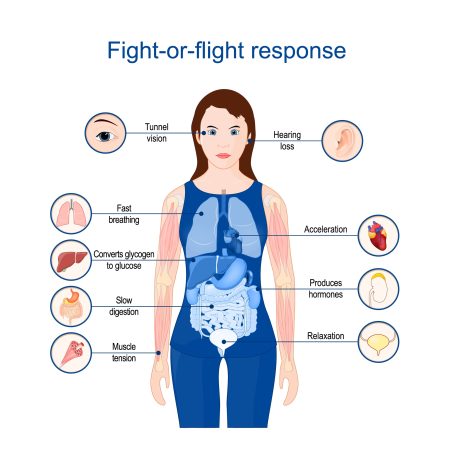
  • Activates during stress

  • Often called the “fight or flight” system

  • Increases heart rate, alertness, and energy mobilization

Parasympathetic Nervous System

  • Responsible for recovery and repair

  • Known as the “rest and digest” system

  • Slows heart rate and promotes relaxation

Both men and women rely on this same system. But research suggests there are average differences in how these systems are activated and regulated.

Stress Responses: Fight-or-Flight vs Tend-and-Befriend

One of the most well-known differences between male and female nervous system responses relates to stress.

The traditional explanation of stress response has long been the fight-or-flight model, first described by physiologist Walter Cannon in the early 20th century.

When the brain perceives danger, the body releases stress hormones such as:

  • adrenaline

  • norepinephrine

  • cortisol

These hormones prepare the body to either confront a threat or escape from it.

This response is present in both men and women.

However, research suggests women often display an additional pattern.

Psychologist Dr. Shelley Taylor at UCLA proposed what she called the “tend-and-befriend” response in a landmark study published in Psychological Review (2000).

Instead of responding primarily with aggression or withdrawal, women under stress often show a tendency to:

  • seek social support

  • nurture relationships

  • protect children or close family members

  • strengthen social bonds

This behavior appears to be influenced by the hormone oxytocin, which increases during stress and promotes bonding behaviors.

Estrogen enhances oxytocin activity, which may partly explain why social connection can have such a powerful calming effect for many women.

In practical terms, this means something important.

When women reach out to friends, talk through stress, or seek community support during difficult moments, this isn’t weakness.

It is a biologically supported nervous system regulation strategy.

flight or fight response

Hormones Shape the Female Nervous System

One of the biggest differences between male and female nervous systems lies in hormonal influence.

The male hormonal environment tends to be more stable day-to-day.

The female hormonal environment, however, is dynamic and cyclical.

Hormones such as estrogen and progesterone interact directly with the brain, influencing neurotransmitters and neural networks involved in mood, cognition, and emotional regulation.

Research shows estrogen affects several important brain chemicals including:

  • serotonin (mood regulation)

  • dopamine (motivation and reward)

  • GABA (calming signals in the brain)

  • brain-derived neurotrophic factor (BDNF), which supports brain plasticity

According to neuroscience research, estrogen can enhance synaptic connections in the hippocampus and prefrontal cortex—regions involved in memory, learning, and emotional regulation (McEwen & Milner, 2017).

Progesterone also plays a role.

Metabolites of progesterone interact with GABA receptors, which can have calming and sedative effects on the brain.

These hormonal influences mean the female nervous system is constantly adjusting across:

  • the menstrual cycle

  • pregnancy

  • postpartum

  • perimenopause

  • menopause

This dynamic regulation can create periods of heightened sensitivity or resilience depending on hormonal shifts.

For many women, this becomes especially noticeable during perimenopause, when estrogen fluctuations become more unpredictable and the nervous system may feel more reactive to stress.

Brain Connectivity Differences

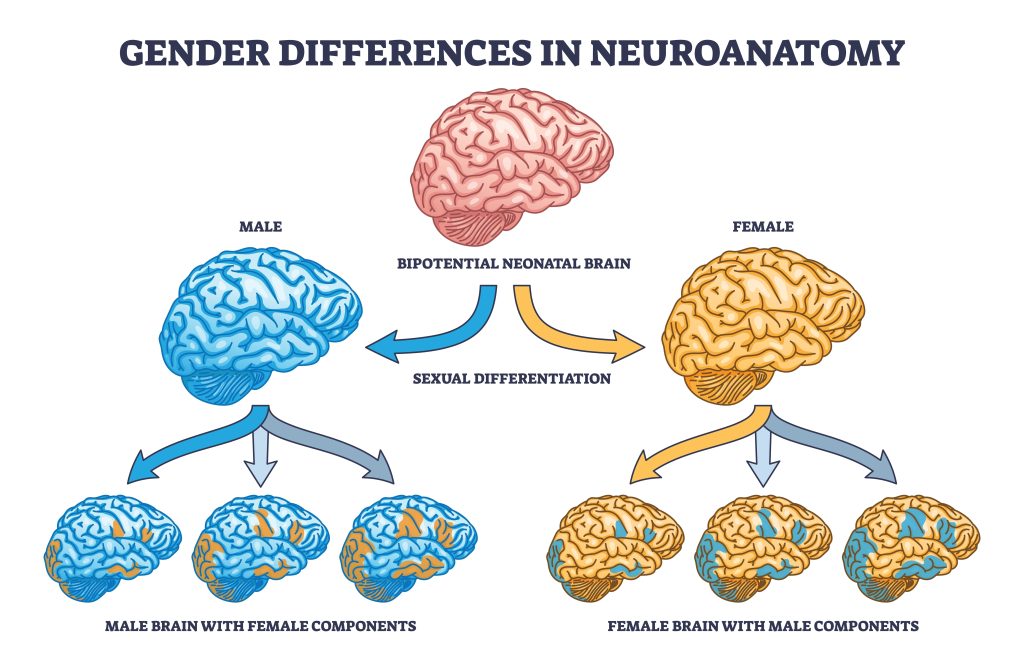
gender difference in neuroanatomy

Brain imaging studies have also explored structural differences between male and female brains.

A large neuroimaging study from the University of Pennsylvania analyzed brain connectivity in over 900 individuals using diffusion tensor imaging.

The findings, published in Proceedings of the National Academy of Sciences in 2014, showed interesting patterns.

On average:

Male brains showed stronger connections within each hemisphere.

This type of wiring supports coordination between perception and action and may facilitate tasks involving motor skills and spatial navigation.

Female brains showed stronger connections between the two hemispheres.

This pattern may support integration between analytical and emotional processing networks.

Researchers suggested this connectivity could contribute to strengths in areas such as:

  • communication

  • emotional interpretation

  • memory integration

  • multitasking

It is important to emphasize that these are statistical patterns across large populations. Many individuals show mixed connectivity patterns.

Still, these findings highlight how brain organization can differ subtly between sexes.

Emotional Processing and Empathy

Functional MRI research has also examined how the brain processes emotional information.

Studies indicate that women often show greater activation in certain limbic regions when processing emotional stimuli, including:

  • the amygdala

  • anterior cingulate cortex

  • insula

These regions are involved in emotional awareness, empathy, and threat detection.

This does not necessarily mean women experience stronger emotions.

Rather, the nervous system may be more finely tuned to detect emotional cues and relational dynamics.

This heightened sensitivity can be advantageous in social environments, caregiving roles, and leadership positions that require emotional intelligence.

However, it may also contribute to increased emotional fatigue when stress levels are high.

Sensory Awareness and Environmental Sensitivity

Research also suggests women often display higher interoceptive awareness, which refers to the ability to sense internal bodily signals.

This can include awareness of:

  • heartbeat

  • hunger

  • fatigue

  • emotional shifts

  • subtle physical discomfort

This sensitivity is partly linked to the insula, a brain region that integrates bodily sensations with emotional awareness.

Greater sensory awareness can help individuals respond quickly to internal cues.

But it can also make environments with high stimulation—noise, multitasking, digital overload—feel overwhelming more quickly.

Many women report this type of sensory saturation during periods of high stress or hormonal shifts.

Stress Recovery Patterns

Another interesting area of research examines how men and women recover from stress.

Some studies suggest men may experience larger immediate spikes in cortisol, the primary stress hormone.

Women, however, may experience longer emotional processing periods, especially when stress involves relationships or social evaluation.

Psychologist Susan Nolen-Hoeksema’s research on rumination found that women are statistically more likely to engage in repetitive thinking about stressful events.

Rumination can prolong nervous system activation and delay recovery from stress.

However, it is important to note that social support and emotional expression can also act as powerful stress-reduction tools for women.

Pain Perception and Body Awareness

Research has also identified differences in pain perception.

Women often report:

  • greater sensitivity to certain types of pain

  • stronger immune responses

  • higher rates of some autoimmune conditions

Estrogen interacts with immune signaling and inflammatory pathways, which may contribute to these differences.

Increased pain sensitivity may also relate to stronger interoceptive awareness.

While this can make discomfort more noticeable, it also means many women are highly attuned to early signals from their bodies.

This awareness can be valuable when learning to regulate stress, adjust habits, and support long-term health.

The Most Important Takeaway

It’s tempting to reduce these findings to simple statements like “men are logical and women are emotional.”

But neuroscience tells a much more nuanced story.

Both male and female nervous systems are incredibly sophisticated.

They simply emphasize different adaptive strategies.

A helpful way to think about it is this:

On average, the male nervous system prioritizes rapid mobilization and action.

The female nervous system prioritizes sensing, connection, and integration.

Both strategies have clear evolutionary advantages.

And both are necessary for a balanced, functioning society.

Why This Matters for Women in Midlife

Understanding nervous system biology becomes especially important for women navigating midlife transitions.

Hormonal shifts during perimenopause can influence:

  • stress resilience

  • sleep quality

  • emotional regulation

  • sensory sensitivity

  • energy levels

When women suddenly feel more reactive, overwhelmed, or emotionally sensitive during this stage of life, it is often not a failure of discipline.

It is the nervous system adapting to hormonal changes.

This is why practices that support nervous system regulation become so important in midlife.

These may include:

  • strength training

  • yoga and breathwork

  • adequate protein intake

  • restorative sleep

  • time in nature

  • supportive social relationships

Each of these habits influences the nervous system’s ability to shift back into parasympathetic recovery mode.

The Future of Women’s Health

For decades, most neuroscience research focused primarily on male subjects.

Today, scientists are increasingly recognizing the importance of studying the female brain and nervous system independently.

As this research expands, we are gaining a deeper understanding of how hormones, social dynamics, and biology interact to shape women’s health across the lifespan.

This knowledge allows women to approach wellness not from a place of self-criticism, but from a place of biological awareness and self-support.

Because when you understand how your nervous system works, you can finally start working with it instead of fighting against it.

References

Cahill L. (2006). Why sex matters for neuroscience. Nature Reviews Neuroscience.

Ingalhalikar M. et al. (2014). Sex differences in the structural connectome of the human brain. Proceedings of the National Academy of Sciences.

McEwen B. S., & Milner T. A. (2017). Understanding the broad influence of sex hormones on brain function. Nature Reviews Neuroscience.

Taylor S. E. et al. (2000). Biobehavioral responses to stress in females: Tend-and-befriend. Psychological Review.

Nolen-Hoeksema S. (2012). Emotion regulation and psychopathology: The role of gender differences. Annual Review of Clinical Psychology.

Scrolling through TikTok lately, you may have seen a surprisingly simple ritual gaining traction: jumping up and down 100 times first thing in the morning.

No elaborate supplements.
No complicated biohacking routine.
Just a few minutes of joyful movement.

Advocates of the trend say this small habit can boost mood, wake up the brain, improve metabolism, strengthen bones, and even support the lymphatic system. For women navigating perimenopause and menopause, the promise of a simple daily reset is especially appealing.

But beyond the viral videos, an important question remains:

Is there actual science behind the benefits of jumping?

The answer is yes! Many of the claims linked to this trend align with well-established physiological principles related to weight-bearing exercise, cardiovascular activation, neurology, and hormonal health.

Let’s unpack the science behind why something as simple as 100 morning jumps may offer real benefits — especially for women in midlife.

Why Simple Movement Matters More After 40

For many women, the years between 40 and 60 bring profound physiological shifts.

During perimenopause and menopause, declining estrogen levels influence multiple systems in the body:

• Bone density begins to decline
• Muscle mass gradually decreases
• Metabolism slows
• Mood regulation can fluctuate
• Sleep patterns may change

Estrogen plays a protective role in bone and metabolic health, and when it declines, the body becomes more sensitive to lifestyle factors such as physical activity, nutrition, sleep, and stress.

Research published in The Journal of Clinical Endocrinology & Metabolism shows that bone loss accelerates during the menopausal transition due to decreased estrogen signaling in bone remodeling processes.¹

At the same time, studies from the American College of Sports Medicine emphasize that weight-bearing movement and resistance training are among the most effective lifestyle strategies to slow this decline.²

The encouraging news is that beneficial movement doesn’t have to be complicated or time-consuming.

Even small bursts of physical activity can create measurable changes in circulation, mood chemistry, and metabolic activity.

And that’s where jumping comes in.

Mood Boosting: How Jumping Stimulates Endorphins

One of the first things people report after trying the 100-jump routine is a shift in mood.

This effect has a clear biological explanation.

Jumping rapidly increases heart rate and activates large muscle groups, making it a short burst of aerobic activity. Aerobic exercise triggers the release of several neurotransmitters that influence mood:

• Endorphins
• Dopamine
• Serotonin
• Norepinephrine

Endorphins are often called the body’s natural painkillers and mood elevators.

Research published in Psychoneuroendocrinology shows that moderate aerobic exercise increases circulating endorphins and improves emotional regulation.³

Even brief bouts of movement can stimulate these pathways.

For women experiencing hormonal fluctuations that may contribute to anxiety or low mood, this early morning boost can help shift the nervous system toward a more energized and positive state.

There is also evidence that exercise improves stress resilience by regulating the hypothalamic-pituitary-adrenal (HPA) axis — the system responsible for cortisol production and stress response.

Starting the day with movement helps set a physiological tone that can influence energy and mood throughout the day.

Bone Density: Why Jumping Is Powerful for Skeletal Health

One of the most compelling benefits of jumping relates to bone health.

Bone is living tissue that constantly remodels itself. Specialized cells called osteoblasts build new bone, while osteoclasts break down old bone.

Mechanical stress — particularly impact forces — stimulates osteoblast activity.

When you jump and land, the skeleton experiences brief compressive forces that signal the body to strengthen bone structure.

This is why weight-bearing and impact exercises are widely recommended for osteoporosis prevention.

A study published in the Journal of Bone and Mineral Research found that high-impact exercises such as jumping significantly improved bone mineral density in postmenopausal women.⁴

Even small doses of impact activity may be beneficial.

Another controlled study in Osteoporosis International showed that brief jumping programs improved hip bone density in women after menopause.⁵

For women over 40, incorporating short bursts of impact movement — like jumping, hopping, or skipping — can help counteract the gradual bone loss associated with aging.

Cardiovascular Benefits in Under Two Minutes

Jumping 100 times typically takes less than two minutes.

But during those two minutes, the cardiovascular system is doing meaningful work.

As you jump:

• Heart rate increases
• Blood circulation accelerates
• Oxygen delivery improves
• Blood vessels expand

Short bursts of activity stimulate the cardiovascular system similarly to high-intensity interval training (HIIT).

Research published in the Journal of Physiology shows that short intervals of intense exercise can improve cardiovascular fitness and metabolic health in surprisingly small time windows.⁶

While 100 jumps is not equivalent to a full HIIT workout, it can still serve as a brief cardiovascular stimulus that wakes up the body and improves circulation early in the day.

Improved circulation may also contribute to the energized feeling many people report after trying the trend.

Lymphatic System Activation

Another benefit often associated with jumping is support for the lymphatic system.

Unlike the cardiovascular system, which has the heart as a pump, the lymphatic system relies heavily on body movement and muscle contractions to circulate lymph fluid.

The lymphatic system plays a role in:

• Immune function
• Waste removal
• Fluid balance
• Inflammation regulation

Repetitive bouncing movements — similar to those used in trampoline rebounding — may encourage lymph flow.

Some small studies on rebounding exercise suggest it can stimulate lymph circulation by increasing gravitational changes and muscle contractions that help move lymphatic fluid.⁷

Although more research is needed specifically on jumping routines, the physiological mechanism behind movement-driven lymph flow is well understood.

This may explain why some individuals notice reduced feelings of sluggishness or bloating after incorporating more dynamic movement.

Brain Activation & Balance

Jumping doesn’t just stimulate muscles. It also engages the vestibular system, which plays a key role in balance, coordination, and spatial awareness.

The vestibular system is located in the inner ear and helps the brain process information about movement and orientation.

When you jump:

• Your brain processes rapid changes in position
• Core muscles activate to stabilize the body
• Neural pathways coordinating balance are stimulated

Research in Frontiers in Neurology suggests that balance-challenging physical activity supports neural plasticity and cognitive health as we age.⁸

Maintaining balance and coordination becomes increasingly important in midlife because it reduces fall risk later in life.

Short movement routines that stimulate balance systems may provide subtle neurological benefits over time.

Metabolism & Energy Regulation

Many people also report feeling more energized after morning jumps.

This is partly related to how physical activity influences metabolic processes.

Exercise activates enzymes that improve glucose uptake in muscle cells and enhances mitochondrial activity — the process by which cells generate energy.

Research in Sports Medicine shows that even brief bouts of physical activity can improve insulin sensitivity and metabolic regulation.⁹

Morning movement may also help synchronize circadian rhythms, the body’s internal clock that regulates sleep, hormones, and metabolism.

Exposure to movement and light early in the day helps signal the body that it is time to transition into an active state.

This may support more stable energy levels throughout the day.

Who Might Benefit Most From the Morning Jump Habit

While almost anyone can experiment with this simple routine, certain groups may find it particularly helpful.

Women over 40 often experience:

• Hormonal mood fluctuations
• Reduced bone density
• Lower morning energy
• Increased stiffness after sleep

Short bursts of movement may help counter some of these challenges by stimulating circulation, joint mobility, and neuromuscular activation.

This practice may also appeal to people who:

• Struggle to find time for long workouts
• Want an easy habit to build momentum in the morning
• Prefer simple routines over complicated programs

How to Try the 100 Jump Routine Safely

If you want to experiment with the trend, the key is to start gently and progressively.

Here are some practical tips:

Start with a warm-up

March in place or perform light mobility exercises for 30–60 seconds before jumping.

Choose a soft surface

A yoga mat, carpet, or wooden floor reduces joint impact.

Modify as needed

If jumping feels too intense, try:

• Heel raises
• Gentle hops
• Mini squat jumps
• Jump rope at a slow pace

Listen to your body

Anyone with recent injuries, severe joint issues, or medical conditions affecting balance should consult a healthcare professional before attempting impact exercise.

Why a Simple Ritual Often Sticks Better Than Complicated Multi-Step Routines

Perhaps the most powerful aspect of the “100 morning jumps” trend is not just the physiology.

It’s the psychology of small habits.

Behavioral science research shows that tiny, repeatable actions are more likely to become consistent habits than complicated routines.

James Clear’s widely cited habit research highlights that behaviors that take less than two minutes are easier to maintain long-term because they reduce friction and decision fatigue.

Starting the day with a quick burst of movement can also create a psychological effect known as habit stacking — where one positive behavior increases the likelihood of additional healthy choices.

When you begin your day with movement, you’re subtly reinforcing the identity of someone who prioritizes health.

And that identity shift can be powerful.

A Simple Habit That Might Be Worth Keeping

Social media wellness trends often come and go quickly.

But occasionally a trend emerges that aligns with well-established principles of human physiology.

Jumping in the morning may not be a magic solution for every health concern.

But the underlying mechanisms — cardiovascular activation, impact loading for bones, endorphin release, and neurological stimulation — are supported by decades of research on exercise science.

For women navigating the physical and hormonal changes of midlife, simple daily movement can be one of the most effective tools available.

And sometimes the most powerful wellness habits are also the simplest.

So tomorrow morning, before reaching for your phone or coffee, try something playful.

Put on your favorite song.

Jump 100 times.

Your body and your mood – might thank you.

References

  1. Greendale GA et al. Bone mineral density loss during the menopausal transition. Journal of Clinical Endocrinology & Metabolism.

  2. American College of Sports Medicine. Exercise recommendations for aging populations.

  3. Boecker H et al. The runner’s high: opioidergic mechanisms in exercise. Psychoneuroendocrinology.

  4. Guadalupe-Grau A et al. Exercise and bone mass in postmenopausal women. Journal of Bone and Mineral Research.

  5. Nikander R et al. Impact exercise improves bone density in postmenopausal women. Osteoporosis International.

  6. Gibala MJ et al. Physiological adaptations to low-volume high-intensity interval training. Journal of Physiology.

  7. Eddy D et al. Rebounding exercise and lymphatic circulation. Journal of Applied Physiology.

  8. Smith PJ et al. Exercise and cognitive function. Frontiers in Neurology.

  9. Hawley JA et al. Exercise metabolism and insulin sensitivity. Sports Medicine.

There is a reason so many women hit midlife and suddenly start asking the same question:

“Why does everything feel harder than it used to?”

The focus that once came naturally starts slipping. Simple tasks feel heavier. Time management gets harder. Overwhelm shows up faster. Emotional regulation feels shakier. Things that used to work no longer seem to work at all.

For many women, this gets brushed off as stress, aging, burnout, or “just hormones.” Sometimes it is. But sometimes it is something else that has been there all along.

In my recent podcast conversation with Dr. Amelia Kelley – licensed therapist, TEDx speaker, trauma-informed clinician, and author of Powered by ADHD — we explored a topic that deserves far more attention: how ADHD can show up in women during midlife, especially during perimenopause and menopause.

What makes this conversation so important is that many women were never identified earlier in life. ADHD research and diagnostic frameworks were historically shaped around male presentations, which means many girls and women learned to compensate, mask, overperform, and push through without realizing their brain was working differently. As hormones shift in midlife, those coping systems can begin to break down, making long-standing ADHD traits suddenly much more visible.

This episode is not about labeling women as broken. It is about helping them understand what may be happening, why it feels so intense, and what they can do next.

Why ADHD often goes unnoticed in women

ADHD is a neurodevelopmental condition associated with persistent patterns of inattention and/or hyperactivity-impulsivity that interfere with functioning across settings. Diagnosis is based on more than being forgetful or scattered once in a while; symptoms must be impairing, present in multiple environments, and traceable back to earlier life, even if they were not recognized at the time.

The problem is that many women do not fit the stereotype people still hold in their minds.

Instead of looking outwardly disruptive, ADHD in women can look like:

  • constant internal restlessness,
  • racing thoughts,
  • chronic overwhelm,
  • perfectionism,
  • hypercompensation,
  • anxiety around forgetting things,
  • people-pleasing,
  • emotional intensity,
  • or the exhausting effort of trying to stay one step ahead all the time.

Emerging female-focused ADHD research has pushed this issue into the spotlight, showing that girls and women are often under-identified and can present differently across the lifespan, especially during times of hormonal change.

That matters because the woman who looks “high functioning” from the outside may actually be holding everything together through sheer force, overwork, urgency, and stress.

Why perimenopause can make ADHD symptoms feel worse

One of the most important takeaways from this conversation is that midlife can become the tipping point.

Perimenopause is a time of fluctuating reproductive hormones, especially estrogen and progesterone. Estrogen has important interactions with brain systems involved in dopamine signaling, attention, mood, and executive function. When estrogen levels drop or become more erratic, many women report worsening brain fog, distractibility, low frustration tolerance, irritability, and difficulty organizing or following through. ADHD organizations and recent reviews alike have highlighted this connection, while also noting that the research base is still developing.

That means a woman who has quietly managed ADHD traits for decades may suddenly feel like her systems no longer work.

She may say things like:

“I used to be able to juggle everything.”
“I can’t tolerate the same level of stimulation anymore.”
“I feel overwhelmed by basic life admin.”
“I lose track of time constantly.”
“I’m more reactive than I used to be.”
“I can’t think straight.”

Those experiences are real. They are not laziness. They are not moral failure. And they are not imaginary.

CHADD notes that executive functioning difficulties in midlife are common, but can be significantly worse in women with pre-existing or previously subthreshold ADHD.

Executive function: the piece many women are really struggling with

A lot of people still think ADHD is simply a problem with paying attention. That is too simplistic.

A more useful way to understand it is through executive function — the mental skills involved in planning, organizing, prioritizing, initiating tasks, shifting attention, remembering details, regulating effort, and managing time. NICE’s ADHD guideline recognizes that ADHD affects functioning broadly, not just concentration in a narrow sense.

That is why women with ADHD often say things like:

  • “I know what I need to do. I just can’t seem to get myself to do it.”

  • “I can hyperfocus for hours on one thing but struggle with basic admin.”

  • “I can solve complex problems but forget simple tasks.”

  • “I’m smart, but I feel inconsistent.”

This is also why so many high-achieving women go undiagnosed. Intelligence does not cancel out ADHD. Creativity does not cancel it out. Professional success does not cancel it out. In fact, many women build impressive lives by leaning hard on urgency, last-minute adrenaline, perfectionism, and overcompensation — until midlife hormones, family responsibilities, stress load, or burnout make that strategy unsustainable.

Time blindness, overwhelm, and emotional reactivity are not “just personality”

One part of the episode that will resonate deeply with many listeners is the discussion of time blindness and overstimulation.

Time blindness is a widely recognized ADHD difficulty that affects the felt sense of time passing, future planning, transitions, and estimating how long things will take. It is one reason some people are chronically late, overbooked, or shocked by how fast an afternoon disappears once they enter hyperfocus.

Then there is the issue of overwhelm.

An ADHD brain often has trouble filtering competing inputs efficiently. Add work demands, parenting, emotional labor, caregiving, texts, noise, hormones, poor sleep, hunger, and the nonstop logistics many women carry for everyone around them, and the nervous system can hit overload quickly. CHADD and recent female-focused ADHD literature both point to the impact of hormonal shifts on attention, mood, and regulation in women.

Emotional dysregulation is another major piece. Although not always emphasized enough in older diagnostic descriptions, it is now widely discussed in adult ADHD education and clinical conversations. Many adults with ADHD experience fast, intense emotional responses, lower frustration tolerance, or difficulty recovering once flooded.

For women in perimenopause, that combination can feel brutal: hormone volatility plus executive strain plus nervous system overload plus a lifetime of masking.

No wonder so many midlife women feel like they are suddenly “too much” or “not coping.”

The strengths side of ADHD matters too

One of the things I appreciated most in this conversation with Dr. Kelley is that we did not frame ADHD only as a problem.

Yes, ADHD can create real impairment. Yes, it can affect relationships, organization, emotional regulation, follow-through, and self-esteem. But many women also recognize real strengths in the way their minds work.

Research and expert literature on female ADHD increasingly discuss strengths such as divergent thinking, novelty-seeking, creativity, fast pattern recognition, high energy around meaningful work, and the ability to make unexpected connections.

Many women with ADHD are exceptionally good at:

  • seeing patterns others miss,
  • thinking nonlinearly,
  • problem solving under pressure,
  • generating ideas quickly,
  • reading nuance,
  • spotting trends,
  • and becoming deeply immersed in work that matters to them.

That does not erase the struggle. But it does help explain why so many women have felt both gifted and exhausted at the same time.

That tension is part of what makes ADHD in women so misunderstood.

So what should women actually do next?

This is where the conversation becomes practical.

If you are listening to this episode and recognizing yourself in it, the answer is not to self-diagnose from one podcast clip and stop there. But it may be a sign that it is time to get curious in a more informed way.

A good next step can include:

  • learning more about how ADHD presents in adult women,
  • tracking patterns across your cycle or hormonal transition,
  • paying attention to overwhelm triggers,
  • speaking with a clinician qualified to assess adult ADHD,
  • and looking at whether your current systems are actually built for your brain.

NICE recommends thorough assessment by trained professionals when ADHD is suspected, especially because symptoms can overlap with anxiety, mood disorders, trauma, sleep issues, and other conditions.

At the same time, there are supportive, non-pharmaceutical strategies that can help many women regardless of whether they pursue medication.

The non-medication strategies that matter most

One of the most practical concepts from this episode is this:

structure with flexibility.

Not rigid perfection. Not chaos.

Structure with flexibility.

For many women with ADHD, life works better when there is an external framework that reduces decision fatigue and supports consistency, but enough flexibility to adapt to real capacity, stress, and energy on a given day.

That can look like:

  • repeating core anchors each day

  • using visible reminders and external systems instead of relying on memory

  • simplifying routines

  • reducing unnecessary stimulation

  • planning for low-capacity days

  • being honest with family about overwhelm before it turns into conflict

  • protecting sleep, movement, nutrition, and recovery

Lifestyle factors are not a cure for ADHD, but they do matter. Exercise, sleep quality, and stress regulation all affect cognition and emotional regulation broadly, and they can influence how manageable ADHD symptoms feel day to day. NICE includes environmental and psychosocial supports as part of care, not just medication.

Another important point from the episode is unmasking.

That means becoming more honest about capacity, stimulation limits, and needs instead of silently pushing until you snap. In practical terms, this may sound like:

“I’m overloaded right now.”
“I need 10 minutes before we talk about this.”
“I can’t process five things at once.”
“I need a quieter environment.”
“I need more structure around this.”

Why community matters so much

One more point Dr. Kelley made that deserves repeating: women need community around this.

Many women have spent years assuming they were lazy, dramatic, scattered, flaky, too emotional, too intense, too forgetful, or simply bad at life. That story creates shame. And shame keeps people isolated.

Hearing other women describe similar experiences can be incredibly relieving. It can turn confusion into language. Language into self-understanding. And self-understanding into action.

That is one reason this podcast episode matters.

Because sometimes one honest conversation helps a woman realize she is not failing. She has just been trying to function without the right map.

Listen to the episode

If any part of this sounds familiar — the overwhelm, the time blindness, the constant internal pressure, the emotional intensity, the sense that perimenopause lit a fire under symptoms you could once manage — this episode is worth your time.

In my conversation with Dr. Amelia Kelley, we talk about:

  • how ADHD often presents differently in women

  • why symptoms may get worse in perimenopause and menopause

  • executive dysfunction, memory, and overstimulation

  • ADHD strengths like hyperfocus, creativity, and pattern recognition

  • emotional regulation and nervous system overload

  • practical ways to create more supportive structure in daily life

This is the kind of conversation that can help women stop blaming themselves and start understanding what is actually going on.

And from there, everything changes.

Many women enter midlife feeling confused about nutrition.

They try cutting carbs, skipping meals, detox diets, or endless cardio, yet their energy drops, their metabolism feels slower, and their body composition doesn’t change the way they hoped.

The issue is rarely effort.

The issue is order.

Nutrition works best when you understand the hierarchy of what matters most.

When you fix the right things first, everything else becomes easier.

For women navigating their 40s and 50s, five layers of nutrition matter most:

  1. Calories
  2. Macronutrients
  3. Micronutrients
  4. Electrolytes
  5. Hormonal support through nutrition and lifestyle

Let’s break down how each layer works.

1. Calories Determine Body Weight

At the most fundamental level, body weight is governed by energy balance.

Energy balance refers to the relationship between calories consumed and calories burned through metabolism, daily activity, and exercise.

Research in metabolic physiology consistently demonstrates that weight change occurs when energy intake differs from energy expenditure.

The basic equation

If you consistently eat more calories than you burn:

➡ weight tends to increase

If you consistently eat fewer calories than you burn:

➡ weight tends to decrease

If intake and expenditure stay roughly equal:

➡ weight tends to remain stable

This is sometimes misunderstood online, but energy balance remains the primary driver of weight change.

However, calories alone don’t determine how your body looks, performs, or feels.

That’s where macronutrients come in.

2. Macronutrients Determine Body Composition

Macronutrients include the nutrients your body needs in larger amounts:

  • Protein

  • Carbohydrates

  • Fat

While calories affect weight, macronutrients influence muscle mass, fat storage, and physical performance.

For women in midlife, this distinction becomes important because aging naturally affects muscle mass and metabolism.

Protein: Essential for Muscle and Metabolism

Protein supplies amino acids needed to repair and build muscle tissue.

Multiple studies show that higher protein intake supports muscle retention during weight loss and increases lean mass when combined with resistance training.

This matters because adults begin losing muscle mass around their 30s and 40s through a process called sarcopenia.

Muscle is metabolically active tissue. Maintaining it helps support:

  • metabolic health

  • strength

  • functional mobility

  • healthy aging

Carbohydrates: Fuel for Performance

Carbohydrates are the body’s primary fuel source during moderate-to-high intensity exercise.

Glucose derived from carbohydrates supports:

  • brain function

  • workout performance

  • muscle recovery

Sports nutrition research shows that carbohydrate availability significantly influences exercise capacity and training intensity.

For women who strength train, do yoga, hike, or stay active, adequate carbohydrate intake can help support performance and energy levels.

Fat: Critical for Hormones and Recovery

Dietary fats help produce hormones and support cell membrane health.

Extremely low-fat diets have been associated with reduced testosterone levels and altered hormone production in some populations.

Healthy fat sources include:

  • eggs

  • fatty fish

  • olive oil

  • nuts and seeds

  • grass-fed meats

Why Some People Feel “Skinny-Fat”

If someone eats very few calories but also consumes low protein and does little resistance training, they may lose both fat and muscle.

The result can be:

  • lower muscle mass

  • higher body fat percentage

  • a softer body composition despite lower weight

This is why macronutrient balance matters just as much as calories.

3. Micronutrients Influence Energy, Mood, and Health

Micronutrients include vitamins and minerals required in smaller amounts but essential for human physiology.

Examples include:

  • iron

  • vitamin D

  • magnesium

  • zinc

  • B vitamins

  • iodine

These nutrients help regulate:

  • metabolism

  • immune function

  • neurotransmitters

  • digestion

  • sleep cycles

Dietary patterns rich in whole foods tend to provide greater micronutrient density than highly processed diets.

Large population studies show that diets rich in fruits, vegetables, whole foods, and seafood are associated with lower rates of chronic disease and improved metabolic health.

When micronutrient intake is low, people may experience symptoms such as:

  • fatigue

  • brain fog

  • low mood

  • poor recovery

Often the body simply needs better nourishment, not stricter dieting.

4. Electrolytes Support Hydration and Performance

Electrolytes are minerals that regulate fluid balance and nerve signaling.

Key electrolytes include:

  • sodium

  • potassium

  • magnesium

These minerals help control:

  • muscle contractions

  • nerve impulses

  • hydration levels

During exercise, sweating causes electrolyte losses.

Without proper replacement, symptoms may include:

  • fatigue

  • headaches

  • muscle cramps

  • reduced performance

The American College of Sports Medicine notes that sodium replacement may be necessary during prolonged exercise or heavy sweating.

For women who exercise regularly, maintaining proper hydration and electrolyte balance can improve both performance and recovery.

5. Hormones Influence Energy, Mood, and Motivation

Hormones regulate many functions including appetite, metabolism, sleep, and mood.

During midlife, women often experience hormonal changes associated with perimenopause and menopause.

Lifestyle factors strongly influence hormonal regulation.

Adequate Energy Intake

Chronic under-eating can disrupt endocrine function.

Energy deficiency has been shown to alter reproductive hormones and metabolic signals in active individuals.

Sleep Quality

Sleep deprivation affects hormones that regulate hunger.

Research shows reduced sleep increases ghrelin (hunger hormone) and decreases leptin (satiety hormone).

Nutrient-Dense Foods

Dietary patterns that include healthy fats, whole foods, and adequate protein help support endocrine health and metabolic function.

Eat Like an Athlete, Not a Chronic Dieter

One of the most powerful mindset shifts for women in midlife is moving away from restrictive dieting toward performance-focused nutrition.

Athletes focus on fueling their bodies to support training, recovery, and performance.

That approach often looks like:

  • eating whole foods

  • prioritizing protein

  • supporting training with carbohydrates

  • maintaining hydration and electrolytes

  • avoiding chronic under-eating

Research shows that resistance training combined with balanced nutrition can significantly improve body composition and metabolic health during aging.

The Midlife Nutrition Hierarchy

To simplify everything:

  1. Calories determine weight

  2. Macros determine body composition

  3. Micronutrients determine how you feel

  4. Electrolytes determine performance

  5. Hormones determine recovery and behavior

When these layers work together, many women experience improvements in:

  • energy levels

  • strength and muscle tone

  • metabolic health

  • mood and mental clarity

Consistency matters far more than perfection.

Ready to Apply This in Your Life?

If you want personalized guidance on nutrition, strength training, and sustainable habits during midlife, explore the Age With Strength™ coaching program. 👉 Learn More About Our Women’s Coaching Program Here

For women who want a deeper transformation experience, the THOR wellness retreats combine strength training, yoga, nutrition education, and community support in immersive locations. 👉 Check out our women’s yoga & hiking retreats

Cravings in women over 40 are often dismissed as emotional eating. Mood fluctuations during peri- and menopause are commonly blamed for seeking comfort in food; yet, a lack of essential nutrients could be another significant cause. When the body lacks specific nutrients, it triggers cravings to correct these imbalances. Acknowledging that these cravings may actually signal nutrient deficiencies opens the door to a constructive approach to addressing them. This approach could be most effective when it combines diverse targeted solutions, from eating a wide range of foods and choosing cooking methods that conserve nutrients to making lifestyle changes that boost the body’s ability to absorb them.

Research Insights: The Impact of Nutritional Deficiencies on Cravings

Nutritional deficiencies can shape our cravings and behaviors, a fact supported by various research studies. For instance, one study, highlighted how a diet low in sodium results in a preference for saltier foods. In this study, 10 volunteers were placed on a very-low-sodium diet, which resulted in substantial sodium depletion. Throughout this period, an interesting shift occurred: the participants’ preference for salt in foods became markedly greater and saltier foods appeared more attractive. This increase in preference for saltier foods upon reducing sodium intake highlights how the body’s nutritional needs can influence our food cravings.

Research into magnesium levels in women provides additional insights into the connection between nutrient deficiencies and cravings. One study, for example, analyzed magnesium in 9 healthy premenopausal women and 26 women with PMS. Findings indicated similar serum magnesium across both groups, but red blood cell magnesium was notably lower in those with PMS.

This magnesium deficiency in women with PMS has led to further investigation. One particular study suggests that this deficiency might drive an increase in cravings for magnesium-rich foods, such as chocolate, as a way for the body to compensate for its shortfall.

Beyond cravings, а lack of certain nutrients can lead to impulsive behaviors characteristic of disordered eating. Increased impulsivity may drive individuals to seek immediate gratification from food, struggle with self-control around eating, and resort to risky behaviors for weight control. All of these can lead to the development or worsening of eating disorders.

In this context, one study examined the relationship between vitamin D levels and impulsivity in patients with eating disorders. The study involved 236 diagnosed patients who were grouped based on the presence and intensity of impulsive behaviors. Participants’ vitamin D levels were then measured using the enzyme immunoassay blood test. Results revealed significantly lower vitamin D levels among patients with at least one impulsive behavior compared to those without such behaviors. These findings suggest a potential link between nutritional deficits and behavioral patterns that can lead to disordered eating.

Physiological Reasons for Cravings

Research has revealed a direct link between nutrient deficiencies and the cravings we experience. This connection becomes more apparent upon exploring the physiological bases for these cravings.

Take sodium, for instance. This mineral is essential for fluid balance, nerve transmission, and muscle function. When our sodium levels drop, possibly due to intense sweating or a low-sodium diet, the body’s homeostatic mechanisms signal a need to rebalance sodium, often through cravings for salty foods. This response aims to prevent hyponatremia, where blood sodium is too low and causes symptoms like fatigue, confusion, and in severe cases, seizures or coma.

Magnesium also plays a role in various bodily functions, particularly for enhancing insulin’s role in helping cells absorb glucose. When insulin is released, it attaches to cell surfaces and signals them to absorb glucose from the blood. This process relies on activating a specific enzyme, tyrosine kinase, which magnesium helps activate. However, when magnesium is low and the enzyme’s activation compromised, cells struggle to absorb glucose, which is their main energy source. This energy deficit triggers a compensatory response to increase the intake of nutrient-dense foods, which are often rich in magnesium.

Lastly, the role of iron in brain functioning deserves attention. Iron is essential for the brain’s limbic system, particularly for dopamine production. When we consume nutritious food, the limbic system releases dopamine which creates a sense of reward and satisfaction. This mechanism encourages us to continue healthy eating habits by linking them to these positive emotions. However, when iron levels are low, this can hinder the limbic system’s capacity to release dopamine in response to nutritious food. This disruption can lead to altered eating behaviors and unusual cravings known as pika, as the body attempts to correct the deficiency.

In cases of pica, people experience cravings for non-food substances like clay, dirt, and ice. Consuming non-food items like clay or dirt might seem counterintuitive, yet certain types of clay are thought to bind toxins in the gut, which could potentially reduce their interference with iron absorption. Consuming ice, a condition known as pagophagia, does not provide iron directly. Yet, chewing ice might temporarily increase alertness in persons feeling lethargic due to iron deficiency.

These behaviors, while not an efficient or safe way to correct iron deficiency, point to an underlying biological drive to alleviate symptoms or to compensate for the lack of a vital nutrient.

Strategies to Manage Nutritional Deficiencies

Addressing deficiencies that prompt cravings requires a holistic approach to nutrition. Consuming diverse nutrient-rich foods, using cooking techniques that preserve nutrients, and optimizing food combinations can significantly improve nutrient absorption. Additionally, lifestyle changes such as adequate hydration, regular physical activity, and reducing exposure to harmful substances further support nutrient absorption and combat deficiencies.

Enhancing Nutrient Absorption Through Food Choices

Consuming foods rich in essential nutrients like omega-3, magnesium, calcium, and iron is key to managing deficiencies.

To address iron deficiency, for example, it is helpful to include foods like lean meats, lentils, and leafy greens in the diet. Similarly, replenishing magnesium levels can be achieved by consuming almonds, spinach, and whole grains. Certain drinks, including orange juice, mineral and bottled water, and soy milk, also contain magnesium. Incorporating such magnesium-rich sources is especially important for people who are at risk of deficiency. At-risk groups include older adults, persons with hypertension and diabetes, and those who take medications for stomach acid and high blood pressure.

For calcium, sources such as dairy products, fortified plant-based milks, kale, and almonds provide ample opportunities to meet dietary needs. These foods are all good sources of calcium, yet, the amount our body can absorb from each differs, a concept known as bioavailability. Dairy foods, for instance, offer a calcium bioavailability of approximately 30%. This means that from 300 mg of calcium listed on a milk label per cup, the body absorbs about 100 mg. In contrast, cooked bok choy has a higher bioavailability of 50%. So, from a cup of bok choy containing just 160 mg of calcium, the body can absorb 80 mg.

Lastly, omega-3 fatty acids are found in diverse foods, each providing different type: docosahexaenoic (DHA), eicosapentaenoic (EPA), and alpha-linolenic (ALA). EPA and DHA mainly come from marine sources such as algae, salmon, mackerel, sardines, and krill. ALA sources include plant-based options like flaxseeds, chia seeds, hemp seeds, and walnuts. The body’s conversion of ALA to EPA and then to DHA is limited, with efficiency rates below 15%. This points to the need to consume different omega-3 sources for a full range of these nutrients.

Cooking Methods to Optimize Nutrient Absorption

When tackling nutritional deficiencies, how we prepare our meals is just as important as the foods we choose to eat. Certain cooking methods are more effective at preserving nutrients which can be key to overcoming deficiencies.

For instance, steaming vegetables is one of the best ways to maintain their vitamin and mineral content. Steaming avoids direct contact with water and prevents water-soluble nutrients from dissolving into the cooking liquid. Similarly, as microwaving uses minimal water, it helps preserve water-soluble nutrients. Microwaving also cooks food rapidly which minimizes the breakdown of vitamins and minerals that occurs with longer cooking times.

Blanching vegetables in boiling water and quickly plunging them into ice water is another method to preserve nutrients. By halting the cooking process almost immediately, this technique preserves nutrients that would be lost with longer cooking.

While these methods effectively preserve nutrients, others can significantly reduce the nutrient content of foods. During boiling, for example, water-soluble vitamins like vitamin C and some B vitamins dissolve into the cooking water, which is often discarded. Deep frying is another technique to avoid because it exposes foods to high temperatures that degrade vitamins and minerals. Additionally, excessive grilling and broiling can lead to nutrient loss due to high temperatures and the risk of creating harmful compounds that alter the body’s absorption processes.

Food Combinations for Improved Nutrient Absorption

Beyond selecting the right cooking methods, combining foods can also enhance the body’s absorption of nutrients. For instance, consuming vitamin C-rich foods alongside iron-rich ones boosts iron absorption, especially the non-heme type found in plants. An example of such pairing is combining bell peppers, high in vitamin C, with lentils, rich in iron. This increases the amount of iron the body absorbs from a meal for two main reasons. Firstly, vitamin C transforms iron into a form that is more easily absorbed by the digestive tract. Secondly, vitamin C reduces the inhibitory effects of certain compounds on iron absorption. Such compounds are phytates, found in grains and legumes, and polyphenols, present in tea and coffee, which can hinder iron absorption.

Another beneficial pairing involves combining dietary fats with fat soluble vitamins such as A, D, E, and K. For example, adding an avocado to a carrot salad enhances the absorption of vitamin A while drizzling olive oil over spinach increases the uptake of vitamin K. These vitamins, when combined with fats, form micelles, tiny, fat-based particles that the digestive tract absorbs more easily than larger vitamin molecules. Due to their smaller size, micelles can pass through the intestinal wall and into the bloodstream more efficiently. This process ensures that fat-soluble vitamins are delivered to the cells and tissues that require them.

A third impactful combination is vitamin D and calcium. Consuming vitamin D-packed foods like salmon alongside calcium-dense ones like kale optimizes calcium absorption. The reason is that vitamin D stimulates the intestines to produce a specific protein called calbindin. This protein is responsible for transporting calcium through the intestinal cells and into the bloodstream to where the body needs it most.

Lifestyle Adjustments

Lifestyle changes, such as more sunlight exposure, regular exercise, stress management, proper hydration, and sufficient sleep, can further enhance nutrient absorption.

Sunlight Exposure

Enhancing sunlight exposure boosts vitamin D levels, crucial for calcium absorption. This is especially beneficial for persons living in higher latitudes or with indoor lifestyles who should aim to spend a few minutes outside during peak sunlight hours. Additionally, older adults and people with darker skin can gain from this practice, as they face a higher risk of vitamin D deficiency due to less efficient skin synthesis.

Regular Physical Activity

Physical activity enhances nutrient absorption through a series of interconnected processes. During physical activity, the muscles use more glucose for energy, which reduces the amount of glucose in blood that cells can consume. To compensate and ensure that cells receive the energy they need, the body produces insulin. This hormone signals cells to absorb glucose from the bloodstream, which ensures a continuous energy supply for the body’s needs. The digestive system, in particular, relies on this continuous supply to move food through the tract at an optimal pace. This allows food to progress through the digestive tract at a pace that facilitates thorough interaction with the digestive enzymes. These enzymes, including amylase, lipase, and protease, break down food into its basic components: proteins into amino acids, fats into fatty acids, and carbohydrates into simple sugars.

When macronutrients are broken down into such basic forms, specialized cells in the intestinal wall can capture them more effectively and transport them to the bloodstream. Once in the bloodstream, these nutrients are available to be utilized by the cells for energy, growth, repair, and maintaining bodily functions.

In addition to enhancing macronutrient absorption, physical activity plays a role in the release of micronutrients from these macronutrients. Physical activity boosts circulation and ensures that the digestive organs receive an ample blood supply for the production of digestive enzymes. These enzymes are key to releasing micronutrients, which then become available for absorption.

A clear example of this is vitamin B12 which is bound to protein in food. Only through the action of digestive enzymes can vitamin B12 be released from protein and absorbed in the small intestine. Similarly, fat-soluble vitamins—A, D, E, and K—depend on enzymes to be absorbed. When digestive enzymes break down fats, they convert them into fatty acids. These fatty acids then form an emulsion that enhances the solubility of vitamins and allows their passage through the intestinal wall for transport to where they are needed. These intricate processes, enhanced by physical activity, contribute to more efficient micronutrient absorption and better overall health.

Stress Management

Managing stress significantly enhances nutrient absorption, much like the effects of physical activity. Stress can negatively impact the digestive system, primarily through the release of cortisol. This hormone slows down digestion, affects the secretion of digestive enzymes, and affect peristalsis. Such changes can lead to a less effective breakdown and absorption of nutrients.

When cortisol levels decrease, the previously slowed digestive process resumes, and food progresses at a pace that allows for efficient interaction with digestive enzymes.  With cortisol levels reduced, the production of enzymes also returns to normal. This ensures an adequate amount of enzymes to interact with food and break down nutrients.

Moreover, decreased cortisol levels reduce stress on the enteric nervous system, which regulates peristalsis – the muscle contractions moving food through the gut. Improved functioning of this system ensures it regulates these contractions effectively and food passes through the gut at an optimal speed. If food lingers for too long, this can cause irritation or inflammation of the gut’s lining. This condition can impair its ability to absorb nutrients efficiently.

Preventing such impairments in nutrient absorption requires activities that reduce cortisol levels. These can include regular physical exercise, deep breathing techniques, practicing mindfulness meditation, or attending a yoga retreat.

Adequate Hydration

Proper hydration is important for nutrient absorption, similar to the benefits of regular exercise and stress management. Adequate fluid intake ensures that the gastrointestinal tract remains lubricated, which facilitates the passage of food from the esophagus to the stomach and intestines, where digestion and absorption occur. A lack of sufficient fluid can lead to slower movement of food, which prevents full interaction with digestive enzymes and impairs the efficiency of nutrient breakdown.

Hydration also impacts the production of digestive juices and enzymes. These juices, including stomach acid and bile, are mostly water-based and rely on water to maintain their volume and concentration.

Similarly, the production of digestive enzymes in the intestines requires an aqueous environment for efficient synthesis. These enzymes not only originate in the intestines but also break down food into nutrients within the same region. For these nutrients to be utilized by the body, they must cross the intestinal mucosal lining into the bloodstream. This transfer requires the mucosal lining to be permeable, a condition that proper hydration supports. Hydration keeps the lining moist and swollen, which enhances its permeability and facilitates the transfer of nutrients.

Avoiding Alcohol, Caffeine, and Processed Foods

Limiting the intake of alcohol, caffeine, and highly processed foods is advisable because these can interfere with nutrient absorption. Alcohol, in particular, can harm the lining of the stomach and intestines, which is responsible for producing enzymes that break down food into absorbable nutrients.

Caffeine, present in coffee, tea, and certain soft drinks, also impacts nutrient absorption, notably that of calcium. It disrupts the mechanism that enables calcium to bind with the protein that transports it through the intestinal lining into the bloodstream. As a result, for every 150 mg of caffeine ingested – roughly equivalent to one cup of coffee – calcium absorption diminishes by about 5 mg.

Furthermore, caffeine has a diuretic effect and prompts the body to produce more urine. This leads to a higher rate of fluid loss and with this fluid, dissolved nutrients like magnesium, potassium, and sodium are carried away. These essential minerals are lost more rapidly, which can lead to their depletion.

Lastly, highly processed foods can impact nutrient absorption due to their high levels of artificial ingredients and sodium. Artificial ingredients like aspartame and high-fructose corn syrup can alter the gut microbiome. This disruption reduces the presence of beneficial bacteria like Lactobacillus and Bifidobacterium which break down food and facilitate nutrient absorption.

Quitting Smoking

Avoiding smoking and reducing exposure to secondhand smoke enhance nutrient absorption in the intestines. Normally, partially digested nutrients move through the intestines, where enzymes convert them into absorbable forms. These nutrients then interact with the villi, tiny finger-like projections in the intestines which capture and transport them into the bloodstream. When you smoke, harmful chemicals and toxins in cigarette smoke damage the villi and cause them to become flattened or blunted. This damage reduces their surface area and hence their capacity to transport nutrients into the bloodstream. Over time, this can lead to deficiencies and health risks related to inadequate nutrition.

Wrapping Up

Cravings in women over 40 are often linked to emotional eating, a coping mechanism for dealing with mood swings and anxiety due to hormonal fluctuations during perimenopause and menopause. Additionally, emotional eating can stem from stressors unique to this life stage, including the culmination of professional responsibilities and increased family obligations, such as parenting teenagers and caring for elderly parents. While these factors are indeed significant, our cravings for specific foods may stem from a need for certain nutrients these foods contain. This is our body’s way of signaling deficiencies and directing us towards foods rich in the nutrients we are missing. In such cases, deficiencies are best addressed through a holistic approach. By prioritizing a balanced diet, thoughtful food preparation, and healthy lifestyle choices, women can improve nutrient absorption, minimize cravings, and effectively curb emotional eating by addressing the root cause of these cravings.