

Let’s Talk About the Olive Oil Shots Trend Everyone Is Trying
If you’ve been on social media lately, you’ve probably seen it. Women taking a shot of olive oil first thing in the morning.
Some swear it helps with their glowing skin, digestion and moving things along if you catch my drift, weight loss and systemic inflammation. And so naturally, the question in my mind becomes:
“Should I be doing this too?”
As a nutritionist and someone who grew up in a Mediterranean culture where olive oil was basically its own food group and I created a Mediterranean Cookbook with over 80 Weight-Loss Friendly Protein-Rich Recipes, I love this conversation.
But I also want to bring it back to reality. Because like most things in wellness:
- it’s not about the trend
- it’s about how it actually works in your body
Are Olive Oil Shots Good for You?
Let’s start here. From a nutrition standpoint:
No food is inherently “good” or “bad.”
What matters is:
- portion
- context
- your goals
Olive oil is absolutely a high-quality, nutrient-dense fat. But it is also calorically dense.
Just 1 tablespoon = ~120 calories and 14g of fat
So when you take it as a shot, you’re adding calories quickly without much volume or satiety.
So… is it a good idea?
It depends.
It can be helpful if:
- you need more healthy fats in your diet
- you’re not actively trying to lose weight
- you struggle with digestion or constipation
- you’re supporting skin health
It may not be ideal if:
- you’re trying to stay in a calorie deficit
- you’re already consuming enough fats
- you’re using it as a “magic fix”
And this is where most women get tripped up. Just because something is healthy doesn’t mean it’s calorie-free and it doesn’t mean MORE is better.
Why Olive Oil Shots Are So Good for Skin (Especially After 40)
This is honestly one of the biggest reasons olive oil is trending right now. And yes, there is science behind it.
Olive oil is rich in:
- monounsaturated fats
- vitamin E
- polyphenols
These compounds help:
- protect against oxidative stress
- support skin barrier function
- reduce inflammation
- improve hydration
Research shows that diets rich in olive oil (like the Mediterranean diet) are associated with better skin aging outcomes and reduced oxidative damage (Buckley & Howe, 2010).
What women actually notice when they start eating more olive oil:
This comes from both personal experience and coaching clients:
- skin feels more hydrated
- less dryness
- more “glow”
- improved elasticity over time
But here’s the key:
You don’t need to take it as a shot to get these benefits.
What’s likely happening beneath the surface is that olive oil supports the structure and function of your skin at a cellular level. The fats in olive oil become part of your cell membranes, helping them stay flexible and better able to retain moisture, while its antioxidant compounds help protect skin cells from daily environmental stressors like UV exposure and pollution. Over time, this creates a more resilient skin barrier which is why the changes feel gradual, natural, and long-lasting rather than immediate or superficial.
The Real Health Benefits of Olive Oil
Let’s zoom out beyond the trend. Olive oil especially extra virgin olive oil (EVOO) has been extensively studied. Research-backed benefits include:
Heart Health
The cardiovascular benefits of olive oil are largely driven by its high content of monounsaturated fatty acids, particularly oleic acid, which has been shown to help improve lipid profiles by lowering LDL (“bad”) cholesterol and maintaining or even increasing HDL (“good”) cholesterol. In addition, olive oil contains bioactive compounds that support endothelial function, the health of your blood vessels, helping them remain flexible and responsive. This combination contributes to improved circulation and reduced atherosclerotic risk over time, which is why it plays such a central role in heart-protective dietary patterns like the Mediterranean diet.
Blood Sugar Regulation
Olive oil can influence how your body processes glucose by slowing gastric emptying and modulating the release of glucose into the bloodstream after meals. This leads to a more gradual rise in blood sugar rather than sharp spikes. Additionally, its fatty acid profile may enhance insulin signaling pathways, allowing cells to respond more effectively to insulin. This improved efficiency can help stabilize energy levels and reduce the likelihood of blood sugar crashes, which is particularly relevant for women experiencing midlife metabolic changes.
Reduced Inflammation
The anti-inflammatory effects of olive oil are largely attributed to its polyphenols, including compounds like oleocanthal, which has been shown to act in a similar way to certain nonsteroidal anti-inflammatory drugs by inhibiting inflammatory pathways in the body. Chronic, low-grade inflammation is a key driver of many age-related conditions, and regularly consuming these compounds can help modulate the body’s inflammatory response. Over time, this creates a more balanced internal environment that supports overall health and recovery.
Brain Health
Olive oil supports brain health through multiple mechanisms, including its antioxidant content, which helps protect neurons from oxidative stress, a major contributor to cognitive decline. It may also support the integrity of neuronal cell membranes, which are essential for efficient communication between brain cells. Emerging research suggests that compounds in olive oil may help reduce the accumulation of proteins associated with neurodegenerative diseases, while also supporting blood flow to the brain, both of which are critical for maintaining cognitive function with age.
Nutrient Absorption
Fat-soluble vitamins A, D, E, and K, require dietary fat to be properly absorbed in the digestive tract, and olive oil provides an efficient vehicle for this process. When consumed with foods rich in these nutrients, olive oil stimulates the formation of micelles in the gut, which are necessary for transporting these vitamins across the intestinal lining into the bloodstream. Without sufficient fat, a significant portion of these nutrients may pass through unabsorbed, which is why including olive oil in meals can meaningfully enhance the nutritional value of the foods you’re already eating.
The Part No One Talks About About Olive Oil Shots: Calories Still Matter
This is where I want to be very clear. Because this is where social media gets it wrong. Olive oil is healthy. Bu it is still calorie-dense.
So if your goal is weight loss, adding olive oil shots without adjusting your intake elsewhere can:
- slow progress
- stall fat loss
- create confusion
This is why context matters. Inside THOR, we teach macro-based nutrition to women over 40 because it removes guessing. You can absolutely include olive oil. But it should fit into your overall plan.
(Not be added on top of everything else.)
What to Look for in a High-Quality Olive Oil Shots
Not all olive oils are created equal. Here’s what actually matters:
Extra Virgin Olive Oil (EVOO)
Extra virgin olive oil is produced without the use of heat or chemical refining, which means it retains its natural structure and bioactive compounds. Because it undergoes minimal processing, it preserves higher levels of beneficial nutrients like polyphenols and vitamin E. In contrast, more refined oils lose a significant portion of these compounds during processing, which reduces both their nutritional value and protective health effects.
Origin & Single-Source Olive Oils
Where your olive oil comes from matters more than most people realize. Single-origin or single-estate olive oils are produced from olives grown in one specific region or even one farm, which allows for greater traceability, quality control, and consistency. When oils are blended from multiple countries, it becomes harder to verify freshness, harvesting practices, and overall purity. Climate, soil (terroir), and olive variety all influence the oil’s nutrient profile and polyphenol content, so knowing the origin gives you insight into both flavor and quality. In general, single-source oils from reputable producers tend to be fresher, less processed, and more transparent and that makes them a more reliable choice if you’re looking for both taste and health benefits.
Cold-Pressed
Cold-pressing refers to extracting oil from olives without excessive heat, typically keeping temperatures below a certain threshold to prevent degradation. Heat can break down delicate antioxidant compounds and alter the chemical structure of fats, reducing their stability and health benefits. By avoiding heat, cold-pressed oils maintain a higher concentration of polyphenols and preserve the integrity of the fatty acids, making the oil both more nutritious and more stable.
Dark Glass Bottle
Olive oil is highly sensitive to light, which can trigger oxidation—a chemical reaction that degrades both flavor and nutritional quality. Exposure to light accelerates the breakdown of antioxidants and can lead to the formation of harmful free radicals. Dark glass bottles act as a protective barrier, reducing light exposure and helping to preserve the oil’s freshness, potency, and shelf life.
Freshness
Olive oil is not like wine—it does not improve with age. Over time, oxygen exposure leads to oxidation, which gradually degrades its beneficial compounds and alters its flavor profile. Fresher olive oil contains higher levels of active antioxidants and retains its intended nutritional properties. This is why looking for a recent harvest date is important, as it gives a better indication of the oil’s current quality and effectiveness.
Taste Profile
The slightly peppery or bitter taste found in high-quality olive oil is not a flaw—it’s a sign of its potency. These sensory characteristics are linked to the presence of polyphenols, particularly compounds like oleocanthal, which are responsible for many of olive oil’s anti-inflammatory and antioxidant effects. That subtle “bite” in the back of your throat is actually an indicator that the oil contains these beneficial compounds in meaningful amounts.
Should You Take It as a Shot?
Let’s talk practically. Because this is what everyone wants to know. There is no magic in the “shot” itself. Your body doesn’t respond differently just because you took it quickly.
But there are some use cases
Some women find that: taking 1 tbsp in the morning helps digestion, bowel regulariy and gut motility. Especially in midlife when things start to get a bit unpredictable.
Olive Oil Shot Recipe From My Mediterranean Grandmother (and yes, it works)
I want to share this in a way that feels real because this isn’t something I learned from a trend or a study first. This is something I grew up with.
If you had told my grandmother this would become a “wellness trend” on social media, she probably would’ve laughed. Because for us, this wasn’t trendy.
- It was normal.
- It was preventative.
- It was just what you did when you wanted to take care of your body.
This was the olive oil shot recipe I grew up with:
- 1 tbsp extra virgin olive oil
- fresh lemon juice
- grated ginger
- turmeric
- black pepper
- raw honey
- cinnamon
Taken in the morning, on an empty stomach. Not every single day. Not obsessively. Just when your body needed a little extra support.
Why this combination works (the science behind it)
Each ingredient on its own has benefits but together, they create a powerful synergy.
Olive Oil
Provides monounsaturated fats and polyphenols that support anti-inflammatory pathways and help absorb fat-soluble compounds.
Lemon Juice
Stimulates digestive enzymes and gastric acid production, which can support more efficient breakdown of food and nutrient absorption.
Ginger
Has been shown to support gastric motility and reduce nausea by influencing digestive signaling pathways. It can help move things along—especially helpful when digestion feels sluggish.
Turmeric + Black Pepper
Turmeric contains curcumin, a compound with well-documented anti-inflammatory and antioxidant effects.
Black pepper contains piperine, which has been shown to increase curcumin absorption by up to 2000% (Shoba et al., 1998).
Raw Honey
Contains small amounts of antioxidants and antimicrobial compounds, while also making the mixture more palatable and soothing to the digestive tract.
Cinnamon
May help regulate blood sugar levels by improving insulin sensitivity and slowing carbohydrate breakdown.
A Better Way to Use Olive Oil (For Most Women)
If your goal is health + body composition + sustainability, then this may works better for you: pair it with whole foods
- salads
- vegetables
- sauces
- with protein
- with fiber
- make your own dressings
This approach improves:
- overall satiety
- other nutrient absorption
- and overall nutritional balance
This is the difference between: intentional nutrition vs accidental overeating.
Why Olive Oil Works Better as a Base (Not Just on Its Own) Plus Two of my Favorite Olive Oil Based Recipes included in our weight loss cookbook for women over 40:
Olive oil is powerful on its own—but it becomes even more effective when used as a base for nutrient-dense recipes like pesto or chimichurri. When you combine olive oil with herbs, greens, garlic, nuts, and spices, you’re not just adding flavor—you’re creating a synergistic effect where nutrients work together to enhance absorption and overall health benefits. The fat in olive oil helps your body absorb fat-soluble compounds found in these ingredients—like carotenoids from herbs and greens, vitamin K from leafy vegetables, and antioxidant compounds from garlic and spices. This means you’re getting more nutritional value from the same foods simply by pairing them correctly.
There’s also a practical benefit: when olive oil is used as a sauce or dressing, it’s naturally distributed across a meal, which helps with satiety and portion awareness. Instead of taking in a concentrated dose of fat all at once (like a shot), you’re slowing down digestion, stabilizing blood sugar, and creating a more balanced eating experience. This can help prevent energy crashes and support more consistent fueling throughout the day.
Why Pesto and Chimichurri Are So Powerful for Heart Health – A Little Goes a Long Way!
Both pesto and chimichurri are excellent examples of how traditional foods naturally support cardiovascular health—without needing to be labeled as “functional.”
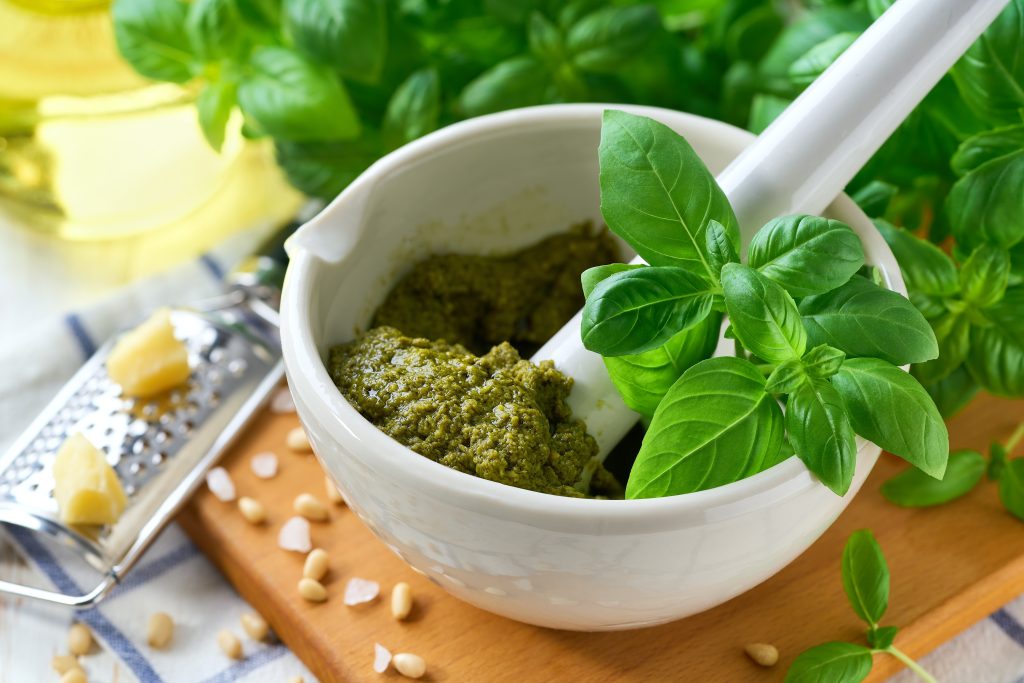
Our Basil Pesto is made with olive oil, basil, garlic, and pine nuts and sometimes cheese. This combo provides multiple heart-supportive compounds. The olive oil provides monounsaturated fats that help improve cholesterol levels, while nuts contribute additional healthy fats, magnesium, and plant sterols that support vascular health. Basil and garlic bring in antioxidants and sulfur-containing compounds that may help reduce oxidative stress and support healthy blood pressure levels. Use a small amount – 10-15 grams per serving to add immense flavor to any meal.
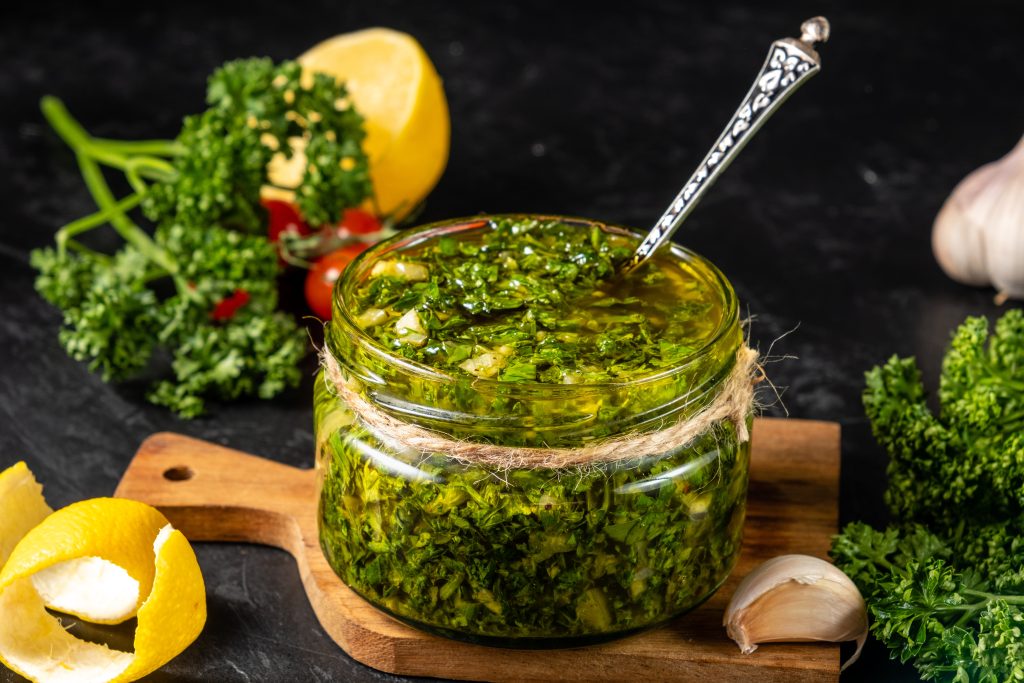
Our Chimichurri recipe is made with olive oil again, parsley, garlic, vinegar, and herbs and it is similarly powerful. Parsley is rich in vitamin K and antioxidants that support blood vessel health, while garlic has been studied for its potential to help regulate blood pressure and improve circulation. The combination of these ingredients, paired with olive oil, creates a nutrient-dense, anti-inflammatory sauce that supports heart health from multiple angles. Again, use a small amount – 10-15 grams per serving to add immense flavor to any meal.
Recipes and instructions can be found here.
Olive Oil Shots + Hydration = Skin Support Combo
This is something I see often: We focus on oils and other trends but forget some of the most basic needs: hydration. I am so guilty of this myself. But for skin health, you need both:
- internal fats
- AND hydration
This is why I always emphasize hydration strategies (and why we created our non-alcoholic drinks recipe book). I also have the ultimate hydration formula included in this book to help you make your own electrolytes at home.
What’s happening beneath the surface is that your skin relies on both lipids (fats) and water balance to maintain its structure and appearance. The fats from olive oil help reinforce the skin’s lipid barrier, which keeps moisture from escaping, while proper hydration ensures your skin cells are adequately filled and functioning optimally. When one is missing, the other can’t do its job effectively—so even if you’re consuming healthy fats, dehydration can still leave your skin looking dull or dry. But when both are in place, you support skin from both angles—helping it appear smoother, more resilient, and visibly more hydrated over time.
Where This Fits Into Your Life
At THOR, we don’t isolate foods. We integrate them into a full lifestyle.
Because one habit won’t change your life but a system will.
Inside our women’s retreats, women’s health coaching, and nutrition and hydration recipe books, we focus on:
- teaching you how to eat not restrict
- building strength not just losing weight
- supporting your body not fighting it
Final Thoughts on Olive Oil Shots
Do I love olive oil? Absolutely.
Can it support your health? Yes.
Do you need to take it as a shot? Not necessarily.
Because the real question is not: “Is this healthy?”
The real question is: “Is this right for me, my body, and my goals at this time in my life?”
Olive Oil Shots: Frequently Asked Questions
Is taking olive oil daily good for you?
Yes, olive oil can absolutely be part of a healthy daily routine when used in moderation. It’s rich in monounsaturated fats and polyphenols, which have been associated with heart health, reduced inflammation, and overall metabolic support. However, because it is calorie-dense, portion size matters especially if your goal is weight management. The key is not just adding olive oil in, but making sure it fits within your overall nutrition so you’re supporting your body without unintentionally increasing total caloric intake.
Do olive oil shots help with weight loss?
There is no strong scientific evidence to suggest that taking olive oil as a shot leads to weight loss. While olive oil is a healthy fat, it still contains calories, and consuming it in addition to your regular meals can actually increase your total intake and slow fat loss progress. Weight loss ultimately comes down to overall energy balance, so olive oil can be included but it should be accounted for as part of your daily nutrition, not used as a standalone strategy.
Is olive oil good for skin health?
Yes, olive oil can support skin health from the inside out due to its content of vitamin E, healthy fats, and antioxidants. These nutrients help protect skin cells from oxidative stress, support the skin barrier, and improve moisture retention. Over time, this can contribute to skin that feels more hydrated, appears more supple, and shows improved elasticity. The benefits are most noticeable when olive oil is used consistently as part of a balanced diet rather than as a one-off addition.
Should you take olive oil on an empty stomach?
Some people choose to take olive oil on an empty stomach, particularly for digestive support, but there is no strong evidence that this timing significantly enhances its benefits compared to consuming it with meals. In fact, pairing olive oil with food can improve the absorption of certain nutrients, especially fat-soluble vitamins. Ultimately, the timing matters less than consistency and overall dietary context, so it’s best to use it in a way that feels sustainable for you.
What is the healthiest olive oil?
The healthiest olive oil is typically extra virgin, cold-pressed, stored in a dark glass bottle, and relatively fresh. This type of oil undergoes minimal processing, which helps preserve its natural antioxidants and beneficial compounds. Freshness is especially important, as these compounds degrade over time with exposure to light, heat, and oxygen. Choosing a high-quality oil ensures you’re getting the full nutritional and health benefits olive oil has to offer.
Can olive oil help digestion?
Yes, olive oil may support digestion by helping stimulate bile production, which aids in the breakdown and absorption of fats. It can also support gut motility, meaning it may help food move more smoothly through the digestive tract. For some individuals, especially in midlife, this can contribute to improved regularity and reduced constipation when used in moderate amounts as part of a balanced diet.
How much olive oil should I consume daily?
For most people, about 1-2 tablespoons of olive oil per day fits well within a balanced diet and allows you to benefit from its healthy fats without overdoing calorie intake. The exact amount can vary depending on your individual energy needs, activity level, and goals. The most effective approach is to use olive oil intentionally incorporating it into meals rather than adding it on top of everything so it supports your overall nutrition without throwing it off balance.

