There’s a new wellness trend all over TikTok, and surprisingly, it’s not another restrictive diet, detox tea, or extreme protocol.
It’s fiber.
More specifically, “fibermaxxing.”
At first glance, it sounds almost too simple to be effective. Add more fiber, feel fuller, improve digestion, lose weight, stabilize blood sugar.
But like most viral trends, the question isn’t just what it is. But rather whether it actually works, and if there’s a smarter way to approach it.
Let’s break it down.
What Is “Fibermaxxing”?
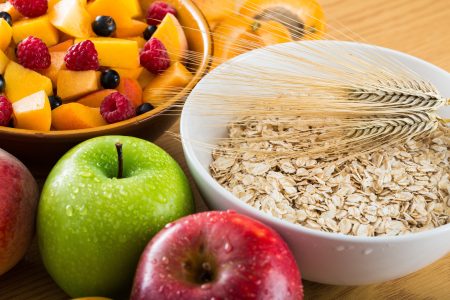
Fibermaxxing is the intentional effort to maximize daily fiber intake, often by adding high-fiber foods or supplements to meals.
You’ll see people:
adding chia seeds to everything
swapping low-fiber foods for whole grains
loading up on legumes and vegetables
using fiber powders or supplements
The goal is usually some combination of:
better digestion
reduced cravings
improved gut health
weight management
And in theory, this makes sense.
Because fiber is one of the most under-consumed nutrients in modern diets.
Why Is Everyone Suddenly Talking About Fiber?
Because people are starting to realize something important:
👉 Hunger isn’t always about willpower
👉 It’s often about what your body is missing
Most ultra-processed diets are:
low in fiber
low in volume
high in calories
Which creates the perfect storm for:
constant hunger
blood sugar spikes
overeating
Fiber flips that equation.
It slows digestion. It stabilizes blood sugar. It increases fullness.
And for a lot of people – and especially for women in midlife – this is the missing piece.
What Does Fiber Actually Do in the Body?
Fiber isn’t just about digestion. It impacts multiple systems at once.
According to research from organizations like the Academy of Nutrition and Dietetics and the Harvard T.H. Chan School of Public Health, fiber plays a key role in:
1. Blood Sugar Regulation
Fiber slows how quickly food is digested and absorbed.
This helps prevent rapid spikes and crashes in blood sugar—which are often responsible for:
energy dips
cravings
irritability
This is especially important in midlife, when insulin sensitivity can begin to decline.
2. Appetite Control and Satiety
High-fiber foods take longer to digest and increase feelings of fullness.
That means:
👉 fewer cravings
👉 less snacking
👉 more stable energy
Without needing extreme calorie restriction.
3. Gut Health and the Microbiome
Certain types of fiber act as prebiotics, feeding beneficial gut bacteria.
A healthy gut microbiome has been linked to:
improved digestion
stronger immune function
better metabolic health
And even mood regulation.
4. Heart Health
Soluble fiber can help reduce LDL cholesterol levels.
Higher fiber intake is associated with lower risk of cardiovascular disease.
5. Weight Management
Multiple studies show that higher fiber intake is associated with:
lower body weight
improved metabolic markers
Not because fiber “burns fat”—but because it helps regulate appetite and energy intake.
Can You Overdo Fiber?
This is where fibermaxxing can go wrong.
Because more is not always better—especially if your body isn’t used to it.
The Most Common Mistake: Increasing Fiber Too Quickly
If someone goes from:
👉 10 grams per day → 40+ grams overnight
They’re likely to experience:
bloating
gas
abdominal discomfort
constipation
Yes—constipation. Even though fiber is supposed to help with digestion.
This happens because fiber needs time (and water) to work properly.
Who Needs to Be More Careful?
Certain individuals should approach high-fiber intake more cautiously:
People with Irritable Bowel Syndrome
Those with Crohn’s Disease or Ulcerative Colitis
Individuals with sensitive digestion
In these cases, the type of fiber matters:
soluble fiber is often better tolerated
insoluble fiber may aggravate symptoms
Hydration Matters More Than People Think
Fiber absorbs water.
If you increase fiber without increasing fluid intake, you can actually worsen digestion.
👉 More fiber = more water needed
How Much Fiber Should You Actually Be Eating?
According to the Dietary Guidelines for Americans:
Women under 50: ~25 grams/day
Women over 50: ~21 grams/day
Men: ~30–38 grams/day
But here’s the reality:
👉 Most people are getting far less than this
A practical, effective range for most adults:
👉 25–35 grams per day
The key is not hitting a perfect number—it’s consistency over time.
The Best High-Fiber Foods to Focus On
If you’re going to increase fiber, whole foods should be your foundation.
Top Fiber-Rich Foods
Seeds
Chia seeds
Flaxseeds
Legumes
Lentils
Chickpeas
Black beans
Fruits
Raspberries
Pears
Apples (with skin)
Vegetables
Broccoli
Brussels sprouts
Carrots
Whole grains
Oats
Quinoa
Brown rice
Supplements vs Whole Foods: What’s Better?
Fiber supplements can be helpful—but they shouldn’t replace real food.
Whole foods provide:
vitamins
minerals
antioxidants
additional satiety
Supplements can be useful when:
intake is very low
someone struggles to meet needs through food alone
But relying solely on powders misses the bigger picture.
Why Fiber Matters Even More in Midlife
This is where fibermaxxing actually has real potential—when applied correctly.
For women over 40 and 50:
Hormonal shifts can increase fat storage
Appetite regulation may change
Blood sugar control becomes more important
Fiber helps address all of these.
It supports:
satiety
metabolic health
digestive function
Which is why many women notice significant improvements when they increase fiber intake—without extreme dieting.
The Smarter Way to Approach Fibermaxxing
Instead of going all-in overnight, think of this as a gradual upgrade.
Step 1: Add, Don’t Restrict
Start by adding fiber to meals you’re already eating.
Add chia seeds to yogurt
Add vegetables to lunch and dinner
Swap refined carbs for whole grains
Step 2: Increase Slowly
Add:
👉 5–10 grams per week
Let your body adjust.
Step 3: Prioritize Variety
Different fibers support different bacteria in the gut.
The goal isn’t just more fiber—it’s diverse fiber sources.
Step 4: Drink More Water
This is non-negotiable.
Step 5: Pay Attention to Your Body
More fiber should feel:
satisfying
stabilizing
Not:
bloating
uncomfortable
The Real Problem Fibermaxxing Is Trying to Solve
At its core, this trend is addressing a bigger issue:
👉 Modern diets are disconnected from how our bodies are designed to function
Low fiber intake is a symptom of that.
And when people increase fiber, they often feel better—not because it’s a “hack,” but because they’re correcting a deficiency.
The Bottom Line
Fibermaxxing isn’t a magic solution.
But it’s also not just another trend to ignore.
👉 The concept is valid
👉 The benefits are real
👉 The execution matters
If I had to simplify it:
Most people need more fiber
Almost no one needs extreme amounts
The best approach is gradual, consistent, and food-first
Final Thought
You don’t need to overhaul your entire diet overnight.
You don’t need to track every gram obsessively.
You just need to start building meals that actually support your body.
Because when you give your body what it needs, it becomes a lot easier to feel satisfied, energized, and in control again.
For years, women have been told that weight loss requires restriction.
Eat less. Cut carbs. Avoid anything that feels indulgent.
But here’s what actually happens in real life—especially in midlife:
You try to follow a “clean” plan.
You remove the foods you love.
You rely on willpower.
And eventually… you burn out.
This strategy is just not sustainable.
The truth is: Sustainable weight loss requires a different strategy. Rather than removing comfort or our favorite foods, we can redefine them.
Especially, when we learn how to create meals that are:
High in protein
High in volume
Nutrient-dense
And deeply satisfying
It stops feeling like you’re “on a diet” and starts becoming a way of eating you can actually maintain. And that’s the key to losing weight and keeping it off.
Free Macro Calculator
Personalized to your body, goals, and measurements. You will receive detailed macros for meals, sample day of eating, food selection guidance, hydration + daily supplement suggestions, and more.
You don’t lose weight because of the “perfect” plan. You lose weight because of the plan you can stick to.
And let’s be honest. No one sticks to grilled chicken and steamed broccoli forever.
When your meals feel satisfying, warm, familiar, and enjoyable, you’re more likely to stay consistent long term.
So lets check out the recipes:
3 High-Protein Comfort Foods That Support Weight Loss
These are not “diet foods.”
These are real meals but we have reimagined them to support your weight loss goals.
Free Macro Calculator
Personalized to your body, goals, and measurements. You will receive detailed macros for meals, sample day of eating, food selection guidance, hydration + daily supplement suggestions, and more.
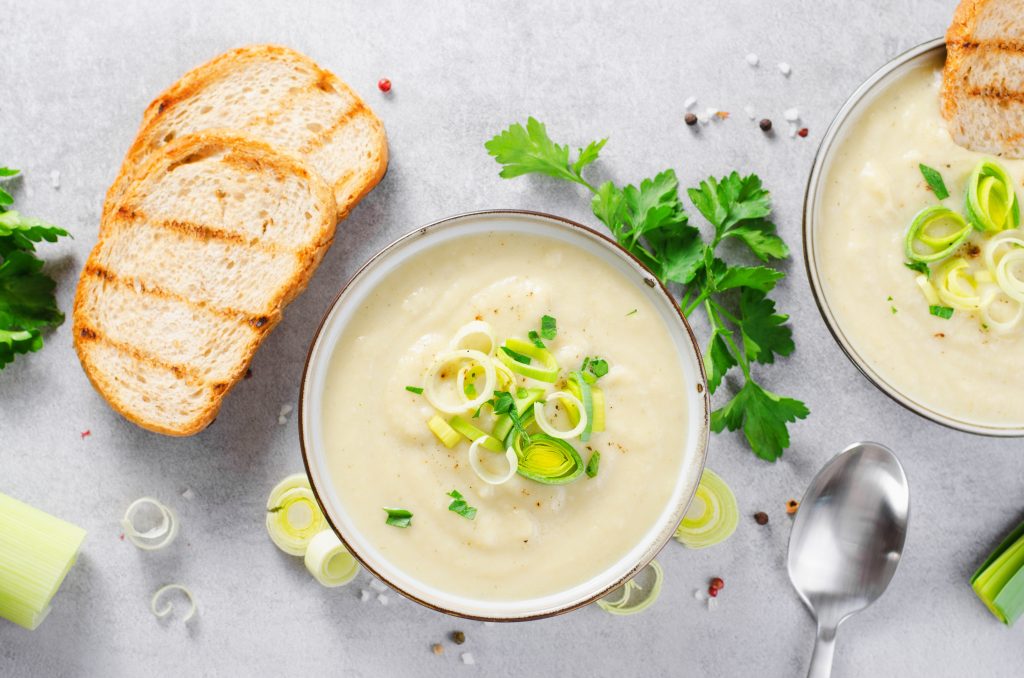
What it is: A lighter version of traditional potato soup using a mix of potatoes + cauliflower, blended with Greek yogurt or fat-free cheese and topped with lean turkey bacon.
Why it works for weight loss:
High volume, low calorie density: Cauliflower significantly lowers total calories while maintaining portion size. Research shows that low-energy-dense foods help reduce overall calorie intake without increasing hunger
Protein improves satiety: Adding Greek yogurt or lean protein increases fullness and reduces subsequent calorie intake
Comfort factor = adherence: Sustainable weight loss depends on consistency. Familiar, satisfying meals increase long-term adherence more than restrictive diets.
Ingredients (Serves 4–6)
2 medium potatoes, peeled and chopped
1 large head cauliflower, chopped
1 small onion, diced
3–4 cloves garlic, minced
4 cups low-sodium chicken or vegetable broth
½ cup plain nonfat Greek yogurt (or blended cottage cheese)
½ cup reduced-fat shredded cheese (cheddar or similar)
4 slices turkey bacon, cooked and crumbled
Salt, pepper to taste
Optional: parsley, chives, spinach
Instructions
Boil base: Add potatoes and cauliflower to a large pot with broth. Bring to a boil, then simmer for 15–20 minutes until soft.
Sauté aromatics: In a separate pan, sauté onion and garlic until translucent (about 5 minutes).
Blend: Add everything to a blender (or use an immersion blender). Blend until smooth and creamy.
Add protein + creaminess: Stir in Greek yogurt and shredded cheese. Mix until fully incorporated.
Season: Add salt, pepper, and any herbs.
Top + serve: Top with turkey bacon, herbs, and optional greens.
Simple THOR-style upgrade:
Add:
Blended cottage cheese for extra protein
Collagen peptides (unflavored) for a subtle boost
Chopped greens (spinach or kale) for added fiber
2. Protein Mac & Cheese (Greek Yogurt or Cottage Cheese Base)
What it is: Classic mac & cheese made with high-protein pasta (like chickpea or lentil pasta) and a sauce built from blended cottage cheese or Greek yogurt instead of heavy cream.
Why it works for weight loss:
Higher protein = better appetite control: Protein intake is consistently linked to reduced hunger and improved weight management
Improved body composition: Higher-protein diets help preserve lean muscle during weight loss, which supports metabolic rate.
Lower calorie swaps without sacrificing taste: Replacing heavy cream and butter with dairy-based proteins reduces calories while maintaining a creamy texture.
Cook pasta: Cook according to package directions. Drain and set aside.
Make sauce: Blend cottage cheese + milk until completely smooth.
Heat sauce: Pour mixture into a saucepan over medium heat. Stir in shredded cheese, nutritional yeast, and seasonings.
Combine: Add cooked pasta to the sauce and stir until fully coated.
Add extras (optional): Mix in cooked chicken or vegetables.
Serve warm
Simple THOR-style upgrade
Add:
Grilled chicken, shirmp, lobster or turkey for additional protein
Broccoli, cauliflower or zucchini for volume
Nutritional yeast for a richer “cheesy” flavor with added nutrients
Free Macro Calculator
Personalized to your body, goals, and measurements. You will receive detailed macros for meals, sample day of eating, food selection guidance, hydration + daily supplement suggestions, and more.
Cook protein: In a large pot, cook ground turkey/chicken until browned.
Add vegetables: Add onion, garlic, and pepper. Cook 5–7 minutes until softened.
Add remaining ingredients: Stir in beans, tomatoes, broth, zucchini, and spices.
Simmer: Let cook on low for 25–40 minutes, stirring occasionally.
Adjust seasoning
Serve + top: Add Greek yogurt, herbs, or avocado.
Simple THOR-style upgrade
Add:
Extra vegetables (peppers, zucchini, mushrooms)
Bone broth instead of water for added nutrients
Greek yogurt instead of sour cream for topping
How to Start Using This Approach Immediately
You don’t need to overhaul your entire diet.
Start here:
Step 1: Pick 1–2 comfort meals you already love
Pasta, soup, chili, casseroles anything goes.
Step 2: Modify, don’t eliminate
Add protein
Increase volume (vegetables)
Swap high-calorie ingredients
Step 3: Build meals that keep you full for 4–5 hours
If you’re constantly hungry, the meal isn’t working.
Free Macro Calculator
Personalized to your body, goals, and measurements. You will receive detailed macros for meals, sample day of eating, food selection guidance, hydration + daily supplement suggestions, and more.
I write 3 essays per week on Lifestyle Medicine for women in midlife on what is happening in the body and what to do about it. No fluff, no hype. Free.
If you’ve ever wondered why men and women often respond differently to stress, emotion, or overwhelm, neuroscience offers some helpful insights.
This isn’t about stereotypes or rigid rules. Every individual nervous system is unique. But decades of research in neuroscience, endocrinology, and psychology show that biological differences in hormones, brain connectivity, and stress regulation can shape how male and female nervous systems tend to operate on average.
Free 28-Day Fascia Reset Email Course
Get our Free 28-day email course series to help with 1 or 2 exercises per day to release your fascia. One short lesson per day. Two minutes to read each.
Understanding these differences can be empowering—especially for women navigating midlife, hormonal shifts, and increased stress. When we understand the biology behind our responses, we can stop blaming ourselves for how our bodies react and instead learn how to support our nervous systems more effectively.
Let’s explore what science tells us.
The Nervous System: Your Body’s Master Control Center
The nervous system is responsible for coordinating everything in the body, from breathing and digestion to emotional responses and stress reactions.
A key component is the autonomic nervous system (ANS), which operates automatically and regulates how the body reacts to both internal and external environments.
The autonomic nervous system has two major branches:
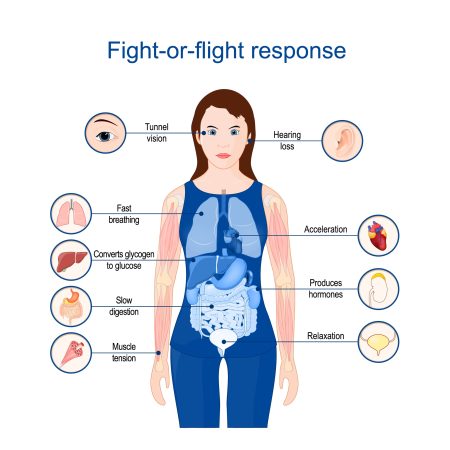
Sympathetic Nervous System
Activates during stress
Often called the “fight or flight” system
Increases heart rate, alertness, and energy mobilization
Parasympathetic Nervous System
Responsible for recovery and repair
Known as the “rest and digest” system
Slows heart rate and promotes relaxation
Both men and women rely on this same system. But research suggests there are average differences in how these systems are activated and regulated.
Stress Responses: Fight-or-Flight vs Tend-and-Befriend
One of the most well-known differences between male and female nervous system responses relates to stress.
The traditional explanation of stress response has long been the fight-or-flight model, first described by physiologist Walter Cannon in the early 20th century.
When the brain perceives danger, the body releases stress hormones such as:
adrenaline
norepinephrine
cortisol
These hormones prepare the body to either confront a threat or escape from it.
This response is present in both men and women.
However, research suggests women often display an additional pattern.
Psychologist Dr. Shelley Taylor at UCLA proposed what she called the “tend-and-befriend” response in a landmark study published in Psychological Review (2000).
Instead of responding primarily with aggression or withdrawal, women under stress often show a tendency to:
seek social support
nurture relationships
protect children or close family members
strengthen social bonds
This behavior appears to be influenced by the hormone oxytocin, which increases during stress and promotes bonding behaviors.
Estrogen enhances oxytocin activity, which may partly explain why social connection can have such a powerful calming effect for many women.
In practical terms, this means something important.
When women reach out to friends, talk through stress, or seek community support during difficult moments, this isn’t weakness.
It is a biologically supported nervous system regulation strategy.
Hormones Shape the Female Nervous System
One of the biggest differences between male and female nervous systems lies in hormonal influence.
The male hormonal environment tends to be more stable day-to-day.
The female hormonal environment, however, is dynamic and cyclical.
Hormones such as estrogen and progesterone interact directly with the brain, influencing neurotransmitters and neural networks involved in mood, cognition, and emotional regulation.
Research shows estrogen affects several important brain chemicals including:
serotonin (mood regulation)
dopamine (motivation and reward)
GABA (calming signals in the brain)
brain-derived neurotrophic factor (BDNF), which supports brain plasticity
According to neuroscience research, estrogen can enhance synaptic connections in the hippocampus and prefrontal cortex—regions involved in memory, learning, and emotional regulation (McEwen & Milner, 2017).
Progesterone also plays a role.
Metabolites of progesterone interact with GABA receptors, which can have calming and sedative effects on the brain.
These hormonal influences mean the female nervous system is constantly adjusting across:
the menstrual cycle
pregnancy
postpartum
perimenopause
menopause
This dynamic regulation can create periods of heightened sensitivity or resilience depending on hormonal shifts.
For many women, this becomes especially noticeable during perimenopause, when estrogen fluctuations become more unpredictable and the nervous system may feel more reactive to stress.
Free 28-Day Fascia Reset Email Course
Get our Free 28-day email course series to help with 1 or 2 exercises per day to release your fascia. One short lesson per day. Two minutes to read each.
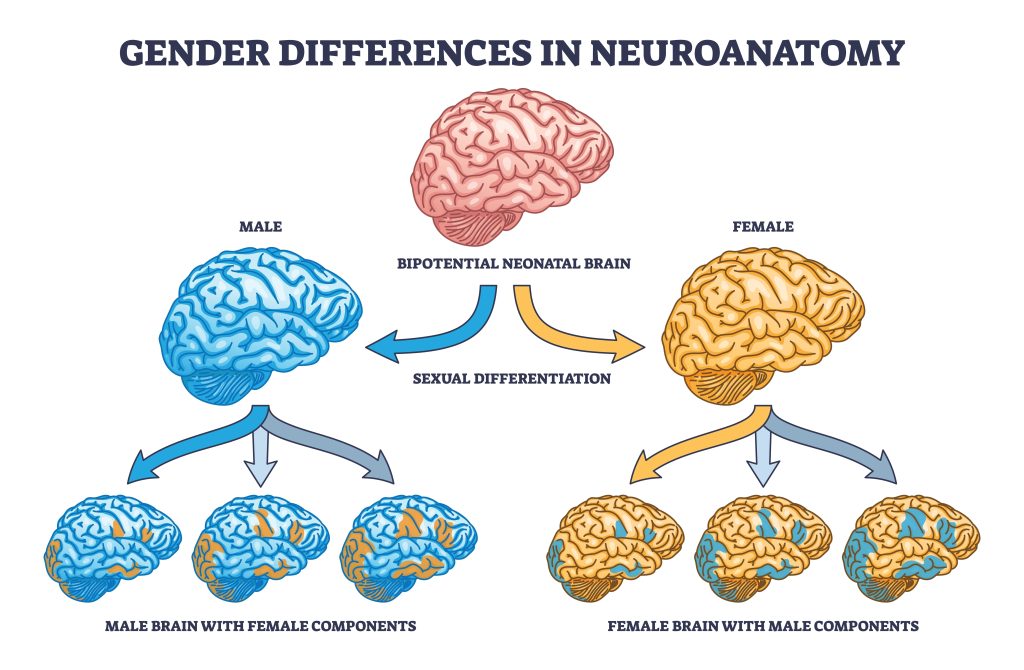
Brain imaging studies have also explored structural differences between male and female brains.
A large neuroimaging study from the University of Pennsylvania analyzed brain connectivity in over 900 individuals using diffusion tensor imaging.
The findings, published in Proceedings of the National Academy of Sciences in 2014, showed interesting patterns.
On average:
Male brains showed stronger connections within each hemisphere.
This type of wiring supports coordination between perception and action and may facilitate tasks involving motor skills and spatial navigation.
Female brains showed stronger connections between the two hemispheres.
This pattern may support integration between analytical and emotional processing networks.
Researchers suggested this connectivity could contribute to strengths in areas such as:
communication
emotional interpretation
memory integration
multitasking
It is important to emphasize that these are statistical patterns across large populations. Many individuals show mixed connectivity patterns.
Still, these findings highlight how brain organization can differ subtly between sexes.
Emotional Processing and Empathy
Functional MRI research has also examined how the brain processes emotional information.
Studies indicate that women often show greater activation in certain limbic regions when processing emotional stimuli, including:
the amygdala
anterior cingulate cortex
insula
These regions are involved in emotional awareness, empathy, and threat detection.
This does not necessarily mean women experience stronger emotions.
Rather, the nervous system may be more finely tuned to detect emotional cues and relational dynamics.
This heightened sensitivity can be advantageous in social environments, caregiving roles, and leadership positions that require emotional intelligence.
However, it may also contribute to increased emotional fatigue when stress levels are high.
Sensory Awareness and Environmental Sensitivity
Research also suggests women often display higher interoceptive awareness, which refers to the ability to sense internal bodily signals.
This can include awareness of:
heartbeat
hunger
fatigue
emotional shifts
subtle physical discomfort
This sensitivity is partly linked to the insula, a brain region that integrates bodily sensations with emotional awareness.
Greater sensory awareness can help individuals respond quickly to internal cues.
But it can also make environments with high stimulation—noise, multitasking, digital overload—feel overwhelming more quickly.
Many women report this type of sensory saturation during periods of high stress or hormonal shifts.
Stress Recovery Patterns
Another interesting area of research examines how men and women recover from stress.
Some studies suggest men may experience larger immediate spikes in cortisol, the primary stress hormone.
Women, however, may experience longer emotional processing periods, especially when stress involves relationships or social evaluation.
Psychologist Susan Nolen-Hoeksema’s research on rumination found that women are statistically more likely to engage in repetitive thinking about stressful events.
Rumination can prolong nervous system activation and delay recovery from stress.
However, it is important to note that social support and emotional expression can also act as powerful stress-reduction tools for women.
Free 28-Day Fascia Reset Email Course
Get our Free 28-day email course series to help with 1 or 2 exercises per day to release your fascia. One short lesson per day. Two minutes to read each.
Research has also identified differences in pain perception.
Women often report:
greater sensitivity to certain types of pain
stronger immune responses
higher rates of some autoimmune conditions
Estrogen interacts with immune signaling and inflammatory pathways, which may contribute to these differences.
Increased pain sensitivity may also relate to stronger interoceptive awareness.
While this can make discomfort more noticeable, it also means many women are highly attuned to early signals from their bodies.
This awareness can be valuable when learning to regulate stress, adjust habits, and support long-term health.
The Most Important Takeaway
It’s tempting to reduce these findings to simple statements like “men are logical and women are emotional.”
But neuroscience tells a much more nuanced story.
Both male and female nervous systems are incredibly sophisticated.
They simply emphasize different adaptive strategies.
A helpful way to think about it is this:
On average, the male nervous system prioritizes rapid mobilization and action.
The female nervous system prioritizes sensing, connection, and integration.
Both strategies have clear evolutionary advantages.
And both are necessary for a balanced, functioning society.
Why This Matters for Women in Midlife
Understanding nervous system biology becomes especially important for women navigating midlife transitions.
Hormonal shifts during perimenopause can influence:
stress resilience
sleep quality
emotional regulation
sensory sensitivity
energy levels
When women suddenly feel more reactive, overwhelmed, or emotionally sensitive during this stage of life, it is often not a failure of discipline.
It is the nervous system adapting to hormonal changes.
This is why practices that support nervous system regulation become so important in midlife.
These may include:
strength training
yoga and breathwork
adequate protein intake
restorative sleep
time in nature
supportive social relationships
Each of these habits influences the nervous system’s ability to shift back into parasympathetic recovery mode.
The Future of Women’s Health
For decades, most neuroscience research focused primarily on male subjects.
Today, scientists are increasingly recognizing the importance of studying the female brain and nervous system independently.
As this research expands, we are gaining a deeper understanding of how hormones, social dynamics, and biology interact to shape women’s health across the lifespan.
This knowledge allows women to approach wellness not from a place of self-criticism, but from a place of biological awareness and self-support.
Because when you understand how your nervous system works, you can finally start working with it instead of fighting against it.
I write 3 essays per week on Lifestyle Medicine for women in midlife on what is happening in the body and what to do about it. No fluff, no hype. Free.
References
Cahill L. (2006). Why sex matters for neuroscience. Nature Reviews Neuroscience.
Ingalhalikar M. et al. (2014). Sex differences in the structural connectome of the human brain. Proceedings of the National Academy of Sciences.
McEwen B. S., & Milner T. A. (2017). Understanding the broad influence of sex hormones on brain function. Nature Reviews Neuroscience.
Taylor S. E. et al. (2000). Biobehavioral responses to stress in females: Tend-and-befriend. Psychological Review.
Nolen-Hoeksema S. (2012). Emotion regulation and psychopathology: The role of gender differences. Annual Review of Clinical Psychology.
The smallest things can trigger disproportionate irritation or emotional reactions.
Many women wonder:
“Why does everything suddenly feel harder than it used to?”
The answer is rarely just one thing.
Midlife is a unique physiological and psychological transition that combines:
hormonal shifts
accumulated life stress
peak responsibility years
changes in sleep and metabolism
and the constant stimulation of modern life.
When these factors converge, the nervous system can become chronically overstimulated.
Understanding the signals your body is sending can help you recognize when your nervous system needs recovery rather than pushing harder.
Below are 10 common signs that overstimulation and stress may be affecting your nervous system during midlife.
What Is Nervous System Overstimulation?
Nervous system overstimulation occurs when the brain receives more sensory and emotional input than it can effectively process.
The body shifts into a prolonged stress response driven by the sympathetic nervous system.
This state can cause symptoms such as:
irritability
difficulty focusing
sleep disruption
emotional reactivity
sensory sensitivity
physical tension
Research shows that chronic stress alters brain regions involved in emotional regulation and executive function, particularly the prefrontal cortex.
Hormonal fluctuations during perimenopause can also influence neurotransmitters such as serotonin, dopamine, and GABA, which regulate mood, attention, and stress resilience.
This combination makes many midlife women especially vulnerable to nervous system overload.
1. Irritability Over Small Things
One of the first signs of overstimulation is disproportionate irritation over minor stressors.
Normal background noise suddenly feels overwhelming.
Small interruptions trigger frustration.
Clutter or multitasking becomes intolerable.
When the nervous system is stressed, the brain becomes less capable of filtering stimulation efficiently.
The result is reduced tolerance for environmental input.
2. Feeling “Touched Out” or Needing Physical Space
Another common midlife symptom is feeling physically overwhelmed by normal touch.
This may include:
needing personal space
feeling irritated by physical contact
wanting distance after a long day.
Heightened sensory sensitivity often occurs when cortisol levels remain elevated and the nervous system becomes hyper-responsive to stimulation.
Your body is essentially signaling that it needs less input and more recovery.
3. Difficulty Focusing or Making Decisions
Many women notice a sudden increase in decision fatigue.
Simple tasks feel mentally draining.
Planning meals, responding to emails, or organizing schedules requires more effort than it once did.
Estrogen fluctuations during perimenopause can influence dopamine pathways in the brain that support executive functioning and motivation.
When cognitive bandwidth decreases, decision-making feels exhausting.
4. A Strong Urge to Withdraw or Be Alone
Overstimulation often leads to a desire to withdraw from environments that feel too demanding.
You may feel the urge to:
cancel social plans
step away from conversation
seek quiet environments.
This response is not always depression.
Often it reflects sensory and emotional saturation.
Your nervous system simply needs fewer inputs.
5. Sleep Disruption Despite Physical Exhaustion
A common midlife paradox is feeling completely exhausted while struggling to sleep.
Stress hormones such as cortisol can interfere with the body’s ability to transition into restorative sleep cycles.
Hormonal changes during menopause are also associated with insomnia and disrupted sleep patterns.
When sleep quality declines, nervous system resilience decreases further.
6. Sensitivity to Noise, Light, or Digital Input
Modern environments expose us to constant stimulation.
Phones, screens, emails, background noise, and artificial lighting create an ongoing stream of sensory input.
When the brain reaches its processing capacity, even normal environments can feel overwhelming.
This can show up as:
intolerance to bright lights
irritation from background noise
discomfort with multiple conversations.
Reducing sensory load is often one of the fastest ways to calm an overstimulated nervous system.
7. Emotional Reactivity Followed by Guilt
Many women describe emotional reactions that feel stronger than the situation warrants.
This may include sudden:
anger
tears
frustration.
Moments later, confusion or guilt appears.
Hormonal changes combined with stress can temporarily reduce emotional regulation capacity.
This does not mean something is wrong with you.
It means your nervous system may be over capacity.
8. Physical Symptoms With No Clear Medical Cause
Stress does not only affect mood and focus.
It also appears through physical sensations.
Common symptoms include:
headaches
jaw clenching
digestive discomfort
chest tightness
shallow breathing.
These responses occur because chronic stress activates physiological threat systems that influence multiple body systems.
Your body is reacting to sustained pressure.
9. Loss of Patience for Multitasking
Many women spend years successfully juggling multiple responsibilities.
But during periods of nervous system overload, multitasking becomes exhausting.
The brain has limited processing capacity.
When stress consumes much of that capacity, additional tasks quickly become draining.
This is a signal to simplify demands rather than push harder.
10. Craving Silence, Darkness, or Stillness
Perhaps the clearest signal of nervous system overload is the desire for quiet and rest.
You may crave:
silence
dim lighting
time alone
stillness.
This instinct reflects the body’s attempt to shift away from chronic stimulation and toward regulation.
Your nervous system is asking for recovery.
Why Midlife Women Experience More Overstimulation
Several factors converge during this stage of life.
Hormonal Changes
Estrogen interacts with neurotransmitters involved in mood, attention, and emotional regulation.
Fluctuations during perimenopause can temporarily reduce stress resilience.
Chronic Stress Load
Many women in midlife are managing multiple roles simultaneously:
career demands
parenting
caregiving for aging parents
financial responsibilities.
This sustained pressure can overwhelm the nervous system.
Constant Digital Stimulation
Modern life introduces far more sensory input than previous generations experienced.
Phones, notifications, and screens keep the brain continuously engaged.
Without intentional breaks, the nervous system rarely resets.
How to Calm an Overstimulated Nervous System
Recovery does not require drastic life changes.
Often it begins with small shifts that restore regulation.
Helpful strategies include:
prioritizing sleep quality
limiting unnecessary sensory input
scheduling quiet recovery periods
spending time outdoors
engaging in movement or exercise
practicing breathwork or meditation
Lifestyle practices that support the nervous system can significantly improve resilience and emotional regulation.
Midlife Is Not Breakdown – It Is a Biological Signal
Feeling overstimulated does not mean you are weak.
It means your body is signaling a need for different rhythms of stress and recovery.
Midlife can become an opportunity to redesign your lifestyle in ways that support long-term health, energy, and emotional stability.
When women learn to recognize nervous system signals early, they often regain clarity, patience, and resilience.
The key is learning to listen.
I write 3 essays per week on Lifestyle Medicine for women in midlife on what is happening in the body and what to do about it. No fluff, no hype. Free.
There is a reason so many women hit midlife and suddenly start asking the same question:
“Why does everything feel harder than it used to?”
The focus that once came naturally starts slipping. Simple tasks feel heavier. Time management gets harder. Overwhelm shows up faster. Emotional regulation feels shakier. Things that used to work no longer seem to work at all.
For many women, this gets brushed off as stress, aging, burnout, or “just hormones.” Sometimes it is. But sometimes it is something else that has been there all along.
In my recent podcast conversation with Dr. Amelia Kelley – licensed therapist, TEDx speaker, trauma-informed clinician, and author of Powered by ADHD — we explored a topic that deserves far more attention: how ADHD can show up in women during midlife, especially during perimenopause and menopause.
What makes this conversation so important is that many women were never identified earlier in life. ADHD research and diagnostic frameworks were historically shaped around male presentations, which means many girls and women learned to compensate, mask, overperform, and push through without realizing their brain was working differently. As hormones shift in midlife, those coping systems can begin to break down, making long-standing ADHD traits suddenly much more visible.
This episode is not about labeling women as broken. It is about helping them understand what may be happening, why it feels so intense, and what they can do next.
Why ADHD often goes unnoticed in women
ADHD is a neurodevelopmental condition associated with persistent patterns of inattention and/or hyperactivity-impulsivity that interfere with functioning across settings. Diagnosis is based on more than being forgetful or scattered once in a while; symptoms must be impairing, present in multiple environments, and traceable back to earlier life, even if they were not recognized at the time.
The problem is that many women do not fit the stereotype people still hold in their minds.
Instead of looking outwardly disruptive, ADHD in women can look like:
constant internal restlessness,
racing thoughts,
chronic overwhelm,
perfectionism,
hypercompensation,
anxiety around forgetting things,
people-pleasing,
emotional intensity,
or the exhausting effort of trying to stay one step ahead all the time.
Emerging female-focused ADHD research has pushed this issue into the spotlight, showing that girls and women are often under-identified and can present differently across the lifespan, especially during times of hormonal change.
That matters because the woman who looks “high functioning” from the outside may actually be holding everything together through sheer force, overwork, urgency, and stress.
Why perimenopause can make ADHD symptoms feel worse
One of the most important takeaways from this conversation is that midlife can become the tipping point.
Perimenopause is a time of fluctuating reproductive hormones, especially estrogen and progesterone. Estrogen has important interactions with brain systems involved in dopamine signaling, attention, mood, and executive function. When estrogen levels drop or become more erratic, many women report worsening brain fog, distractibility, low frustration tolerance, irritability, and difficulty organizing or following through. ADHD organizations and recent reviews alike have highlighted this connection, while also noting that the research base is still developing.
That means a woman who has quietly managed ADHD traits for decades may suddenly feel like her systems no longer work.
She may say things like:
“I used to be able to juggle everything.” “I can’t tolerate the same level of stimulation anymore.” “I feel overwhelmed by basic life admin.” “I lose track of time constantly.” “I’m more reactive than I used to be.” “I can’t think straight.”
Those experiences are real. They are not laziness. They are not moral failure. And they are not imaginary.
CHADD notes that executive functioning difficulties in midlife are common, but can be significantly worse in women with pre-existing or previously subthreshold ADHD.
Executive function: the piece many women are really struggling with
A lot of people still think ADHD is simply a problem with paying attention. That is too simplistic.
A more useful way to understand it is through executive function — the mental skills involved in planning, organizing, prioritizing, initiating tasks, shifting attention, remembering details, regulating effort, and managing time. NICE’s ADHD guideline recognizes that ADHD affects functioning broadly, not just concentration in a narrow sense.
That is why women with ADHD often say things like:
“I know what I need to do. I just can’t seem to get myself to do it.”
“I can hyperfocus for hours on one thing but struggle with basic admin.”
“I can solve complex problems but forget simple tasks.”
“I’m smart, but I feel inconsistent.”
This is also why so many high-achieving women go undiagnosed. Intelligence does not cancel out ADHD. Creativity does not cancel it out. Professional success does not cancel it out. In fact, many women build impressive lives by leaning hard on urgency, last-minute adrenaline, perfectionism, and overcompensation — until midlife hormones, family responsibilities, stress load, or burnout make that strategy unsustainable.
Time blindness, overwhelm, and emotional reactivity are not “just personality”
One part of the episode that will resonate deeply with many listeners is the discussion of time blindness and overstimulation.
Time blindness is a widely recognized ADHD difficulty that affects the felt sense of time passing, future planning, transitions, and estimating how long things will take. It is one reason some people are chronically late, overbooked, or shocked by how fast an afternoon disappears once they enter hyperfocus.
Then there is the issue of overwhelm.
An ADHD brain often has trouble filtering competing inputs efficiently. Add work demands, parenting, emotional labor, caregiving, texts, noise, hormones, poor sleep, hunger, and the nonstop logistics many women carry for everyone around them, and the nervous system can hit overload quickly. CHADD and recent female-focused ADHD literature both point to the impact of hormonal shifts on attention, mood, and regulation in women.
Emotional dysregulation is another major piece. Although not always emphasized enough in older diagnostic descriptions, it is now widely discussed in adult ADHD education and clinical conversations. Many adults with ADHD experience fast, intense emotional responses, lower frustration tolerance, or difficulty recovering once flooded.
For women in perimenopause, that combination can feel brutal: hormone volatility plus executive strain plus nervous system overload plus a lifetime of masking.
No wonder so many midlife women feel like they are suddenly “too much” or “not coping.”
The strengths side of ADHD matters too
One of the things I appreciated most in this conversation with Dr. Kelley is that we did not frame ADHD only as a problem.
Yes, ADHD can create real impairment. Yes, it can affect relationships, organization, emotional regulation, follow-through, and self-esteem. But many women also recognize real strengths in the way their minds work.
Research and expert literature on female ADHD increasingly discuss strengths such as divergent thinking, novelty-seeking, creativity, fast pattern recognition, high energy around meaningful work, and the ability to make unexpected connections.
Many women with ADHD are exceptionally good at:
seeing patterns others miss,
thinking nonlinearly,
problem solving under pressure,
generating ideas quickly,
reading nuance,
spotting trends,
and becoming deeply immersed in work that matters to them.
That does not erase the struggle. But it does help explain why so many women have felt both gifted and exhausted at the same time.
That tension is part of what makes ADHD in women so misunderstood.
So what should women actually do next?
This is where the conversation becomes practical.
If you are listening to this episode and recognizing yourself in it, the answer is not to self-diagnose from one podcast clip and stop there. But it may be a sign that it is time to get curious in a more informed way.
A good next step can include:
learning more about how ADHD presents in adult women,
tracking patterns across your cycle or hormonal transition,
and looking at whether your current systems are actually built for your brain.
NICE recommends thorough assessment by trained professionals when ADHD is suspected, especially because symptoms can overlap with anxiety, mood disorders, trauma, sleep issues, and other conditions.
At the same time, there are supportive, non-pharmaceutical strategies that can help many women regardless of whether they pursue medication.
The non-medication strategies that matter most
One of the most practical concepts from this episode is this:
structure with flexibility.
Not rigid perfection. Not chaos.
Structure with flexibility.
For many women with ADHD, life works better when there is an external framework that reduces decision fatigue and supports consistency, but enough flexibility to adapt to real capacity, stress, and energy on a given day.
That can look like:
repeating core anchors each day
using visible reminders and external systems instead of relying on memory
simplifying routines
reducing unnecessary stimulation
planning for low-capacity days
being honest with family about overwhelm before it turns into conflict
protecting sleep, movement, nutrition, and recovery
Lifestyle factors are not a cure for ADHD, but they do matter. Exercise, sleep quality, and stress regulation all affect cognition and emotional regulation broadly, and they can influence how manageable ADHD symptoms feel day to day. NICE includes environmental and psychosocial supports as part of care, not just medication.
Another important point from the episode is unmasking.
That means becoming more honest about capacity, stimulation limits, and needs instead of silently pushing until you snap. In practical terms, this may sound like:
“I’m overloaded right now.” “I need 10 minutes before we talk about this.” “I can’t process five things at once.” “I need a quieter environment.” “I need more structure around this.”
Many women have spent years assuming they were lazy, dramatic, scattered, flaky, too emotional, too intense, too forgetful, or simply bad at life. That story creates shame. And shame keeps people isolated.
Hearing other women describe similar experiences can be incredibly relieving. It can turn confusion into language. Language into self-understanding. And self-understanding into action.
That is one reason this podcast episode matters.
Because sometimes one honest conversation helps a woman realize she is not failing. She has just been trying to function without the right map.
Listen to the episode
If any part of this sounds familiar — the overwhelm, the time blindness, the constant internal pressure, the emotional intensity, the sense that perimenopause lit a fire under symptoms you could once manage — this episode is worth your time.
Many women enter midlife feeling confused about nutrition.
They try cutting carbs, skipping meals, detox diets, or endless cardio, yet their energy drops, their metabolism feels slower, and their body composition doesn’t change the way they hoped.
The issue is rarely effort.
The issue is order.
Nutrition works best when you understand the hierarchy of what matters most.
When you fix the right things first, everything else becomes easier.
For women navigating their 40s and 50s, five layers of nutrition matter most:
Calories
Macronutrients
Micronutrients
Electrolytes
Hormonal support through nutrition and lifestyle
Let’s break down how each layer works.
Free Macro Calculator
Personalized to your body, goals, and measurements. You will receive detailed macros for meals, sample day of eating, food selection guidance, hydration + daily supplement suggestions, and more.
At the most fundamental level, body weight is governed by energy balance.
Energy balance refers to the relationship between calories consumed and calories burned through metabolism, daily activity, and exercise.
Research in metabolic physiology consistently demonstrates that weight change occurs when energy intake differs from energy expenditure.
The basic equation
If you consistently eat more calories than you burn:
➡ weight tends to increase
If you consistently eat fewer calories than you burn:
➡ weight tends to decrease
If intake and expenditure stay roughly equal:
➡ weight tends to remain stable
This is sometimes misunderstood online, but energy balance remains the primary driver of weight change.
However, calories alone don’t determine how your body looks, performs, or feels.
That’s where macronutrients come in.
2. Macronutrients Determine Body Composition
Macronutrients include the nutrients your body needs in larger amounts:
Protein
Carbohydrates
Fat
While calories affect weight, macronutrients influence muscle mass, fat storage, and physical performance.
For women in midlife, this distinction becomes important because aging naturally affects muscle mass and metabolism.
Protein: Essential for Muscle and Metabolism
Protein supplies amino acids needed to repair and build muscle tissue.
Multiple studies show that higher protein intake supports muscle retention during weight loss and increases lean mass when combined with resistance training.
This matters because adults begin losing muscle mass around their 30s and 40s through a process called sarcopenia.
Muscle is metabolically active tissue. Maintaining it helps support:
metabolic health
strength
functional mobility
healthy aging
Carbohydrates: Fuel for Performance
Carbohydrates are the body’s primary fuel source during moderate-to-high intensity exercise.
Glucose derived from carbohydrates supports:
brain function
workout performance
muscle recovery
Sports nutrition research shows that carbohydrate availability significantly influences exercise capacity and training intensity.
For women who strength train, do yoga, hike, or stay active, adequate carbohydrate intake can help support performance and energy levels.
Fat: Critical for Hormones and Recovery
Dietary fats help produce hormones and support cell membrane health.
Extremely low-fat diets have been associated with reduced testosterone levels and altered hormone production in some populations.
Healthy fat sources include:
eggs
fatty fish
olive oil
nuts and seeds
grass-fed meats
Why Some People Feel “Skinny-Fat”
If someone eats very few calories but also consumes low protein and does little resistance training, they may lose both fat and muscle.
The result can be:
lower muscle mass
higher body fat percentage
a softer body composition despite lower weight
This is why macronutrient balance matters just as much as calories.
Free Macro Calculator
Personalized to your body, goals, and measurements. You will receive detailed macros for meals, sample day of eating, food selection guidance, hydration + daily supplement suggestions, and more.
3. Micronutrients Influence Energy, Mood, and Health
Micronutrients include vitamins and minerals required in smaller amounts but essential for human physiology.
Examples include:
iron
vitamin D
magnesium
zinc
B vitamins
iodine
These nutrients help regulate:
metabolism
immune function
neurotransmitters
digestion
sleep cycles
Dietary patterns rich in whole foods tend to provide greater micronutrient density than highly processed diets.
Large population studies show that diets rich in fruits, vegetables, whole foods, and seafood are associated with lower rates of chronic disease and improved metabolic health.
When micronutrient intake is low, people may experience symptoms such as:
fatigue
brain fog
low mood
poor recovery
Often the body simply needs better nourishment, not stricter dieting.
4. Electrolytes Support Hydration and Performance
Electrolytes are minerals that regulate fluid balance and nerve signaling.
Key electrolytes include:
sodium
potassium
magnesium
These minerals help control:
muscle contractions
nerve impulses
hydration levels
During exercise, sweating causes electrolyte losses.
Without proper replacement, symptoms may include:
fatigue
headaches
muscle cramps
reduced performance
The American College of Sports Medicine notes that sodium replacement may be necessary during prolonged exercise or heavy sweating.
For women who exercise regularly, maintaining proper hydration and electrolyte balance can improve both performance and recovery.
5. Hormones Influence Energy, Mood, and Motivation
Hormones regulate many functions including appetite, metabolism, sleep, and mood.
During midlife, women often experience hormonal changes associated with perimenopause and menopause.
Chronic under-eating can disrupt endocrine function.
Energy deficiency has been shown to alter reproductive hormones and metabolic signals in active individuals.
Sleep Quality
Sleep deprivation affects hormones that regulate hunger.
Research shows reduced sleep increases ghrelin (hunger hormone) and decreases leptin (satiety hormone).
Nutrient-Dense Foods
Dietary patterns that include healthy fats, whole foods, and adequate protein help support endocrine health and metabolic function.
Eat Like an Athlete, Not a Chronic Dieter
One of the most powerful mindset shifts for women in midlife is moving away from restrictive dieting toward performance-focused nutrition.
Athletes focus on fueling their bodies to support training, recovery, and performance.
That approach often looks like:
eating whole foods
prioritizing protein
supporting training with carbohydrates
maintaining hydration and electrolytes
avoiding chronic under-eating
Research shows that resistance training combined with balanced nutrition can significantly improve body composition and metabolic health during aging.
Free Macro Calculator
Personalized to your body, goals, and measurements. You will receive detailed macros for meals, sample day of eating, food selection guidance, hydration + daily supplement suggestions, and more.
When these layers work together, many women experience improvements in:
energy levels
strength and muscle tone
metabolic health
mood and mental clarity
Consistency matters far more than perfection.
Ready to Apply This in Your Life?
If you want personalized guidance on nutrition, strength training, and sustainable habits during midlife, explore the Age With Strength™ coaching program. 👉 Learn More About Our Women’s Coaching Program Here
For women who want a deeper transformation experience, the THOR wellness retreats combine strength training, yoga, nutrition education, and community support in immersive locations. 👉 Check out our women’s yoga & hiking retreats
Free Macro Calculator
Personalized to your body, goals, and measurements. You will receive detailed macros for meals, sample day of eating, food selection guidance, hydration + daily supplement suggestions, and more.
Aging is inevitable, but how we age and how well our cells function as we do is very much within our control. For women in midlife, it’s not just about looking younger. It’s about regenerating strength, vitality and resilience. Let’s explore how what you eat, think and do impacts the new cells your body makes, common pitfalls, how much protein you really need, the role of strength training, mindset & nervous system and practical first steps to turn things around.
How What We Eat, Think & Do Affects the Quality of the Cells We Make
Our bodies are constantly creating new cells. Skin cells, immune cells, muscle, etc. But new isn’t always “high quality.” Several factors determine whether those cells are strong, resilient and well‐functioning or weak, prone to damage or premature aging.
Nutrition & Diet Quality What you eat supplies the building blocks (amino acids, healthy fats, micronutrients, antioxidants) and also signals that turn on or off certain cellular repair & maintenance pathways. For instance:
Diets rich in whole, unprocessed foods with plenty of antioxidants and phytonutrients reduce oxidative stress, inflammation, and DNA damage. Source
Plant proteins (beans, nuts) seem especially beneficial in midlife for healthy aging for better physical, cognitive and metabolic health. A large study (Harvard Nurses’ Health) found women who consume more plant protein in midlife are more likely to age better vs. those relying mostly on animal protein.
Lifestyle & Physical Activity Exercise (especially strength training, which we’ll unpack more later) stimulates muscle protein synthesis, maintains mitochondria, promotes better cell turnover, helps clear damaged cells. Inactivity or very low movement accelerates decline. Source
Mind, Stress & Nervous System Chronic stress leads to increased cortisol, inflammation, slower cell repair. Negative thinking or poor sleep weakens the repair processes of DNA, telomeres and mitochondrial functions. Thoughts and emotions matter because they influence hormonal and nervous signals that affect cell division, repair and immune system function.
Biggest Mistakes Women Make in Fueling Their Bodies for Regeneration & Longevity
Underestimating how much and what kind of protein is needed Many follow the “minimum to survive” RDA (0.8 g/kg) which was designed to prevent overt deficiency. It was not designed for regeneration, strength or thriving. As we age, “anabolic resistance” sets in: our muscles don’t respond as strongly to smaller protein doses. Source.
Eating ultra‐processed foods, added sugars, refined carbs and too much saturated fat These increase inflammation, oxidative damage, metabolic dysfunction, which impair cell repair, damage DNA and accelerate aging. Source
Skipping strength training / activity Without regular resistance training with progressive overload, muscle mass declines, mitochondrial efficiency drops, bone density suffers. It’s not enough to just walk or do cardio.
Neglecting micronutrients & anti‐aging compounds Vitamins D, B12, calcium, antioxidants (vitamins C, E, polyphenols), healthy fats (omega‐3s) are often low or ignored. Deficiencies in these reduce the quality of new cells, affect immune function and cognition. Source
Overlook mindset, stress, sleep & nervous system regulation Sleep drives recovery: muscle growth, hormonal balance, detoxification. Chronic stress leads to inflammation, hormonal imbalances and poor cell repair. Mindset and emotional habits shape behaviors (overeating, poor choices) and stress physiology.
How to Calculate Protein Needs for Rebuilding & Thriving (Not Just Preventing Decline)
If you want more than “just not falling apart,” here’s how to figure out your real protein needs:
Baseline guidance for midlife & older adults: Research (Stanford & longevity studies) suggests 1.2 to 1.6 grams of protein per kilogram of body weight per day for adults over ~50. That’s much more than the minimum RDA.
Per‐meal protein target: Because of anabolic resistance, your body needs ~30–35g protein per meal to properly stimulate muscle protein synthesis. Smaller amounts may not fully “wake up” repair as well.
Adjust for activity, training & recovery: If you’re strength training, recovering from injury, illness or under stress, your protein needs may lean toward the upper end of 1.0g/lbs, even 1.2 if circumstances demand it.
Example: If you weigh 150 lbs , then:
Lower end: 150 × 1.0 = 150 g/day
Upper/rebuilding end: 150 × 1.2 = 180 g/day
Spread across 4–5 meals with ~25–35 g protein each (depending on size) plus snacks that contribute. My recommendation to lifestyle medicine coaching clients is to aim for 3 meals plus 2 high protein snacks.
Strength Training’s Role in Cellular Regeneration & Slowing Aging
Strength training is almost like “cellular fountain of youth” in many ways:
Muscle Protein Synthesis & Prevents Sarcopenia With age, we lose muscle mass and strength (sarcopenia). Lifting weights signals the body to produce and maintain muscle, maintain strength, metabolism. Combined with protein, it allows new cells in muscle to be strong and more functional.
Improves Mitochondrial Function & Energy Production Resistance training increases mitochondrial density and improves efficiency. Mitochondria are the energy factories of your cells. When they work well, we age more slowly. Dysfunctional mitochondria = more oxidative damage and aging. Source
Reduces Inflammation, Improves Cellular Repair Mechanisms Lifting reduces markers of chronic inflammation. It also promotes better DNA repair and helps maintain telomere length (the caps of chromosomes that shorten with age).
Functional Benefits Beyond Muscle Better balance, bone density, metabolic health. All of which matter in midlife to prevent frailty, bone breaks and metabolic disease.
Why Mindset & Nervous System Regulation are ‘Forgotten Pillars’ of Regeneration
Food and workouts get attention, but mindset, sleep, stress regulation & nervous system health are often overlooked. Yet they’re central to how cells regenerate and age.
Sleep & Repair Cycles Deep sleep is when much of the repair, detox and hormonal regulation happens. Poor sleep disrupts growth hormone, immune function and muscle repair. Also inclrease hunger cues for carbs and sugar. And decreases motivation to train hard.
Mindset & Perception Negative self‐beliefs, chronic worry, low mood, etc., trigger stress biology. By contrast, positive mindset, self‐efficacy, purpose and joy all promote lower stress and better hormonal balance.
Nervous System & Autonomic Balance Having a well‐regulated nervous system (good vagal tone, ability to switch from fight/flight to rest/digest) supports repair, digestion, recovery and immune regulation.
Together, these “soft” pillars magnify the effects of the “hard” pillars (nutrition, movement).
Neglecting them often means slow progress or plateau, even with good nutrition and training.
First Steps For Someone Who Feels Their Body is Breaking Down
If you’re reading and thinking, “My energy is low, I feel weaker, maybe my recovery sucks…”—you can start reversing decline today. Here’s what I would tell you:
Start with a protein‐rich meal every day Make sure at least one meal contains ~30 g of high‐quality protein (animal or plant + complete amino acids). This signals your body that repair and rebuilding are priorities.
Introduce strength training 2×/3x per week You don’t need to go heavy day one. Start with resistance bands or bodyweight and progress gradually. Lifting even moderate loads stresses your muscles and encourages muscle protein synthesis and better bone health.
Improve sleep & rest first Prioritize 7–9 hours of good quality sleep. Keep your sleep routine regular. Try to reduce screen time before bed. This gives your cells the space to repair.
Manage stress & nervous system Even small practices help: 5 minutes of deep breathing, meditation, walk in nature, journaling. All reduce chronic low‐grade stress. Cultivate mindset shifts: You’re not fighting aging. You’re commanding how it unfolds.
Refine diet: whole foods, anti‐inflammatory choices, enough macro & micronutrients Reduce ultra‐processed foods, added sugar and refined carbs. Add plenty of vegetables, healthy fats (omega‐3 rich), plant protein sources and sufficient protein total each day broken up per meal.
Measure what matters Track strength gains, energy and recovery. Maybe body composition, but even simpler: do you feel stronger week to week? Do you recover faster? Does your sleep improve? Those are signs your cells are regenerating.
Putting It All Together
For midlife women who want to reverse aging, regenerate, feel strong: the path isn’t one magic pill. It’s a combination of:
Eating enough protein + nutrient‐dense whole foods
Strength training + progressive overload
Prioritizing recovery (sleep, rest)
Regulating stress & mindset
Consistency over time
If you build around those lifestyle medicine pillars, your body will start making better, stronger cells. You’ll feel more energetic, resilient, leaner, stronger. And aging becomes less about loss and more about renewal.
Collagen supplements have crashed the wellness scene, attracting everyone from beauty devotees chasing the glow of sleeker hair and smoother skin to gym enthusiasts looking for faster recovery and the stamina to push harder in every workout. Yet, the true nature of collagen often remains a mystery. From what it is and why it might be worth supplementing to the benefits it can offer, the answers to these questions can show why this supplement may be a valuable addition to your day.
What Is Collagen?
Collagen is a type of protein that forms tightly packed chains through tissues like the skin, bones, tendons, ligaments, and cartilage so that they resist stretching, maintain their shape, and absorb pressure without tearing. For these roles to be carried out, we need to consume protein which the body breaks down into amino acids and uses to build collagen. Foods that supply these building blocks include bone broth, chicken and pork skin, and fish with the skin left on.
How Collagen Supplements Work?
Unlike foods where protein must first be digested into amino acids, supplements provide small chains of these called peptides. They pass through the stomach and the gut wall and enter the bloodstream intact. Because such fragments normally appear in the blood when collagen-rich tissues are damaged or worn out, when the body detects them, it triggers a repair response in which collagen-producing cells increase their activity to “replace” what appears to be missing.
Why Supplements May Be Needed?
While dietary sources help support collagen production, adding supplements may be helpful for a number of reasons. One is that with aging, even when the body gets enough amino acids, its ability to produce collagen from them decreases. Another is that many modern diets exclude animal parts like skin and bones because processed foods remove them entirely and traditional cooking methods such as boiling whole cuts for soup or broth are no longer widely practiced. Additionally, digestive problems such as low stomach acid or enzyme deficiencies can interfere with breaking down proteins into the amino acids needed for collagen synthesis.
A further reason is that long-term exposure to damaging factors such as chronic stress, poor sleep, and pollution can cause collagen to break down faster than the body can replace it through food alone. Lastly, certain medical conditions such as osteoarthritis, osteoporosis, and chronic skin wounds as well as surgery involve damage to the connective tissues. As collagen is their main component, the body may need higher amounts to support repair than dietary sources can supply.
Why Collagen Supplementation Matters More for Women after 40?
Collagen production begins to slow down in the mid-to-late 20s in women but the decline becomes noticeably steeper after the age of 40 and the onset of perimenopause. While aging lowers collagen production in both sexes, in women the drop in estrogen – which normally supports collagen synthesis – means the body makes even less of it. This sharper decrease shows up in the skin as reduced elasticity, thinner texture, more dryness, and a gradual loss of firmness.
In joints, this drop can mean less cushioning, stiffer tendons, and a tight or achy feeling during everyday movement. The knees and hips may feel harder to bend or slower to loosen up after sitting while the fingers can become stiff in the morning or after periods of inactivity.
Additionally, the larger drop in collagen can leave the muscles feeling weaker and more prone to soreness, even after moderate effort. Some women also notice slower recovery after exercise or more lingering discomfort following physical activity they once handled easily.
Lastly, the steep decline in collagen leads to a drop in bone density which makes the bones thinner, weaker, and more prone to fractures. This loss of density can also lead to conditions such as osteopenia, osteoporosis, and kyphosis, a forward rounding of the spine caused by weakened vertebrae.
For all these reasons, women over 40 may need more collagen than food alone can provide, so supplementation can be helpful, especially when guided by a healthcare provider.
Benefits of Collagen Supplementation
Evidently, women over 40 often need extra collagen for skin, joint, muscle, and bone health, and the good news is that studies have confirmed real benefits in all of these areas.
Skin Improvement
Collagen supplementation has been widely studied for its impact on skin health. In one large-scale analysis, for example, the researchers set out to examine whether hydrolyzed collagen could improve hydration and elasticity. The study reviewed 26 clinical trials with a total of 1,721 participants and reported promising results. The findings showed that those who took collagen experienced a 7% to 12% increase in skin hydration and a 4% to 9% improvement in elasticity compared to those given a placebo. The extent of progress depended in part on the duration of use and the source of the collagen.
Joint Health
While not as extensive as research on skin health, studies have also examined the effects of collagen supplements on joint function. One of these studies tested whether taking a daily supplement could reduce joint pain in healthy adults who experienced knee or hip discomfort during everyday activities. A total of 182 participants were involved, with half taking 5 grams of collagen peptides each day for 12 weeks and the other half given a placebo.
At the end of the study period, the participants who took the supplement showed a 19.5% reduction in pain and a 20% improvement in physical function. In contrast, the placebo group recorded only a 3% decrease in pain and a 3.4% gain in physical function.
Muscle Function
Research on muscle health has taken various directions, with studies examining whether collagen can improve strength, growth, and recovery. Among these areas, recovery has received particular attention, with some studies focusing on whether supplementation can improve post-exercise repair. One such study included 55 mostly inactive men who trained three times a week over a period of 3 months. Each session included both strength and cardio exercises.
Half of the group took 15 grams of collagen peptides daily while the other half received a placebo. To evaluate the effects of the program, all participants completed a demanding jumping workout before and after the 12 weeks, and their strength and recovery were measured. The results showed that the men who took collagen recovered more quickly, as they regained 48% more of their maximum strength compared to those who took a placebo.
Bone Gains
Research on the effects of collagen supplementation on bone health is more limited compared to other areas but some studies have shown clear benefits. One of these studies, for example, explored whether a daily collagen supplement could help strengthen bones in postmenopausal women with age-related bone loss.
The study included 131 women, each taking either 5 grams of collagen peptides or a placebo every day for 12 months. At the end of the study, women who took the supplement saw an increase of about 3.0% in spine bone density and around 6.7% in the hip area. Those in the placebo group experienced small declines of 1.3% and 1.0% respectively.
Tips for Incorporating Collagen Supplements
How you incorporate collagen supplements depends on the form—whether powder, capsule, gelatin, or liquid. If you prefer capsules, you can take them with water, juice, milk, or plant-based options such as almond or oat milk. For powders, you can mix them into liquids such as water, juice, and smoothies or stir them into foods like yogurt, oatmeal, and soups. As for gelatin, you can use it in recipes such as homemade gummies, puddings, and thickened sauces which makes it a suitable choice if you enjoy incorporating supplements into your cooking. Liquid collagen offers another option, as you can have it on its own or add it to drinks such as juice, smoothies, and coconut or naturally flavored water.
Besides what you can mix the supplement with, there are also some details to keep in mind so that you get the most out of it. One example is temperature which can affect how well collagen works depending on the form you use. For products in capsule or powder form, they are usually stable up to around 300°F and can handle warm drinks and regular cooking without losing their potency. However, exposure to very high heat—such as boiling or extended cooking—may reduce how well they are absorbed.
In the case of liquid collagen, if it contains only hydrolyzed protein and water, moderate heating is unlikely to cause any problems. However, many commercial formulas include ingredients such as vitamin C, biotin, zinc, hyaluronic acid, and herbal extracts which can degrade at high temperatures and lose their effectiveness. In addition, these products often contain sweeteners and preservatives that may separate, curdle, or thicken when heated. This can lead to an unpleasant texture that can make the drink lumpy, gritty, or slimy.
Lastly, with gelatin, once the powder is added to water and swells, it must be heated so that it dissolves and spreads evenly through the liquid. When the mixture cools and thickens, it can hold its shape in recipes like puddings and layered desserts.
Who Should Avoid Collagen?
Most people can safely take collagen but there are some cases where it may not be suitable. People with allergies to fish, shellfish, eggs, or beef, for example, should avoid collagen products made from those sources.
In addition to allergies, certain medical conditions may also warrant caution. One example is people with chronic kidney disease and impaired function who should consult a doctor before taking supplements. This is because ingesting collagen produces urea as a byproduct which damaged kidneys cannot filter effectively. As a result, urea can build up in the blood and lead to symptoms like nausea, vomiting, loss of appetite, weakness, confusion and in severe cases, irregular heart rhythm and coma.
Similarly, during pregnancy and while breastfeeding, women should consult a healthcare provider first. This recommendation isn’t due to any known harm from collagen but because the safety of supplements hasn’t been thoroughly studied in these groups. Most clinical trials exclude pregnant and nursing participants to avoid risk, so the effects—positive or negative—are largely unknown.
Wrapping Up
When a supplement is backed by credible research across multiple aspects of health, its reputation moves beyond hype into evidence-based reality. Collagen has reached that point, with studies consistently showing real, noticeable improvements that align with the needs of active lifestyles and counter the changes that come with age. With results like these, choosing to include collagen can sharpen your appearance and amplify your strength at any age—especially when the body begins to need it more after 40.
FAQ
What types of collagen exist and how are they different?
The main collagen varieties are I, II, and III, and each benefits different tissues. Type I primarily maintains the skin, bones, and tendons whereas II supports cartilage and joint function. Type III works together with I in skin, muscles, and blood vessels.
Depending on which variety you need, you can choose the source accordingly. Bovine provides both I and III while marine consists almost entirely of I. Chicken, on the other hand, is rich in type II.
What information should I look for when choosing a supplement?
For product information, you should check both the label and the manufacturer’s website. The label should state the collagen type, source, and form. The manufacturer’s website should disclose the country of origin of the raw materials and give sourcing details such as whether marine collagen is wild-caught or farmed. It should also include information on third-party testing or certification to confirm that the final product meets purity and safety standards. This includes testing for specific contaminants such as lead, mercury, arsenic, and cadmium as well as bacteria like Salmonella and E. coli, and agricultural chemicals such as organophosphate and carbamate pesticides.
How long does it take to see results from collagen supplements?
Results from collagen supplements vary from person to person but most people begin to notice visible changes after 4 to 8 weeks of consistent daily use.
How long it takes to see results depends on factors such as overall diet, smoking, and sun exposure. Diet, for example, plays a role because a menu low in vitamin C, zinc, copper, and manganese limits the body’s ability to rebuild collagen. Smoking, in turn, increases enzymes that break down collagen which can delay visible changes. Similarly, UV radiation from prolonged sun exposure damages collagen and results can take longer to appear.
Should I cycle collagen supplements or take them continuously?
There is a body of research supporting the long-term safety of collagen supplements. One of these studies focused on postmenopausal women with low bone density who took collagen supplements for four years to see whether the benefits would continue over time.
The findings showed that not only did participants’ bone strength improve in both the spine and hip areas but none of them reported any side effects or health issues during this period. Moreover, routine medical tests revealed no signs of harm which suggests that using collagen supplements for several years can be considered safe.
Can children and adolescents take supplements and do they need them?
While there is some research involving children that has shown beneficial effects without reported side effects, studies in pediatric populations remain limited. Moreover, children naturally produce collagen at high levels, so supplementation is generally unnecessary unless recommended by a healthcare provider.
Can collagen supplements cause weight gain?
Collagen supplements contain a small number of calories — typically around 35–50 per 10 grams. Thus, they do not provide enough energy to lead to weight increase. However, as the kidneys use water to dissolve byproducts of collagen metabolism, such as urea and ammonia, the increased water in the body can lead to weight gain. This gain is usually below 1.1 to 2.2 pounds and once the system adjusts to supplementation, the water weight disappears.
By clicking “Submit” you agree to receive emails from The House of Rose and accept our web terms of use and privacy and cookie policy.
Your Privacy, our Priority.
In accordance with the current EU data protection laws, pelase take a minute to review the terms & conditions for using our services. Our terms describe how we use data and the options available to you.