Nestled in the heart of the Appalachian Mountains, Tellico Plains area, Tennessee, offers nature enthusiasts a gateway to breathtaking scenic beauty and a multitude of outdoor recreational activities. From sweeping vistas to lush forests, cascading waterfalls to well-maintained campgrounds, this charming town and its surroundings are a haven for those seeking an escape into nature’s embrace. In this blog post, we’ll dive into some of the most stunning scenic overlooks, campgrounds, forests, national parks, waterfalls, and recreational activities that await visitors near Tellico Plains.
Scenic Overlook
Bald River Falls Overlook
Start your journey with a visit to the Bald River Falls Overlook. This vantage point provides an incredible view of the majestic Bald River Falls, a 90-foot-tall waterfall that cascades over a sheer rock face into the Bald River. The sight and sound of the rushing water against the backdrop of the surrounding wilderness are truly awe-inspiring.
Bald River Falls is located about 30 mins from THOR.
Cherohala Skyway
The Cherohala Skyway is a scenic byway that winds its way through the Cherokee National Forest and Nantahala National Forest. The overlooks along this route offer panoramic views of the Smoky Mountains and the Tellico River Valley, making it a must-visit for anyone looking to take in the region’s natural beauty.
Cherohala Skyway is located about 40 mins from THOR.
Lookout Mountain, Georgia
A short drive from Tellico Plains, Lookout Mountain offers panoramic vistas that stretch across multiple states. Atop the mountain, the Lookout Mountain Incline Railway offers a unique experience, carrying visitors up the mountain’s steep slopes to reveal stunning views of Chattanooga and its surroundings.
Lookout Mountain is located about 1 hour and 45 from THOR.
Cherohala Skyway
Beginning in Tellico Plains, the Cherohala Skyway is a scenic byway that winds its way through the Cherokee National Forest and Nantahala National Forest. The overlooks along this route provide sweeping views of the Smoky Mountains and the Tellico River Valley, allowing travelers to immerse themselves in the region’s natural splendor.
Cherohala Skyway is located about 50 mins from THOR.
Campgrounds
Indian Boundary Campground
Tucked along the shores of Indian Boundary Lake, this campground offers both tent and RV sites. Visitors can enjoy swimming, fishing, and boating in the serene lake, surrounded by lush forests. With well-maintained facilities and proximity to various hiking trails, it’s an ideal spot for a relaxing camping experience.
Indian Boundary is located about 45 mins from THOR.
Citico Creek Campground
For those seeking a more remote camping adventure, Citico Creek Campground is an excellent choice. Accessible only by a scenic drive and a short hike, this primitive campground provides a true back-to-nature experience. Set alongside the rushing Citico Creek, it’s perfect for anglers and hikers looking to explore the Citico Wilderness.
Citico Creek Campground is located about 50 mins from THOR.
Cloudland Campground
Situated on the edge of the Appalachian Mountains, Cloudland Campground near Lookout Mountain offers a rustic camping experience. With stunning overlooks, hiking trails, and opportunities for birdwatching, it’s an idyllic escape for those seeking tranquility.
Cloudland Campground is located about 2 hours from THOR.
Forests and National Parks
Cherokee National Forest
Encompassing over 600,000 acres, the Cherokee National Forest offers a diverse range of ecosystems, including lush forests, sparkling rivers, and rugged mountains. Visitors can explore numerous hiking trails, enjoy picnicking by pristine streams, and even find opportunities for horseback riding and off-roading.
The Cherokee National Forest is located about 50 mins from THOR.
Great Smoky Mountains National Park
While not located directly in Tellico Plains, the Great Smoky Mountains National Park is easily accessible and well worth the visit. As the most-visited national park in the U.S., it boasts an astonishing array of flora and fauna, historic sites, and hiking trails. Clingmans Dome, the park’s highest point, provides breathtaking panoramic views of the surrounding landscapes.
The Great Smoky Mountains National Park is located about 50 mins from THOR.
Waterfalls
Bald River Falls
Mentioned earlier, this iconic waterfall is a highlight near Tellico Plains. With a short hike to the base, visitors can experience the sheer power and beauty of the falls up close.
Bald River Falls is located about 30 mins from THOR.
Ruby Falls, Lookout Mountain
Ruby Falls, Lookout Mountain: Venture to Lookout Mountain and explore the incredible Ruby Falls, an underground waterfall located within a limestone cave. Guided tours lead you through breathtaking rock formations before revealing the stunning 145-foot-high falls.
Ruby Falls, Lookout Mountain is located about 1 hour and 45 from THOR.
Baby Falls
A short drive from Tellico Plains, Baby Falls is a hidden gem that rewards hikers with a picturesque waterfall nestled in a lush forest setting. It’s an excellent spot for photography and relaxation.
Baby Falls is located about 36 mins from THOR.
Recreational Activities
Hiking and Backpacking
The region offers a plethora of hiking trails catering to all skill levels. Whether you’re looking for a leisurely stroll or a challenging backpacking adventure, there’s a trail for you.
Fishing and Boating
The Tellico River and its surrounding lakes provide ample opportunities for fishing and boating. Whether you prefer casting a line from the shore or paddling out on the water, the area’s water bodies offer an angler’s paradise.
Photography
With its stunning landscapes, waterfalls, and abundant wildlife, the Tellico Plains area is a haven for photographers. Capture the natural beauty that surrounds you at every turn.
Tellico Plains, Tennessee, and its neighboring areas offer an array of natural wonders and recreational activities that will leave you in awe. From scenic overlooks that offer panoramic views to campgrounds nestled in the heart of pristine forests, this region is a paradise for outdoor enthusiasts.
Whether you’re drawn to the roaring cascades of waterfalls, the tranquility of forests, or the allure of national parks, THOR has something to offer everyone seeking a rejuvenating escape into nature.
So pack your bags, lace up your hiking boots, and embark on a journey to discover the unparalleled beauty of this Appalachian haven.
Known as sanctuaries of tranquility, retreat centers offer a serene escape from the hustle and bustle of everyday life. Found in idyllic locations like mountains, lush forests, and alongside bodies of water, retreats create a calming ambiance that promotes peace and introspection.
These centers provide an assortment of accommodation options, from modest yet comfortable rooms to more luxurious lodgings complete with top-notch amenities. These varied accommodations ensure a restful stay so that guests can focus on their journey of self-exploration and renewal.
A key element of the retreat experience is their wholesome culinary offerings. Prepared with organic, locally sourced ingredients, meals are mostly vegetarian or vegan-friendly and are as nourishing as they are tasty.
At the heart of these centers are the retreats themselves. They host an array of activities, including yoga, meditation, mindfulness practices, nature walks, creative arts, bodywork therapies, and dedicated wellness workshops. There are both personal and structured group retreats tailored to meet diverse needs. Personal retreats offer the freedom to explore self-paced healing and transformation while structured retreats delve into specific areas of interest. Regardless of the type and theme, each retreat aims to empower participants,facilitate holistic development, and encourage self-discovery and renewal.
Esalen Institute, California
Nestled amidst the wilderness of Big Sur’s mountains, the Esalen Institute is a place where people can explore, transform, and heal. An educational retreat focused on innovative practices, its interest lies in plant medicine, Gestalt, spirituality, and body work. Additionally, the institute explores complex topics such as citizen diplomacy and superhumanism, which makes it a great destination for those in search of knowledge and transformation.
Accommodation
With views of the Pacific coastline and Santa Lucia Mountains, Esalen Institute offers a variety of accommodations, from rustic to luxurious, to suit every guest’s needs and budget.
Among the offerings, the Sleeping Bag Spaces stand out as a great choice for those who are mindful of their budget. Here, guests find themselves closer to the earth, literally sleeping on the floor, and are encouraged to bring along essentials like pillows, pads, blankets, and sleeping bags.
Moving up in comfort, the bunk bed rooms offer guests a slightly more conventional stay. All rooms feature private bathrooms and come with amenities like bed linens, soap, and towels.
The top choice in accommodations is the Price House which comes equipped with a luxurious queen bed and an array of premium features. Guests enjoy tastefully upgraded interiors, modernized bathrooms, a functional kitchenette, and exclusive access to an outdoor space ideal for relaxation.
Dining
Found at core of Esalen, the Lodge serves as a hub for tasty meals and engaging dialogues with fellow guests. All meals are nutrient-rich and carefully prepared using produce from the onsite garden and farm and local suppliers. Guests are offered a selection of gluten-free, meat-inclusive, and vegan options so that every meal can be tailored to their dietary needs.
Retreats and Workshops
The institute’s dynamic class schedule offers a wealth of self-guided exploration opportunities. Changing weakly, it allows guests to delve into mindfulness and meditation, body movements, and nature connections.
The event experience begins with a welcoming opening circle, led by visiting faculty or Esalen staff. Then throughout their time at the Institute, guests find themselves drawn to a variety of activities, such as exploring the principles of Gestalt, practicing Moja yoga, or awakening energy through Pranotthan yoga. The stay concludes with a reflective closing circle which offers a space for introspection and the sharing of insights.
In addition to self-guided exploration, Esalen offers an array of workshops aimed at fostering personal growth and transformation. One such workshop focuses on transpersonal breathwork and invites attendees to explore the practice of qigong and other breathing exercises. Beyond skill acquisition, the workshop features activities such as penning down poetry, mandala drawing, and engaging in integrative Gestalt practice so that guests gain deeper insights into their experiences.
Ancestral plant medicine also features prominently in center’s workshop offerings. Participants engage with the sacred cacao plant medicine in a specially designed ceremonial setting. The purpose of the workshop is to facilitate healing and emotional release, and the cacao serves as a supportive guide throughout the process.
Lastly, the Tibetan sound healing workshop offers participants an immersive introduction to meditative practices using vocalized sounds and breath. This blend of breathwork and vocal resonance promotes relaxation, balance, and a deeper understanding of the self.
Kalani, Pāhoa, HI
On 120 acres of Hawaii’s Big Island, Kalani is positioned between the Pacific Ocean and the lush tropical rainforest.Known as one of the area’s most significant yoga retreats, Kalani operates as a center for wellness services, educational programs, shared living, and sustainable gardening. Its vibrant community of visiting educators and residents offers an array of daily activities ranging from dance classes, art, and yoga to special events, workshops, and transformative retreats.
Accommodation
Accommodation at the retreat center is characterized by an assortment of living arrangements that cater to the varied preferences of its guests. For visitors yearning for solitude amidst nature, the property’s scattered private cottages serve as the ideal choice among other options. These independent buildings, each with its unique artistic design, feature spacious bedrooms with either a king and twin bed or a single king bed. The open-plan cottages also come with full ensuite bathrooms and offer captivating views of either the retreat center’s lush gardens or the ocean.
Another unique housing option is the half lodge, locally referred to as ‘hale’. In this two-story building, individual rooms are private but the lodge itself features shared common spaces such as the open studio space, communal bathrooms, and a lounge and kitchen area. The lodge is conveniently positioned on the retreat center’s main lawn, embraced with gardens with fruit trees and flowers that enhance the ambience of the surroundings.
Dining
Each of the retreat’s private cottages is equipped with a mini fridge for guests’ convenience. Visitors staying at the hale lodge have the benefit of a communal kitchen area for cooking simple dishes. In addition, guests can treat themselves to a variety of local offerings, ice cream, coffee, and snacks available for purchase at the onsite Hale Aloha shop.
For those interested in a broader range of culinary options, there is a plethora of grocery stores, eateries, and farmers’ markets at the town of Pāhoa, located a mere 20-minute drive away.
Retreats
Manifest Your Destiny Retreat
In a nurturing environment of self-care and introspection, the Manifest Your Destiny Retreat encourages participants to let go of burdens, explore their deepest aspirations, and uncover life’s true purpose.
The retreat is built on a blend of breathing exercises, meditation, and yoga, along with personal moments for reflection, art, and journaling. Participants are guided through the 7 steps of manifestation, 7 chakras, and 5 elements so that they can gain a better understanding of their personal ‘dharma,’ or life path.
The program also incorporates authentic movement, shamanic journeys, and personalized yoga therapy, which add texture to the experience and enhance the journey of self-discovery. Additionally, the retreat makes room for guided cultural appreciation excursions which bring a sense of connectedness with the broader community and nature.
Practical Yoga and Meditation Retreat
With positive vibes and a refreshing spirit, the Practical Yoga and Meditation retreat unfolds in a stunning environment. Set against the backdrop of lush greenery, the ocean, and lava formations, the retreat offers participants the opportunity to join daily sessions of yoga and meditation.
Supplementing the daily routine are activities and ceremonies designed to facilitate a deeper personal transformation. Among the highlights is the ‘Writing from the Core’ class where participants master the art of therapeutic journaling to expand self-awareness and foster personal growth.
The retreat also offers plenty of leisure time for participants to take part in Kalani’s culture programs or relax amidst the beauty of nature. The locale’s unique offerings, from visiting turtle nesting habitats and encounters with dolphins to hot springs and black sand beaches, add an extra dimension to the retreat and enrich the overall experience.
Omega Institute, NY
Nestled in the picturesque town of Rhinebeck, the Omega Institute presents a transformative learning experience in a natural retreat setting.With an array of diverse workshops, including Tai Chi, yoga, and meditation, the center invites self-exploration and growth. There are plenty of recreational activities as well, like swimming and boating, strolling along scenic trails, and delighting films and concerts during the evening hours.
Accommodation
Omega Institute offers a variety of accommodations to ensure that every guest finds a comfortable space that aligns with their preferences. Double and single room cabins are available for those seeking privacy and comfort. Complete with a private bath, these rooms come with either a queen bed for pairs or two full-size beds for single occupants. They are equipped with modern amenities such as heating, air conditioning, a ceiling fan, and complimentary Wi-Fi for a connected and comfortable stay.
For a more rustic retreat experience, guests can choose from the double or single tent cabins with a nearby bathhouse for their convenience and comfort. Each of these abodes features a canvas roof, screened windows, wooden walls, and two twin beds.
And for the adventurous spirit, the camping option provides a pre-assigned campsite close to a bathhouse. Guests are invited to bring their own tent and camping gear and immerse themselves in the authentic outdoor atmosphere of the retreat.
Dining
As part of the all-inclusive experience, retreat-goers enjoy three wholesome and scrumptious meals a day. In the comfort of the air-conditioned dining hall, guests are treated to a diverse buffet, primarily composed of vegetarian meals. Gluten-free and vegan options are also included in the spread for specific dietary needs.
Mornings at Omega bring an array of breakfast items such as home fries, tofu scramble, and fresh eggs. Fresh fruit complements the selection while the daily specials bring variety, including options such as frittata, bagels, burritos, and pancakes.
As the day progresses, lunch and dinner menus feature a bountiful salad bar filled with raw vegetables, seeds, and nuts. The offerings are enhanced by homemade non-dairy and dairy dressings. Soup is served to warm the palate, along with a variety of cooked grains and vegetables. The main entrées focus on vegetarian fare such as bean-based proteins, supplemented by egg or cheese options.
Retreats
Omega’s Rest & Rejuvenation Retreats offer a well-rounded experience designed to inspire self-discovery while catering to diverse interests. Central to these retreats are the daily open classes which blend the calming effects of meditation and yoga with the mindful movements of tai chi.
The journey of self-discovery does not stop at the meditation mat, however. It takes guests to a world of wisdom and spiritual exploration at the Ram Dass Library. Here, visitors are encouraged to delve deep into a repository of over 7,000 volumes encompassing holistic living, spirituality, wellness, and more.Meanwhile, the library’s gallery space allows retreat-goers to enjoy the creative expressions of local artists whose works add an extra layer of depth and inspiration to the contemplative atmosphere.
However, it is not just within the quiet corners of the library where guests can find tranquility. Nestled on a hill amidst a grove of trees, the Sanctuary and Yearning Pond allow visitors to reflect, meditate, and experience profound peace.
When guests are ready to move from stillness to motion, the waters of the 80-acre Long Pond Lake await. Participants can indulge in kayaking or canoeing to explore nature up close. Alternatively, they can enjoy a good book in the shade of a leafy tree or join in the communal spirit with playful lawn games.
Omega also recognizes the importance of physical wellness as an integral part of overall wellbeing. This awareness comes to life on the basketball, tennis, and pickleball courts where participants can exercise their bodies, engage in friendly competition, and connect with fellow retreat-goers.
As dusk adorns the sky, the retreat’s rhythm transforms to offer guests more relaxed, yet equally enriching experiences. From Samplers, short workshops presented by Omega’s teachers to the allure of live music, there is a wealth of activities to enjoy. Guests may also cozy up for a movie night, engage in stimulating conversations in the living room, or gather around the bonfire for connection and storytelling.
Each evening event, with its unique flavor, fosters connection, learning, and joy and propels participants further along their path to self-discovery.
Drala Mountain Center, Red Feather Lakes, Colorado
Set in the lofty Colorado Rocky Mountains, the Drala Mountain Center occupies 600 acres of vast alleys, peaceful meadows, and untouched woods in Northern Colorado. Here, a typical day could include calming yoga, body and mind wellness sessions, strolls to the Great Stupa of Dharmakaya, and communal meals with fellow retreat-goers.
To enhance visitors’ stay at this tranquil retreat, the center offers a diverse range of accommodation options. These are designed to cater to various budgets and preferences for social interaction, which adds another layer to the retreat’s appeal.
Accommodation
While the Drala Mountain Center is not your average luxury destination, it offers a unique appeal centered around unpretentious comfort, close-knit community vibes, and connection with nature.
Accommodation options are diverse and thoughtfully designed, from nature-immersed tents to communal dormitories and private lodge rooms equipped with personal bathrooms. The center’s goal is to meet visitors’ essential needs in an environment that radiates cleanliness, safety, and a sense of solace.
Dining
Catering to a spectrum of dietary needs, the Drala Mountain Center offers a trio of menu categories: wheat-free, vegan, and vegetarian. Each meal is designed to have a suitable option for every taste, with certain meals featuring meat selections. To supplement the main courses, a salad bar remains ever ready and filled with non-vegan and vegan protein sources and fresh vegetables. For visitors who wish to grab a snack or a refreshing beverage at any time, the dining area provides a range of offerings such as toast, fruit, coffee, and tea.
Retreats
The Drala Mountain Center offers an array of retreats designed to cater to a range of interests. These retreats include Mindfulness Meditation & Qi Gong, Lojong Mind-Training, and silent meditation, all aimed at nurturing mindfulness, tranquility, and personal growth.
An exemplary retreat, “Quiet Mind, Open Heart”, captures the center’s commitment to holistic well-being. This particular retreat follows a routine that is designed to nurture the mind and body in harmony with nature’s cadence.
The day starts with a heartening breakfast, followed by a blend of yoga, contemplation, and meditation to awaken the senses and kindle inner peace. As midday approaches, participants regroup for a nutritious lunch and prepare for an array of afternoon pursuits. Post-lunch activities include restorative bodywork sessions, hikes in the nearby woods, guided tours of the Stupa, and an opportunity for self-reflection and rest. Following an evening meal, the day winds down with Yoga Nidra and restorative yoga for a deeply relaxing end to the day. This blend of structured activities and personal exploration allows retreat participants to immerse themselves in their experience, foster deeper self-connection, and sync with nature, all at their own pace.
Yogaville, Buckingham, Virginia
Located amidst 750 verdant acres, the Satchidananda Ashram–Yogaville in Virginia is more than just a retreat center. With elements like monastic living quarters, an organic agriculture project, an educational academy, and tranquil spaces for prayer and reflection, the center provides a diverse environment for visitors. Here, you can bring your yoga essentials and enroll in one of the many seasonally-themed retreats or opt for personal or silent retreats. The daily agenda comprises hatha yoga sessions, collective meditations, vegetarian cuisine, exploration of nature trails, and an array of evening activities.
Accommodation
Immersing yourself in the Satchidananda Ashram-Yogaville retreat doesn’t mean you will be sacrificing comfort. There is a range of accommodation options to suit everyone’s needs. You can opt for the Lotus Guest House which offers different room configurations. The six-unit section includes rooms furnished with a refrigerator, private bathroom, and a queen-size bed. The nine-unit area features rooms with a private bathroom and queen-size bed but sans the refrigerator.
For those who appreciate the shared community experience, the dormitory accommodation might be the ideal choice. The two centrally heated and air-conditioned dormitories, Ramalinga Nilayam and Vivekananda Vihar, offer a shared living and bathing arrangement.
And if you’re the adventurous type or just prefer to be closer to nature, you can choose the tenting and camping option.Located in a serene, wooded area near the Lotus Guest Houses, there are twelve campsites available. Essential amenities such as laundry, shower, and bathroom facilities are conveniently located within reach in the nearby Vivekananda Vihar dormitory. Each campsite comes equipped with a sturdy, elevated platform, specifically designed to enhance your outdoor living experience.
Dining
At Yogaville, guests are treated to an array of vegetarian dishes during three daily buffet-style meals served in the morning, noon, and evening.Alongside the warm entrees, a fresh salad bar with a selection of vegetables is always present, many of which are sourced directly from the center’s own farm.
Retreats
Personal retreats offer guests a unique opportunity to experience a variety of activities aimed at self-reflection and spiritual growth. Visitors come from near and far with diverse intentions: some look for a sanctuary of calm and rejuvenation, others aspire to live a yogic way of life, and still others are drawn to delve deep into the philosophy and wisdom of integral yoga.
In addition to catering to these diverse needs, the flexibility of the retreat allows guests to choose a stay that suits them best, whether it’s an extended stay, an overnight visit, or a single day. This provides ample time to dive into the vibrant schedule the ashram offers.
A typical day begins with early morning meditation and moves into Integral Yoga Hatha to harmonize the physical, mental, and spiritual aspects of retreat-goers. Post-session, guests gather for a nutritious breakfast, followed by another round of meditation or an enlightening talk on relevant topics such as the integration of yoga into everyday life. After the midday meal, guests may choose between restorative yoga, a second round of hatha yoga, or a quiet meditation session. On certain days, the schedule also includes scripture study, allowing individuals to delve deeper into the spiritual texts and teachings.
Enhancing the personal retreat experience, the Integral Yoga Sadhana Weekends and Retreats offer additional activities like Kirtan, a form of music and chanting that invigorates the spirit. Participants also have the chance to learn from Swami Satchidananda through Q&A video sessions or allocate their free time to activities such as journaling, hiking, karma yoga, or a well-deserved rest.
There are also silent retreats for a unique and deeply introspective experience. As an integral part of these retreats, hatha yoga practices focus on body purification and revitalization. Tranquil meditation sessions complement these practices and guide attendees towards internal peace and mindfulness. Furthermore, workshops led by experienced instructors deepen visitors’ understanding of yogic lifestyle and philosophy. Opportunities for karma yoga are abundant as well, with guests participating in selfless service at the grounds, farm, and Yogaville kitchen. The retreat experience is further enriched by guided explorations of Virginia’s foothills which deepen the connection with nature and offer a sense of tranquility and serenity.
Mount Madonna Center, Watsonville, California
Nestled within the Santa Cruz mountains, Mount Madonna Center presents a charming blend of open grasslands and redwoods across 380 acres overlooking the Monterey Bay. It offers a gentle invitation to pause the rush, step off the world’s stage, and tune into your inner self amidst the rhythms of nature. Not surprisingly, the center is a sought-after destination for a broad range of activities including corporate, meditation, and yoga retreats, personal practice, and programs designed to foster holistic development, encompassing both the personal and spiritual dimensions.
Accommodation
At Mount Madonna Center, a range of distinctive accommodations awaits guests, from the comfort of guest rooms and the allure of rustic cabins to the homeliness of ram cottages.
Located in the heart of the Conference Center, the guest rooms at Mount Madonna echo the elegance of a boutique hotel. Guests staying here can enjoy modern amenities such as Wi-Fi, with several rooms boasting the added luxury of ensuite bathrooms. Additionally, the area is adorned with charming courtyards that serve as the ideal place to unwind or immerse in a good read. An always-open tea bar, situated in the conference wing, serves an array of aromatic teas.
For those seeking a closer connection with nature, the rustic cabins offer a simple and more secluded experience. Set in the Oaks Campground and a short stroll away from the main area, the cabins feature basic amenities such as electricity and heat. Indoor plumbing and Wi-Fi are absent but a nearby shower house caters to guests’ needs with toilets, dressing rooms, and private showers.
Lastly, guests can opt for the charm of the ram cottages, conveniently located near the Wellness Center and a network of hiking trails. Each cottage offers a different setup which caters to varying needs. Ram 1 is a cozy dwelling equipped with a bathroom, compact kitchen, two bedrooms, and a communal living area that opens out onto an outdoor deck. In contrast, Ram 2 provides more sleeping space and comfortably accommodates up to six people across three rooms, complete with a bathroom and kitchenette for convenience.
Dining
With dedication to mindful eating, Mount Madonna Center takes great pride in serving wholesome vegetarian meals, along with gluten-free alternatives available at each mealtime. Prioritizing the use of organic, locally sourced ingredients, every dish is prepared with health and taste in mind.
The center also ensures continuous access to an assortment of teas, reverse osmosis filtered water, and an array of spreads, rice cakes, homemade bread, and fresh fruit.
As a culinary highlight, the center’s dinner features diverse offerings, ranging from tofu scrambles and hearty lasagnas to vegetable curries. Gluten-free pastas add a familiar comfort food touch for those with dietary restrictions while fresh green salads and a variety of grains contribute to a balanced, nutritious meal. Cheese lovers can usually find cheese served separately, which adds a touch of indulgence to lunch meals.
Retreats
At Mount Madonna Center, retreat experiences are diverse, from personalized getaways for self-exploration to structured, group-focused retreats which offer shared exploration of specific themes. In the personal retreats, guests are welcomed into a holistic environment where they can engage in a variety of offerings at their own pace, including meditation and yoga classes. The retreat also houses a Wellness Center which offers a multitude of therapeutic services, including traditional massages, integrative bodywork, acupressure, biodynamic cranial-sacral therapy, and more. The retreat’s locale, with its vast expanse of meadows and redwood forests, presents ample opportunities for self-reflection and walks or jogs along its picturesque trails.
Alongside personal retreats, the center extends its offerings to encompass specialized group retreats for collective growth. Notably, the Embodying the Goddess retreat is a program that caters to women looking to explore the divine feminine. During the 3-night, 4-day immersion, participants delve into the narratives and spiritual rituals linked to goddesses Lakshmi, Saraswati, Kali, and Durga who symbolize distinct psychological energies and inspire personal growth.
A typical day in this retreat might start with yoga asana and pranayama and continue with a schedule filled with activities such as chakra meditation, discussions on Shakta powers and kundalini energy, and teachings on Goddess Durga and her sacred mantras.
The afternoon presents a combination of free time to explore the surrounding nature or indulge in a massage therapy and experiential learning through earthing exercises and chakra embodiment. Participants are also introduced to the mythology of the Warrior Goddess Kali to enhance their understanding of her transformative power.
The day winds down with an Arti Ceremony and ‘Letting Go’ exercises using Kali‘s breath. The experience is further deepened by a sacred fire ritual that guides participants towards setting intentions and shedding burdens, which makes for a spiritually profound conclusion to the day.
Wrapping Up
Retreat centers serve as perfect spaces to pause, reflect, and rejuvenate amidst serene surroundings.They promise not just a physical journey into scenic landscapes but a deeper, introspective voyage within.
The variety of accommodations, from the simple to the more luxurious, ensures a comfortable stay that complements this personal journey. Food is given equal attention, with delicious and nourishing meals prepared from organic, local produce.
Retreats form the core of these centers and are a dynamic mix of activities. Yoga and meditation sessions, creativity-inducing arts, wellness therapies, nature walks, and focused workshops come together to create a transformative experience. Personal or group-oriented, these retreats cater to a variety of needs, empower guests on their path to self-discovery, and offer a roadmap to a more fulfilled self.
In 2023, yoga retreats continue to resonate as sanctuaries of holistic wellness where tranquility, rejuvenation, and personal growth flourish in abundance. These serene getaways, often nestled in beautiful locales, serve as portals to a world of mindfulness, healthful living, and personal transformation.
Amid these transformative experiences, the role of a serene shelter is indeed paramount. Thus, the accommodations at these retreats provide not just comfort and privacy but also the much-needed personal space for reflection, rest, and rejuvenation.
As guests delve deeper into their transformative journey, the culinary aspect takes center stage. The dining options in these settings present a delightful play of flavors, textures, and nutritional value. This fusion of taste and health nourishes both body and soul, mirroring the overall emphasis on wellbeing.
Beyond hospitality and cuisine, retreats feature a mosaic of activities that captivate, delight, and enlighten. Be it swaying to the beat of indigenous dances or surrendering to the thrill of outdoor activities, monotony is a stranger here. This cultural immersion and adventurous exploration are facets of retreats that seek to broaden the horizons of the participants.
Not to forget, after the flurry of excitement and exploration, retreats serve as gateways to tranquility and self-care. An array of therapeutic treatments awaits guests, aimed at restoring balance, alleviating discomfort, and rejuvenating the body. The holistic offerings range from soothing massages to specialized therapies, all set in an ambient atmosphere that is enhanced by the scents of essential oils and warmth.
Going beyond simple treatments and activities, wellness retreats offer a more comprehensive and encompassing approach to health. They don’t just nurture the body but also cater to the well-being of the mind and spirit. Immersive programs guide guests through a variety of wellness activities, from yoga and meditation to creative workshops and nature exploration, which foster a balanced journey towards self-discovery and personal growth.
By engaging guests in a variety of mindful activities, retreats create an environment that encourages reflection, introspection, and connection, helping guests to cultivate mindfulness and a deeper sense of inner peace. By also nurturing the symbiotic relationship between physical health and mental serenity, retreats offer an integrated approach to holistic wellness, emphasizing the interconnectedness of all facets of wellbeing.
Anamaya, Costa Rica: Ocean Panoramas and Wellness
Nestled within the captivating coastal town of Montezuma, Costa Rica, Anamaya presents itself as a charming health resort and retreat center. Set amidst lush jungle surroundings, the center offers a panoramic view of the ocean, creating an atmosphere of peace and tranquility.
Embracing the serenity of its location, Anamaya focuses on fostering well-being and personal growth. The center provides an array of engaging workshops, relaxing spa services, organic meals, and excursions that reveal the beauty of Costa Rica’s heart.
Tranquil Accommodations at Amaya
Carefully crafted with a commitment to environmental preservation, the private cabins at Anamaya feature locally crafted furnishings, organic fabrics, and non-toxic materials. This thoughtful design creates a tastefully crafted living space that blends with the natural surroundings.
Sunset to Supper: A Flavorful Dining Journey
Guests at Anamaya can look forward to a delightful culinary experience at the in-house restaurant of the resort, where a welcoming ambience awaits. The restaurant excels in crafting wholesome, flavorful meals inspired by the creative minds of chefs, staff, and guests.
The rotating menu offers diverse breakfasts, lunches, and dinners, catering to dietary preferences such as vegetarian, vegan, and gluten-free. The meals also incorporate superfoods like broccoli, spinach, sweet potatoes, and avocados, known for their nutritional richness. The ingredients used are predominantly organic and locally sourced, with many being procured from the resort’s own farm and neighboring organic farms.
Cultural and Adventurous Experiences
Immersed in the vibrant culture of Costa Rica, Anamaya presents a myriad of engaging activities for its guests. The experiences start with rhythm and flavor as guests immerse themselves in an oceanfront salsa class or learn to cook traditional Costa Rican meals with a unique Anamaya twist.
Beyond the cultural experiences, a world of activities awaits. Guests can embark on a boat tour to Tortuga Island, featuring a snorkeling excursion and a leisurely time soaking in the sun. Additionally, retreat goers can join a sunset beach trip to Santa Teresa, which also includes a tour of Anamaya’s organic farm. This beach excursion is a guest favorite and provides a captivating end to a day full of exploration.
Adventurous souls can explore the surrounding wilderness with a thrilling zipline canopy tour, situated in close proximity to Anamaya. This high-flying adventure showcases the jungle and its inhabitants from a unique perspective and includes a refreshing stop at the upper Montezuma waterfall pools.
Healing SPA Treatments
After a day filled with exhilarating activities, guests can unwind through a wide array of therapeutic treatments designed to restore balance and rejuvenate the body. The diverse offerings include focused therapeutic massages to address injuries and discomfort and deep tissue massages for muscle strain and distress. The spa also offers relaxing massages to ease tension and promote circulation and eastern massages that target stress relief and facial radiance. Further, Anamaya presents specialized methods like Shiatsu, a pressure-intensive therapy for releasing tension and discomfort, and Chi Nei Tsang, an age-old abdominal massage technique for detoxification and enhancing organ performance. With all massages, a harmony of essential oils, warm towels, and versatile techniques converge to foster a healing atmosphere and ensure guests depart feeling enlivened.
Tailored Retreats for Mindful Relaxation
Anamaya offers exclusive private retreats designed to provide a holistic experience. Each day of the retreat is thoughtfully curated, beginning with a morning ritual of gentle movement and meditation that awakens the senses. This peaceful start to the day is complemented by breakfast rich in local produce. As the day unfolds, retreat guests can partake in strength practices and invigorating dance, carefully crafted to enhance strength and stimulate mental agility.
The afternoons during the retreat offer a flexible, personal space for relaxation and self-exploration. Retreat-goers have the liberty to spend these hours as they wish – they could meander to the nearby beach, enjoy a siesta in a hammock amidst the rustling trees, delve into a long-postponed book, engage in conversations with fellow guests, or pen down thoughts in their journal.
Evenings at the retreat are marked by a sense of closure, introspection, and a dedicated focus on yoga. To ease into the tranquility of the night, guests are offered a session of gentle yoga, designed to unwind the body and mind. This mindful practice serves as the perfect transition into the evening, leading up to a communal dinner where the flavors of Costa Rican cuisine can be savored in good company.
COMO Shambhala Estate: Holistic Wellness in Bali
Nestled on the Ayung riverbank, near Ubud, Bali’s cultural heart, you’ll find the renowned COMO Shambhala Estate. Reflecting COMO Shambhala’s philosophy, the estate offers a comprehensive approach to holistic wellbeing, inviting guests on a transformative journey. It combines nourishing cuisine, cutting-edge wellness facilities, and a team of knowledgeable guides and fitness experts to provide a truly immersive and rejuvenating experience.
Accommodation: Blending Contemporary Chic and Balinese Tradition
Designed by acclaimed architects Koichiro Ikebuchi and Cheong Yew Kuan, the accommodations merge contemporary sophistication and traditional Balinese aesthetics. Elements such as traditional alang-alang roofing and locally sourced wood and stone are elegantly incorporated, paying homage to the elemental forces. Moreover, the suites, villas, and residences are strategically situated amidst lush greenery, offering guests an immersive experience in nature.
The estate’s garden rooms, integrated into dwellings that harmonize with nature, provide an inviting accommodation option for guests. Equipped with queen or king-size beds, these rooms allow access to shared facilities such as the dining spaces, relaxation lounge, and swimming pool.
The terrace suites come with the added luxury of personal outdoor spaces, including a garden or scenic terrace. In the pool villas, modern aesthetics blends with Balinese architecture, an experience complemented by the vistas of the adjacent forest.
Dining: A Journey of Taste and Wellness
Dining at COMO Shambhala is as enjoyable as the accommodations. The retreat provides visitors with an engaging exploration of Indonesian cuisine, along with the balanced, yet refined offerings of the COMO Shambhala Cuisine.
Set in an ex-Javanese home, Kudus House offers guests a scenic setting to experience the varied tastes and spices from across Indonesia. With service during breakfast and dinner, this restaurant delivers a close-knit and culturally immersive dining experience.
Alternatively, Glow provides meals all day long, emphasizing the health-conscious COMO Shambhala Cuisine. The menu includes dishes that are simple, nourishing, and full of flavor, like nutrient-dense blends, juices, and salads.Guests can expect to find choices like their daily special of gluten-free or wholegrain pasta, the indulgent Grilled Stockyard gold beef sirloin, or wok-fried fresh egg noodles teeming with a variety of ocean delights. These selections reflect Glow’s focus on offering tasty and health-friendly meals.
Wellness Programs: A Tailored Journey toward Renewal
Beyond the realm of exquisite dining, COMO Shambhala promises a holistic experience tailored to each guest’s unique needs and preferences. The emphasis extends beyond mere relaxation and revitalization to embrace a comprehensive approach that includes numerous health goals.
Each journey begins with an initial assessment by a seasoned wellness practitioner. The result is an individualized plan that outlines a wholesome eating schedule, wellness activities, and therapy treatments.
Following this thorough assessment, guests are invited to partake in a myriad of activities like meditation, yoga, and Pilates. For those seeking physical rejuvenation, massage and wellness treatments await, all administered by skilled therapists.
As part of the program, guests will enjoy serene accommodations accompanied by nourishing meals. The thoughtful inclusion of a dedicated personal assistant enhances the overall wellness journey, providing a seamless and immersive experience throughout the stay.
Activities: Enhanced Wellbeing through Local Culture and Nature
Building upon the wellness program, COMO Shambhala Estate presents an array of activities that contribute to a holistic sense of wellbeing. These carefully curated experiences capture the essence of the retreat, incorporating elements of the local culture and the beautiful natural surroundings.
One standout offering is the COMO Shambhala Serenity Ritual, an immersive journey featuring a flower bath, massage tailored to the retreat’s philosophy, and a foot bath. As a perfect finale, guests are treated to an afternoon tea in the tranquil setting of a dedicated pavilion.
Guests can also join the Water Purification Ceremony at the Tirta Empul water temple. By participating in this ritual, they can tap into the ancient wisdom and sacred energy that resonate throughout the site.
Beyond spiritual experiences, there is a world of adventure, culture, and cuisine that awaits exploration. Just a short distance from the peaceful estate, a journey unfolds down the Ayung River. Here, surrounded by the lush greenery, guests are invited to participate in an adventure of white-water rafting. The magnificent vistas, the rush of the wild waters, and the thrill of navigating the tumultuous rapids all contribute to a unique experience.
The peaceful journey along the Tjampuhan Ridge offers a welcome contrast to the invigorating Ayung River. Starting from the historically significant Gunung Lebah temple, this pathway leads guests toward the heart of Ubud’s origins. It is at the confluence of the Wos rivers where the birthplace of the town lies. As guests experience this spot, they connect with Ubud’s rich historical narrative, thereby deepening their understanding and appreciation of this remarkable location.
The Rice Field Walk also offers a unique and different kind of learning experience. Wandering through rice fields, guests are provided with insights into the importance of these agricultural practices for Balinese life.Concluding this immersive journey into Balinese life is the Ubud Essential Tour. Here, guests are invited to browse through bustling shops, visit ancient temples, explore art galleries, and enjoy Ubud’s rice terraces.
After these enriching experiences, a return to the estate promises a unique gastronomic adventure. Within the confines of the main kitchen, guests have the opportunity to craft their own menu, guided by the estate’s master chefs. Whether their preference lies in exploring the nourishing Shambala cuisine or creating a traditional Indonesian delicacy, the choice is entirely theirs. After the culinary journey, guests can enjoy their creations in the cozy and inviting atmosphere of Glow.
Ashiyana, Goa, India: A Tranquil Retreat Amidst the Vibrant Tropics
Amidst the tropical biodiversity of North Goa’s pristine Mandrem Beach, Ashiyana emerges as a serene retreat and a second home for those in search of solace and rejuvenation. Crafted as a sanctuary of tranquility, Ashiyana subtly persuades visitors to retreat from the hum of digital life and find inner harmony through yoga. Through the art of this timeless practice, Ashiyana invites guests to embark on a soulful exploration and cultivate a sense of inner belonging that is universal and enduring.
Accommodation: Luxury, Simplicity, and Indigenous Charm
Setting our sights on accommodation, Ashiyana presents a variety of options, each uniquely crafted to create an aura of tranquility. With its walls in soothing shades of blue, the Jodhpur room stands as an icon of serenity. This tranquil place is furnished with plush comforts and adorned with antiques, creating an atmosphere of timeless elegance. For those seeking a more opulent experience, the Shahi Suite offers unparalleled luxury. The suite’s sprawling living area, decorated with Rajasthani finery, along with an exquisite balcony view, ensures a majestic experience.
Adding to the assortment of accommodations are the Eco Lodges, designed with an Indonesian-inspired aesthetic. With views of the palm grove, extensive use of wood, and Moroccan-inspired bathrooms, these lodges possess a distinctive allure. Further, Ashiyana’s range of Palm Grove rooms offer simple luxury amidst serene surroundings. With ensuite bathrooms, mosquito nets, and fans, these rooms ensure a comfortable and soothing retreat amid nature’s serenity.
Dining: A Multicultural Gastronomic Adventure
As well as tranquil accommodations, Ashiyana presents a dining experience that blends flavors from around the world, ensuring a memorable gastronomic expedition. Helmed by acclaimed chefs Tek and Rathi, the Ashiyana Goa restaurant serves dishes that marry the robust flavors of Indian, Nepalese, and Thai cuisines with the subtleties of western gastronomy. The restaurant serves two exquisite meals daily – a post-yoga brunch to replenish energy and a sumptuous dinner.
The buffet menu mostly features vegetarian selections, brimming with seasonally sourced vegetables and fruit. Twice a week, seafood specialties are incorporated into the spread. Every meal is thoughtfully curated to cater to a wide range of palates and dietary requirements, prioritizing balanced nutrition.
The dining environment further enriches the experience as guests, therapists, instructors, and staff convene as a family. The expansive dining table acts as a convivial space for discussions and forming new bonds.
Throughout the day, guests are welcome to help themselves to an array of refreshments, including herbal teas, hot ginger lemon, masala chai, and triple-filtered drinking water.
Mindful Engagements and Soothing Treatments
In the realm of activities, Ashiyana offers a variety of pursuits which promote holistic wellness and introspection. The assortment ranges from Satsang, yoga Nitra, chanting, and guided meditations to Qi Gong, ensuring a mix of dynamic and restorative experiences throughout the week. Within the tranquil premises of Ashiyana Spa, guests can indulge in personalized yoga sessions, massages, and other wellness treatments. With a focus on signature lifestyle coaching and Ayurvedic practices, the spa ensures a holistic approach to well-being.
Holistic Wellness Journeys and Detox Programs
Moving further into the Ashiyana experience, guests are presented with ample opportunities to customize their wellness journey. They can choose to partake in open classes, delve into personalized yoga therapy, or enroll in the distinctive Holistic Elixir Program. This integrated program blends pranayama, meditation, massage, and yoga therapy, creating an ideal balance for optimal wellness. The program commences with a thorough evaluation of the guest’s emotional, mental, and physical health. Drawing from this assessment, the therapist tailors a wellness program that incorporates holistic practices and lifestyle alterations to enhance each guest’s overall well-being.
As guests continue their wellness journey, they encounter the distinctive Panchakarma – Virechana detoxification program. A harmonious blend of age-old Ayurvedic methodologies and other therapeutic techniques, Virechana is renowned for its methodical purging process. This therapy meticulously cleanses the gastrointestinal tract and dispels entrenched toxins, helping to revitalize metabolism, enhance digestive efficiency, and instill a newfound zest.
As part of the therapeutic regimen, guests are invited to experience an introductory session on the foundational principles of Ayurveda, along with a one-on-one consultation with an Ayurvedic doctor. The wellness journey is further enriched by immersive therapeutic experiences, including sessions of Abhyanga, classic massage, and Ayur Balance massage.
The Farm at San Benito, Philippines: Embracing Holistic Wellness Amidst Nature
Situated in the charming environs of Lipa, Batangas, The Farm at San Benito captivates with its fusion of refined elegance and untouched natural beauty. This tranquil sanctuary, merely a 90-minute commute from Manila, is spread across 52 hectares of fertile terrain. A glance over the panoramic landscape reveals majestic mountain peaks, offering guests a rejuvenating escape and connection to the bountiful surroundings.
Cocooned in nature’s embrace, guests immerse themselves in a serene sanctuary, where personalized care, nourishing meals, and rejuvenating retreats combine to create a transformative journey towards wellbeing.
Luxurious Living in Tropical Elegance
The Farm at San Benito offers an eclectic mix of lodgings that combine contemporary tropical aesthetics with a hint of tradition.
A marvel of design, the Palmera Suites feature towering 12-foot-high ceilings and generous semi-private gardens and lanais. The suites are thoughtfully created to encompass both indoor baths and alfresco showers, further solidifying the guests’ connection to nature.
A step further into nature’s embrace, the Bamboo villas provide a view of verdant forests that melt into the horizon. Each of these villas is thoughtfully equipped with a cozy living area, a breakfast nook, and a capacious lanai. These comfortable furnishings create a relaxing and serene atmosphere that is conducive to reflection, relaxation, and revitalization. The villas are also furnished with spacious walk-in closets and indulgent bath facilities, both indoor and open-air, enhancing the guests’ daily routines with a touch of luxury.
For those seeking a premium experience, the Lakan sets the gold standard in lavishness. This esteemed accommodation hosts two spacious bedrooms, each equipped with an ensuite bathroom. The central living area offers a space for relaxation while the enclosed gardens, adorned with koi ponds, provide a serene oasis. Further enhancing the luxury, the Lakan is furnished with dedicated quarters for housekeeping staff, a bar area, and a handy kitchenette. A private swimming pool completes this opulent offering, creating an ultimate sanctuary of comfort and privacy.
Dining Experience with a Wellness Focus
Dining at The Farm at San Benito is an exceptional experience that blends taste with health, underpinned by a farm-to-table philosophy. The wellness cuisine emphasizes organic, locally grown foods, each dish reflecting a commitment to nourishment and sustainability.
ALIVE!, the retreat’s vegan restaurant, serves living foods cuisine abundant in key enzymes and phytonutrients that support overall health and contribute to the body’s resilience. Every dish is created using fresh produce harvested from the retreat’s own gardens.
Drawing inspiration from the wisdom of Ayurveda, their vegetarian restaurant PRANA showcases Indian cuisine infused with aromatic spices and herbs. Each dish pays homage to a heritage of flavors and traditions, providing a delightful and nourishing experience.
PESCE, their pescetarian restaurant, embraces the essence of the Mediterranean Blue Zone diet. The menu at PESCE comprises organic living foods like fish, vegetables and fruit, and whole grains. This balanced mix creates protein-rich meals that support health and longevity.
Treatments: A Blend of Tradition and Innovation
An integral part of The Farm’s wellness experience is their Healing Sanctuary Spa. As a resort committed to holistic approaches, their spa draws inspiration from the time-honored healing traditions of the Philippines. This distinctive approach blends with the use of eco-friendly elements, including a variety of medicinal herbs, 100% virgin coconut oil, and therapeutic-grade essential oils. These components work together to enrich the healing process and provide a rejuvenating experience for guests.
Adding to the holistic experience, the Acqua Hydrotherapy Sanctuary further elevates the concept of optimum health. The sanctuary exemplifies a fusion between evidence-informed treatments and the power of scientific knowledge. Building upon this foundation, guests are invited to participate in a comprehensive multi-step hydrotherapy program designed to promote overall well being. This unique approach goes beyond traditional treatments to achieve holistic wellness that rejuvenates the self.
Retreats for an Immersive Wellness Journey
Yoga and Raw Food Retreat: A Journey toward Holistic Wellness
With a welcoming approach that caters to both seasoned yogis and beginners, the yoga and raw food retreat guides individuals at every stage of their mindfulness path.
Here each day begins with invigorating yoga and meditation designed to balance the body and mind. The journey continues at the dining table, where guests are introduced to the nourishing world of vegan cuisine. Furthermore, a unique workshop on vegan food preparation gives participants the opportunity to explore and understand the intricacies of plant-based cooking.
Alongside these experiences, visitors benefit from nutritional assessments, fitness evaluations, and holistic health consultations. Delving deeper into health, a cellular screening provides microscopic insights into one’s well-being while a therapeutic session of myotherapy rounds off these comprehensive offerings.
Beyond the realm of healing treatments, the retreat invites guests to partake in a variety of wellness activities. These offerings include serene nature strolls, functional fitness sessions, sound healing, mandala flower meditation, and organic farm tours.
Menopause Retreat: Empowering with through Holistic Wellness
The essence of this retreat lies in its masterful approach to the complexities of menopause. Their team employs a careful analysis of the needs of each woman while providing an assortment of treatments to bolster guests at each juncture.
Embarking on the retreat, participants are greeted with a holistic health consultation guided by an integrative doctor. This comprehensive analysis utilizes a personalized assessment of symptoms and systems to uncover discord among the spiritual, psycho-emotional, and physical dimensions.
A nutritional consultation then follows, which consists of an evaluation of the guest’s lifestyle background and dietary habits. This information allows the nutritionist to devise a meal blueprint tailored to the guest’s dietary requirements. Retreat-goers also receive guidance and support to ensure that the meal plan accommodates their lifestyle.
A cellular health screening is also conducted to offer guests a glimpse into health-consciousness. The screening utilizes a dark field microscope to analyze live blood cells and uncover toxins and nutritional imbalances. It also identifies signs of homeostasis disruptions, oxidative load, and heightened immune activity.
A cutting-edge diagnostic tool further aids in gauging the levels of minerals, vitamins, and heavy metals. This assessment helps identify potential causes of illness such as deficiencies in essential vitamins, imbalances in mineral levels, and heavy metal toxicity.
Lastly, the retreat places a special emphasis on detoxification with treatments like kidney cleansing and liver compress. The kidney cleansing procedure uses selected botanicals to eliminate harmful toxins and reduce the load on the kidneys. The liver compress employs healing herbs such as bitter ground and yarrow to rejuvenate this vital organ. It is particularly beneficial for those dealing with high levels of stress or taking multiple medications.
Tia Wellness Resort, Vietnam: Unwind and Rejuvenate at a Tranquil Wellness Sanctuary
Nestled on a stretch of beach in Da Nang, the Tia Wellness Resort is a sanctuary for guests seeking a holistic wellness experience. The resort boasts private pool villas that radiate grace, carefully curated meals, and individualized spa services and yoga sessions. Guests are offered the opportunity to enhance their dietary choices, harness the power of breath for inner equilibrium, and master yoga movements for efficient stress management. A sojourn at the resort promises a rejuvenating return home.
Accommodation: Pool Villas for Comfort and Relaxation
Accommodation at the Tia Wellness Resort is nothing short of luxurious. Their one-bedroom pool villa is a perfect blend of style and comfort. The villa is composed of a bedroom, modern open-plan living room, and bathroom, all connected to a private garden courtyard featuring a swimming pool. Guests can enjoy an array of amenities, including high-quality bath products, a wellness mini bar replenished daily, an extra-large bathtub paired with a double vanity, and a rain shower.
The two-bedroom pool villa presents an even more spacious setting, making it ideal for families or larger groups. It includes two bedrooms, a bar, and an open-plan living room connected to a garden complete with a swimming pool. The amenities in this villa mirror those in the one-bedroom variant, offering guests an enhanced level of comfort and luxury.
Dining: A Blend of Wellness and Flavorful Creations
Dining at the Tia Wellness Resort is an experience rooted in health and wellness. Their culinary philosophy, aptly named “Eat Light, Feel Bright,” steers guests towards dietary selections that promote holistic wellness. To further facilitate this, the resort uses a unique scale, where dishes that score five points or less are categorized as light. This innovative approach motivates guests to integrate healthier eating habits into their lifestyle.
The resort’s flagship restaurant, The Dining Room, is a visually engaging locale where the interplay of light and dark incites sensory delight. Furthermore, the restaurant offers an eclectic mix of dining experiences, from contemporary a la carte selections to tasting platters infused with local flavors. The restaurant’s open kitchen allows guests to witness firsthand the artistry involved in the preparation of each culinary masterpiece.
Positioned between the resort’s pool and the expanse of the ocean, The Ocean Bistro offers guests a more casual dining experience. It tempts guests with an array of uncomplicated meals, from crisp salads and light bites to fresh seafood. Guests can savor their chosen dishes within the bistro’s cozy ambiance or opt for a more laid-back dining in the serene surroundings of the resort.
Transforming as the sun moves across the sky, the Art Lounge is a dynamic and lively venue within the resort. During daylight hours, it serves as a café where guests can try dense superfood snacks, rejuvenating lattes, and Vietnamese coffees. As twilight approaches, the lounge morphs into a cozy bar where guests can unwind with a selection of beverages infused with local flavors.
Signature dishes at these restaurants include the Pork Belly Clay Pot, a traditional dish with rich flavors; the Chicken Coconut Curry, a perfect blend of creamy and spicy; and the Lemongrass Beef, offering a burst of lemongrass aroma with every bite.
Spa Treatments for Relaxation and Restoration
At the Tia Wellness Resort, an extensive array of wellness treatments awaits guests in an ambiance of relaxation and revitalization. Traditional spa therapies and aesthetic services combine with innovative wellness practices, including a blend of acupressure, aromatherapy, and Reiki.
One more traditional treatment is the Bamboo Roll-Out where guests experience the application of warmed Vietnamese bamboo. It is skillfully rolled to stimulate the blood flow and invigorate the deeper tissues, particularly in the leg and back regions. In the Lymphatic Detox therapy, guests are treated to light, rhythmic strokes concentrated around the lymph nodes. This aids lymph movement and stimulates the body’s inherent cleaning mechanisms, with specific attention to the facial, abdomen, and leg areas.
Drawing inspiration from the art of Thai massage, Stretch and Release involves careful stretching to enhance joint mobility, harmonize the energy flow, and promote optimal circulation.Narrowing its focus to the feet, the Crystal Wand Foot Reflexology therapy deploys the healing power of acupressure and crystals to foster inner equilibrium.
Also adding to the repertoire of unique offerings, the Himalayan Heart Stone therapy introduces guests to an immersive, calming experience. Using warm salt stones, this full-body massage melts away tension and invites deep relaxation. The stones, hewn from Himalayan salt, are packed with beneficial minerals that not only promote skin wellness but nurture a sense of overall harmony.
Harnessing the healing power of touch, the Warm Body Flow therapy is a holistic full-body massage. This targeted treatment alleviates muscle tightness, deepens breathwork, and encourages the heart to open up to a sense of tranquil submission. With a careful composition of various elements, this treatment stands as a well-crafted journey towards tranquility and revitalization.
Retreat Inclusive Program: Wellness, Creativity, and Personal Growth
The Tia Retreat Inclusive program invites participants on a four-day journey where every moment is an opportunity for self-discovery, wellness, and personal growth. Each day of the program is aptly woven with activities and experiences that celebrate both the energy of life and the tranquility of relaxation.
Each morning begins with a yoga flow that is not your regular stretching routine. Drawing from the Vinyasa and Hatha traditions, this practice strengthens the body, enhances flexibility, and invigorates energy levels. As participants breathe and move with the morning sun, they set a vibrant tone for the activities that lay ahead.
After this invigorating start, participants are welcomed to a leisurely breakfast. This meal isn’t just about satisfying hunger but is a time to reflect and appreciate the morning’s yoga session.
Next in the day’s journey is a masterclass centered around breathwork. This isn’t just about breathing in and out. It is an intentional, heart-driven exercise that allows participants to decelerate, reconnect with their core, and cultivate inner peace. It’s like finding a quiet corner within one’s mind where the heart reigns supreme, away from the usual clutter of thoughts.
By the time lunch hour arrives, a spread of plant-based delicacies is laid out. The meals are not only delicious but thoughtfully curated to resonate with the retreat’s ethos of holistic wellbeing.
The afternoon unspools into a creative workshop where participants engage with a palette of hues and textures. They immerse themselves in pursuits such as painting, drawing, and the creation of collages. This artistic exploration is less about the resulting artwork and more about cultivating profound self-understanding and embracing an authentic essence.
As the sky paints itself with the colors of dusk, participants are introduced to lifestyle Tai Chi. Drawing from the wellspring of Qigong and Shibashi Tai Chi, this practice involves 18 easily replicable movements that participants can carry back home. Each movement, performed in sync with breathwork, helps bring about deep relaxation, readying participants for the evening’s tranquility.
The day comes to a close with a hearty plant-based dinner, followed by a retreat therapy session. It’s a time to reflect on the day’s journey and prepare for the fresh experiences that the next day brings.
Wrapping Up
In a world filled with busyness and constant digital presence, escaping to a wellness retreat provides a much-needed break. Combining the tranquil elegance of accommodations, the mindful practice of dining, revitalizing treatments, and wellness programs with a holistic focus, retreats create a sanctuary for the weary soul and a transformative journey towards wellbeing.
In the refuge of these retreats, guests find solace in accommodations designed to facilitate their transformative journey. Each element, from the architectural design to the interior decor, is carefully crafted to encourage tranquility, introspection, and connection with the natural world.
At wellness retreats, the culinary journey also plays a transformative role in the guests’ experience. By combining delicious flavors with wholesome ingredients, these retreats offer guests the opportunity to enjoy great food while boosting their health and energy.
Furthermore, these retreats offer guests a blend of traditional and innovative treatments. Combining various healing traditions and the power of nature, these therapeutic offerings promote holistic wellness and enrich the healing process for guests.
While the physical aspect of wellness is vital, retreats go beyond that by nurturing the mind and spirit as well. The comprehensive programs they offer include a variety of activities, including yoga, meditation, and creative outlets, all designed to foster personal growth and self-awareness. By engaging in these holistic practices, guests are able to nurture their mind, body, and spirit, leading to a deeper sense of wellbeing and self-discovery.
Wellness & Yoga Women’s Retreats Near Knoxville,TN and the Smoky Mountains: A Founder’s Insight Guide
If you have been searching for a wellness retreat near Knoxville or anywhere in the Smoky Mountains, you have already done the most important part of the work, which is recognizing that your body needs something more than a weekend off. This guide covers what makes the Knoxville and Smoky Mountain region one of the strongest wellness retreat destinations in the country, what separates a properly built midlife retreat from a softer weekend getaway, the geography that does half the healing work before you ever unroll a mat, and the full picture of what we built at The House of Rose for women in perimenopause, menopause, and post-menopause.
I am Terry Tateossian, founder of THOR. I built our retreat property in the Smoky Mountains specifically because I went through early-onset menopause at 41, lost 80 pounds in midlife, ran a global creative agency, raised two children, and could not find a single retreat in the United States that was actually built for the body I was in. The retreat I built is the one I wish had existed for me a decade ago.
This article is the founder’s honest guide. Read it as a comparison framework for any retreat you are considering, even if you decide THOR is not the right fit. The criteria below apply universally.
1. Why Knoxville and the Smoky Mountains Became a Top Wellness Retreat Destination
Womens Yoga Wellness Retreat Knoxville TN
Five years ago, if you searched for a wellness retreat near Knoxville, the results were sparse. The state was not on the wellness map. That has shifted, and the shift has happened for specific reasons that matter if you are choosing a retreat for the first time.
The first reason is geography.
The Smoky Mountains in the eastern part of Tennessee are the oldest mountain range in North America, with one of the densest forest canopies in the world. Published research on time spent in dense forest shows real biological effects on cortisol, autonomic nervous system balance, immune function, and sleep architecture. The Cherokee called this region the place of the blue smoke for the mist that rises from the trees in the mornings. For a body that has been operating in chronic sympathetic activation, the forest itself becomes part of the medicine.
The second reason is accessibility.
Knoxville (airport code TYS) sits within a 90-minute flight of roughly 70 percent of the United States population. You can land at TYS from most major cities without a connection, which matters when you are trying to do a five-day restorative reset without losing a full day at each end to travel.
The third reason is cost.
A five-night all-inclusive wellness retreat in East Tennessee typically runs about half of what an equivalent stay would cost in California or Sedona, with comparable or better food, slower service, and zero international travel risk.
The fourth reason is one of the most underrated advantages of the region.
East Tennessee is one of the few places in the United States where you can put a retreat in actual wilderness and still have a working hospital, ER, and pharmacy within 25 minutes. For women in their forties, fifties, and sixties, this is not a small consideration. Most of us have something going on, whether it is blood pressure, thyroid, autoimmune flare-ups, or perimenopause symptoms that can show up unexpectedly on day three of a trip. The wilderness-meets-infrastructure setup of the Knoxville region is a quiet selling point that almost no other retreat destination offers.
Smoky Mountains Women’s Yoga Retreats in East Tennessee – Yoga, Pilates, Health, Fitness
2. What Makes a Wellness Retreat Near Knoxville Actually Worth the Trip
The Knoxville and Smoky Mountain region has a wide range of properties marketing themselves as wellness retreats. The differences between them are large, and the wrong choice can leave a midlife woman more depleted than when she arrived. Here is the comparison framework I use both as a founder and as a coach.
A properly built midlife wellness retreat should hit most or all of the following criteria. Use this as a checklist for any retreat you are considering, including ours.
Criteria
What to Look For
What to Avoid
Group size
Capped at 12 women per session
Open enrollment or groups of 20+
Food
30 to 40 grams of protein per meal, real vegetables, slow carbohydrates, healthy fats
Juice cleanses, smoothie bowls as main meals, intermittent fasting protocols, low-protein menus
Yoga style
Restorative and yin yoga as the foundation, with optional stronger sessions
Hot vinyasa or power yoga as the primary practice
Schedule
Flexible afternoon sessions, built-in rest time, optional rather than mandatory attendance
Back-to-back demanding sessions with no breaks
Recovery modalities
Massage, fascia work, lymphatic drainage, sauna, red light, cold water included or accessible
Recovery work sold only as expensive add-ons
Founder presence
Founder lives in the work and is on the property
Founder unreachable, never on site, or unnamed
Integration support
Post-retreat coaching access and a home practice you can keep
Drop-off at the airport with no follow-up
Published schedule
Day-by-day schedule available before you book
Vague marketing copy with no operational detail
Maximum group size disclosed
Yes, publicly
No cap published
Founder credentials
Named, with relevant certifications and lived experience
Anonymous or generic “expert team” framing
Insight from Terry Tateossian, founder of The House of Rose: “I built the criteria in that checklist after spending years comparing what worked for the women in my coaching practice against what most retreats actually deliver. The gap is wider than most people realize. A retreat marketed as ‘wellness’ can still be built for a 28-year-old yoga teacher’s body, and a midlife woman will pay full price to leave more depleted than she arrived. The single highest predictor of whether a retreat will work for a midlife body is whether the founder has lived inside that body herself.”
3. The Geography Advantage: Why the Smoky Mountains Heal the Nervous System
The geography of the Smoky Mountains is a meaningful part of what makes a retreat in this region different from a retreat anywhere else. The following points apply to any property in the East Tennessee mountain region, including ours.
Forest density.
The Great Smoky Mountains have one of the densest forest canopies in the world. Published research on shinrin-yoku (the Japanese practice of forest bathing) consistently shows reduced cortisol, reduced sympathetic nervous system activity, increased parasympathetic activity, and increased natural killer cell activity after time spent in dense forest. The biological effect is real and measurable.
Elevation.
The property elevations across the East Tennessee retreat region generally sit between 1,500 and 4,000 feet, which is the sweet spot for women in midlife. High enough to slightly boost red blood cell production and improve sleep quality. Low enough that altitude headaches and insomnia are not a problem.
The deep Smoky Mountain region has some of the cleanest air in the eastern United States. There is published research linking air quality to inflammation markers, sleep quality, and hot flash frequency in perimenopausal women.
Water.
The streams and springs of the East Tennessee mountains run cold and mineral-rich. Cold water on the face and neck has well-documented vagal effects.
Seasonality.
The Smoky Mountains have a particular sweet spot in late spring (mid-April through mid-June) and early fall (mid-September through October) when the weather is mild, the bug pressure is low, the forest is at peak activity, and the light is mood-elevating. These are the windows where wellness retreats in this region work the hardest for guests.
Spotlight: The Lived Experience of Forest Immersion
Most women who arrive at a Smoky Mountain retreat report a felt shift within the first 24 to 48 hours, where sleep gets noticeably deeper, the chest unclamps, and the mental looping that has been running for years quiets down. The biology behind this is real. Forest immersion shifts the autonomic nervous system into parasympathetic dominance within hours, not days. The five days of a properly built retreat compound this initial shift into something that the body actually remembers after the guest goes home.
4. Inside The House of Rose: The Deeply Restorative Yoga & Nature Retreat
“Our Deeply Restorative Yoga and Nature Retreat at THOR is the retreat I built because I needed it and could not find it. Below is the full picture of what is included and what makes the program different from a generic wellness weekend.” ~ Terry Tateossian
The retreat runs five days and four nights. The group is capped at 12 women per session. The property is approximately 75 minutes from Knoxville (TYS) airport, deep in the Smoky Mountains. All meals are included. Airport transport is available. The recovery and spa modalities are available to be added into the program.
The five practices the program is built around:
Slow arrival on day one, with gentle transport from the airport, a low-key check-in, a real first meal, and an early lights-out. The first 24 hours are designed to let the body recognize it is somewhere different from home.
Real whole food at every meal, with 30 to 40 grams of protein, real vegetables, slow carbohydrates, and healthy fats. No juice cleanses, no fasting protocols, no smoothie-bowls-as-main-meals.
Body work that actually changes the tissue. Foam rolling, fascia release, lymphatic brushing, massage, red light therapy, and cold water exposure are integrated into the schedule.
Community without performance. Twelve women per retreat is the ceiling. The group is small enough that everyone is seen, heard, and known by the end of day one.
Insight from Terry Tateossian, founder of The House of Rose: “The first 48 hours of any retreat we run are designed around one principle. The body has to recognize it is safe before it will let go of anything. We slow the transport, the check-in, the first meal, the first yoga session, and the first night of sleep. By day three, the women in the group are sleeping through the night for the first time in years. That is the foundation everything else is built on, and it is the part most retreats skip because they are trying to look like they are delivering value through activity.”
5. The Schedule: A Day-by-Day Look at Five Days at THOR
The schedule is designed for midlife bodies. The pace is intentional. Each day has a different theme, and the cumulative effect of five days is what produces the reset.
Day
Morning
Midday
Afternoon
Evening
Day 1
Airport pickup from Knoxville (TYS). Slow arrival, check-in.
The schedule is built with the flexibility most midlife women need. Sessions are optional rather than mandatory. If a woman wakes up at 8 a.m. instead of 6 because she had hot flashes from 3 to 5 a.m., she sleeps until 10 and joins the group at lunch. The retreat is designed around the possibility that the body might need to override the schedule.
Here is the full picture of what comes with a five-night stay.
Included:
Five nights of accommodation in the main lodge
All meals (breakfast, lunch, dinner, snacks) and beverages (non-alcoholic)
All yoga, breathwork, and movement sessions
All fascia release, lymphatic, and integration sessions
One massage and one body work session
Forest walks and hiking with the team
Infrared sauna, red light therapy, and cold exposure access
Welcome packet, home practice guide, and integration coaching access for six weeks after
Not Included (available as add-ons):
Additional massages or extended spa work beyond the included sessions
Airport transport from Knoxville (TYS) and back
Personal training sessions one-on-one with the THOR team
Private nutrition consultation extending past the retreat
Extended stays at the property (one extra night, two extra nights)
Optional excursions outside the property (curated, when available)
Important: Always consult your healthcare provider before participating in any structured wellness program, especially if you have a chronic condition, are taking medications that interact with body temperature regulation, are on hormone replacement therapy, or have any cardiovascular concerns. We screen for these conditions during the application process and adapt the program when needed.
7. Recovery & Spa Modalities Built Into the Program
The recovery work at THOR is integrated into the retreat schedule rather than sold as luxury add-ons. The reason is simple. In a midlife body, the recovery is the medicine. The yoga, the food, and the forest provide the conditions. The recovery work is where the tissue actually changes.
The modalities we use:
Fascia release.
Self-myofascial release with rollers, balls, and structured stretching. Daily practice during the retreat and the home practice you take back with you.
Lymphatic drainage.
Dry brushing protocols, manual drainage techniques, and the lymphatic-friendly movement (rebounding, walking, breathwork) that supports fluid clearance from working tissues.
Massage.
One full session included, additional sessions available. Sports, deep tissue, Swedish, and restorative options.
Infrared sauna.
Daily access. Published research on infrared sauna supports cardiovascular health, inflammation reduction, and recovery from exertion.
Red light therapy.
Full-body panel sessions for mitochondrial support, skin health, and recovery.
Cold water exposure.
Optional cold plunge for women who tolerate it well. Vagal tone shift in minutes.
Body work and facial therapies.
Bentonite clay facials, herbal compresses, and the slower spa modalities that the body in midlife responds to better than aggressive treatments.
8. The Food: Built Around Midlife Metabolism
Every meal at THOR is calibrated for the midlife body. The kitchen is one of the hardest parts of the operation and one of the most important.
Protein anchors every meal in the 30 to 40 gram range. Real vegetables and fiber from leafy greens, cruciferous vegetables, peppers, mushrooms, and the slow carbohydrates the body in midlife responds best to (sweet potato, quinoa, brown rice, oats, sourdough). Healthy fats from extra virgin olive oil, avocado, nuts, seeds, and fatty fish. Fermented foods for gut microbiome support. Adequate hydration with mineral-rich spring water and herbal tea.
Sample three meals from the retreat:
Meal
Sample Dish
Calories
Protein
Breakfast
Greek yogurt parfait with berries, ground flax, chia, walnuts, raw honey
Insight from Terry Tateossian: “The kitchen is where a midlife retreat lives or dies. I have seen women arrive after years of under-eating, hit the protein target at breakfast on day one, and start crying at lunch because they did not realize how hungry they had actually been. The food at a real menopause-aware retreat is restorative in a way that cannot be replicated by any other element of the program.”
9. Travel Logistics: Getting to THOR from Knoxville (TYS)
The Knoxville airport is the right gateway. Most major US cities have direct flights to TYS, and from the airport, the THOR property is approximately 45 minutes by car. Airport transport is included in your retreat package.
If you are driving from within a six-hour radius (Atlanta, Charlotte, Nashville, Cincinnati, Louisville, Birmingham, Lexington, Richmond), driving is often the better option. You arrive on your own schedule, decompress on the way in, and have a car for the integration day if you want to take a side trip on the way out.
Booking lead time: For peak seasons (spring and fall), book two to four months in advance. Small group retreats fill faster than people expect because the cap is real. Off-peak (summer, winter), six to eight weeks of lead time is usually sufficient.
Travel insurance: We recommend it. Mid-tier travel insurance with cancellation protection covers most of what could go wrong in the six to twelve weeks before your retreat date.
10. How to Compare Retreats (A Checklist You Can Use Anywhere)
The framework below is the one I would hand to any woman comparing retreat options, including comparing ours against others. The criteria are objective enough to apply to any retreat you are considering.
FAQ: Question
Why It Matters
Is there a published cap on group size?
Anything over 12 is too large for a real midlife reset.
Is the founder named and on the property?
Lived experience from inside a midlife body changes everything about the program.
Is the daily schedule published before you book?
Vague marketing copy without operational detail is a flag.
Does the food include 30+ grams of protein per meal?
Under-protein is the most common midlife retreat failure.
Are restorative and yin yoga on the schedule?
Hot vinyasa as primary practice signals the wrong audience.
Are recovery modalities included or sold as upsells?
Included signals the operator understands midlife needs.
Is there post-retreat integration support?
Without it, most of the retreat benefit fades in two weeks.
Is the property within 30 minutes of a hospital?
For midlife women, this matters more than it sounds.
Is the price between $2,500 and $4,500 for five nights?
Below this range, corners get cut. Above it, premium pricing without comparable program quality.
Are the testimonials specific and verifiable?
Generic praise is a flag. Specific stories with names and contexts are real.
If a retreat you are considering meets eight or more of these criteria, the operator is taking midlife seriously. If it meets fewer than six, look elsewhere or come to THOR. We meet all ten.
Your Next Steps
If the framework in this article resonates and you are ready to take action, here are the four next steps in order of friction.
Read the philosophy.What The House of Rose Means is the founder note on the deeper meaning of THOR and the practice of self-love as a daily concrete framework.
Look at retreat dates. The Deeply Restorative Yoga and Nature Retreat page has current dates and pricing. Most retreats fill four to six months in advance for peak season.
Schedule a call. If you want to talk through whether THOR is the right fit before booking, schedule a discovery call with our team. We will be honest with you about whether the program is right for where you are.
Frequently Asked Questions for Women’s Yoga & Wellness Retreat near Knoxville:
What is the closest wellness retreat to Knoxville?
The Deeply Restorative Yoga and Nature Retreat at The House of Rose sits approximately 75 minutes from Knoxville (TYS) airport, deep in the Smoky Mountains. The drive itself is part of the experience because you climb into the forest the entire way. Airport transport from TYS can be added with every retreat booking.
How much does a wellness retreat near Knoxville typically cost?
A five-night all-inclusive women’s wellness retreat in the Knoxville and Smoky Mountain region usually runs between $2,500 and $4,500 per person depending on accommodation level, group size, and inclusions.
What is the best time of year for a wellness retreat in East Tennessee?
Late spring (mid-March through mid-June) and early fall (mid-September through October) are the strongest windows. The weather is mild, bug pressure is low, the forest is at peak activity, and the light is mood-elevating.
What should I look for to confirm a wellness retreat is actually built for midlife women?
Look for a published group size cap of 12 or fewer, 30 to 40 grams of protein per meal, restorative and yin yoga on the schedule rather than only vinyasa or hot yoga, recovery modalities integrated into the program rather than sold as upsells, a named founder with lived experience in midlife, a published daily schedule on the website, and integration support extending past the retreat. See the comparison checklist in Section 10 above.
What is the difference between a wellness retreat and a yoga retreat near Knoxville?
A yoga retreat usually centers daily practice as the spine of the schedule. A wellness retreat often includes yoga but balances it more equally with movement, nutrition, spa work, and nervous system practices. For most women in perimenopause and menopause, a wellness retreat with yoga as one of several pillars is the better fit than a yoga-only retreat.
How do I know if a retreat is built for women over 40 versus women in their 20s and 30s?
The food is the fastest test. A retreat menu of smoothie bowls, juice cleanses, and 200 to 300 calorie lunches is built for a younger body. A retreat menu with 30 to 40 grams of protein at every meal, real vegetables, and slow carbohydrates is built for midlife metabolism. The yoga schedule is the second test. Hot vinyasa as the primary practice signals a younger audience. Restorative and yin yoga signal a midlife audience.
Can I do a wellness retreat near Knoxville if I am brand new to yoga?
Most quality retreats in this region welcome beginners, and the best midlife-focused programs do not assume prior yoga experience because the practice on the property is mostly restorative and slow. If you can walk for 20 to 30 minutes on uneven ground, you can do most of the program at the better retreats.
What should I pack for a wellness retreat in the Smoky Mountains?
Layered clothing for the mountain climate. Real walking shoes for the trails. A sleep kit (earplugs, eye mask, melatonin if you use it). A water bottle that holds at least 32 ounces. A real paper journal. Comfortable clothes for movement and rest. Your usual supplements in a labeled organizer. Leave expensive jewelry at home.
Is THOR the only women’s wellness retreat near Knoxville?
There are several retreat properties in the broader Knoxville and East Tennessee region. The criteria in Section 10 above will help you compare any of them. The Deeply Restorative Yoga and Nature Retreat at THOR is built specifically for women in perimenopause, menopause, and post-menopause, with a small group cap, integrated recovery work, a founder on the property, and integration support extending past the retreat itself. If those features match what you are looking for, THOR is likely the right fit.
How does THOR support women after the retreat ends?
Can I bring my partner, friend, sister, or daughter?
The Deeply Restorative Yoga and Nature Retreat at THOR is currently women-only because the work in the room benefits from the shared life-stage context. Many women come with a friend, sister, or adult daughter. Both formats (alone and with a companion) work. A good retreat creates community within the first 24 hours regardless.
How do I book a retreat at THOR?
Visit the Deeply Restorative Yoga and Nature Retreat product page to see current dates and pricing. Select a date that fits your calendar and complete the booking and intake forms. Our team reaches out within 24 hours to confirm and begin the pre-retreat onboarding.
Antonelli, M., Donelli, D., & Barbieri, G. (2019). Effects of forest bathing (shinrin-yoku) on levels of cortisol as a stress biomarker: a systematic review and meta-analysis. International Journal of Biometeorology, 63(8), 1117–1134.
Park, B. J., Tsunetsugu, Y., Kasetani, T., Kagawa, T., & Miyazaki, Y. (2010). The physiological effects of shinrin-yoku (taking in the forest atmosphere or forest bathing): evidence from field experiments in 24 forests across Japan. Environmental Health and Preventive Medicine, 15(1), 18–26.
Li, Q. (2010). Effect of forest bathing trips on human immune function. Environmental Health and Preventive Medicine, 15(1), 9–17.
Cramer, H., Lauche, R., Langhorst, J., & Dobos, G. (2018). Yoga for menopausal symptoms: a systematic review and meta-analysis. Maturitas, 109, 13–25.
Innes, K. E., Selfe, T. K., & Vishnu, A. (2010). Mind-body therapies for menopausal symptoms: a systematic review. Maturitas, 66(2), 135–149.
Newton, K. M., Reed, S. D., Guthrie, K. A., et al. (2014). Efficacy of yoga for vasomotor symptoms: a randomized controlled trial. Menopause, 21(4), 339–346.
Hopper, S. I., Murray, S. L., Ferrara, L. R., & Singleton, J. K. (2019). Effectiveness of diaphragmatic breathing for reducing physiological and psychological stress in adults: a quantitative systematic review. JBI Database of Systematic Reviews and Implementation Reports, 17(9), 1855–1876.
Phillips, S. M., & Van Loon, L. J. C. (2011). Dietary protein for athletes: from requirements to optimum adaptation. Journal of Sports Sciences, 29(Suppl 1), S29–S38.
Bauer, J., Biolo, G., Cederholm, T., et al. (2013). Evidence-based recommendations for optimal dietary protein intake in older people: a position paper from the PROT-AGE Study Group. Journal of the American Medical Directors Association, 14(8), 542–559.
Boyle, N. B., Lawton, C., & Dye, L. (2017). The effects of magnesium supplementation on subjective anxiety and stress: a systematic review. Nutrients, 9(5), 429.
Hannuksela, M. L., & Ellahham, S. (2001). Benefits and risks of sauna bathing. American Journal of Medicine, 110(2), 118–126.
Hamblin, M. R. (2017). Mechanisms and applications of the anti-inflammatory effects of photobiomodulation. AIMS Biophysics, 4(3), 337–361.
Maltais, M. L., Desroches, J., & Dionne, I. J. (2009). Changes in muscle mass and strength after menopause. Journal of Musculoskeletal and Neuronal Interactions, 9(4), 186–197.
Lovejoy, J. C., Champagne, C. M., de Jonge, L., Xie, H., & Smith, S. R. (2008). Increased visceral fat and decreased energy expenditure during the menopausal transition. International Journal of Obesity, 32(6), 949–958.
Maki, P. M., Kornstein, S. G., Joffe, H., et al. (2018). Guidelines for the evaluation and treatment of perimenopausal depression: summary and recommendations. Menopause, 25(10), 1069–1085.
Bondarev, D., Sipilä, S., Finni, T., et al. (2018). The role of physical activity in the link between menopausal status and mental well-being. Menopause, 25(7), 757–765.
Antonelli, M., Barbieri, G., & Donelli, D. (2019). Effects of forest bathing on physiological and psychological responses: a systematic review. Acta Bio-Medica, 90(3), 397–408.
Disclaimer: Always consult with a healthcare professional before starting any new routines, programs, or nutrition plans to ensure you receive the best medical advice and strategy for your specific individual needs.
DISCLAIMER: Always consult with a healthcare professional before starting new routines, programs, or nutrition plans to ensure you receive the best medical advice and strategy for your specific needs.
Embarking on a journey of self-discovery is akin to navigating through a labyrinth; it is complex, challenging, and deeply transformative.
Within this context, sanctuaries of solitude, relaxation, and transformation have blossomed, offering serene settings where guests can step away from the fast pace of life and immerse in their journey. These tranquility retreats empower visitors to unplug from external noise and tune into their inner voices.
Nestled within the spectacle of nature, these spaces present a spectrum of accommodations, ranging from the simplicity of minimalist spaces to the indulgence of luxury lodgings.
Regardless of its degree of opulence, each environment is designed to foster a sense of serenity while promoting an atmosphere for contemplation and personal transformation.
What More to Expect from a Tranquility Retreat?
Beyond the calming ambiance of the accommodations, the retreat experience expands into delightful culinary adventures. Crafted by skilled artisans, the gastronomic adventures allow guests to indulge their palate in various flavors, blending local and international influences.
Activities extend the dining experiences, inviting guests to engage with nature and partake in adventures stimulating the mind and body. Central to these retreats are transformative journeys, carefully crafted to foster personal growth and cater to corporate getaways.
Guests have opportunities to delve into self-empowerment programs and workshops that foster mental and spiritual well-being while encouraging personal and professional development.
By collaborating with experts in diverse fields, these tranquility retreats create an environment that merges relaxation with self-discovery and bridges the gap between rejuvenation and personal evolution.
Here are a few of those places to keep in mind.
The Inn at Evins Mill, Smithville: A Sanctuary for Personal Growth and Corporate Retreats
Nestled near the charming town of Smithville, just an hour east of Nashville, Evins Mill stands as a scenic resort with a fusion of luxury accommodations, exquisite dining experiences, plentiful activities, and transformative retreats.
Amidst the idyllic surroundings, guests find a harmonious mix of serenity and inspiration, carving out an ideal sanctuary for personal development and transformative group retreats.
Surrounded by the idyll of Tennessee’s Cumberland Plateau and Highland Rim, guests can immerse themselves in the beauty of forested bluffs and meandering streams. Within this serene backdrop, visitors have the opportunity to indulge in the resort’s luxurious accommodations, ranging from cozy individual rooms to spacious three-bedroom penthouses.
Each space blends rustic charm, understated elegance, and modern comforts, providing a peaceful oasis for relaxation. With private decks furnished with inviting rockers, guests can savor picturesque views and find solace in the beautiful surroundings.
Dining: A Gastronomic Adventure
Alongside the serene beauty and lavish accommodations, Evans Mill offers a dining experience that is truly extraordinary. A team of talented chefs, attentive waitstaff, and skilled bartenders work to curate a gastronomic journey.
From breakfast to dinner, guests can indulge in the innovative flavors of dishes like Down Under Lamb Chops, Cumberland Pork Tenderloin, and Gristmill Salmon, each blending local influences with international inspirations.
Adventures in Nature: Exploring Trails, Falls, and Fishing
Beyond culinary delights, Evins Mill pulses with a wide range of activities, catering to guests seeking adventure, relaxation, or a perfect balance of both. The resort boasts an extensive network of hiking trails that wind through the woodlands, leading to scenic overlooks and Carmac Falls.
This pristine backdrop provides ample opportunities to connect with nature, whether delighting in a refreshing swim or fishing at the Evins Mill Pond, where the thrill of reeling in bass, bluegill, and brim awaits.
Transformative Journeys: Personal Growth and Corporate Retreats
Complementing the allure of its outdoor offerings, Evins Mill goes beyond to invite guests on a journey of personal growth and professional development through its tailored programs and transformative retreats.
Recognizing the significance of collaboration and growth within organizations, Evins Mill welcomes companies searching for impactful corporate retreats. With a reputation as a sought-after destination for corporate and executive retreats, Evins Mill has cultivated strategic partnerships to enhance the retreat experience.
The resort collaborates with New Frontiers, a provider of experiential programs and a range of adventure activities. These offerings include climbing walls, archery tag, laser tag, canoeing, zip lines, paintball, and caving, creating opportunities for team building, personal growth, and unforgettable experiences.
While Evins Mill is known for enhancing businesses and organizations, it also fosters personal growth for visitors on a journey of self-development. Though it may not directly provide content for personal growth workshops, the tranquility retreat features a platform for self-empowerment programs, welcoming visitors who seek to cultivate their mental and spiritual wellbeing.
Collaborating with practitioners in various disciplines, including yoga, meditation, spiritual growth, and professional development, Evins Mill has curated an array of retreats that empower guests to embrace personal transformation.
The Art of Living Retreat Center, Boone: Serenity in Nature’s Abode
Nestled within the captivating Blue Ridge Mountains of Boone, North Carolina, the Art of Living Retreat Center is a sanctuary of relaxation and renewal.
This sought-after retreat spans over 380 acres, characterized by untouched forests, a serene landscape, and abundant wildlife. With lush greenery and tranquil trails, the retreat provides an immersive experience, offering visitors the chance to experience the tranquil rhythm of nature, fostering a sense of relaxation and serenity.
Tranquil Accommodations: Catering to Every Guest’s Needs
Seamlessly continuing the peace of the surroundings, this retreat center accommodates up to 1,100 guests, ensuring every visitor a restful and restorative stay.
To cater to the diverse preferences of guests while maintaining the theme of tranquility, the Art of Living Retreat Center offers three overnight lodging options for visitors: fully equipped apartments, retreat rooms, and traditional hotel rooms.
For those planning an extended retreat of 8 days or more, the Center provides the option of apartments for their stay. These residences come well-furnished with kitchenettes, refrigerators, stove tops, sinks, and laundry facilities for optimal convenience.
The provision of private balconies and flat-screen televisions further elevates the living experience. Capable of housing up to four guests comfortably, these dwellings serve as a welcoming and cozy home away from home for long-term visitors.
The retreat rooms serve as a perfect fit for guests seeking a minimalist setting that fosters serenity and introspection. These rooms cultivate a calm and reflective ambiance, simply furnished with two twin beds and a desk.
Equipped with customary amenities, the standard rooms come with the choice of full or king-sized beds, ensuite bathrooms, televisions, and refrigerators. These rooms ensure guests enjoy the comforts and conveniences characteristic of contemporary hospitality.
Culinary Delights: A Global Journey for the Palate
Beyond the comforts of the center’s accommodations, guests can look forward to a culinary journey under the skilled hands of Chef Raju Bhujel. At the heart of this journey that traverses global flavors, Chef Bhujel whips up dishes with the intention of instilling happiness and balance in guests.
He artfully blends the fresh bounty of Boone with diverse flavors of locales as varied as the Caribbean and Bombay, crafting vegetarian fare that is satiating and delectable.
The menu reassures non-vegetarians of an extensive range beyond the usual tofu and kale, featuring unique offerings such as coconut-roasted pepper soup, spaghetti squash primavera, and vegetable Wellington.
Additionally, all buildings have readily available filtered water, Ayurvedic teas, and fruits to cater to health and hydration needs.
Activities and Adventures Await at the Retreat Center
From the delightful dining experience, the center seamlessly invites guests to explore a diverse range of activities. A rotating calendar of options includes themed events, meditation programs, and yoga workshops, allowing visitors to immerse themselves in practices that promote well-being and self-discovery.
For those seeking ultimate relaxation and rejuvenation, the center’s top-ranked spa offers a wide array of spa, wellness, and Ayurvedic treatments and the renowned Panchakarma experience. These offerings are carefully designed to revitalize the body and mind, ensuring a holistic and transformative experience for guests.
Artistic souls will find solace in the onsite pottery studio, which offers boundless opportunities for creativity. The studio provides all the necessary materials, including clay and kiln, for guests to freely express themselves and craft unique pieces.
Beyond artistic expression, the center opens the door to a world of outdoor activities. Situated in the Blue Ridge Mountains, the place is surrounded by opportunities for adventures, including hiking, climbing, and rafting, making it ideally located for outdoor enthusiasts.
Transformative Retreats for Inner Well-being and Spiritual Awakening
In addition to a range of activities, the Art of Living Retreat Center offers a trio of transformative retreats. Built upon ancient Ayurvedic healing principles, these retreats integrate traditional wisdom with a contemporary perspective.
Available twice weekly, the Happiness Retreat is a gateway to mastering practical techniques that have the potential to positively impact visitors’ life indefinitely. Through exploring powerful practices such as Sudarshan Kriya, a well-known breathing technique, participants can experience a range of benefits, including relief from anxiety, improved immune function, and reduction in stress.
For those seeking a deeply spiritual experience, the Silent Meditation Retreat merges the core components of the Happiness Retreat with a period of silent contemplation. This unique retreat incorporates advanced breathing techniques, yoga sessions, and guided meditations, allowing participants to delve into deep introspection, nurture inner stillness, and connect with their spiritual essence.
Lastly, the Meditation Retreat presents an opportunity to learn the transformative practice of meditation. Through this retreat, participants get to uncover the simplicity and efficacy of this mind-calming technique. Meditation enhances their capabilities to foster a serene mind, boosts their immunity, and lightens any psychological or physical burdens they may carry.
The Farm, Summertown: Living with Intent
Founded in 1971, The Farm has blossomed into a vibrant, intentional community nestled within the serene landscapes of southern middle Tennessee. Spanning across three square miles, The Farm is a testament to the values of nonviolence and deep respect for the Earth.
Over the past four decades, The Farm has gained widespread recognition for its diverse contributions. From pioneering midwifery practices and natural childbirth to promoting vegetarian cuisine and healthy diets, the Farm has made a meaningful impact in various areas.
Sustainable Accommodations at the Farm
To fully experience the essence of The Farm and embrace its commitment to sustainable living and community harmony, visitors have the opportunity to stay in accommodations that reflect its values and ethos.
The Wooden School, which served as the first Farm High School, has been transformed into a welcoming space with two dorm rooms. These rooms feature single beds and offer a communal living environment for solo travelers and groups alike.
The Ecovillage Training Center is situated nearby and offers additional accommodation choices, including single rooms and dorm rooms with bunk beds.
For those who prefer a closer connection with nature, camping facilities are available in both a walk-in wooded area and a designated camping site where visitors can keep their vehicles nearby. These camping options allow visitors to immerse themselves in the natural beauty of The Farm while enjoying essential amenities such as water, showers, and outhouses.
From Farm to Table: Unraveling Vegan Gastronomy
After basking in the comfort of their serene accommodations, visitors wouldn’t want to miss the gastronomic adventure that awaits at the Farm.
Celebrated for their exquisite vegan creations, their “ice bean” ice cream, crafted from top-tier soy milk, has become a crowd favorite among locals and visitors. Guided by the seasoned hand of Roberta, a master chef with expertise in perfecting vegan delights, the culinary experience at The Farm has become a hallmark of its community.
Beyond food, The Farm store is a popular spot for visitors. It’s an easy one-mile walk from the Community Center, offering a variety of quick snacks and artisanal crafts. The store is a place that represents the community’s spirit, combining food and creativity for all to enjoy.
Activities: the Farm Experience Weekend
After the culinary delights at the FECC, an ideal transition is a journey offered by the Farm Experience Weekend. It is a unique opportunity for those considering a visit or even a more permanent stay at The Farm.
Participants get an in-depth look into the Farm’s fabric, history, and current infrastructure through guided tours of both the community and the Ecovillage Training Center.
Workshops during this weekend cover a wide range of topics, from alternative education models and midwifery to the intricacies of launching a small business. They also provide a platform to meet members of the community, opening channels for conversations and answers to any lingering questions.
Educational Workshops for Sustainable Living
Over the past three decades, The Farm has established itself as a hub of experiential learning, offering a diverse portfolio of courses and workshops. From the traditional wisdom of midwifery and medicinal herbalism, participants have the opportunity to deepen their understanding of time-honored practices.
Simultaneously, the workshops offer insights into sustainable living philosophies such as natural building and permaculture to encourage an environmentally conscious way of life.
In response to evolving global needs, The Farm also educates on modern sustainability strategies. These include lessons on ecovillage design, which involves planning sustainable, socially beneficial habitats, and courses on alternative energy that aim to promote the use of renewable resources.
Workshops on carbon farming further highlight the farm’s commitment to mitigating climate change by harnessing agricultural practices that sequester carbon dioxide.
The artistry of vegan cuisine isn’t forgotten either. The Farm hosts workshops that allow participants to master the art of preparing tasty vegan dishes.
Well Being Retreat Center, Tazewell: Riverside Serenity
Tucked in the picturesque landscape of Northeast Tennessee, the Well Being Retreat Center offers a peaceful escape for wellness seekers.
This 160-acre sanctuary is framed by the calm Powell River, which shapes an environment perfect for yoga, mindfulness, meditation, and wellness retreats. With its expansive landscapes and tranquil setting, the center welcomes individuals and groups seeking an enriching retreat experience.
Accommodations: Comfort in the Heart of Nature
To provide a homely environment amidst the wilderness, the center houses a blend of three cabinettes and eleven cabins that can accommodate 15 to 25 guests. All cabins are designed with vaulted pine ceilings, tiled floors, and kitchenettes equipped with a fridge.
The Wood Duck Cabin, the largest among them all, boasts a cozy living and dining area and a full-size kitchen. Four of the cabins feature sod roofs that offer natural insulation against the heat of summer and chill of winter, often attracting deer for a peaceful rooftop grazing session.
In addition to the cabins, six picturesque tiny houses dot the upper pasture of the retreat center. These houses come with a small kitchenette, a private bath, air conditioning, and a deck offering breathtaking views of the Cumberland hills.
Dining: Nourishing the Body and Mind
Beyond the comfort of accommodation, the retreat center significantly emphasizes the power of nourishment for overall wellness, serving tasty and healthful meals.
The menu offers a customizable selection with non-vegetarian and vegetarian options aligned with retreat attendees’ dietary requirements. Each dish is freshly prepared with a focus on organic and gluten-free ingredients, including wholesome legumes, fresh vegetables and fruits, gluten-free whole grains, grass-finished beef, and ethically sourced organic eggs.
Adding to its commitment to sustainable practices, the center takes great pride in harvesting fruits and vegetables from its own organically maintained orchard and garden. They also raise their own organic chicken and collect free-range eggs. This locally sourced produce highlights the Center’s culinary ethos that revolves around a deep respect for nature.
Retreat Journeys for Holistic Transformation
In addition to providing nourishment for the body, the Wellbeing Retreat Center offers a variety of transformative retreats. Some retreats are devoted to the practice of noble silence, presenting attendees with a unique opportunity for introspection and self-discovery. These retreats are characterized by a serene atmosphere that fosters deep inner tranquility and heightened self-awareness.
The Wellbeing Retreat Center also offers tranquility retreats that, while mostly silent, include a balance of personal exploration and guided activities. A significant focus is placed on silent reflection, journaling, and rest, allowing participants to delve into introspection and deepen their inner exploration.
In addition to the silent activities, the retreat center offers guided experiences such as mindful movement, forest therapy, and sitting/walking meditation, complementing and enhancing the retreat journey.
Apart from engaging in outdoor activities, participants can join group discussions and interactive activities, providing dynamic opportunities for connection and exchange.
In the more personal sphere of the retreats, family and systemic constellations provide insights into the dynamics of relationships, shedding light on how these relational structures influence individual behaviors and emotional wellbeing.
Finally, Dharma discussions provide a space for deep listening and reflection, helping participants to relate the practices they’ve experienced during the retreat to their everyday lives.
By seamlessly blending mindful movement with the lessons and practices of the retreat, participants are encouraged to carry their newfound insights into their daily routines. This helps them cultivate a lifestyle of sustained mindfulness and wellbeing.
THOR: A Mountain Refuge in the Heart of Tennessee
Nestled within Tennessee’s serene beauty and just an hour south of the vibrant city of Knoxville, THOR awaits – a refuge for renewal and personal transformation.
Resting on a mountain with views of the Chattahoochee-Oconee National Forests, the Great Smoky Mountains National Park, and the Nantahala National Forest, its idyllic location offers an abundance of tranquility. Nearby, the charming town of Tellico Plains teems with local businesses, lending a mountain town vibe to the surrounding region.
Crafted in harmony with the rustic environment, this retreat caters exclusively to women over forty who have triumphed over significant challenges or seek solace during an impactful phase of their lives. This nurturing space for growth and healing peacefully blends with the surrounding tranquility and rural allure.
Unwind in THOR Retreat’s Rustic-Chic Accommodations
A tranquility retreat from the demands of everyday life unfolds within its accommodations. Situated amidst untouched forest land, these lodgings blend rustic charm with contemporary elegance. Each room is thoughtfully furnished with one or two queen-size beds to provide a cozy space for friends to share and foster a sense of closeness and camaraderie.
In harmony with the natural surroundings, the décor creates an atmosphere of restful comfort so that attendees can fully immerse themselves in their wellness journey.
Farm-to-Fork: Savoring Seasonal and Sustainable Cuisine
As for the gastronomic offerings, THOR takes pride in its farm-to-table approach and local, seasonal, and sustainable menu options. The ingredients are sourced predominantly from local farms and cooperatives, emphasizing wholesome, organic products like free-range farm-raised eggs, chicken and beef, dairy, and various seasonal produce.
A glance at the lunch and dinner offerings reveals enticing options like shredded Smoked Pork Tenderloin Tacos, Garden Fresh Farm Salad, and Turkey Mushroom Meatballs with Zoodles. Dishes are buffet-style, allowing guests to portion their meals according to their macro needs. Food scales are available throughout the property for precision and convenience.
It is clear that at THOR, the cuisine is thoughtfully crafted to bolster the physical and mental wellness journey of retreat participants.
Holistic Healing and Wellness: Diverse Therapies at THOR
Many therapeutic treatments and activities await guests to enhance the tranquility retreat experience.
The spa services are both diverse and holistic and encompass treatments such as facials, body scrubs, massages, and other aesthetic enhancements. Delivered by adept therapists, these treatments are tailored to the guests’ needs, promising a rejuvenated and refreshed state of being upon completion.
One of the unique treatments available is IV Therapy. Under qualified healthcare professionals’ care, this treatment propels a cocktail of vital nutrients directly into the bloodstream. By circumventing the digestive system, this method delivers immediate and potent effects to foster a sense of revitalized wellness.
Reiki, an ancient healing practice, is another key feature of the wellness regimen at THOR. Known for its ability to alleviate stress, anxiety, and physical discomfort, Reiki brings forth a sense of calm, tranquility, and holistic well-being. At the retreat, skilled practitioners tailor each Reiki session to the guests’ specific needs to ensure they reap the utmost benefits.
THOR also offers the timeless wisdom of herbal medicine, a practice that harnesses the healing properties of plants and their extracts for therapeutic purposes. Here guests have the opportunity to schedule consultations with an experienced clinical herbalist. This meeting could uncover the potential of herbalism in supplementing the guests’ overall wellness journey.
Complementing these rejuvenating therapies, the retreat also offers personalized strength training sessions. The personal trainers at the facility work to grasp the guests’ individual fitness profiles, objectives, and preferences. They then guide them through a curated set of movements and exercises. The goal is to enhance stamina, foster strength, and improve overall fitness, thereby contributing to a holistic wellness experience.
Embracing Transformation: THOR’s Art + Science Retreat Experience
Beyond a diverse assortment of treatments and activities, one of the highlight offerings from THOR is The Art + Science of Transformation Retreat. This meticulously curated program invites attendees to delve deep into an exploration of wellness, personal growth, and communion with nature.
The retreat unfolds daily with a farm-to-table gourmet breakfast served at the serene Main House. This nourishing start sets the tone for the day, echoing the retreat’s ethos of harnessing what is wholesome and natural for nourishment and invigoration.
The morning tranquility extends onto the Deck, where forest bathing is combined with meditation, yoga, and restorative breathwork. This gathering allows attendees to start the day grounded in mindfulness.
As the morning progresses, the energy shifts to a more dynamic level with an outdoor HIIT class on the Deck. This invigorating session is designed to boost heart rates and energy and set a strong, vibrant tone for the day.
Once morning activities have concluded, attendees reconvene for a Mindset, Macros & Transformation Mastermind Session, which stimulates both mind and spirit. Then they are offered some free time and an opportunity to indulge in a massage, take a leisurely walk, or perhaps get to know fellow participants over a cup of coffee.
As the day transitions into the evening, the retreat shifts its dynamics to embrace a rhythm of festivity. Each event features its own one-of-a-kind concept, from high-energy dance parties to thematic dinners. The evenings are infused with vibrancy and offer fun-filled entertainment, underscoring the retreat’s commitment to balance joy and social connectivity.
To close off this transformative journey, a final free time segment offers attendees the chance to engage in favored activities, reflect on the experiences of the past days, and bid their fond farewells.
Summing up
Interweaving elements of relaxation, reflection, and adventure in a naturally serene environment, the transformational journey facilitated by retreats presents a holistic approach to personal growth.
Guests are encouraged to immerse themselves in many experiences designed to enrich their stay and promote self-development. The blend of serene accommodations and gourmet dining provides a sanctuary of comfort while activities and workshops stimulate mind and body.
With an array of activities such as wellness workshops, yoga and meditation, and outdoor adventures, the breadth of offerings ensures there’s something for every taste and inclination. These curated activities not only complement the overall tranquility retreat experience but provide an opportunity for guests to embark on a holistic journey.
Diving deeper, the core essence of retreats lies in their ability to serve as platforms for self-discovery and personal growth. They inspire guests to reflect, unwind, and embark on a journey of self-empowerment, all against the backdrop of nature’s healing power.
In their essence, tranquility retreats provide a gateway to personal evolution and growth, encouraging guests to define their own journey towards increased self-understanding and peace.
DISCLAIMER: Always consult with a healthcare professional before starting new routines, programs, or nutrition plans to ensure you receive the best medical advice and strategy for your specific needs.
If you want to keep your weight in check, you may already be scrutinizing your diet to assess whether it aligns with your nutritional objectives. The sneaky delectable treats provide little to no nutritional value. The processed snacks tantalize your palate but lead you down a road of unfulfilled cravings. The greasy fries make your taste buds sing while your arteries screech in agony. You already know which foods to banish, and a healthier you is worth the sacrifice.
However, not just processed foods can derail your weight management goals.
Alcohol can be a factor, too, whether it be the frothy brews savored at a seasonal barbeque, or the bottle of wine uncorked at a convivial dinner with a companion. Packed with carbs, sugar, and empty calories, alcohol can contribute to weight gain, especially when consumed in excess.
On top of that, throwing back a few drinks can make it all too easy to say yes to that extra slice of pizza. Or the late-night run to the taco truck may suddenly seem like a brilliant idea. It’s no secret that alcohol can impair judgment, leading to some questionable food decisions.
So, if you are trying to stay fit and healthy, it’s worth looking at your alcohol consumption. While it’s not the only factor at play, alcohol can be a troublemaker. It is one of the major culprits that can impact your weight, and there are a few things you should keep in mind when it comes to alcohol and your body composition.
High-Calorie Content
The issue with alcohol is that it’s sneaky, sneaky. Drinks are often chock-full of calories and sugar, which can add up fast without us realizing it. A standard 12-ounce beer, for example, contains about 150 calories, which is roughly equivalent to a small serving of French fries.
A standard 5-ounce glass of wine has 125 calories which is comparable to a small scoop of ice cream. And sugary cocktails are notorious for their high-calorie content, with margaritas and pina coladas containing as much as 200 to 300 calories per serving. To put this into perspective, that’s the same amount as a cheeseburger or a slice of pizza.
All of these drinks – beer, wine, and cocktails – are culprits of hiding extra calories, and consuming them can increase your overall intake. This can make it challenging to create a calorie deficit, which is like the holy grail of weight loss.
Moreover, when you down a drink or two, your body goes into overdrive to metabolize alcohol, which means it isn’t burning fat as it should be.
Let’s examine how alcohol sabotages your goal of reaching and keeping a healthy weight.
Reduced Metabolism
As your liver prioritizes processing alcohol and removing it from your body, it is temporarily unable to break down carbohydrates and fats. This leads to a decrease in the number of calories your body burns, causing a reduction in your metabolic rate.
While drinking a glass of beer or wine with dinner is unlikely to affect your weight loss goals, regularly consuming large amounts can seriously impede your progress.
Plus, excessive alcohol consumption can lead to inflammation and dehydration, causing further deceleration of your metabolic rate. When you are dehydrated, the body can’t burn calories efficiently, which causes your metabolism to become more sluggish.
In addition, alcohol can cause inflammation by disrupting the balance of your gut microbiome. This imbalance can lead to an overgrowth of harmful bacteria and digestive system inflammation. When inflammation becomes chronic, it can interfere with the body’s ability to metabolize fatty acids and glucose, causing insulin resistance and weight gain.
Increased Appetite
Alcohol slows down metabolism and can lead to cravings for unhealthy foods. You know those times when you swear you’re only going to have a beer or two and end up eating an entire pizza?
Blame it on alcohol which can trigger appetite in a few ways. For one, it can interfere with hormones like ghrelin and leptin, which control appetite, disrupting hunger and fullness signals.
Impaired Decision-Making
Alcohol is known to impair decision-making and reduce inhibitions, making it more likely to give in to unhealthy food choices. When you consume alcohol, it affects the prefrontal cortex of your brain, which is responsible for self-control and decision-making. This can cause a decrease in your ability to make sound decisions, leading to unwholesome food selections.
Moreover, alcohol lowers inhibitions and makes it easier to give in to cravings for unhealthy foods without thinking about the consequences. So, after a few drinks, resisting the temptation to eat a whole pizza becomes more difficult, even if you normally have the willpower to say no. The reason is that alcohol can lower your ability to consider the long-term effects of your actions, causing you to become more focused on immediate gratification.
Disrupted Sleep
Alcohol can disrupt your sleep by interfering with your body’s ability to regulate metabolism and hunger. When you are sleep-deprived, your body produces less leptin and more ghrelin, the two hormones that regulate satiety and hunger.
When you experience insufficient sleep, the increase in ghrelin production signals hunger to your brain, resulting in amplified food cravings and appetite. Over time, this can lead to overeating, a higher calorie intake, and weight gain.
At normal levels, leptin tells your brain to increase energy expenditure and suppress appetite when you are full. Yet, insufficient sleep can lead to low leptin levels, resulting in uncontrolled hunger and an increased likelihood of overeating.
In addition to hunger and satiety, sleep plays a key role in metabolic health. A shortage of sleep can affect your body’s glucose management mechanism, leading to a cascade of unfavorable health scenarios, one of which is an unwelcome increase in body weight.
Lastly, insufficient sleep can disrupt the body’s circadian rhythms and cause a disturbance in metabolism, leading to an imbalance between the energy we consume and burn. This mismatch can result in the body hoarding surplus energy in the form of fat, leading to weight gain and potential obesity.
Liver Function
The liver is like the superhero of your body. It is always working hard, eliminating toxins, and helping to keep your body on an even keel. When you happen to drink more than usual, however, you are causing a bit of chaos there. Your liver has to work overtime to metabolize alcohol, which is essentially a toxin.
So, when your liver is busy dealing with alcohol, it isn’t doing its usual work on tackling other toxins. These could be anything, from the pizza you had for dinner to the pollution you breathe in on your commute. And some of these toxins can actually contribute to weight gain. The air you breathe, for example, contains pollutants from power plants, factories, and cars. These particles can cause oxidative stress and inflammation, affecting your metabolism.
Apart from being a detox machine, the liver plays a big part in digestion and the metabolism of vitamins. It produces bile which is crucial for breaking down fats so they can be digested more easily.
But if your liver isn’t working at its best, it can negatively impact fat digestion and the absorption of essential fat-soluble vitamins such as A, D, and E. This can lead to nutrient deficiencies, which can make it harder for you to lose weight. Vitamin D deficiency, for example,has been linked to overweight and obesity, irrespective of other factors.
In addition to vitamins and other micronutrients, your liver metabolizes macronutrients such as protein, fat, and carbs. The liver is in charge of converting them into forms that your body can use for energy or store for later use.
As you consume fats and proteins, for example, your liver works to convert them into usable energy or saves them for later. If the liver is busy with alcohol, these functions can become compromised. So, instead of transforming these nutrients into energy or storing them appropriately, they could linger in your bloodstream and become unwanted fat deposits.
Heart Function
Alcoholhas been linked to an increased risk for cardiovascular disease, especially at higher consumption levels.
First, alcohol can cause hypertension which damages the heart’s blood vessels.
Second, prolonged drinking can lead to abnormal heartbeat, thus contributing to the development of heart disease. Physical activity can become more challenging when the heart is compromised due to alcohol-related damage. As exercise is a crucial aspect of weight loss, alcohol can negatively impact your weight management efforts.
Exercise Performance
Alcohol can impact your energy levels and recovery, making it harder to stick to your exercise routine. Alcohol may initially give you a quick pick-me-up or a feeling of calm, but those sensations dissipate before long. What comes next is often a wave of tiredness and lethargy. This happens because alcohol acts as a depressant, leading to a slowdown in bodily responses and brain activity.
To make a point, consider a scenario where you consumed a few drinks last night and are trying to get up for an early morning workout. You are battling low energy, possibly nursing a headache, and grappling with poor coordination and focus. It is not exactly the optimal condition for a productive workout, and instead of hitting personal bests, you may struggle with the basics.
In the long run, this could lead to less progress in your fitness goals and potential weight gain.
Inhibits Muscle Growth
When you’ve just finished an intense workout, your muscles have put in the work and are ready for repair and recovery. It’s like your muscles are hosting a mini restoration bash where the VIPs include protein and a good night’s sleep.
Alcohol is not welcome at this gathering as it can be a bit of a party crasher regarding muscle recovery. It’s like that one person who shows up uninvited, eats all the snacks, and starts a karaoke session when everyone else is trying to chat.
One of the ways alcohol does this is by interfering with your sleep. Even though it might make you feel drowsy, alcohol can prevent you from reaching the deeper stages of sleep, where muscle repair and growth happens. So, even if you clock in a solid 8 hours, your sleep might not be as restful or restorative as it should be.
On top of this, alcohol can interfere with protein synthesis, which is responsible for building new proteins. Since they are the building blocks of muscle, this interference can slow down muscle growth.
As alcohol can impede muscle growth, making reaching your weight loss goals more difficult. This is because the more muscle you have, the more calories you burn throughout the day, even when you’re not exercising. So, if alcohol gets in the way of muscle growth, it can lead to fewer calories burned overall, making weight loss more challenging.
Impairs Magnesium Absorption
Magnesium is a critical mineral that regulates metabolism, promotes weight loss, and maintains healthy blood sugar levels. Consuming alcohol can lead to increased excretion of magnesium through the kidneys, thus interfering with the body’s ability to absorb it effectively.
This disruption can cause various side effects, including reduced energy levels, impaired insulin sensitivity, and a decrease in the body’s ability to burn fat, all contributing to weight gain.
Increases Cortisol Levels
Drinking alcohol can increase cortisol levels, which may have a role in weight gain. Known as the stress hormone, cortisol is produced in response to various stressors, including alcohol consumption. At elevated levels, this hormone is associated with a decline in metabolism and an increase in appetite, both of which can lead to weight gain, particularly in the abdominal area.
Furthermore,research suggests prolonged alcohol consumption can result in elevated cortisol levels, persisting even during periods of abstinence or low alcohol intake. Frequent drinking can lead to sustained high cortisol levels, exacerbating weight gain and other health complications linked with heightened levels.
Testosterone & Estrogen Imbalances
Testosterone is an essential hormone that plays a role in maintaining optimal body composition, muscle mass, and bone density. By increasing cortisol levels in the body, alcohol can reduce testosterone, ultimately resulting in a loss of muscle mass and an increase in body fat.
Furthermore, alcohol can cause an increase in estrogen levels, a hormone that is typically associated with women but is also present in men. Elevated estrogen levels can lead to a decrease in testosterone production and affect body composition in a negative way. In addition, elevated estrogen levels can inhibit the breakdown of fat and thus contribute to weight gain.
Weight Loss Medications
Losing weight can be challenging, which is why many turn to medications that are specifically designed to aid the process. These medications block fat absorption, increase metabolism, and suppress appetite. While they can be effective, combining them with alcohol can lead to unwanted side effects.
As alcohol can affect the way the liver metabolizes medications, this could result in а lower efficacy or increased side effects. Some medications can cause drowsiness, dizziness, or impaired judgment, and alcohol can amplify these effects, making it unsafe to perform activities that require mental alertness.
Furthermore, drinking alcohol can increase the production of certain enzymes in the liver, including cytochrome P450, which can speed up the breakdown of medications. As a result, they may be eliminated from the body too quickly, leading to а decreased efficacy.
Other Factors that Contribute to Weight Gain
Aside from alcohol consumption, many factors can cause weight gain, including age, genetics, medications, and lack of physical activity.
Genetics plays a significant role in your susceptibility to weight gain. Some genetic variations affect appetite control, hormone regulation, and metabolism and make it more difficult to maintain a healthy weight. Age is also a factor that can contribute to weight gain. As people age, metabolism tends to slow down, and the body becomes less efficient in burning calories.
Furthermore, older people are more likely to become less physically active for various reasons, including health conditions, injuries, and a sedentary lifestyle. This decrease in physical activity can lead to a decline in muscle mass and strength, negatively impacting metabolism and contributing to weight gain.
Certain medications, such as antidepressants, antipsychotics, corticosteroids, and insulin, can also lead to weight gain. These medications can increase appetite, decrease metabolism, and cause fluid retention.
Lastly, a lack of physical activity can significantly impact the number of calories you burn, making it more difficult to lose weight. And the combination of both, lack of physical activity and medications, can cause significant weight gain. In some cases, the medication increases appetite and decreases energy levels, making it more difficult to engage in physical activity.
Wrapping Up
Maintaining a healthy weight is no easy feat. While eating right and staying active are obvious steps, your happy hour habits could put your weight loss goals on the rocks. From the hidden calories in your favorite beer to the late-night pizza runs after a few too many, alcohol can significantly impact your overall diet.
Drinking can be a slippery slope, adding unwanted calories, slowing your metabolism, tempting you with cravings, disrupting your sleep, and damaging your liver function. And that is not all. Alcohol can sabotage your exercise routine, hinder muscle growth, and spike cortisol levels, all of which can lead to weight gain.
So, if you are serious about reaching your weight loss goals, you want to keep a watchful eye on your alcohol consumption. Enjoying a drink or two can be a fun part of unwinding and socializing, yet, ordering that third round of drinks can quickly undo all the hard work you put in at the gym.
While it’s true that weight gain can be influenced by a range of factors, including genetics, age, medications, and lack of physical activity, knowing how alcohol affects your body is key to making informed choices and staying committed to your fitness journey.
DISCLAIMER: Always consult with a healthcare professional before starting new routines, programs, or nutrition plans to ensure you receive the best medical advice and strategy for your specific needs.
Having a drink or two makes us feel more sociable and outgoing, helping us break down barriers, initiate conversations, and connect with others. Plus, alcohol is an easily accessible and affordable form of entertainment.
Yet, alcohol consumption can have some serious health consequences as we age. That’s because our bodies may not be able to metabolize alcohol as effectively as they used to. For women transitioning to menopause, in particular, the enzymes responsible for processing everything consumed, including alcohol, are affected.
As our bodies may not be able to tolerate alcohol as effectively, this reduced efficiency can lead to the accumulation of toxins, triggering or worsening night sweats, hot flashes, and mood swings. Regular and heavy drinking also increases the risk of osteoporosis and breast cancer, which is already higher during menopause.
Based on the effects of alcohol on menopausal symptoms and the risks involved, some women may choose to quit or limit consumption at this stage of life. Helpful strategies include seeking support, staying busy, and planning for social situations.
And while quitting alcohol can be challenging indeed, it is achievable. With determination and the right tools, it is possible to make positive changes and feel better overall during this time of transition.
Free Macro Calculator
Personalized to your body, goals, and measurements. You will receive detailed macros for meals, sample day of eating, food selection guidance, hydration + daily supplement suggestions, and more.
With all the commitments that midlife women face, like aging parents, a successful but busy job, housework, and being a mum taxi, a hoppy IPA or two may seem like a form of self-care at the end of the workday. As juggling multiple roles can also be a source of stress, alcohol consumption can easily become a more frequent occurrence than is healthy.
Yet, alcohol can harm our health, especially with long-term and excessive use. Over time, it can lead to mental health problems and conditions like depression and anxiety, digestive problems, and liver and heart disease. Excessive amounts of alcohol are not beneficial for anyone’s health, but there may be particular higher risks during menopause. Such risks include exacerbation of hot flashes, mood changes, sleep disturbances, decreased bone health, and increased risk of breast cancer.
Let’s look at the risks of drinking alcohol for women over 40
Hot Flashes
While the mechanism underlying the relationship between alcohol use and hot flashes is not fully understood, most research has found a link between regular consumption and increased hot flashes.
Onestudy, for example, examined the various factors that contribute to the occurrence of hot flashes during menopause. Conducted with 334 women of white and Afro-American descent, the study found that along with a higher body mass index and cigarette smoking, alcohol consumption can be a risk factor for hot flashes at natural menopause.
Anotherstudy explored the prevalence of hot flashes in perimenopausal women who had regular menstrual cycles and were in good health in their late reproductive years. Examining multiple environmental, behavioral, and hormonal factors, the study found that alcohol consumption is a significant predictor of hot flashes, as are factors like increased BMI and anxiety.
Emotional Symptoms
As alcohol depresses the central nervous system, regular consumption can exacerbate symptoms of anxiety and depression during menopause.
For example, a recent large-scale study in South Korea explored the relationship between depression and alcohol consumption, smoking, and physical activity among post- and perimenopausal women. After examining the medical records of over 1.8 million women aged 40 or older, the researchers found that heavy alcohol consumption and smoking are associated with an increased risk for depression before and at menopause.
Physical inactivity was also found to be a risk factor for depression, further highlighting the importance of addressing modifiable lifestyle factors that may contribute to depression in midlife.
Free Macro Calculator
Personalized to your body, goals, and measurements. You will receive detailed macros for meals, sample day of eating, food selection guidance, hydration + daily supplement suggestions, and more.
Alcohol can disrupt sleep which can be a significant issue for menopausal women who are already struggling with sleep disturbances. A number of studies also show that regular consumption can disrupt sleep and cause insomnia.
One multinationalstudy involving women aged 40 – 59 focused on the effect of problematic drinking on sleep quality. The study found that excessive alcohol use is strongly associated with sleep disorders and insomnia among midlife women. In fact, the researchers suggested that alcohol outweighs other factors such as the use of hypnotics, educational level, and vasomotor and mood symptoms.
Bone Health
Heavy alcohol consumption can increase the risk of osteoporosis in the years preceding the onset of menopause. Excessive alcohol use during early adulthood and adolescence affects bone health, thus increasing the risk for osteoporosis.
Furthermore,studies suggest that the effects of heavy alcohol consumption are irreversible, even among women who quit drinking. This is because excessive use affects the mechanical properties of bones while reducing their mineral density.
While heavy drinking is strongly associated with poor bone quality during the young adult years, regular consumption at midlife also affects bone health. Observational studies confirm that heavy drinking affects bone mineral density as women age.
Onestudy, for example, examined the risk factors for osteoporosis among regular drinkers. The study found that women who drank alcohol more than 4 times a week had a lower bone mineral density than those with a lighter alcohol intake of 2 – 3 times a week.
Furthermore, research suggests that heavy alcohol consumption increases the risk of bone fractures in midlife. A 2022study found that alcohol intake of 3 or more drinks daily is associated with a higher risk for hip fractures compared to up to 2 drinks daily. The study suggests that excessive consumption can be detrimental to bone health, thus increasing the risk for osteoporotic fractures.
Breast Cancer Risk
There is some evidence to suggest that alcohol consumption may contribute to the development of breast cancer, and the risk may be higher for women who are going through menopause.
Menopausal women are already at a higher risk due to a decline in progesterone and estrogen levels, the two hormones which play a role in proper breast function. Those who regularly consume alcoholface an even higher risk of breast cancer, including hormone receptor-positive tumors and invasive lobular carcinoma, slow-growing cancer that accounts for up to 15% of all cancer cases.
Should You Quit Alcohol During Menopause?
Whether to quit alcohol during menopause depends on several factors, such as individual health status, age, family history, medications, and risk of injury. Your health status is a major factor in determining whether to quit alcohol. Women with conditions like breast cancer, hypertension, and liver problems must avoid drinking completely.
Also, if you take medications such as sleep aids or antidepressants, they interact with alcohol and can cause harmful side effects.
Your age is also a factor in choosing whether to quit alcohol or not. Our ability to metabolize alcohol decreases with age, making it more difficult to tolerate even small amounts.
A family history of alcoholism is yet another factor that may require a more cautious approach, as women with such a history are more susceptible to alcohol addiction.
Lastly, women operating heavy machinery, driving, and other activities requiring alertness and coordination should avoid alcohol altogether.
And even if you don’t fall in any of the high-risk groups, quitting or moderating your alcohol consumption is always a good idea. Due to differences in enzyme production, fat percentage, and body size, women are more susceptible to experiencing the harmful effects of alcohol than men.
Free Macro Calculator
Personalized to your body, goals, and measurements. You will receive detailed macros for meals, sample day of eating, food selection guidance, hydration + daily supplement suggestions, and more.
Quitting or reducing consumption is ideal but can be challenging, especially for women who enjoy drinking socially. Yet, it can be less daunting and more achievable with the right strategies and support, making it worthwhile.
Set a Goal
You need to first decide on a specific goal for quitting alcohol and write it down. This could be abstaining from alcohol for a certain period, like one month, three months, or one year. Alternatively, your goal could be to limit consumption to special occasions such as birthdays, holidays, and anniversaries.
Reducing alcohol to a certain number of drinks per week is another achievable goal. For instance, you can limit your alcohol intake to 2 or 3 drinks a week, which can help reduce the negative effects of alcohol on your body.
Seek Support
Reach out to family or friends for support when quitting alcohol. They can offer a listening ear and encouragement or serve as accountability partners to help you stay focused and on track with your goal.
There are also some specific ways in which friends and family can help you quit alcohol. For example, they can plan events or outings that do not involve drinking or offer to participate in hobbies or activities like cooking classes, hiking, or yoga that do not involve drinking.
Friends and family can also help create a safe environment by removing alcohol from your home and avoiding places where it is available. They can help you celebrate successes and milestones so that you stay motivated and committed to your journey toward sobriety.
And if you need more structure or guidance, you can join support groups like SMART Recovery or Alcoholics Anonymous. Such groups create a non-judgmental and safe environment to share your experiences and receive support and guidance from others who have been through similar challenges.
A therapist can be an excellent resource if you need more personalized support. A therapist can help you identify and cope with any underlying issues that might be contributing to your alcohol use. In addition to helping you navigate any psychological and emotional challenges that led you to drink, a therapist can offer guidance and support throughout your recovery journey, helping you prevent setbacks and maintain your progress.
Identify Alternative Coping Strategies
You must also identify effective coping strategies and mechanisms to manage stress and other triggers that might have led to drinking. They can help you to deal with difficult feelings, emotions, and situations in a healthy and constructive way, without turning to alcohol as a form of escape or relief.
Depending on what works for you, this could be exercise, meditation, deep breathing, or other relaxation techniques. Exercise has been shown to improve mood, reduce anxiety and stress, and promote feelings of well-being. It can also help you build confidence and a sense of self-efficacy and control, making you better equipped to deal with the challenges of quitting alcohol.
In addition to regular exercise, relaxation techniques can effectively support your efforts to quit drinking. Techniques such as progressive muscle relaxation, meditation, and deep breathing can effectively cope with difficult emotions, negative self-talk, anxiety, and stress that might have previously led to drinking.
Make a Plan for Social Situations
Social situations can be a challenging trigger for a number of reasons. First, they may involve exposure to others who are indulging in alcohol or encouraging drinking behavior.
Second, in social situations like partying, social gatherings, and sports events, drinking alcohol is often seen as normative behavior, making non-drinkers feel stigmatized or excluded.
A third challenge is the association of social situations with socializing, celebration, and relaxation, making it more difficult to maintain sobriety. To avoid being caught off-guard by cravings and triggers, you’ll need to make a plan for social situations where alcohol is present and could compromise your sobriety.
To prepare effectively, you need to consider the specifics of the event, the expected activities and setting, and the people attending it. This will help you anticipate any challenges that may arise and develop strategies for managing triggers. Such strategies might include bringing your own non-alcoholic beverages like juice, soda, or sparkling water so you don’t feel left out.
Additionally, enlisting the support of a close friend can be an effective way to maintain your commitment to not drinking. This person should provide you with a supportive presence, detect and deflect social pressure to drink, and keep you accountable for your actions.
Lastly, you need an exit strategy for situations that trigger your urge to drink and make it easier to succumb to the temptation. Your exit strategy can be as simple as taking a short walk outside or taking a break to use the bathroom. Or it can be more elaborate, like having a signal or code word with a friend, indicating you need their help to exit the situation.
Free Macro Calculator
Personalized to your body, goals, and measurements. You will receive detailed macros for meals, sample day of eating, food selection guidance, hydration + daily supplement suggestions, and more.
Staying busy and engaging in pastimes can be an effective strategy to maintain sobriety. This approach involves keeping yourself engaged and occupied with activities you enjoy, allowing you to avoid idleness which may lead to relapse.
For example, engaging in physical activities like yoga, running, and hiking is a way to fill your time and prevent boredom and monotony, which can trigger the urge to drink.
Furthermore, when exercising, your body releases endorphins which positively affect your mental state and mood, helping you manage anxiety and stress.
In addition, exploring new creative outlets can be a great way to channel your emotions and energy in a positive direction, further helping you to maintain sobriety. Engaging in activities like developing painting skills or learning a musical instrument can help you process emotions and experiences creatively and healthily while offering a sense of accomplishment and purpose.
Overall, pursuing new interests can be a positive and fulfilling distraction, helping you resist the urge to drink.
Consider Medication
Medication can be an effective tool to reduce cravings and mitigate the discomfort that accompanies withdrawal symptoms. You must be prudent when selecting a medication, however, as some drugs aim to alleviate the manifestations of withdrawal while others help curb the urge to drink.
As each medication has its unique mechanisms of action, you’ll need to consult with a qualified health professional who can customize the treatment to your specific needs. Depending on the severity, they may prescribe a combination of drugs to increase your chances of success. Yet, medication alone cannot guarantee full recovery and should be complemented with support systems or therapy to achieve optimal results.
Ultimately, quitting alcohol is a deeply personal journey that requires a customized approach. There’s no one-size-fits-all solution, and progress may not happen overnight. However, armed with strategies that resonate with you, you can successfully quit drinking and enhance your overall health and well-being during menopause. Just be patient with yourself along the way and take time to acknowledge even the smallest victories and accomplishments.
Free Macro Calculator
Personalized to your body, goals, and measurements. You will receive detailed macros for meals, sample day of eating, food selection guidance, hydration + daily supplement suggestions, and more.
The physiological changes that occur in a woman’s body at midlife make alcohol a risky and potentially harmful choice. As women age, their bodies become less efficient at metabolizing alcohol, which means that the same amount can have a greater effect on the body than it did in earlier years. Furthermore, alcohol can exacerbate the symptoms of menopause and increase the risk of cardiovascular disease, breast cancer, and osteoporosis.
For some women, quitting alcohol can be the best option, especially for those with a history of health problems or who are experiencing severe menopausal symptoms. And quitting drinking is ideal for all women who want to prioritize their health during this critical stage in life.
While it can be an empowering step towards better health, quitting alcohol can be challenging, making support strategies the key to navigating the transition. Seeking help through therapy, joining support groups, or making positive lifestyle changes can make quitting drinking less daunting and difficult and lead to a more fulfilling and positive menopause experience.
DISCLAIMER:Always consult with a healthcare professional before starting any new routines, programs, or nutrition plans to ensure you receive the best medical advice and strategy for your specific individual needs.
Every day we hear or read about another miracle supplement claiming to improve our health or athletic performance. From vitamins and minerals to melatonin, probiotics, and fish oil, each one is advertised as the best on the market, oftentimes with no substantial evidence to support such claims. Creatine, however, a supplement long used by bodybuilders and athletes, may offer some real benefits. And it’s not just sportspersons and musclemen that creatine makes sense for. Women can also benefit from supplementation, especially near and after menopause.
Besides muscle growth and performance, creatine supports bone health, improves focus and cognitive function, boosts energy levels, and fights fatigue, helping midlife women feel healthier and fitter during menopause.
So, let’s look closely at how creatine benefits women over 40. But first.
Update: Recent (2024–2026) Research & Expert Commentary Say (Recap & Updates)
A 2025 article aimed at midlife women recommends creatine as part of a “women over 40 fuel kit,” citing benefits for memory, bone density, muscle mass (with resistance training), and reduced inflammation. EatingWell
Experts emphasize creatine’s safety and utility for “healthy aging,” noting its role in maintaining lean mass and functional capacity as people age. Northeastern Global News
Reviews highlight that women may respond favorably to creatine supplementation because baseline creatine stores and endogenous production may decline with age — making supplementation more impactful. Healthline
The most effective protocols combine creatine (e.g. 3–5 g/day or ~0.1 g/kg/day) with regular resistance training. Frontiers
Practical Considerations & What to Do (If You’re Considering Creatine)
If you’re over 40 and want to support muscle, bone, strength, and possibly cognition — supplementation may be more beneficial when paired with a consistent resistance training program rather than taken alone.
A typical dose in research is around 3–5 grams/day of creatine monohydrate (or ~0.1–0.14 g/kg/day) during training cycles. Frontiers
Consider it as part of a broad healthy-lifestyle strategy: adequate protein, strength- or resistance-training, bone-friendly diet, good sleep — rather than as a standalone “fix.”
As with any supplement, check with a healthcare provider — especially if you have kidney issues or other chronic health conditions. Some research notes creatine is generally well tolerated in healthy aging adults. ScienceDirect
What Is Creatine Supplementation?
A naturally occurring compound found in fish and meat, creatine promotes muscle growth and improves athletic performance. For exercising individuals, especially during high-intensity activities like jumping, sprinting, and weightlifting, supplementation can be highly beneficial.
When taken as a supplement, creatine provides the muscles with energy, resulting in gains in power and endurance. Additionally, creatinehelps reduce muscle soreness and damage, thus speeding up recovery. As well as fueling the muscles and helping with recovery, creatine supplementation has been studied for its potential benefits in areas like brain health and cognition, injury prevention, and blood sugar control.
Available in a variety of forms, including tablets, capsules, powder, and premixed liquids, creatine is popular with bodybuilders, athletes, and exercising individuals looking to improve their performance. Supplementing with creatine is generally considered safe.
As always, it’s best to talk to your doctor, especially if you have any preexisting conditions or take medications such as diuretics and nonsteroidal anti-inflammatory drugs. Additionally, creatine is not recommended for breastfeeding, pregnant women, and people with liver and kidney disease.
Also, if you consider taking creatine, it is important to stay properly hydrated, follow the recommended dosage, and cycle your use.
Synthesized by the pancreas, kidneys, and liver from amino acids, creatine is transported to the muscle cells and stored in the form of a high-energy molecule called phosphocreatine. This amino acid plays a role in producing adenosine triphosphate (ATP), the main energy source for muscle contraction.
The demand for ATP increases during high-intensity exercises like sprinting and weightlifting. Supplementing with creatine speeds up the synthesis of ATP, which, in turn, allows you to perform more reps and sets of exercises and build muscle over time.
In addition, creatine draws water into the muscle cells, resulting in an increase in volume and size. This muscle volume growth allows for greater strength and endurance during exercise, leading to improved athletic performance.
Third, creatine may increase the synthesis of insulin-like growth factor-1 (IGF-1), a hormone that plays a role in muscle repair and growth. A number of studies have investigated the role of IGF-1 in muscle development, both in humans and animals.
In animal studies, insulin-like growth factor-1has been shown to increase muscle protein in rats. In humans,research suggests that muscle fuel supplementation augments IGF-1 response to heavy resistance exercise, significantly improving the number of repetitions performed and vertical jump power output.
How Does Creatine Help Women Over 40?
While the bulk of research has involved male athletes, some evidence suggests that creatine could be important for women over 40.
In fact, arecent study published in Nutrients shows that creatine supplementation benefits women from peri- to post-menopause because of the hormonal changes that affect its synthesis. In postmenopausal women, in particular, creatine supplements are shown to improve skeletal muscle function, size, strength, and athletic performance when combined with exercise. This is so because supplementation helps reduce oxidative stress and inflammation which cause damage to the muscle tissue.
As well as increasing muscle strength, creatine is known to improve bone mineral density and health, which is particularly important for women after 40 who are at an increased risk for osteoporosis.
Onerecent study among postmenopausal women, for example, found that when combined with resistance training, creatine supplementation helps improve hip bone mineral density.
Anotherstudy involving postmenopausal females indicates that supplementing with creatine, along with resistance training, results in a decrease in mineral density loss and significant improvement in bone bending strength.
Additionally,clinical evidence suggests that creatine positively affects cognition and mood and can improve symptoms of depression. Low dietary intake is positively associated with depression, with a 31% higher likelihood in adults with low creatine levels.
Research further indicates that creatine administration can help improve reasoning and intelligence. This hypothesis is supported bystudies among patients with intellectual disabilities and severe developmental delays, which show improvement in their neurological status after creatine administration.
In addition to genetic disorders affecting mental function, creatine supplementation has been found to reduce the risk of age-related diseases such as Alzheimer’s and Parkinson’s.Studies suggest that creatine can positively affect patients with Alzheimer’s, slowing down the progression of the condition.
With evidence of its role in cellular bioenergetic processes, creatine is also studied as a leading candidate in treating long-term memory impairments, amyotrophic lateral sclerosis, and Huntington’s disease.
Likewise, creatine has been investigated for its efficacy in treating conditions such as chronic musculoskeletal pain disorders, congestive heart failure, stroke, and post-stroke depression.
That said, while creatine is effective and generally safe, with multiple physiological and psychological benefits for women in their 40s, it is important to talk to your doctor before starting any new supplement regimen, especially if you have any underlying health conditions or are taking medications.
Summing Up
Loss of bone and muscle mass can be a serious health concern near and after menopause. Many midlife women are also struggling with depression, brain fog, low energy, and fatigue, making menopause feel like a challenging and distressing experience.
While hormonal therapy can help alleviate menopausal symptoms, it is associated with an increased risk of cardiovascular disease, breast cancer, and deep vein thrombosis. Many women choose not to take hormonal therapy. This is where supplements come in, and creatine is, by far, one of the most widely studied and well-researched supplements out there.
Combined with a well-balanced diet and regular exercise, creatine has been shown to benefit women over 40 in a number of ways. From healthy bones and stronger muscles to improved cognitive performance and energy levels, creatine can help improve your overall health and quality of life near and during menopause.
Muscle Performance: Promotes physical endurance, power output, and increased work capacity of muscle*
Lean Body Mass: Enhances strength and promotes lean body mass*
Cognition: Supports cognitive function and a healthy body composition, especially in the aging population*
Cellular Energy Production: Creatine helps the cells of the body more efficiently create energy, thus benefiting exercise capacity*
Injury Prevention: Promotes a reduction in the frequency of dehydration, muscle cramps, and injuries to the muscles, bones, ligaments, tendons, and nerves*
Nutritional Support: For individuals who have an increased dietary need, such as athletes, or for those who aren’t consuming enough creatine-containing foods in their normal diet*
Frequently Asked Questions About Creatine:
Is creatine naturally found in foods and which are they?
Yes, creatine is naturally found in various foods, primarily in animal products such as red meat and fish. For example, beef, pork, and lamb contain about 4 to 5 grams of creatine per kilogram. Poultry such as chicken and turkey offers slightly less or around 3 to 4 grams per kilogram. Fish, particularly herring, salmon, and tuna, are rich in creatine, each providing roughly 4 to 5 grams per kilogram. Additionally, shellfish like shrimp and crab also contain creatine, though generally in lower amounts of 0.1 to 0.5 grams per kilogram.
While less significant, other animal-based foods like eggs and dairy products contain small amounts of creatine. For instance, eggs contain about 0.1 grams per kilogram, and dairy products like milk and cheese have trace amounts. Among non-animal sources, vegetables such as broccoli and spinach contain very small amounts, generally less than 0.1 grams per kilogram.
Is naturally consumed creatine from food sources sufficient for our needs?
For most people, the body synthesizes about half of the creatine it requires daily, with the remainder ideally sourced from diet. Typical diets that include red meat and fish provide about 1 to 2 grams of creatine per day. This amount supports basic physiological functions and contributes to maintaining the creatine levels required for normal muscle function.
However, for athletes and those involved in heavy resistance training, studies have shown that consuming additional creatine can boost lean muscle mass and enhance exercise capacity, particularly during high-intensity workouts. Moreover, taking creatine supplements can offer further advantages such as reduced risk of injuries, improved recovery after exercise, and better support during rehabilitation processes.
When should I take creatine?
On exercise days, there are two optimal times to take creatine and maximize its effectiveness: either shortly before your workout or immediately after. Consuming creatine before a workout ensures that your muscles have an immediate energy source available, which can boost your strength and power during the session. Alternatively, taking creatine right after a workout enhances its uptake by the muscles due to the increased blood flow that follows exercise.This enhanced absorption helps accelerate recovery.
Additionally, taking creatine with a meal can be beneficial for enhancing its absorption. Food, especially carbohydrates and proteins, increases insulin levels, which helps move nutrients from the blood into the muscles. Consuming creatine with these nutrients results in increased absorption due to elevated insulin levels.
To maximize this effect, an ideal meal would include proteins and complex carbohydrates such as grilled chicken breast, a serving of brown rice, and a side of steamed broccoli. The grilled chicken breast provides protein, which stimulates insulin release, while brown rice, a complex carbohydrate, sustains a gradual increase in insulin levels. Steamed broccoli supplies fiber and helps regulate the digestive system so that all nutrients, including creatine, are processed efficiently by the body.
Creatine powder or pills: which is better?
Creatine powder is typically considered more versatile because it can be easily mixed with water, juice, and other beverages. It also allows for customizable dosages, as you can measure it to precise requirements. In contrast, creatine pills offer less versatility and provide a pre-measured dose of creatine. As they don’t need scooping or measuring, they can be appealing to those who find it inconvenient to mix powders and to people with busy lifestyles.
Ultimately, whether you opt for pill or powder, the choice depends on which form you are most likely to consistently use, as it aligns best with your preferences and lifestyle.
What other forms of creatine supplementation is available?
Creatine gummies present a convenient and enjoyable option that comes with a variety of flavors, including fruit punch, blue raspberry, and sour peach. However, they often contain added sugars which slow down absorption. Additionally, gummies may not be suitable for those watching their sugar intake or with dietary restrictions.
Creatine energy bars offer another alternative to powders and pills. They are typically formulated with a balance of carbohydrates and proteins to support energy and recovery needs around workout routines. These bars typically contain ingredients such as oats for sustained carbohydrate release and whey or soy protein for muscle repair. Additionally, they may include ingredients like nuts, seeds, or dried fruits to provide fats, fibers, and micronutrients. The main drawback is that the amount of creatine in each bar can vary, and some might find the caloric content higher than desired.
Similarly, liquid formulas provide a convenient alternative to traditional supplements. They are pre-dissolved, ready-to-drink liquids that can be consumed directly or mixed with beverages such as water or juice to enhance hydration during workouts. However, liquid creatine requires careful handling as it generally has a shorter shelf life and needs to be stored in cool, dark conditions to maintain its potency. Additionally, some products contain added sugars which could be a drawback for those monitoring their sugar intake.
Lastly, there are blends of various forms combined into a single formula such as creatine monohydrate, ethyl ester, and hydrochloride. Each form is selected to optimize different aspects of the supplement’s performance such as enhancing solubility or improving absorption rates. However, these products are usually more expensive, and the scientific evidence supporting superior benefits over standard monohydrate is not conclusive.
What is creatine monohydrate and what other types are available?
Creatine monohydrate, the most widely used form of supplement, includes a single molecule of water attached to each molecule of creatine. This addition of water helps preserve efficacy upon digestion as it prevents conversion to creatinine, which is a less effective, non-performance-enhancing form compared to creatine. The inclusion of water also allows creatine monohydrate to remain stable and intact during storage, which ensures its efficacy over longer periods.
Creatine ethyl ester is another form that is praised for its rapid absorption, which could potentially accelerate the onset of its effects. However, it also tends to convert to creatinine more quickly than monohydrate which makes it less effective.
In contrast, buffered creatine is formulated to resist stomach acidity which helps prevent its conversion to creatinine. This property is claimed to enhance its stability and effectiveness as a supplement. Nonetheless, scientific research has not supported claims about its efficacy in improving strength, body composition, muscle creatine content, or anaerobic capacity.
Lastly, creatine magnesium chelate includes magnesium which may enhance absorption and effectiveness and provide additional muscular and neurological benefits. However, it is less studied and direct comparisons of its advantages over creatine monohydrate are limited.
The primary role of creatine is to enhance the availability of adenosine triphosphate (ATP), which provides immediate energy for muscle function. With a heightened supply of ATP, muscles have access to a more abundant energy source, which allows them to sustain high-intensity efforts for longer periods. This makes creatine especially beneficial in activities characterized by rapid, high-intensity movements such as sprinting, jumping, weightlifting, and other strength and power activities.
Should women take creatine?
Creatine supplementation has shown a range of benefits for women’s health throughout various life stages. For younger women, in particular, supplementation is linked to increases in strength and lean muscle mass, with various studies supporting these outcomes. For instance, one study focused on understanding how creatine affects short-term intense exercise performance in women. In this experiment, ten physically active women were divided into creatine and placebo groups, and their ability to perform high-intensity exercise was measured before and after starting supplementation. The results showed no significant changes in the placebo group. However, the group that took creatine experienced a significant increase of 22.1% in their exercise performance after five days of loading.
Other studies have explored how creatine supplementation affects post-menopausal and elderly women, with aspects like bone density, strength, and the ability to perform everyday tasks. For example, research involving postmenopausal women has shown that taking creatine while engaging in resistance training helps maintain bone density in the femoral neck. Additionally, it increases the thickness of the thigh bone, which is significant as it suggests the bones are stronger and less prone to bending or breaking.
Another study investigated the effect of creatine supplementation on body composition, muscular strength, and lower-body motor functional performance in older women. Thirty women aged 58 to 71, divided into creatine and placebo groups, participated in testing sessions over 3 weeks. During these sessions they completed strength tests for bench press and leg press, along with assessments of hand grip strength and performance tasks like tandem walking, and upper- and lower-body ergometer tests. The results showed significant improvements in the creatine group, including enhancements in lower-body motor function, power, and strength without any reported adverse side effects.
A third study looked at the effects of a week-long creatine supplementation on elderly women during exercises that mimic daily activities. The researchers assessed endurance-related tasks like a mile walk and cycling for cardio efficiency, along with a sit-stand test to gauge lower-body functionality. The main result of the study was that while creatine did not enhance overall endurance, it improved the performance of functional tasks that involve rapid movements of the lower body such as quickly standing and sitting repeatedly.
Does creatine lead to weight gain?
Creatine does not lead to weight gain in the form of fat. To gain fat, you need to consume more calories than you usually do, and a scoop of creatine only contains a few calories. What appears to be weight gain with creatine intake is actually an increase in total body water. This occurs because it binds with phosphate and attracts water into the muscle tissue which results in increased muscle volume and weight. While the scale may show a higher number, this increase is not from fat but from the additional muscle volume.
Will creatine help me lose weight?
Creatine is not a weight loss supplement in the conventional sense, as it does not affect fat metabolism or cause the body to burn additional calories. However, it does help build muscle mass which leads to more tissue requiring additional energy for contraction. Even at rest, muscles need energy for protein synthesis and cell turnover necessary for their repair and maintenance. Consequently, an increase in muscle mass means more tissue which demands additional energy for these continuous processes.
As the body expends more energy to maintain muscle mass, this increased energy demand may exceed the energy immediately available from food sources. Consequently, the body may turn to alternative energy sources stored within it – protein, carbohydrates, and fats. While protein could be used, it is essential for maintaining muscle tissue, and utilizing it for energy could impair muscle upkeep. Carbohydrates are another option, yet they are stored in limited amounts as glycogen, and these stores are quickly depleted during periods of increased energy expenditure. Therefore, the body turns to using fat which is stored in larger quantities throughout the body. Moreover, it provides a high energy density, which makes it ideal for meeting these additional demands. As the body burns fat for energy, this process leads to weight loss.
Does creatine raise blood pressure?
Creatine does not affect blood pressure, and research has shown no impact of supplementation on systolic, diastolic, or mean arterial pressure. One study, for example, administered 20 grams of creatine monohydrate per day to a group of 15 men and 15 women over a 5-day period in a randomized, double-blind experiment. The results confirmed that acute creatine supplementation had no effect on blood pressure readings in either gender. However, for persons with hypertension, consulting with a medical professional before supplementation is advisable.
Does creatine negatively impact kidney function?
There is no evidence to suggest that creatine supplementation leads to kidney disease, and cases linking it to kidney damage are rare. Research also supports this assertion, including a recent study that conducted a meta-analysis on creatine supplements and any potential side effects on renal function.The results showed that creatine did not affect two important kidney measures: serum creatinine levels and plasma urea values.
Serum creatinine levels are often used as a marker of kidney health, with high levels potentially signaling kidney damage. Similarly, plasma urea values reflect how well the kidneys are filtering waste products from the blood, and elevated values can suggest potential kidney dysfunction. The observation that creatine supplements did not cause notable changes in these measures suggests that they do not impair kidney function. However, persons with chronic kidney disease or those taking medications that could harm the kidneys should avoid using creatine supplements.
Does creatine impair liver function?
Except for individuals with alcoholic fatty liver disease, the majority of studies have shown that creatine supplementation does not negatively impact liver function. In fact, some research has specifically assessed the long-term effects of creatine on liver health. One such study involved collegiate American football players, all of whom had extensive strength training experience.Participants were divided into two groups: a creatine monohydrate group and a control group. The creatine group voluntarily ingested daily doses ranging from 5 to 20 grams for periods of three months to nearly six years while the control group did not take any supplements.
Blood tests of liver function markers, including enzymes that indicate liver stress or damage, showed no significant differences between the athletes who took creatine and those who did not. This suggests that long-term creatine supplementation does not adversely affect liver function in the context of training.
Does creatine cause hair loss?
A recent literature review points out that connection between creatine supplementation and hair loss largely comes from a single study involving college-aged male rugby players. In this study, participants took a high dose of creatine for a week, followed by a lower dose for two additional weeks. During this period, researchers observed an increase in dihydrotestosterone (DHT), a hormone implicated in hair loss. DHT increased by 56% during the first week and remained 40% higher than normal after three weeks. However, the changes were still within clinically normal limits meaning that they were not high enough to raise medical concerns. Moreover, no further studies have replicated these results, and further research on creatine’s impact on DHT has not shown any significant changes. Consequently, while the study suggests a potential link between creatine and increased DHT levels, these results are not conclusively supported by broader scientific research.
Does creatine cause diarrhea and gastrointestinal discomfort?
The effects of creatine on digestive health have been well studied, and research shows that it does not lead to digestive issues when taken in recommended doses. This is evidenced in a study examining patients with a neurodegenerative disease where the focus was on assessing creatine’s impact on kidney function. It also monitored potential side effects such as nausea, gastrointestinal discomfort, and diarrhea.
The study involved 175 participants, with an average age of 57, who were either given 10 grams of creatine daily or a placebo for about 310 days.Evaluations for side effects and kidney function took place after the first and second month, and then every four months thereafter. The results showed that the frequency of side effects like nausea, gastrointestinal discomfort, and diarrhea was comparable between the creatine and placebo groups.
Does creatine cause acne?
There is no scientific evidence linking acne outbreaks to creatine use. In fact, some research suggests that supplementation may benefit skin by slowing aging, reducing wrinkles, and mitigating skin damage.One study, in particular, studied how creatine affected skin cells and their energy levels. The research showed that skin cells absorbed creatine, which in turn enhanced their energy production, improved cellular function, and provided protection against oxidative stress from free radicals. The results suggest that skin cells energized with creatine are much better equipped to protect themselves against environmental stressors like UV rays and oxidative damage.
Is it safe to drink coffee while taking creatine supplements?
When supplementing with creatine, the safety of drinking coffee hinges primarily on managing hydration levels. Coffee, due to its diuretic properties, promotes increased urine production which can lead to dehydration. This effect might undermine the hydrating benefits of creatine which helps pull water into muscle cells to support their function and growth. To safely include coffee in your routine, you must drink ample water to stay well-hydrated and maintain the efficacy of creatine.
Is it safe to drink alcohol while supplementing with creatine?
Drinking alcohol while supplementing requires careful consideration due to the potential impacts on hydration and overall muscle recovery. Like coffee, alcohol is known to have diuretic effects which can lead to increased urine production and increase the risk of dehydration. This, in turn, could hinder the effectiveness of creatine supplementation.
Moreover, alcohol demands significant processing by the liver which diverts its resources away from important functions such as glucose production. Glucose, primarily synthesized by the liver, serves as the main energy source for the repair and growth of muscle tissue. Disruption in glucose production due to alcohol not only impairs muscle recovery but negates the benefits of creatine that aim to enhance muscle recovery and performance.
I write 3 essays per week on Lifestyle Medicine for women in midlife on what is happening in the body and what to do about it. No fluff, no hype. Free.
By clicking “Submit” you agree to receive emails from The House of Rose and accept our web terms of use and privacy and cookie policy.
Your Privacy, our Priority.
In accordance with the current EU data protection laws, pelase take a minute to review the terms & conditions for using our services. Our terms describe how we use data and the options available to you.



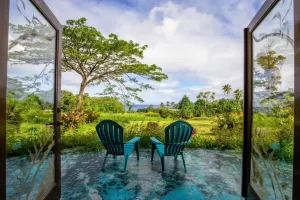
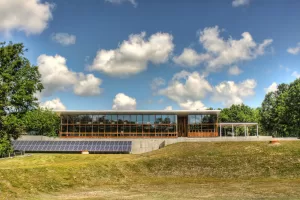

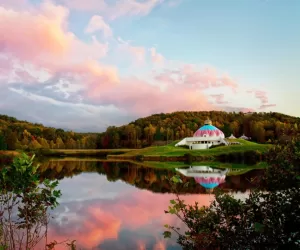




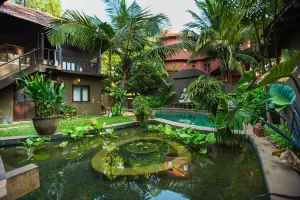



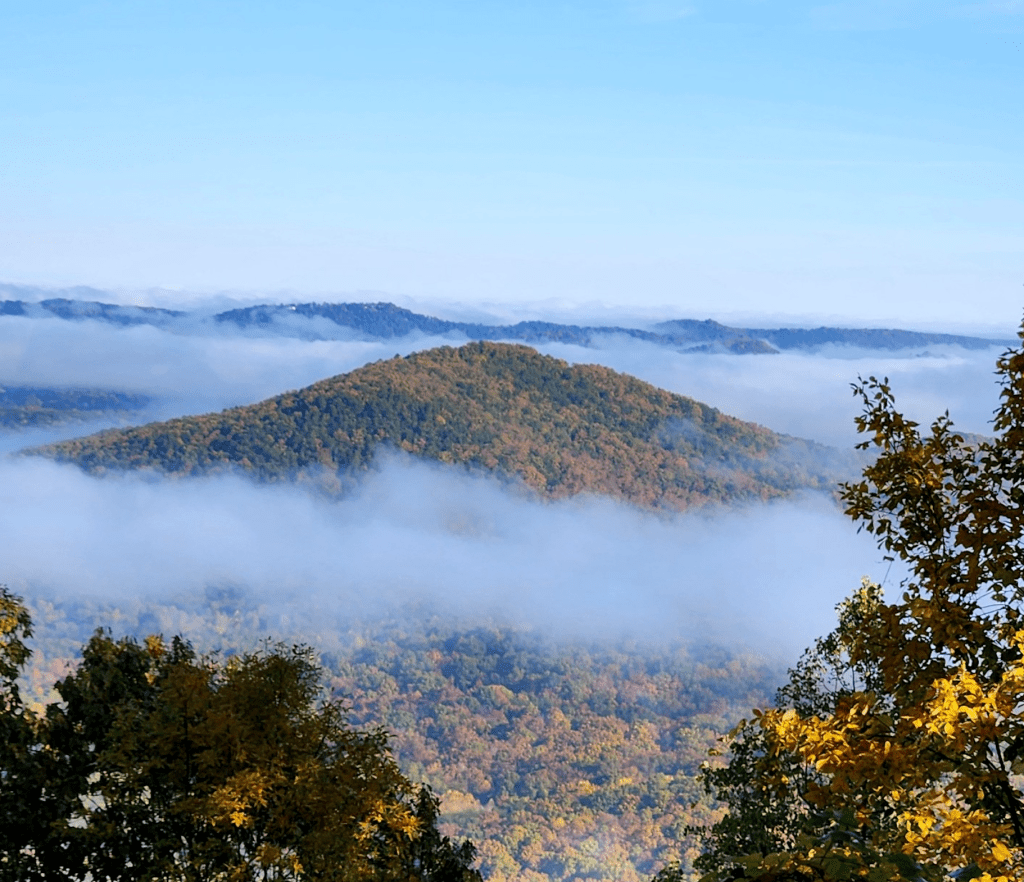
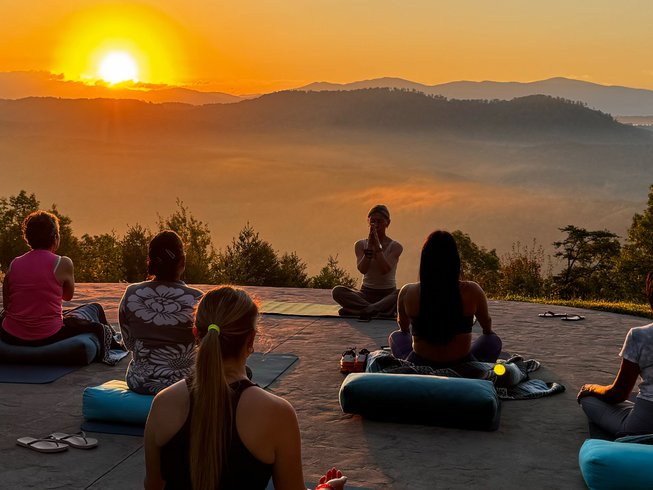
 Beyond the calming ambiance of the accommodations, the retreat experience expands into delightful culinary adventures. Crafted by skilled artisans, the gastronomic adventures allow guests to indulge their palate in various flavors, blending local and international influences.
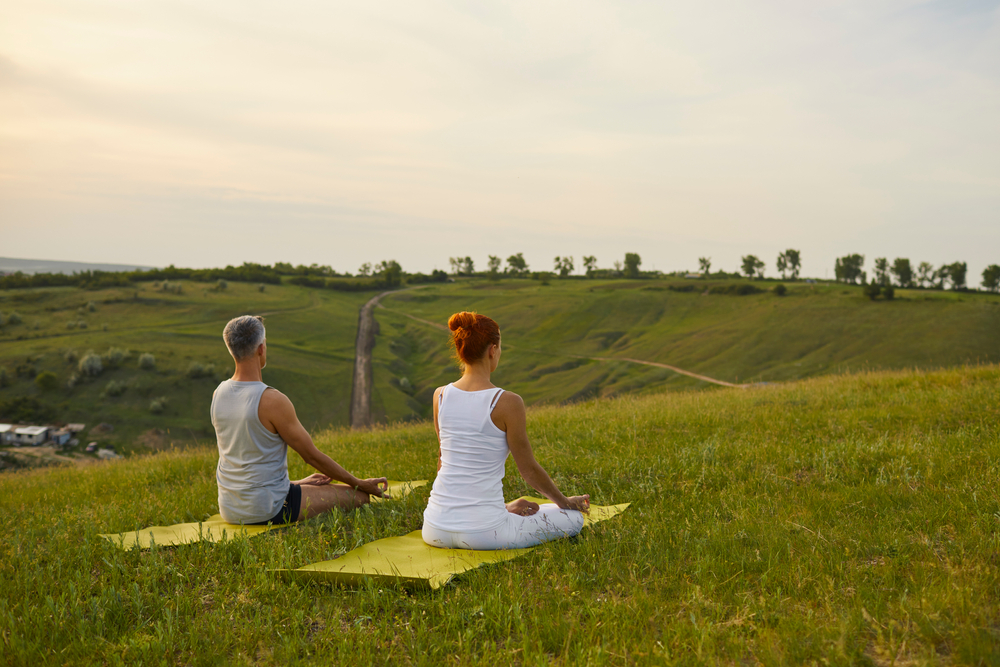 Nestled near the charming town of Smithville, just an hour east of Nashville, Evins Mill stands as a scenic resort with a fusion of luxury accommodations, exquisite dining experiences, plentiful activities, and transformative retreats.
 Adventures in Nature: Exploring Trails, Falls, and Fishing
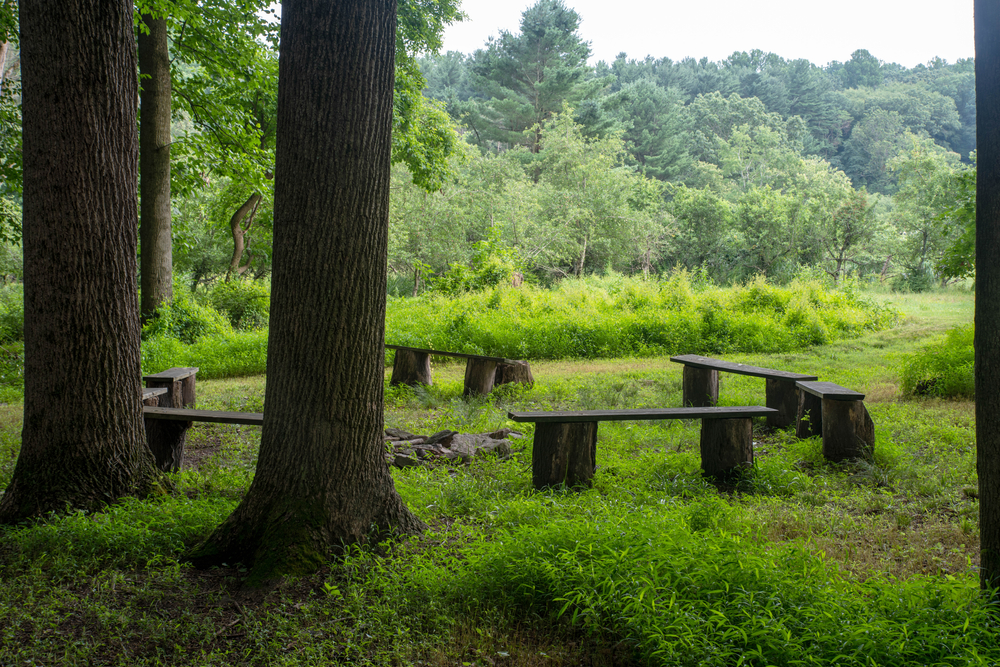
 Activities and Adventures Await at the Retreat Center
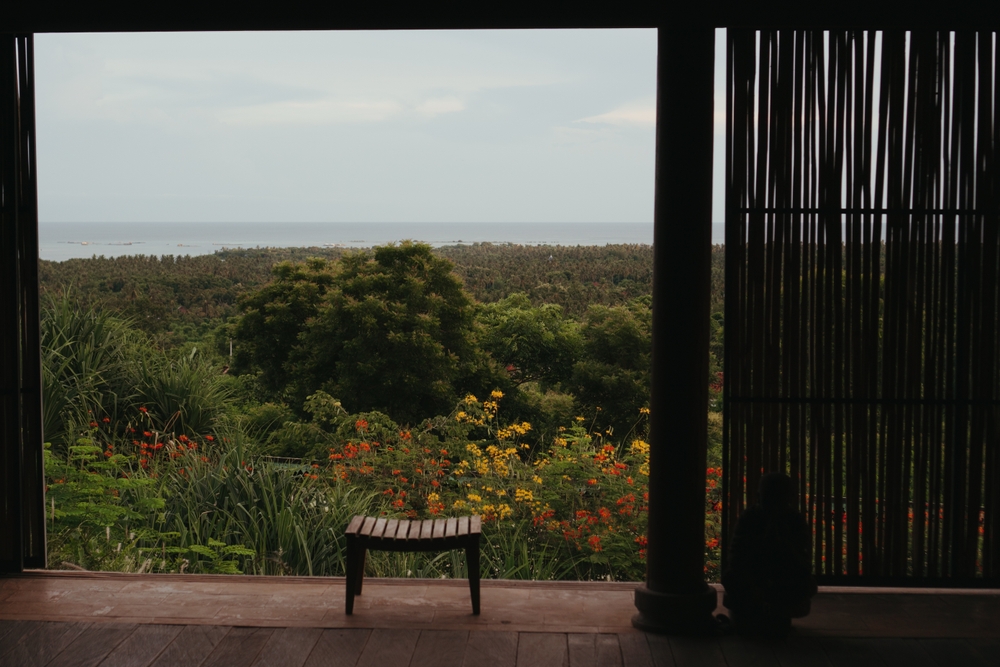 Founded in 1971, The Farm has blossomed into a vibrant, intentional community nestled within the serene landscapes of southern middle Tennessee. Spanning across three square miles, The Farm is a testament to the values of nonviolence and deep respect for the Earth.
 Educational Workshops for Sustainable Living
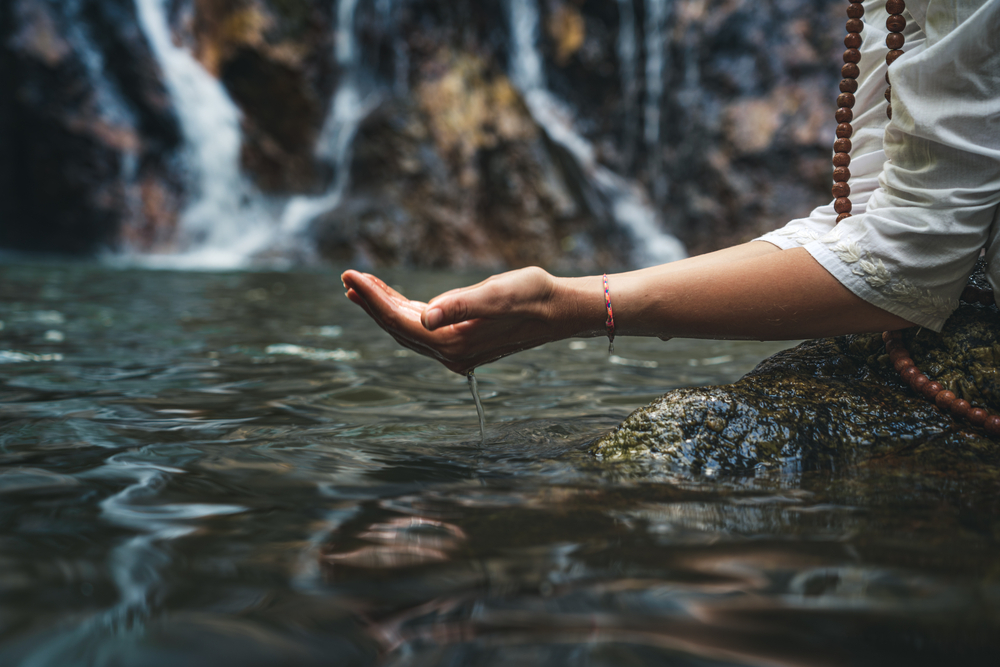
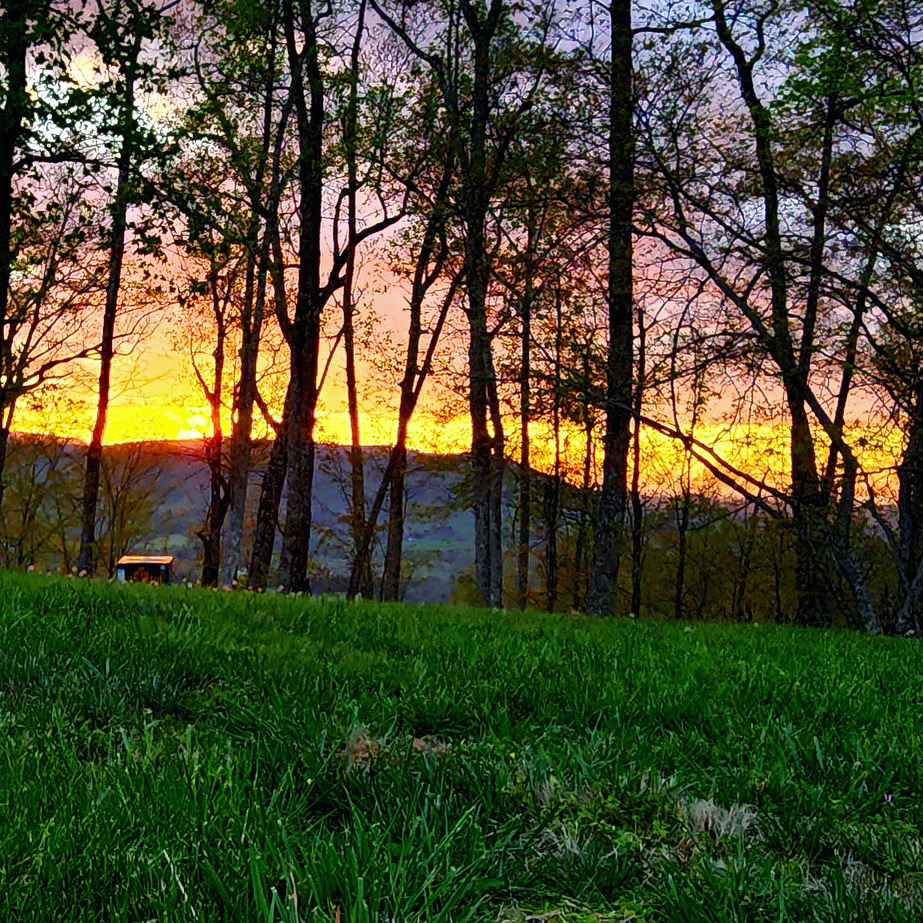 Nestled within Tennessee’s serene beauty and just an hour south of the vibrant city of Knoxville, THOR awaits – a refuge for renewal and personal transformation.
 Holistic Healing and Wellness: Diverse Therapies at THOR
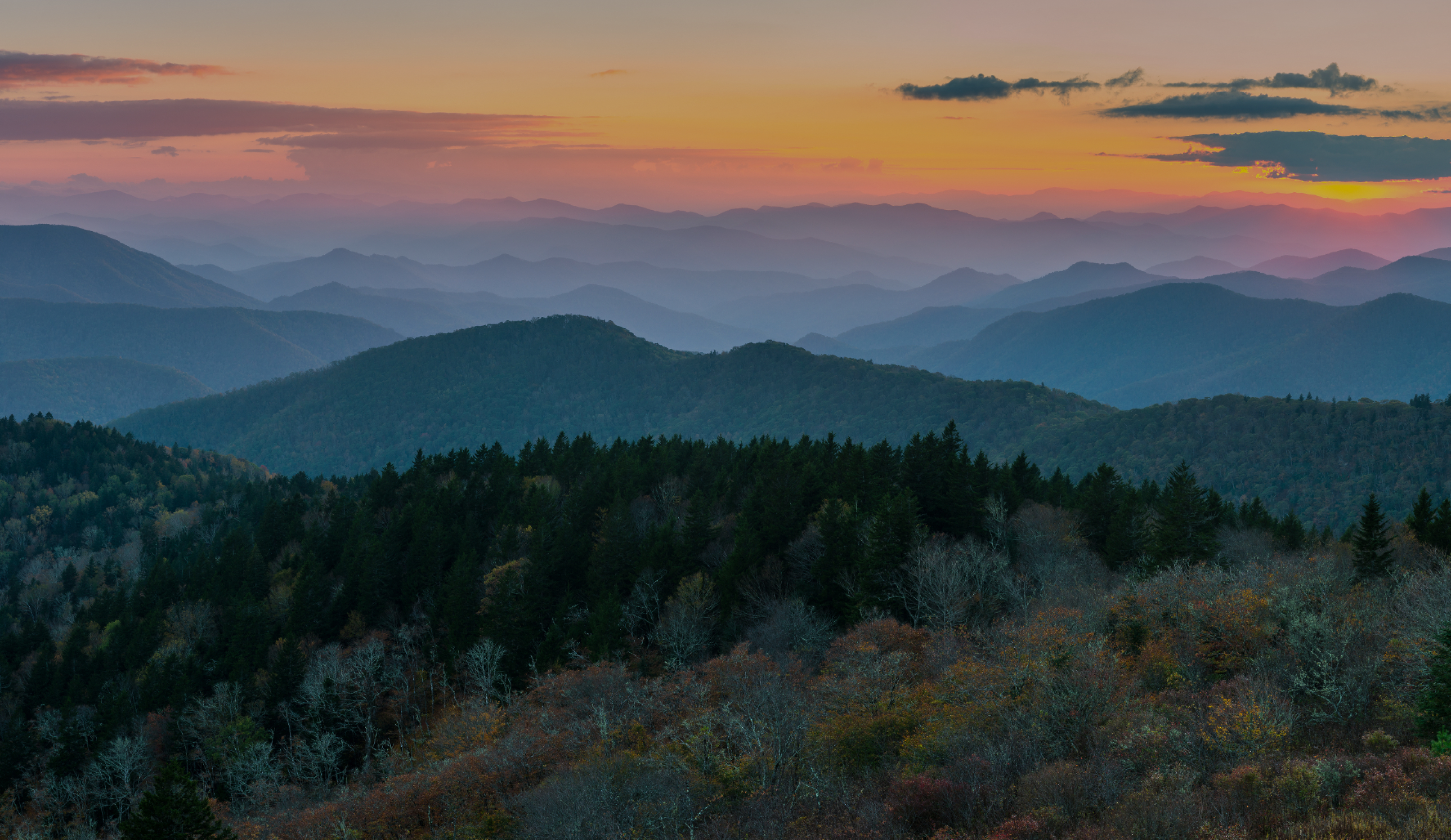

 As your liver prioritizes processing alcohol and removing it from your body, it is temporarily unable to break down carbohydrates and fats. This leads to a decrease in the number of calories your body burns, causing a reduction in your metabolic rate.
 Alcohol slows down metabolism and can lead to cravings for unhealthy foods. You know those times when you swear you’re only going to have a beer or two and end up eating an entire pizza?
 Alcohol is known to impair decision-making and reduce inhibitions, making it more likely to give in to unhealthy food choices. When you consume alcohol, it affects the prefrontal cortex of your brain, which is responsible for self-control and decision-making. This can cause a decrease in your ability to make sound decisions, leading to unwholesome food selections.
 Alcohol can disrupt your sleep by interfering with your body’s ability to regulate metabolism and hunger. When you are sleep-deprived, your body produces less leptin and more ghrelin, the two hormones that regulate satiety and hunger.
 The liver is like the superhero of your body. It is always working hard, eliminating toxins, and helping to keep your body on an even keel. When you happen to drink more than usual, however, you are causing a bit of chaos there. Your liver has to work overtime to metabolize alcohol, which is essentially a toxin.
 Alcohol
 Alcohol can impact your energy levels and recovery, making it harder to stick to your exercise routine. Alcohol may initially give you a quick pick-me-up or a feeling of calm, but those sensations dissipate before long. What comes next is often a wave of tiredness and lethargy. This happens because alcohol acts as a depressant, leading to a slowdown in bodily responses and brain activity.
 When you’ve just finished an intense workout, your muscles have put in the work and are ready for repair and recovery. It’s like your muscles are hosting a mini restoration bash where the VIPs include protein and a good night’s sleep.

 Drinking alcohol can increase cortisol levels, which may have a role in weight gain. Known as the stress hormone, cortisol is produced in response to various stressors, including alcohol consumption. At elevated levels, this hormone is associated with a decline in metabolism and an increase in appetite, both of which can lead to weight gain, particularly in the abdominal area.
 Testosterone is an essential hormone that plays a role in maintaining optimal body composition, muscle mass, and bone density. By increasing cortisol levels in the body, alcohol can reduce testosterone, ultimately resulting in a loss of muscle mass and an increase in body fat.
 Losing weight can be challenging, which is why many turn to medications that are specifically designed to aid the process. These medications block fat absorption, increase metabolism, and suppress appetite. While they can be effective, combining them with alcohol can lead to unwanted side effects.
 Aside from alcohol consumption, many factors can cause weight gain, including age, genetics, medications, and lack of physical activity.
 Maintaining a healthy weight is no easy feat. While eating right and staying active are obvious steps, your happy hour habits could put your weight loss goals on the rocks. From the hidden calories in your favorite beer to the late-night pizza runs after a few too many, alcohol can significantly impact your overall diet.

 Heavy alcohol consumption can increase the risk of osteoporosis in the years preceding the onset of menopause. Excessive alcohol use during early adulthood and adolescence affects bone health, thus increasing the risk for osteoporosis.
 Whether to quit alcohol during menopause depends on several factors, such as individual health status, age, family history, medications, and risk of injury. Your health status is a major factor in determining whether to quit alcohol. Women with conditions like breast cancer, hypertension, and liver problems must avoid drinking completely.
 You need to first decide on a specific goal for quitting alcohol and write it down. This could be abstaining from alcohol for a certain period, like one month, three months, or one year. Alternatively, your goal could be to limit consumption to special occasions such as birthdays, holidays, and anniversaries.
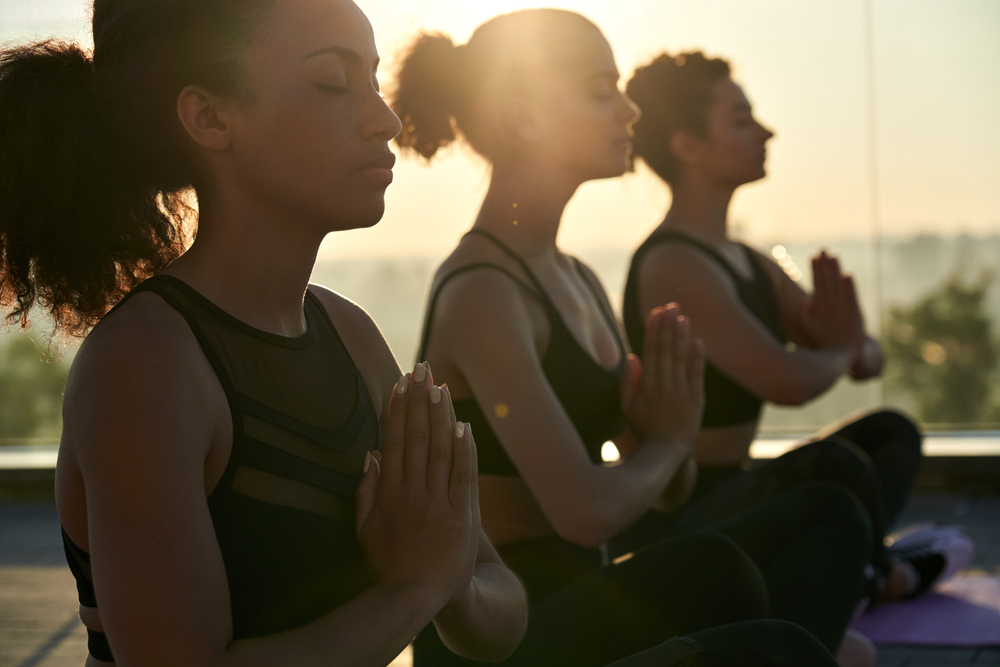 Reach out to family or friends for support when quitting alcohol. They can offer a listening ear and encouragement or serve as accountability partners to help you stay focused and on track with your goal.
 You must also identify effective coping strategies and mechanisms to manage stress and other triggers that might have led to drinking. They can help you to deal with difficult feelings, emotions, and situations in a healthy and constructive way, without turning to alcohol as a form of escape or relief.
 Social situations can be a challenging trigger for a number of reasons. First, they may involve exposure to others who are indulging in alcohol or encouraging drinking behavior.
 Staying busy and engaging in pastimes can be an effective strategy to maintain sobriety. This approach involves keeping yourself engaged and occupied with activities you enjoy, allowing you to avoid idleness which may lead to relapse.
 Medication can be an effective tool to reduce cravings and mitigate the discomfort that accompanies withdrawal symptoms. You must be prudent when selecting a medication, however, as some drugs aim to alleviate the manifestations of withdrawal while others help curb the urge to drink.
 The physiological changes that occur in a woman’s body at midlife make alcohol a risky and potentially harmful choice. As women age, their bodies become less efficient at metabolizing alcohol, which means that the same amount can have a greater effect on the body than it did in earlier years. Furthermore, alcohol can exacerbate the symptoms of menopause and increase the risk of cardiovascular disease, breast cancer, and osteoporosis.


 Synthesized by the pancreas, kidneys, and liver from amino acids, creatine is transported to the muscle cells and stored in the form of a high-energy molecule called phosphocreatine. This amino acid plays a role in producing adenosine triphosphate (ATP), the main energy source for muscle contraction.
 While the bulk of research has involved male athletes, some evidence suggests that creatine could be important for women over 40.

