
 By Team THOR
Friend. Sit down. We need to talk about your pantry.
Food fraud is a $50 billion-a-year industry, by some estimates closer to $50 billion and growing (PwC and various trade body estimates, summarized in Spink & Moyer, 2011). Most of the “premium” stuff you’re paying for is, at best, half what the label says it is and at worst, not the product on the front at all. Olive oil cut with soybean. Honey topped up with rice syrup. Parmesan padded with wood pulp. Wild salmon dyed pink to look like the upgrade you paid for.
This isn’t conspiracy theory. It’s documented across federal investigations, university labs, peer-reviewed journals, the FDA, the European Food Safety Authority, and the largest seafood DNA-testing organization in the world. The food industry is betting on the fact that you’re tired, busy, and won’t check.
I want you to check.
This article walks through the eleven foods most consistently faked in the global food supply, what’s actually in the bottle or the package when it’s a fake, how to spot the real thing at the store, and because we’re a midlife women’s site why each of these matters more for the body you have now than the body you had in your twenties. We’ll cover olive oil, honey, parmesan, wild salmon, coffee, truffle oil, saffron, wasabi, cinnamon, vanilla extract, and maple syrup. With sources. With practical swaps. With no moralizing about food, because the problem here is the companies committing fraud, not the foods themselves.
You don’t have to throw out your pantry today. You just have to stop overpaying for fake stuff. One swap at a time.
Let’s go.
Free Macro Calculator
Personalized to your body, goals, and measurements. You will receive detailed macros for meals, sample day of eating, food selection guidance, hydration + daily supplement suggestions, and more.
The $50 Billion Reason Your Pantry Is Lying to You
A quick orientation, because it helps to know what you’re looking at.
Food fraud is the legal and industry term for the deliberate misrepresentation of food for economic gain — substitution (one ingredient swapped for a cheaper one), dilution (cutting the real thing with filler), mislabeling (claiming a product is something it isn’t), and counterfeiting (a fake product designed to look like a real one). The Michigan State University Food Fraud Initiative and federal regulators consistently estimate the global value of food fraud at $30–$50 billion annually, with some sources higher.
The most-faked foods cluster around three traits: high price per unit, hard for the consumer to verify with their eyes alone, and a long enough supply chain that cheap substitution can slip through. Olive oil hits all three. So does honey, saffron, salmon, and truffle. The list below maps almost perfectly to those criteria.
What’s striking is how persistent this problem is. The University of California Davis Olive Center has been running tests on imported “extra virgin” olive oil since 2010 and finding that a meaningful share of widely-sold brands fail the chemical and sensory standards for extra virgin. Oceana, the international ocean conservation group, has run DNA-testing studies on labeled seafood in the United States and consistently found around one-in-five samples mislabeled, with salmon specifically up to 43% mislabeled at restaurants.
These aren’t fringe scandals. This is the baseline.
For the broader nutrition framing that makes this conversation matter — protein, fiber, real food as the foundation of midlife body composition: start with our free macro calculator and our midlife nutrition hierarchy. The pantry reboot is the upstream version of those targets: real ingredients are what make real food math work.
Why Food Fraud Matters More for Women Over 40
I’d care about this even if I were 28. But it matters more in midlife, and here’s why.
The “premium” foods that get faked are usually the ones doing real metabolic work in the body. Real olive oil delivers polyphenols (specifically oleocanthal, oleuropein, hydroxytyrosol) with anti-inflammatory, cardiovascular, and brain-protective effects shown across multiple human trials. Real honey carries antibacterial and antioxidant compounds. Real wild salmon delivers a specific omega-3 fatty-acid profile that farmed salmon does not. Real saffron has measurable anti-anxiety and mood-supporting effects in clinical trials. Real Ceylon cinnamon carries trace coumarin levels safe for daily use, while the cheaper cassia variety can produce coumarin doses that stress the liver.
Fake versions don’t carry these benefits. You’re paying for an upgrade and not receiving the upgrade. The most expensive consequence isn’t the wasted money – it’s the missed metabolic value over years.
For midlife women specifically, four things stack up:
Inflammation matters more. Perimenopause and menopause come with rising baseline inflammation as estrogen falls. The anti-inflammatory compounds in real olive oil, real wild salmon, and real raw honey are exactly the inputs that help. Fakes deliver none of them.
Blood sugar regulation gets harder. Insulin sensitivity drops in midlife. The “honey” that’s 75% rice syrup spikes glucose like a soda. The maple syrup that’s actually corn syrup does the same.
Liver and detox capacity matter more. The estrobolome (the gut microbes that metabolize estrogen) work alongside the liver. Coumarin from cassia cinnamon, repeated daily, taxes that system. Synthetic vanillin and other adulterants do nothing to support it.
Body composition is sensitive to micronutrient quality. Calories matter. So does the form. Real olive oil at 120 calories per tablespoon is doing something in your body that 120 calories of seed oil is not.
Put bluntly: midlife is the worst time to be paying premium prices for downgrades. Let’s go through them.
Free Macro Calculator
Personalized to your body, goals, and measurements. You will receive detailed macros for meals, sample day of eating, food selection guidance, hydration + daily supplement suggestions, and more.
#1 Olive Oil (The Most Faked Food on Earth)
Welcome to the king of food fraud.
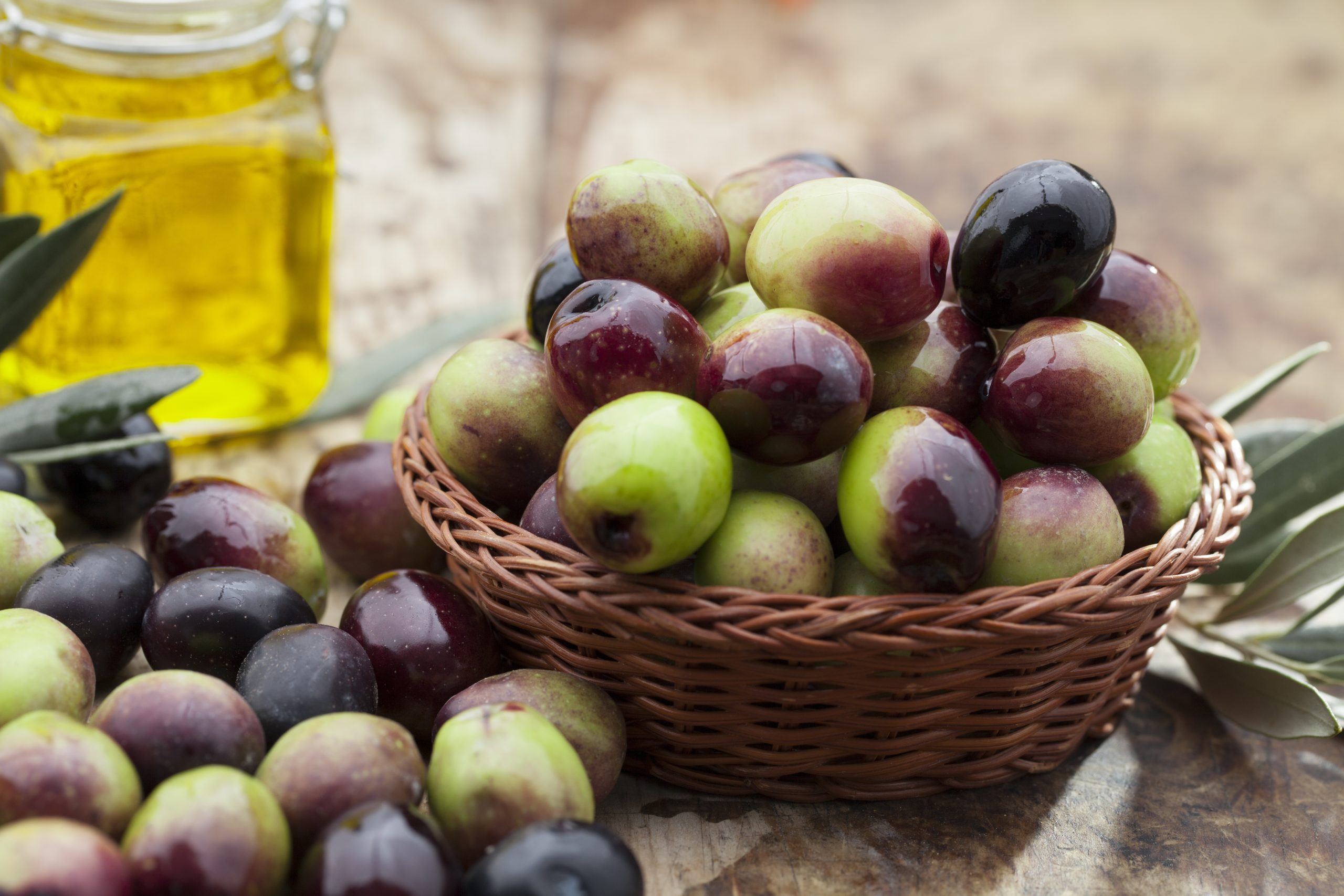
The University of California Davis Olive Center tested 124 samples of imported “extra virgin” olive oil sold in California stores. Around 69% of samples failed to meet international standards for extra virgin — meaning they were either lower-quality oil, rancid, or cut with cheaper refined oils (Frankel et al., 2010). A follow-up study in 2011 found similar rates. The fraud usually takes one of three forms: blending genuine EVOO with refined olive oil, soybean oil, sunflower oil, or canola oil; using oxidized or stale olive oil; or skipping olive oil entirely and using flavored seed oil.
The reason this matters in midlife: real extra virgin olive oil is one of the most-studied anti-inflammatory foods on Earth. Oleocanthal alone has been shown to inhibit COX-1 and COX-2 enzymes in a manner pharmacologically similar to low-dose ibuprofen (Beauchamp et al., 2005). The PREDIMED trial — a landmark Mediterranean-diet study of nearly 7,500 people at high cardiovascular risk — showed a 30% reduction in major cardiovascular events for the group supplemented with extra virgin olive oil (Estruch et al., 2018). None of those effects come from a fake bottle of refined seed oil.
Spot it: – Look for a single estate, a specific harvest date (not “best by”), and a price that reflects what real olive oil costs (around $20+ per 500ml for genuine product) – Dark glass bottle or tin — light degrades olive oil – Origin: a single country, ideally a single region; “product of multiple EU countries” is a red flag – Taste: real EVOO is peppery, slightly bitter, with a back-of-throat burn. If it tastes like nothing, it’s nothing. – Look for certifications like California Olive Oil Council (COOC) seal or DOP/PDO designations for Italian, Greek, or Spanish oils
Why care: You’re paying for the polyphenols. The fraud strips them. You’re salading with seed oil. For a deeper dive into a closely related real-olive-oil topic, see our piece on the benefits of olive oil shots.
If you want recipes built around real olive oil as the primary fat source — which is the basis of every cardiovascular and longevity benefit Mediterranean eating delivers — the Macro Miracle Mediterranean Cookbook has 80 macro-friendly recipes built on exactly this.
#2 – Honey (Most of What’s on the Shelf Isn’t What You Think)
A Food Safety News investigation in 2011 found that more than 75% of grocery-store honey in the United States had been “ultra-filtered,” meaning pollen was removed – making the country of origin impossible to verify and often masking adulteration with corn syrup or rice syrup. Multiple peer-reviewed studies have confirmed that honey fraud rates remain high, particularly for imported honey, with adulteration most commonly via high-fructose corn syrup, rice syrup, or beet sugar.
The reason this matters: real raw honey has measurable antibacterial, anti-inflammatory, and antioxidant properties — particularly Manuka honey from New Zealand, but also high-quality varietal honey from local beekeepers. Real honey has a lower glycemic load than corn syrup of equivalent calories because of its enzyme content and natural fructose-glucose ratio. Fake honey is mostly fructose syrup with a thin honey veneer — it spikes blood sugar harder, carries none of the antibacterial benefit, and is one of the worst things to drizzle in your morning tea if you’re working on insulin sensitivity (which most midlife women should be).
Spot it: – Local beekeeper or farmers market honey is your safest bet – “Raw, unfiltered” with a single ingredient on the label: honey – Real honey crystallizes over months. Fake doesn’t — it stays liquid forever because it isn’t honey. – Test: drop a teaspoon into a glass of cold water. Real honey sinks and holds its shape; fake dissolves. – Manuka honey: look for UMF (Unique Manuka Factor) certification with a number (10+, 15+, 20+ indicates real strength)
Why care: You’re paying premium for corn syrup with a label problem. You’re spiking your blood sugar without any of the immune, antibacterial, or antioxidant benefit you thought you were buying.
#3 Parmesan (The Green Tube Has Wood Pulp in It)
This one keeps coming back as a scandal because it never actually gets fixed.
In 2016, Bloomberg reported on FDA testing that found pre-grated “parmesan” in the green shake tube contained up to 8.8% cellulose — wood pulp — used as an anti-caking agent and filler (Mulvany, 2016). The FDA had been aware of the issue for years before the consumer-facing scandal hit. The cellulose itself isn’t toxic; the issue is that you’re paying parmesan prices for a product that’s 91% parmesan, at best, with cheaper cheeses and sawdust topping up the rest.
The only legally protected name is Parmigiano-Reggiano — and even then, only when the rind is stamped. “Parmesan” is a generic term in the United States that any cheese company can apply to almost anything.
Spot it: – “Parmigiano-Reggiano” stamped on the rind, with the official DOP seal – Buy a wedge. Grate it yourself. It takes 90 seconds and the flavor is dramatically better. – Aged at least 12 months; 24-month and 36-month versions are the ones with the deeper, more complex flavor – Real Parm has tiny crystalline crunch (calcium lactate crystals) — a sign of proper aging – Avoid: anything called “parmesan cheese product,” anything pre-grated in a green tube, anything that lists cellulose, soy protein, or “natural flavors”
Why care: You’re sprinkling sawdust on your pasta. Disrespectful. And the protein and calcium density of real Parm — 10g protein and 330mg calcium per ounce — is meaningfully higher than the filler version.
For more on real cheese as a midlife protein source, see our high-protein comfort foods guide and our broader protein sources nutritionist’s guide.
#4 “Wild-Caught” Salmon (Up to 43% of It Is Farmed and Dyed)
Oceana, the international ocean conservation organization, has run multiple large-scale DNA-testing studies on seafood in the United States. Their findings have been consistent and grim: roughly 21% of seafood is mislabeled overall, and salmon specifically has been mislabeled at up to 43% in restaurants and 32% at sushi spots, with the most common fraud being farmed Atlantic salmon sold as “wild-caught” or “Pacific” .
The visual giveaway is the color. Wild salmon gets its red-orange color from astaxanthin, a natural antioxidant the fish accumulates from eating krill and other crustaceans. Farmed salmon eat a manufactured feed that doesn’t naturally contain astaxanthin — so farms add synthetic astaxanthin or canthaxanthin pigments to the feed to produce the expected pink color. Without the dye, farmed salmon flesh would be grey-white.
For midlife women, the nutritional difference matters. Wild salmon has a substantially better omega-3 to omega-6 ratio (typically 2:1 to 5:1 in favor of omega-3s, depending on species). Farmed salmon has been shifted in the opposite direction — farmed Atlantic salmon often has roughly equivalent omega-3 and omega-6 levels because of the grain-heavy farm feed, with significantly higher overall fat content and higher levels of pollutants and antibiotics on average (Hamilton et al., 2005; Foran et al., 2005). The omega-3 dose you think you’re getting is meaningfully smaller in farmed.
Spot it: – Real wild salmon has uneven coloring, thin white fat lines, and deeper red flesh – Farmed is uniformly orange-pink with thick white marbling — those white stripes are fat – Species: Sockeye, Coho, King (Chinook), Pink, and Chum are wild Pacific species. “Atlantic salmon” is almost always farmed (the wild Atlantic salmon fishery has been functionally closed for decades). – Frozen wild-caught is often more honestly labeled than fresh — much of the “fresh wild” at supermarkets was frozen at sea anyway, then thawed for display
Why care: You paid for the upgrade and got the downgrade. For the omega-3 dose to actually matter, supplement with a high-quality fish oil. Our shop carries Omega-3 with CoQ10 — a clean, third-party-tested option that delivers a consistent dose regardless of what’s at the fish counter.
Free Macro Calculator
Personalized to your body, goals, and measurements. You will receive detailed macros for meals, sample day of eating, food selection guidance, hydration + daily supplement suggestions, and more.
#5 Coffee (One of the Easiest Foods to Adulterate)
Pre-ground coffee is one of the easiest products in the food supply to cut with cheaper filler. Once ground, the visual differentiation is gone — and once roasted dark, the smell differential is gone too. Adulterants include twigs, roasted corn, soybeans, chicory, barley, and ground acai seeds. Studies analyzing commercial ground coffee from multiple countries have repeatedly identified adulteration, with some samples containing 20% or more non-coffee filler.
The reason this matters: coffee at its best is one of the more antioxidant-dense foods in the modern diet, with chlorogenic acids and other polyphenols associated with improved insulin sensitivity, cardiovascular outcomes, and even reduced all-cause mortality at moderate intakes. Cut with twigs and corn, you’re getting fewer of those compounds, less caffeine, and the same calories.
Spot it: Whole bean. Single origin. Bought from a roaster or specialty store, not the warehouse value pack. – Roast date on the bag (not “best by”); fresh-roasted coffee is best within 3–4 weeks of roast – Beans should look uniform — same size, no foreign material – Smell: real coffee has a clear, recognizable bean aroma. Adulterated coffee smells off, generic, or burnt. – Grind it yourself, even if it’s just a burr grinder you keep on the counter
Why care: Less caffeine. Fewer antioxidants. Paying premium for literal filler. And in midlife, where most women are getting their caffeine fix and want it to actually work, the quality of the coffee matters more — both for the antioxidant value and for the consistency of the morning dose.
For more on caffeine and cortisol in midlife specifically, see our pieces on overstimulation and stress in midlife and the broader cortisol cluster on our blog.
#6 Truffle Oil (Almost None of It Has Ever Met a Truffle)
This one will end you.
Almost all commercial truffle oil is a base of olive oil (often itself adulterated) plus a synthetic flavor compound called 2,4-dithiapentane, which mimics the aroma of white truffle. No actual truffle is involved. Real truffles are perishable, expensive, and notoriously hard to extract flavor from in stable form — so the entire commercial truffle oil category, with very few high-end exceptions, is built on synthetic flavoring.
This isn’t even particularly secret in the food industry. It’s just not what most consumers think they’re buying when they spend $14 on a bottle of “truffle-infused” olive oil at the grocery store.
Spot it: – Real truffle products are RARE and pricey. If your “truffle oil” is $12 at the grocery store, it was made in a lab. – Look for actual truffle pieces visible in the oil — though even this can be misleading if the oil’s flavor comes from the synthetic compound rather than the floating truffle bits – The genuine alternatives: shaved fresh truffle (expensive, seasonal), truffle salt with visible truffle pieces, or truffle butter from a reputable specialty source — all clearly labeled with the species (Tuber melanosporum for black, Tuber magnatum for white) – For most home cooks, the honest answer is to skip truffle products and lean on real Parmigiano, fresh herbs, anchovy paste, miso, and aged balsamic for umami depth
Why care: You’re not getting truffle. You’re getting laboratory Italian. The flavor is real (and pretty good, actually); the marketing is not.
#7 Saffron (The Most Expensive Spice on Earth, and Frequently Faked)
Saffron is, by weight, often more expensive than gold. The flower (Crocus sativus) is harvested by hand, with each flower yielding three tiny stigmas that have to be plucked and dried. About 75,000 flowers go into one pound of saffron. The price reflects the labor.
Where there’s that kind of price arbitrage, there’s fraud. Saffron is commonly adulterated with safflower (Carthamus tinctorius), dried marigold petals, dyed silk threads, dyed corn silk, or other red plant material colored to look like real saffron threads. Studies analyzing commercial saffron, particularly imported product, have found adulteration rates exceeding 50% in some markets.
Real saffron has measurable mood and cognitive effects in clinical trials. A 2018 meta-analysis of randomized controlled trials of saffron supplementation showed antidepressant effects on the order of mild-to-moderate prescription antidepressants for treatment of depression in adults (Lopresti et al., 2018). The dose used in studies is generally 30mg/day of saffron stigmas or extract. Faked saffron — dyed plant material — has none of these effects.
Spot it: Soak threads in warm (not hot) water for 10–15 minutes.
- Real saffron slowly releases a golden-yellow color while the threads stay deep red. Fake (dyed silk, safflower, marigold) bleeds color fast, often turning the threads white or pale orange.
- Real saffron threads are slender, trumpet-shaped (wider at one end), and have a slight crook
- Smell: real saffron has a distinctive sweet, hay-like, slightly metallic aroma
- Origin: Iran, Spain, Kashmir, or Afghanistan.
- Look for grade indicators (Sargol or Negin for premium Iranian; Coupé or Mancha for Spanish)
- Price: real saffron costs around $10–$20 per gram. If yours is $3 per gram, it isn’t saffron.
Why care: You’re paying gold-tier prices for craft-store dye. And if you’re using saffron for the documented mood benefits, the fake version is doing nothing for you.
Free Macro Calculator
Personalized to your body, goals, and measurements. You will receive detailed macros for meals, sample day of eating, food selection guidance, hydration + daily supplement suggestions, and more.
#8 — Wasabi (99% of What You’re Eating Isn’t Wasabi)
The green paste served alongside almost every plate of sushi in the United States is not wasabi. The vast majority — by some estimates 99% — is a mixture of horseradish, mustard powder, and green food coloring. Real wasabi (Wasabia japonica) is notoriously difficult to grow, requires running spring water and shaded conditions, and is functionally absent from American restaurants outside of high-end specialty sushi places (Sultana & Savage, 2008).
Real wasabi has measurable antimicrobial and anti-inflammatory compounds, particularly isothiocyanates similar to those in cruciferous vegetables. Fake wasabi has none of these — it’s the heat of horseradish (which is fine, just not what you ordered) with food dye.
Spot it:
- Real is pale, sweet-green and fades to brown within 15 minutes of being grated- the volatile compounds disappear fast
- Fake stays bright artificial green for hours
- Real wasabi flavor is bright, almost floral, with a clean burn that disappears in seconds.
- Fake wasabi has a harsher, more sustained sinus-clearing heat.
- High-end sushi restaurants will grate fresh wasabi on a sharkskin grater (oroshigane) at the table – that’s the real thing
Why care: Real wasabi has anti-inflammatory compounds. Fake wasabi is sinus punishment with none of the upside. You can still eat it; just stop calling it wasabi.
#9 — Cinnamon (Most Grocery-Store Cinnamon Is Actually Cassia)
This is the one with real midlife implications.
When you grab a jar labeled “cinnamon” at most American grocery stores, you’re almost certainly getting cassia cinnamon (Cinnamomum cassia or C. burmannii or C. loureiroi) — not true Ceylon cinnamon (Cinnamomum verum). The two are sold interchangeably under the cinnamon label in the United States, but they’re meaningfully different compounds.
The relevant difference is coumarin, a naturally-occurring compound that’s much higher in cassia cinnamon than in Ceylon. Coumarin in high regular doses has been associated with liver toxicity in animal studies and case reports in humans, particularly in people with preexisting liver issues or genetic susceptibility (Abraham et al., 2010; EFSA, 2008). The European Food Safety Authority sets a tolerable daily intake of 0.1 mg of coumarin per kilogram of bodyweight per day. A teaspoon of cassia cinnamon contains roughly 5–10mg of coumarin — which means a 150-lb woman taking two teaspoons of cassia cinnamon daily in oatmeal or smoothies is potentially well above the tolerable threshold.
This matters because cinnamon is widely consumed in midlife for its anti-inflammatory and blood-sugar-regulating effects — both of which are real. But you want those effects from Ceylon cinnamon, which has roughly 1/250th the coumarin level of cassia.
Spot it:
- Look for “Ceylon cinnamon” or “true cinnamon” specifically on the label, often labeled as a premium product
- Ceylon sticks are lighter brown, thin, and have multiple curled layers like a rolled cigar of paper-thin bark
- Cassia sticks are darker, thicker, and roll from one side only -heavier, harder bark
- Powdered Ceylon is lighter colored and has a sweeter, more delicate flavor; cassia is darker and harsher
- Origin: real Ceylon is from Sri Lanka. Cassia is from Indonesia, China, or Vietnam.
Why care: You’re seasoning your daily oatmeal with a potential liver toxin in repeated doses. Anti-inflammatory turned actually inflammatory. The fix is cheap: spend the extra $4 once on a small jar of real Ceylon cinnamon.
#10 Vanilla Extract (Most “Vanilla” Was Never Near a Vanilla Bean)
The vast majority of “vanilla flavoring” in the United States is synthetic vanillin, produced from petroleum byproducts or, increasingly, from wood pulp (specifically, the lignin in wood) (Lampe & Walton, 2009). Pure vanilla extract — made from real vanilla beans steeped in alcohol — is dramatically more expensive because vanilla beans require hand-pollination, take 3–4 years to mature, and depend on a small number of growing regions (Madagascar, Mexico, Indonesia, Tahiti).
The label distinction is important. Pure vanilla extract in the United States must, by FDA regulation, contain at least 13.35 ounces of vanilla beans per gallon of solution, plus 35% alcohol minimum. “Imitation vanilla” or “vanilla flavoring” can be — and almost always is — entirely synthetic vanillin.
The flavor difference is meaningful for baking, but the more interesting issue is what you’re paying for. A 4oz bottle of pure vanilla extract from a reputable source costs $10–$25. A 4oz bottle of “imitation vanilla” costs $2–$4. If you bought “vanilla” for $3, you bought synthetic.
Spot it:
- Ingredients should read exactly: vanilla beans, alcohol, water. That’s it.
- Front of bottle: “Pure vanilla extract” not “vanilla flavoring,” “imitation vanilla,” or “vanilla extract” (which can include adulteration in some products)
- Origin: Madagascar (the most common, slightly chocolate flavor), Mexico (slightly spicy), Tahiti (floral)
- Smell: real vanilla has a deep, complex, slightly woody aroma. Synthetic is one-note sweet.
- Price: pure vanilla extract is roughly $0.50–$1 per teaspoon. If yours costs a fraction of that, it isn’t pure.
Why care: Synthetic vanillin isn’t dangerous, but it’s not food. You’re baking with chemistry, not food, and paying the food price.
#11 Maple Syrup (Pancake Syrup Is Corn Syrup with Caramel Color)
The supermarket aisle quietly contains two completely different products under labels that look almost identical.
Real maple syrup is the boiled-down sap of sugar maple trees, requiring about 40 gallons of sap to make one gallon of syrup. The label ingredient list reads, simply: maple syrup. Real maple is graded by color and flavor: Grade A Golden (delicate), Amber (rich), Dark (full-flavored), and Very Dark (strong). All four are real maple syrup at different points of the season.
“Pancake syrup” — sold under brand names that go out of their way to look maple-adjacent — is high-fructose corn syrup, caramel color, artificial flavoring, and sometimes preservatives. It is not maple syrup. It is not even adjacent to maple syrup. It is a corn-syrup product designed to look like one.
For blood sugar in midlife, the difference matters. Real maple has a glycemic index around 54, with trace minerals (manganese, zinc, calcium) and polyphenols (Pierro et al., 2014). Pancake syrup is closer to pure fructose-glucose syrup with a glycemic index over 80 and zero micronutrient value.
Spot it:
- Front of bottle should say “100% Pure Maple Syrup” or “Pure Maple Syrup”
- Origin: Vermont, Quebec, New England states, or Canada more broadly. Look for state or province certification.
- Ingredient list: maple syrup. Period. (One word. Two ingredients listed = not real.)
- Real maple syrup is sold in glass or solid-color plastic. The clear plastic jugs with brown liquid and a “buttery” label are almost always pancake syrup.
Why care: You’re glazing your weekend with chemistry experiments. Real maple syrup at a reasonable dose is fine in a Mediterranean-pattern diet — pancake syrup is just sugar in a coffin.
The Real-Food Pantry Reboot: Where to Start (Without Throwing Out Everything)
If you’ve read this far, you’re probably staring at your pantry sideways. Take a breath.
None of this means throw it all out today and start over. It means you stop overpaying for fake stuff and shift one or two staples at a time, in an order that makes sense for your money and your meals.
Here’s how I’d prioritize the swaps.
Tier 1 – biggest health and money impact:
- Olive oil (you probably use the most of this; the gap between real and fake is the biggest in this category)
- Wild salmon (or supplement omega 3 if budget doesn’t allow — see Omega-3 with CoQ10)
- Real maple syrup (if you use it weekly; otherwise wait)
- Real honey (if you use it daily for tea, coffee, or recipes)
Tier 2 – meaningful upgrades, smaller absolute cost:
- Ceylon cinnamon (the cheapest swap with the biggest “what’s actually in here” upgrade)
- Whole-bean single-origin coffee
- Parmigiano-Reggiano (wedge, grated at home)
- Pure vanilla extract
Tier 3 – niche / occasional:
- Real saffron (only if you use it; otherwise skip)
- Truffle products (honestly, just lean on Parm and herbs instead)
- Wasabi (just enjoy the horseradish; it’s still good)
The total cost of doing tier 1 and 2 is a one-time investment of maybe $80-$120 to upgrade a year of pantry staples. The recurring grocery bill barely changes once you swap – real olive oil at $25/bottle lasts a household of two for 1 to 2 months, the same as the cheap stuff. You spend roughly the same money on a much better product. That’s not paying more for premium; that’s stopping the overpayment for the downgrade.
For the cookbook that uses these real ingredients across 80 recipes built around midlife body composition, see The Macro Miracle Mediterranean Cookbook. If you want the macro targets that match (protein, fiber, fat in midlife-appropriate ratios), start with the free macro calculator and our midlife nutrition hierarchy.
Free Macro Calculator
Personalized to your body, goals, and measurements. You will receive detailed macros for meals, sample day of eating, food selection guidance, hydration + daily supplement suggestions, and more.
This is About Stopping the Scam not Perfectionism.
A note before we finish, because I know how the internet works.
I am not telling you to throw out the green tube of parm tonight. I am not telling you that the Mediterranean dressing you made with okay olive oil last week made you sick. I am not telling you to spend hours interrogating the label of every grocery store product before it goes in the cart.
I am telling you that the food industry has built a $50 billion business on betting you wouldn’t check. And that midlife is the worst time to be paying premium prices for downgrades that don’t deliver the very compounds that make those foods worth eating.
The fix is upgrading two staples at a time. Not perfection. Not orthorexia. Not pantry police on Instagram.
Eat the bread. Drink the wine sometimes. Have the cake on your birthday. And upgrade your daily olive oil, your weekly salmon, your morning cinnamon, your nightly maple-syrup-on-the-yogurt. Those are the places where the real-vs-fake math meets the body you actually want to feel good in.
The food industry is betting you’re tired. Prove them wrong.
Save this for your next grocery run. Or send it to the friend who’s still buying the green tube parm.
FAQ – Most Counterfeited Foods & How to Spot Them
What are the most counterfeited foods in the world?
The most consistently faked foods, based on FDA investigations and academic research, are olive oil, honey, parmesan cheese, “wild-caught” salmon, pre-ground coffee, truffle oil, saffron, wasabi, cinnamon (cassia sold as true cinnamon), vanilla extract, and maple syrup. Most fakes involve cheaper substitutes (seed oils, corn syrup, horseradish), filler (cellulose, wood pulp), or simply mislabeling a cheaper species or grade as a premium one.
How can I tell if my olive oil is real?
Look for a single estate or single region, a specific harvest date (not “best by”), a dark glass bottle or tin, certifications like the California Olive Oil Council (COOC) or DOP/PDO designations, and a price that reflects real production cost: typically $20+ per 500ml for genuine extra virgin. Real EVOO tastes peppery with a back-of-throat burn from oleocanthal. If it tastes like nothing, it’s nothing.
Is grocery store parmesan really wood pulp?
Pre-grated parmesan in the green shake tube has been documented by FDA testing to contain up to 8.8% cellulose (wood pulp), used as anti-caking agent and filler. The fix is buying a wedge of Parmigiano-Reggiano (stamped on the rind) and grating it yourself. The price-per-pound is roughly the same and the flavor is dramatically better.
What percentage of honey at the grocery store is fake?
Food Safety News investigations and follow-up academic studies have found that around 75% of grocery-store honey in the United States has been ultra-filtered (pollen removed, masking origin) or adulterated with rice syrup or corn syrup. Local raw honey from a beekeeper or farmers market is the safest bet, along with single-ingredient “raw, unfiltered” honey from reputable brands.
How can I tell wild-caught salmon from farmed?
Real wild salmon has uneven coloring, thin white fat lines, and deeper red flesh. Farmed Atlantic salmon is uniformly orange-pink with thick white marbling (those white stripes are fat from grain-heavy feed) and gets its color from added dye, not from astaxanthin in a natural diet. Species labels also tell you: Sockeye, Coho, King (Chinook), Pink, and Chum are wild Pacific; “Atlantic salmon” is almost always farmed.
Is pre-ground coffee really cut with other stuff?
Multiple peer-reviewed studies have identified adulteration in commercial ground coffee, including roasted corn, soybeans, twigs, chicory, and barley – some samples with 20%+ filler. The fix is buying whole-bean single-origin coffee from a roaster (not a warehouse store), with a roast date on the bag, and grinding it yourself.
Free Macro Calculator
Personalized to your body, goals, and measurements. You will receive detailed macros for meals, sample day of eating, food selection guidance, hydration + daily supplement suggestions, and more.
What’s the difference between Ceylon and cassia cinnamon?
Ceylon cinnamon (Cinnamomum verum, “true cinnamon”) is from Sri Lanka and has very low coumarin levels (around 0.004% by weight). Cassia cinnamon (Cinnamomum cassia, burmannii, or loureiroi). The vast majority of what’s sold as plain “cinnamon” in American stores has 250x more coumarin. Coumarin in high regular doses has been linked to liver stress. The European Food Safety Authority sets the tolerable daily intake at 0.1 mg per kilogram of bodyweight per day, which a few teaspoons of cassia can exceed. Look specifically for “Ceylon cinnamon” on the label.
How can I tell if my saffron is real?
Soak threads in warm water for 10-15 minutes. Real saffron slowly releases golden-yellow color while the threads stay deep red. Fake (dyed silk, safflower, marigold) bleeds color fast and turns the threads pale or white. Real saffron costs $10-$20 per gram; anything dramatically cheaper isn’t saffron.
Is pure vanilla extract worth the extra money over imitation?
For flavor, yes! Particularly in baked goods where vanilla is a prominent note. For health, the synthetic vanillin in imitation vanilla isn’t dangerous, but you’re paying food prices for a petroleum or wood-pulp byproduct. Pure vanilla extract should list exactly three ingredients: vanilla beans, alcohol, water.
Is “pancake syrup” the same as maple syrup?
No. Pancake syrup is high-fructose corn syrup with caramel color and artificial flavor — no maple involved. Real maple syrup is the boiled-down sap of sugar maple trees, with a single-ingredient label and grades (Golden, Amber, Dark, Very Dark). They have completely different glycemic profiles and micronutrient content.
Why does food fraud matter more for women over 40?
The “premium” foods that get faked are usually the ones with documented metabolic, anti-inflammatory, and hormone-supportive effects — olive oil polyphenols, wild salmon omega-3s, raw honey antioxidants, real saffron mood effects, Ceylon cinnamon’s gentle anti-inflammatory profile. Midlife is exactly when those effects matter most for body composition, mood, cardiovascular health, and inflammation. Paying premium prices for fakes means paying for an upgrade your body never receives.
I’m on a budget. Which counterfeit swaps matter most?
In order of biggest health and money impact: olive oil, wild salmon (or supplement omega-3), real maple syrup if you use it weekly, and real honey if you use it daily. Tier two is Ceylon cinnamon (cheapest swap with biggest “what’s actually in here” upgrade), whole-bean coffee, Parmigiano-Reggiano, and pure vanilla extract.
Should I just give up and stop buying these foods?
No. The fix is real-food swaps, not avoidance. Real olive oil is one of the most evidence-supported foods on Earth for cardiovascular and brain health. Real wild salmon is one of the cleanest protein sources available. Real honey, in moderation, has actual antioxidant and antibacterial value. The problem is the fraud, not the foods. Upgrade two staples at a time.
Free Macro Calculator
Personalized to your body, goals, and measurements. You will receive detailed macros for meals, sample day of eating, food selection guidance, hydration + daily supplement suggestions, and more.
How do I read a food label to spot fraud?
Three rules.
- Single ingredient = good sign — if the label says “honey” or “vanilla extract” with one or two ingredients, that’s what it is. Long lists of additives, “natural flavors,” cellulose, or corn syrup are red flags.
- Origin specificity matters — single estate, single region, named country. “Product of multiple EU countries” or no origin at all is suspicious.
- Price reflects production cost — if olive oil is $5 for 500ml, saffron is $3 per gram, or “vanilla” is $3 for a 4oz bottle, the math doesn’t work.
What are the best brands of real olive oil for women over 40?
I won’t name specific brands because rotation in the supply chain happens, but the criteria don’t change: single estate, harvest date on the bottle, dark glass or tin, COOC seal (for California oils) or DOP/PDO (for European oils), and a peppery back-of-throat burn when you taste it. Some farmers markets sell oil from regional growers; that’s often the best value. The Macro Miracle Mediterranean Cookbook is built around using real EVOO as the primary fat 80 recipes that put it to work.
I write 3 essays per week on Lifestyle Medicine for women in midlife on what is happening in the body and what to do about it. No fluff, no hype. Free.
Sources & References
- Spink, J., & Moyer, D. C. (2011). Defining the public health threat of food fraud. Journal of Food Science, 76(9), R157–R163.
- Manning, L., & Soon, J. M. (2014). Developing systems to control food adulteration. Food Policy, 49, 23–32.
- Frankel, E. N., Mailer, R. J., Wang, S. C., Shoemaker, C. F., Guinard, J. X., Flynn, J. D., & Sturzenberger, N. D. (2010). Tests indicate that imported “extra virgin” olive oil often fails international and USDA standards. UC Davis Olive Center Report.
- Frankel, E. N., Mailer, R. J., Wang, S. C., Shoemaker, C. F., Guinard, J. X., Flynn, J. D., & Sturzenberger, N. D. (2011). Evaluation of extra-virgin olive oil sold in California. UC Davis Olive Center Report.
- Beauchamp, G. K., Keast, R. S., Morel, D., Lin, J., Pika, J., Han, Q., et al. (2005). Phytochemistry: Ibuprofen-like activity in extra-virgin olive oil. Nature, 437(7055), 45–46.
- Servili, M., Sordini, B., Esposto, S., Urbani, S., Veneziani, G., Di Maio, I., et al. (2013). Biological activities of phenolic compounds of extra virgin olive oil. Antioxidants, 3(1), 1–23.
- Estruch, R., Ros, E., Salas-Salvadó, J., Covas, M.-I., Corella, D., Arós, F., et al. (2018). Primary prevention of cardiovascular disease with a Mediterranean diet supplemented with extra-virgin olive oil or nuts (PREDIMED). New England Journal of Medicine, 378(25), e34.
- Schneider, A. (2011). Tests show most store honey isn’t honey. Food Safety News.
- Zhou, X., Taylor, M. P., Salouros, H., & Prasad, S. (2018). Authenticity and geographic origin of global honeys determined using carbon isotope ratios and trace elements. Scientific Reports, 8(1), 14639.
- Soares, S., Amaral, J. S., Oliveira, M. B. P. P., & Mafra, I. (2017). A comprehensive review on the main honey authentication issues: Production and origin. Comprehensive Reviews in Food Science and Food Safety, 16(5), 1072–1100.
- Mulvany, L. (2016, February 16). The parmesan cheese you sprinkle on your penne could be wood. Bloomberg News.
- Warner, K., Timme, W., Lowell, B., & Hirshfield, M. (2013). Oceana study reveals seafood fraud nationwide. Oceana Report.
- Warner, K., Roberts, S., Mustain, P., Lowell, B., & Swain, M. (2019). Casting a wider net: More action needed to stop seafood fraud in the United States. Oceana Report.
- Hamilton, M. C., Hites, R. A., Schwager, S. J., Foran, J. A., Knuth, B. A., & Carpenter, D. O. (2005). Lipid composition and contaminants in farmed and wild salmon. Environmental Science & Technology, 39(22), 8622–8629.
- Foran, J. A., Carpenter, D. O., Hamilton, M. C., Knuth, B. A., & Schwager, S. J. (2005). Risk-based consumption advice for farmed Atlantic and wild Pacific salmon contaminated with dioxins and dioxin-like compounds. Environmental Health Perspectives, 113(5), 552–556.
- Reis, N., Franca, A. S., & Oliveira, L. S. (2013). Quantitative evaluation of multiple adulterants in roasted coffee by Diffuse Reflectance Infrared Fourier Transform Spectroscopy (DRIFTS) and chemometrics. Talanta, 115, 563–568.
- Sezer, B., Apaydin, H., Bilge, G., & Boyaci, I. H. (2018). Coffee arabica adulteration: Detection of wheat, corn and chickpea. Food Chemistry, 264, 142–148.
- Poole, R., Kennedy, O. J., Roderick, P., Fallowfield, J. A., Hayes, P. C., & Parkes, J. (2017). Coffee consumption and health: Umbrella review of meta-analyses of multiple health outcomes. BMJ, 359, j5024.
- Diaz, P., Senorans, F. J., Reglero, G., & Ibañez, E. (2003). Truffle aroma analysis by headspace solid phase microextraction. Journal of Agricultural and Food Chemistry, 50(22), 6468–6472.
- Lopresti, A. L., Drummond, P. D., Inarejos-García, A. M., & Prodanov, M. (2018). Affron®, a standardised extract from saffron (Crocus sativus L.) for the treatment of youth anxiety and depressive symptoms: A randomised, double-blind, placebo-controlled study. Journal of Affective Disorders, 232, 349–357.
- Hagh-Nazari, S., & Keifi, N. (2007). Saffron and various fraud manners in its production and trades. Acta Horticulturae, 739, 411–416.
- Sultana, T., & Savage, G. P. (2008). Wasabi — Japanese horseradish. Bangladesh Journal of Scientific and Industrial Research, 43(4), 433–448.
- Abraham, K., Wöhrlin, F., Lindtner, O., Heinemeyer, G., & Lampen, A. (2010). Toxicology and risk assessment of coumarin: Focus on human data. Molecular Nutrition & Food Research, 54(2), 228–239.
- European Food Safety Authority (EFSA). (2008). Coumarin in flavourings and other food ingredients with flavouring properties. EFSA Journal, 793, 1–15.
- Lampe, J. W., & Walton, J. R. (2009). Vanilla and vanillin: Production, marketing, and uses. In Vanilla (pp. 117–133). CRC Press.
- Pierro, F., Putignano, P., Ferrara, T., Raiola, C., Rapacioli, G., & Villanova, N. (2014). Retrospective evaluation of total maple syrup polyphenol content on metabolic markers. Minerva Endocrinologica, 39(3), 199–207.

Terry Tateossian is a Menopause Lifestyle Medicine Coach, Certified Personal Trainer & Nutritionist and the Founder of THOR: The House of Rose, a wellness brand serving women over 40 through retreats, coaching, macro-nutrition and community. As 25-year founder and entrepreneur, Terry spent two and a half decades building and running successful start-up businesses, an experience that put her on the front line of founder burnout long before she could name it. After facing serious health challenges, early onset menopause, and emotional eating while running her agency and raising two children, Terry rebuilt her health in her 40s and lost more than 80 pounds through evidence-based nutrition, training, and mindset work. Today, she helps women get strong, improve confidence, support hormone health, and create a stronger second half of life. Terry has been featured in major media outlets and is available for podcasts, expert commentary, brand collaborations, and speaking engagements on midlife health, reinvention, emotional eating, menopause wellness, and strength training for longevity. Get her free macro calculator (her cookbook companion) to start your journey to back to health.