
 By Team THOR
Free Macro Calculator
Personalized to your body, goals, and measurements. You will receive detailed macros for meals, sample day of eating, food selection guidance, hydration + daily supplement suggestions, and more.
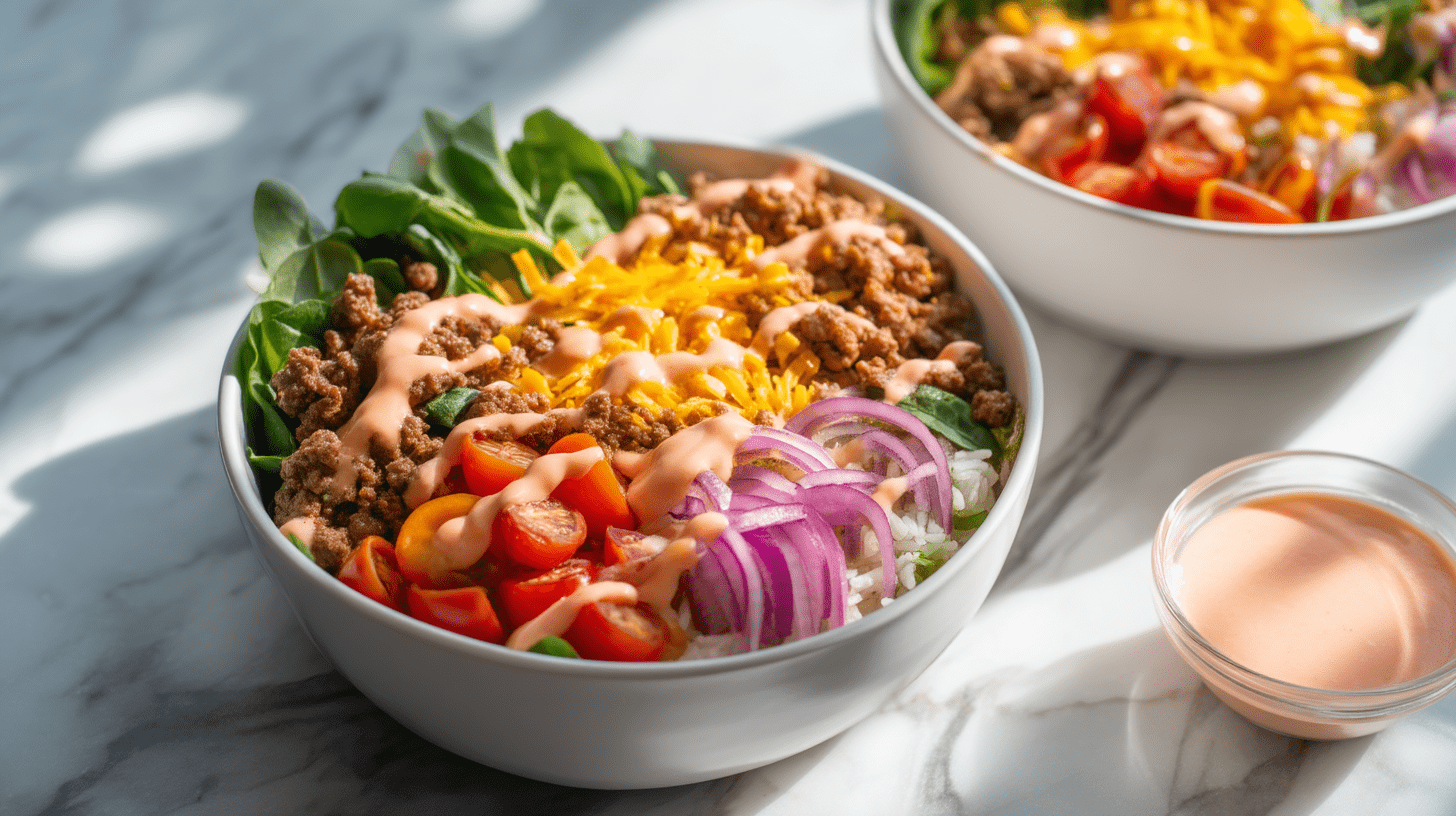
Loaded Big Mac Cheeseburger Protein Bowl (450 Calories, 30g Protein)
Macros per serving: 450 calories | 30g protein | 10g fat | 60g carbs
Servings: 4
When I am craving a burger and grilling season has not started yet (which is most of the year if you live anywhere with a real winter), nine times out of ten I make this Loaded Big Mac Cheeseburger Protein Bowl. It tastes like a deconstructed Big Mac—all the flavors, none of the guilt.
This is the version I serve at my midlife women’s yoga and wellness retreats when guests want comfort food and the version I include in the Macro Miracle Mediterranean Cookbook. Each serving lands at approximately 450 calories with 30 grams of protein, 10 grams of fat, and 60 grams of carbohydrates. That is a macro shape that actually supports a midlife metabolism rather than fighting it.
The full recipe, the homemade Big Mac sauce, the full ingredient breakdown by weight, the substitutions, the storage notes for meal prep, and the answers to the questions I get asked most often about this protein bowl are all below.
Get the full cookbook with more recipes here → Macro Miracle Mediterranean Cookbook
Why This Recipe Works (Especially for Women in Midlife)
A traditional fast-food Big Mac runs around 540 to 590 calories with roughly 25 grams of protein, 33 grams of fat, and 44 grams of carbohydrates. The macros are the wrong shape for a midlife body. Too much fat, not enough protein, and the carbohydrates come from a refined-flour bun that spikes blood sugar and drops it fast.
This bowl reverses the shape. The protein climbs to 30 grams. The fat drops to 10 grams. The carbohydrates move into the slow-digesting range from a measured grain or rice base rather than the rapid spike of a white flour bun. The result is a meal that satisfies a burger craving without creating the blood sugar roller coaster that makes menopausal weight management harder than it needs to be.
Big Mac vs. This Protein Bowl: The Nutrition Comparison
Here is a direct comparison of a McDonald’s Big Mac versus one serving of this Loaded Big Mac Protein Bowl. Same craveable flavors—dramatically different nutritional profile.
|
Nutrient |
McDonald’s Big Mac |
THOR Protein Bowl |
Difference |
|
Calories |
590 |
450 |
−140 (24% less) |
|
Protein |
25g |
30g |
+5g (20% more) |
|
Total Fat |
33g |
10g |
−23g (70% less) |
|
Saturated Fat |
11g |
4g |
−7g (64% less) |
|
Carbohydrates |
44g |
60g |
+16g (slow-digesting rice vs. white flour bun) |
|
Fiber |
3g |
6–8g |
+3–5g (2x more) |
|
Sodium |
1,010mg |
600–750mg |
−260mg (26% less) |
|
Added Sugar |
9g |
<2g |
−7g |
|
Protein-to-Calorie Ratio |
1g per 24 cal |
1g per 15 cal |
60% more protein-efficient |
The protein-to-calorie ratio is the number that matters most for women in midlife. At 1 gram of protein for every 15 calories, this bowl is 60 percent more protein-efficient than a Big Mac. That means more muscle-preserving fuel per calorie which is exactly what a menopausal metabolism needs.
Free Macro Calculator
Personalized to your body, goals, and measurements. You will receive detailed macros for meals, sample day of eating, food selection guidance, hydration + daily supplement suggestions, and more.
The Macro Breakdown Per Serving
The recipe yields four servings. Each serving is built to land at approximately:
|
Macro |
Amount per Serving |
% of Daily Value* |
|
Calories |
450 |
22% |
|
Protein |
30g |
60% |
|
Total Fat |
10g |
13% |
|
Saturated Fat |
4g |
20% |
|
Carbohydrates |
60g |
22% |
|
Fiber |
6–8g |
24–29% |
|
Sodium |
600–750mg |
26–33% |
|
Iron |
4.5mg |
25% |
|
Calcium |
120mg |
9% |
*Based on a 2,000-calorie diet. Your individual needs may vary. Use our THOR Macro Calculator to find your personalized targets.
Adjust portions up or down based on your specific macro target. Doubling the lean ground beef portion brings the protein toward 50 grams per serving for women who want more. Cutting the rice base in half and using cauliflower rice for the other half drops the meal to roughly 350 calories while keeping the protein at 30 grams.
What You Need
The ingredient list is short and the substitutions are flexible. Here is what each component does in the bowl.
|
Ingredient |
Amount (4 servings) |
Role in the Bowl |
|
96% lean ground beef |
1 pound |
Protein foundation. This hits 30g target w/out excess fat |
|
Cooked basmati or jasmine rice |
4 cups (1 cup uncooked) |
Slow-carb base. Lower glycemic than white flour bun |
|
Sharp cheddar cheese |
2 oz, shredded |
Cheeseburger flavor. Sharp = more flavor per gram |
|
Napa cabbage, chopped |
4 cups |
Crunch + mild sweetness; subs: romaine, iceberg |
|
Romaine lettuce, chopped |
4 cups |
Volume + fiber without extra calories |
|
Cherry tomatoes, halved |
2 cups |
Juicy, sweet. Classic cheeseburger partner |
|
Red onion, diced fine |
½ cup |
Sharp bite that distinguishes this from a generic salad |
|
Dill pickles, chopped |
½ cup |
Tang + crunch. The Big Mac flavor anchor |
|
Sesame seeds |
2 tsp |
Burger bun visual cue. Small detail that matters |
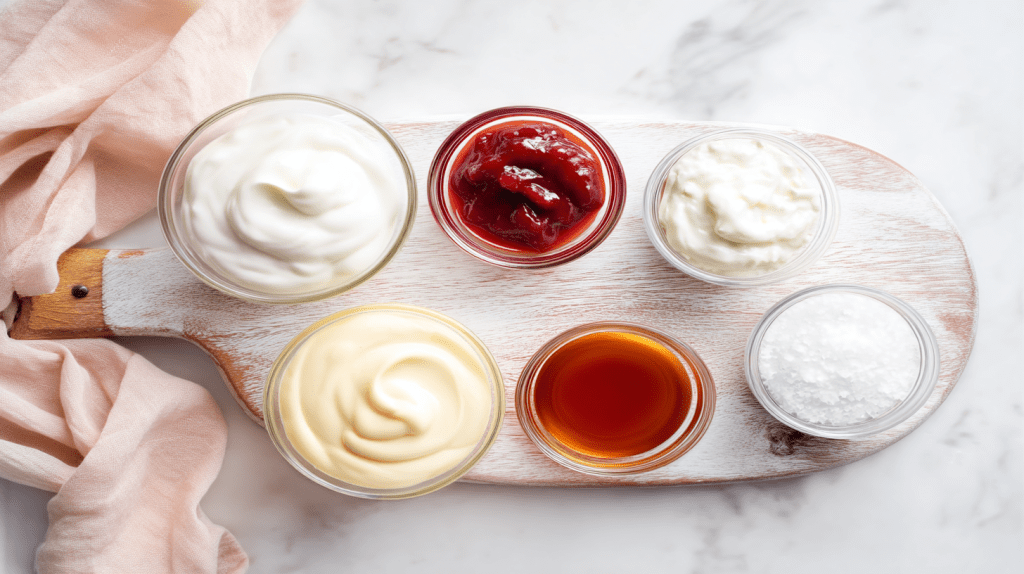
For the Big Mac Sauce:
|
Ingredient |
Amount |
Purpose |
|
Non-fat plain Greek yogurt |
½ cup |
Creamy base — cuts fat by 50% vs. all-mayo |
|
Light mayonnaise |
4 tsp |
Richness without fat bomb |
|
Ketchup |
¼ cup |
Sweet-tomato note that defines Big Mac sauce |
|
Sweet pickle relish |
4 tsp |
THE detail that makes it Big Mac, not Thousand Island |
|
Apple cider vinegar (or mirin) |
4 tsp |
Acidity that balances sweetness |
|
Salt |
Pinch |
Seasoning |
Kitchen Equipment & Tools
- Large skillet for the ground beef
- Small mixing bowl for the sauce
- Large mixing bowl for the salad components
- Chef’s knife and cutting board
- Measuring cups and spoons
- Four serving bowls (for plating)
Free Macro Calculator
Personalized to your body, goals, and measurements. You will receive detailed macros for meals, sample day of eating, food selection guidance, hydration + daily supplement suggestions, and more.
How to Make the Loaded Big Mac Cheeseburger Protein Bowl
The total active time is about 20 minutes, plus the time to cook the rice if you have not already done it. The directions below assume the rice is already cooked.
Step 1: Cook the Ground Beef
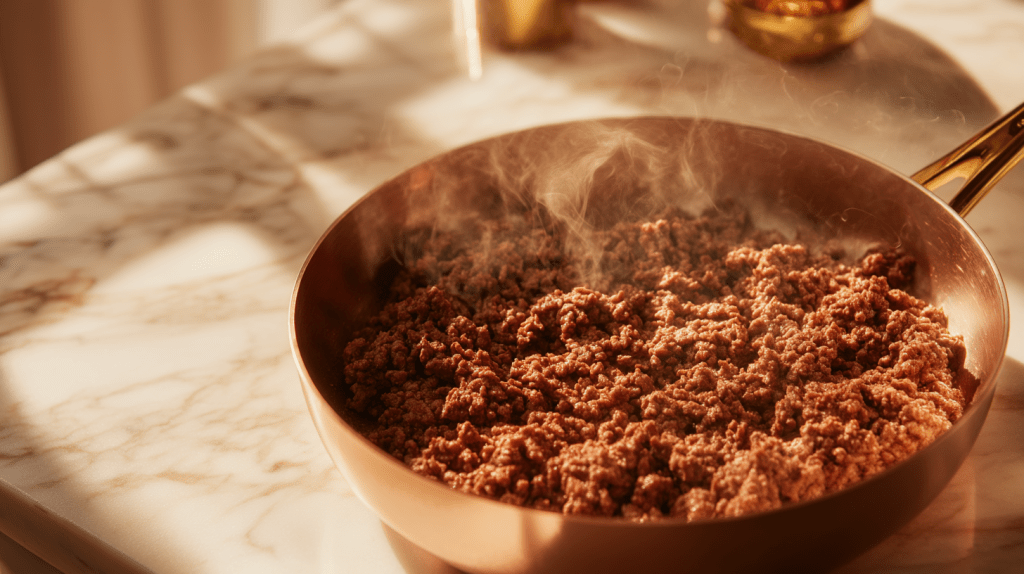
Heat a large skillet over medium-high heat. Add the ground beef and break it apart with a wooden spoon. Cook for 8 to 10 minutes, stirring occasionally, until the beef is fully browned and no pink remains. Season with salt and pepper. Drain any excess liquid.
Step 2: Make the Big Mac Sauce
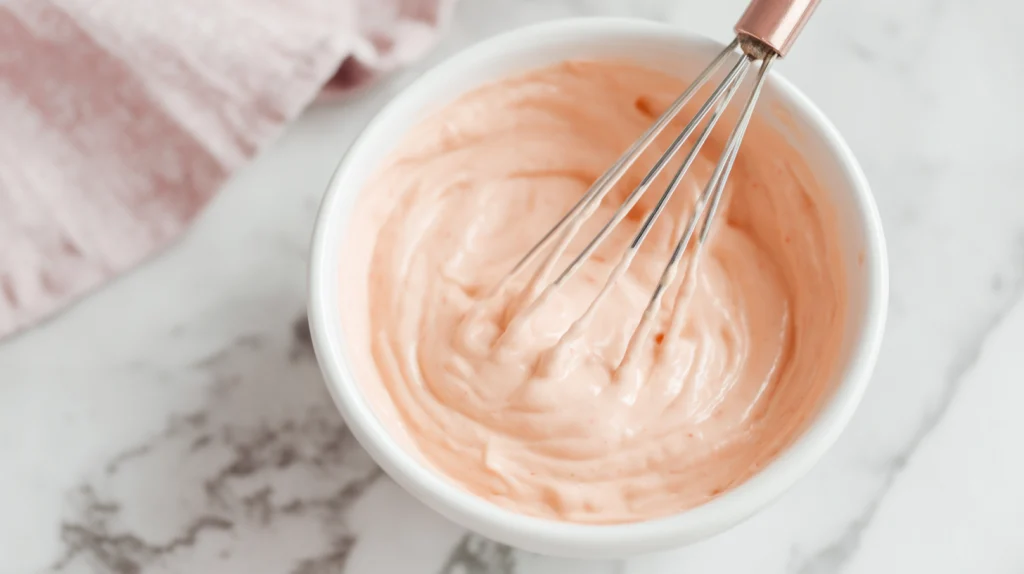
While the beef cooks, combine the Greek yogurt, light mayonnaise, ketchup, sweet pickle relish, apple cider vinegar, and salt in a small bowl. Whisk together until smooth and creamy. Taste and adjust the acidity (add more vinegar if you want more tang) or sweetness (add a touch more ketchup). Set aside.
Step 3: Assemble the Bowls
In each serving bowl, layer the components in this order:
- One cup of cooked basmati rice as the base.
- One cup chopped Napa cabbage and one cup chopped romaine lettuce.
- ½ cup cherry tomatoes, 2 tablespoons diced red onion, and 2 tablespoons chopped pickles.
- A heaping portion of the cooked ground beef (about 4 ounces per serving).
- ½ ounce shredded sharp cheddar cheese.
Step 4: Dress and Finish
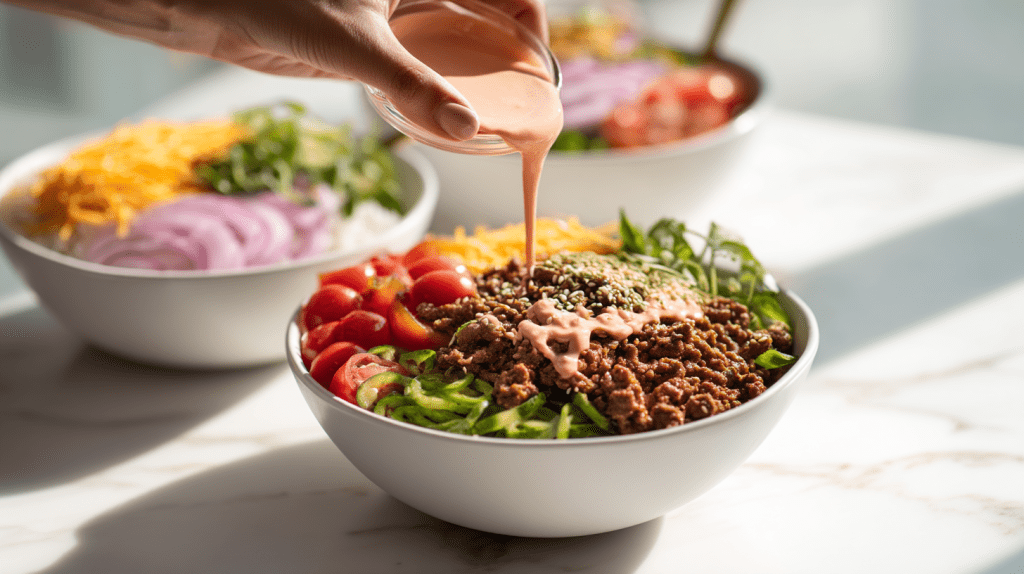
Drizzle 3 to 4 tablespoons of the Big Mac sauce over each bowl. Sprinkle with a generous pinch of sesame seeds. Toss lightly if you want everything mixed, or leave it composed for the visual cue of a deconstructed burger.
Serve immediately while the beef is still warm and the lettuce is crisp.
The Big Mac Sauce Recipe (Healthy, Low Calorie, Macro-Friendly Version)

The sauce is what makes this bowl taste like an actual Big Mac rather than a generic salad. This healthier version uses Greek yogurt as the base instead of all mayonnaise, cutting the fat content in half while keeping the creamy mouthfeel that defines the sauce.
What Makes Big Mac Sauce Different from Thousand Island?
The sweet pickle relish. That is the small detail that pushes the sauce into Big Mac territory. Without it, the sauce is closer to Thousand Island. With it, the sauce becomes specifically cheeseburger-flavored. The relish brings a sweet-sour crunch that you cannot replicate with other ingredients.
Free Macro Calculator
Personalized to your body, goals, and measurements. You will receive detailed macros for meals, sample day of eating, food selection guidance, hydration + daily supplement suggestions, and more.
Macro-Friendly Low Calorie Big Mac Sauce Nutrition
|
Per 3-Tablespoon Serving |
This Recipe |
Traditional Big Mac Sauce |
Savings |
|
Calories |
45 |
90 |
−45 (50% less) |
|
Fat |
1.5g |
8g |
−6.5g (81% less) |
|
Protein |
3g |
0g |
+3g (from Greek yogurt) |
|
Sugar |
4g |
6g |
−2g |
Tips and Variations for the Sauce
- 100% Greek yogurt version: Skip the mayo entirely. The sauce becomes even leaner, though slightly tangier. Add 1 teaspoon of honey to balance if needed.
- No-sugar-added ketchup: Works well if you are tracking added sugars closely. The taste difference is minimal in this sauce.
- Apple cider vinegar vs. mirin: ACV adds sharp acidity. Mirin adds a sweeter, more rounded acidity. White wine vinegar or rice vinegar are both fine substitutes.
- Smoky variation: Add ¼ teaspoon smoked paprika for a deeper, more complex flavor without changing the macro profile.
- Spicy variation: Add 1 teaspoon sriracha or ½ teaspoon cayenne for a spicy Big Mac sauce. Popular with the coaching community.
- Storage: Keeps in a sealed jar in the refrigerator for up to 7 days. The flavor actually improves after a day or two as the ingredients meld together.
Love this sauce? → It’s one of dozens of macro-friendly dressings and sauces in our Macro Miracle Mediterranean Cookbook
Substitutions & Variations
|
Swap |
Change |
Macro Impact |
Best For |
|
Ground turkey (93–99% lean) |
Replace ground beef |
Similar protein; fat ±2g |
Leaner option, milder flavor |
|
Cauliflower rice |
Replace basmati rice |
Carbs drop from 60g → 15g; cal ~300 |
Low-carb / keto version |
|
Quinoa |
Replace basmati rice |
+4-5g protein, slightly more fiber |
Extra protein boost |
|
Romaine only |
Replace Napa cabbage |
No macro change |
Crispier texture preference |
|
Reduced-fat cheddar |
Replace sharp cheddar |
Fat −2g per serving |
Lower fat target |
|
Pepper jack cheese |
Replace sharp cheddar |
No macro change |
Heat lovers |
|
Add avocado (¼) |
Add to bowl |
+60–80 cal, +5-7g healthy fat |
Lower-carb days with fat room |
|
Add crispy bacon (1 tbsp) |
Add to bowl |
+30 cal, +3g fat |
Weekend indulgence |
|
Add jalapeño slices |
Add to bowl |
Zero macro impact |
Spice lovers |
|
Add fried egg |
Top the bowl |
+70 cal, +5g fat, +6g protein |
Brunch version |
|
BBQ sauce swap |
Replace Big Mac sauce |
Slightly higher sugar |
BBQ burger variation |
|
Chipotle ranch swap |
Replace Big Mac sauce |
Slightly higher fat |
Smoky-spicy variation |
Free Macro Calculator
Personalized to your body, goals, and measurements. You will receive detailed macros for meals, sample day of eating, food selection guidance, hydration + daily supplement suggestions, and more.
Add-Ons for Different Macro Days
The bowl is built around a base macro profile and can be adjusted up or down depending on your training day, goals, or hunger level.
|
Goal |
What to Change |
New Macros (approx.) |
When to Use |
|
Higher protein |
Add 2 oz more cooked beef (or use 6 oz total) |
~50g protein, ~520 cal |
Strength training days |
|
Higher carb |
Add ½ cup more cooked rice |
~80g carbs, ~530 cal |
High-activity days |
|
Higher fat |
Add ¼ avocado + full-fat cheese |
~18g fat, ~530 cal |
Low-carb, higher-fat days |
|
Lower calorie |
Halve rice + cauliflower rice the other half |
~350 cal, 30g protein |
Rest days or cutting phase |
|
Maximum protein |
Double beef + add egg |
~56g protein, ~590 cal |
Heavy lifting days |
How to Meal Prep This Big Mac Bowl
The components of this bowl are perfect for meal prep, with one rule: store the components separately rather than as assembled bowls. The dressing on the lettuce overnight produces wilted, soggy greens that ruin the texture.
Meal Prep Storage Guide
|
Component |
Container |
Fridge Life |
Reheat Method |
|
Cooked ground beef (seasoned) |
Airtight container |
4 days |
30 sec microwave or 2 min skillet |
|
Cooked rice |
Airtight container |
5 days |
Splash of water + 1 min microwave |
|
Big Mac sauce |
Sealed glass jar |
7 days |
No reheat needed (serve cold) |
|
Chopped cabbage/lettuce |
Container + paper towel |
5 days |
No reheat (serve fresh) |
|
Cherry tomatoes (halved) |
Separate small container |
4 days |
No reheat |
|
Diced onion + pickles |
Separate small container |
5 days |
No reheat |
|
Shredded cheese |
Original bag or sealed bag |
2 weeks |
No reheat |
Free Macro Calculator
Personalized to your body, goals, and measurements. You will receive detailed macros for meals, sample day of eating, food selection guidance, hydration + daily supplement suggestions, and more.
Sunday Prep → Monday to Wednesday Rotation
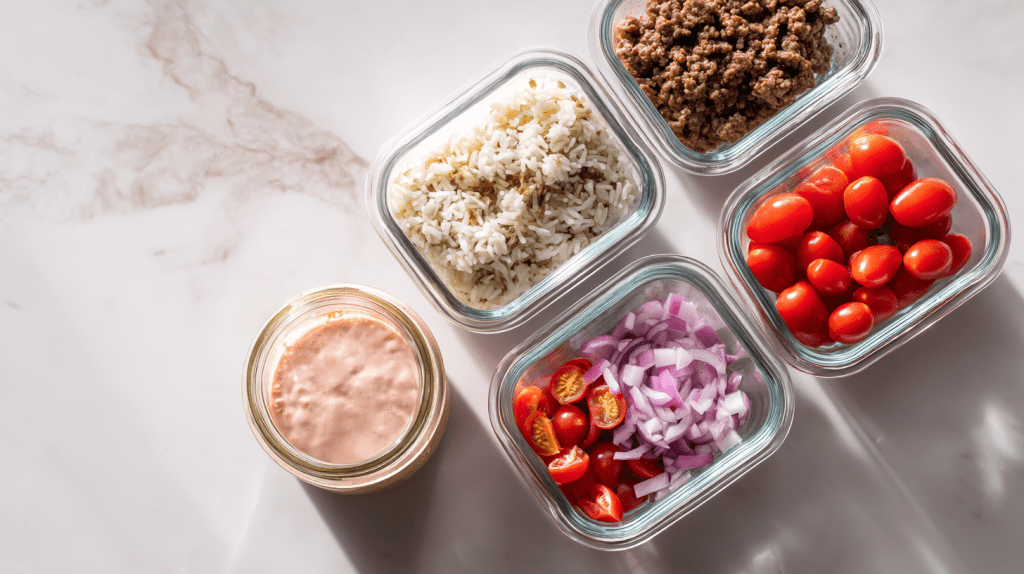
For meal prep, divide everything into separate containers on Sunday for a Monday through Wednesday lunch rotation. Each bowl takes 90 seconds to assemble at lunch time. Here is the workflow:
Step 1: Cook 1 pound ground beef and season. Let cool, divide into 4 containers.
Step 2: Cook 1 cup dry rice. Let cool, divide into 4 containers.
Step 3: Make the Big Mac sauce (one batch = 4 servings). Store in a glass jar.
Step 4: Chop all vegetables. Store each type separately with paper towels.
Step 5: Shred cheese and store in a sealed bag.
Step 6: At lunch: warm beef + rice (90 seconds), add cold vegetables, drizzle sauce, sprinkle sesame seeds.
How This Recipe Fits the Our THOR Methodology
This bowl is one of dozens of recipes that fit the macro framework I teach at THOR. The fundamentals are consistent across all of them: 30 to 40 grams of protein per meal, slow carbohydrates in measured amounts, fat kept intentionally low to leave room for flavor without exceeding the daily target, and built-in flexibility for customization.
Ready to build a full week of meals like this? → Get our Macro Miracle Mediterranean Cookbook
Frequently Asked Questions
What goes in a Big Mac bowl?
A Big Mac bowl typically contains seasoned ground beef, shredded lettuce, diced onion, chopped pickles, shredded cheddar cheese, cherry tomatoes, and Big Mac sauce. In this version, the bowl sits on a base of cooked basmati rice for slow-digesting carbohydrates and uses a macro-friendly sauce made with Greek yogurt instead of full-fat mayonnaise. The sesame seed garnish provides the bun cue without the refined carbs.
Can I make this recipe ahead of time?
Yes, with the storage approach above. Store all components separately and assemble each bowl just before eating. Stored this way, the components hold for 4 to 5 days. Pre-assembled bowls only last about 24 hours before the lettuce wilts under the weight of the warm components and the dressing.
Is this a keto cheeseburger bowl?
The recipe as written is not strictly keto because of the rice base and the ketchup in the sauce. To make it keto, swap the rice for cauliflower rice and use a no-sugar-added ketchup or skip the ketchup entirely and add 1 teaspoon of mustard plus 1 teaspoon of tomato paste. The macro profile with cauliflower rice comes in around 300 calories, 30 grams of protein, 10 grams of fat, and roughly 12 grams of net carbs per serving.
What is the difference between a Big Mac bowl and a Big Mac salad?
A Big Mac bowl typically includes a carbohydrate base like rice, quinoa, or potatoes, making it a complete meal with balanced macros. A Big Mac salad uses only lettuce as the base, making it lower in carbohydrates and calories but less filling. This recipe is a bowl, with the rice base providing 60 grams of slow-digesting carbs per serving. You can easily convert it to a Big Mac salad by removing the rice and adding extra lettuce.
What can I swap for the Napa cabbage?
Napa cabbage can be replaced with romaine lettuce, butter lettuce, iceberg lettuce, baby kale, or a spring mix. The texture is slightly different with each, but all of them work. Arugula is the one leafy green I avoid here because its peppery flavor fights the sweet-tangy Big Mac sauce profile.
Can I use a different type of cheese?
A different cheese works perfectly well. Colby Jack, pepper jack, Swiss, and reduced-fat sharp cheddar all hold up in this bowl. Avoid soft cheeses like brie or fresh mozzarella because they do not give you the melty-shredded texture that makes the bowl feel like a cheeseburger.
Free Macro Calculator
Personalized to your body, goals, and measurements. You will receive detailed macros for meals, sample day of eating, food selection guidance, hydration + daily supplement suggestions, and more.
What’s the secret sauce on a Big Mac?
McDonald’s Big Mac special sauce is essentially a variation of Thousand Island dressing: mayonnaise, sweet pickle relish, yellow mustard, white wine vinegar, garlic powder, onion powder, and paprika. Our version replaces the heavy mayonnaise base with non-fat Greek yogurt and light mayonnaise, cutting the fat by 81% while keeping the same signature flavor profile. The key ingredient that makes it taste specifically like a Big Mac is the sweet pickle relish—without it, it’s just Thousand Island.
How do I know my serving size is right?
The recipe yields four servings at approximately 450 calories per serving. If you cook the full pound of ground beef and the full pot of rice, then divide the cooked components evenly across four bowls, each bowl will land close to the macro target. For precision, weigh the cooked beef on a food scale (4 ounces per bowl) and measure the rice (1 cup cooked per bowl).
Is this recipe appropriate during perimenopause and menopause?
Yes, and it was designed specifically for this audience. The macro profile—high protein, moderate carbohydrates from slow sources, low fat from lean meat and a small amount of cheese—is the exact profile that supports muscle preservation, blood sugar stability, and sustained energy during hormonal transitions. The recipe is also anti-inflammatory, fiber-rich, and free of common menopause symptom triggers like excess sugar and refined carbs.
Can children eat this recipe?
The bowl scales down well for kids and is family-friendly as written. Reduce the portion size and consider leaving the dressing on the side so children can add their own. The flavors are familiar enough that most kids who like cheeseburgers will eat this without complaint.
Why use 96 percent lean ground beef instead of regular?
The leanness drives the fat macro target. Regular 80 percent lean ground beef would push the fat per serving from 10 grams to roughly 18 grams. Both versions taste excellent, and if you have room in your daily fat target, 90 or 93 percent lean is a reasonable middle ground. The 96 percent lean version is included because it produces the leanest macro profile and allows you to add fat selectively through cheese, avocado, or sauce rather than through the beef itself.
Can I make this dairy free?
The recipe converts to dairy free cleanly. Skip the cheese, use a dairy-free Greek yogurt alternative (coconut or almond-based unsweetened) in the sauce, and the recipe still holds together. The macro profile shifts by roughly 2 grams of fat and 2 grams of protein per serving.
I write 3 essays per week on Lifestyle Medicine for women in midlife on what is happening in the body and what to do about it. No fluff, no hype. Free.
References
- Phillips, S. M., & Van Loon, L. J. C. (2011). Dietary protein for athletes: from requirements to optimum adaptation. Journal of Sports Sciences, 29(Suppl 1), S29–S38.
- Bauer, J., Biolo, G., Cederholm, T., et al. (2013). Evidence-based recommendations for optimal dietary protein intake in older people. JAMDA, 14(8), 542–559.
- Leidy, H. J., Clifton, P. M., Astrup, A., et al. (2015). The role of protein in weight loss and maintenance. American Journal of Clinical Nutrition, 101(6), 1320S–1329S.
- Westerterp-Plantenga, M. S., et al. (2012). Dietary protein, weight loss, and weight maintenance. Annual Review of Nutrition, 32, 31–51.
- Maltais, M. L., Desroches, J., & Dionne, I. J. (2009). Changes in muscle mass and strength after menopause. JMNI, 9(4), 186–197.
- Lovejoy, J. C., et al. (2008). Increased visceral fat and decreased energy expenditure during the menopausal transition. Int J Obesity, 32(6), 949–958.
- Estruch, R., et al. (2018). Primary prevention of cardiovascular disease with a Mediterranean diet. NEJM, 378(25), e34.
- Atkinson, F. S., et al. (2008). International tables of glycemic index and glycemic load values. Diabetes Care, 31(12), 2281–2283.
Disclaimer: Always consult with a healthcare professional before starting any new routines, programs, or nutrition plans to ensure you receive the best medical advice and strategy for your specific individual needs.
───────────────────────────────────────────────────────────────────

Kara Krysinski is a yoga teacher (in training) and retreats coordinator at THOR Yoga Retreats, where she brings a deep understanding of movement, nourishment and dietary sensitivity into her work. She is the co-author of The Macro Miracle Mediterranean Cookbook – 80 Macro-Friendly Recipes for Fat Loss, Strength, Metabolism & Health. Her passion lies in creating flavorful, satisfying gluten-free meals that allow people to enjoy food without compromise. After developing a severe gluten allergy that led to a seven-day hospitalization, Kara began reimagining her relationship with food from both a personal and practical standpoint. What started as necessity evolved into purpose: developing gluten-free recipes that are nourishing, accessible, and genuinely enjoyable. Many of the recipes in her cookbook are her original creations, inspired by her own journey of healing and adaptation. Kara is currently working on furthering her studies and culinary creativity using evidence-based macro-based nutrition principles, as well as strength training and growth mindset. Her work reflects a belief that dietary restrictions do not have to mean restriction in pleasure, connection or quality of life. Get her free macro calculator for her cookbook here.