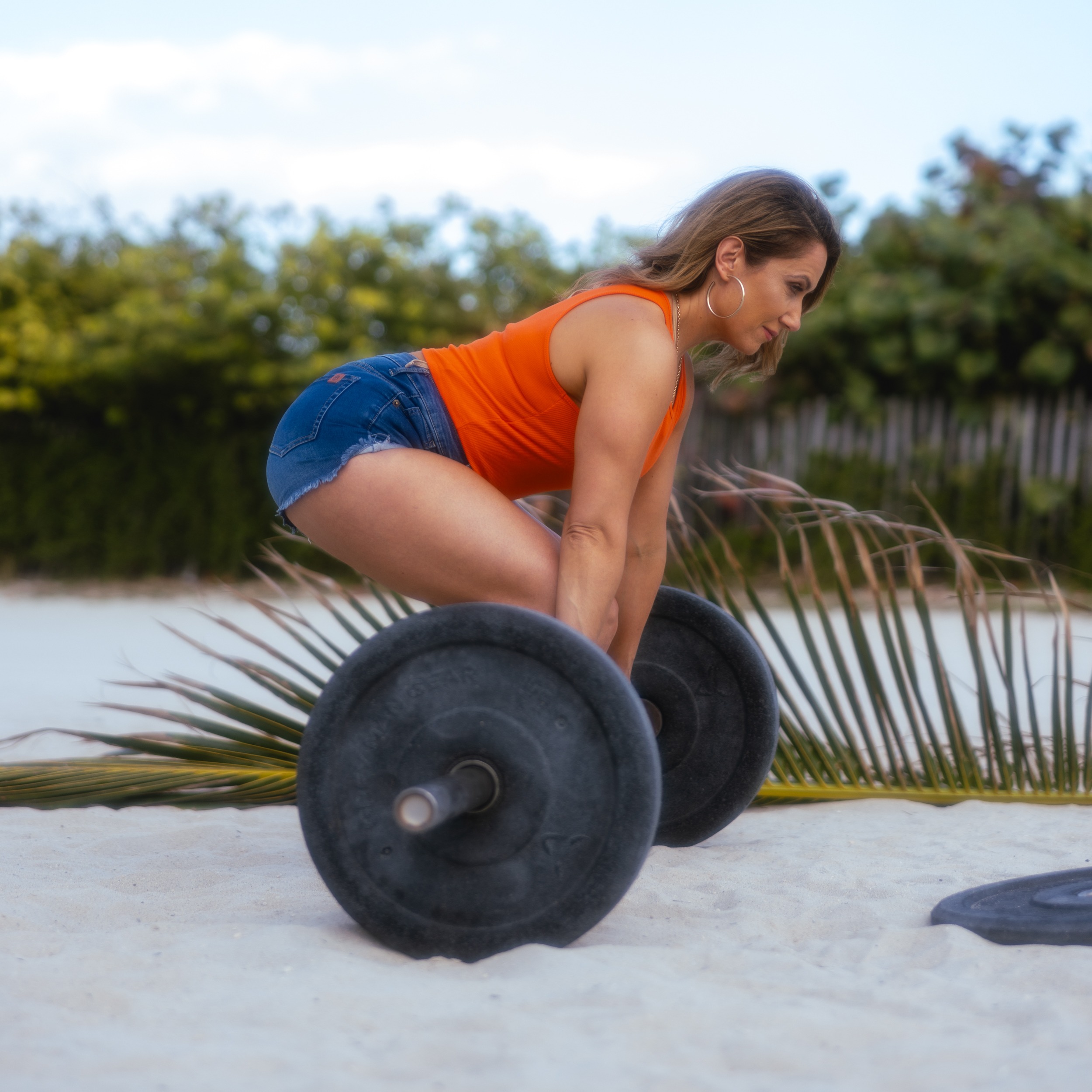

 By Team THOR
Why Most Fitness Programs Fail Women Over 40 (And the Integrative System That Actually Works)
Let me tell you something I wish more women understood sooner.
Most programs fail because they only focus on one piece of the puzzle. A meal plan. A workout split. A calorie target.
And for a little while, it works. Until life happens. Stress goes up. Sleep gets off. Hormones shift. Your schedule gets chaotic.
And suddenly the plan that “should” work doesn’t work anymore.
Because it was never designed for your real life in the first place and definitely not for your body in midlife.
If you have tried program after program, watched each one work for a few weeks before life moved on without it, and quietly decided the problem must be your willpower, your motivation, or your character: I need you to read the rest of this before starting another plan.
This article is going to walk through, honestly, why most fitness programs fail women over 40. The five variables they ignore. Why what worked for you at 28 doesn’t work at 48. And the integrative model, the actual five-pillar system, that does. We’ll cover the research behind each pillar, what to look for in a program built for midlife, and how to know whether it’s a fit for you.
By the end you’ll understand exactly why your last few attempts didn’t stick, and what it takes to build something that does.
Why “Try Harder” Stops Working in Midlife
The pattern, more or less, looks like this.
You decide this is the year. You sign up for the plan. The first two weeks feel good, sometimes great. You hit your steps, you eat the macros, you wake up early to train, you remember why you used to like this. Then a tough week at work hits. Your kid gets sick. A parent needs help. You miss a workout. You eat the cake. You drink the wine. The plan is no longer a clean line, it’s now a pattern of “back on track Monday.”
Two weeks later, you’re back to where you started. You add the new failure to the list of past failures. You start thinking:
- Why can’t I stay consistent?
- Why does this feel so hard?
- Why does it work for everyone else but not me?
So you try harder. You push more. You start over again. And the harder you push, the more brittle the result, the more crushing the next setback.
Here’s the truth most programs do not want to tell you: you do not need more discipline. You need a better system.
The willpower model, the one we were all raised on, where if you just want it badly enough you’ll grind your way to the result, was never honest about how human behavior actually works, and it especially wasn’t honest about the way midlife physiology and midlife life interact. Decades of research on behavior change make one thing very clear: durable change is built on environment, identity, systems, and structure. Willpower is a finite resource that gets depleted by exactly the things midlife stacks more of. When you blame yourself for “lacking discipline,” you are blaming a fuel tank for being empty after running it without filling.
There is a different way to do this. It starts with understanding why one-lever programs cannot match a five-lever problem.
The Real Problem No One Is Talking About: Your Health Doesn’t Live in Isolation
Most fitness programs treat your health like it exists in a vacuum. They focus on three things: food, workouts, calories. And they ignore everything else that actually drives your results in midlife — your nervous system, your stress levels, your environment, your daily habits, and your identity. When those aren’t aligned, even the “perfect plan” will fail.
Here is what I see, week in and week out, in women over 40 who come to us after multiple failed attempts.
The plan tells her to eat 1,400 calories with 130g of protein. Reasonable on paper. In practice, she is running 6 a.m. to 10 p.m., she’s the default cook for a household of four, she is nursing one parent through a health crisis, and her cortisol has been running high for three years. The 1,400-calorie macro plan was built for a woman in a quieter life with a sleep schedule and a calmer nervous system. It is mathematically correct and structurally impossible.
The plan tells her to lift four times a week. Reasonable on paper. In practice, her gym is 25 minutes away, she has to be at school pickup by 3 p.m., she’s exhausted by 8 p.m., and she has tried 5 a.m. workouts and watched her sleep and her cycle fall apart inside three weeks. The four-day program ignores the reality that her time, her energy, and her recovery don’t currently support it.
The plan tells her to track everything. Reasonable on paper. In practice, she’s already doing 90 micro-decisions a day and one more decision is the one that breaks her. Tracking adds cognitive load to a system already running at capacity.
When you take a one-dimensional plan and drop it into a multi-dimensional life, the plan loses every time. The plan was a math problem. The life is a systems problem. Different math.
A better approach starts with the reality of how a 47-year-old life is actually structured and works with it — not against it. That is what the Age With Strength model is built around. We’ll come back to this.
For more on the systems-thinking angle and why willpower fails, our piece on why putting yourself last backfires in midlife and 10 signs of overstimulation in midlife cover the real-life mechanics.
Why What Used to Work in Your 20s and 30s Doesn’t Work Now
If you’re in your 40s or beyond, your body is not the same as it was in your 20s. That is not an opinion — it’s physiology. Hormonal changes are real, measurable, and they shift the math on metabolism, energy, fat storage, and sleep quality.
Here’s what’s actually different.
Estrogen falls. Estrogen is a metabolic hormone, not just a reproductive one. It improves insulin sensitivity, supports muscle and bone, modulates fat distribution, and buffers the cortisol stress response. As estrogen falls in perimenopause and through menopause, insulin sensitivity drops, fat tends to redistribute toward the abdomen, muscle gets harder to maintain, and recovery from any stressor — physical, emotional, or training — slows down (Lovejoy et al., 2008; Maltais, Desroches & Dionne, 2009).
Progesterone falls. Progesterone has a calming effect on the nervous system through GABA receptors. As it drops, sleep gets lighter, anxiety can climb, and the baseline state of the body shifts from “rest and digest” toward “vigilant and braced.”
Anabolic resistance increases. Older bodies need more protein per meal to trigger the same muscle protein synthesis response (Moore et al., 2015). The same chicken-and-rice that built you at 25 doesn’t maintain you at 50 unless the dose is right.
Cortisol runs higher and longer. Without estrogen’s buffer, the same stressor produces a bigger cortisol spike and a slower return to baseline (Maki et al., 2018). You are running a higher-cortisol day, every day, on the same nervous system that handled less in your 30s.
Sleep gets lighter. Hot flashes, night sweats, and the falling progesterone-estrogen ratio all fragment sleep architecture in midlife (Joffe et al., 2010). You can be in bed nine hours and still wake up unrefreshed.
Recovery slows. What used to take a day to bounce back from now takes three.
At the same time, life itself gets fuller. Career demands at peak, family responsibilities at peak, caregiving on both ends of the generation, and a cognitive load most women in their 30s wouldn’t recognize.
So trying to force yourself into a rigid plan designed for the body and life you had ten years ago is like trying to run a high-performance system on outdated software. The hardware changed. The operating system has to change with it.
This is exactly why I built THOR differently — not as another fitness program, but as an integrative support system. Real transformation in midlife doesn’t happen from one lever. It happens when everything starts working together.
For the food math specifically, our free macro calculator is calibrated for midlife — it accounts for the protein-floor, the calorie reality, and the hormonal shifts that older calculators ignore. The midlife nutrition hierarchy walks through the order of operations.
The Five Pillars Most Fitness Programs Ignore (and Why They Matter More Than the Workout)
What “integrative” actually means is straightforward, even if most programs don’t do it. It means you stop optimizing one variable in isolation and start designing the whole system together.
Inside the THOR Age With Strength framework, that’s five pillars:
- Physical optimization — strength, metabolism, longevity
- Nutrition that fits your life — not the other way around
- Nervous system and stress regulation
- Behavioral and identity coaching
- Environment and lifestyle design
Skip any one of those and the rest fights an uphill battle. Stack them, and the body that has felt impossible for years finally starts moving.
Here’s why each one matters.
Pillar 1: Physical Optimization for Women Over 40 (Strength, Metabolism, Longevity)
This is the pillar most fitness programs at least try to address, and even here, most get it wrong for midlife.
A few principles that consistently work.
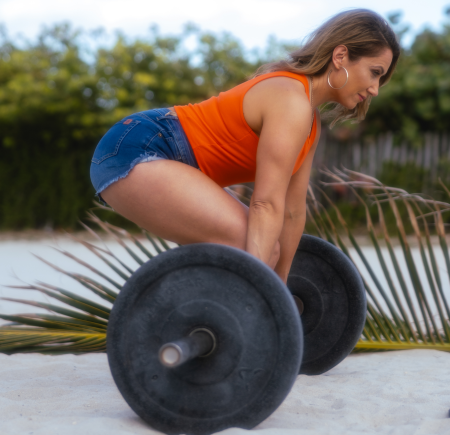
Strength training is the centerpiece, not cardio. After 40, the most important thing you can do for body composition, bone density, insulin sensitivity, and longevity is build and preserve muscle. The American College of Sports Medicine guidelines recommend at least two strength sessions per week for adults; the research suggests three to four is the sweet spot for women in midlife pursuing real change (Westcott, 2012; Garber et al., 2011). The Watson LIFTMOR trial of postmenopausal women with low bone mass showed that supervised heavy progressive resistance training for 8 months improved bone mineral density at the hip and spine (Watson et al., 2018) — exactly the population told for years that lifting heavy was risky.
Cardio plays a supporting role, not the lead. Long, depleting cardio sessions are one of the most common patterns I see in midlife women — and one of the most likely to backfire. Excess cardio raises cortisol, depletes recovery, and accelerates muscle loss when paired with under-eating. A pattern of two to three zone-2 walks per week (60–75% of max heart rate, conversational pace) plus one short higher-intensity session is more than enough cardio for almost every midlife woman pursuing fat loss and longevity.
Yoga and Pilates for recovery and regulation. Not as the main course, but as a real practice — once or twice a week. They support nervous system recovery, mobility, breath, and the kind of body literacy that most strength programs ignore. See why midlife makes Pilates obvious for the specifics.
Recovery as a programmed input. Sleep, walks, real days off, occasional restorative weeks. The body adapts during recovery, not during the workout.
Progressive, structured, individualized. A program that just says “lift weights” is not enough. The squat pattern, the hinge pattern, the press, the pull, the carry — these need progression, technique, and adjustment for what your body can currently do. See our specific guides on the complete guide to deadlifts, maximizing glute gains with hip thrusts, barbell squats, and bench press fundamentals.
The supplements that consistently support strength training in midlife are creatine, whey protein, and (for many women) collagen for joint and tissue support. Our shop carries the Creatine 90-serving bottle, Whey Protein Isolate in chocolate and vanilla, and Collagen Plus. These are not magic bullets — they are tools that meaningfully support an already-good program.
Pillar 2: Nutrition That Fits Your Life (Not the Other Way Around)
Most nutrition plans for midlife women fail in one of two ways: too restrictive, or too vague.
The restrictive plans tell you to cut entire food groups, skip meals, push fasting windows past what your hormones can support, or eat 1,200 calories a day. They produce two weeks of “results,” then a rebound, then guilt, then another plan. The vague ones tell you to “eat clean” or “eat real food” and provide no structure at all, leaving you with the same decisions to make every day with the same lack of clarity.
What works in midlife is structure plus flexibility.
A real protein floor. Most midlife women under-eat protein dramatically. The research consistently supports 1.6 to 2.2 grams per kilogram of bodyweight per day (about 0.7 to 1.0 grams per pound) for women over 40 pursuing maintenance, recomposition, or fat loss (Phillips, Chevalier & Leidy, 2016; Morton et al., 2018). For a 150-pound woman, that’s roughly 105 to 165 grams of protein per day, distributed across 3 to 4 meals with at least 30g per meal to overcome anabolic resistance. See our protein sources nutritionist’s guide for the specifics.
Adequate calories. This is where most midlife women undereat. Chronic restriction makes you weaker, not leaner, and the cortisol response to perpetual deficit blunts everything you’re trying to achieve. If you’ve been dieting for years, the move is often reverse dieting after 50 before you try to build, then a focused building phase, then a controlled cut.
Carbohydrates around training. Carbs fuel your sessions and replenish muscle glycogen afterward. Eat them. The “low-carb plus heavy training plus underfed” combination is a classic midlife trap that produces fatigue, broken sleep, hair thinning, and stalled results.
Mediterranean-pattern eating as the foundation. Vegetables, olive oil, fish, beans, whole grains, nuts, herbs and spices, modest dairy, very limited ultra-processed food. The research is overwhelming for cardiovascular health, inflammation, longevity, and body composition (Estruch et al., 2018). Our Mediterranean diet for menopause guide walks through the framework, and The Macro Miracle Mediterranean Cookbook has 80 macro-friendly recipes built on exactly this template.
Real-life flexibility. Travel, social events, family meals, the occasional pizza Friday. A plan that breaks the moment your daughter has a birthday is not a plan; it is a fantasy. The structure should bend with your life, not snap.
Personalized targets. Same body weight, same goal, two different women — different protein, different calories, different carbs, different timing. The free macro calculator gives you a starting point in 60 seconds. From there, individual coaching adjusts as the body responds.
For the comfort-food side — high-protein versions of the foods you actually like — see high-protein comfort foods and the fundamentals of macro diet for women over 50.
Pillar 3: Nervous System and Stress Regulation (The Pillar Most Programs Ignore)
This is the piece almost every fitness program completely ignores, and it’s often the single biggest reason midlife women feel stuck.
Because this isn’t a willpower problem. It’s a physiological one.
When your nervous system is running in chronic sympathetic activation — the “go” state — your body resists fat loss, holds onto water, fragments sleep, blunts hunger and fullness signals, and stores energy preferentially in the abdomen. This is not a moral failure; it is hard-wired biology. Cortisol and chronic stress are directly linked to increased visceral fat, disrupted glucose metabolism, broken sleep, and impaired recovery (Epel et al., 2000; Kiecolt-Glaser, 2010; Harvard Health Publishing, 2020).
The fitness program that ignores this is asking your body to lose weight in a hormonal environment that is biologically wired to hold weight. The plan can be perfect on paper and still produce nothing.
Inside the integrative model, nervous system regulation is a primary intervention, not an afterthought. We address:
- Chronic stress, the sustained “on” state that most working midlife women have been running for years
- Overstimulation — the screen, notification, decision-load saturation that blunts every other input
- Emotional eating, the misnamed but very real phenomenon of food doing nervous system work that the nervous system has no other tools for
The protocols are simple and specific.
Breathwork. Two to five minutes, twice a day, of slow nasal breathing or box breathing. Shifts the autonomic nervous system measurably (Zaccaro et al., 2018). Free, takes nothing, and changes baseline.
Somatic practices. Yoga, walking, body-scan, slow movement. The body discharges what the mind cannot reason its way out of.
Recovery protocols. Real days off. Real evenings off. Real Saturdays.
Sleep as a primary input. Cool, dark, consistent bedtime, real wind-down, dim evenings. Our sleep matters guide and the Sleep Stack supplement bundle cover the protocol in detail.
Cortisol-aware supplementation where appropriate. Adaptogens like ashwagandha (clinical evidence for cortisol reduction at 300–600mg/day in trials by Lopresti et al., 2019), plus targeted supports like Phytisone-style blends. Our Stress Balance supplement (formerly Phytisone) is the one we keep stocked.
Removing the inputs that wreck regulation. Alcohol is the largest one. Alcohol fragments sleep, raises cortisol in the second half of the night, and undoes most other interventions. See alcohol and menopause: use at your own risk for the honest math.
For the deeper conversation on emotional eating specifically — what’s driving it, how to address the underlying nervous-system dysregulation rather than the food — see our pieces on how stress affects food habits, hormonal changes and emotional eating in menopause, and yoga and emotional balance.
Pillar 4: Behavioral and Identity Coaching (Where Transformation Becomes Sustainable)
This is the pillar that turns a temporary result into a permanent one. And it is the pillar that is almost completely missing from off-the-shelf fitness programs.
Here’s the principle behind it: durable change does not come from new behaviors. It comes from a new identity that produces those behaviors automatically.
The research backs this up. Habit formation researchers have shown for years that identity-based change (“I am a person who lifts weights”) is more durable than outcome-based change (“I want to lose 20 pounds”) — the identity persists when the outcome wavers, and the identity quietly produces the daily actions long after motivation has faded (Wood & Neal, 2007; Lally et al., 2010).
So inside the integrative model, we work on three things together.
Accountability systems. Not nagging — structured, scheduled, supportive check-ins that make the difference between a plan that exists and a plan that actually runs. Most women I work with do not need more information. They need someone whose only job is to make sure the information becomes action.
Pattern awareness. What are the patterns that keep showing up? The 4 p.m. snack spiral. The “I’ll start Monday” loop. The 3-day commitment followed by a 2-week drift. The midlife pattern where one tough week becomes three. We name them, we work them, we build the alternative response.
Cognitive reframing. The internal voice. The way you talk to yourself when you miss a workout, when the scale stalls, when life knocks you off the plan. Self-criticism is not motivating — it is corrosive, and it correlates with worse adherence over time. A self-compassionate internal frame correlates with better long-term outcomes (Neff et al., 2018).
The work is identity work. Who is the woman who runs this body? What does she eat? How does she move? How does she talk to herself? What does she do when she misses a day? You don’t think your way into a new identity — you act your way into it, with the support, accountability, and structure that lets the actions happen long enough to become who you are.
This is the part of the work that most general fitness programs cannot deliver, because it requires real coaching in real conversation over time. It is the spine of the Age With Strength 1:1 coaching program — the part that makes the rest stick.
For the broader frame on this, our pieces on growth vs goal, how to transform your body, and coaching vs therapy cover the territory from different angles.
Pillar 5: Environment and Lifestyle Design (The Pillar That Makes Everything Easier)
Your environment is either supporting your success or working against it. There is no neutral.
This is the pillar that turns a difficult plan into an easy one.
The Fogg Behavior Model out of Stanford lays this out clearly: behavior happens at the intersection of motivation, ability, and a prompt and willpower is barely in the equation. When you redesign the environment so the desired behaviors are easier than the undesired ones and the prompts show up at the right moment, the behavior changes almost automatically.
Inside the integrative model, environment design covers:
Daily routines. Morning routine that anchors the day: protein breakfast, hydration, light exposure, a brief movement piece. Evening routine that anchors sleep — dim lights, screen-down, cool room, a wind-down ritual.
Food environment. What’s in the house and what isn’t. The cookies you don’t have to white-knuckle past at 9 p.m. are the cookies you didn’t bring home. Wansink’s research at Cornell consistently showed that the food environment determines food intake far more reliably than intent does.
Time structure. The hour blocks where your training, your meals, and your rest actually happen. If they’re not on the calendar, they’re not in the system. Coaches and clients spend the first month of work on this for a reason.
Social support. Who are you spending time with? What are the women around you doing? Social network research consistently shows that habits — exercise, eating, drinking, weight: track through the social graph. Surround yourself with women who are doing the work and your work gets meaningfully easier.
Removing decision load. A pre-decided breakfast. A planned grocery list. A scheduled training time. The fewer decisions your willpower has to make, the more capacity you have for the decisions that matter.
This is the pillar that makes a hard plan feel sustainable. Not by making it less rigorous but by removing all the friction that was eating your willpower for breakfast.
Why Integrative Coaching Works When Everything Else Hasn’t
Most programs focus on short-term results, external rules, and perfect conditions. The integrative model focuses on systems, patterns, and real life.
Here’s the difference, in practical terms.
A typical fitness program gives you the workouts and the meal plan and tells you to execute. When life gets in the way, the program has nothing to offer except “be more consistent.” The plan is rigid; the failure point is predictable.
An integrative coaching program gives you the workouts and the meal plan, and also the tools for stress regulation, the pattern work that makes consistency happen automatically, the environment design that removes daily friction, and the identity work that makes the new behaviors who you are. When life happens — and it will — the system has multiple supports. You don’t fall off; you adjust. The plan is flexible; the failure point doesn’t materialize because the surrounding system absorbs the shocks.
This is the difference between losing weight temporarily and becoming someone who can maintain it.
It is also the difference between being on a program and having a life that works.
The Shift That Makes It Sustainable (And When It Happens)
At some point inside this kind of work, something clicks.
You stop trying to force results. You start becoming the woman who naturally creates them.
The shift looks like:
- Following through, even when the week is hard
- Adjusting instead of starting over
- Eating the way you eat because that’s how you eat now, not because the plan said
- Training the way you train because that’s how you move now, not because of a streak
- Talking to yourself with respect after a missed workout instead of self-flagellation
- Feeling strong, energized, and in control of your body instead of at war with it
When that shift happens, results become a side effect. The body changes. The energy comes back. The clothes fit differently. The labs improve. But none of those is the point — the point is that you are no longer trying to be the woman who does this. You are her. The work that produced her does not stop, because it’s not work anymore. It’s life.
This is what 16 weeks of integrative coaching is designed to produce. Not a 16-week result. A different identity that runs the next 30 years.
Who This Approach Is For And Who It’s Not
Honesty in matters, particularly here.
This approach is for you if:
- You feel like you’ve tried everything, and nothing has stuck
- You’re tired of starting over
- You want a structure that actually works in real life — not in a fantasy life
- You’re ready to stop guessing and follow a system
- You’re willing to take ownership of your habits, your identity, and your environment
- You understand that real change takes more than four weeks
- You want a coach in your corner, not another app
This approach is not for you if:
- You’re looking for a fast quick fix
- You want extreme dieting or 10-pounds-in-10-days promises
- You’re not ready to take ownership of the daily decisions
- You want someone to do it for you instead of with you
- You’re not interested in the nervous system, identity, or behavior pillars
If the fast-fix version is what you’re after, there are programs out there. They probably won’t produce the result you actually want, but they exist. If the deep, sustainable version is what you’re after, that’s what we do.
The Outcome Isn’t Just Weight Loss: It’s a Different Body, Mind, and Life
Yes, fat loss happens. Yes, your body changes. Yes, your strength improves. Yes, the labs move. Yes, the clothes fit.
But the real outcome of integrative midlife coaching is bigger than that.
You become a woman who trusts her body again. Who knows how to regulate her energy across a day, a week, a month. Who feels confident in her food choices without spending mental capacity on them. Who has a system she can sustain for the rest of her life. Who has stopped fighting her body and started working with it.
That is the work. The fat loss is a downstream effect. The bigger result is the internal shift that produces the fat loss without needing a plan to enforce it.
If You’ve Been Doing Everything “Right” and Still Feel Stuck
This might be why. It’s not lack of discipline and n ot because everyone else can do this and you can’t.
It’s most likely because you’ve been trying to solve a multi-dimensional problem with a one-dimensional solution.
Most fitness programs ignore four out of the five pillars that actually drive midlife results. You can absolutely produce short-term change with one pillar. You cannot produce sustainable change without the other four.
When you finally have all five working together — strength, nutrition, nervous system, identity, and environment — the body and the life that have felt impossible for years start to move. Not because you suddenly developed willpower. Because the system around you finally caught up to the woman you actually are.
Ready for a Different Approach? The Age With Strength Path
If you’re ready to stop starting over and start building something that actually lasts — the Age With Strength 16-Week Personalized 1:1 Coaching Program is exactly this work, in structured form.
Inside, you get personalized coaching across all five pillars, daily-level accountability, a fully customized plan for your body and your life, and ongoing support every step of the way. We start with the free macro calculator to set your baseline, build the food framework on the Macro Miracle Mediterranean Cookbook, bring in the supplements that consistently support midlife training (whey isolate, creatine, the Stress Balance and Sleep Stack protocols where indicated), and overlay the nervous system, behavior, identity, and environment work that turns a 16-week program into a 30-year transformation.
For the women who want a periodic deep reset alongside the daily work, our women’s wellness retreats — the Smoky Mountains, Sedona, and South of France — are the in-person version of the same five-pillar logic.
For the women who want to host their own retreat or coaching cohort and bring their community into this work, book a call through the schedule a call page and we’ll talk through what partnership looks like.
FAQ: Why Most Fitness Programs Fail Women Over 40
Why do fitness programs stop working after 40?
Because most programs are built around one variable (food, workouts, calories) while midlife runs on five — physical training, nutrition, nervous system, identity, and environment. Hormonal changes (falling estrogen and progesterone), increased anabolic resistance, slower recovery, higher cortisol, and a heavier life load all mean the same plan that worked at 28 cannot deliver at 48. The fix is integrative — addressing all five pillars together.
Is it really hormonal, or am I just not working hard enough?
It’s almost certainly not effort. Decades of research show that estrogen drops in perimenopause and menopause directly affect insulin sensitivity, fat distribution, sleep, recovery, and the cortisol response. You can be working harder than you ever did at 30 and getting less return because the underlying physiology changed. The solution is not more effort — it is a different approach matched to the body you have now.
What is integrative coaching, exactly?
Coaching that addresses the full system — physical training, nutrition, nervous system regulation, behavior and identity, and environment — rather than just one or two of those. It assumes that durable change requires all five pillars working together, and that ignoring any of them produces brittle, short-term results.
Why does my workout plan stop working after a few weeks?
Usually because life happens — stress, sleep disruption, a busy week, a family situation — and the rigid plan doesn’t have flexibility built in. A better plan adjusts when life moves and has supports for the nervous-system, behavior, and environment factors that determine whether you can stay consistent.
How is THOR different from other coaching programs for women over 40?
Most coaching programs focus on workouts and macros. THOR’s Age With Strength program addresses all five pillars — physical, nutrition, nervous system, identity, environment — over 16 weeks, with personalized coaching, daily accountability, and structured support across each. The goal is identity-level change that holds for life, not a 16-week scoreboard.
How long does it take to see real results?
Most women see meaningful changes in energy, sleep, and mood within 2–4 weeks of starting the integrative work. Body composition changes typically show up between 4 and 12 weeks. Identity-level change — the part that makes results stick — usually consolidates around weeks 12 to 16, which is why the program is structured as a 16-week cycle.
Do I need to give up wine, sugar, or my favorite foods?
No. Extreme restriction is one of the reasons most programs fail. The food framework is structured (real protein, fiber, calorie targets) and flexible (travel, social events, family meals, the occasional pizza Friday). Alcohol gets honest attention because of its outsized effect on midlife sleep and cortisol — many women choose to reduce, not eliminate.
Do I need to be in shape to start?
No. Most women come in feeling out of shape, off, or behind. The program meets you where you are. Strength training is built progressively from your current capacity — there’s no minimum fitness floor.
I’ve already failed at programs before. Why would this be different?
Because the failure was almost certainly structural, not personal. If a program asks one variable of your life to change while the other four work against you, the failure was baked in. An integrative program addresses all five at once and supports you through the predictable rough weeks instead of leaving you alone with a rigid plan.
What’s the role of the nervous system in fat loss?
A bigger one than most programs admit. Chronic stress and elevated cortisol drive abdominal fat storage, fragment sleep, blunt hunger and fullness signals, and create a metabolic environment that resists fat loss. Addressing the nervous system is often the variable that unlocks results that have been stuck for months.
Do I have to do strength training? I’ve been doing cardio for years.
Yes. Cardio alone is not a sufficient strategy for women over 40 — it doesn’t preserve or build muscle, doesn’t protect bone density the way resistance training does, and often elevates cortisol when overdone. Strength training is the centerpiece for midlife body composition, longevity, and bone health. The good news: 2–3 sessions a week is enough to produce real change.
How is identity-based change different from goal-based change?
Goal-based change asks “what do I want to achieve?” Identity-based change asks “who do I want to be?” The research shows identity-based habits stick longer because they continue to produce behavior even when motivation is low. “I am someone who trains” outlasts “I want to lose 20 pounds.”
Will I have to count calories forever?
No. Most clients track for a defined period (often 30–90 days) to learn what their body actually needs, then graduate to estimating based on patterns. The goal is body literacy, not a permanent app habit.
Is this safe if I have a chronic condition or am on HRT?
For most chronic conditions and for women on HRT, integrative coaching is supportive and complementary. Always work with your prescribing clinician on anything related to medications and conditions. Coaching is not medical care — it is a structured behavioral and physical-training intervention that runs alongside your medical team.
How is the Age With Strength program structured?
It’s a 16-week 1:1 coaching program covering all five pillars — personalized training plan, customized nutrition (built off the macro calculator and Mediterranean cookbook), nervous-system protocols, identity and behavior coaching, environment design, and daily-level accountability.
What if I just want the workouts and the meal plan, not the whole system?
That’s a fair preference and the answer is honest: that’s not what we do. Plenty of programs sell that. The reason we don’t is that we’ve watched too many women cycle through workout-and-meal-plan programs and end up exactly where they started. The five-pillar work is what makes the result stick.
Sources & References
- Vohs, K. D., Baumeister, R. F., Schmeichel, B. J., Twenge, J. M., Nelson, N. M., & Tice, D. M. (2008). Making choices impairs subsequent self-control: A limited-resource account of decision making, self-regulation, and active initiative. Journal of Personality and Social Psychology, 94(5), 883–898.
- Baumeister, R. F., & Tierney, J. (2011). Willpower: Rediscovering the Greatest Human Strength. Penguin Press.
- Lovejoy, J. C., Champagne, C. M., de Jonge, L., Xie, H., & Smith, S. R. (2008). Increased visceral fat and decreased energy expenditure during the menopausal transition. International Journal of Obesity, 32(6), 949–958.
- Maltais, M. L., Desroches, J., & Dionne, I. J. (2009). Changes in muscle mass and strength after menopause. Journal of Musculoskeletal and Neuronal Interactions, 9(4), 186–197.
- Moore, D. R., Churchward-Venne, T. A., Witard, O., Breen, L., Burd, N. A., Tipton, K. D., & Phillips, S. M. (2015). Protein ingestion to stimulate myofibrillar protein synthesis requires greater relative protein intakes in healthy older versus younger men. Journals of Gerontology Series A, 70(1), 57–62.
- Maki, P. M., Kornstein, S. G., Joffe, H., Bromberger, J. T., Freeman, E. W., Athappilly, G., et al. (2018). Guidelines for the evaluation and treatment of perimenopausal depression. Menopause, 25(10), 1069–1085.
- Joffe, H., Hall, J. E., Soares, C. N., Hennen, J., Reilly, C. J., Carlson, K., & Cohen, L. S. (2010). Vasomotor symptoms are associated with depression in perimenopausal women seeking primary care. Menopause, 17(6), 1095–1100.
- Westcott, W. L. (2012). Resistance training is medicine: Effects of strength training on health. Current Sports Medicine Reports, 11(4), 209–216.
- Garber, C. E., Blissmer, B., Deschenes, M. R., Franklin, B. A., Lamonte, M. J., Lee, I. M., et al. (2011). American College of Sports Medicine position stand: Quantity and quality of exercise for developing and maintaining cardiorespiratory, musculoskeletal, and neuromotor fitness in apparently healthy adults. Medicine & Science in Sports & Exercise, 43(7), 1334–1359.
- Watson, S. L., Weeks, B. K., Weis, L. J., Harding, A. T., Horan, S. A., & Beck, B. R. (2018). High-intensity resistance and impact training improves bone mineral density and physical function in postmenopausal women with osteopenia and osteoporosis: The LIFTMOR randomized controlled trial. Journal of Bone and Mineral Research, 33(2), 211–220.
- Phillips, S. M., Chevalier, S., & Leidy, H. J. (2016). Protein “requirements” beyond the RDA: Implications for optimizing health. Applied Physiology, Nutrition, and Metabolism, 41(5), 565–572.
- Morton, R. W., Murphy, K. T., McKellar, S. R., Schoenfeld, B. J., Henselmans, M., Helms, E., et al. (2018). A systematic review, meta-analysis and meta-regression of the effect of protein supplementation on resistance training-induced gains in muscle mass and strength in healthy adults. British Journal of Sports Medicine, 52(6), 376–384.
- Estruch, R., Ros, E., Salas-Salvadó, J., Covas, M.-I., Corella, D., Arós, F., et al. (2018). Primary prevention of cardiovascular disease with a Mediterranean diet supplemented with extra-virgin olive oil or nuts (PREDIMED). New England Journal of Medicine, 378(25), e34.
- Epel, E. S., McEwen, B., Seeman, T., Matthews, K., Castellazzo, G., Brownell, K. D., et al. (2000). Stress and body shape: Stress-induced cortisol secretion is consistently greater among women with central fat. Psychosomatic Medicine, 62(5), 623–632.
- Kiecolt-Glaser, J. K. (2010). Stress, food, and inflammation: Psychoneuroimmunology and nutrition at the cutting edge. Psychosomatic Medicine, 72(4), 365–369.
- Harvard Health Publishing. (2020). Why stress causes people to overeat. Harvard Medical School Health Publishing.
- Zaccaro, A., Piarulli, A., Laurino, M., Garbella, E., Menicucci, D., Neri, B., & Gemignani, A. (2018). How breath-control can change your life: A systematic review on psycho-physiological correlates of slow breathing. Frontiers in Human Neuroscience, 12, 353.
- Lopresti, A. L., Smith, S. J., Malvi, H., & Kodgule, R. (2019). An investigation into the stress-relieving and pharmacological actions of an ashwagandha (Withania somnifera) extract: A randomized, double-blind, placebo-controlled study. Medicine, 98(37), e17186.
- Wood, W., & Neal, D. T. (2007). A new look at habits and the habit-goal interface. Psychological Review, 114(4), 843–863.
- Lally, P., van Jaarsveld, C. H. M., Potts, H. W. W., & Wardle, J. (2010). How are habits formed: Modelling habit formation in the real world. European Journal of Social Psychology, 40(6), 998–1009.
- Neff, K. D., Long, P., Knox, M. C., Davidson, O., Kuchar, A., Costigan, A., et al. (2018). The forest and the trees: Examining the association of self-compassion and its positive and negative components with psychological functioning. Self and Identity, 17(6), 627–645.
- Fogg, B. J. (2009). A behavior model for persuasive design. Proceedings of the 4th International Conference on Persuasive Technology, Article 40.
- Wansink, B. (2006). Mindless Eating: Why We Eat More Than We Think. Bantam Books.
- Hollands, G. J., Shemilt, I., Marteau, T. M., Jebb, S. A., Kelly, M. P., Nakamura, R., et al. (2013). Altering micro-environments to change population health behaviour: Towards an evidence base for choice architecture interventions. BMC Public Health, 13, 1218.
- Christakis, N. A., & Fowler, J. H. (2007). The spread of obesity in a large social network over 32 years. New England Journal of Medicine, 357(4), 370–379.
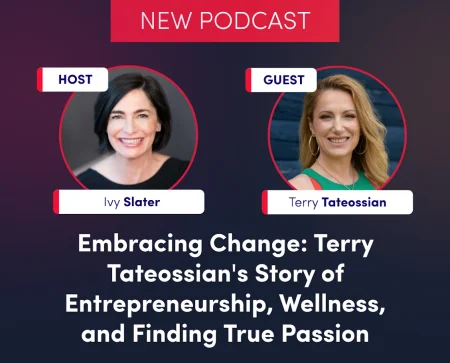
Terry Tateossian is a Menopause Lifestyle Medicine Coach, Certified Personal Trainer & Nutritionist and the Founder of THOR: The House of Rose, a wellness brand serving women over 40 through retreats, coaching, macro-nutrition and community. As 25-year founder and entrepreneur, Terry spent two and a half decades building and running successful start-up businesses, an experience that put her on the front line of founder burnout long before she could name it. After facing serious health challenges, early onset menopause, and emotional eating while running her agency and raising two children, Terry rebuilt her health in her 40s and lost more than 80 pounds through evidence-based nutrition, training, and mindset work. Today, she helps women get strong, improve confidence, support hormone health, and create a stronger second half of life. Terry has been featured in major media outlets and is available for podcasts, expert commentary, brand collaborations, and speaking engagements on midlife health, reinvention, emotional eating, menopause wellness, and strength training for longevity. Get her free macro calculator (her cookbook companion) to start your journey to back to health.