Why Most Fitness Programs Fail Women Over 40 (And the Integrative System That Actually Works)

Let me tell you something I wish more women understood sooner.

Most programs fail because they only focus on one piece of the puzzle. A meal plan. A workout split. A calorie target.

And for a little while, it works. Until life happens. Stress goes up. Sleep gets off. Hormones shift. Your schedule gets chaotic.

And suddenly the plan that “should” work doesn’t work anymore.

Because it was never designed for your real life in the first place and definitely not for your body in midlife.

If you have tried program after program, watched each one work for a few weeks before life moved on without it, and quietly decided the problem must be your willpower, your motivation, or your character: I need you to read the rest of this before starting another plan.

This article is going to walk through, honestly, why most fitness programs fail women over 40. The five variables they ignore. Why what worked for you at 28 doesn’t work at 48. And the integrative model, the actual five-pillar system, that does. We’ll cover the research behind each pillar, what to look for in a program built for midlife, and how to know whether it’s a fit for you.

By the end you’ll understand exactly why your last few attempts didn’t stick, and what it takes to build something that does.

Why “Try Harder” Stops Working in Midlife

The pattern, more or less, looks like this.

You decide this is the year. You sign up for the plan. The first two weeks feel good, sometimes great. You hit your steps, you eat the macros, you wake up early to train, you remember why you used to like this. Then a tough week at work hits. Your kid gets sick. A parent needs help. You miss a workout. You eat the cake. You drink the wine. The plan is no longer a clean line, it’s now a pattern of “back on track Monday.”

Two weeks later, you’re back to where you started. You add the new failure to the list of past failures. You start thinking:

  • Why can’t I stay consistent?
  • Why does this feel so hard?
  • Why does it work for everyone else but not me?

So you try harder. You push more. You start over again. And the harder you push, the more brittle the result, the more crushing the next setback.

Here’s the truth most programs do not want to tell you: you do not need more discipline. You need a better system.

The willpower model, the one we were all raised on, where if you just want it badly enough you’ll grind your way to the result, was never honest about how human behavior actually works, and it especially wasn’t honest about the way midlife physiology and midlife life interact. Decades of research on behavior change make one thing very clear: durable change is built on environment, identity, systems, and structure. Willpower is a finite resource that gets depleted by exactly the things midlife stacks more of. When you blame yourself for “lacking discipline,” you are blaming a fuel tank for being empty after running it without filling.

There is a different way to do this. It starts with understanding why one-lever programs cannot match a five-lever problem.

The Real Problem No One Is Talking About: Your Health Doesn’t Live in Isolation

Most fitness programs treat your health like it exists in a vacuum. They focus on three things: food, workouts, calories. And they ignore everything else that actually drives your results in midlife — your nervous system, your stress levels, your environment, your daily habits, and your identity. When those aren’t aligned, even the “perfect plan” will fail.

Here is what I see, week in and week out, in women over 40 who come to us after multiple failed attempts.

The plan tells her to eat 1,400 calories with 130g of protein. Reasonable on paper. In practice, she is running 6 a.m. to 10 p.m., she’s the default cook for a household of four, she is nursing one parent through a health crisis, and her cortisol has been running high for three years. The 1,400-calorie macro plan was built for a woman in a quieter life with a sleep schedule and a calmer nervous system. It is mathematically correct and structurally impossible.

The plan tells her to lift four times a week. Reasonable on paper. In practice, her gym is 25 minutes away, she has to be at school pickup by 3 p.m., she’s exhausted by 8 p.m., and she has tried 5 a.m. workouts and watched her sleep and her cycle fall apart inside three weeks. The four-day program ignores the reality that her time, her energy, and her recovery don’t currently support it.

The plan tells her to track everything. Reasonable on paper. In practice, she’s already doing 90 micro-decisions a day and one more decision is the one that breaks her. Tracking adds cognitive load to a system already running at capacity.

When you take a one-dimensional plan and drop it into a multi-dimensional life, the plan loses every time. The plan was a math problem. The life is a systems problem. Different math.

A better approach starts with the reality of how a 47-year-old life is actually structured and works with it — not against it. That is what the Age With Strength model is built around. We’ll come back to this.

For more on the systems-thinking angle and why willpower fails, our piece on why putting yourself last backfires in midlife and 10 signs of overstimulation in midlife cover the real-life mechanics.

Why What Used to Work in Your 20s and 30s Doesn’t Work Now

If you’re in your 40s or beyond, your body is not the same as it was in your 20s. That is not an opinion — it’s physiology. Hormonal changes are real, measurable, and they shift the math on metabolism, energy, fat storage, and sleep quality.

Here’s what’s actually different.

Estrogen falls. Estrogen is a metabolic hormone, not just a reproductive one. It improves insulin sensitivity, supports muscle and bone, modulates fat distribution, and buffers the cortisol stress response. As estrogen falls in perimenopause and through menopause, insulin sensitivity drops, fat tends to redistribute toward the abdomen, muscle gets harder to maintain, and recovery from any stressor — physical, emotional, or training — slows down (Lovejoy et al., 2008; Maltais, Desroches & Dionne, 2009).

Progesterone falls. Progesterone has a calming effect on the nervous system through GABA receptors. As it drops, sleep gets lighter, anxiety can climb, and the baseline state of the body shifts from “rest and digest” toward “vigilant and braced.”

Anabolic resistance increases. Older bodies need more protein per meal to trigger the same muscle protein synthesis response (Moore et al., 2015). The same chicken-and-rice that built you at 25 doesn’t maintain you at 50 unless the dose is right.

Cortisol runs higher and longer. Without estrogen’s buffer, the same stressor produces a bigger cortisol spike and a slower return to baseline (Maki et al., 2018). You are running a higher-cortisol day, every day, on the same nervous system that handled less in your 30s.

Sleep gets lighter. Hot flashes, night sweats, and the falling progesterone-estrogen ratio all fragment sleep architecture in midlife (Joffe et al., 2010). You can be in bed nine hours and still wake up unrefreshed.

Recovery slows. What used to take a day to bounce back from now takes three.

At the same time, life itself gets fuller. Career demands at peak, family responsibilities at peak, caregiving on both ends of the generation, and a cognitive load most women in their 30s wouldn’t recognize.

So trying to force yourself into a rigid plan designed for the body and life you had ten years ago is like trying to run a high-performance system on outdated software. The hardware changed. The operating system has to change with it.

This is exactly why I built THOR differently — not as another fitness program, but as an integrative support system. Real transformation in midlife doesn’t happen from one lever. It happens when everything starts working together.

For the food math specifically, our free macro calculator is calibrated for midlife — it accounts for the protein-floor, the calorie reality, and the hormonal shifts that older calculators ignore. The midlife nutrition hierarchy walks through the order of operations.

The Five Pillars Most Fitness Programs Ignore (and Why They Matter More Than the Workout)

What “integrative” actually means is straightforward, even if most programs don’t do it. It means you stop optimizing one variable in isolation and start designing the whole system together.

Inside the THOR Age With Strength framework, that’s five pillars:

  1. Physical optimization — strength, metabolism, longevity
  2. Nutrition that fits your life — not the other way around
  3. Nervous system and stress regulation
  4. Behavioral and identity coaching
  5. Environment and lifestyle design

Skip any one of those and the rest fights an uphill battle. Stack them, and the body that has felt impossible for years finally starts moving.

Here’s why each one matters.

Pillar 1: Physical Optimization for Women Over 40 (Strength, Metabolism, Longevity)

This is the pillar most fitness programs at least try to address, and even here, most get it wrong for midlife.

A few principles that consistently work.

Strength training is the centerpiece, not cardio. After 40, the most important thing you can do for body composition, bone density, insulin sensitivity, and longevity is build and preserve muscle. The American College of Sports Medicine guidelines recommend at least two strength sessions per week for adults; the research suggests three to four is the sweet spot for women in midlife pursuing real change (Westcott, 2012; Garber et al., 2011). The Watson LIFTMOR trial of postmenopausal women with low bone mass showed that supervised heavy progressive resistance training for 8 months improved bone mineral density at the hip and spine (Watson et al., 2018) — exactly the population told for years that lifting heavy was risky.

Cardio plays a supporting role, not the lead. Long, depleting cardio sessions are one of the most common patterns I see in midlife women — and one of the most likely to backfire. Excess cardio raises cortisol, depletes recovery, and accelerates muscle loss when paired with under-eating. A pattern of two to three zone-2 walks per week (60–75% of max heart rate, conversational pace) plus one short higher-intensity session is more than enough cardio for almost every midlife woman pursuing fat loss and longevity.

Yoga and Pilates for recovery and regulation. Not as the main course, but as a real practice — once or twice a week. They support nervous system recovery, mobility, breath, and the kind of body literacy that most strength programs ignore. See why midlife makes Pilates obvious for the specifics.

Recovery as a programmed input. Sleep, walks, real days off, occasional restorative weeks. The body adapts during recovery, not during the workout.

Progressive, structured, individualized. A program that just says “lift weights” is not enough. The squat pattern, the hinge pattern, the press, the pull, the carry — these need progression, technique, and adjustment for what your body can currently do. See our specific guides on the complete guide to deadlifts, maximizing glute gains with hip thrusts, barbell squats, and bench press fundamentals.

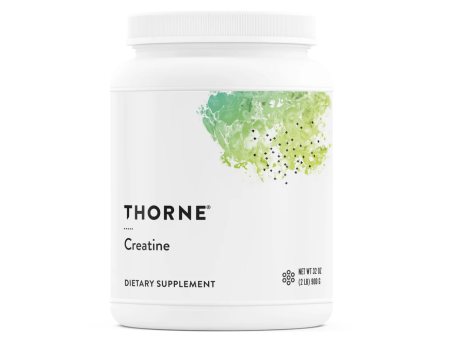
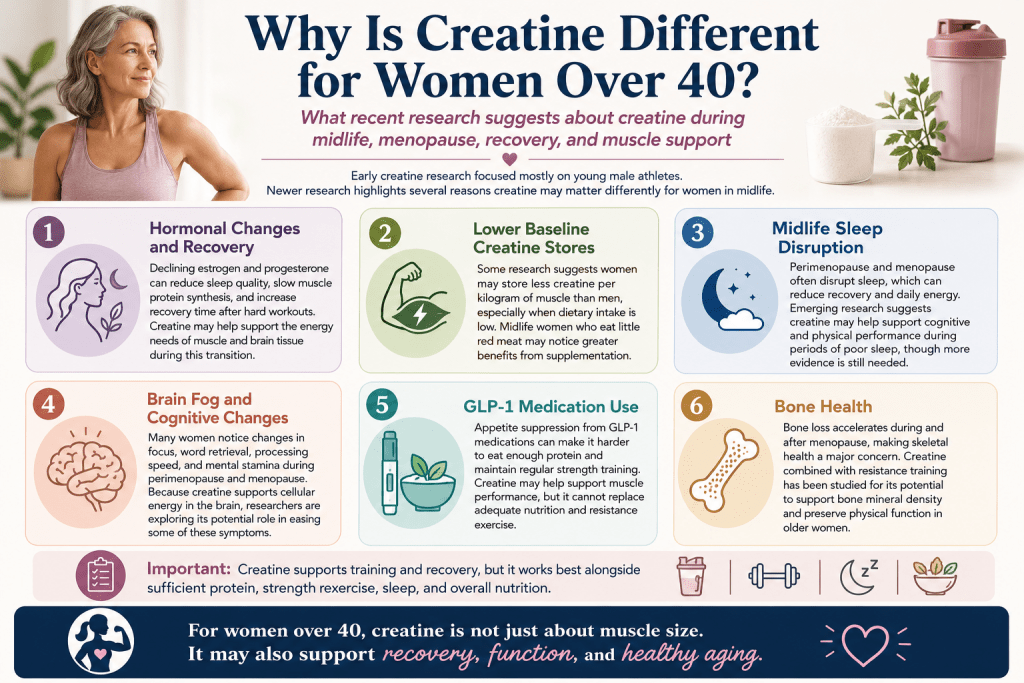
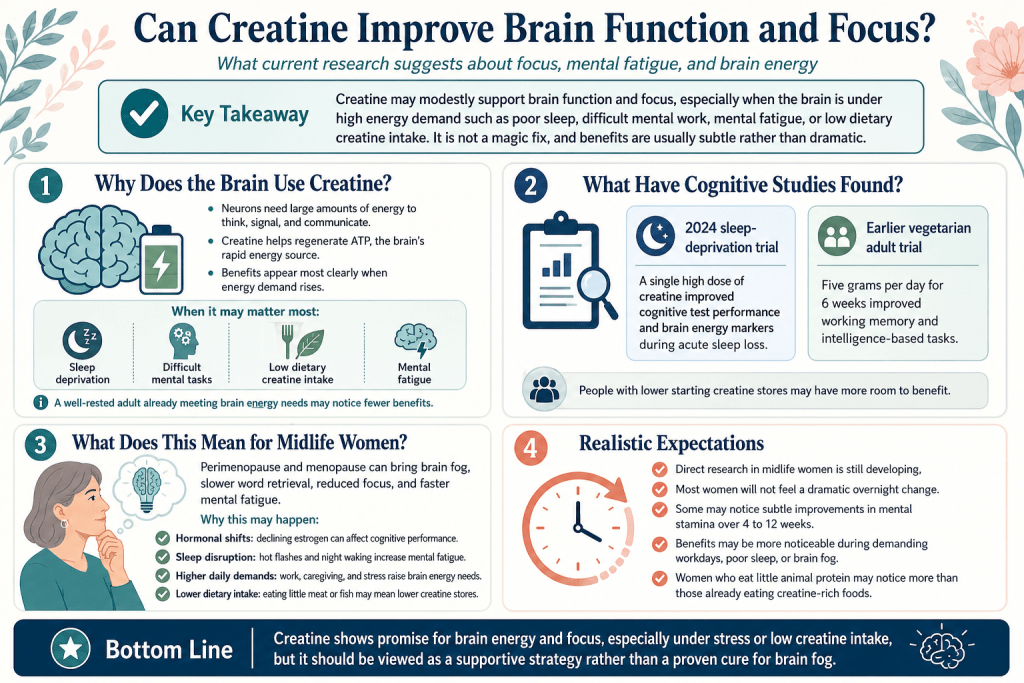
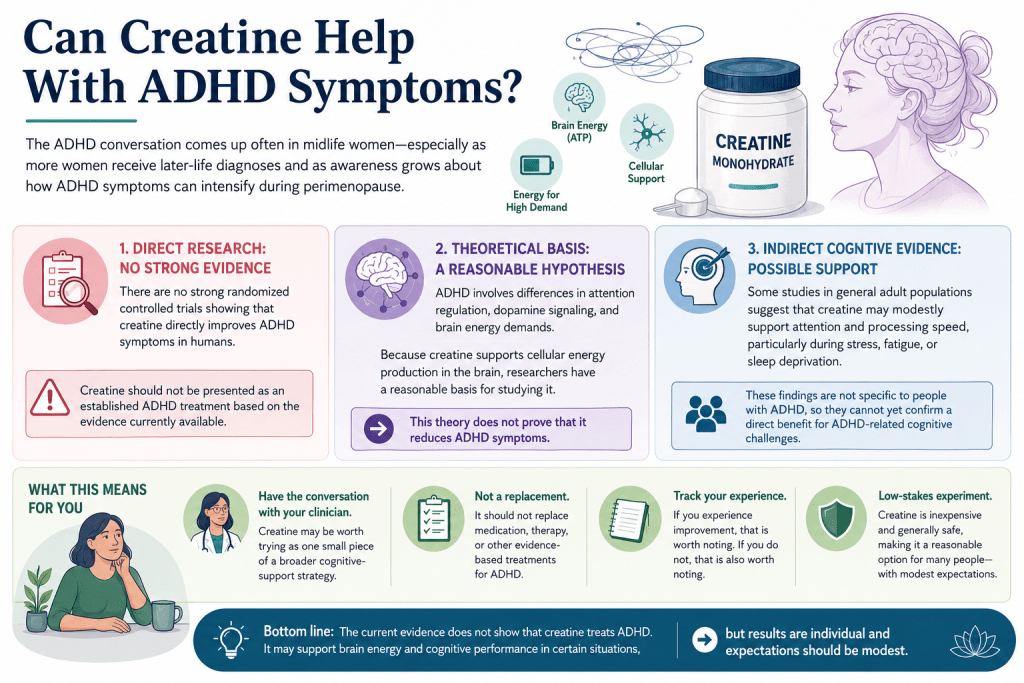
The supplements that consistently support strength training in midlife are creatine, whey protein, and (for many women) collagen for joint and tissue support. Our shop carries the Creatine 90-serving bottle, Whey Protein Isolate in chocolate and vanilla, and Collagen Plus. These are not magic bullets — they are tools that meaningfully support an already-good program.

Pillar 2: Nutrition That Fits Your Life (Not the Other Way Around)

Most nutrition plans for midlife women fail in one of two ways: too restrictive, or too vague.

The restrictive plans tell you to cut entire food groups, skip meals, push fasting windows past what your hormones can support, or eat 1,200 calories a day. They produce two weeks of “results,” then a rebound, then guilt, then another plan. The vague ones tell you to “eat clean” or “eat real food” and provide no structure at all, leaving you with the same decisions to make every day with the same lack of clarity.

What works in midlife is structure plus flexibility.

A real protein floor. Most midlife women under-eat protein dramatically. The research consistently supports 1.6 to 2.2 grams per kilogram of bodyweight per day (about 0.7 to 1.0 grams per pound) for women over 40 pursuing maintenance, recomposition, or fat loss (Phillips, Chevalier & Leidy, 2016; Morton et al., 2018). For a 150-pound woman, that’s roughly 105 to 165 grams of protein per day, distributed across 3 to 4 meals with at least 30g per meal to overcome anabolic resistance. See our protein sources nutritionist’s guide for the specifics.

Adequate calories. This is where most midlife women undereat. Chronic restriction makes you weaker, not leaner, and the cortisol response to perpetual deficit blunts everything you’re trying to achieve. If you’ve been dieting for years, the move is often reverse dieting after 50 before you try to build, then a focused building phase, then a controlled cut.

Carbohydrates around training. Carbs fuel your sessions and replenish muscle glycogen afterward. Eat them. The “low-carb plus heavy training plus underfed” combination is a classic midlife trap that produces fatigue, broken sleep, hair thinning, and stalled results.

Mediterranean-pattern eating as the foundation. Vegetables, olive oil, fish, beans, whole grains, nuts, herbs and spices, modest dairy, very limited ultra-processed food. The research is overwhelming for cardiovascular health, inflammation, longevity, and body composition (Estruch et al., 2018). Our Mediterranean diet for menopause guide walks through the framework, and The Macro Miracle Mediterranean Cookbook has 80 macro-friendly recipes built on exactly this template.

Real-life flexibility. Travel, social events, family meals, the occasional pizza Friday. A plan that breaks the moment your daughter has a birthday is not a plan; it is a fantasy. The structure should bend with your life, not snap.

Personalized targets. Same body weight, same goal, two different women — different protein, different calories, different carbs, different timing. The free macro calculator gives you a starting point in 60 seconds. From there, individual coaching adjusts as the body responds.

For the comfort-food side — high-protein versions of the foods you actually like — see high-protein comfort foods and the fundamentals of macro diet for women over 50.

Pillar 3: Nervous System and Stress Regulation (The Pillar Most Programs Ignore)

This is the piece almost every fitness program completely ignores, and it’s often the single biggest reason midlife women feel stuck.

Because this isn’t a willpower problem. It’s a physiological one.

When your nervous system is running in chronic sympathetic activation — the “go” state — your body resists fat loss, holds onto water, fragments sleep, blunts hunger and fullness signals, and stores energy preferentially in the abdomen. This is not a moral failure; it is hard-wired biology. Cortisol and chronic stress are directly linked to increased visceral fat, disrupted glucose metabolism, broken sleep, and impaired recovery (Epel et al., 2000; Kiecolt-Glaser, 2010; Harvard Health Publishing, 2020).

The fitness program that ignores this is asking your body to lose weight in a hormonal environment that is biologically wired to hold weight. The plan can be perfect on paper and still produce nothing.

Inside the integrative model, nervous system regulation is a primary intervention, not an afterthought. We address:

  • Chronic stress, the sustained “on” state that most working midlife women have been running for years
  • Overstimulation — the screen, notification, decision-load saturation that blunts every other input
  • Emotional eating, the misnamed but very real phenomenon of food doing nervous system work that the nervous system has no other tools for

The protocols are simple and specific.

Breathwork. Two to five minutes, twice a day, of slow nasal breathing or box breathing. Shifts the autonomic nervous system measurably (Zaccaro et al., 2018). Free, takes nothing, and changes baseline.

Somatic practices. Yoga, walking, body-scan, slow movement. The body discharges what the mind cannot reason its way out of.

Recovery protocols. Real days off. Real evenings off. Real Saturdays.

Sleep as a primary input. Cool, dark, consistent bedtime, real wind-down, dim evenings. Our sleep matters guide and the Sleep Stack supplement bundle cover the protocol in detail.

Cortisol-aware supplementation where appropriate. Adaptogens like ashwagandha (clinical evidence for cortisol reduction at 300–600mg/day in trials by Lopresti et al., 2019), plus targeted supports like Phytisone-style blends. Our Stress Balance supplement (formerly Phytisone) is the one we keep stocked.

Removing the inputs that wreck regulation. Alcohol is the largest one. Alcohol fragments sleep, raises cortisol in the second half of the night, and undoes most other interventions. See alcohol and menopause: use at your own risk for the honest math.

For the deeper conversation on emotional eating specifically — what’s driving it, how to address the underlying nervous-system dysregulation rather than the food — see our pieces on how stress affects food habits, hormonal changes and emotional eating in menopause, and yoga and emotional balance.

Pillar 4: Behavioral and Identity Coaching (Where Transformation Becomes Sustainable)

This is the pillar that turns a temporary result into a permanent one. And it is the pillar that is almost completely missing from off-the-shelf fitness programs.

Here’s the principle behind it: durable change does not come from new behaviors. It comes from a new identity that produces those behaviors automatically.

The research backs this up. Habit formation researchers have shown for years that identity-based change (“I am a person who lifts weights”) is more durable than outcome-based change (“I want to lose 20 pounds”) — the identity persists when the outcome wavers, and the identity quietly produces the daily actions long after motivation has faded (Wood & Neal, 2007; Lally et al., 2010).

So inside the integrative model, we work on three things together.

Accountability systems. Not nagging — structured, scheduled, supportive check-ins that make the difference between a plan that exists and a plan that actually runs. Most women I work with do not need more information. They need someone whose only job is to make sure the information becomes action.

Pattern awareness. What are the patterns that keep showing up? The 4 p.m. snack spiral. The “I’ll start Monday” loop. The 3-day commitment followed by a 2-week drift. The midlife pattern where one tough week becomes three. We name them, we work them, we build the alternative response.

Cognitive reframing. The internal voice. The way you talk to yourself when you miss a workout, when the scale stalls, when life knocks you off the plan. Self-criticism is not motivating — it is corrosive, and it correlates with worse adherence over time. A self-compassionate internal frame correlates with better long-term outcomes (Neff et al., 2018).

The work is identity work. Who is the woman who runs this body? What does she eat? How does she move? How does she talk to herself? What does she do when she misses a day? You don’t think your way into a new identity — you act your way into it, with the support, accountability, and structure that lets the actions happen long enough to become who you are.

This is the part of the work that most general fitness programs cannot deliver, because it requires real coaching in real conversation over time. It is the spine of the Age With Strength 1:1 coaching program — the part that makes the rest stick.

For the broader frame on this, our pieces on growth vs goal, how to transform your body, and coaching vs therapy cover the territory from different angles.

Pillar 5: Environment and Lifestyle Design (The Pillar That Makes Everything Easier)

Your environment is either supporting your success or working against it. There is no neutral.

This is the pillar that turns a difficult plan into an easy one.

The Fogg Behavior Model out of Stanford lays this out clearly: behavior happens at the intersection of motivation, ability, and a prompt and willpower is barely in the equation. When you redesign the environment so the desired behaviors are easier than the undesired ones and the prompts show up at the right moment, the behavior changes almost automatically.

Inside the integrative model, environment design covers:

Daily routines. Morning routine that anchors the day: protein breakfast, hydration, light exposure, a brief movement piece. Evening routine that anchors sleep — dim lights, screen-down, cool room, a wind-down ritual.

Food environment. What’s in the house and what isn’t. The cookies you don’t have to white-knuckle past at 9 p.m. are the cookies you didn’t bring home. Wansink’s research at Cornell consistently showed that the food environment determines food intake far more reliably than intent does.

Time structure. The hour blocks where your training, your meals, and your rest actually happen. If they’re not on the calendar, they’re not in the system. Coaches and clients spend the first month of work on this for a reason.

Social support. Who are you spending time with? What are the women around you doing? Social network research consistently shows that habits — exercise, eating, drinking, weight:  track through the social graph. Surround yourself with women who are doing the work and your work gets meaningfully easier.

Removing decision load. A pre-decided breakfast. A planned grocery list. A scheduled training time. The fewer decisions your willpower has to make, the more capacity you have for the decisions that matter.

This is the pillar that makes a hard plan feel sustainable. Not by making it less rigorous but by removing all the friction that was eating your willpower for breakfast.

Why Integrative Coaching Works When Everything Else Hasn’t

Most programs focus on short-term results, external rules, and perfect conditions. The integrative model focuses on systems, patterns, and real life.

Here’s the difference, in practical terms.

A typical fitness program gives you the workouts and the meal plan and tells you to execute. When life gets in the way, the program has nothing to offer except “be more consistent.” The plan is rigid; the failure point is predictable.

An integrative coaching program gives you the workouts and the meal plan, and also the tools for stress regulation, the pattern work that makes consistency happen automatically, the environment design that removes daily friction, and the identity work that makes the new behaviors who you are. When life happens — and it will — the system has multiple supports. You don’t fall off; you adjust. The plan is flexible; the failure point doesn’t materialize because the surrounding system absorbs the shocks.

This is the difference between losing weight temporarily and becoming someone who can maintain it.

It is also the difference between being on a program and having a life that works.

The Shift That Makes It Sustainable (And When It Happens)

At some point inside this kind of work, something clicks.

You stop trying to force results. You start becoming the woman who naturally creates them.

The shift looks like:

  • Following through, even when the week is hard
  • Adjusting instead of starting over
  • Eating the way you eat because that’s how you eat now, not because the plan said
  • Training the way you train because that’s how you move now, not because of a streak
  • Talking to yourself with respect after a missed workout instead of self-flagellation
  • Feeling strong, energized, and in control of your body instead of at war with it

When that shift happens, results become a side effect. The body changes. The energy comes back. The clothes fit differently. The labs improve. But none of those is the point — the point is that you are no longer trying to be the woman who does this. You are her. The work that produced her does not stop, because it’s not work anymore. It’s life.

This is what 16 weeks of integrative coaching is designed to produce. Not a 16-week result. A different identity that runs the next 30 years.

Who This Approach Is For And Who It’s Not

Honesty in matters, particularly here.

This approach is for you if:

  • You feel like you’ve tried everything, and nothing has stuck
  • You’re tired of starting over
  • You want a structure that actually works in real life — not in a fantasy life
  • You’re ready to stop guessing and follow a system
  • You’re willing to take ownership of your habits, your identity, and your environment
  • You understand that real change takes more than four weeks
  • You want a coach in your corner, not another app

This approach is not for you if:

  • You’re looking for a fast quick fix
  • You want extreme dieting or 10-pounds-in-10-days promises
  • You’re not ready to take ownership of the daily decisions
  • You want someone to do it for you instead of with you
  • You’re not interested in the nervous system, identity, or behavior pillars

If the fast-fix version is what you’re after, there are programs out there. They probably won’t produce the result you actually want, but they exist. If the deep, sustainable version is what you’re after, that’s what we do.

The Outcome Isn’t Just Weight Loss: It’s a Different Body, Mind, and Life

Yes, fat loss happens. Yes, your body changes. Yes, your strength improves. Yes, the labs move. Yes, the clothes fit.

But the real outcome of integrative midlife coaching is bigger than that.

You become a woman who trusts her body again. Who knows how to regulate her energy across a day, a week, a month. Who feels confident in her food choices without spending mental capacity on them. Who has a system she can sustain for the rest of her life. Who has stopped fighting her body and started working with it.

That is the work. The fat loss is a downstream effect. The bigger result is the internal shift that produces the fat loss without needing a plan to enforce it.

If You’ve Been Doing Everything “Right” and Still Feel Stuck

This might be why. It’s not lack of discipline and n ot because everyone else can do this and you can’t.

It’s most likely because you’ve been trying to solve a multi-dimensional problem with a one-dimensional solution.

Most fitness programs ignore four out of the five pillars that actually drive midlife results. You can absolutely produce short-term change with one pillar. You cannot produce sustainable change without the other four.

When you finally have all five working together — strength, nutrition, nervous system, identity, and environment — the body and the life that have felt impossible for years start to move. Not because you suddenly developed willpower. Because the system around you finally caught up to the woman you actually are.

Ready for a Different Approach? The Age With Strength Path

If you’re ready to stop starting over and start building something that actually lasts — the Age With Strength 16-Week Personalized 1:1 Coaching Program is exactly this work, in structured form.

Inside, you get personalized coaching across all five pillars, daily-level accountability, a fully customized plan for your body and your life, and ongoing support every step of the way. We start with the free macro calculator to set your baseline, build the food framework on the Macro Miracle Mediterranean Cookbook, bring in the supplements that consistently support midlife training (whey isolate, creatine, the Stress Balance and Sleep Stack protocols where indicated), and overlay the nervous system, behavior, identity, and environment work that turns a 16-week program into a 30-year transformation.

For the women who want a periodic deep reset alongside the daily work, our women’s wellness retreats — the Smoky Mountains, Sedona, and South of France — are the in-person version of the same five-pillar logic.

For the women who want to host their own retreat or coaching cohort and bring their community into this work, book a call through the schedule a call page and we’ll talk through what partnership looks like.

FAQ: Why Most Fitness Programs Fail Women Over 40

Why do fitness programs stop working after 40?

Because most programs are built around one variable (food, workouts, calories) while midlife runs on five — physical training, nutrition, nervous system, identity, and environment. Hormonal changes (falling estrogen and progesterone), increased anabolic resistance, slower recovery, higher cortisol, and a heavier life load all mean the same plan that worked at 28 cannot deliver at 48. The fix is integrative — addressing all five pillars together.

Is it really hormonal, or am I just not working hard enough?

It’s almost certainly not effort. Decades of research show that estrogen drops in perimenopause and menopause directly affect insulin sensitivity, fat distribution, sleep, recovery, and the cortisol response. You can be working harder than you ever did at 30 and getting less return because the underlying physiology changed. The solution is not more effort — it is a different approach matched to the body you have now.

What is integrative coaching, exactly?

Coaching that addresses the full system — physical training, nutrition, nervous system regulation, behavior and identity, and environment — rather than just one or two of those. It assumes that durable change requires all five pillars working together, and that ignoring any of them produces brittle, short-term results.

Why does my workout plan stop working after a few weeks?

Usually because life happens — stress, sleep disruption, a busy week, a family situation — and the rigid plan doesn’t have flexibility built in. A better plan adjusts when life moves and has supports for the nervous-system, behavior, and environment factors that determine whether you can stay consistent.

How is THOR different from other coaching programs for women over 40?

Most coaching programs focus on workouts and macros. THOR’s Age With Strength program addresses all five pillars — physical, nutrition, nervous system, identity, environment — over 16 weeks, with personalized coaching, daily accountability, and structured support across each. The goal is identity-level change that holds for life, not a 16-week scoreboard.

How long does it take to see real results?

Most women see meaningful changes in energy, sleep, and mood within 2–4 weeks of starting the integrative work. Body composition changes typically show up between 4 and 12 weeks. Identity-level change — the part that makes results stick — usually consolidates around weeks 12 to 16, which is why the program is structured as a 16-week cycle.

Do I need to give up wine, sugar, or my favorite foods?

No. Extreme restriction is one of the reasons most programs fail. The food framework is structured (real protein, fiber, calorie targets) and flexible (travel, social events, family meals, the occasional pizza Friday). Alcohol gets honest attention because of its outsized effect on midlife sleep and cortisol — many women choose to reduce, not eliminate.

Do I need to be in shape to start?

No. Most women come in feeling out of shape, off, or behind. The program meets you where you are. Strength training is built progressively from your current capacity — there’s no minimum fitness floor.

I’ve already failed at programs before. Why would this be different?

Because the failure was almost certainly structural, not personal. If a program asks one variable of your life to change while the other four work against you, the failure was baked in. An integrative program addresses all five at once and supports you through the predictable rough weeks instead of leaving you alone with a rigid plan.

What’s the role of the nervous system in fat loss?

A bigger one than most programs admit. Chronic stress and elevated cortisol drive abdominal fat storage, fragment sleep, blunt hunger and fullness signals, and create a metabolic environment that resists fat loss. Addressing the nervous system is often the variable that unlocks results that have been stuck for months.

Do I have to do strength training? I’ve been doing cardio for years.

Yes. Cardio alone is not a sufficient strategy for women over 40 — it doesn’t preserve or build muscle, doesn’t protect bone density the way resistance training does, and often elevates cortisol when overdone. Strength training is the centerpiece for midlife body composition, longevity, and bone health. The good news: 2–3 sessions a week is enough to produce real change.

How is identity-based change different from goal-based change?

Goal-based change asks “what do I want to achieve?” Identity-based change asks “who do I want to be?” The research shows identity-based habits stick longer because they continue to produce behavior even when motivation is low. “I am someone who trains” outlasts “I want to lose 20 pounds.”

Will I have to count calories forever?

No. Most clients track for a defined period (often 30–90 days) to learn what their body actually needs, then graduate to estimating based on patterns. The goal is body literacy, not a permanent app habit.

Is this safe if I have a chronic condition or am on HRT?

For most chronic conditions and for women on HRT, integrative coaching is supportive and complementary. Always work with your prescribing clinician on anything related to medications and conditions. Coaching is not medical care — it is a structured behavioral and physical-training intervention that runs alongside your medical team.

How is the Age With Strength program structured?

It’s a 16-week 1:1 coaching program covering all five pillars — personalized training plan, customized nutrition (built off the macro calculator and Mediterranean cookbook), nervous-system protocols, identity and behavior coaching, environment design, and daily-level accountability.

What if I just want the workouts and the meal plan, not the whole system?

That’s a fair preference and the answer is honest: that’s not what we do. Plenty of programs sell that. The reason we don’t is that we’ve watched too many women cycle through workout-and-meal-plan programs and end up exactly where they started. The five-pillar work is what makes the result stick.

Sources & References

  1. Vohs, K. D., Baumeister, R. F., Schmeichel, B. J., Twenge, J. M., Nelson, N. M., & Tice, D. M. (2008). Making choices impairs subsequent self-control: A limited-resource account of decision making, self-regulation, and active initiative. Journal of Personality and Social Psychology, 94(5), 883–898.
  2. Baumeister, R. F., & Tierney, J. (2011). Willpower: Rediscovering the Greatest Human Strength. Penguin Press.
  3. Lovejoy, J. C., Champagne, C. M., de Jonge, L., Xie, H., & Smith, S. R. (2008). Increased visceral fat and decreased energy expenditure during the menopausal transition. International Journal of Obesity, 32(6), 949–958.
  4. Maltais, M. L., Desroches, J., & Dionne, I. J. (2009). Changes in muscle mass and strength after menopause. Journal of Musculoskeletal and Neuronal Interactions, 9(4), 186–197.
  5. Moore, D. R., Churchward-Venne, T. A., Witard, O., Breen, L., Burd, N. A., Tipton, K. D., & Phillips, S. M. (2015). Protein ingestion to stimulate myofibrillar protein synthesis requires greater relative protein intakes in healthy older versus younger men. Journals of Gerontology Series A, 70(1), 57–62.
  6. Maki, P. M., Kornstein, S. G., Joffe, H., Bromberger, J. T., Freeman, E. W., Athappilly, G., et al. (2018). Guidelines for the evaluation and treatment of perimenopausal depression. Menopause, 25(10), 1069–1085.
  7. Joffe, H., Hall, J. E., Soares, C. N., Hennen, J., Reilly, C. J., Carlson, K., & Cohen, L. S. (2010). Vasomotor symptoms are associated with depression in perimenopausal women seeking primary care. Menopause, 17(6), 1095–1100.
  8. Westcott, W. L. (2012). Resistance training is medicine: Effects of strength training on health. Current Sports Medicine Reports, 11(4), 209–216.
  9. Garber, C. E., Blissmer, B., Deschenes, M. R., Franklin, B. A., Lamonte, M. J., Lee, I. M., et al. (2011). American College of Sports Medicine position stand: Quantity and quality of exercise for developing and maintaining cardiorespiratory, musculoskeletal, and neuromotor fitness in apparently healthy adults. Medicine & Science in Sports & Exercise, 43(7), 1334–1359.
  10. Watson, S. L., Weeks, B. K., Weis, L. J., Harding, A. T., Horan, S. A., & Beck, B. R. (2018). High-intensity resistance and impact training improves bone mineral density and physical function in postmenopausal women with osteopenia and osteoporosis: The LIFTMOR randomized controlled trial. Journal of Bone and Mineral Research, 33(2), 211–220.
  11. Phillips, S. M., Chevalier, S., & Leidy, H. J. (2016). Protein “requirements” beyond the RDA: Implications for optimizing health. Applied Physiology, Nutrition, and Metabolism, 41(5), 565–572.
  12. Morton, R. W., Murphy, K. T., McKellar, S. R., Schoenfeld, B. J., Henselmans, M., Helms, E., et al. (2018). A systematic review, meta-analysis and meta-regression of the effect of protein supplementation on resistance training-induced gains in muscle mass and strength in healthy adults. British Journal of Sports Medicine, 52(6), 376–384.
  13. Estruch, R., Ros, E., Salas-Salvadó, J., Covas, M.-I., Corella, D., Arós, F., et al. (2018). Primary prevention of cardiovascular disease with a Mediterranean diet supplemented with extra-virgin olive oil or nuts (PREDIMED). New England Journal of Medicine, 378(25), e34.
  14. Epel, E. S., McEwen, B., Seeman, T., Matthews, K., Castellazzo, G., Brownell, K. D., et al. (2000). Stress and body shape: Stress-induced cortisol secretion is consistently greater among women with central fat. Psychosomatic Medicine, 62(5), 623–632.
  15. Kiecolt-Glaser, J. K. (2010). Stress, food, and inflammation: Psychoneuroimmunology and nutrition at the cutting edge. Psychosomatic Medicine, 72(4), 365–369.
  16. Harvard Health Publishing. (2020). Why stress causes people to overeat. Harvard Medical School Health Publishing.
  17. Zaccaro, A., Piarulli, A., Laurino, M., Garbella, E., Menicucci, D., Neri, B., & Gemignani, A. (2018). How breath-control can change your life: A systematic review on psycho-physiological correlates of slow breathing. Frontiers in Human Neuroscience, 12, 353.
  18. Lopresti, A. L., Smith, S. J., Malvi, H., & Kodgule, R. (2019). An investigation into the stress-relieving and pharmacological actions of an ashwagandha (Withania somnifera) extract: A randomized, double-blind, placebo-controlled study. Medicine, 98(37), e17186.
  19. Wood, W., & Neal, D. T. (2007). A new look at habits and the habit-goal interface. Psychological Review, 114(4), 843–863.
  20. Lally, P., van Jaarsveld, C. H. M., Potts, H. W. W., & Wardle, J. (2010). How are habits formed: Modelling habit formation in the real world. European Journal of Social Psychology, 40(6), 998–1009.
  21. Neff, K. D., Long, P., Knox, M. C., Davidson, O., Kuchar, A., Costigan, A., et al. (2018). The forest and the trees: Examining the association of self-compassion and its positive and negative components with psychological functioning. Self and Identity, 17(6), 627–645.
  22. Fogg, B. J. (2009). A behavior model for persuasive design. Proceedings of the 4th International Conference on Persuasive Technology, Article 40.
  23. Wansink, B. (2006). Mindless Eating: Why We Eat More Than We Think. Bantam Books.
  24. Hollands, G. J., Shemilt, I., Marteau, T. M., Jebb, S. A., Kelly, M. P., Nakamura, R., et al. (2013). Altering micro-environments to change population health behaviour: Towards an evidence base for choice architecture interventions. BMC Public Health, 13, 1218.
  25. Christakis, N. A., & Fowler, J. H. (2007). The spread of obesity in a large social network over 32 years. New England Journal of Medicine, 357(4), 370–379.
At some point, you’ve probably asked yourself this:

“Do I need a coach… or do I need a therapist?”

And if we’re being honest, it’s not always clear.

Because from the outside, they can sound kind of similar.
Both involve talking.
Both involve growth.
Both promise some version of “change.”

But in reality: they’re very different.

And choosing the wrong one can leave you feeling even more stuck.

So let’s make this simple.

First: Why This Even Matters

If you’re in your 40s or beyond, you’ve probably already noticed:

What used to work… doesn’t work anymore.

You can’t just “push harder” and expect results.
You can’t ignore your stress and hope it goes away.
And you definitely can’t rely on motivation alone.

Something deeper is happening.

And this is usually where people start looking for support.

But here’s where things go sideways:

  • Some women need structure but go to therapy
  • Some women need healing but hire a coach

And then they wonder why nothing is changing.

Let’s Start With Coaching (What It Actually Feels Like)

Coaching is for the woman who says:

“I know what I should be doing… I just can’t seem to stay consistent.”

It’s forward-focused.
It’s practical.
It’s about getting you from where you are → to where you want to be.

The International Coaching Federation defines coaching as a process that helps you maximize your potential.

But here’s what that really looks like in your life:

  • You set clear goals
  • You create a plan
  • You check in regularly
  • You adjust when things aren’t working
  • You stay accountable

It’s not about talking for the sake of talking.

It’s about doing something with it.

What Coaching Helps You Do

Coaching is incredibly powerful if you’re trying to:

  • Lose weight and actually keep it off
  • Build strength and confidence
  • Create consistent habits
  • Follow through on things you keep starting

It’s where a lot of women finally say:

“Oh… this is what consistency actually feels like.”

But Here’s What Coaching Does NOT Do

This part matters.

Coaching is not designed to:

  • Heal trauma
  • Treat anxiety or depression
  • Process deep emotional pain
  • Diagnose mental health conditions

And it shouldn’t try to.

Now Let’s Talk About Therapy (In Real Terms)

Therapy is for the woman who says:

“I don’t feel like myself… and I don’t fully understand why.”

It’s not about pushing forward right away.

It’s about slowing down enough to understand what’s going on underneath.

The American Psychological Association defines therapy as a process that helps improve emotional and mental well-being.

But here’s what that actually feels like:

  • You start connecting patterns
  • You understand your emotional triggers
  • You process past experiences
  • You learn how to regulate your nervous system

It’s less about “doing more” and more about feeling and understanding more clearly.

What Therapy Helps You With

Therapy is incredibly important if you’re dealing with:

  • Anxiety or constant overwhelm
  • Burnout that doesn’t go away
  • Emotional eating patterns
  • Past experiences that still affect you
  • Feeling stuck for reasons you can’t explain

There’s strong research supporting this.

For example, Cognitive Behavioral Therapy (CBT) has been shown to significantly reduce anxiety and depression symptoms (Hofmann et al., 2012).

The Simplest Way to Understand the Difference

If all of this still feels a little blurry, here’s the cleanest way to look at it:

  • Coaching helps you move forward
  • Therapy helps you understand what’s holding you back

Or even simpler:

  • Coaching = action
  • Therapy = awareness

How to Know Which One You Need

Let’s make this very real.

You may benefit from coaching if:

  • You keep falling off track
  • You know what to do but don’t do it
  • You want structure, accountability, and results
  • You’re ready to take action: you just need guidance

You probably need therapy if:

  • You feel overwhelmed more often than not
  • You’re anxious, burned out, or emotionally exhausted
  • You’re carrying things from the past that still affect you
  • You don’t understand why you feel stuck

Here’s the Truth Most People Don’t Talk About

It’s not always one or the other.

A lot of women actually need both.

Because:

  • You can understand yourself deeply… and still not take action
  • You can take action… and still feel internally stuck

Research supports both sides:

  • Coaching improves performance and goal achievement (Theeboom et al., 2014)
  • Therapy improves emotional and mental health (Cuijpers et al., 2013)

But together?

That’s where things really shift.

Why This Hits Differently in Midlife

Because at this stage, you’re not just trying to change your body.

You’re trying to figure out:

  • Who you are now
  • What you actually want
  • What you’re no longer willing to tolerate

And that’s deeper than a meal plan or a workout program.

The THOR Way of Looking at This

Here at THOR, we focus on coaching with an integrative support. This means it’s not just about workouts or meal plans. It’s a fully integrative lifestyle medicine support system designed to help women rebuild their health, identity, and lifestyle from the inside out. Real transformation doesn’t happen in isolation. It happens when the body, mind, and environment are aligned.

What “Integrative Support” Actually Means

Integrative support is rooted in the understanding that health is multidimensional.

Instead of treating symptoms in silos (weight, stress, energy, habits), we look at how everything is connected:

  • Metabolism is influenced by sleep, stress, and hormones
  • Nutrition is shaped by behavior, environment, and emotional patterns
  • Fitness is impacted by nervous system regulation and recovery
  • Consistency is driven by identity, mindset, and support systems

This approach aligns with the principles of Lifestyle Medicine, which emphasizes addressing the root causes of chronic conditions through sustainable behavior change.

The THOR Integrative Framework

1. Physical Optimization

We build strength, mobility, and metabolic health through:

  • Strength training
  • Yoga & Pilates for nervous system regulation and recovery
  • Strategic cardio (not burnout-based)

2. Nutrition with Context

Instead of rigid dieting, we use:

  • Personalized macro-based nutrition
  • Flexible structure (not restriction)
  • Real-life application (travel, events, family life)

3. Nervous System & Stress Regulation

Because willpower is not the problem. Physiology is.

We address:

  • Chronic stress
  • Overstimulation
  • Emotional eating patterns

Using:

  • Breathwork
  • Somatic practices
  • Recovery protocols

4. Behavioral & Identity Coaching

We don’t just change habits. We change self-concept.

Through:

  • Accountability systems
  • Cognitive reframing
  • Pattern awareness

5. Environment & Lifestyle Design

Your results are shaped by your environment.

We optimize:

  • Daily routines
  • Food environment
  • Social support
  • Time structure

But we’re also very honest about this:

  • Coaching is not a replacement therapy
  • And therapy is not coaching

They’re two different tools.

And knowing when to use each one is where real power comes from. The most powerful transformation happens when women are supported both emotionally and strategically.

Why This Works (When Other Programs Don’t)

Most programs focus on:

  • Calories
  • Workouts
  • Short-term outcomes

THOR focuses on:

  • Systems
  • Patterns
  • Long-term identity

That’s the difference between:  Temporary results vs Sustainable transformation

If You’re Still Not Sure…

Ask yourself this:

“Do I need help understanding myself… or do I need help following through?”

That answer will tell you everything.

The Real Outcome

This isn’t just about weight loss.

It’s about becoming a woman who:

  • Trusts her body again
  • Knows how to regulate her energy and emotions
  • Feels strong, capable, and in control
  • Has a system she can sustain for life

Final Thought

There’s nothing wrong with needing support.

In fact, most women wait way too long before getting it.

But the shift happens when you stop trying to force the wrong solution…

…and start choosing the one that actually meets you where you are.

Because the goal isn’t just to change.

It’s to become someone who can sustain that change long-term.

References

American Psychological Association. (n.d.). Understanding psychotherapy and how it works. Retrieved from https://www.apa.org/topics/psychotherapy

Cuijpers, P., van Straten, A., Andersson, G., & van Oppen, P. (2008). Psychotherapy for depression in adults: A meta-analysis of comparative outcome studies. Journal of Consulting and Clinical Psychology, 76(6), 909–922. https://doi.org/10.1037/a0013075

Grant, A. M. (2014). The efficacy of executive coaching in times of organisational change. Journal of Change Management, 14(2), 258–280.

Hofmann, S. G., Asnaani, A., Vonk, I. J. J., Sawyer, A. T., & Fang, A. (2012). The efficacy of cognitive behavioral therapy: A review of meta-analyses. Cognitive Therapy and Research, 36(5), 427–440. https://doi.org/10.1007/s10608-012-9476-1

International Coaching Federation. (n.d.). What is coaching? Retrieved from https://coachingfederation.org/about

Theeboom, T., Beersma, B., & van Vianen, A. E. M. (2014). Does coaching work? A meta-analysis on the effects of coaching on individual level outcomes in an organizational context. The Journal of Positive Psychology, 9(1), 1–18. https://doi.org/10.1080/17439760.2013.837499

van der Kolk, B. A. (2014). The body keeps the score: Brain, mind, and body in the healing of trauma. New York, NY: Viking.

If you’ve ever wondered why men and women often respond differently to stress, emotion, or overwhelm, neuroscience offers some helpful insights.

This isn’t about stereotypes or rigid rules. Every individual nervous system is unique. But decades of research in neuroscience, endocrinology, and psychology show that biological differences in hormones, brain connectivity, and stress regulation can shape how male and female nervous systems tend to operate on average.

Free 28-Day Fascia Reset Email Course

Get our Free 28-day email course series to help with 1 or 2 exercises per day to release your fascia. One short lesson per day. Two minutes to read each.

Understanding these differences can be empowering—especially for women navigating midlife, hormonal shifts, and increased stress. When we understand the biology behind our responses, we can stop blaming ourselves for how our bodies react and instead learn how to support our nervous systems more effectively.

Let’s explore what science tells us.

The Nervous System: Your Body’s Master Control Center

The nervous system is responsible for coordinating everything in the body, from breathing and digestion to emotional responses and stress reactions.

A key component is the autonomic nervous system (ANS), which operates automatically and regulates how the body reacts to both internal and external environments.

The autonomic nervous system has two major branches:

Sympathetic Nervous System

  • Activates during stress

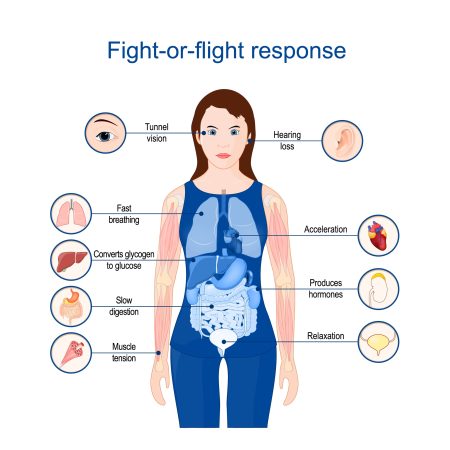
  • Often called the “fight or flight” system

  • Increases heart rate, alertness, and energy mobilization

Parasympathetic Nervous System

  • Responsible for recovery and repair

  • Known as the “rest and digest” system

  • Slows heart rate and promotes relaxation

Both men and women rely on this same system. But research suggests there are average differences in how these systems are activated and regulated.

Stress Responses: Fight-or-Flight vs Tend-and-Befriend

One of the most well-known differences between male and female nervous system responses relates to stress.

The traditional explanation of stress response has long been the fight-or-flight model, first described by physiologist Walter Cannon in the early 20th century.

When the brain perceives danger, the body releases stress hormones such as:

  • adrenaline

  • norepinephrine

  • cortisol

These hormones prepare the body to either confront a threat or escape from it.

This response is present in both men and women.

However, research suggests women often display an additional pattern.

Psychologist Dr. Shelley Taylor at UCLA proposed what she called the “tend-and-befriend” response in a landmark study published in Psychological Review (2000).

Instead of responding primarily with aggression or withdrawal, women under stress often show a tendency to:

  • seek social support

  • nurture relationships

  • protect children or close family members

  • strengthen social bonds

This behavior appears to be influenced by the hormone oxytocin, which increases during stress and promotes bonding behaviors.

Estrogen enhances oxytocin activity, which may partly explain why social connection can have such a powerful calming effect for many women.

In practical terms, this means something important.

When women reach out to friends, talk through stress, or seek community support during difficult moments, this isn’t weakness.

It is a biologically supported nervous system regulation strategy.

flight or fight response

Hormones Shape the Female Nervous System

One of the biggest differences between male and female nervous systems lies in hormonal influence.

The male hormonal environment tends to be more stable day-to-day.

The female hormonal environment, however, is dynamic and cyclical.

Hormones such as estrogen and progesterone interact directly with the brain, influencing neurotransmitters and neural networks involved in mood, cognition, and emotional regulation.

Research shows estrogen affects several important brain chemicals including:

  • serotonin (mood regulation)

  • dopamine (motivation and reward)

  • GABA (calming signals in the brain)

  • brain-derived neurotrophic factor (BDNF), which supports brain plasticity

According to neuroscience research, estrogen can enhance synaptic connections in the hippocampus and prefrontal cortex—regions involved in memory, learning, and emotional regulation (McEwen & Milner, 2017).

Progesterone also plays a role.

Metabolites of progesterone interact with GABA receptors, which can have calming and sedative effects on the brain.

These hormonal influences mean the female nervous system is constantly adjusting across:

  • the menstrual cycle

  • pregnancy

  • postpartum

  • perimenopause

  • menopause

This dynamic regulation can create periods of heightened sensitivity or resilience depending on hormonal shifts.

For many women, this becomes especially noticeable during perimenopause, when estrogen fluctuations become more unpredictable and the nervous system may feel more reactive to stress.

Free 28-Day Fascia Reset Email Course

Get our Free 28-day email course series to help with 1 or 2 exercises per day to release your fascia. One short lesson per day. Two minutes to read each.

Brain Connectivity Differences

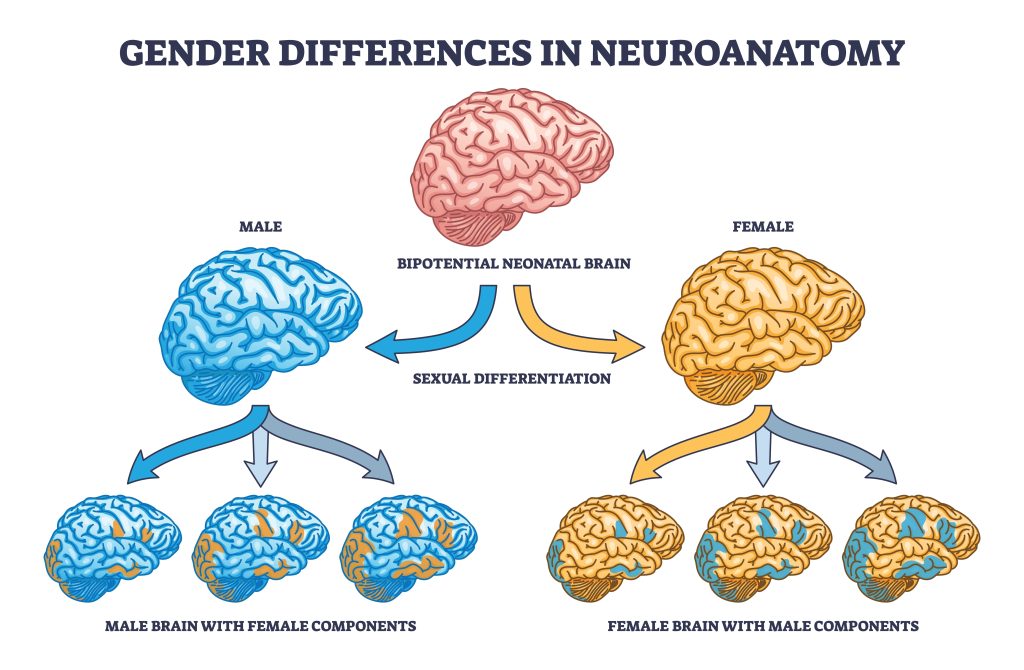
gender difference in neuroanatomy

Brain imaging studies have also explored structural differences between male and female brains.

A large neuroimaging study from the University of Pennsylvania analyzed brain connectivity in over 900 individuals using diffusion tensor imaging.

The findings, published in Proceedings of the National Academy of Sciences in 2014, showed interesting patterns.

On average:

Male brains showed stronger connections within each hemisphere.

This type of wiring supports coordination between perception and action and may facilitate tasks involving motor skills and spatial navigation.

Female brains showed stronger connections between the two hemispheres.

This pattern may support integration between analytical and emotional processing networks.

Researchers suggested this connectivity could contribute to strengths in areas such as:

  • communication

  • emotional interpretation

  • memory integration

  • multitasking

It is important to emphasize that these are statistical patterns across large populations. Many individuals show mixed connectivity patterns.

Still, these findings highlight how brain organization can differ subtly between sexes.

Emotional Processing and Empathy

Functional MRI research has also examined how the brain processes emotional information.

Studies indicate that women often show greater activation in certain limbic regions when processing emotional stimuli, including:

  • the amygdala

  • anterior cingulate cortex

  • insula

These regions are involved in emotional awareness, empathy, and threat detection.

This does not necessarily mean women experience stronger emotions.

Rather, the nervous system may be more finely tuned to detect emotional cues and relational dynamics.

This heightened sensitivity can be advantageous in social environments, caregiving roles, and leadership positions that require emotional intelligence.

However, it may also contribute to increased emotional fatigue when stress levels are high.

Sensory Awareness and Environmental Sensitivity

Research also suggests women often display higher interoceptive awareness, which refers to the ability to sense internal bodily signals.

This can include awareness of:

  • heartbeat

  • hunger

  • fatigue

  • emotional shifts

  • subtle physical discomfort

This sensitivity is partly linked to the insula, a brain region that integrates bodily sensations with emotional awareness.

Greater sensory awareness can help individuals respond quickly to internal cues.

But it can also make environments with high stimulation—noise, multitasking, digital overload—feel overwhelming more quickly.

Many women report this type of sensory saturation during periods of high stress or hormonal shifts.

Stress Recovery Patterns

Another interesting area of research examines how men and women recover from stress.

Some studies suggest men may experience larger immediate spikes in cortisol, the primary stress hormone.

Women, however, may experience longer emotional processing periods, especially when stress involves relationships or social evaluation.

Psychologist Susan Nolen-Hoeksema’s research on rumination found that women are statistically more likely to engage in repetitive thinking about stressful events.

Rumination can prolong nervous system activation and delay recovery from stress.

However, it is important to note that social support and emotional expression can also act as powerful stress-reduction tools for women.

Free 28-Day Fascia Reset Email Course

Get our Free 28-day email course series to help with 1 or 2 exercises per day to release your fascia. One short lesson per day. Two minutes to read each.

Pain Perception and Body Awareness

Research has also identified differences in pain perception.

Women often report:

  • greater sensitivity to certain types of pain

  • stronger immune responses

  • higher rates of some autoimmune conditions

Estrogen interacts with immune signaling and inflammatory pathways, which may contribute to these differences.

Increased pain sensitivity may also relate to stronger interoceptive awareness.

While this can make discomfort more noticeable, it also means many women are highly attuned to early signals from their bodies.

This awareness can be valuable when learning to regulate stress, adjust habits, and support long-term health.

The Most Important Takeaway

It’s tempting to reduce these findings to simple statements like “men are logical and women are emotional.”

But neuroscience tells a much more nuanced story.

Both male and female nervous systems are incredibly sophisticated.

They simply emphasize different adaptive strategies.

A helpful way to think about it is this:

On average, the male nervous system prioritizes rapid mobilization and action.

The female nervous system prioritizes sensing, connection, and integration.

Both strategies have clear evolutionary advantages.

And both are necessary for a balanced, functioning society.

Why This Matters for Women in Midlife

Understanding nervous system biology becomes especially important for women navigating midlife transitions.

Hormonal shifts during perimenopause can influence:

  • stress resilience

  • sleep quality

  • emotional regulation

  • sensory sensitivity

  • energy levels

When women suddenly feel more reactive, overwhelmed, or emotionally sensitive during this stage of life, it is often not a failure of discipline.

It is the nervous system adapting to hormonal changes.

This is why practices that support nervous system regulation become so important in midlife.

These may include:

  • strength training

  • yoga and breathwork

  • adequate protein intake

  • restorative sleep

  • time in nature

  • supportive social relationships

Each of these habits influences the nervous system’s ability to shift back into parasympathetic recovery mode.

The Future of Women’s Health

For decades, most neuroscience research focused primarily on male subjects.

Today, scientists are increasingly recognizing the importance of studying the female brain and nervous system independently.

As this research expands, we are gaining a deeper understanding of how hormones, social dynamics, and biology interact to shape women’s health across the lifespan.

This knowledge allows women to approach wellness not from a place of self-criticism, but from a place of biological awareness and self-support.

Because when you understand how your nervous system works, you can finally start working with it instead of fighting against it.

I write 3 essays per week on Lifestyle Medicine for women in midlife on what is happening in the body and what to do about it. No fluff, no hype. Free.

References

Cahill L. (2006). Why sex matters for neuroscience. Nature Reviews Neuroscience.

Ingalhalikar M. et al. (2014). Sex differences in the structural connectome of the human brain. Proceedings of the National Academy of Sciences.

McEwen B. S., & Milner T. A. (2017). Understanding the broad influence of sex hormones on brain function. Nature Reviews Neuroscience.

Taylor S. E. et al. (2000). Biobehavioral responses to stress in females: Tend-and-befriend. Psychological Review.

Nolen-Hoeksema S. (2012). Emotion regulation and psychopathology: The role of gender differences. Annual Review of Clinical Psychology.

Scrolling through TikTok lately, you may have seen a surprisingly simple ritual gaining traction: jumping up and down 100 times first thing in the morning.

No elaborate supplements.
No complicated biohacking routine.
Just a few minutes of joyful movement.

Advocates of the trend say this small habit can boost mood, wake up the brain, improve metabolism, strengthen bones, and even support the lymphatic system. For women navigating perimenopause and menopause, the promise of a simple daily reset is especially appealing.

But beyond the viral videos, an important question remains:

Is there actual science behind the benefits of jumping?

The answer is yes! Many of the claims linked to this trend align with well-established physiological principles related to weight-bearing exercise, cardiovascular activation, neurology, and hormonal health.

Let’s unpack the science behind why something as simple as 100 morning jumps may offer real benefits — especially for women in midlife.

Free 28-Day Fascia Reset Email Course

Get our Free 28-day email course series to help with 1 or 2 exercises per day to release your fascia. One short lesson per day. Two minutes to read each.

Why Simple Movement Matters More After 40

For many women, the years between 40 and 60 bring profound physiological shifts.

During perimenopause and menopause, declining estrogen levels influence multiple systems in the body:

• Bone density begins to decline
• Muscle mass gradually decreases
• Metabolism slows
• Mood regulation can fluctuate
• Sleep patterns may change

Estrogen plays a protective role in bone and metabolic health, and when it declines, the body becomes more sensitive to lifestyle factors such as physical activity, nutrition, sleep, and stress.

Research published in The Journal of Clinical Endocrinology & Metabolism shows that bone loss accelerates during the menopausal transition due to decreased estrogen signaling in bone remodeling processes.¹

At the same time, studies from the American College of Sports Medicine emphasize that weight-bearing movement and resistance training are among the most effective lifestyle strategies to slow this decline.²

The encouraging news is that beneficial movement doesn’t have to be complicated or time-consuming.

Even small bursts of physical activity can create measurable changes in circulation, mood chemistry, and metabolic activity.

And that’s where jumping comes in.

Mood Boosting: How Jumping Stimulates Endorphins

One of the first things people report after trying the 100-jump routine is a shift in mood.

This effect has a clear biological explanation.

Jumping rapidly increases heart rate and activates large muscle groups, making it a short burst of aerobic activity. Aerobic exercise triggers the release of several neurotransmitters that influence mood:

• Endorphins
• Dopamine
• Serotonin
• Norepinephrine

Endorphins are often called the body’s natural painkillers and mood elevators.

Research published in Psychoneuroendocrinology shows that moderate aerobic exercise increases circulating endorphins and improves emotional regulation.³

Even brief bouts of movement can stimulate these pathways.

For women experiencing hormonal fluctuations that may contribute to anxiety or low mood, this early morning boost can help shift the nervous system toward a more energized and positive state.

There is also evidence that exercise improves stress resilience by regulating the hypothalamic-pituitary-adrenal (HPA) axis — the system responsible for cortisol production and stress response.

Starting the day with movement helps set a physiological tone that can influence energy and mood throughout the day.

Bone Density: Why Jumping Is Powerful for Skeletal Health

One of the most compelling benefits of jumping relates to bone health.

Bone is living tissue that constantly remodels itself. Specialized cells called osteoblasts build new bone, while osteoclasts break down old bone.

Mechanical stress — particularly impact forces — stimulates osteoblast activity.

When you jump and land, the skeleton experiences brief compressive forces that signal the body to strengthen bone structure.

This is why weight-bearing and impact exercises are widely recommended for osteoporosis prevention.

A study published in the Journal of Bone and Mineral Research found that high-impact exercises such as jumping significantly improved bone mineral density in postmenopausal women.⁴

Even small doses of impact activity may be beneficial.

Another controlled study in Osteoporosis International showed that brief jumping programs improved hip bone density in women after menopause.⁵

For women over 40, incorporating short bursts of impact movement — like jumping, hopping, or skipping — can help counteract the gradual bone loss associated with aging.

Free 28-Day Fascia Reset Email Course

Get our Free 28-day email course series to help with 1 or 2 exercises per day to release your fascia. One short lesson per day. Two minutes to read each.

Cardiovascular Benefits in Under Two Minutes

Jumping 100 times typically takes less than two minutes.

But during those two minutes, the cardiovascular system is doing meaningful work.

As you jump:

• Heart rate increases
• Blood circulation accelerates
• Oxygen delivery improves
• Blood vessels expand

Short bursts of activity stimulate the cardiovascular system similarly to high-intensity interval training (HIIT).

Research published in the Journal of Physiology shows that short intervals of intense exercise can improve cardiovascular fitness and metabolic health in surprisingly small time windows.⁶

While 100 jumps is not equivalent to a full HIIT workout, it can still serve as a brief cardiovascular stimulus that wakes up the body and improves circulation early in the day.

Improved circulation may also contribute to the energized feeling many people report after trying the trend.

Lymphatic System Activation

Another benefit often associated with jumping is support for the lymphatic system.

Unlike the cardiovascular system, which has the heart as a pump, the lymphatic system relies heavily on body movement and muscle contractions to circulate lymph fluid.

The lymphatic system plays a role in:

• Immune function
• Waste removal
• Fluid balance
• Inflammation regulation

Repetitive bouncing movements — similar to those used in trampoline rebounding — may encourage lymph flow.

Some small studies on rebounding exercise suggest it can stimulate lymph circulation by increasing gravitational changes and muscle contractions that help move lymphatic fluid.⁷

Although more research is needed specifically on jumping routines, the physiological mechanism behind movement-driven lymph flow is well understood.

This may explain why some individuals notice reduced feelings of sluggishness or bloating after incorporating more dynamic movement.

Free 28-Day Fascia & Lymph Reset Email Course

Get our Free 28-day email course series to help with 1 or 2 exercises per day to release your fascia. One short lesson per day. Two minutes to read each.

Brain Activation & Balance

Jumping doesn’t just stimulate muscles. It also engages the vestibular system, which plays a key role in balance, coordination, and spatial awareness.

The vestibular system is located in the inner ear and helps the brain process information about movement and orientation.

When you jump:

• Your brain processes rapid changes in position
• Core muscles activate to stabilize the body
• Neural pathways coordinating balance are stimulated

Research in Frontiers in Neurology suggests that balance-challenging physical activity supports neural plasticity and cognitive health as we age.⁸

Maintaining balance and coordination becomes increasingly important in midlife because it reduces fall risk later in life.

Short movement routines that stimulate balance systems may provide subtle neurological benefits over time.

Metabolism & Energy Regulation

Many people also report feeling more energized after morning jumps.

This is partly related to how physical activity influences metabolic processes.

Exercise activates enzymes that improve glucose uptake in muscle cells and enhances mitochondrial activity — the process by which cells generate energy.

Research in Sports Medicine shows that even brief bouts of physical activity can improve insulin sensitivity and metabolic regulation.⁹

Morning movement may also help synchronize circadian rhythms, the body’s internal clock that regulates sleep, hormones, and metabolism.

Exposure to movement and light early in the day helps signal the body that it is time to transition into an active state.

This may support more stable energy levels throughout the day.

Who Might Benefit Most From the Morning Jump Habit

While almost anyone can experiment with this simple routine, certain groups may find it particularly helpful.

Women over 40 often experience:

• Hormonal mood fluctuations
• Reduced bone density
• Lower morning energy
• Increased stiffness after sleep

Short bursts of movement may help counter some of these challenges by stimulating circulation, joint mobility, and neuromuscular activation.

This practice may also appeal to people who:

• Struggle to find time for long workouts
• Want an easy habit to build momentum in the morning
• Prefer simple routines over complicated programs

How to Try the 100 Jump Routine Safely

If you want to experiment with the trend, the key is to start gently and progressively.

Here are some practical tips:

Start with a warm-up

March in place or perform light mobility exercises for 30–60 seconds before jumping.

Choose a soft surface

A yoga mat, carpet, or wooden floor reduces joint impact.

Modify as needed

If jumping feels too intense, try:

• Heel raises
• Gentle hops
• Mini squat jumps
• Jump rope at a slow pace

Listen to your body

Anyone with recent injuries, severe joint issues, or medical conditions affecting balance should consult a healthcare professional before attempting impact exercise.

Free 28-Day Fascia & Lymph Reset Email Course

Get our Free 28-day email course series to help with 1 or 2 exercises per day to release your fascia. One short lesson per day. Two minutes to read each.

Why a Simple Ritual Often Sticks Better Than Complicated Multi-Step Routines

Perhaps the most powerful aspect of the “100 morning jumps” trend is not just the physiology.

It’s the psychology of small habits.

Behavioral science research shows that tiny, repeatable actions are more likely to become consistent habits than complicated routines.

James Clear’s widely cited habit research highlights that behaviors that take less than two minutes are easier to maintain long-term because they reduce friction and decision fatigue.

Starting the day with a quick burst of movement can also create a psychological effect known as habit stacking — where one positive behavior increases the likelihood of additional healthy choices.

When you begin your day with movement, you’re subtly reinforcing the identity of someone who prioritizes health.

And that identity shift can be powerful.

A Simple Habit That Might Be Worth Keeping

Social media wellness trends often come and go quickly.

But occasionally a trend emerges that aligns with well-established principles of human physiology.

Jumping in the morning may not be a magic solution for every health concern.

But the underlying mechanisms — cardiovascular activation, impact loading for bones, endorphin release, and neurological stimulation — are supported by decades of research on exercise science.

For women navigating the physical and hormonal changes of midlife, simple daily movement can be one of the most effective tools available.

And sometimes the most powerful wellness habits are also the simplest.

So tomorrow morning, before reaching for your phone or coffee, try something playful.

Put on your favorite song.

Jump 100 times.

Your body and your mood – might thank you.

References

  1. Greendale GA et al. Bone mineral density loss during the menopausal transition. Journal of Clinical Endocrinology & Metabolism.

  2. American College of Sports Medicine. Exercise recommendations for aging populations.

  3. Boecker H et al. The runner’s high: opioidergic mechanisms in exercise. Psychoneuroendocrinology.

  4. Guadalupe-Grau A et al. Exercise and bone mass in postmenopausal women. Journal of Bone and Mineral Research.

  5. Nikander R et al. Impact exercise improves bone density in postmenopausal women. Osteoporosis International.

  6. Gibala MJ et al. Physiological adaptations to low-volume high-intensity interval training. Journal of Physiology.

  7. Eddy D et al. Rebounding exercise and lymphatic circulation. Journal of Applied Physiology.

  8. Smith PJ et al. Exercise and cognitive function. Frontiers in Neurology.

  9. Hawley JA et al. Exercise metabolism and insulin sensitivity. Sports Medicine.

Why So Many Women Feel Overwhelmed After 40

Many women reach midlife and suddenly feel like their nervous system is constantly overloaded.

Sounds feel louder.
Interruptions feel unbearable.
Decision-making becomes exhausting.

The smallest things can trigger disproportionate irritation or emotional reactions.

Many women wonder:

“Why does everything suddenly feel harder than it used to?”

The answer is rarely just one thing.

Midlife is a unique physiological and psychological transition that combines:

  • hormonal shifts

  • accumulated life stress

  • peak responsibility years

  • changes in sleep and metabolism

  • and the constant stimulation of modern life.

When these factors converge, the nervous system can become chronically overstimulated.

Understanding the signals your body is sending can help you recognize when your nervous system needs recovery rather than pushing harder.

Below are 10 common signs that overstimulation and stress may be affecting your nervous system during midlife.

What Is Nervous System Overstimulation?

Nervous system overstimulation occurs when the brain receives more sensory and emotional input than it can effectively process.

The body shifts into a prolonged stress response driven by the sympathetic nervous system.

This state can cause symptoms such as:

  • irritability

  • difficulty focusing

  • sleep disruption

  • emotional reactivity

  • sensory sensitivity

  • physical tension

Research shows that chronic stress alters brain regions involved in emotional regulation and executive function, particularly the prefrontal cortex.

Hormonal fluctuations during perimenopause can also influence neurotransmitters such as serotonin, dopamine, and GABA, which regulate mood, attention, and stress resilience.

This combination makes many midlife women especially vulnerable to nervous system overload.

1. Irritability Over Small Things

One of the first signs of overstimulation is disproportionate irritation over minor stressors.

Normal background noise suddenly feels overwhelming.

Small interruptions trigger frustration.

Clutter or multitasking becomes intolerable.

When the nervous system is stressed, the brain becomes less capable of filtering stimulation efficiently.

The result is reduced tolerance for environmental input.

2. Feeling “Touched Out” or Needing Physical Space

Another common midlife symptom is feeling physically overwhelmed by normal touch.

This may include:

  • needing personal space

  • feeling irritated by physical contact

  • wanting distance after a long day.

Heightened sensory sensitivity often occurs when cortisol levels remain elevated and the nervous system becomes hyper-responsive to stimulation.

Your body is essentially signaling that it needs less input and more recovery.

3. Difficulty Focusing or Making Decisions

Many women notice a sudden increase in decision fatigue.

Simple tasks feel mentally draining.

Planning meals, responding to emails, or organizing schedules requires more effort than it once did.

Estrogen fluctuations during perimenopause can influence dopamine pathways in the brain that support executive functioning and motivation.

When cognitive bandwidth decreases, decision-making feels exhausting.

4. A Strong Urge to Withdraw or Be Alone

Overstimulation often leads to a desire to withdraw from environments that feel too demanding.

You may feel the urge to:

  • cancel social plans

  • step away from conversation

  • seek quiet environments.

This response is not always depression.

Often it reflects sensory and emotional saturation.

Your nervous system simply needs fewer inputs.

5. Sleep Disruption Despite Physical Exhaustion

A common midlife paradox is feeling completely exhausted while struggling to sleep.

Stress hormones such as cortisol can interfere with the body’s ability to transition into restorative sleep cycles.

Hormonal changes during menopause are also associated with insomnia and disrupted sleep patterns.

When sleep quality declines, nervous system resilience decreases further.

6. Sensitivity to Noise, Light, or Digital Input

Modern environments expose us to constant stimulation.

Phones, screens, emails, background noise, and artificial lighting create an ongoing stream of sensory input.

When the brain reaches its processing capacity, even normal environments can feel overwhelming.

This can show up as:

  • intolerance to bright lights

  • irritation from background noise

  • discomfort with multiple conversations.

Reducing sensory load is often one of the fastest ways to calm an overstimulated nervous system.

7. Emotional Reactivity Followed by Guilt

Many women describe emotional reactions that feel stronger than the situation warrants.

This may include sudden:

  • anger

  • tears

  • frustration.

Moments later, confusion or guilt appears.

Hormonal changes combined with stress can temporarily reduce emotional regulation capacity.

This does not mean something is wrong with you.

It means your nervous system may be over capacity.

8. Physical Symptoms With No Clear Medical Cause

Stress does not only affect mood and focus.

It also appears through physical sensations.

Common symptoms include:

  • headaches

  • jaw clenching

  • digestive discomfort

  • chest tightness

  • shallow breathing.

These responses occur because chronic stress activates physiological threat systems that influence multiple body systems.

Your body is reacting to sustained pressure.

9. Loss of Patience for Multitasking

Many women spend years successfully juggling multiple responsibilities.

But during periods of nervous system overload, multitasking becomes exhausting.

The brain has limited processing capacity.

When stress consumes much of that capacity, additional tasks quickly become draining.

This is a signal to simplify demands rather than push harder.

10. Craving Silence, Darkness, or Stillness

Perhaps the clearest signal of nervous system overload is the desire for quiet and rest.

You may crave:

  • silence

  • dim lighting

  • time alone

  • stillness.

This instinct reflects the body’s attempt to shift away from chronic stimulation and toward regulation.

Your nervous system is asking for recovery.

Why Midlife Women Experience More Overstimulation

Several factors converge during this stage of life.

Hormonal Changes

Estrogen interacts with neurotransmitters involved in mood, attention, and emotional regulation.

Fluctuations during perimenopause can temporarily reduce stress resilience.

Chronic Stress Load

Many women in midlife are managing multiple roles simultaneously:

  • career demands

  • parenting

  • caregiving for aging parents

  • financial responsibilities.

This sustained pressure can overwhelm the nervous system.

Constant Digital Stimulation

Modern life introduces far more sensory input than previous generations experienced.

Phones, notifications, and screens keep the brain continuously engaged.

Without intentional breaks, the nervous system rarely resets.

How to Calm an Overstimulated Nervous System

Recovery does not require drastic life changes.

Often it begins with small shifts that restore regulation.

Helpful strategies include:

  • prioritizing sleep quality

  • limiting unnecessary sensory input

  • scheduling quiet recovery periods

  • spending time outdoors

  • engaging in movement or exercise

  • practicing breathwork or meditation

Lifestyle practices that support the nervous system can significantly improve resilience and emotional regulation.

Many women discover that structured recovery environments such as wellness retreats designed for midlife women can help reset the nervous system and restore energy.

Midlife Is Not Breakdown – It Is a Biological Signal

Feeling overstimulated does not mean you are weak.

It means your body is signaling a need for different rhythms of stress and recovery.

Midlife can become an opportunity to redesign your lifestyle in ways that support long-term health, energy, and emotional stability.

When women learn to recognize nervous system signals early, they often regain clarity, patience, and resilience.

The key is learning to listen.

I write 3 essays per week on Lifestyle Medicine for women in midlife on what is happening in the body and what to do about it. No fluff, no hype. Free.

Free 28-Day Fascia Reset Email Course

Get our Free 28-day email course series to help with 1 or 2 exercises per day to release your fascia. One short lesson per day. Two minutes to read each.

Best Creatine for Women Over 40: What the Research Shows for Muscle, Brain, Sleep, and Mood

Creatine for women over 40 has become one of the more useful conversations in midlife nutrition because the research now reaches far beyond athletic performance. Once marketed almost entirely to male bodybuilders, creatine is a supplement now being studied for concerns that matter directly in midlife, including muscle loss, brain energy, sleep recovery, mood, and healthy aging.

I am Terry Tateossian, founder of The House of Rose and a certified lifestyle medicine coach who runs nutrition-focused wellness retreats for women in perimenopause, menopause, and post-menopause. Creatine is a supplement I use personally and encourage coaching clients to discuss with their healthcare provider as part of a broader strength and cognitive-support plan.

This guide explains what creatine does, what the research shows for women, how to take it, and when medical guidance matters.

Important: Consult your healthcare provider before starting creatine, especially if you have kidney disease, reduced kidney function, one kidney, or another significant medical condition. Creatine can also affect blood creatinine results, so your provider should know you are taking it.

What Is Creatine and How Does It Work?

Creatine is a compound that plays a specific role in cellular energy production. Understanding that role in simple terms provides the foundation for the strength, brain, and recovery benefits discussed throughout this article.

How Does Creatine Help Cells Produce Energy?

Every cell in the body needs energy to function. The main energy currency cells use is adenosine triphosphate, or ATP.

When a cell needs energy to contract a muscle, fire a neuron, or synthesize a protein, it uses ATP. That process converts ATP into a lower-energy compound called ADP. The cell must then rebuild ATP from ADP so it can continue working.

Creatine helps this regeneration happen quickly. It acts as a rapid energy buffer, especially in cells that need to produce sudden bursts of work.

Creatine for women over 40

Where Is Creatine Stored and Where Does It Come From?

Creatine is stored throughout the body, but most of it is concentrated in tissues with high energy demands:

  • Skeletal Muscle: Roughly 95 percent of the body’s creatine is stored in muscle, which is why its strength and performance benefits are the most consistent and well documented.
  • The Brain: A smaller but meaningful amount supports brain energy production, particularly during periods of mental demand or metabolic stress.
  • Other Tissues: Small amounts are also stored in organs and other tissues that require a steady energy supply.

The body produces some creatine naturally, mainly in the liver, kidneys, and pancreas. Creatine also comes from food, particularly meat and fish.

A person following a typical omnivorous diet consumes roughly 1 to 2 grams of creatine per day through food. Vegetarians and vegans consume very little dietary creatine and often have lower baseline stores. This may help explain why supplementation sometimes produces particularly noticeable cognitive effects in these groups.

What Does Creatine Do in Practical Terms?

Creatine helps cells recycle energy faster when demand suddenly increases.

  • In Muscle: It provides more available energy during the first few seconds of lifting, sprinting, or another high-intensity effort.
  • In the Brain: It may support cognitive performance during sleep deprivation, difficult mental tasks, or periods of low baseline nutrient status.
  • During Recovery: Faster energy recycling can support the processes involved in repeated effort and tissue recovery.

Creatine is not a stimulant, hormone, fat burner, or metabolic booster. It does not work by artificially increasing alertness or changing hormone levels.

It is a compound that helps cells regenerate energy more efficiently. That basic mechanism produces downstream effects across muscle, brain, and recovery pathways that are increasingly well documented in the research.

Free 28-Day Fascia Reset Email Course

Get our Free 28-day email course series to help with 1 or 2 exercises per day to release your fascia. One short lesson per day. Two minutes to read each.

Why Is Creatine Different for Women Over 40?

Most of the creatine research from the 1990s and 2000s was conducted in young male athletes. That research established the muscle and performance case for creatine, and it produced the marketing that positioned creatine as a supplement for young men who wanted to get bigger. That framing is now decades out of date.

The recent wave of research has expanded significantly, and the findings that matter most for women in midlife look different from the findings that mattered for the twenty-year-old bodybuilders of the 1990s. Several distinct threads are worth understanding.

Creatine benefits for women over 40
Creatine benefits for women over 40 Infographic
  • Hormonal Changes and Recovery: Declining estrogen and progesterone can reduce sleep quality, slow muscle protein synthesis, and increase recovery time after demanding workouts. Creatine may help by supporting the energy needs of muscle and brain tissue during this transition.
  • Lower Baseline Creatine Stores: Some research suggests that women may store less creatine per kilogram of muscle than men, especially when dietary intake is low. This may be particularly relevant for midlife women who eat little red meat and could experience more noticeable benefits from supplementation.
  • Midlife Sleep Disruption: Perimenopause and menopause often cause fragmented or less restorative sleep, which can affect exercise recovery and daily energy. Emerging research on creatine suggests it may support cognitive and physical performance during periods of poor sleep, although more evidence is needed.
  • Brain Fog and Cognitive Changes: Many women experience changes in focus, word retrieval, processing speed, and mental stamina during perimenopause and menopause. Because creatine supports cellular energy in the brain, researchers are studying its potential role in reducing some of these symptoms.
  • GLP-1 Medication Use: Appetite suppression from GLP-1 medications can make it harder to consume enough protein and maintain consistent resistance training. Creatine may help support muscle performance, but it cannot replace adequate nutrition and regular strength exercise.
  • Bone Health: Bone loss accelerates during and after menopause, making skeletal health a major concern for women over 40. Creatine combined with resistance training has been studied for its potential to support bone mineral density and preserve physical function in older women.

“The way I frame creatine to coaching clients is that it is one of the few supplements where the research now matches the marketing for midlife women, and where the marketing has finally caught up to where the science has been for a while. The muscle case is decades old. The brain case is newer. The sleep case is fresh. The mood case is emerging. What matters practically is that creatine costs about ten dollars a month for a high-quality product, it dissolves in water without much fuss, and it is one of the very few supplements that consistently produces measurable results within four to eight weeks. That combination of low cost, low effort, and reasonable evidence is rare. It earned its place in my daily routine, and it earns its place in the conversation I have with clients about a targeted supplement stack for this life stage.”

Terry Tateossian, Founder of The House of Rose

Free 28-Day Fascia Reset Email Course

Get our Free 28-day email course series to help with 1 or 2 exercises per day to release your fascia. One short lesson per day. Two minutes to read each.

How Does Creatine Support Muscle and Recovery?

The evidence for creatine’s effects on muscle is the most established and consistently demonstrated in the research. For midlife women, these benefits are especially practical because they help address the increasing risk of sarcopenia that begins during the fourth decade of life.

Creatine does not replace resistance training. It supports the energy, performance, and recovery processes that allow training to produce better results over time.

How Does Creatine Improve Muscle Performance?

During a set of squats or a hard interval on a treadmill, muscle cells use ATP rapidly and need to regenerate it quickly to keep working. Creatine supports this process by donating a phosphate group that converts ADP back into ATP.

Higher creatine stores allow the muscles to perform more work before fatigue sets in. Over weeks and months, this can support:

  • More Training Volume: You may complete additional repetitions or maintain your performance across more sets.
  • Greater Strength Gains: Consistent resistance training with creatine generally produces modest but reliable strength improvements compared with training alone.
  • Increased Lean Mass: The ability to train more effectively can support greater muscle adaptation over time.
  • Better Exercise Performance: Creatine is especially useful during short, demanding efforts that require rapid energy production.

The effect sizes are not enormous, but they can compound. For a midlife woman working against the hormone-related muscle changes of perimenopause and menopause, that gradual advantage matters.

Why Does Creatine Increase Water in Muscle?

One of the earliest measurable effects of supplementation is an increase in water inside the muscle cells. This accounts for some of the initial lean mass gain that may appear on the scale.

This is sometimes described negatively as bloating or water weight, but water stored inside the muscle is generally beneficial. Well-hydrated muscle cells function more effectively, recover better, and may receive stronger signals for growth.

The initial weight change is usually only a few pounds and often becomes less noticeable as the body adjusts.

Creatine may also support recovery between demanding sessions by helping muscle cells maintain their internal energy balance under exercise stress. In everyday terms, this may look like:

  • Less Post-Workout Fatigue: You may feel less depleted after a demanding session.
  • Faster Return to Training: You may be able to train again sooner without accumulating as much fatigue.
  • Quicker Strength Recovery: Performance may return to baseline faster after harder workouts or training weeks.
Creatine for women over 40

What Does This Mean for Midlife Women?

Several trials have examined creatine supplementation in postmenopausal women who are participating in resistance training. The results generally show that creatine adds modest improvements to the muscle and strength gains produced by training alone, although the effects may be smaller than those seen in younger adults.

The practical takeaway is clear. If you already lift weights or perform serious resistance training two or three times per week, creatine may produce a small but measurable improvement in strength and lean mass over three to six months.

If you are not training, creatine alone is unlikely to create meaningful muscle changes. The supplement supports the training, but the training remains the foundation. The four muscle groups for aging well framework covers the exercise side, while creatine provides an additional nutritional support layer.

Free 28-Day Fascia Reset Email Course

Get our Free 28-day email course series to help with 1 or 2 exercises per day to release your fascia. One short lesson per day. Two minutes to read each.

Can Creatine Improve Brain Function and Focus?

The brain research on creatine has produced some of the most interesting findings in recent years. It is also one of the areas that often gets the most attention from midlife women dealing with brain fog, reduced focus, and faster mental fatigue.

Creatine appears to be most helpful when the brain is under greater-than-usual energy demand rather than when a person is already well-rested and functioning at baseline.

Creatine benefits for brain function and focus

Why Does the Brain Use Creatine?

Neurons are among the most metabolically demanding cells in the body. They need large amounts of energy to fire, communicate, and maintain the ionic gradients that make thinking possible.

Creatine supports rapid ATP regeneration in brain cells, particularly when energy demand rises. Its cognitive effects tend to appear most clearly under specific forms of stress:

  • Sleep Deprivation: The brain has to work harder to maintain attention, memory, and decision-making.
  • Difficult Mental Tasks: Extended periods of concentration increase cellular energy demand.
  • Low Dietary Creatine Intake: Vegetarians and vegans often begin with lower baseline creatine stores.
  • Mental Fatigue: Long or demanding days can reduce the energy available for sustained cognitive performance.

A well-rested adult who eats an omnivorous diet and is not under significant cognitive strain may notice fewer measurable benefits because the brain is already meeting its energy needs.

What Have Cognitive Studies Found?

A 2024 trial tested a single high dose of creatine during sleep deprivation. Participants who received creatine performed better on cognitive tests and showed changes in brain energy markers consistent with improved energy availability.

This finding is important because it suggests that creatine may influence brain function during acute stress, not only after several weeks of daily supplementation.

An earlier trial gave vegetarian adults five grams of creatine per day for six weeks. Participants showed measurable improvements in working memory and intelligence-based tasks.

The likely explanation is that people with lower starting creatine stores have more room to benefit. Those who regularly eat red meat and fish may already have higher baseline stores and may notice a smaller effect.

What Does This Mean for Midlife Women?

Perimenopause and menopause can produce noticeable cognitive changes. Word retrieval may slow, focus can become harder to sustain, and mental fatigue may build more quickly.

Several factors may contribute to these changes:

  • Hormonal Shifts: Declining estrogen can affect brain function and cognitive performance.
  • Sleep Disruption: Hot flashes, night waking, and fragmented sleep increase mental fatigue.
  • Higher Daily Demands: Work, caregiving, and chronic stress place additional pressure on brain energy systems.
  • Lower Dietary Intake: Women who eat little meat or fish may have lower creatine stores.

Direct research on creatine in midlife women is still developing, so expectations should remain realistic. Most women will not experience a dramatic overnight change.

Some may notice a subtle improvement in mental stamina over four to twelve weeks, particularly during demanding workdays, periods of poor sleep, or times when brain fog intensifies. Women who consume little animal protein may notice more than those who regularly eat creatine-rich foods.

Free 28-Day Fascia Reset Email Course

Get our Free 28-day email course series to help with 1 or 2 exercises per day to release your fascia. One short lesson per day. Two minutes to read each.

How Does Creatine Affect Sleep and Recovery?

The sleep research is one of the more surprising developments in the creatine literature. It is also directly relevant to midlife women dealing with sleep disruption during perimenopause and menopause.

Creatine is not a sleep aid and does not make you fall asleep. Its potential benefit appears to come from supporting the recovery demands created by resistance training.

What Did the 2024 Sleep Trial Find?

A double-blind randomized controlled trial published in Nutrients in 2024 examined creatine supplementation in naturally menstruating women who performed resistance training twice per week.

The researchers tracked sleep using Oura Ring data and found that:

  • Longer Sleep on Training Days: Women taking creatine slept roughly 47 minutes longer than the placebo group on days when they trained.
  • No Change on Rest Days: The effect did not appear on non-training days.
  • Recovery-Specific Benefit: This pattern suggests that creatine may support the additional recovery required after challenging exercise.

The finding is important because it connects creatine’s energy-supporting role with sleep during periods of greater physical demand.

Why Might Creatine Support Recovery During Sleep?

Hard training places stress on the body, and much of the repair process happens during sleep. Creatine supports cellular energy availability and may reduce some of the metabolic disruption caused by demanding exercise.

In practical terms, this may support:

  • Longer Sleep After Training: The body may remain asleep longer while completing recovery work.
  • Better Physical Recovery: Muscle cells may restore their energy balance more efficiently between sessions.
  • Improved Next-Day Function: Better sleep can support cognition, energy, food choices, movement, and stress management.

If you complete two or more challenging resistance sessions per week, creatine may help improve sleep duration and recovery on those specific days. Small benefits can compound over time as improved sleep supports better training and better daily decisions.

This matters during perimenopause and menopause, when disrupted sleep can already affect mood, energy, cognition, and quality of life. Creatine should not be treated as a replacement for broader sleep support. It is one supporting piece within a larger framework that includes consistent sleep timing, nervous system regulation, nutrition, and appropriate training.

Can Creatine Support Mood in Midlife Women?

The research on creatine and mood is smaller than the literature on muscle or cognitive performance, but it is developing quickly. The findings are promising enough to consider, especially for women in midlife, but they need to be interpreted carefully.

Creatine should not be viewed as a treatment for depression on its own. Its possible role is as a supporting layer within a broader, professionally guided treatment plan.

Why Might Creatine Affect Mood?

Depression is sometimes associated with disruptions in brain energy metabolism. Some depressive states show reduced availability of high-energy phosphate compounds that brain cells use to function.

Because creatine helps regenerate these energy compounds, researchers have explored whether it can support mood by improving energy availability in the brain. This provides a biological reason to study creatine as an addition to standard depression treatments.

What Have Clinical Studies Found?

Several clinical trials have tested creatine alongside established treatments such as antidepressant medication or cognitive behavioral therapy.

The general pattern suggests that:

  • Adjunctive Support: Adding creatine may improve depressive symptoms more than standard treatment alone in some participants.
  • Potential Benefit for Women: Some studies have found stronger effects in women, although more research is needed.
  • Mixed Overall Evidence: Systematic reviews report modest benefits in some studies and inconsistent findings in others.
  • Not a Stand-Alone Treatment: Current evidence does not support using creatine by itself to treat clinical depression.

The most accurate conclusion is that creatine shows enough potential to justify further research and may be a reasonable adjunct in appropriate cases.

What Does This Mean for Midlife Women?

Mood changes are common during perimenopause and menopause. They may be influenced by several overlapping factors:

  • Hormonal Changes: Declining estrogen can affect neurotransmitters and emotional regulation.
  • Sleep Disruption: Poor sleep can worsen irritability, anxiety, and low mood.
  • Life Circumstances: Work, caregiving, relationships, and other midlife pressures can increase emotional strain.
  • Changes in Brain Energy: Metabolic shifts may contribute to fatigue and reduced mental resilience.

Creatine is not the primary intervention for clinical depression. Anyone experiencing persistent depression needs support from a qualified healthcare provider and an appropriate treatment plan.

What creatine may offer is a nutritional support layer within a broader strategy that includes sleep, movement, nutrition, social connection, therapy, and medical care. Any decision to use creatine specifically for mood support should be discussed with a healthcare provider.

“The mood and brain-fog conversation is where midlife women most often start asking me about creatine, and it is the area where I am the most careful in my framing. The evidence base is real but still developing. It is not the same maturity as the muscle research. What I tell coaching clients is that creatine may be a helpful support layer for cognitive stamina and mood resilience during the difficult windows of perimenopause and menopause, but it does not replace sleep, nutrition, appropriate medical care, and the broader lifestyle medicine work that moves the needle. It is one small tool inside a much larger system. When it is used that way, the results tend to be quietly positive over months rather than dramatic over days.”

Terry Tateossian, Founder of The House of Rose

Free 28-Day Fascia Reset Email Course

Get our Free 28-day email course series to help with 1 or 2 exercises per day to release your fascia. One short lesson per day. Two minutes to read each.

Can Creatine Help With ADHD Symptoms?

The ADHD conversation deserves its own section because it comes up frequently in midlife women, particularly as more women receive ADHD diagnoses later in life and as awareness grows about how ADHD symptoms often intensify during perimenopause.

Creatine and ADHD symptoms infographic
  • Direct Research: There are no strong randomized controlled trials showing that creatine directly improves ADHD symptoms in humans. Creatine should not be presented as an established ADHD treatment based on the evidence currently available.
  • Theoretical Basis: ADHD involves differences in attention regulation, dopamine signaling, and brain energy demands. Because creatine supports cellular energy production in the brain, researchers have a reasonable basis for studying it, but this theory does not prove that it reduces ADHD symptoms.
  • Indirect Cognitive Evidence: Some studies in general adult populations suggest that creatine may modestly support attention and processing speed, particularly during stress, fatigue, or sleep deprivation. These findings are not specific to people with ADHD, so they cannot yet confirm a direct benefit for ADHD-related cognitive challenges.

If you have ADHD and are considering creatine, the honest position is that it may be worth trying as one small piece of a broader cognitive-support strategy, in conversation with your prescribing clinician. It should not be presented as a replacement for medication, therapy, or the other evidence-based treatments for ADHD.

If you experience improvement, that is worth noting. If you do not, that is also worth noting. Creatine is inexpensive and generally safe, which makes it a reasonable low-stakes experiment for many people, but the expectation should be modest.

Can Creatine Protect Muscle During GLP-1 Use?

The GLP-1 medication conversation has become one of the most practically important reasons to consider creatine in midlife women, and it deserves specific attention.

  • Muscle Loss on GLP-1 Medications: Medications such as semaglutide and tirzepatide reduce appetite and help many users lose weight. However, some of that weight can come from lean muscle rather than body fat alone, with estimates varying across studies and populations.
  • Why Lean Mass Declines: Appetite suppression can make it difficult to eat enough protein to preserve muscle during weight loss. Lower energy intake may also reduce training consistency, weakening the stimulus the body needs to maintain strength and lean tissue.
  • How Creatine May Help: Creatine can support strength, training performance, and recovery during resistance exercise, which remains the main strategy for protecting muscle. It may help users get more from each workout, but it cannot replace sufficient protein, calories, or regular strength training.

Anyone using a GLP-1 medication should be prioritizing three things simultaneously to protect lean mass: adequate protein intake despite reduced appetite, consistent resistance training that targets the four major muscle groups, and a targeted supplement stack that includes creatine, adequate protein powder if needed, and the foundational supplements.

Free 28-Day Fascia Reset Email Course

Get our Free 28-day email course series to help with 1 or 2 exercises per day to release your fascia. One short lesson per day. Two minutes to read each.

How Does Creatine Support Healthy Aging?

The healthy aging case for creatine has grown significantly in recent years. It is especially relevant for midlife women who are thinking about maintaining strength, mobility, and cognitive function over the next thirty or forty years.

Creatine is not a stand-alone solution. Its value comes from supporting the effects of resistance training, adequate protein intake, and other healthy aging fundamentals.

Why Does Age-Related Muscle Loss Matter?

Muscle mass begins declining gradually in the fourth decade of life and accelerates through the sixth, seventh, and eighth decades. By age 80, the average person may have lost 30 to 40 percent of the muscle mass they had at age 30.

This age-related muscle loss, known as sarcopenia, contributes to:

  • Frailty: Everyday movements require more effort as strength and muscle reserves decline.
  • Falls: Weaker muscles and reduced coordination make it harder to recover from a loss of balance.
  • Hospitalizations: Low muscle mass can reduce resilience during illness, injury, and surgery.
  • Loss of Independence: Tasks such as climbing stairs, carrying groceries, and getting out of a chair become more difficult.

Sarcopenia is especially important for women because they begin with less muscle mass than men on average. The hormonal changes of perimenopause and menopause can also accelerate the decline.

A woman who does nothing intentional to preserve muscle from her forties onward may reach her seventies with less strength and functional capacity than she needs.

Where Does Creatine Fit Into Sarcopenia Prevention?

The evidence-based foundation for preventing sarcopenia is resistance training combined with adequate protein intake. Creatine adds a small but consistent advantage to that foundation, particularly in older adults.

The intervention works in layers:

  • Resistance Training: Provides the stimulus that tells muscle tissue to adapt and grow stronger.
  • Adequate Protein: Supplies the amino acids needed to repair and maintain muscle.
  • Creatine Supplementation: Supports training performance, energy availability, and gradual improvements in strength and lean mass.

The effect of creatine is not enormous, but the benefit can accumulate over years or decades.

This also matters for fall prevention. Muscle strength, balance, and coordination are among the main factors that protect older adults from falls. Anything that helps preserve the strength and function developed through resistance training adds another layer of protection.

Can Creatine Also Support Cognitive Aging?

The cognitive case for creatine may become more relevant with age because the brain experiences greater metabolic stress over time. Research generally shows clearer cognitive benefits when the brain is under stress than when it is young, well-rested, and already meeting its energy needs.

For a midlife woman thinking about long-term function, creatine fits a useful profile:

  • Low Cost: Creatine monohydrate is widely available and relatively inexpensive.
  • Low Risk: It has a strong safety record when used appropriately by healthy adults.
  • Muscle Support: It can add to the benefits of resistance training and adequate protein.
  • Brain Support: It may help maintain energy availability during cognitive stress and aging.

Creatine is one of a small number of supplements with reasonable evidence for supporting both muscle and brain aging. Its benefits are strongest when paired with strength training, sufficient protein, quality sleep, and consistent movement.

Does Creatine Cause Bloating or Constipation?

Digestion is one of the areas where myths about creatine spread most widely. Some people do experience temporary bloating or mild stomach discomfort, but these effects are often misunderstood and can usually be managed by adjusting the dose or timing.

Why Can Creatine Cause Bloating?

The most commonly reported early side effect of creatine is a sense of bloating. This is real, but it is not always gastrointestinal bloating in the usual sense.

Creatine draws water into muscle cells, which increases muscle water content and may cause a small increase in scale weight. This is intramuscular water storage, not fluid collecting around the stomach, and it generally supports muscle function and recovery.

Some people also experience mild digestive bloating during the first week or two, especially when using a high-dose loading phase. This usually improves as the body adjusts.

Creatine for women over 40

How Can You Reduce Digestive Discomfort?

If creatine causes mild stomach discomfort, several simple adjustments may help:

  • Use a Lower Dose: Take three to five grams per day instead of using a high-dose loading phase.
  • Split the Dose: Divide the daily amount into two smaller servings taken with meals.
  • Choose Micronized Creatine: Micronized creatine monohydrate usually dissolves more thoroughly.
  • Take It With Food: This may reduce stomach irritation for some people.
  • Drink Adequate Water: Proper hydration supports digestion and helps the body handle the increase in muscle water.

Most mild gastrointestinal symptoms improve within a few weeks after adjusting the dose or routine.

Does Creatine Cause Constipation?

A 2025 analysis of NHANES nutrition data found that higher dietary creatine intake was associated with lower rates of chronic constipation. Because the study was observational, it cannot prove that creatine prevents constipation, but the finding suggests that creatine is unlikely to be a common cause.

If constipation develops, the more likely factors to examine include:

  • Hydration: Low fluid intake can slow stool movement.
  • Fiber Intake: Too little fiber can reduce stool bulk and regularity.
  • Electrolyte Balance: Mineral imbalances may affect digestion and hydration.
  • Stress Levels: Chronic stress can interfere with normal gut motility.
  • Overall Gut Function: Activity levels, diet, medications, and existing digestive issues can all contribute.

Some people experience mild digestive discomfort from creatine, while others notice no symptoms at all. If you tolerate it well, no adjustment is needed. If digestive problems persist after lowering the dose and changing how you take it, discontinue use and reevaluate with a healthcare provider.

Free 28-Day Fascia Reset Email Course

Get our Free 28-day email course series to help with 1 or 2 exercises per day to release your fascia. One short lesson per day. Two minutes to read each.

Is Creatine Safe for Long-Term Use?

Creatine has one of the most extensively studied safety profiles of any nutritional supplement. For healthy adults using appropriate doses, the available research generally supports long-term use.

Much of the confusion around safety comes from how creatine affects certain kidney-related blood tests rather than from evidence that it damages healthy kidneys.

Creatine long-term safety infographic

Why Can Creatine Affect Kidney Lab Results?

Creatine naturally breaks down into a byproduct called creatinine. Blood creatinine is commonly used to estimate kidney function.

Because supplementation increases the amount of creatine available in the body, creatinine levels may rise slightly. This does not automatically mean the kidneys are being damaged. It can simply reflect the predictable breakdown of the additional creatine.

To avoid confusion:

  • Tell Your Provider: Always mention that you are taking creatine before blood work.
  • Interpret Results in Context: A mild rise in creatinine may reflect supplementation rather than reduced kidney function.
  • Consider Pausing Before Testing: Some people stop creatine for several days before annual kidney labs to provide a clearer baseline. Discuss this with your provider first.

A healthcare provider may also use other markers when kidney function needs to be assessed more accurately.

What Does the Long-Term Safety Research Show?

Long-term studies in athletes have followed creatine users for up to 21 months of continuous supplementation. These studies have not found significant harmful effects on major clinical health markers, including kidney and liver function.

The International Society of Sports Nutrition has also reviewed the creatine safety literature and supports its use in healthy adults at appropriate doses.

The most common issues are generally mild and manageable:

  • Temporary Water Gain: Creatine draws water into muscle cells and may cause a small increase in body weight.
  • Digestive Discomfort: High doses may cause bloating or stomach upset in some people.
  • Dose-Related Symptoms: Using three to five grams per day instead of a loading phase can reduce digestive issues.

For healthy adults, the evidence does not suggest that standard long-term creatine use damages the kidneys or liver.

Who Should Speak With a Healthcare Provider First?

Creatine may require more careful medical guidance in certain situations:

  • Existing Kidney Conditions: Anyone with kidney disease, reduced kidney function, or a single kidney should discuss supplementation with a clinician.
  • Medications Affecting the Kidneys: Additional monitoring may be needed if you take medications that influence kidney function.
  • Pregnancy or Breastfeeding: There is not enough research to make a confident general recommendation, so conservative guidance usually advises avoiding supplementation unless approved by a provider.
  • Complex Medical Conditions: People taking several medications or managing chronic health conditions should review creatine with their healthcare team.

The concern is not that creatine damages healthy kidneys. The concern is that existing health conditions may change how appropriate supplementation is for a specific person.

Creatine has no major established drug interactions, but individual circumstances still matter. When medical conditions or medications are involved, the decision should be made with a qualified healthcare provider.

How Should Women Over 40 Take Creatine?

The practical dosing question can feel confusing because different sources give different advice. However, the current research is fairly consistent on the amount to take, whether loading is necessary, and how to build creatine into a daily routine.

What Is the Recommended Daily Dose?

The standard maintenance dose is three to five grams of creatine monohydrate per day. This amount gradually saturates muscle creatine stores within about three to four weeks and can maintain them with continued daily use.

Some people use an optional loading protocol to reach full saturation faster:

  • Loading Dose: About 20 grams per day, divided into four five-gram servings, for five to seven days.
  • Maintenance Dose: Three to five grams per day after the loading period.
  • Time to Saturation: Loading may saturate muscle stores in about one week instead of three to four weeks.
  • Overall Benefit: Loading speeds up the process but does not increase the final benefit.

Loading is not required. It may also cause mild digestive discomfort in some people. If you want a simpler routine, start with three to five grams daily and allow your stores to increase gradually.

When Should You Take Creatine?

The evidence on timing is less consistent than the evidence on dosage. Creatine is often taken close to a training session, either shortly before or after exercise.

Some research suggests that taking it after training with a meal may offer a small advantage because carbohydrate and protein intake can support muscle uptake. On rest days, take it with any meal.

The most important point is consistency. Taking creatine every day matters more than choosing the perfect time.

  • Training Days: Take it before or after your workout, whichever is easier to remember.
  • Rest Days: Take it with breakfast, lunch, dinner, or another regular meal.
  • Missed Doses: Missing an occasional day is not a problem. Resume your normal dose the next day.
  • Cycling: There is no research-supported need to take scheduled breaks from creatine.

Long-term continuous use is well studied in healthy adults, so creatine can be taken daily without cycling.

How Do You Mix and Take Creatine?

Mix three to five grams of creatine monohydrate powder into eight to twelve ounces of water, juice, or a protein shake. Stir it well and drink the entire serving.

Micronized creatine usually dissolves more easily, although a small amount of sediment at the bottom of the glass is normal. Swirl the drink again and finish the remaining powder.

That is the full protocol: three to five grams of creatine monohydrate, taken consistently each day.

Free 28-Day Fascia Reset Email Course

Get our Free 28-day email course series to help with 1 or 2 exercises per day to release your fascia. One short lesson per day. Two minutes to read each.

What Should You Look for When Buying Creatine?

Creatine for women over 40

The creatine supplement market has many products, and quality varies significantly. Understanding what to look for makes the buying decision straightforward.

  • Form of Creatine: Choose creatine monohydrate, the most extensively studied form for effectiveness and safety. Alternatives such as creatine HCL, ethyl ester, and nitrate have not shown meaningful advantages and often cost more.
  • Third-Party Testing: Look for certifications such as NSF, Informed Sport, or USP Verified. Independent testing helps confirm that the product contains the stated amount of creatine and has been screened for contaminants.
  • Micronized Powder: Micronized creatine contains smaller particles that dissolve more easily in water. It offers the same benefits as regular monohydrate but may feel less gritty and be easier on the stomach for some users.
  • Simple Ingredients: A basic creatine powder should list only creatine monohydrate as its ingredient. Added sugars, artificial colors, flavors, and proprietary blends usually increase the price without improving its effectiveness.
  • Powder or Capsules: Powder is typically more affordable and makes daily dosing easier to adjust. Capsules provide more convenience for travel but may require taking several pills to reach a standard dose.
  • Reasonable Price: A quality creatine monohydrate product should generally cost around $10 to $20 per month at standard dosing. Higher prices often reflect branding, while unusually low prices should prompt a closer look at testing and product quality.
  • Reliable Seller: Buy from reputable supplement brands, pharmacies, established health retailers, or vetted collections such as the THOR supplement collection. Avoid sellers that provide little information about ingredients, manufacturing, or independent testing.

How Does Creatine Fit Into the THOR Framework?

Creatine for women over 40

Creatine is one component of the five-part lifestyle medicine framework I teach at THOR. Placing it in the correct position within that framework matters because supplements work when the foundation is in place and produce disappointing results when they are used as substitutes for foundational work.

  • Nutrition foundation: Adequate protein intake is the essential foundation for muscle and metabolic health in midlife. The free Macro Calculator gives you a personalized protein target. The Macro Miracle Mediterranean Cookbook is the kitchen-side companion for eating that way sustainably. Creatine is a support layer under this foundation, not a substitute for it.
  • Movement layer: Resistance training is the foundational stimulus for muscle preservation and building. The micro walks article covers cardiovascular fitness. Creatine amplifies the returns from training. It does not replace training.
  • Sleep and recovery: The menopause sleep remedies article and the midlife sleep stack article cover the broader sleep intervention framework. Creatine may support recovery on training days but is not a sleep aid.
  • Nervous system regulation: The parasympathetic aging article covers the nervous system side of midlife health. Creatine does not directly regulate the nervous system, but the mood and cognitive support layer may indirectly reduce some of the stress load on the system.
  • Foundational supplement stack: Vitamin D, magnesium, omega-3s, and adequate protein form the foundational supplement stack for most midlife women. Creatine sits alongside this foundation as a targeted addition. The THOR foundational supplement collection is the primary CTA for this article.

For women who want personalized 1:1 support on the full framework including supplement stack review, the Monthly Personal Training and Nutrition Coaching Program is the coaching option. For the immersive version, the Deeply Restorative Yoga and Nature Retreat at our Smoky Mountains property installs the full framework in five days.

“The mistake I see most often with creatine and other targeted supplements is that women use them as a substitute for the harder work of nutrition, strength training, and sleep. Then they wonder why the supplement is not producing dramatic results. Creatine is not a shortcut. It is a small consistent edge for women who have the foundation in place. If you are hitting your protein target, training twice a week, and sleeping seven or eight hours most nights, creatine will earn its place in your routine. If those pieces are not yet installed, spend the ten dollars on the cookbook first. That will produce a bigger change than any supplement can, and it will make every future supplement more effective when you eventually add it.”

Terry Tateossian, Founder of The House of Rose

Free 28-Day Fascia Reset Email Course

Get our Free 28-day email course series to help with 1 or 2 exercises per day to release your fascia. One short lesson per day. Two minutes to read each.

Which Mistakes Can Undermine Creatine Use?

Several mistakes consistently reduce the effectiveness of creatine supplementation for midlife women.

  • Expecting overnight results: Muscle creatine stores take three to four weeks to saturate at standard dosing. Cognitive and sleep effects, when they appear, generally take four to twelve weeks of consistent use. Judging creatine on the basis of the first week or two produces false negatives. Give it at least eight weeks of consistent use before assessing benefits.
  • Taking it inconsistently: Creatine works by maintaining elevated muscle stores. Missing days here and there is not a disaster, but frequent gaps in dosing reduce the total benefit. Build a daily habit. Attach it to an existing routine like morning coffee or the post-workout protein shake.
  • Skipping the training foundation: Creatine supports muscle adaptation to resistance training. Without resistance training, the muscle benefits are minimal. If you are taking creatine but not training seriously, the supplement is doing much less than it could be doing.
  • Ignoring protein intake: Creatine helps muscle recover and grow, but muscle also needs adequate protein to build. Without hitting a protein target of roughly 1.6 to 2.2 grams per kilogram of body weight, muscle building is limited regardless of what supplements are on board.
  • Loading unnecessarily: Loading is optional and produces no ultimate benefit over standard dosing. If loading causes GI distress, skip it and just take the standard three to five grams per day. You will get the same result three weeks later.
  • Buying expensive products with no evidence advantage: Advanced creatine formulations marketed as superior to monohydrate are usually not worth the price premium. Monohydrate is the standard of care.
  • Not telling your provider: Blood creatinine can rise modestly during creatine use, which can confuse standard lab work. Always tell your provider you are taking creatine when they order kidney function labs.

    Creatine for women over 40
    Creatine for women over 40

When Should You See a Healthcare Professional?

Most midlife women can safely start creatine on their own if they have no significant medical conditions and are otherwise healthy. Some situations require professional evaluation first.

  • Any history of kidney disease: This is the most important escalation. Creatine changes creatinine metabolism and adds metabolic demand to the kidneys. Anyone with existing kidney compromise needs individualized guidance.
  • Pregnancy or breastfeeding: The safety data during pregnancy and breastfeeding is not fully established. Discuss with your provider.
  • On multiple medications: If you are on many prescriptions or have complex medical conditions, review with your provider before adding any new supplement.
  • Persistent GI symptoms: If you experience persistent GI distress despite dose adjustments, evaluate for other causes.
  • Persistent mood or cognitive concerns: If you are considering creatine specifically for depression, anxiety, ADHD, or cognitive changes, discuss the full clinical picture with your provider. Creatine is not a substitute for appropriate mental health care.
  • Elevated creatinine on labs: If your annual labs show elevated creatinine, tell your provider you are taking creatine so the finding can be interpreted correctly.

Free 28-Day Fascia Reset Email Course

Get our Free 28-day email course series to help with 1 or 2 exercises per day to release your fascia. One short lesson per day. Two minutes to read each.

What Are Your Next Steps?

If the framework in this article makes sense and you want to add creatine to your routine, here are the four next steps in order of friction.

  1. Talk to your healthcare provider. Particularly if you have any of the escalation situations above. For most healthy midlife women, this is a brief conversation, but it belongs at the front of the process.
  2. Purchase a high-quality creatine monohydrate. The THOR foundational supplement collection includes vetted options. Buy a 90-day supply if you are able. This is a supplement worth committing to for a real trial.
  3. Build the foundation underneath. The free Macro Calculator gives you your protein target. The Macro Miracle Mediterranean Cookbook is the kitchen-side companion. Creatine amplifies these foundational practices rather than replacing them.
  4. Consider personalized coaching. The Monthly Personal Training and Nutrition Coaching Program is where I work with midlife women on the full framework including supplement stack review, form on strength training, and integration with the broader system. For the immersive version, the Deeply Restorative Yoga and Nature Retreat at our Smoky Mountains property installs the full framework in five days.

Frequently Asked Questions

Is creatine safe for women over 40?

Creatine has a strong safety profile in healthy adults, including women over 40. The primary safety consideration is kidney function. Women with a history of kidney disease, reduced kidney function, or a single kidney should consult their healthcare provider before starting. For most otherwise healthy midlife women, creatine is one of the best-studied and lowest-risk supplements available.

Will creatine make me gain weight?

Creatine draws water into muscle cells, which can produce a modest early increase in scale weight of approximately one to three pounds. This is muscle water content, not fat gain. Most women adapt to this change within a few weeks. The weight change is not clothing-visible for most women, and it may improve the look of muscle definition rather than reducing it.

How much creatine should a woman over 40 take?

The standard maintenance dose supported by the research is three to five grams of creatine monohydrate per day. Loading protocols using roughly 20 grams per day for five to seven days are optional and can shorten time to full effect, but they are not required. Taking three to five grams daily consistently is the sustainable long-term approach for most midlife women.

When should I take creatine?

Timing is less important than consistency. If you train, take it around your workout window, either shortly before or shortly after. On rest days, take it with any meal that contains some carbohydrate or protein. Missing occasional doses is not a problem. Taking it daily on average is what matters.

Can I take creatine with coffee?

Yes, most women can take creatine with coffee without any issue. The old concern that caffeine and creatine interact negatively has not been supported by strong research. Many women take creatine with morning coffee without issue. If you are sensitive to stimulants and take a very high caffeine dose pre-workout, separating the timing may feel better, but this is a personal preference rather than a scientific requirement.

How long before I see results from creatine?

Muscle creatine stores take three to four weeks to saturate at standard dosing (or about a week with loading). Strength and training performance benefits generally become noticeable at four to eight weeks. Cognitive and sleep effects, when they appear, generally develop over four to twelve weeks. Give creatine at least eight weeks of consistent use before assessing whether it is helping you.

Free 28-Day Fascia Reset Email Course

Get our Free 28-day email course series to help with 1 or 2 exercises per day to release your fascia. One short lesson per day. Two minutes to read each.

Do I need to lift weights to benefit from creatine?

The muscle and strength benefits of creatine depend on resistance training. Without training, muscle benefits are minimal. The cognitive, sleep, and mood benefits may occur independent of training, though the evidence for these is smaller. If you are not currently training, the most impactful thing you can do is start resistance training first and add creatine second.

Will creatine help with menopause brain fog?

Some midlife women report improvements in mental stamina and cognitive clarity after four to twelve weeks of consistent creatine use, particularly on days of poor sleep or high cognitive demand. The research on creatine and midlife-specific brain fog is still developing. Creatine may be one supportive layer within a broader brain-health strategy that includes sleep, exercise, adequate protein, and appropriate medical care for menopause symptoms.

Creatine for women over 40

Can I take creatine while on a GLP-1 medication?

Creatine is often particularly useful for women on GLP-1 medications because it supports the muscle preservation that becomes harder during rapid weight loss with reduced appetite. Discuss with your provider, particularly if you are on multiple medications or have kidney concerns. For most GLP-1 users, creatine is one of the highest-value additions to a muscle-protection supplement stack.

What form of creatine should I buy?

Buy creatine monohydrate, which is the most studied form, the form with the strongest evidence for effectiveness, and the least expensive form on the market. Look for third-party testing (NSF, Informed Sport, USP Verified) for quality assurance. Micronized formulations dissolve better and may cause fewer GI symptoms. Avoid proprietary blends and forms marketed as superior to monohydrate.

Does creatine cause bloating or GI issues?

Some early users experience mild bloating from water storage in muscle, which is not the same as gastrointestinal bloating. A smaller percentage experience actual GI symptoms in the first week or two. These usually resolve with time or by lowering the dose, splitting it across the day, or taking it with food. Persistent GI symptoms are worth evaluating with a provider.

Can creatine cause kidney problems?

Creatine does not cause kidney damage in healthy adults, based on extensive long-term research. Creatine does cause modest increases in blood creatinine, which can appear as reduced kidney function on standard labs but is a metabolic artifact of taking creatine rather than actual kidney damage. Always tell your provider you are taking creatine before any kidney lab work.

Should I cycle creatine or take it continuously?

Continuous daily use is the current standard supported by the research. Cycling protocols (using it for weeks, taking a break, resuming) were more common in older recommendations but are not supported by the current evidence base. Long-term continuous use in healthy adults is well studied and safe.

Does creatine affect sleep?

The 2024 research in naturally menstruating women showed that creatine may extend sleep duration by approximately 47 minutes on training days but not on rest days. The interpretation is that creatine supports the recovery that follows hard training, which shows up as improved sleep after those sessions. Creatine is not a sleep aid in the traditional sense, but it may indirectly support sleep quality on training days.

Can I take creatine forever?

The long-term safety data supports continuous creatine use in healthy adults. Studies have followed users for up to 21 months without adverse effects on clinical health markers. Discuss with your provider if you have specific medical conditions or are on multiple medications. For most healthy midlife women, creatine is reasonable to take indefinitely as part of a supported daily supplement stack.

Creatine for women over 40

References

  • Kreider, R. B., Kalman, D. S., Antonio, J., et al. (2017). International Society of Sports Nutrition position stand: safety and efficacy of creatine supplementation in exercise, sport, and medicine. Journal of the International Society of Sports Nutrition, 14, 18.
  • Antonio, J., Candow, D. G., Forbes, S. C., et al. (2021). Common questions and misconceptions about creatine supplementation: what does the scientific evidence really show? Journal of the International Society of Sports Nutrition, 18(1), 13.
  • Smith-Ryan, A. E., Cabre, H. E., Eckerson, J. M., & Candow, D. G. (2021). Creatine supplementation in women’s health: a lifespan perspective. Nutrients, 13(3), 877.
  • Candow, D. G., Forbes, S. C., Chilibeck, P. D., et al. (2019). Effectiveness of creatine supplementation on aging muscle and bone: focus on falls prevention and inflammation. Journal of Clinical Medicine, 8(4), 488.
  • Chilibeck, P. D., Kaviani, M., Candow, D. G., & Zello, G. A. (2017). Effect of creatine supplementation during resistance training on lean tissue mass and muscular strength in older adults: a meta-analysis. Open Access Journal of Sports Medicine, 8, 213–226.
  • Gordji-Nejad, A., Matusch, A., Kleedörfer, S., et al. (2024). Single dose creatine improves cognitive performance and induces changes in cerebral high energy phosphates during sleep deprivation. Scientific Reports, 14(1), 4937.
  • Rae, C., Digney, A. L., McEwan, S. R., & Bates, T. C. (2003). Oral creatine monohydrate supplementation improves brain performance: a double-blind, placebo-controlled, cross-over trial. Proceedings of the Royal Society B: Biological Sciences, 270(1529), 2147–2150.
  • Roschel, H., Gualano, B., Ostojic, S. M., & Rawson, E. S. (2021). Creatine supplementation and brain health. Nutrients, 13(2), 586.
  • Dolan, E., Gualano, B., & Rawson, E. S. (2019). Beyond muscle: the effects of creatine supplementation on brain creatine, cognitive processing, and traumatic brain injury. European Journal of Sport Science, 19(1), 1–14.
  • Forbes, S. C., Cordingley, D. M., Cornish, S. M., et al. (2022). Effects of creatine supplementation on brain function and health. Nutrients, 14(5), 921.
  • Kious, B. M., Kondo, D. G., & Renshaw, P. F. (2019). Creatine for the treatment of depression. Biomolecules, 9(9), 406.
  • Bakian, A. V., Huber, R. S., Scholl, L., et al. (2020). Dietary creatine intake and depression risk among U.S. adults. Translational Psychiatry, 10(1), 52.
  • Lyoo, I. K., Yoon, S., Kim, T. S., et al. (2012). A randomized, double-blind placebo-controlled trial of oral creatine monohydrate augmentation for enhanced response to a selective serotonin reuptake inhibitor in women with major depressive disorder. American Journal of Psychiatry, 169(9), 937–945.
  • de Guingand, D. L., Palmer, K. R., Snow, R. J., et al. (2020). Risk of adverse outcomes in females taking oral creatine monohydrate: a systematic review and meta-analysis. Nutrients, 12(6), 1780.
  • Poortmans, J. R., & Francaux, M. (1999). Long-term oral creatine supplementation does not impair renal function in healthy athletes. Medicine and Science in Sports and Exercise, 31(8), 1108–1110.
  • Kreider, R. B., Melton, C., Rasmussen, C. J., et al. (2003). Long-term creatine supplementation does not significantly affect clinical markers of health in athletes. Molecular and Cellular Biochemistry, 244(1-2), 95–104.
  • Forbes, S. C., Candow, D. G., Ostojic, S. M., et al. (2023). Meta-analysis examining the importance of creatine ingestion strategies on lean tissue mass and strength in older adults. Nutrients, 15(9), 2091.
  • Delpino, F. M., Figueiredo, L. M., Forbes, S. C., et al. (2022). Influence of creatine supplementation on cognitive function in adults: a systematic review and meta-analysis. Nutrients, 14(23), 4995.
  • Wang, C., Chen, Z., Li, S., et al. (2025). Association between dietary creatine intake and chronic constipation in U.S. adults: evidence from NHANES 2005–2010. Frontiers in Nutrition, 12, 1586569.
  • Marshall, R. N., Smeuninx, B., Morgan, P. T., & Breen, L. (2020). Nutritional strategies to offset disuse-induced skeletal muscle atrophy and anabolic resistance in older adults: from whole-foods to isolated ingredients. Nutrients, 12(5), 1533.

Disclaimer: Always consult with a healthcare professional before starting any new routines, programs, or nutrition plans to ensure you receive the best medical advice and strategy for your specific individual needs.

Free 28-Day Fascia Reset Email Course

Get our Free 28-day email course series to help with 1 or 2 exercises per day to release your fascia. One short lesson per day. Two minutes to read each.

Aging is inevitable, but how we age and how well our cells function as we do is very much within our control. For women in midlife, it’s not just about looking younger. It’s about regenerating strength, vitality and resilience. Let’s explore how what you eat, think and do impacts the new cells your body makes, common pitfalls, how much protein you really need, the role of strength training, mindset & nervous system and practical first steps to turn things around.

How What We Eat, Think & Do Affects the Quality of the Cells We Make

Our bodies are constantly creating new cells. Skin cells, immune cells, muscle, etc. But new isn’t always “high quality.” Several factors determine whether those cells are strong, resilient and well‐functioning or weak, prone to damage or premature aging.

  • Nutrition & Diet Quality
    What you eat supplies the building blocks (amino acids, healthy fats, micronutrients, antioxidants) and also signals that turn on or off certain cellular repair & maintenance pathways. For instance:

    • Diets rich in whole, unprocessed foods with plenty of antioxidants and phytonutrients reduce oxidative stress, inflammation, and DNA damage. Source

    • Plant proteins (beans, nuts) seem especially beneficial in midlife for healthy aging for better physical, cognitive and metabolic health. A large study (Harvard Nurses’ Health) found women who consume more plant protein in midlife are more likely to age better vs. those relying mostly on animal protein.

  • Lifestyle & Physical Activity
    Exercise (especially strength training, which we’ll unpack more later) stimulates muscle protein synthesis, maintains mitochondria, promotes better cell turnover, helps clear damaged cells. Inactivity or very low movement accelerates decline. Source

  • Mind, Stress & Nervous System
    Chronic stress leads to increased cortisol, inflammation, slower cell repair. Negative thinking or poor sleep weakens the repair processes of DNA, telomeres and mitochondrial functions. Thoughts and emotions matter because they influence hormonal and nervous signals that affect cell division, repair and immune system function.

Biggest Mistakes Women Make in Fueling Their Bodies for Regeneration & Longevity

  1. Underestimating how much and what kind of protein is needed
    Many follow the “minimum to survive” RDA (0.8 g/kg) which was designed to prevent overt deficiency. It was not designed for regeneration, strength or thriving. As we age, “anabolic resistance” sets in: our muscles don’t respond as strongly to smaller protein doses. Source.

  2. Eating ultra‐processed foods, added sugars, refined carbs and too much saturated fat
    These increase inflammation, oxidative damage, metabolic dysfunction, which impair cell repair, damage DNA and accelerate aging. Source

  3. Skipping strength training / activity
    Without regular resistance training with progressive overload, muscle mass declines, mitochondrial efficiency drops, bone density suffers. It’s not enough to just walk or do cardio.

  4. Neglecting micronutrients & anti‐aging compounds
    Vitamins D, B12, calcium, antioxidants (vitamins C, E, polyphenols), healthy fats (omega‐3s) are often low or ignored. Deficiencies in these reduce the  quality of new cells, affect immune function and  cognition. Source

  5. Overlook mindset, stress, sleep & nervous system regulation
    Sleep drives recovery: muscle growth, hormonal balance, detoxification. Chronic stress leads to inflammation, hormonal imbalances and poor cell repair. Mindset and emotional habits shape behaviors (overeating, poor choices) and stress physiology.

How to Calculate Protein Needs for Rebuilding & Thriving (Not Just Preventing Decline)

If you want more than “just not falling apart,” here’s how to figure out your real protein needs:

  • Baseline guidance for midlife & older adults: Research (Stanford & longevity studies) suggests 1.2 to 1.6 grams of protein per kilogram of body weight per day for adults over ~50. That’s much more than the minimum RDA.

  • Per‐meal protein target: Because of anabolic resistance, your body needs ~30–35g protein per meal to properly stimulate muscle protein synthesis. Smaller amounts may not fully “wake up” repair as well.

  • Adjust for activity, training & recovery: If you’re strength training, recovering from injury, illness or under stress, your protein needs may lean toward the upper end of 1.0g/lbs, even 1.2 if circumstances demand it.

  • Example: If you weigh 150 lbs , then:

    • Lower end: 150 × 1.0 = 150 g/day

    • Upper/rebuilding end: 150 × 1.2 = 180 g/day

Spread across 4–5 meals with ~25–35 g protein each (depending on size) plus snacks that contribute. My recommendation to lifestyle medicine coaching clients is to aim for 3 meals plus 2 high protein snacks.

Strength Training’s Role in Cellular Regeneration & Slowing Aging

Strength training is almost like “cellular fountain of youth” in many ways:

  • Muscle Protein Synthesis & Prevents Sarcopenia
    With age, we lose muscle mass and strength (sarcopenia). Lifting weights signals the body to produce and maintain muscle, maintain strength, metabolism. Combined with protein, it allows new cells in muscle to be strong and more functional.

  • Improves Mitochondrial Function & Energy Production
    Resistance training increases mitochondrial density and improves efficiency. Mitochondria are the energy factories of your cells. When they work well, we age more slowly. Dysfunctional mitochondria = more oxidative damage and aging. Source

  • Reduces Inflammation, Improves Cellular Repair Mechanisms
    Lifting reduces markers of chronic inflammation. It also promotes better DNA repair and helps maintain telomere length (the caps of chromosomes that shorten with age).

  • Functional Benefits Beyond Muscle
    Better balance, bone density, metabolic health. All of which matter in midlife to prevent frailty, bone breaks and metabolic disease.

Why Mindset & Nervous System Regulation are ‘Forgotten Pillars’ of Regeneration

Food and workouts get attention, but mindset, sleep, stress regulation & nervous system health are often overlooked. Yet they’re central to how cells regenerate and age.

  • Stress & Hormonal Impacts
    Chronic stress → elevated cortisol & other stress hormones → suppresses repair, increases inflammation, damages mitochondria, harms immune response.

  • Sleep & Repair Cycles
    Deep sleep is when much of the repair, detox and hormonal regulation happens. Poor sleep disrupts growth hormone, immune function and muscle repair. Also inclrease hunger cues for carbs and sugar. And decreases motivation to train hard.

  • Mindset & Perception
    Negative self‐beliefs, chronic worry, low mood, etc., trigger stress biology. By contrast, positive mindset, self‐efficacy, purpose and joy all promote lower stress and better hormonal balance.

  • Nervous System & Autonomic Balance
    Having a well‐regulated nervous system (good vagal tone, ability to switch from fight/flight to rest/digest) supports repair, digestion, recovery and immune regulation.

Together, these “soft” pillars magnify the effects of the “hard” pillars (nutrition, movement).

Neglecting them often means slow progress or plateau, even with good nutrition and training.

First Steps For Someone Who Feels Their Body is Breaking Down

If you’re reading and thinking, “My energy is low, I feel weaker, maybe my recovery sucks…”—you can start reversing decline today. Here’s what I would tell you:

  1. Start with a protein‐rich meal every day
    Make sure at least one meal contains ~30 g of high‐quality protein (animal or plant + complete amino acids). This signals your body that repair and rebuilding are priorities.

  2. Introduce strength training 2×/3x per week
    You don’t need to go heavy day one. Start with resistance bands or bodyweight and progress gradually. Lifting even moderate loads stresses your muscles and encourages muscle protein synthesis and better bone health.

  3. Improve sleep & rest first
    Prioritize 7–9 hours of good quality sleep. Keep your sleep routine regular. Try to reduce screen time before bed. This gives your cells the space to repair.

  4. Manage stress & nervous system
    Even small practices help: 5 minutes of deep breathing, meditation, walk in nature, journaling. All reduce chronic low‐grade stress. Cultivate mindset shifts: You’re not fighting aging. You’re commanding how it unfolds.

  5. Refine diet: whole foods, anti‐inflammatory choices, enough macro & micronutrients
    Reduce ultra‐processed foods, added sugar and refined carbs. Add plenty of vegetables, healthy fats (omega‐3 rich), plant protein sources and sufficient protein total each day broken up per meal.

  6. Measure what matters
    Track strength gains, energy and recovery. Maybe body composition, but even simpler: do you feel stronger week to week? Do you recover faster? Does your sleep improve? Those are signs your cells are regenerating.


Putting It All Together

For midlife women who want to reverse aging, regenerate, feel strong: the path isn’t one magic pill. It’s a combination of:

  • Eating enough protein + nutrient‐dense whole foods

  • Strength training + progressive overload

  • Prioritizing recovery (sleep, rest)

  • Regulating stress & mindset

  • Consistency over time

If you build around those lifestyle medicine pillars, your body will start making better, stronger cells. You’ll feel more energetic, resilient, leaner, stronger. And aging becomes less about loss and more about renewal.

Weight-loss medications can be powerful tools for women 40+, but they’re not magic and stopping often brings weight regain unless lifestyle fundamentals are in place. Midlife physiology (menopause transitions) adds insulin resistance and body-fat redistribution that meds don’t “fix.”

Rapid loss without lifting risks losing muscle: the very tissue that protects metabolism and healthy aging. Side effects are real and dose-dependent, including GI issues and a higher risk of gallbladder problems.

The most durable outcomes come from pairing medication with lifestyle medicine: strength training, protein-forward whole foods, sleep, stress tools and community.

Think of the drug as a bridge you use while you build skills you’ll keep for life and make simple environmental swaps (glass over plastic, more crucifers) to reduce daily load on your system.

Free Macro Calculator

Personalized to your body, goals, and measurements. You will receive detailed macros for meals, sample day of eating, food selection guidance, hydration + daily supplement suggestions, and more.

Here are 5 things to consider before starting GLP-1:

They Don’t Fix the Root Cause.

GLP-1s and other anti-obesity meds help regulate appetite and glucose signaling but they don’t teach skills (protein-forward eating, strength training, stress/sleep hygiene). In the STEP-1 trial study, people who stopped semaglutide regained about two-thirds of the weight they had lost within a year off-drug; net loss shrank from −17.3% at 68 weeks to −5.6% at 120 weeks. That’s physiology, not failure—remove the tool and old drivers return unless habits have changed. Source: PMC

A broader meta-analysis across anti-obesity meds also shows significant regain after discontinuation again reinforcing “medication + skills” over “medication only.” Source: BioMed Central

Coach’s take: If you choose a med, build a parallel lifestyle plan from day one so your post-med life is sustainable.

Muscle loss can happen if you’re not lifting and eating enough protein.

Rapid weight loss without resistance training risks losing lean mass right along with fat. Body composition studies show absolute lean mass decreases on GLP-1s and tirzepatide (though fat loss is greater, so the ratio may improve). In SURMOUNT-1 (tirzepatide), DXA data showed significant reductions in both fat mass and lean mass. A 2024 review reports meaningful lean-mass decreases across GLP-1 and tirzepatide trials (e.g., −5–6 kg in some cohorts). Source

Semaglutide data also show shifts in lean:fat ratio with overall lean reductions. A good reminder to protect muscle with training and protein. Source

Coach’s take: Treat muscle like a non-negotiable asset. Progressive strength training (2–4x/week) + ≥1.6–2.2 g protein/kg lean mass/day is your insurance policy.

Hormones still matter in midlife. Meds don’t erase menopause physiology.

Perimenopause and menopause shift body composition (more visceral fat), insulin sensitivity and resting energy expenditure: independent of the scale. Reviews link estrogen decline with greater central adiposity and insulin resistance; midlife women often see fat redistribution even without big weight changes. Source

Mechanistically, estrogen has protective effects on insulin signaling; its decline contributes to metabolic friction. Source: American Journal of Pathology

Coach’s take: Pair any medication with habits that support hormones. Strength training, high-quality sleep, fiber-rich carbs, stress regulation. For some, evidence-based menopause care (e.g., HRT when appropriate) can improve insulin resistance markers. Source: The Menopause Society

Side effects are real. Know them & have a plan.

GI symptoms (nausea, vomiting, diarrhea/constipation, decreased appetite) are the most common and dose-related. Meta studies confirm increased GI adverse events and discontinuations versus controls; higher doses = higher risk. Source: Nature

There’s also a documented increase in gallbladder/biliary disease risk with GLP-1 RAs, especially at higher doses and longer duration (including weight-loss trials).

Coach’s take: Titrate slowly, eat smaller meals, prioritize hydration/electrolytes and loop your prescriber in early if symptoms escalate.

Lifestyle medicine wins the long game. Meds work best as a bridge, not a replacement.

High-quality studies and trials show durable risk reduction when people change habits. In the Diabetes Prevention Program, lifestyle intervention cut diabetes incidence by 58% (vs. 31% with metformin) and maintained benefit for 15+ years; Look AHEAD demonstrated sustained weight loss and broad cardiometabolic improvements with intensive lifestyle coaching  Source

Coach’s take: Use meds to create breathing room. Then use that window to install skills: protein-centric nutrition, strength training with progressive overload, walking, sleep, stress tools and community/accountability.

Where Your Medication Comes From Matters

There’s been a surge in online pharmacies and compounded versions of weight loss drugs. While they may look cheaper or more convenient, many aren’t regulated and the quality, purity and dosage of what you’re getting is questionable.

That’s why these medications should always be prescribed and monitored by a licensed physician who can:

  • Order baseline labs to check your liver, kidney and hormone health

  • Adjust dosage safely to minimize side effects

  • Monitor progress and protect muscle mass during weight loss

  • Ensure you’re not mixing the drug with something that could harm you

If you’re considering a weight loss drug, make sure your prescription is coming from a trusted, legitimate source and that you’re working with a provider who can monitor your health along the way.

✨ Bottom line: Weight loss drugs can be a great medication for many people, but they are not a magic solution.

Women over 40 need to protect their muscle, support their hormones and use lifestyle strategies as the foundation.

The medication should complement – not replace – those pillars.

Interested in Lifestyle Medicine Coaching: Connect with us here.