
 By Team THOR
Free 28-Day Fascia Reset Email Course
Get our Free 28-day email course series to help with 1 or 2 exercises per day to release your fascia. One short lesson per day. Two minutes to read each.
What “The House of Rose” Really Means: The Story Behind THOR Retreats & the Philosophy of Self-Love in Midlife
People often ask me what The House of Rose means. Why a rose? Why a house? The simplest answer is that the rose has represented love across cultures for thousands of years, while the house represents the body. Together, they express the idea of living in your own body with care, attention, and love.
That philosophy matters deeply in midlife, when many women realize how long they have placed work, family, responsibility, and other people ahead of their own well-being. At THOR, self-love is not treated as a slogan or an occasional act of indulgence. It is built through daily choices around nourishment, movement, rest, and reconnecting with the body.
I am Terry Tateossian, and I founded The House of Rose after twenty-five years of building businesses, raising two children, navigating early-onset menopause at forty-one, and experiencing an eighty-pound body transformation that changed how I understood midlife health.
This article shares the story behind the name, the history and symbolism of the rose, and how those ideas shape every part of the THOR retreat experience in the Smoky Mountains.
Why Has the Rose Symbolized Love for Thousands of Years?
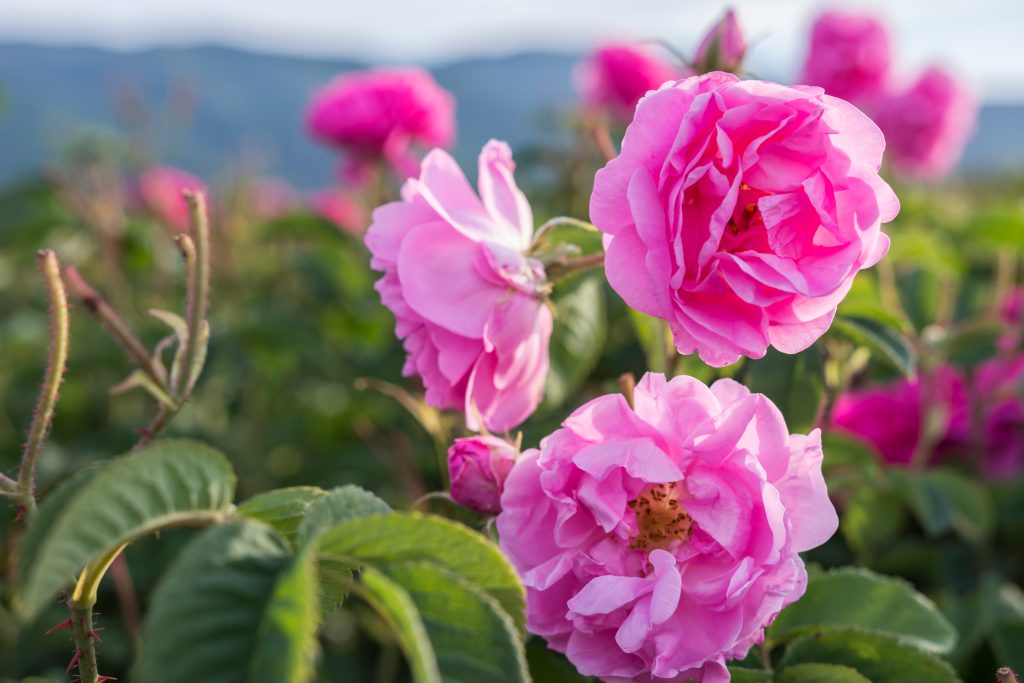
Wild roses are ancient. The fossil record places the rose family at somewhere between 35 and 70 million years old, with native species spread across the temperate northern hemisphere, from the wild prairies of the American Midwest to the foothills of the Caucasus and the mountains of western China.
By the time human civilizations began cultivating flowers for beauty and ritual, the rose was already there waiting.
From Ancient Sumer to the Roman World
The rose’s association with love, beauty, and ritual developed across several ancient civilizations. As roses moved between regions, each culture added another layer of meaning to the flower.
- Ancient Sumer: The earliest written evidence of rose cultivation comes from Sumer in Mesopotamia and dates to roughly 2200 B.C.
- Persian Empire: Vast fields of Damask roses stretched across what is now Iran. They produced rose water and rose oil that became central to Persian cuisine, perfumery, and ritual.
- Islamic Tradition: The Damask rose became associated with the Prophet Muhammad, while its scent was understood as both a blessing and a preview of paradise.
- The Silk Road: Damask roses moved west along ancient trade routes, crossed with European varieties, and helped shape what the modern world recognizes as a rose.
- Ancient Greece and Rome: The Greeks and Romans connected the rose to Aphrodite and Venus, the goddesses of love, beauty, fertility, and desire. Roman banquets during the blooming season sometimes ended with cascades of rose petals, while wealthy Romans spent fortunes on rose water and perfume.
The Latin phrase sub rosa, meaning “under the rose,” also came from this period. A rose was hung above private meetings to show that everything spoken beneath it was confidential. According to mythology, Cupid gave a rose to the god of silence to protect his mother Venus’s secrets. The flower therefore became a symbol of love, intimacy, trust, and discretion.
From Spiritual Love to Royal Power
As the rose moved into Christian Europe and medieval England, its symbolism expanded beyond romantic love. It became associated with spiritual devotion, purity, political identity, and royal power.
- Christian Devotion: When Christianity became the state religion of Rome in the fourth century, the rose took on a more spiritual meaning. Ambrose of Milan wrote that roses originally grew without thorns in the Garden of Eden and that the thorns appeared only after the fall.
- The Rose Without Thorns: Mary was described as the “rose without thorns,” representing purity and spiritual love.
- The Rosary and Rose Windows: By the twelfth century, the rose had become a central Christian symbol of devotion. The rosary took its name from the Latin word for a garland of roses, while European cathedrals began featuring rose windows that filtered light into prisms of color above the altar.
- The Wars of the Roses: In medieval England, the white rose represented the House of York, while the red rose represented the House of Lancaster.
- The Tudor Rose: Henry VII combined the two flowers into the Tudor rose after the conflict ended. It remains one of England’s most recognizable national emblems.
How the Rose Became a Language of Emotion
In Victorian England, the rose became a form of coded communication. Floriography, or the language of flowers, allowed women to express emotions they were not always permitted to speak aloud.
Different rose colors carried distinct meanings:
- Red Rose: Passionate or romantic love.
- Pink Rose: Admiration, affection, and appreciation.
- Yellow Rose: Friendship and warmth.
- White Rose: Innocence, purity, and secrecy.
- Dark Crimson Rose: Mourning and deep sorrow.
In 1986, Ronald Reagan signed a proclamation making the rose the national floral emblem of the United States. By then, the rose had traveled through Sumer, Persia, China, Greece, Rome, Christian Europe, Tudor England, Victorian sitting rooms, and the American garden.
Across each of these cultures and thousands of years, the rose carried some version of the same meaning: love, devotion, beauty, and the sacredness of the living body.
No other flower has maintained such a continuous symbolic record. The rose is the flower human beings have always returned to.
Free 28-Day Fascia Reset Email Course
Get our Free 28-day email course series to help with 1 or 2 exercises per day to release your fascia. One short lesson per day. Two minutes to read each.
Why Is the Rose Associated With High Vibrational Energy?
The rose has long been associated with elevated energy, emotional healing, and love. This idea appears most clearly in energy medicine and aromatherapy traditions, but it also connects with the documented effects of rose scent on the body and nervous system.
What Does Rose Frequency Mean in Energy Medicine?
In the vibrational frequency framework associated with Bruce Tainio’s measurements of essential oils and David Hawkins’s work on consciousness, the rose is described as carrying one of the highest measured vibrations of any flower.
Rose essential oil is often cited within this tradition at around 320 MHz on the Tainio scale. This places it above other widely revered plant essences, including sandalwood, lavender, and frankincense.
I am careful with how I present this idea because vibrational frequency in this framework is not the same kind of measurement as a peer-reviewed biochemical assay. It comes from bioenergetics and aromatherapy practice rather than mainstream chemistry.
What can be said without qualification is that women across cultures have used rose oil, rose water, and rose petals for thousands of years in rituals connected to:
- Love and Devotion: Roses have been used to express romantic, spiritual, and personal love.
- Grief and Transition: Rose rituals have often marked loss, change, and important life passages.
- Healing and Self-Care: Rose oil and rose water have been used in bathing, skin care, massage, and restorative practices.
- Beauty and Ceremony: Roses have played a central role in celebrations, sacred rituals, and personal adornment.
What Does the Research Say About Rose Scent?
The biochemistry behind the scent is real. Rose absolute contains more than 300 known aromatic compounds that interact with the limbic system through the olfactory nerve.
Some of its best-known compounds include:
- Citronellol: One of the primary compounds responsible for the rose’s fresh floral scent.
- Geraniol: A fragrant compound also found in other aromatic plants.
- Phenylethyl Alcohol: A major contributor to the soft, recognizable scent of fresh roses.
Research on rose aromatherapy has documented effects on cortisol, blood pressure, anxiety, and mood. The scent creates a measurable response in the body, even when the explanation is framed through conventional biology rather than energy medicine.
When I chose the rose as the symbol of the house I was building, I chose a flower that humans have recognized as a concentrated symbol of love and self-care for at least five millennia. The energy medicine framework gives that intuition one language, while aromatherapy research gives it another.
Whether you call it frequency, chemistry, or a combination of both, the rose was the right choice.
What Is the Hidden Meaning Behind “The House of Rose”?
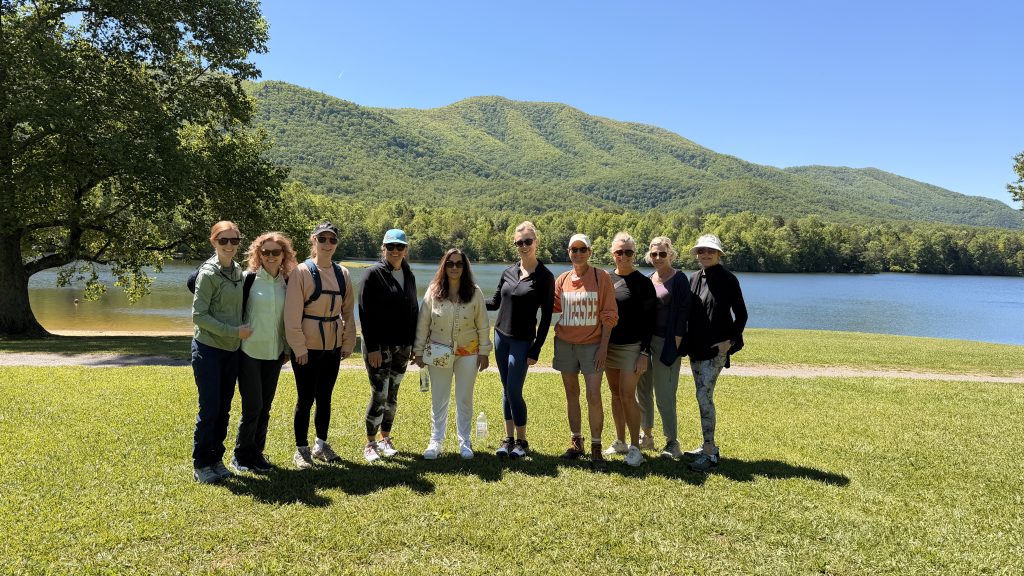
The other half of the name is the part most people do not catch at first. The house is the body.
This idea appears across older spiritual and philosophical traditions, where the body is often described as a dwelling, vessel, temple, or home for the inner life.
Why Is the Body Described as a House?
Different traditions use different language, but the central idea remains similar:
- Sanskrit Tradition: The word sharira refers to the physical body and comes from a root meaning “that which decays.” It also suggests a structure that holds something within it.
- Christian Mysticism: The body is described as “the temple of the Holy Spirit.”
- Greek Thought: The soma, or body, is understood as the vessel of the psyche.
- Yogic Tradition: The body is described through the koshas, or sheaths, that hold the deeper layers of being.
Across these traditions, the body is understood as the place where the inner life is carried and experienced.
What Happens When the House Meets the Rose?
When you put the house together with the rose, you get a sentence: the body is where love lives.
The body is where love is felt, practiced, given, and received. It is also where love can be neglected and where it can be restored. To care for the body is to care for the place where your love lives.
To inhabit your body with attention is to live inside a house you have furnished, cleaned, and made beautiful for yourself.
That is what THOR, The House of Rose, means.
This framing is more than a poetic idea for me. It describes the work I do every day at the property and the work I ask every woman who comes through to do for herself. Self-love, in this sense, is the practice of caring for the place where you live rather than waiting for a feeling or affirmation to create change on its own.
What Does Self-Love Look Like as a Daily Practice?
The reason I had to invent this particular language for the work is that the phrase “self-love” had become almost meaningless by the time I needed it most. In the wellness industry it has been reduced to bubble baths, candle ads, and motivational quotes printed over sunset photos.
None of that was what I needed when I was in early-onset menopause, gaining weight no matter what I did, sleeping four hours a night, raising two children, running a global creative agency, and slowly losing the thread of who I was.
What I needed was a definition of self-love that was concrete enough to do something with. So I wrote one for myself, and then I built a retreat around it.
Self-love as I teach it has four daily expressions, and each one is something you can measure rather than only feel.
Free 28-Day Fascia Reset Email Course
Get our Free 28-day email course series to help with 1 or 2 exercises per day to release your fascia. One short lesson per day. Two minutes to read each.
Nourishing Your Body With Real Food
The body that has been under-eating, over-caffeinating, and grabbing the nearest snack between meetings cannot receive love through an affirmation. It needs protein, fiber, minerals, electrolytes, and the kind of food that an actual human body has metabolized for the last 200,000 years.
The free Macro Calculator on our site is the first piece of work I ask every guest to do, often before they even arrive, because the math of nourishment is where self-love starts being measurable. The Macro Miracle Mediterranean Cookbook is the practical follow-on, with eighty recipes that give the calculator a place to live in your week.
Choosing Movement That Builds Your Body
Movement that the body actually wants, rather than punishment, performance, or the kind of training that elevates cortisol in a woman who is already at her limit. Strength work, walking, yoga, and rebounding all belong in the rotation, and the consistent thread is movement that builds the body rather than wearing it down.
In midlife, that distinction is the difference between a body that becomes stronger every year and one that breaks down faster.
Allowing Your Body to Rest Without Guilt
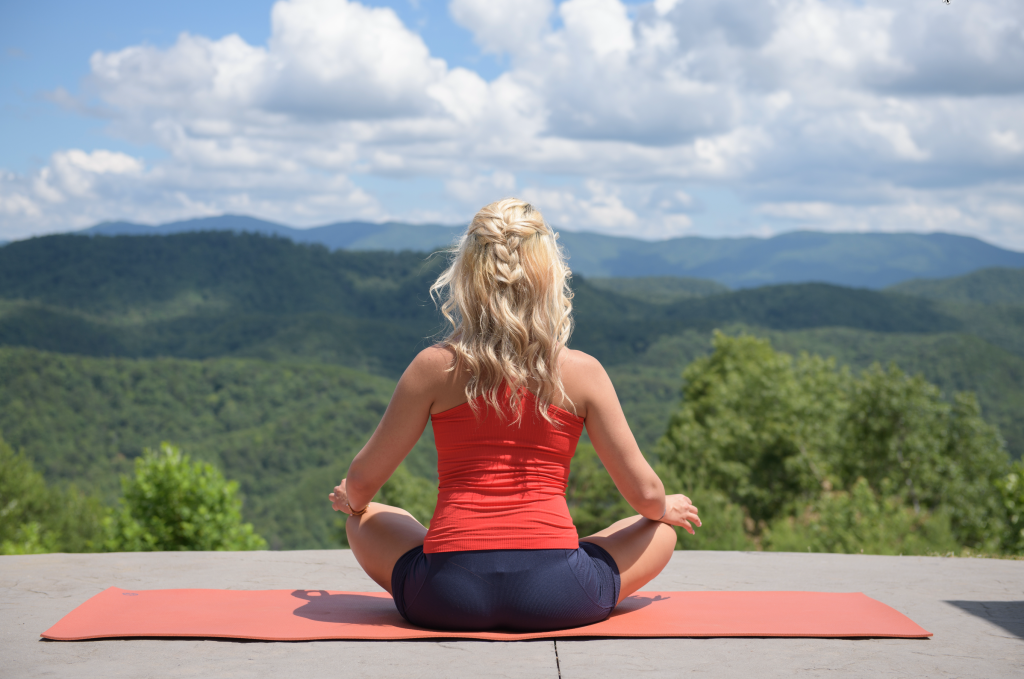
The third is rest that the body needs without earning it first. Most of the women who come to me have been raised on the idea that rest has to be earned through productivity. The body does not work that way. The body needs rest the way it needs water and food, as a precondition for being alive, not as a reward for being useful.
Learning to rest without guilt is one of the hardest pieces of midlife work, and it is one of the things a properly built retreat actually teaches.
Practicing How to Be Present in Your Body
The fourth is the deliberate practice of being in your body rather than escaping it. Most of modern life is built to pull us out of the body. Screens, alcohol, sugar, scrolling, the endless to-do list. To practice self-love in the way the rose tradition points at, a woman has to come back into her body deliberately, regularly, and for long enough to actually feel it.
Yoga is one path. Breathwork is one path. Fascia work and lymphatic practice are paths. Forest bathing, cold water, massage, slow walking, and time in nature are all paths. None of them require belief. They require minutes, daily, accumulated over time.
That is the daily practice. The rose is the symbol that holds it together because the rose, across every culture, has always carried a kind of love that is intimate and embodied rather than abstract or theoretical: love that is felt in the body, smelled in the air, and held in the hand.
How Do Women’s Wellness Retreats Carry the Rose Tradition?
There is a reason wellness retreats keep finding their way to women in midlife. The retreat as a form is a modern echo of something much older: the practice of stepping away from ordinary life to reset the body, the breath, and the inner self.
The pattern is older than any one religion or culture. A person reaches a threshold that everyday life cannot carry them across, so they step away to do that work somewhere designed for it.
How Do Retreats Continue an Ancient Practice?
Different traditions have used different names for this act of stepping away:
- Christian Monasticism: Retreat was a period of withdrawal for rest, reflection, and spiritual renewal.
- Yogic Traditions: Sadhana and tapas described focused practices intended to create discipline, transformation, and deeper awareness.
- Sufi Practice: Khalwa referred to spiritual seclusion and time away from everyday distractions.
- Indigenous Traditions: Vision quests created space for reflection, transition, guidance, and personal transformation.
The language changes, but the pattern remains the same. A person leaves the ordinary structure of life for a period of time so the body and inner life can move through an important transition.
 Why Does This Matter During Midlife?
 Why Does This Matter During Midlife?
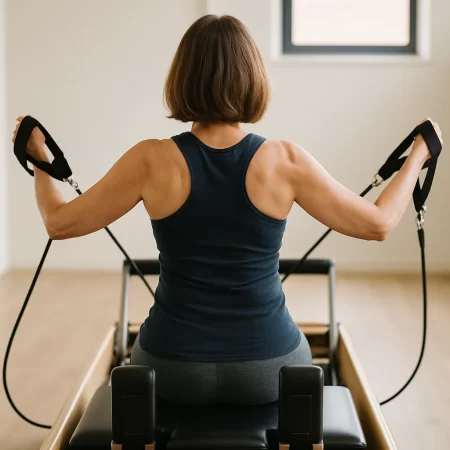
For women in perimenopause and menopause, that threshold is a real biological event rather than a spiritual abstraction. The hormonal shift of midlife can reorder the nervous system, metabolism, sleep architecture, emotional baseline, and sense of self in a way that few other life passages can match.
Trying to move through that change entirely inside the same daily structure that brought you to the threshold is like asking the body to renovate itself while still living in the construction zone.
A retreat creates a temporary structure for that work. It concentrates the same practices that self-love asks for at home into five focused days:
- Nourishment: Eating food that supports the body rather than simply getting through the day.
- Supportive Movement: Choosing movement that strengthens and restores the body without punishing it.
- Rest Without Guilt: Giving the nervous system enough time and space to slow down.
- Embodied Presence: Deliberately returning attention to the body instead of constantly escaping or overriding it.
These practices take place in an environment built around them, with a knowledgeable team and a small group of women moving through the same season of life.
How Do Yoga and Wellness Practices Carry the Tradition?
Yoga is one of the older threads running through the modern women’s wellness retreat. The Sanskrit word yoga comes from a root meaning to yoke, join, or bring together. The original yogic project was the reunification of the inner life with the body it inhabits.
For a woman who has been pulled out of her body by years of stress, screens, caretaking, and ambition, yoga becomes a daily ceremony of coming back home to the house.
The slower the practice, the more space it creates for this return. Yin and restorative yoga hold poses for several minutes, allowing the fascia, breath, and nervous system to recalibrate gradually. These forms are particularly suited to the midlife body. Hot vinyasa and power yoga can be valuable at the right stage, but they are not always the best entry point for a midlife reset.
The surrounding wellness practices are where the rose tradition becomes even more visible:
- Food and Nourishment: Care for the body through meals built around restoration.
- Spa and Bodywork: Hands-on practices that help the body soften and receive care.
- Fascia and Lymphatic Support: Techniques that encourage mobility, fluid movement, and physical release.
- Cold Water and Nature: Sensory practices that bring attention back into the body and the present moment.
- Small-Group Community: A supportive space where women can be seen without having to perform.
- Integration Support: Guidance that helps the retreat practices continue after the woman returns home.
Each element reflects the older traditions of rose oil, rose water, rose ritual, and rose ceremony. The modern wellness retreat is the rose tradition translated for a contemporary body.
Free 28-Day Fascia Reset Email Course
Get our Free 28-day email course series to help with 1 or 2 exercises per day to release your fascia. One short lesson per day. Two minutes to read each.
Which 5 Self-Love Practices Shape the THOR Experience?
When I bought the property in the Smoky Mountains, I sat with the question of what a retreat would have to do to actually deliver on the promise of self-love, not just market it. I wrote down five practices, and we built every aspect of the property and the program around them.
Slow Arrival
The day a guest arrives, we move slowly. The transport from the Knoxville airport is unhurried. The check-in is gentle. The first meal is built around protein, fiber, and warmth. The first yoga session is restorative. The first night is intentionally early. The body needs forty-eight hours to recognize that it is somewhere different from home, and we honor that.
Real Nourishment
Every meal at THOR is built for a midlife body, with thirty to forty grams of protein, a real vegetable and fiber base, and the kinds of slow carbohydrates and healthy fats that support hormonal recovery. We do not run juice cleanses. We do not run intermittent fasting protocols. We do not serve smoothie bowls as the main meal.
The kitchen is one of the hardest parts of the operation, and one of the most important. The foundational supplement stack is integrated where it belongs, alongside the meals.
Body Work That Changes the Tissue
Fascia release, lymphatic brushing, massage, infrared sauna, red light therapy, and cold water exposure are all on offer through the week, integrated rather than billed as luxury upsells. The biology behind these practices is real.
Fascia work changes the connective tissue. Lymphatic drainage moves fluid that has been stagnant for years in many midlife women. Cold water shifts vagal tone in minutes. Infrared and red light have published research support for inflammation, sleep, and mitochondrial function.
Community Without Performance
Twelve women per retreat is the cap and we hold it. The reason is that anything larger turns into an audience, and the practice we are doing together cannot happen in front of an audience. It can only happen in a small enough room that everyone can see each other, hear each other, and (within forty-eight hours) trust each other.
The community that forms inside a small retreat is one of the most underrated aspects of the entire experience, and one of the reasons women come back.
The Practice of Integration
The retreat is not finished when the guest goes home. The work for us begins on day six. We send guests home with a daily practice they can keep, the Macro Calculator foundation, access to follow-up coaching, and the option of joining the Monthly Personal Training and Nutrition Coaching Program or the sixteen-week Age With Strength program for women who want sustained 1:1 support after the retreat ends.
The integration window is roughly four weeks, and it determines whether the changes a woman makes at the property take root in the rest of her life.
These five practices are what The House of Rose is in operation. The rose is the symbol that holds them together. The house is the body that benefits from them.
What Does “Coming Home to Your Body” Mean in Midlife?
The phrase “coming home to your body” has been used so loosely in the wellness industry that it has lost much of its meaning. I want to give it back some specificity because it is one of the actual aims of every retreat we run.
For a woman in midlife, coming home to the body is rarely one dramatic transformation. It usually looks like a series of small reclamations that build over weeks and months.
What Do These Small Reclamations Look Like?
The changes often appear in ordinary moments that are easy to overlook:
- The First Restful Night: You sleep through without waking at three in the morning with your heart racing.
- The First Clear Morning: The puffiness around your eyes is gone because you ate enough protein and drank enough water the day before.
- The First Week of Easier Movement: Your joints feel looser because your fascia has received real attention.
- The First Unhurried Workday: You stop white-knuckling your way through the day and remember that you can take a real lunch break.
- The First Season of Feeling Like Yourself: You stop dreading getting dressed because your body begins to feel like it belongs to you again.
None of these changes are dramatic. They do not photograph particularly well, and they are not as easy to market as a before-and-after weight loss number.
But they are the real experience of self-love showing up in the body.
How Does the Practice Take Root?
The rose tradition has always understood that love is felt in the body through small, repeated acts. It appears in the way you nourish yourself, rest, move, breathe, and pay attention to what your body needs each day.
The wellness industry often overlooks these acts because they are not as visually striking as a dramatic transformation story. Yet these quieter changes are what make self-love sustainable.
The retreat is where these small acts are practiced in a concentrated way, every day for five days, within an environment that supports them. The home practice is where they continue. Integration support is where they begin to take root.
Over time, the rose tradition starts to feel less like an idea and more like the way the body actually lives.
Free 28-Day Fascia Reset Email Course
Get our Free 28-day email course series to help with 1 or 2 exercises per day to release your fascia. One short lesson per day. Two minutes to read each.
Why Is THOR Located in the Smoky Mountains?
I am often asked why I chose the Smoky Mountains specifically. The short answer is that the geography itself supports much of the work the program is designed to do.
The setting creates conditions for rest, nervous system regulation, movement, and reconnection with nature before a guest even begins the daily retreat practices.
How Does the Natural Environment Support the Retreat?
The Smoky Mountains are among the oldest mountain ranges in North America and contain one of the densest forest canopies in the world. The Cherokee called this region the place of the blue smoke, referring to the mist that rises from the trees in the morning.
Research on spending time in dense forests, often called shinrin-yoku or forest bathing, has documented benefits for cortisol, sleep, immune function, and parasympathetic nervous system activity. For a woman whose nervous system has been stuck in sympathetic gear for years, the setting becomes part of the restorative process.
Several features of the region support the retreat experience:
- Dense Forest: Time beneath the tree canopy creates space for slower movement, quiet reflection, and nervous system regulation.
- Moderate Elevation: The property sits at an elevation that supports the mountain experience without the discomfort associated with high altitude.
- Fresh Air: The deep mountain environment provides a noticeable contrast to the traffic, screens, and indoor spaces that shape everyday life.
- Cold Water: The naturally cold water supports sensory practices that bring attention back into the body.
- Distinct Seasons: Late spring and early fall provide particularly comfortable conditions for outdoor movement, nature walks, and restorative practices.
The geography does not replace the program. It strengthens it by creating an environment where the body can begin slowing down naturally.
Why Did Accessibility Matter?
I could have built the property in California or Sedona. Both locations might have appeared more glamorous, but they also would have made the retreat significantly more expensive for guests.
I chose East Tennessee because the geography fit the work and because I wanted the price point to remain reachable for women who genuinely needed the program, not only those who could afford a luxury spa weekend.
The rose tradition has always been democratic in its own way:
- Persian Rose Fields: Roses were grown in open fields and used by ordinary people, not only the wealthy.
- Roman Rose Festivals: Rose celebrations were public events shared across the community.
- Victorian Floriography: The language of flowers became a code used by women across social classes.
The house I built needed to reflect that same principle. It had to be accessible to women who needed a place to restore themselves, not only to women who could pay a premium for the same idea wrapped in a more exclusive aesthetic.
What Is the Deeper Vision Behind The House of Rose?
The deeper mission of THOR is to teach women, in a way the modern world has stopped doing, to inhabit their own bodies with love.
Most women I work with are between forty and sixty-five. They have spent decades caring for other people and holding together nearly every part of their families, careers, and communities.
What Does It Mean to Be Cared For?
By the time many women arrive at the retreat, they have already spent years:
- Raising Children: Putting their children’s needs, routines, and well-being ahead of their own.
- Building Careers: Managing responsibilities, deadlines, businesses, and teams.
- Supporting Loved Ones: Caring for partners, aging parents, relatives, and friends.
- Holding Communities Together: Becoming the person everyone relies on for support, organization, and stability.
They are often genuinely surprised when someone asks them: What do you actually need? When was the last time you were the priority? What does your body specifically want this week?
The vision of THOR is that every woman who walks onto the property finds an environment that has anticipated her, prepared for her, and built itself around her well-being for five days.
The whole point of being at THOR is that someone has finally been thinking about you carefully and placing that care into:
- Every Meal: Food designed to nourish and support the midlife body.
- Every Session: Movement and practices selected with her needs in mind.
- Every Treatment: Bodywork that creates space for physical and emotional restoration.
- Every Quiet Hour: Time to rest without having to earn it or explain it.
The week is meant to recalibrate a woman’s expectations of what it feels like to be cared for. When she returns home, she has a working model for how to offer that same care to herself.
That recalibration is what self-love actually requires. You cannot love yourself well if you do not have a felt sense of what well looks like. The retreat is where that felt sense is built. Daily practice is what keeps it alive afterward.
How Does the Host Retreat Path Extend the Mission?
The host side of the mission is the other half of the work, and one I want to mention briefly.
Some women who come through our retreats discover that they want to create this kind of experience for their own communities, in their own way. We work with them to build their retreats, sometimes on our property, sometimes elsewhere, and sometimes with our team working alongside them.
The host retreat path is one of the deepest expressions of the rose tradition. It teaches a woman not only to love and care for her own body, but also to build the kind of sanctuary that helps other women come home to theirs.
If that is calling to you, we can talk.
Free 28-Day Fascia Reset Email Course
Get our Free 28-day email course series to help with 1 or 2 exercises per day to release your fascia. One short lesson per day. Two minutes to read each.
How Can You Begin Your Journey With THOR?
If you have read this far, the rose tradition is already speaking to something in you. The next step is yours to make, and the right one depends on where you are in your own journey.
THOR offers several ways to begin, from simple nutrition tools you can use at home to a complete retreat experience in the Smoky Mountains.
Which Starting Point Is Right for You?
You do not need to change everything at once. Begin with the level of support that fits your current needs:
- Start With Nutrition: The free Macro Calculator is the first resource I would put in your hands. It provides the foundation for the nutrition work and is one of the easiest places to begin.
- Bring the Plan Into Your Kitchen: The Macro Miracle Mediterranean Cookbook gives the calculator a practical place to live through meals you can prepare as part of your regular week.
- Add Another Layer of Support: The supplement collection supports women who are ready to build on their existing nutrition and wellness practices.
- Work With Our Team: The Monthly Coaching Program provides 1:1 support for women who want guidance between retreats or prefer a longer-term option instead of attending one.
Each path begins with the same goal: helping you understand what your body needs and giving you practical ways to respond.
What Does the Full THOR Reset Include?
For women ready for a more immersive reset, the Deeply Restorative Yoga and Nature Retreat in the Smoky Mountains is the experience described throughout this article.
The retreat includes:
- Five Days and Four Nights: Enough time for the body to slow down and begin adjusting to a different rhythm.
- A Small Group: Each retreat is limited to a maximum of twelve women.
- Food and Nourishment: Meals designed to support the needs of the midlife body.
- Restorative Bodywork: Spa treatments, fascia work, and lymphatic protocols are built into the experience.
- Movement and Strength: Practices that help women reconnect with and support their bodies.
- Integration Support: Guidance that helps the retreat practices continue after returning home.
- Airport Transportation: Transport from Knoxville is included to make arrival and departure easier.
Everything is designed to work together, creating a temporary structure in which nourishment, movement, rest, and embodied presence can become daily practices rather than ideas.
How Can You Carry the Work Into Your Community?
For women who feel called to create this kind of experience for others, the host retreat path is open. We can explore what it might look like to build the work in your own community, whether that happens at our property, somewhere else, or with support from our team.
Whatever your next step may be, the philosophy beneath the work remains the same. The body is the house, the rose is the love, and the practice is the daily work of inhabiting one with the other.
The retreat provides a temporary structure that makes those daily practices easier to learn. The wider mission is to give every woman who arrives at THOR a felt sense of what it means to be carefully supported and cared for, so she can eventually offer that same quality of care to herself.
That is what The House of Rose means, and it is what I built THOR to be from the beginning.
Frequently Asked Questions
What does THOR stand for?
THOR is the acronym for The House of Rose. The full name is the way we usually refer to the brand, and the acronym is the shorthand used in conversation, on the property, and across the program names.
Why a rose?
The rose has been the symbol of love across nearly every human culture for at least 5,000 years, from Sumerian temple offerings to Persian rose water to Greek and Roman devotion to Aphrodite and Venus, through the Christian transformation to the Virgin Mary, the Tudor rose of England, the Victorian language of flowers, and the modern American national flower.
No other plant has carried a continuous symbolic record of love over that span of time. Choosing the rose tied the brand to the deepest and longest lineage of love symbolism that human beings have produced.
What does “the house” refer to in the name?
The house is the body. In nearly every wisdom tradition I have studied (yogic, Christian, Greek, Sufi, Indigenous), the body is described as a dwelling, a vessel, or a temple. Putting the house together with the rose gives a phrase that translates as “the body as the place where love lives.” Self-love, in other words.
Is the rose really the highest vibrational flower?
In the bioenergetic and aromatherapy framework popularized by Bruce Tainio and David Hawkins, rose essential oil is measured at one of the highest vibrational frequencies of any plant essence, typically cited around 320 MHz on the Tainio scale. That framework is rooted in energy medicine traditions rather than mainstream biochemistry.
What is verifiable through peer-reviewed research is that rose oil contains over 300 aromatic compounds and has measurable effects on cortisol, anxiety, and mood through olfactory pathways. Either lens supports the choice of the rose as a primary symbol of love.
What is the meaning of self-love at The House of Rose?
Self-love is taught as a concrete daily practice rather than a feeling or affirmation. It consists of four daily expressions: real nourishment, movement the body actually wants, rest taken without guilt, and the deliberate practice of being in the body rather than escaping it. Every aspect of the retreat program is built to make those four practices easier to do, and the integration support extends them into the months after a guest goes home.
How does a women’s wellness retreat fit into the rose tradition?
Across nearly every culture, the rose was used in rituals around love, healing, transition, and beauty, often in contexts of stepping away from ordinary life to do internal work. The modern wellness retreat is a contemporary form of the same impulse.
A retreat creates the temporary structure for the work, gives the body the conditions to reset, and builds a daily practice that the woman takes home with her. The yoga, the food, the spa work, the fascia release, and the small group are all modern translations of the older rose tradition.
Who is THOR built for?
THOR is built for women in perimenopause, menopause, and post-menopause who are ready to reset their relationship with their bodies. The youngest women who come are usually in their late thirties dealing with early hormonal shifts. The oldest are usually in their mid sixties. The common thread is a woman who has spent years caring for everyone else and is ready to be cared for, and to learn to care for herself, in a deeper way.
Free 28-Day Fascia Reset Email Course
Get our Free 28-day email course series to help with 1 or 2 exercises per day to release your fascia. One short lesson per day. Two minutes to read each.
Why is THOR in the Smoky Mountains specifically?
The Smoky Mountains have one of the densest forest canopies in the world, exceptional air quality, moderate elevation that supports sleep, cold mineral-rich water, and a climate that supports a full retreat season in spring and fall.
The published research on forest immersion (shinrin-yoku) shows real biological effects on cortisol, immune function, and the autonomic nervous system. The geography is doing some of the work the program is doing. The location also keeps the price point accessible compared to a California or Sedona equivalent.
How is the THOR retreat different from other yoga retreats?
The retreat is built specifically for midlife and menopausal bodies. Group size is capped at twelve women. Every meal is designed around thirty to forty grams of protein with hormonal recovery in mind. Restorative and yin yoga are the spine of the practice rather than hot vinyasa.
Fascia work, lymphatic brushing, massage, infrared sauna, and red light therapy are integrated into the program. The schedule has flexible afternoon sessions. The founder (me) is on the property, not flying in for a single session. The integration support extends six weeks after the retreat ends.
Is The House of Rose a religious or spiritual program?
THOR is not a religious or spiritual program in the formal sense. The name draws on the symbolic and historical traditions around the rose, but the program itself is grounded in evidence-based wellness practice. Nutrition, strength training, fascia work, breathwork, restorative yoga, and integrated body work are all rooted in research.
The philosophy is humanist and embodied rather than religious. Women of any faith background (or none) find the work resonant.
What does the mission of THOR include beyond the retreat?
The retreat is the most concentrated form of the work, but the full mission spans the free macro calculator (the entry point to the nutrition piece), the Macro Miracle Mediterranean Cookbook, the supplement collection, the 1:1 coaching programs, the guest retreat experience, and the host retreat partnership path for women who want to build similar work in their own communities. Every layer is built on the same philosophy.
Can I bring a friend, sister, or daughter to a THOR retreat?
Bringing a companion is welcome and common. Many women come with a partner, friend, sister, or adult daughter. The age range and life-stage range of the group is usually wide enough to accommodate this well. Both formats (alone and with a companion) work. A good retreat creates community within the first twenty-four hours regardless.
What if I am brand new to yoga or wellness retreats?
Most women who come to THOR are not seasoned yogis. The practice on the property is built to be accessible to beginners and to women returning to movement after a long break. The strength work, the breathwork, the fascia release, and the nutrition work do not require any prior experience. The retreat assumes you are starting where you are.
How do I know if THOR is the right retreat for me?
The clearest signal is whether the philosophy in this article resonates with what you are actually looking for. If “the body as the home where love lives” lands as the kind of frame you have been searching for (and if you are in midlife or close to it), THOR is probably the right fit.
If you are looking for a high-intensity fitness camp, a juice cleanse, a silent meditation retreat, or a luxury spa weekend, there are excellent options elsewhere that will serve you better. The best next step is to schedule a call with our team or read through our retreat overview pages to see whether the program matches what your body is asking for.
References
- Morley, S. (2024). By Any Other Name: A Cultural History of the Rose. Oneworld Publications.
- Roos, D. (2026, May 29). The secret history of roses. History.com. https://www.history.com/
- Reagan, R. (1986). Proclamation 5574: Designation of the Rose as the National Floral Emblem of the United States of America. The Ronald Reagan Presidential Library. https://www.reaganlibrary.gov/archives/speech/proclamation-5574-designation-rose-national-floral-emblem-united-states-america
- Antonelli, M., Donelli, D., & Barbieri, G. (2019). Effects of forest bathing (shinrin-yoku) on levels of cortisol as a stress biomarker: a systematic review and meta-analysis. International Journal of Biometeorology, 63(8), 1117–1134.
- Park, B. J., Tsunetsugu, Y., Kasetani, T., Kagawa, T., & Miyazaki, Y. (2010). The physiological effects of shinrin-yoku (taking in the forest atmosphere or forest bathing): evidence from field experiments in 24 forests across Japan. Environmental Health and Preventive Medicine, 15(1), 18–26.
- Li, Q. (2010). Effect of forest bathing trips on human immune function. Environmental Health and Preventive Medicine, 15(1), 9–17.
- Hongratanaworakit, T. (2009). Relaxing effect of rose oil on humans. Natural Product Communications, 4(2), 291–296.
- Igarashi, M., Song, C., Ikei, H., & Miyazaki, Y. (2014). Effect of olfactory stimulation by fresh rose flowers on autonomic nervous activity. Journal of Alternative and Complementary Medicine, 20(9), 727–731.
- Mahboubi, M. (2016). Rosa damascena as holy ancient herb with novel applications. Journal of Traditional and Complementary Medicine, 6(1), 10–16.
- Boskabady, M. H., Shafei, M. N., Saberi, Z., & Amini, S. (2011). Pharmacological effects of Rosa damascena. Iranian Journal of Basic Medical Sciences, 14(4), 295–307.
- Neff, K. D. (2003). Self-compassion: An alternative conceptualization of a healthy attitude toward oneself. Self and Identity, 2(2), 85–101.
- Cramer, H., Lauche, R., Langhorst, J., & Dobos, G. (2018). Yoga for menopausal symptoms: a systematic review and meta-analysis. Maturitas, 109, 13–25.
- Innes, K. E., Selfe, T. K., & Vishnu, A. (2010). Mind-body therapies for menopausal symptoms: a systematic review. Maturitas, 66(2), 135–149.
- Hopper, S. I., Murray, S. L., Ferrara, L. R., & Singleton, J. K. (2019). Effectiveness of diaphragmatic breathing for reducing physiological and psychological stress in adults. JBI Database of Systematic Reviews and Implementation Reports, 17(9), 1855–1876.
- Bauer, J., Biolo, G., Cederholm, T., et al. (2013). Evidence-based recommendations for optimal dietary protein intake in older people: a position paper from the PROT-AGE Study Group. Journal of the American Medical Directors Association, 14(8), 542–559.
- Hawkins, D. R. (2002). Power vs. Force: The Hidden Determinants of Human Behavior. Hay House.
- Tainio Technology. (Cited within bioenergetic and aromatherapy literature, frequencies of essential oils measured in MHz on the Tainio scale).
- Ambrose of Milan. (4th century). De Institutione Virginis. Referenced in Duke University’s Stroll in the Garden archive on Christian rose symbolism. https://arts.duke.edu/stroll-in-the-garden/
- Friends of Notre Dame de Paris. The rose windows of Notre-Dame Cathedral. https://www.friendsofnotredamedeparis.org/cathedral/artifacts/rose-windows/
- de La Tour, C. (1819). Le Langage des Fleurs. (Original French publication; English translations available through Cornell University Library exhibits on floriography). https://exhibits.library.cornell.edu/written-in-petals/feature/le-langage-des-fleurs-charlotte-de-la-tour
Free 28-Day Fascia Reset Email Course
Get our Free 28-day email course series to help with 1 or 2 exercises per day to release your fascia. One short lesson per day. Two minutes to read each.

Terry Tateossian is a Menopause Lifestyle Medicine Coach, Certified Personal Trainer & Nutritionist and the Founder of THOR: The House of Rose, a wellness brand serving women over 40 through retreats, coaching, macro-nutrition and community. As 25-year founder and entrepreneur, Terry spent two and a half decades building and running successful start-up businesses, an experience that put her on the front line of founder burnout long before she could name it. After facing serious health challenges, early onset menopause, and emotional eating while running her agency and raising two children, Terry rebuilt her health in her 40s and lost more than 80 pounds through evidence-based nutrition, training, and mindset work. Today, she helps women get strong, improve confidence, support hormone health, and create a stronger second half of life. Terry has been featured in major media outlets and is available for podcasts, expert commentary, brand collaborations, and speaking engagements on midlife health, reinvention, emotional eating, menopause wellness, and strength training for longevity. Get her free macro calculator (her cookbook companion) to start your journey to back to health.